
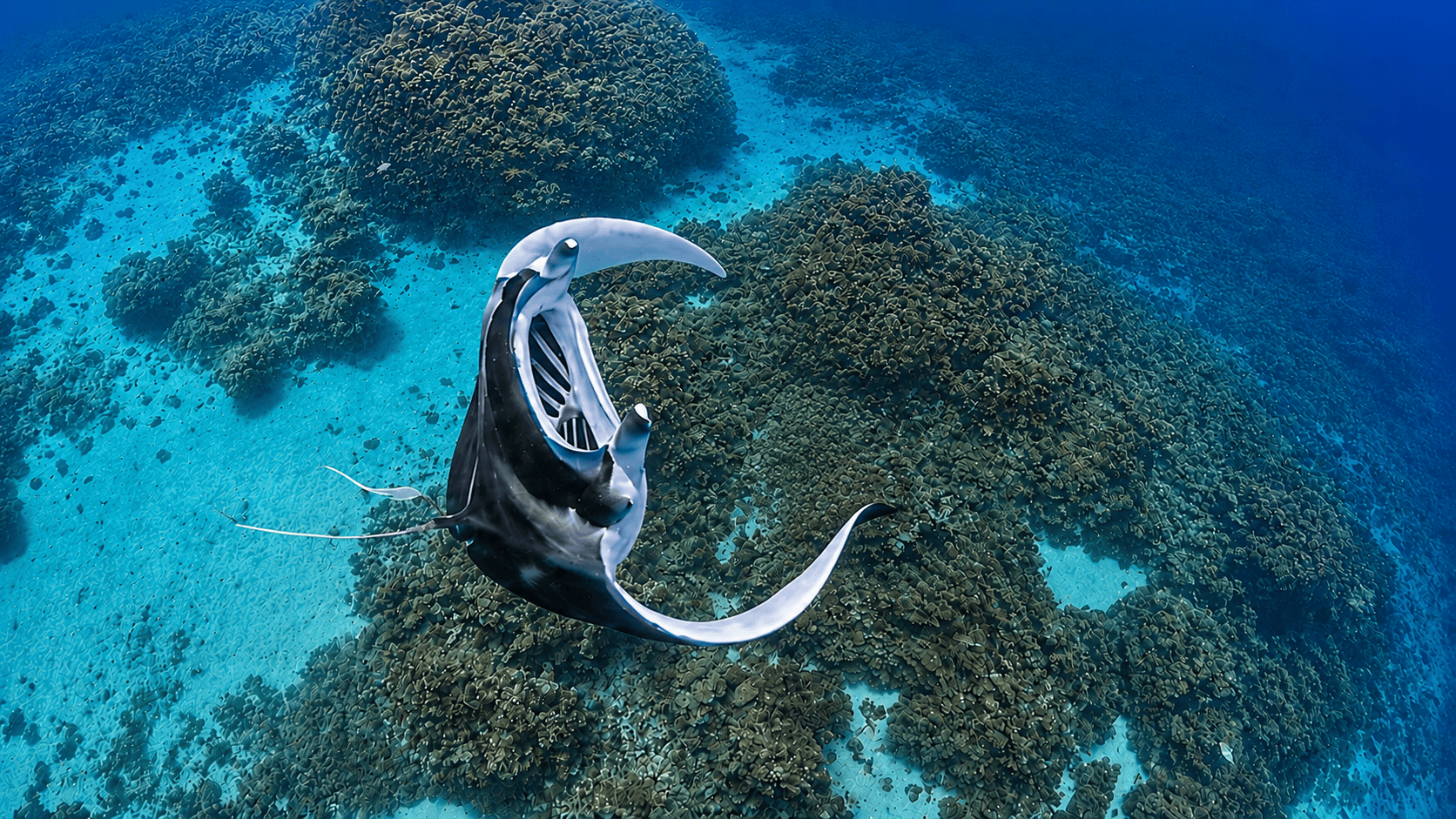
Rising dramatically from the crystalline expanse of the South Pacific, Bora Bora stands as the quintessential crown jewel of French Polynesia, a volcanic masterpiece sculpted by time and fringed by an impossibly vibrant aquatic ecosystem.
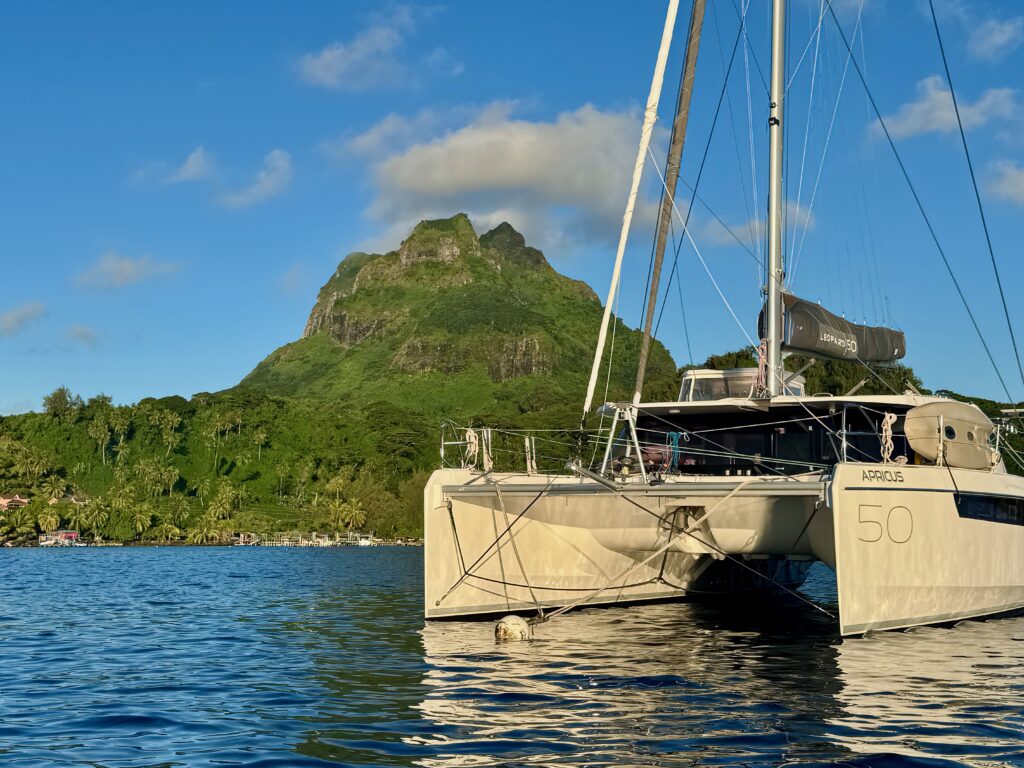
Located in the Leeward group of the Society Islands, this legendary destination is defined by its striking geography: a jagged, emerald nucleus dominated by the remnants of an extinct volcano, Mount Otemanu, which rises majestically to 2,385 feet above the sea.

Surrounding the island’s volcanic interior is a barrier reef and a chain of low-lying coral islets, known as motus, which isolate the central lagoon from the open ocean. The water depth varies significantly across the lagoon, creating distinct color shifts—from nearly clear to deep indigo. This protected marine environment supports a diverse ecosystem of coral and marine life, making the lagoon a frequent destination for recreational snorkeling and scuba diving.
Beyond its obvious natural grandeur, Bora Bora has cultivated an iconic reputation for ultimate luxury and seclusion, dominated by its signature overwater bungalows. Honestly, though, this was a bit of a negative for us. We prefer casual, deeply authentic destinations.
But Bora Bora really surprised us; despite its touristic reputation, we loved it.
Bora Bora Highlights
1. Swimming with Manta Rays
Bora Bora’s sheltered lagoon serves as a critical, year-round habitat and reproductive sanctuary for reef manta ray. The island’s eastern lagoon, particularly around sites such as Anau and Fafapiti, features shallow coral formations that serve as natural cleaning stations. Here, resident mantas congregate so that specialized cleaner wrasses can remove parasites from their skin, gills, and mouths.
Because these large filter-feeders rely on the lagoon’s plankton populations and fragile cleaning stations, people are not allowed to dive down to the manta rays in Bora Bora. However, I cheerfully glided above them and enjoyed watching their graceful movements.

The manta rays found in Bora Bora are reef manta ray.
Unlike the larger giant oceanic manta rays, which spend most of their lives in the open ocean, the reef manta ray is smaller—typically averaging 10 to 11.5 feet in disc width—and exhibits high site fidelity, meaning individuals frequently stay within or regularly return to the same coastal and lagoon areas.
Marine biologists and conservation groups, including the French Polynesia Manta Project (Manta Trust), have cataloged more than 100 distinct individuals specifically within the Bora Bora lagoon system using unique spot patterns on their bellies.
Luckily for me, one manta ray and I hit it off especially well. After a long while of gliding together, it swam up to me. We were swimming just a few inches apart.

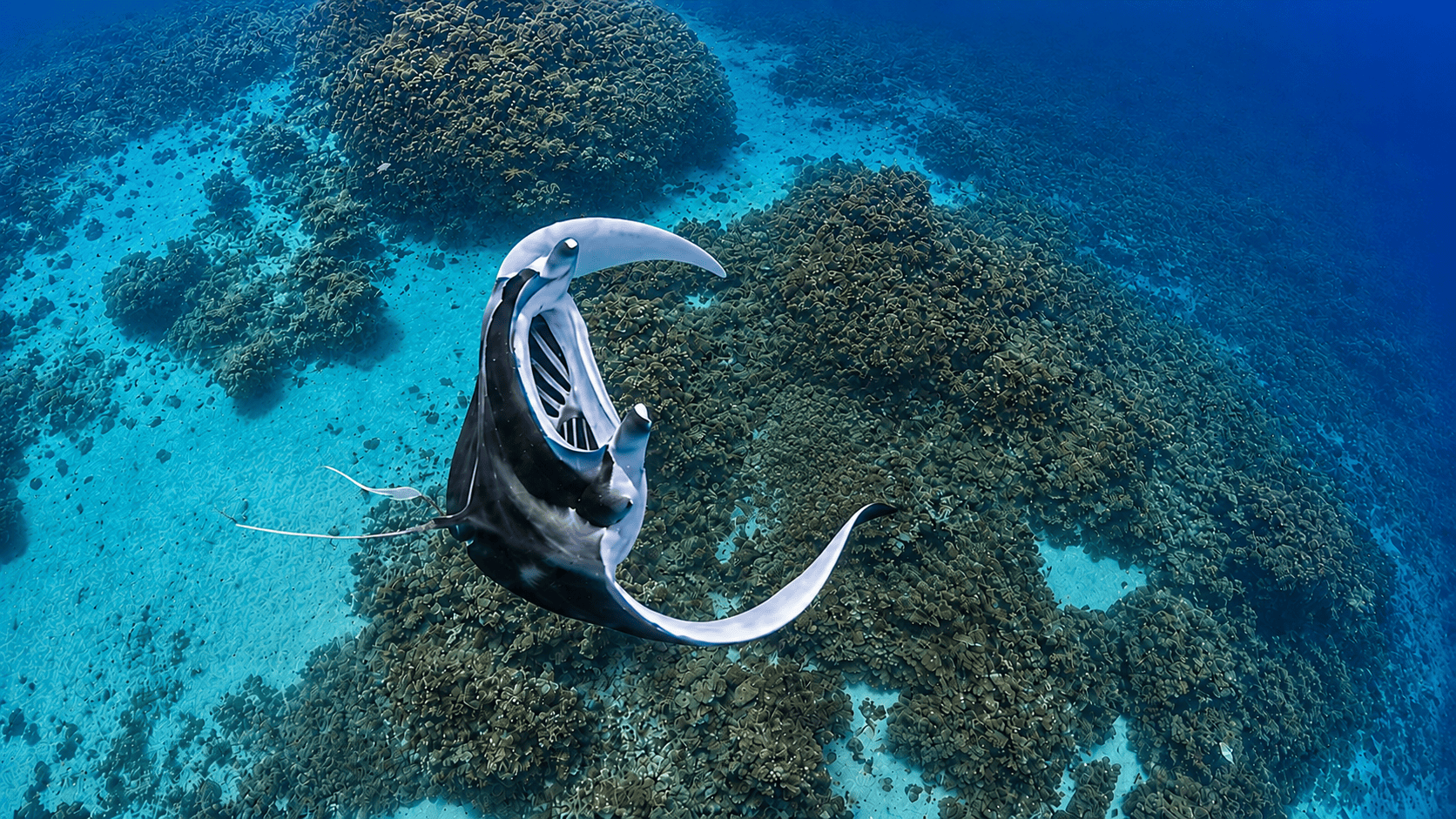
That was a bucket list moment, for sure.
We saw about six of them in all that day.


2. Swimming with Eagle Rays
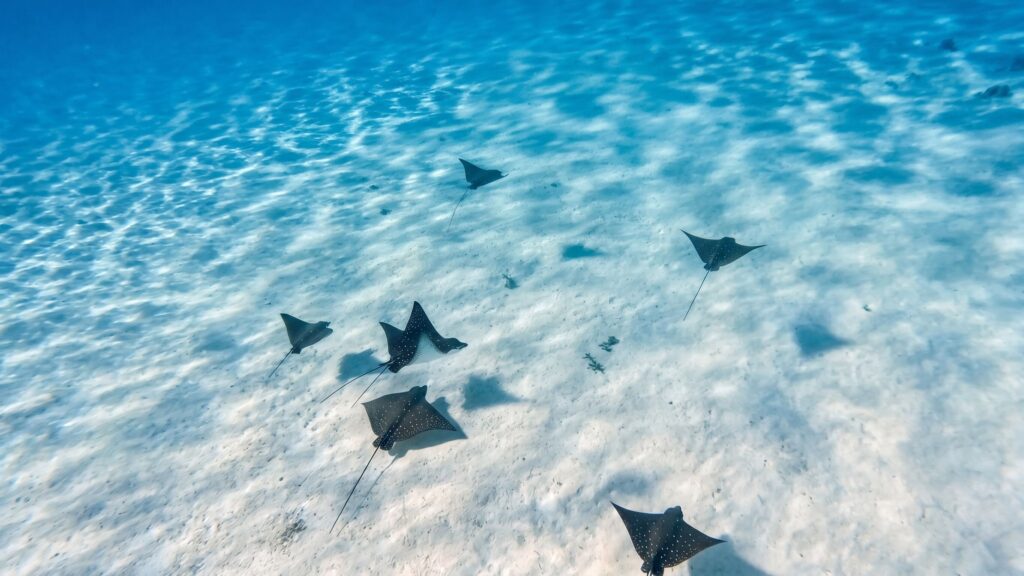
Bora Bora’s lagoon system also supports a significant resident population of the ocellated eagle ray. These large whitespotted eagle rays typically have a wingspan of five to eight feet and are distinguished by their dark dorsal surface covered in distinct white rings and spots, an elongated snout resembling a duck’s bill, and a long tail armed with venomous spines at the base.
The ocellated eagle rays in Bora Bora are highly social and regularly form large schools that move in coordinated formations through deep lagoon channels and sandy flats. They are active benthic foragers, using their specialized teeth and sensitive snouts to dig into the sandy substrate to extract mollusks, crabs, and bivalves.
We were able to swim with them just a short distance away from our boat in the Motu Fareone mooring field. They were incredibly graceful and beautiful to watch.
3. Snorkeling L’ Aquarium
L’Aquarium is one of the most famous and highly visited natural snorkeling sites inside Bora Bora’s lagoon.
The site is situated directly off the southern tip of Motu Pitiuu Uta, the private islet historically home to the Sofitel Bora Bora Private Island Resort. Because it is nestled within the wide barrier reef and protected from the open ocean’s swells, the water conditions remain exceptionally calm.
The area features a shallow, sandy floor interspersed with large coral structures, with depths ranging from six to 15 feet.

True to its name, the high concentration and diversity of fish give the feel of a natural swimming aquarium. Common sightings include:
- Large schools of colorful reef fish, including black-backed butterflyfish, parrotfish, sergeant majors, and Picasso triggerfish
- Moray eels sheltering within the crevices of the coral formations
- Occasional stingrays gliding over the sandy bottom to access localized cleaning stations
It is also home to the famous “I Love Bora Bora” sea floor stone arrangement.

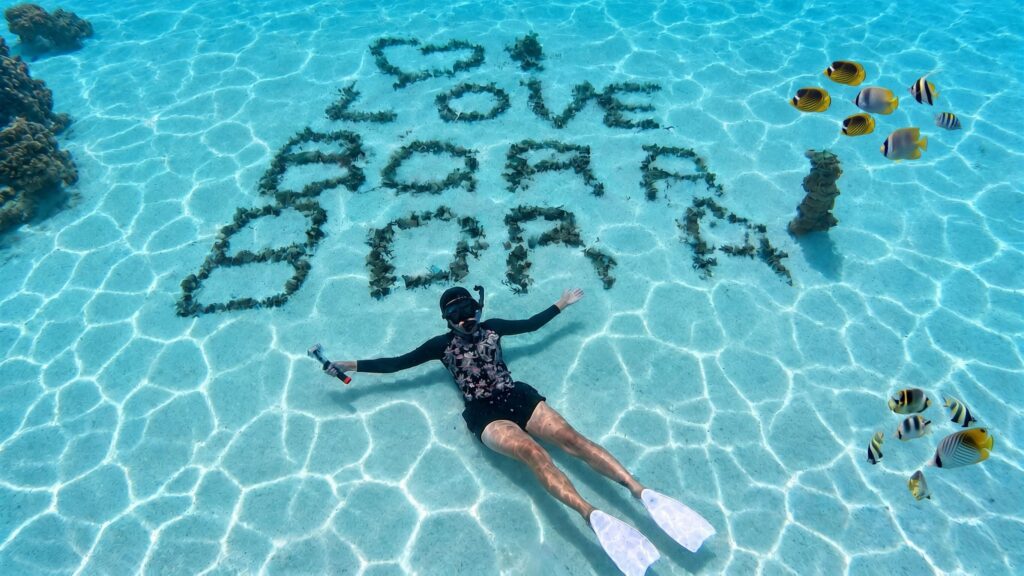
The latter was kitschy, but fun.
4. Hiking Mount Popoti
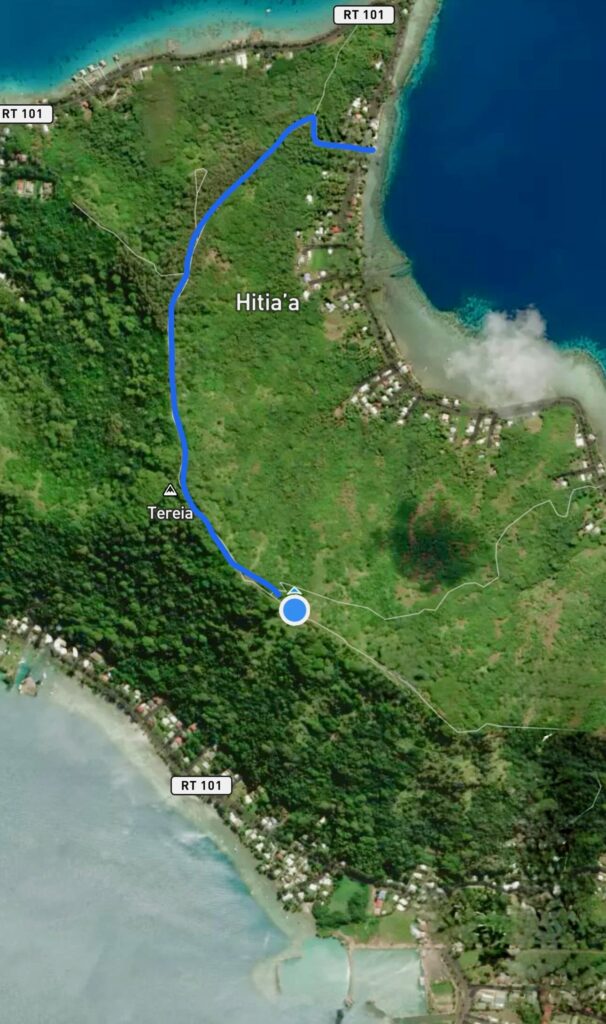
The trail begins in the northern district of Anau and follows a rugged, unpaved track originally cleared for 4×4 vehicles, ascending steadily through dense tropical vegetation, wild hibiscus thickets, and mango groves. As the path gains elevation along the volcanic ridgeline, the forest opens to offer panoramic views of both the eastern and western sides of Bora Bora’s barrier reef.
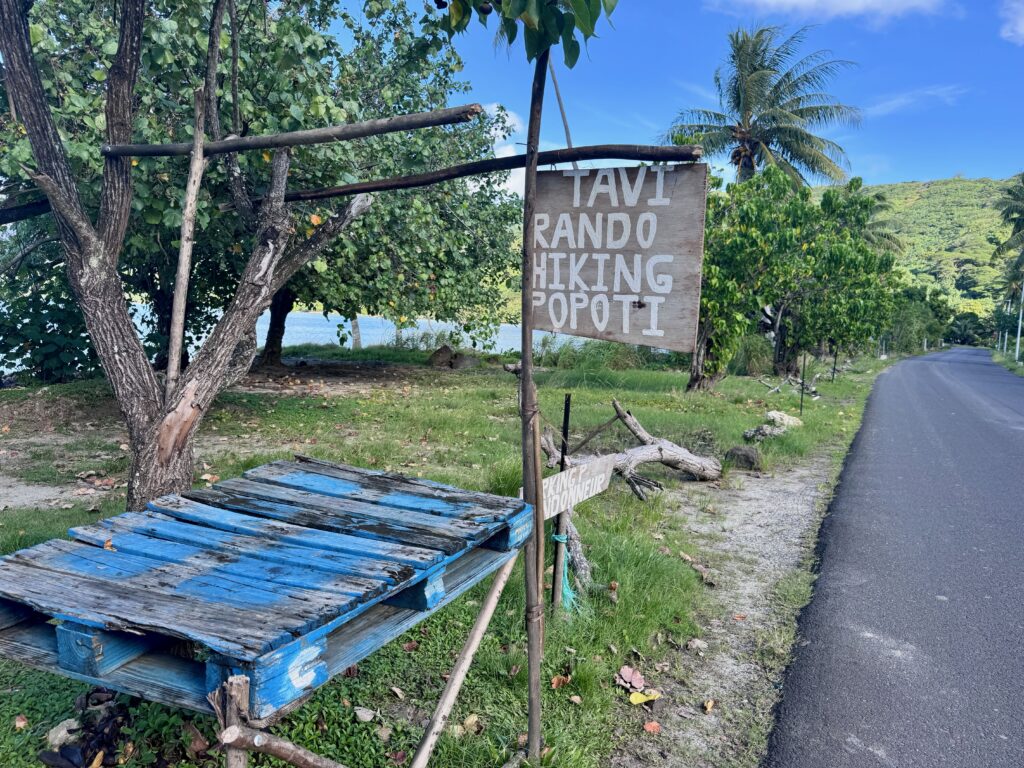
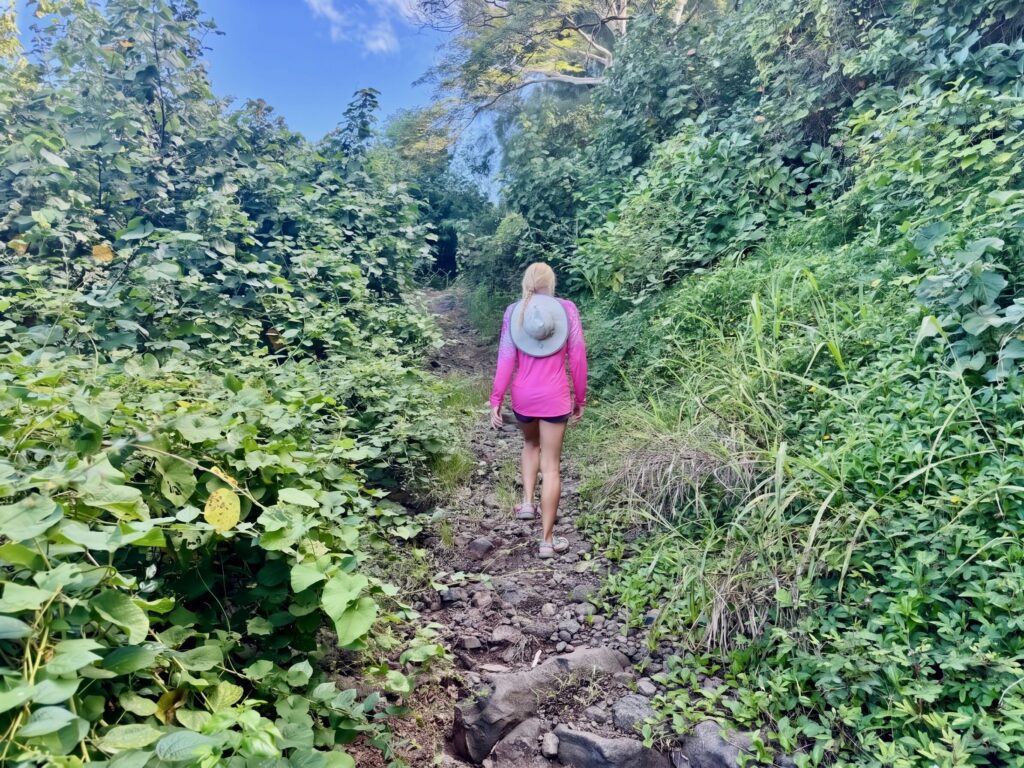
The trail has a healthy incline in several spots, but overall, Roy and I both thought it was moderate.
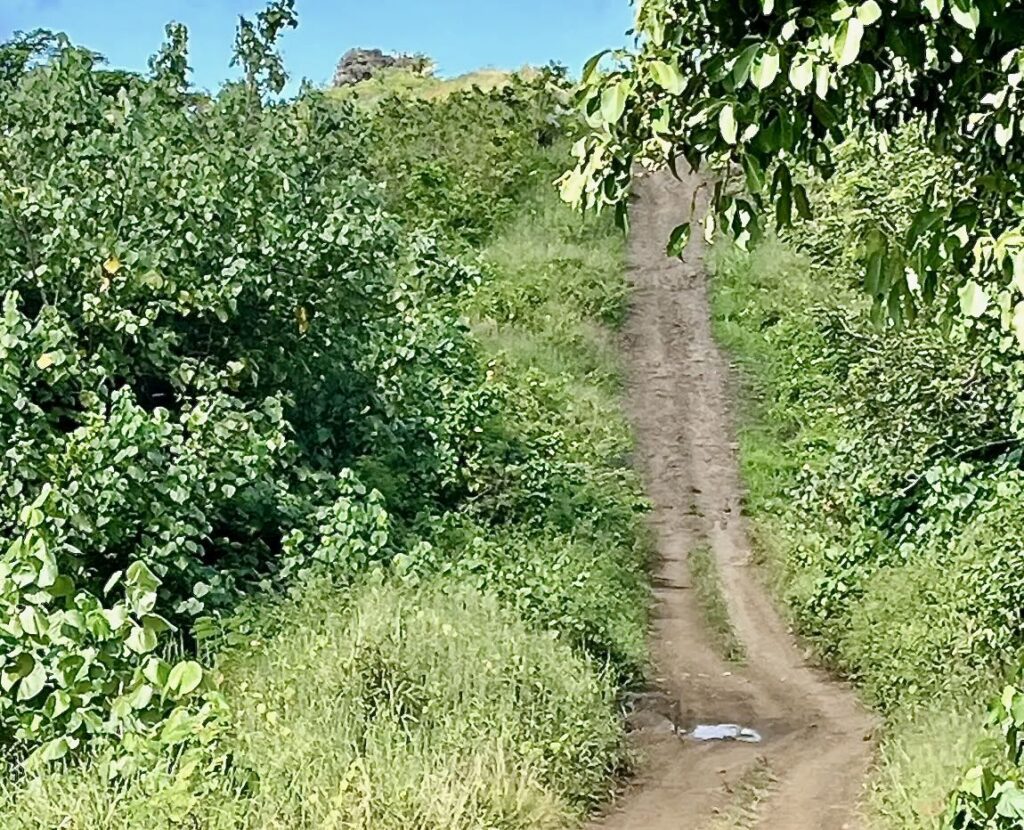
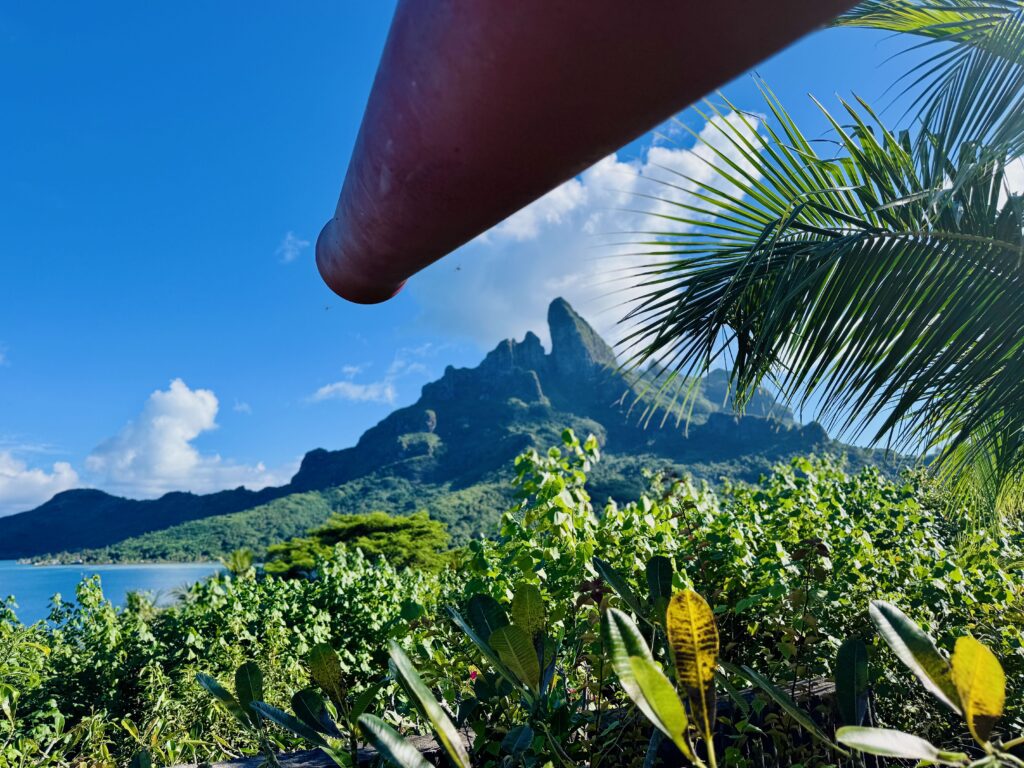
At the summit, which stands at approximately 817 feet above sea level, you reach a flat clearing featuring a distinctive stone structure and a 360-degree viewpoint. From this vantage point, the entire northern curve of the lagoon, the surrounding motus, and neighboring Mount Otemanu are fully visible.

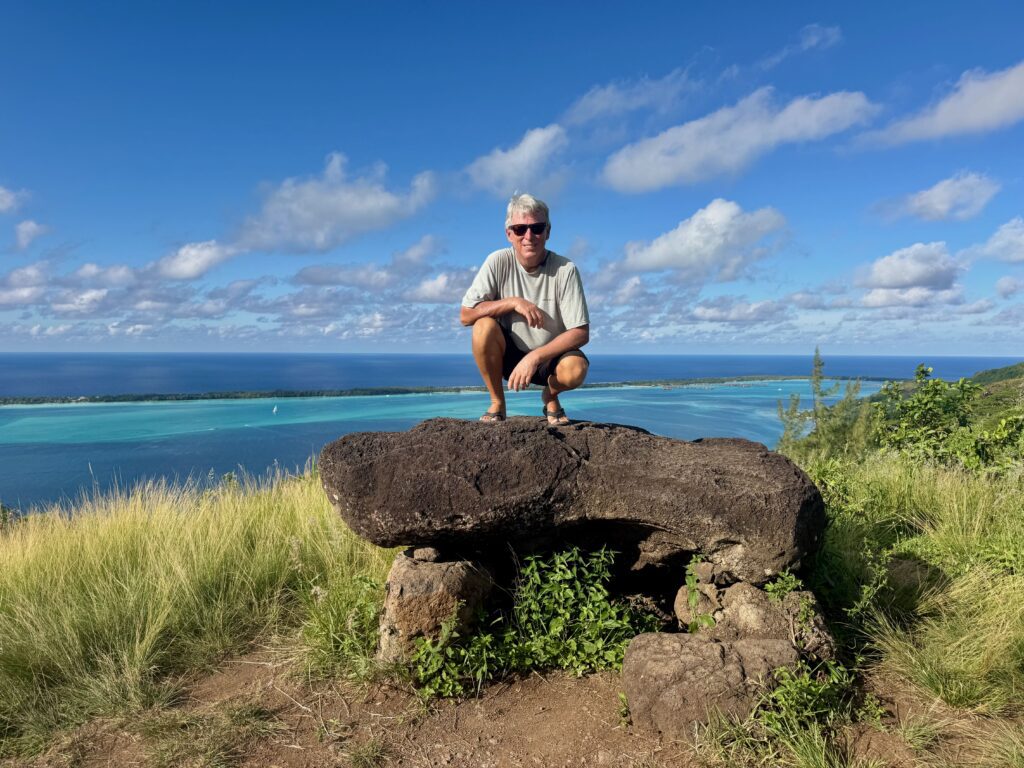
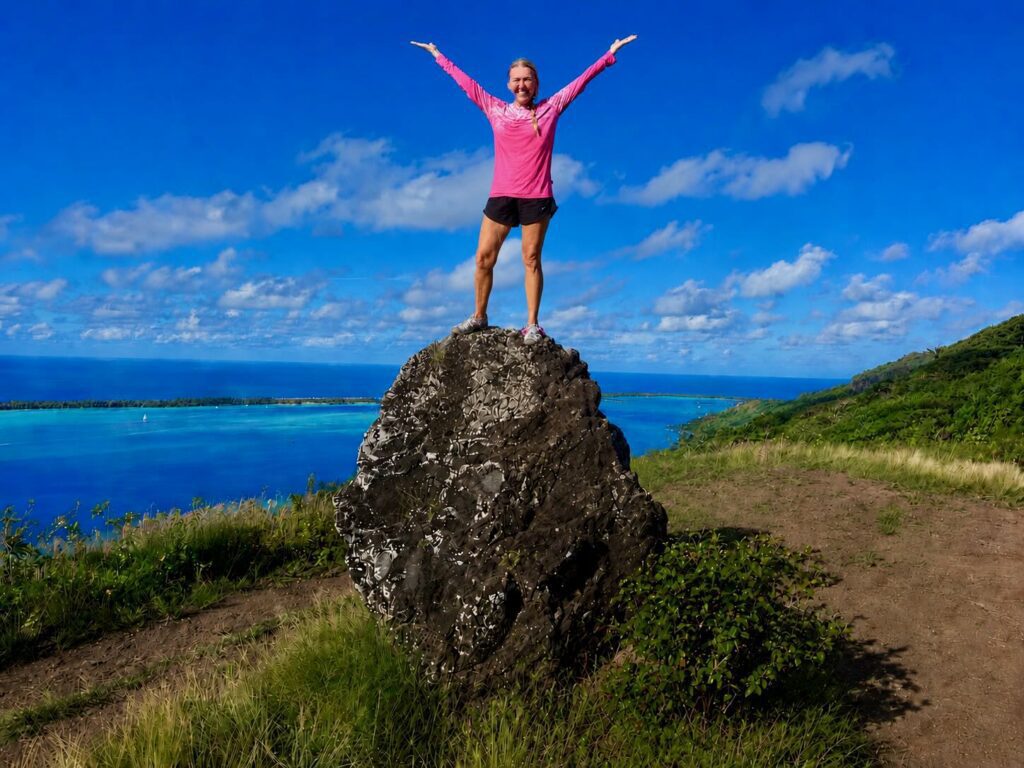

It took us 30 minutes to hike to the spot and an hour to return to the trailhead, including a stop at another belvedere. So altogether, it took us an hour and a half.
5. Matira Beach
Matira Beach is the only public beach on the main island of Bora Bora, stretching across a mile-long peninsula at the island’s southernmost tip. The beach is defined by its exceptionally fine white sand and a flat, shallow sandy floor that extends far out into the lagoon, allowing swimmers to wade out to waist depth for hundreds of yards.
Because it faces west, it is protected from the prevailing easterly trade winds, resulting in consistently calm conditions ideal for swimming, paddleboarding, and kayaking. Its unique western orientation also makes it an exceptional vantage point for viewing sunsets.
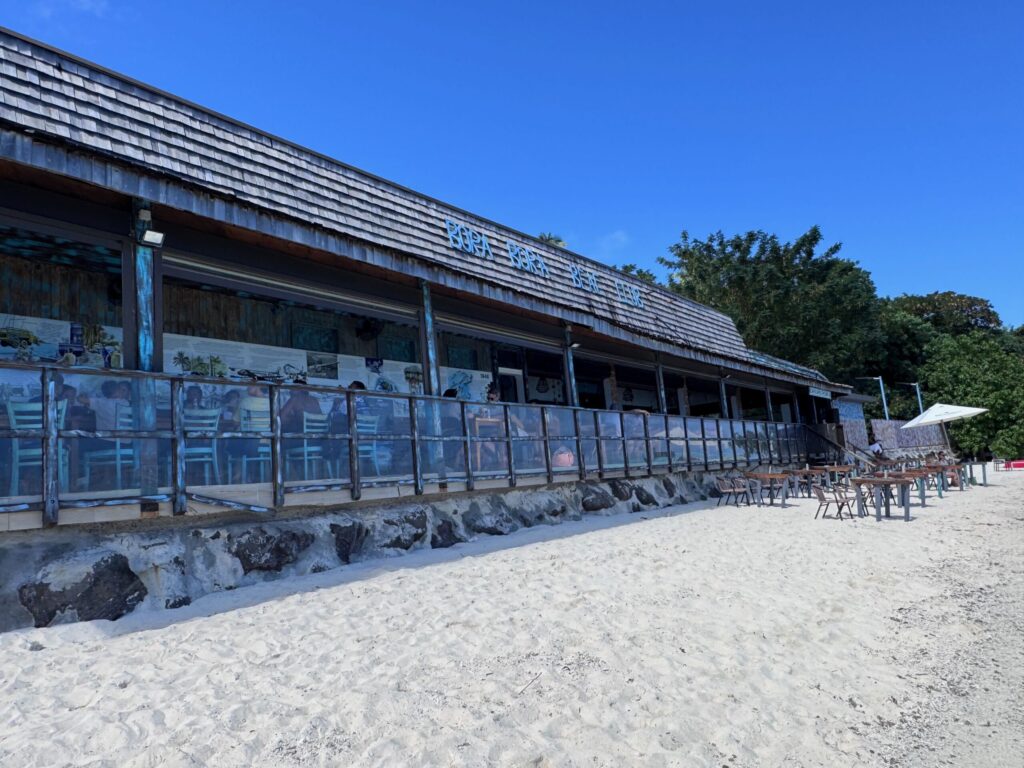
We spent a while relaxing and sipping a Coke at the Bora Bora Beach Club.

6. The Gallery of the Late Artist Jean-Pierre Frey
French artist Jean-Pierre Frey (1955–2023) was celebrated for his dynamic, multi-disciplinary career that seamlessly intertwined his passion for fine art, sailing, and cultural exploration. After gaining early recognition in Paris as a classically trained portraitist in Montmartre and becoming a prominent painter in France, his life took a major turn when he embarked on a long-term sailing journey across the Atlantic.
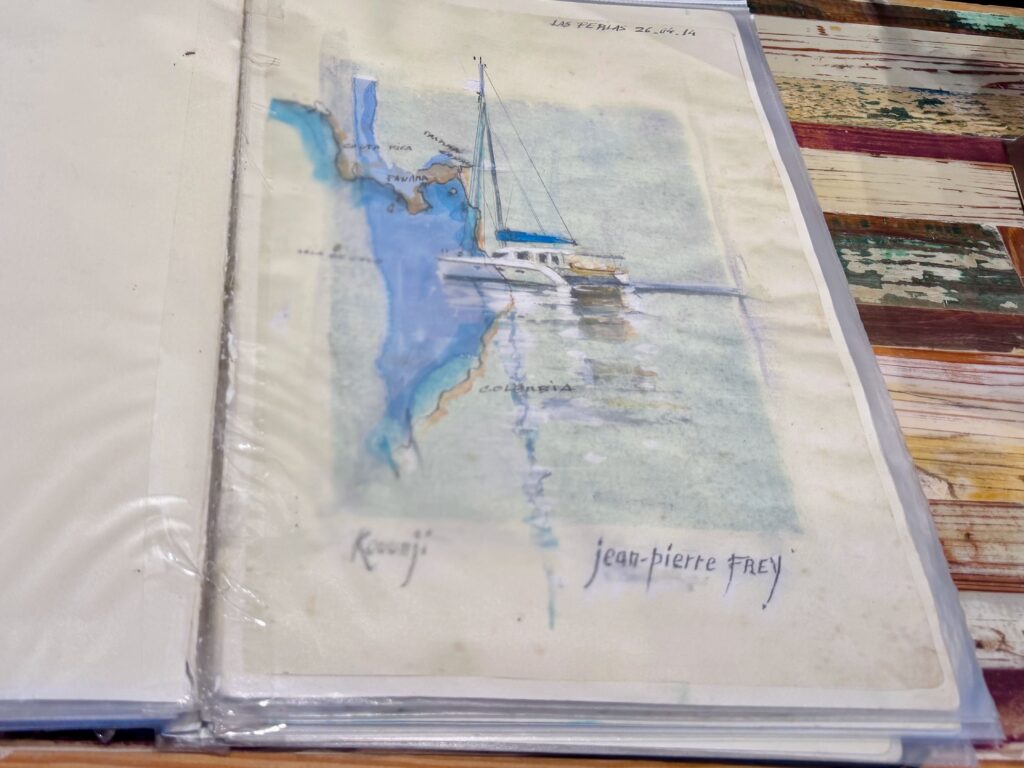
During his travels, his creativity expanded into the world of decorative arts and furniture design, and he ran a successful art and cabinet-making studio in the Dominican Republic. However, his artistic evolution found its ultimate expression when he settled in Bora Bora in 2014. There, inspired by Polynesian culture and his extensive nautical logs, he developed a highly distinctive mixed-media style on canvas that blended rich acrylic paints, calligraphy, ink, and actual repurposed marine charts.


Operating his beloved Bora Bora Artist Studio until his passing in 2023, Frey left behind a vibrant legacy that beautifully captured the freedom of the open ocean and the spirit of the South Pacific.
We received a tour from one of the family members who had sailed with him and his wife, Caroline. It was fascinating and a bit poignant to see his portrait of the catamaran. We could definitely relate to his wanderlust.
7. Operation Bobcat
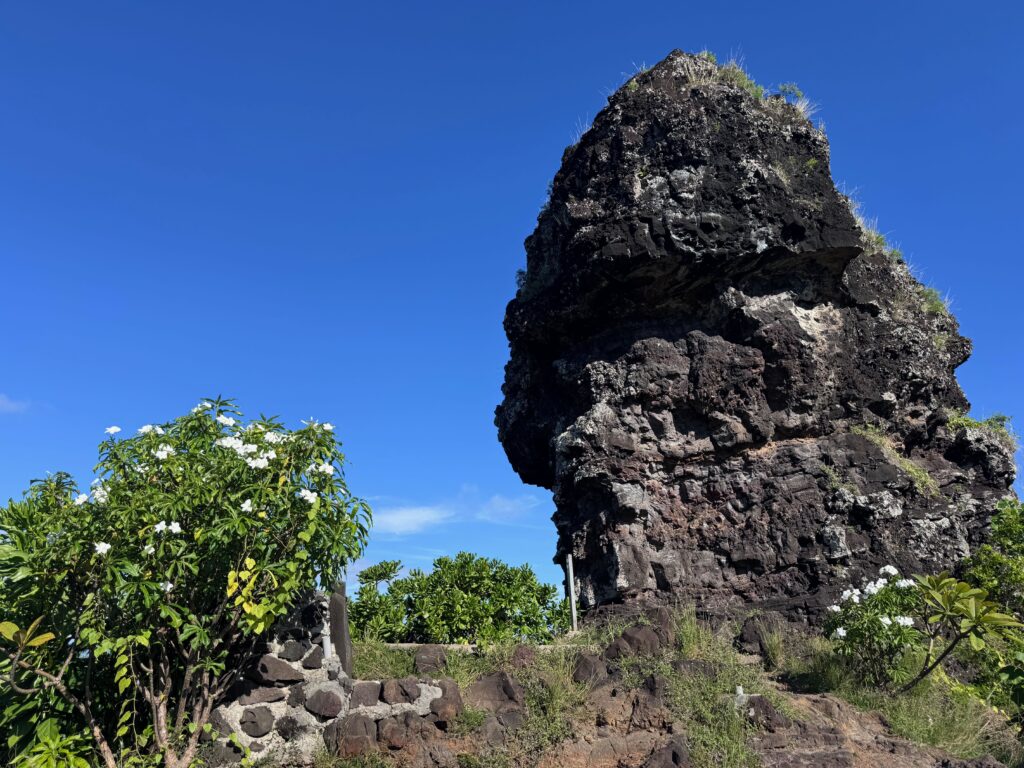
At the entrance to the canon site is a large rock formation. When we were there, a tour guide we were chatting with shared the legend of that rock with us.
He said that, according to legend, there was a feud among the islands many years ago, and the leaders of Bora Bora designated this rock as a lookout. One night, a warrior was assigned to keep watch, but he unfortunately fell asleep. While he slept, enemy boats entered the lagoon.
Luckily, he woke up just in time, and Bora Bora’s warriors were heroically able to fend off the boats. Simultaneously, the women and children were sent to hide in the caves of Mount Otemanu.

“Who ultimately won?” I asked as he finished telling the story.
“Bora Bora,” he said, beaming.
After enjoying this legend, we made our way toward the Operation Bobcat site.
The History of Operation Bobcat
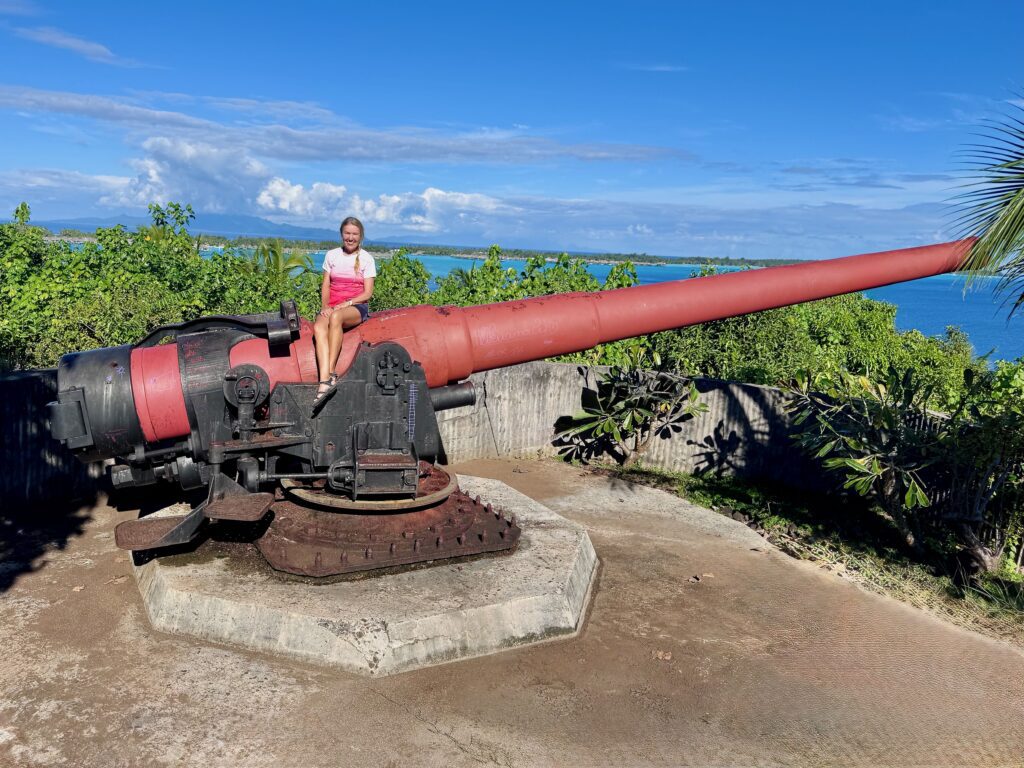
Following the attack on Pearl Harbor, the United States military launched Operation Bobcat in early 1942, transforming Bora Bora into a critical South Pacific refueling depot and supply base. Intended to secure vital sea lanes between the U.S. and Australia against potential Japanese expansion, the operation deployed between 4,000 and 7,000 American servicemen—outnumbering the local population at the time by more than three to one.
Though the island ultimately saw no combat, U.S. Navy Seabees and Army units faced extreme logistical challenges in building infrastructure from scratch, a process that took 52 grueling days to unload supplies because the initial cargo had been loaded out of order.
The operation left an enduring legacy on the “Pearl of the Pacific”: the military constructed the island’s first international airstrip at Motu Mute, built its primary deep-water quay, and positioned eight massive 15-ton coastal defense guns along the hillsides. The latter is what we were here to see.

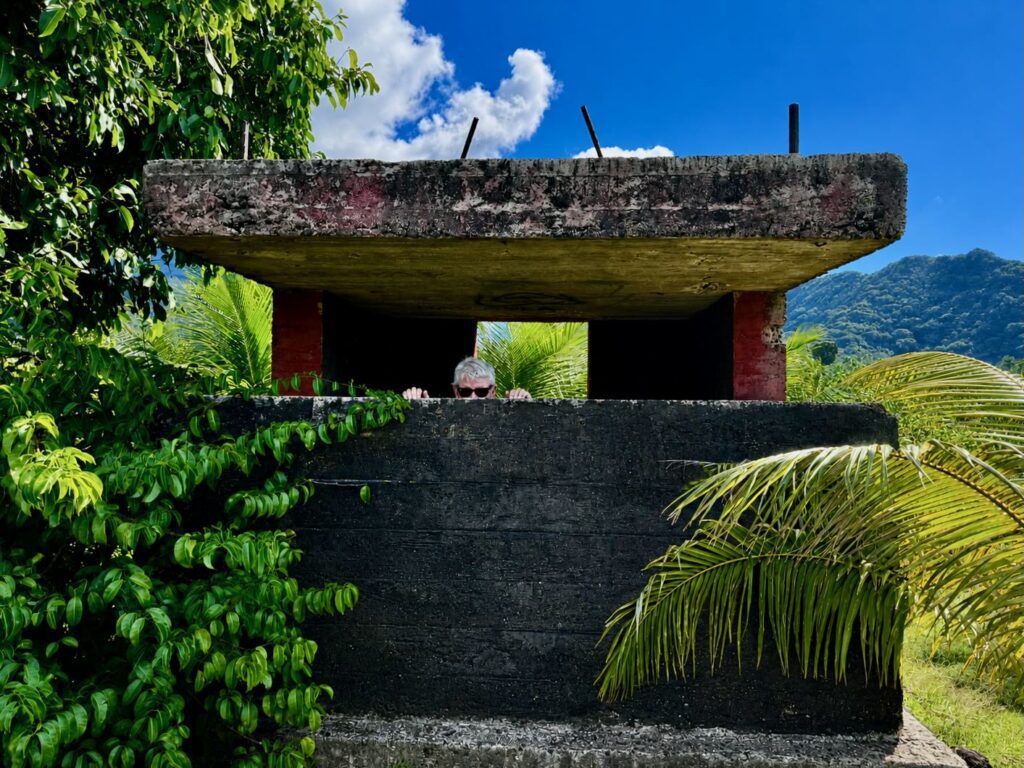
“Kilroy was here” is a meme that became popular during World War II, typically seen in graffiti—though its origin predates its use in graffiti by several decades.
8. Swimming with Sharks and Stingrays
We did this just west of the To’opua motu.
Did we glide above stingrays? Yes. Did we come within inches of sharks? Absolutely.
Our tip? Go early, before the excursion boats arrive.
9. Paroisse Saint Pierre-Célestin
Located in the center of Vaitape, Paroisse Saint Pierre-Célestin is Bora Bora’s oldest and primary Catholic church. It holds significant cultural and spiritual importance as a symbol of the island’s French colonial heritage.
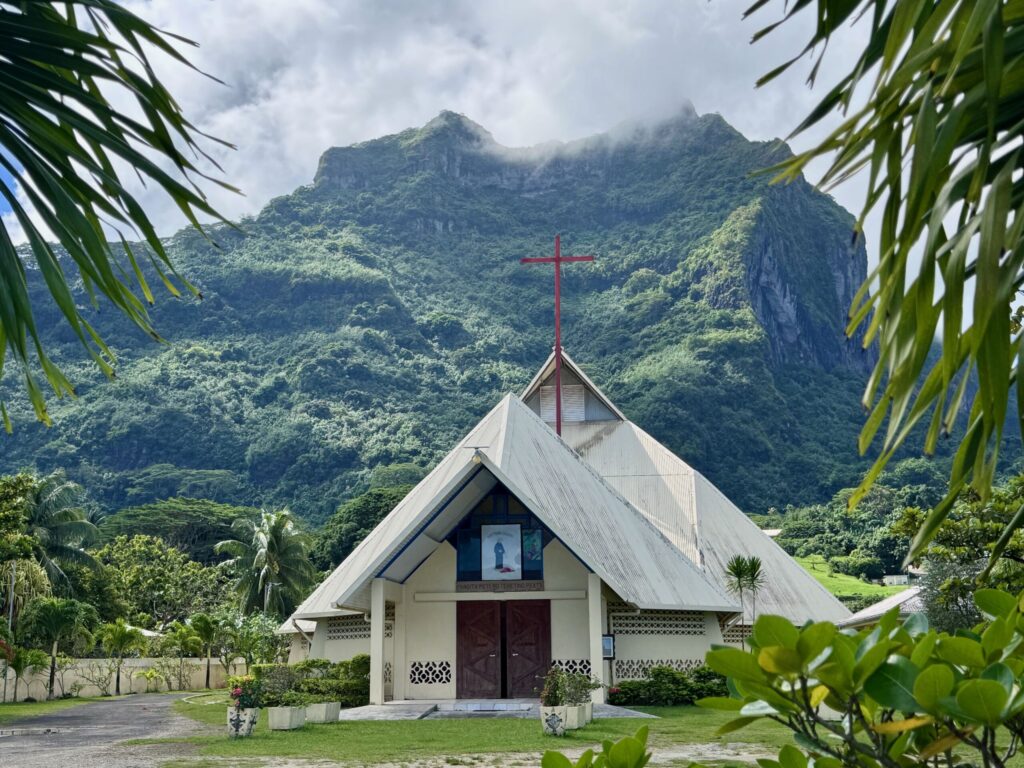
The building is somewhat simple, but the grounds and stained-glass focal point are gorgeous.

Other Memories
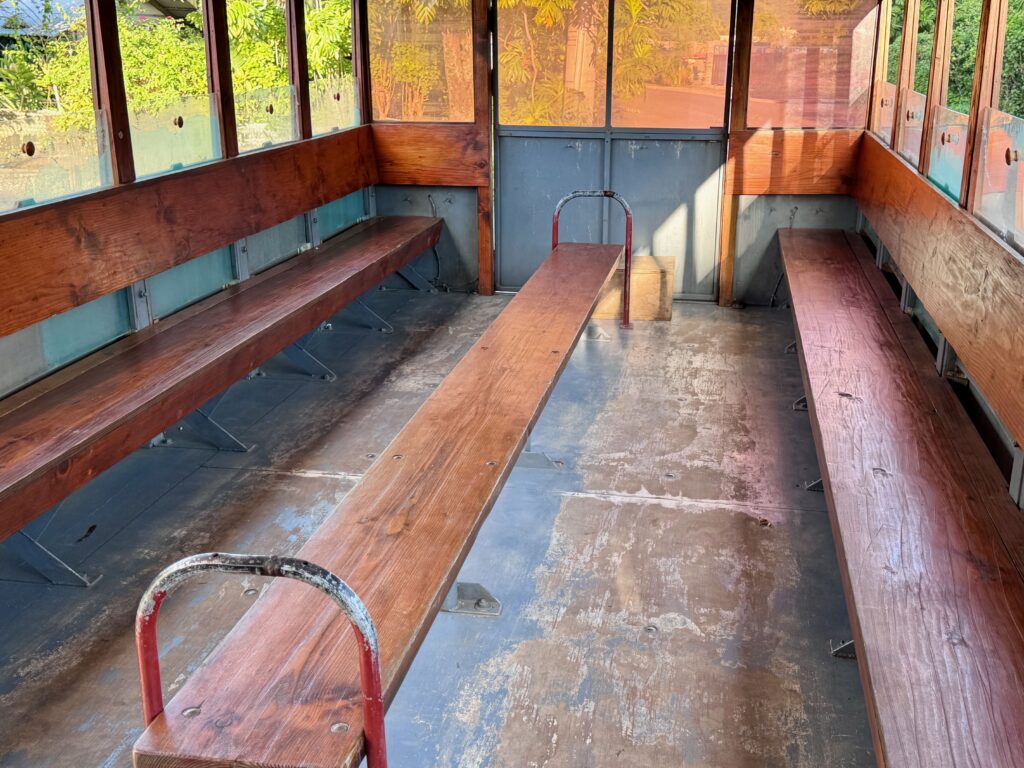
I got to peek inside a few. The first one was very basic:
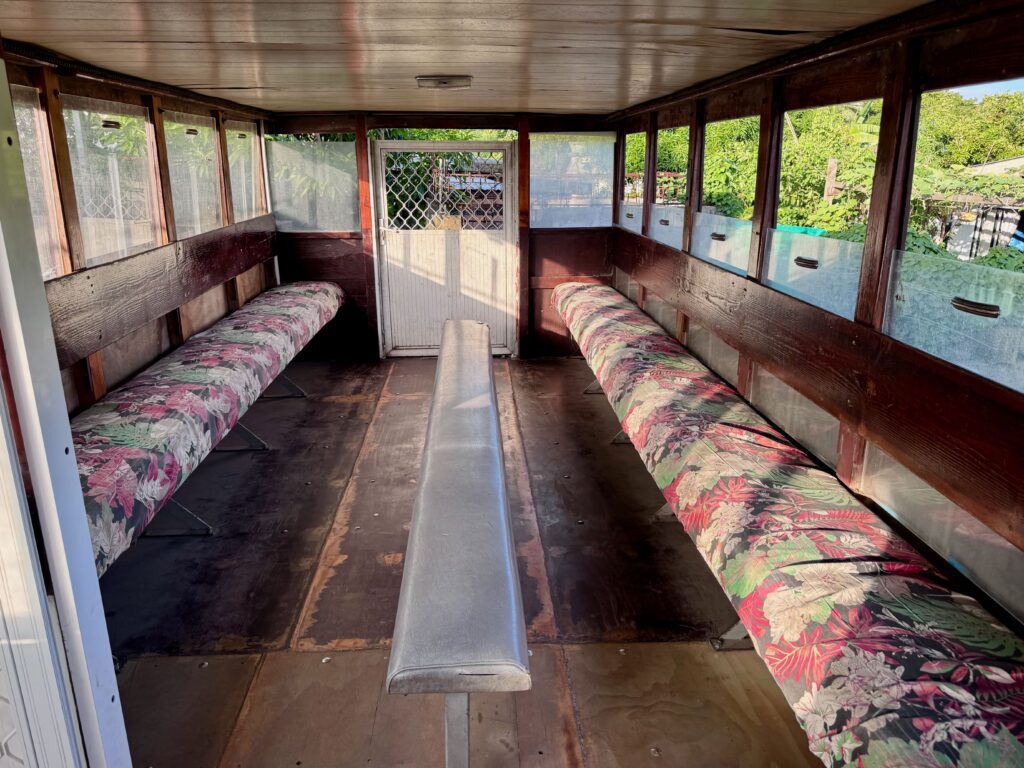
The second one was a little fancier, with wrought iron ornamentation and seat covers:
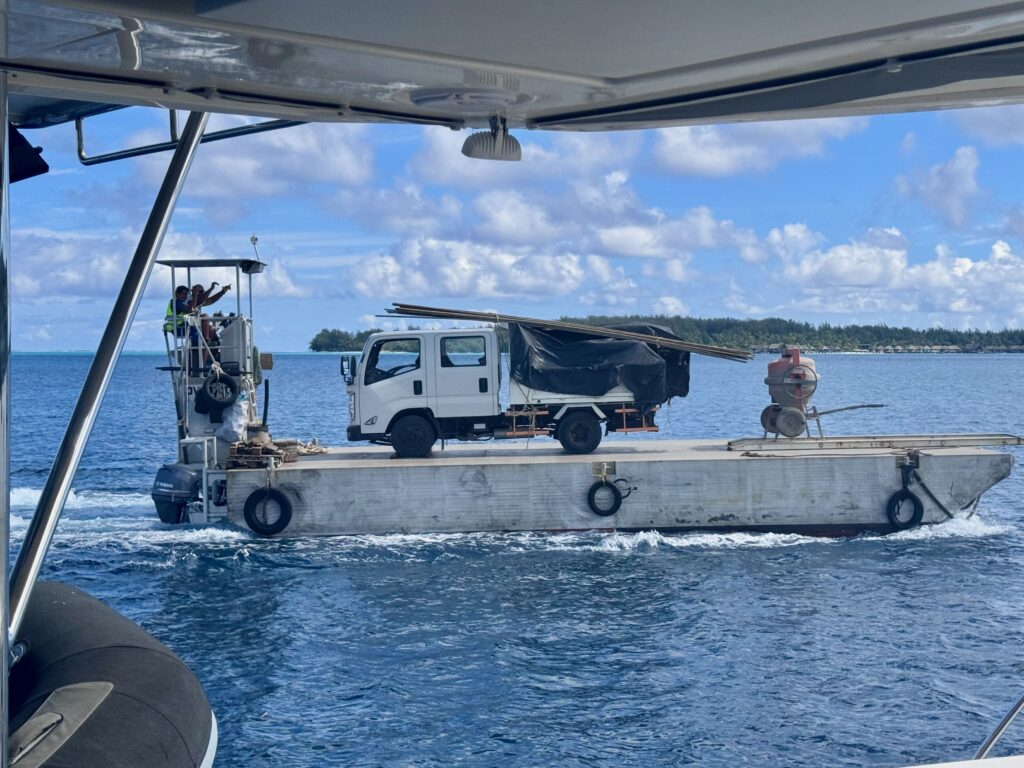
We saw funny scenes involving barges multiple times:
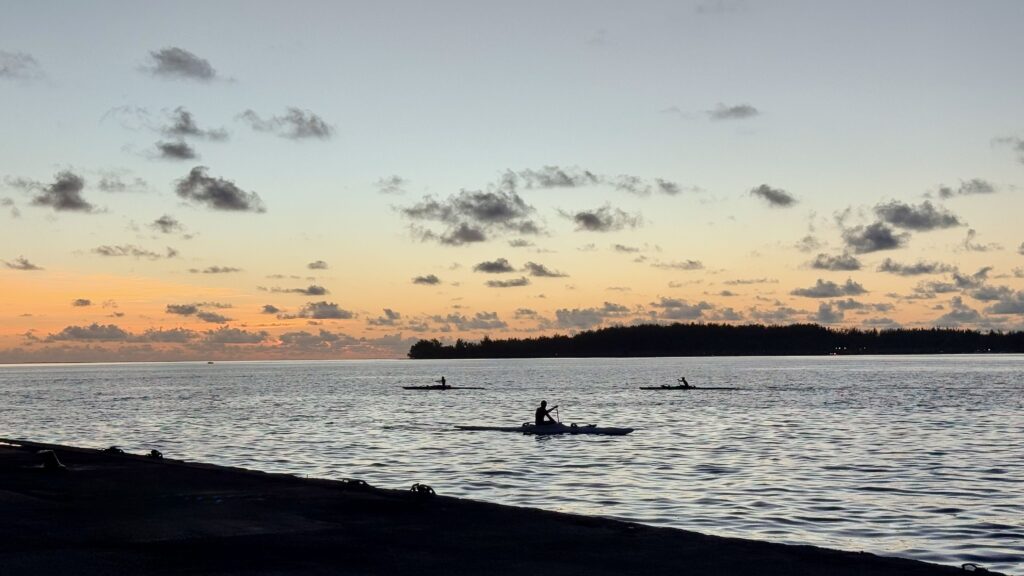
One evening, we enjoyed sitting on the ferry dock and watching some locals fish for their dinners and others rowing in their va’as.
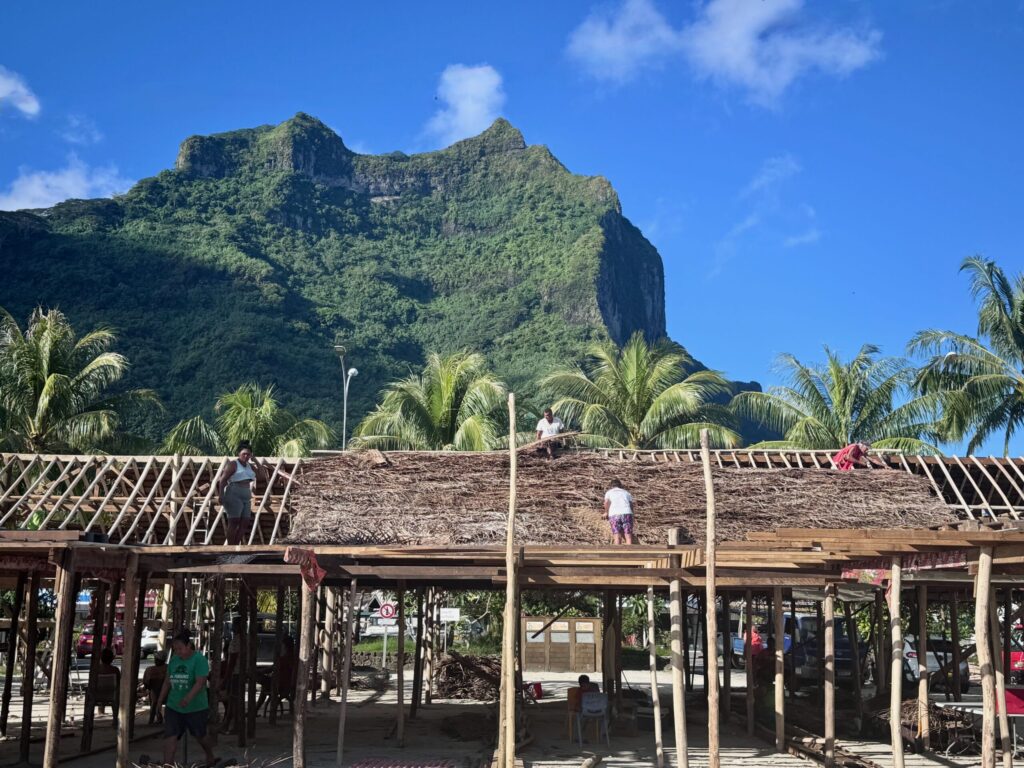
While we were there, they were building structures at Place Tuvavau near the town dock. These would be fairground stalls for the upcoming Heiva celebration.
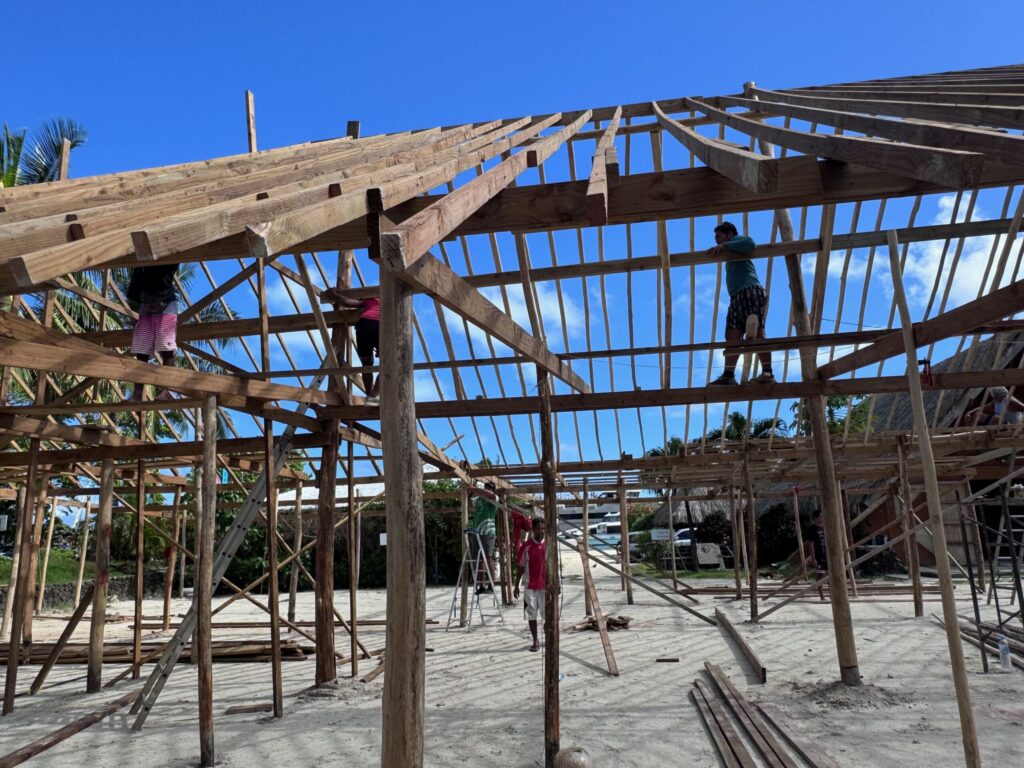

The jobsite didn’t look particularly safe, but the team made steady progress during our time there.
And then there’s the matter of the stray dogs. Like most islands we’ve visited, there are many strays in Bora Bora.
Some islands stand out as having more than others. Grand Turk, Makemo, and now Bora Bora are such examples.
It’s no secret that I’m a huge dog lover, so here’s my ode to the chiens errants of Bora Bora:

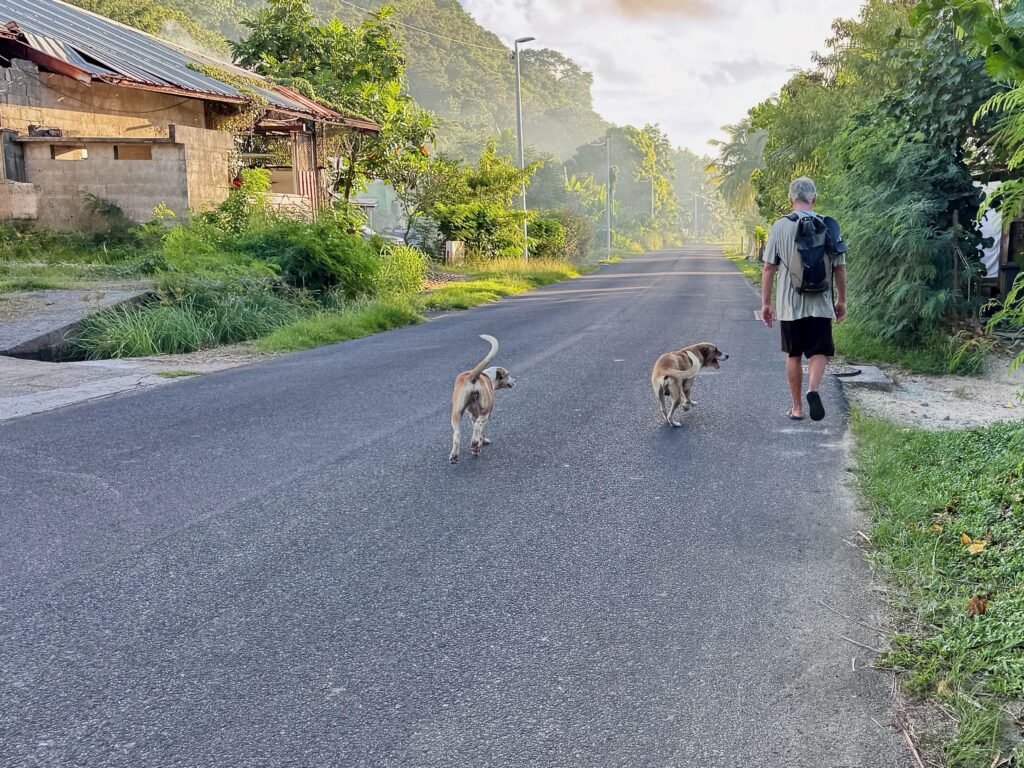


Often, strays are what the locals call “yellow dogs,” but in Bora Bora, there are many different mixed-breeds.
The good news is that there is a very active animal rescue organization in Bora Bora, and none of the dogs looked particularly unwell or unfed.

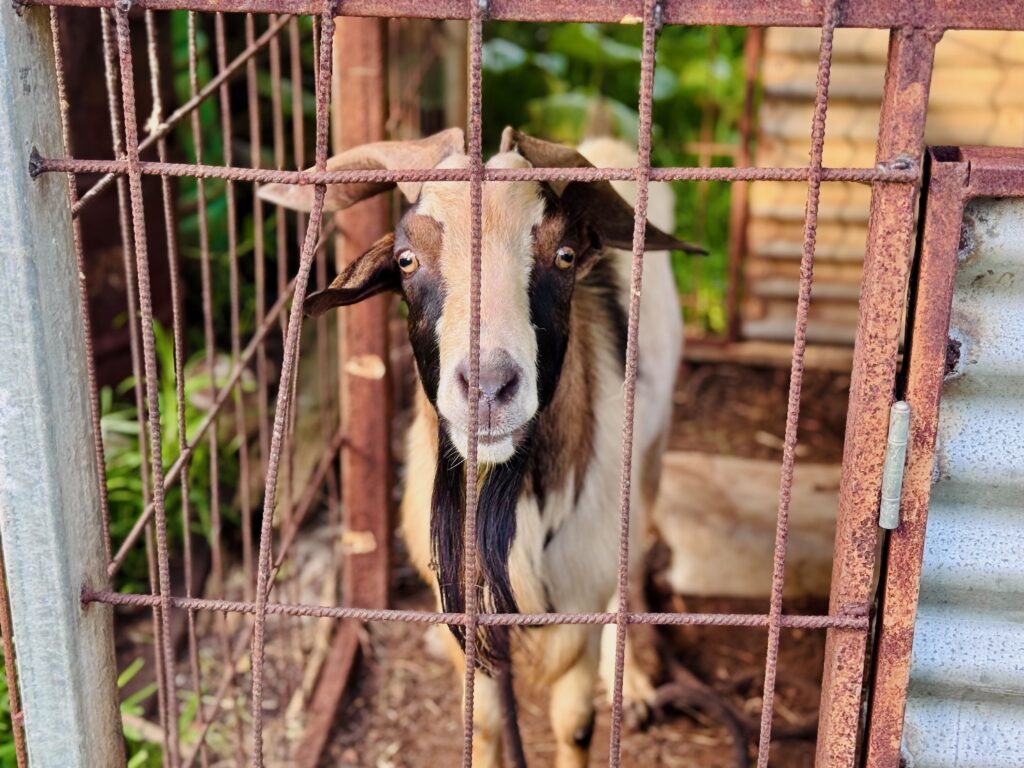
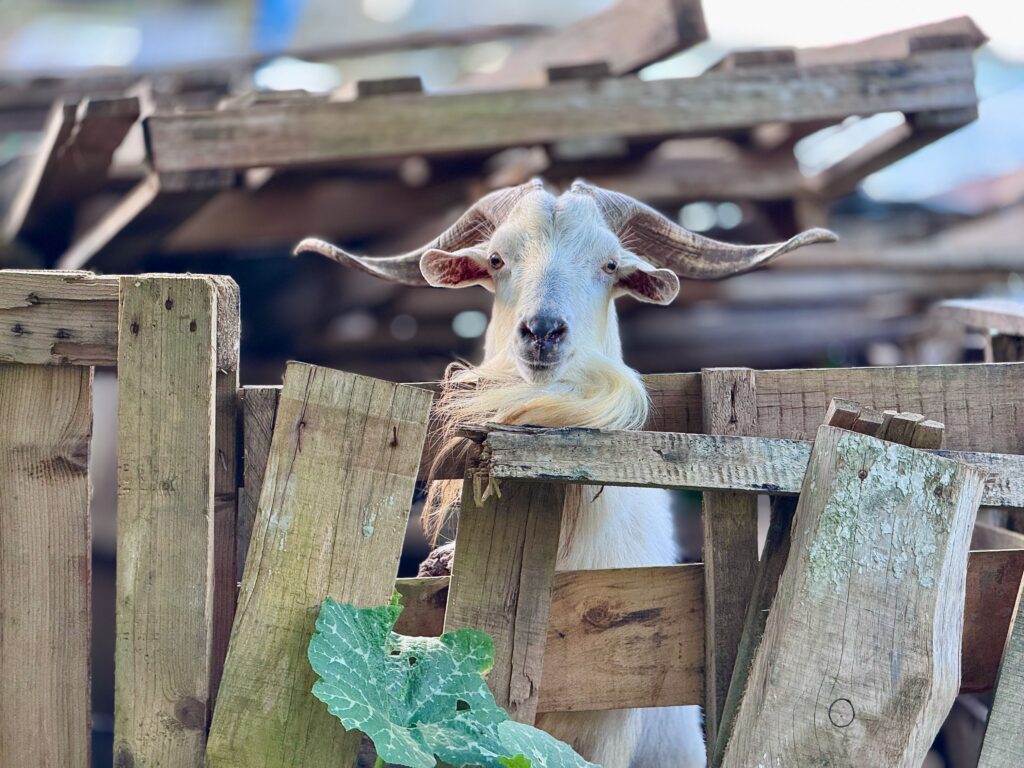
Speaking of animals, there are also the occasional pig, chicken, and goat.
Other Things to Do in Bora Bora
Helicopter Tour
Parasailing
Eco Turtle Center at the Westin Resort
ATVs (we did this in Mo’orea)
Experience a Private Motu (we did this in Raroia, Toau, taha’a, and Tabago Cays)
Jet Skiing (We did this in Mo’orea and Maui)
Gallery & Studio of the Late Artist ALAIN DESPERT
Where We Ate
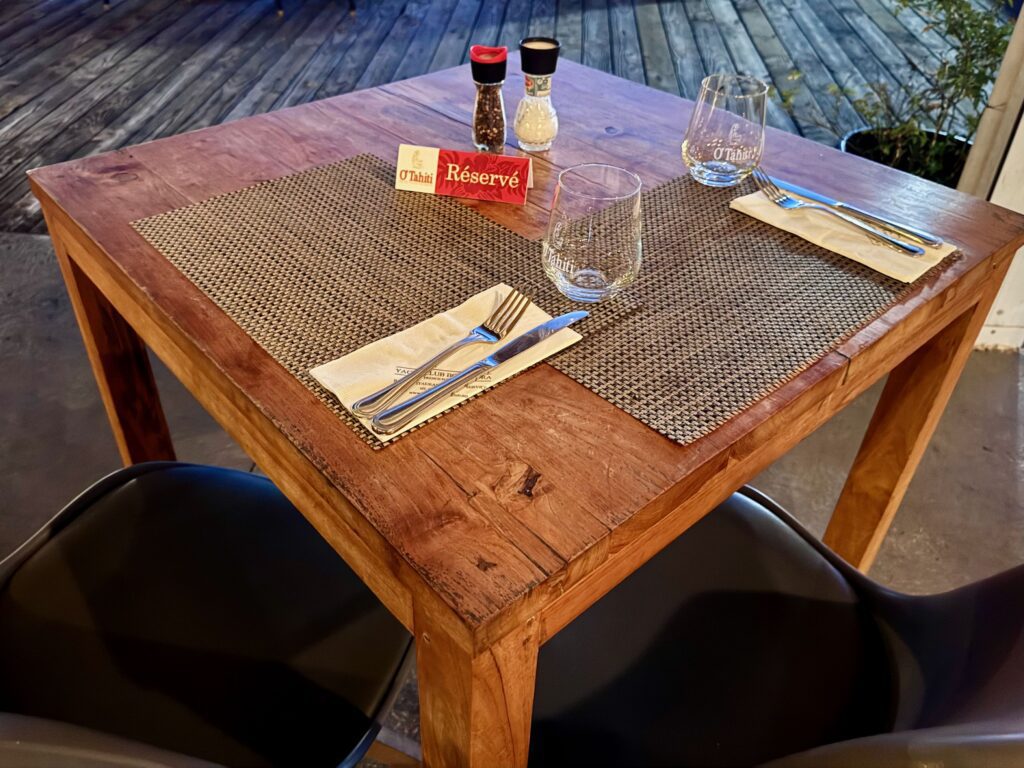
Bora Bora Yacht Club
Bloody Mary’s is closed for renovation as of 2026, so we ate at Bora Bora Yacht Club, another iconic landmark, not once but four times.


Once we were there on a Tuesday night, so we got to watch the Polynesian dance show:

We got to know the employees, and they started saving a table for us!
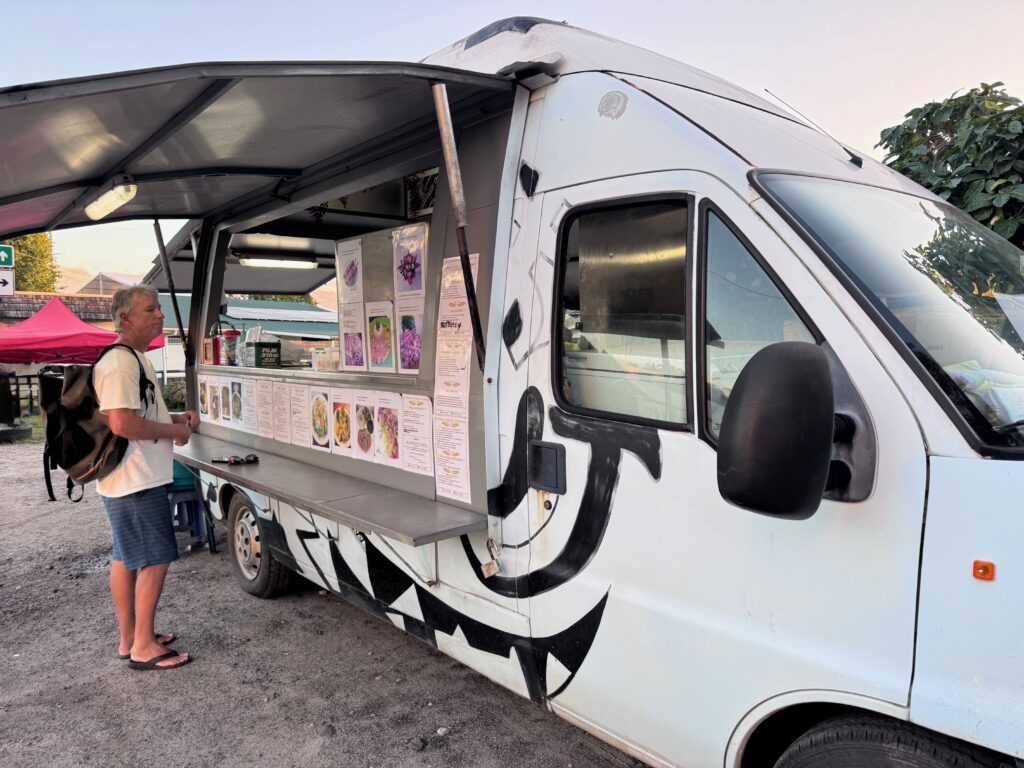
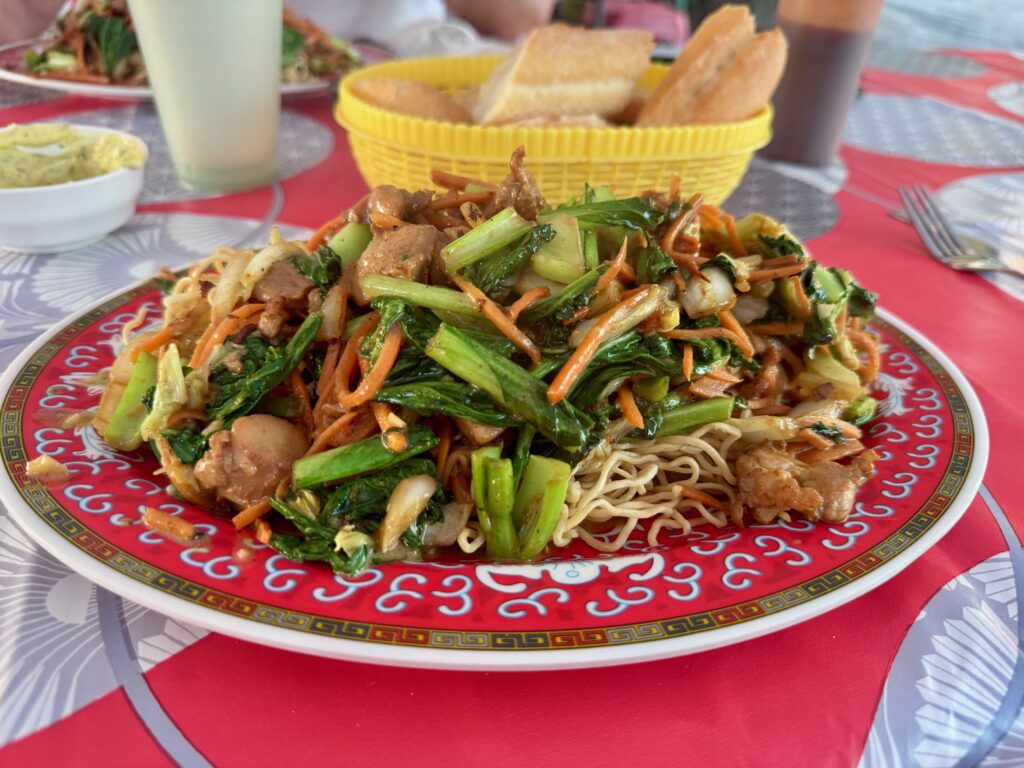
Roulotte Leana
The quality of the food quickly made this a favorite.
Moi Here Restaurant/Snack
This restaurant is on Matira Beach. The food is amazing, and the views are even better.

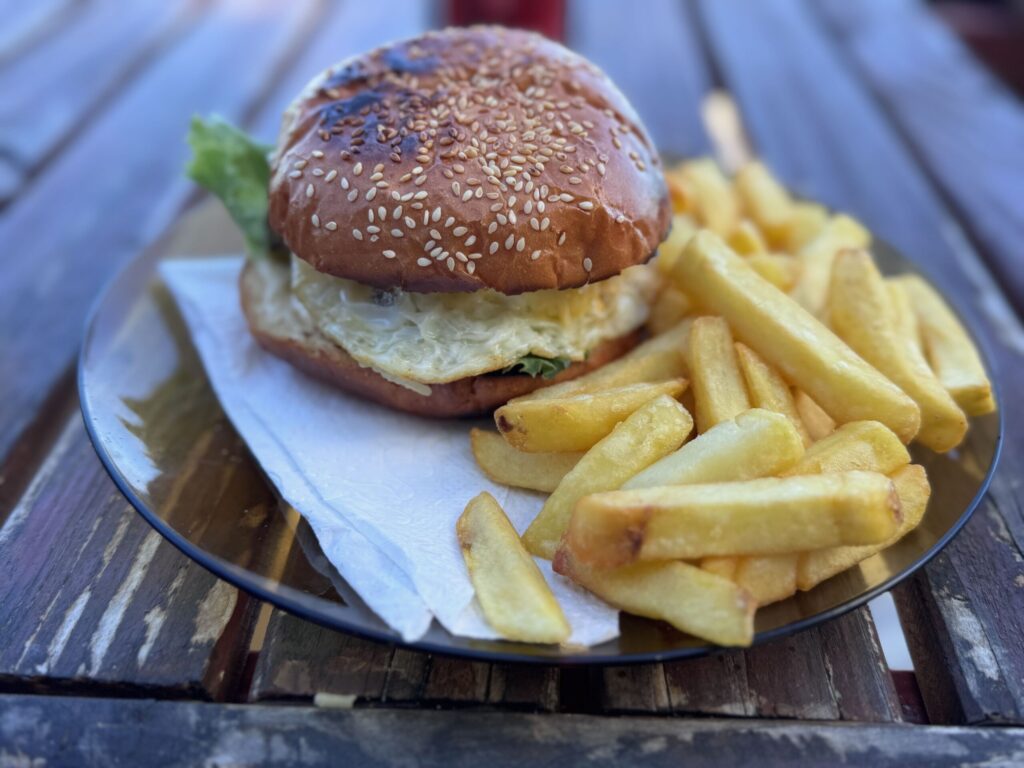

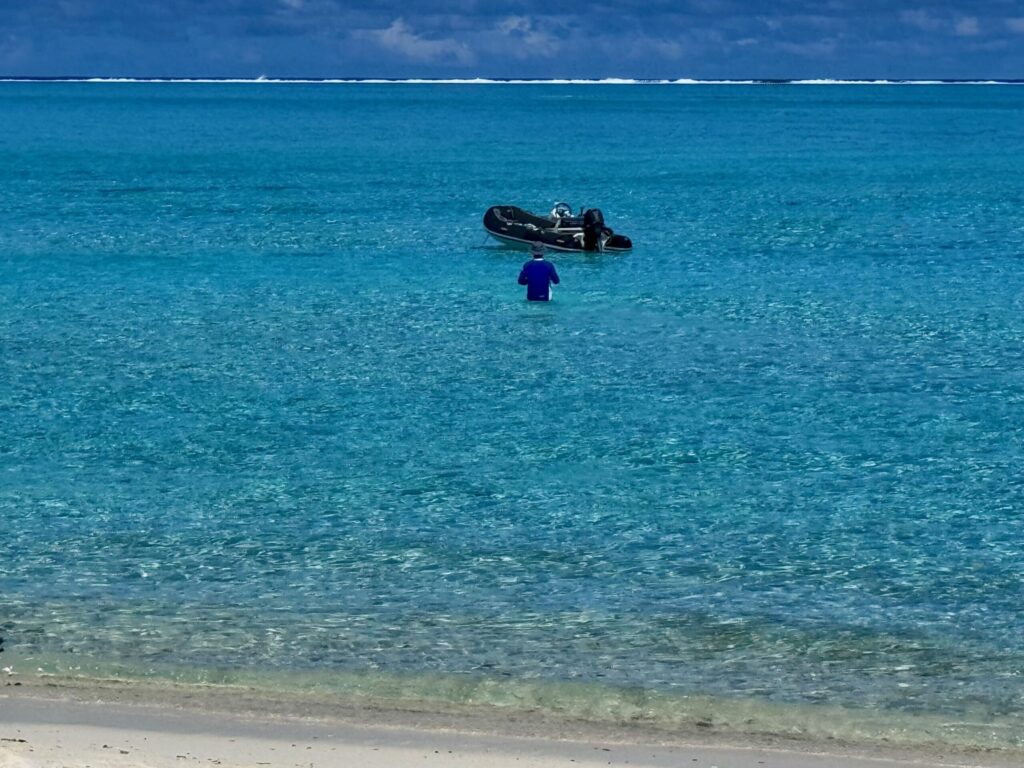
Arii Motu Grill
We had a reservation to eat here on a Sunday night, but it was canceled due to the weather. We did, however, get to wander around one day and soak up the ambiance.


Shopping
Souvenirs:
Sorted from most to least expensive.
Robert Wan Pearls
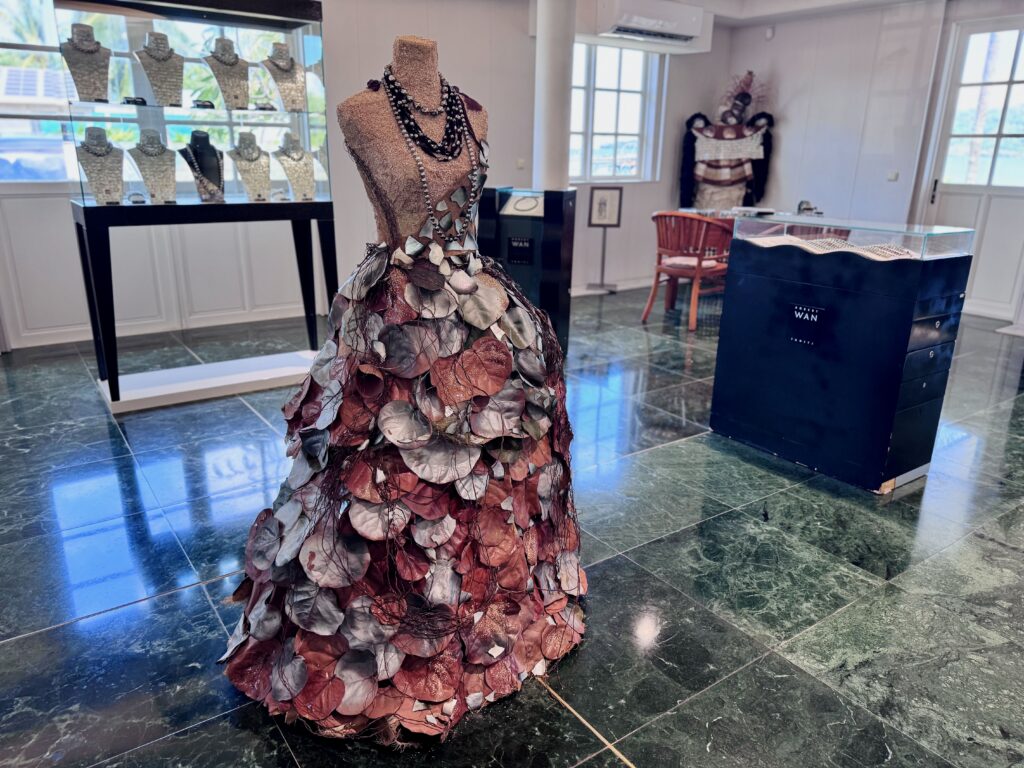
Heritage by Bora Bora Bora Original
This shop is very similar to the Bora Bora Original store next door, but presented as a slightly higher-end version.
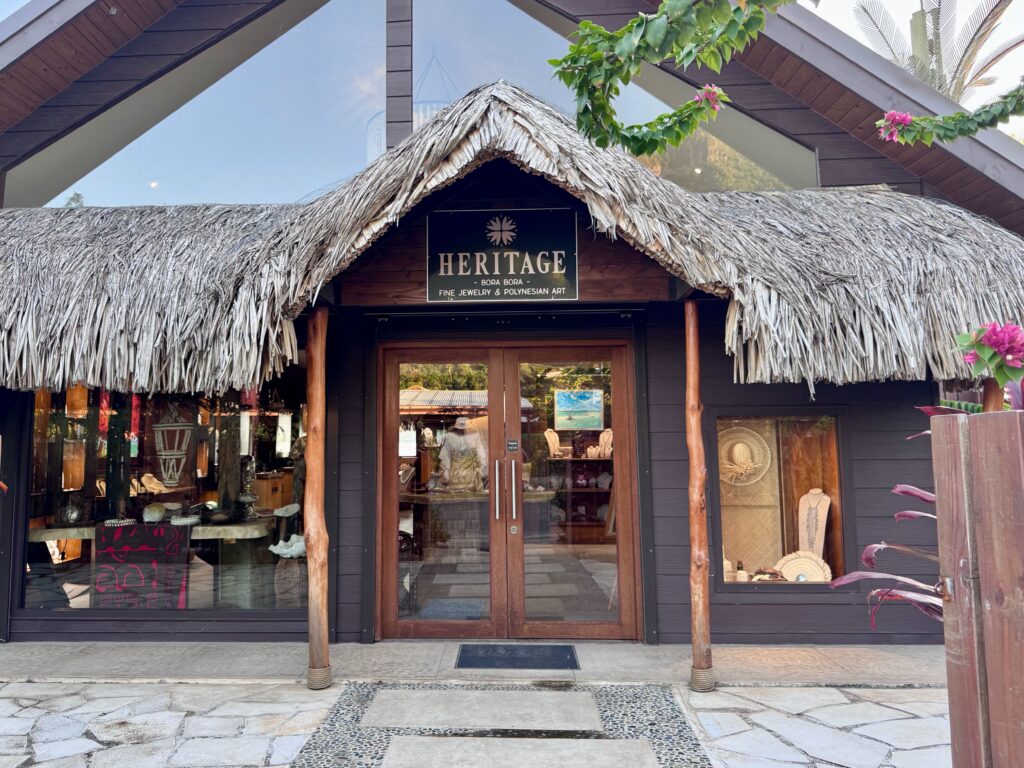
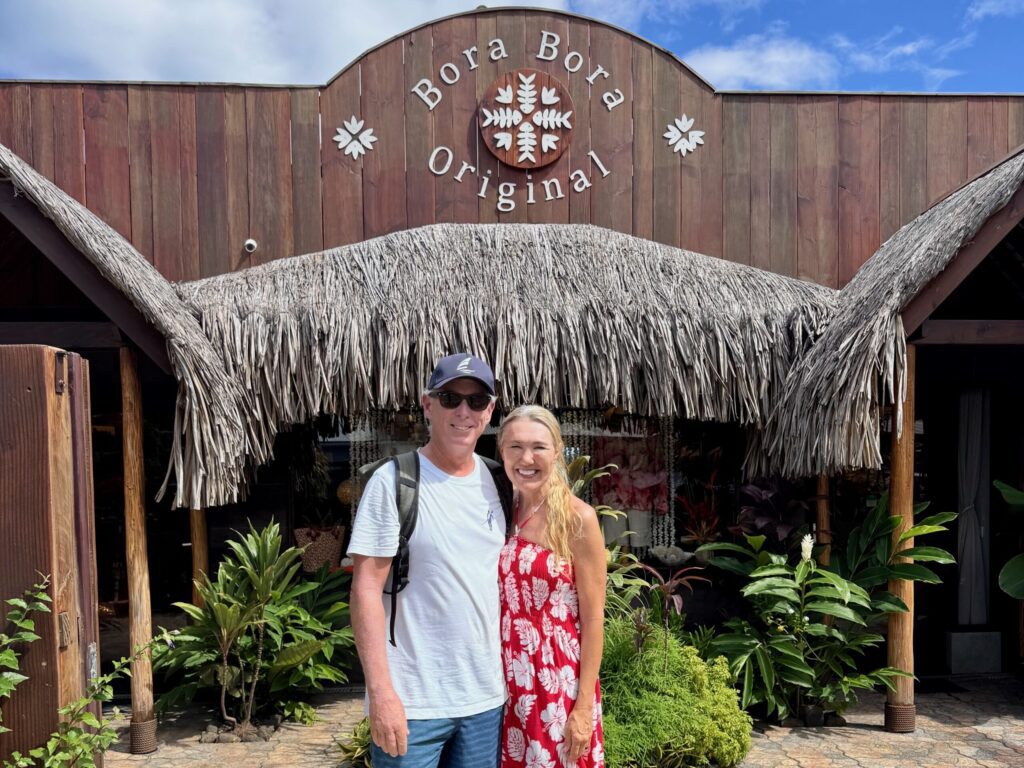
Bora Bora Original
Fashionable, well-displayed wearables and home souvenirs.
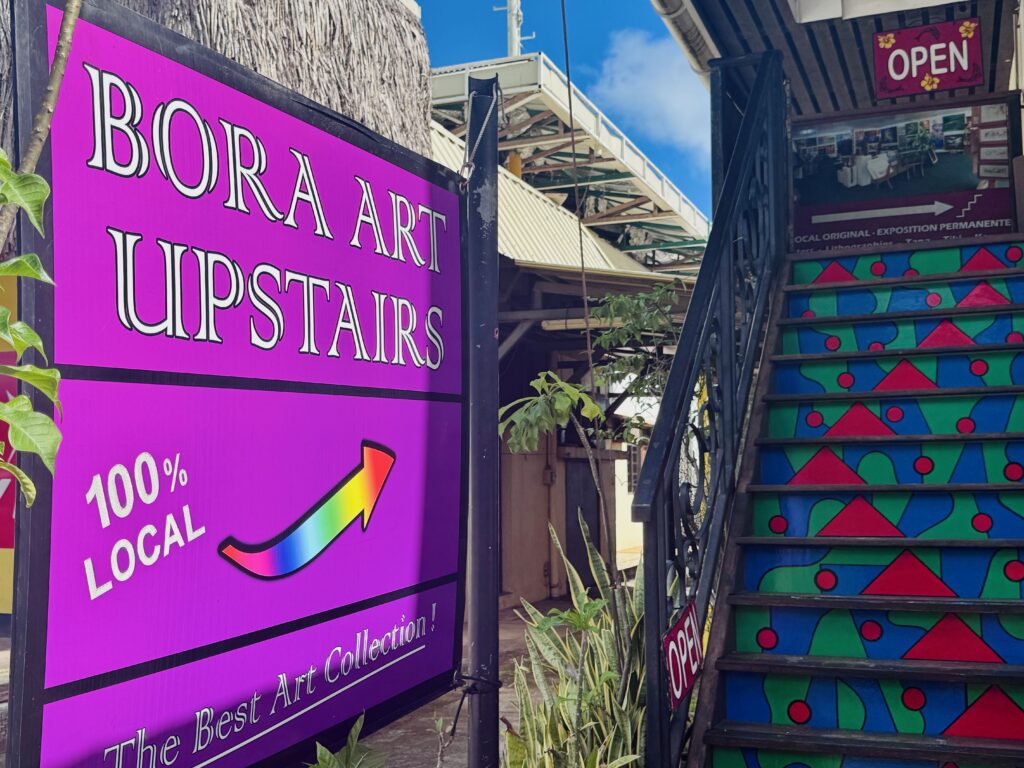
Bora Art Upstairs
Quirky, locally made art.

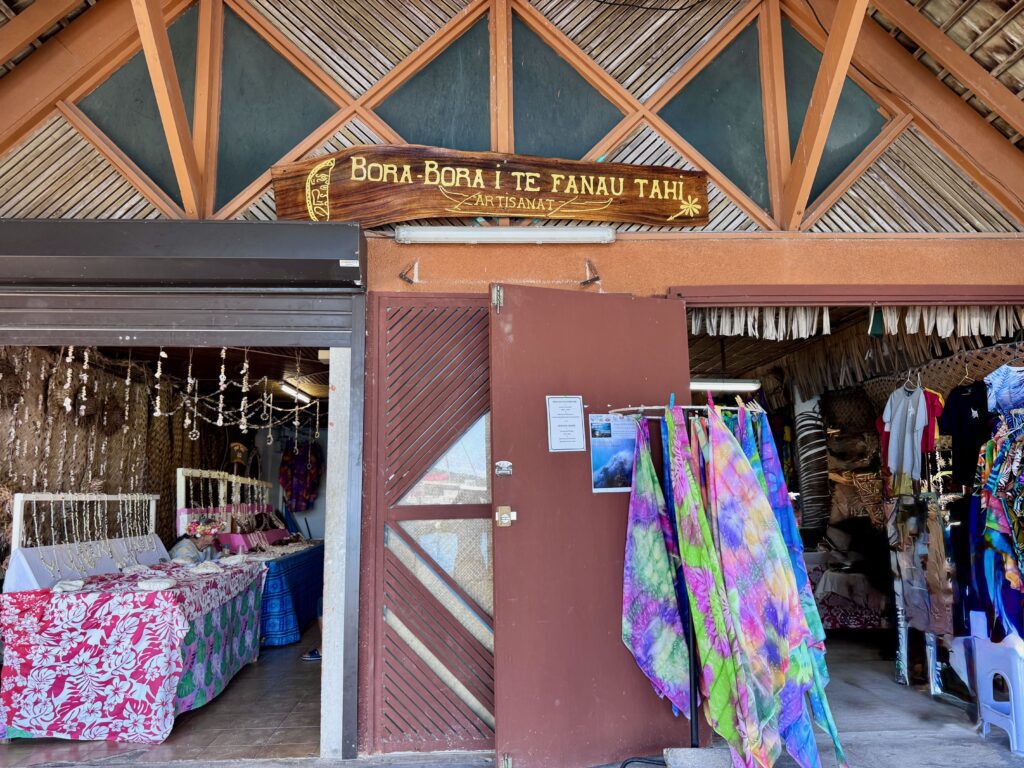
Bora Bora i Te Fanau Tahi
When small cruise ships were at port, we also saw local artisans selling their wares in the building on the town dock.
Groceries:
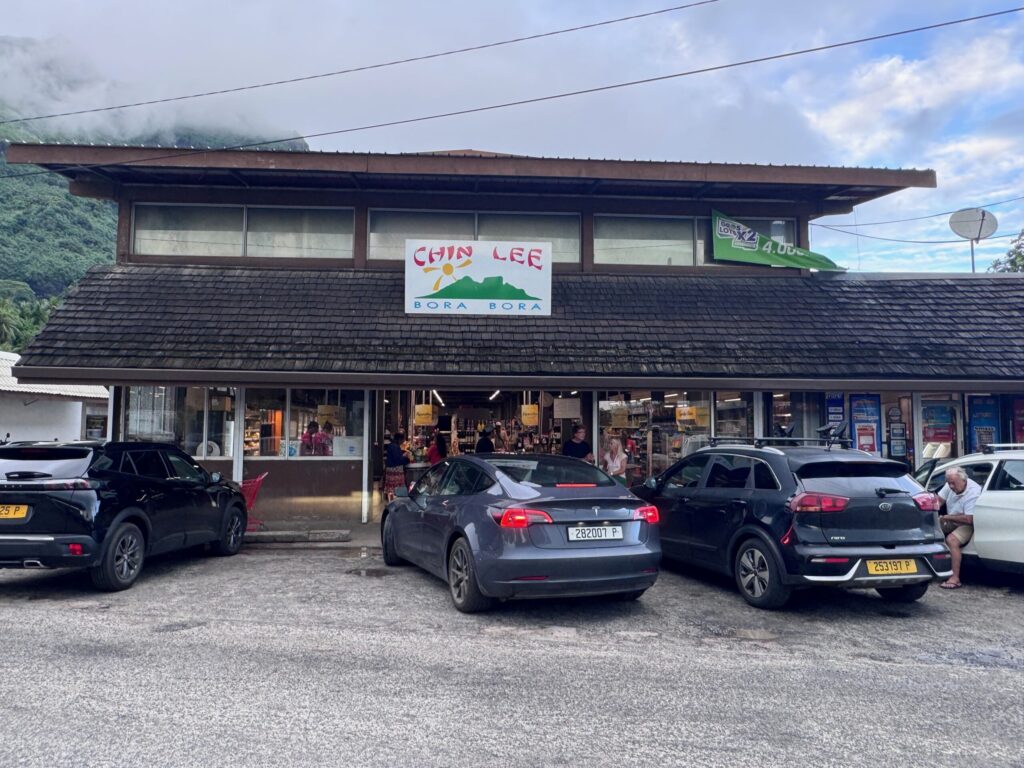
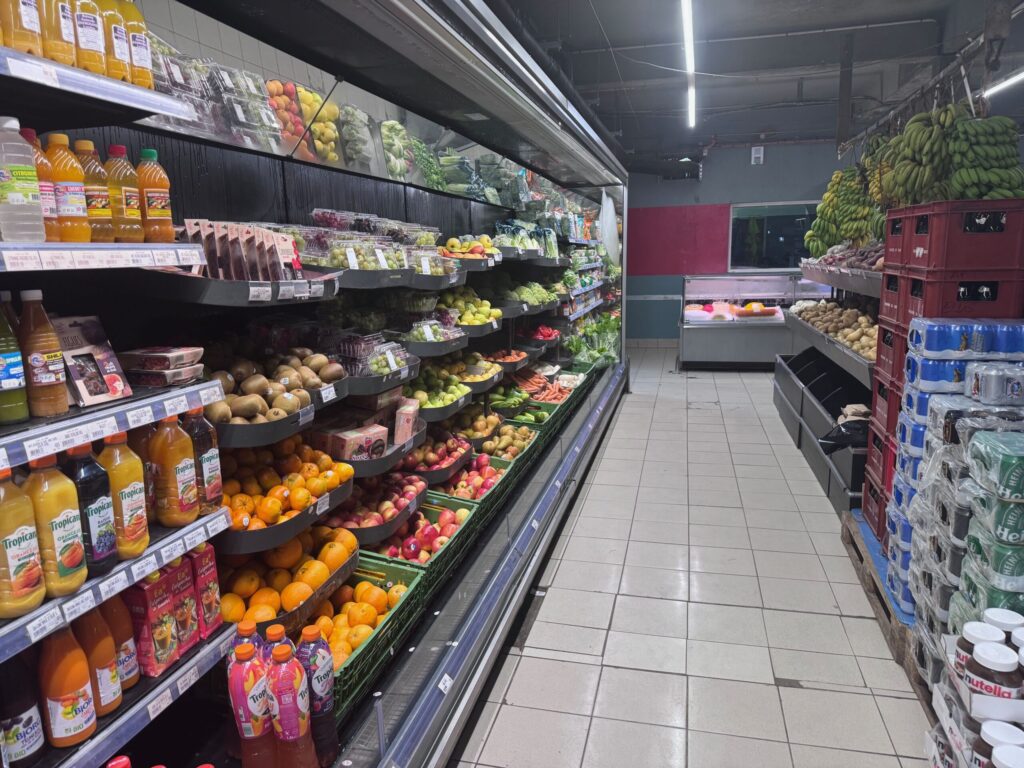
Chin Lee Supermarket
They’re the only game in town, and we were thrilled to have them.
Other:
STH Marine
It’s really, really small, and it mainly stocks snorkeling and fishing gear, as well as a small supply of boat parts.

Accommodations
Pretty much all of the major resorts, like Marriott, Four Seasons, Intercontinental, and the Hilton, have a property in Bora Bora. They are all overwater bungalows.
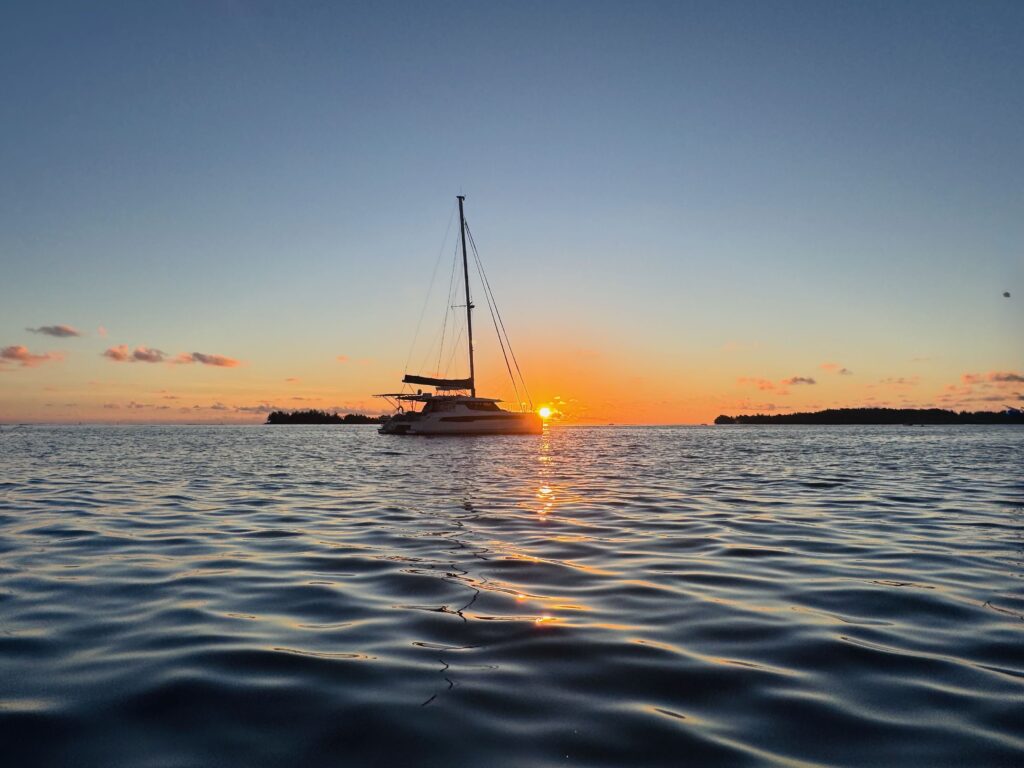
We stayed on our catamaran in the Fare Piti (Bora Bora Yacht Club) and Motu Fareone (Taurere) mooring fields. They were both great.
Getting Here
Getting to Bora Bora requires a multi-step journey, as there are no direct international flights to the island. First, you fly into Faa’a International Airport (PPT) in Papeete, the capital of Tahiti. From Tahiti, you board a scenic 50-minute domestic flight operated by Air Tahiti to the Bora Bora Airport (BOB), which is located on a small islet called Motu Mute.
Upon landing, the final leg of your journey begins; because the airport is isolated on the reef, you take a shuttle boat or resort catamaran across the lagoon to reach the main island.
Our trip was a bit simpler: we sailed here on our catamaran.
Getting Around
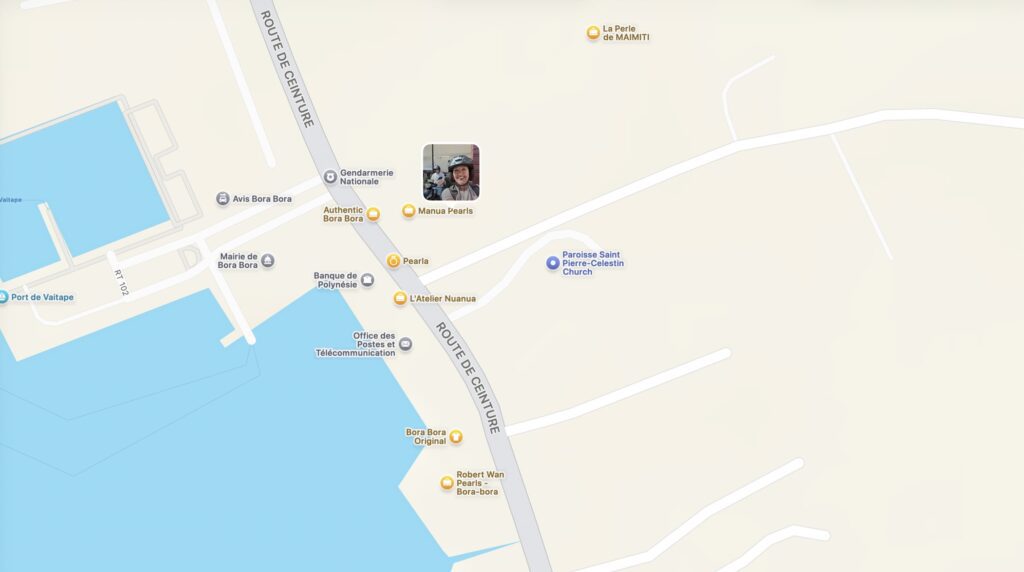
We rented a scooter from Albert’s and circled around the island. (It’s pretty small.)
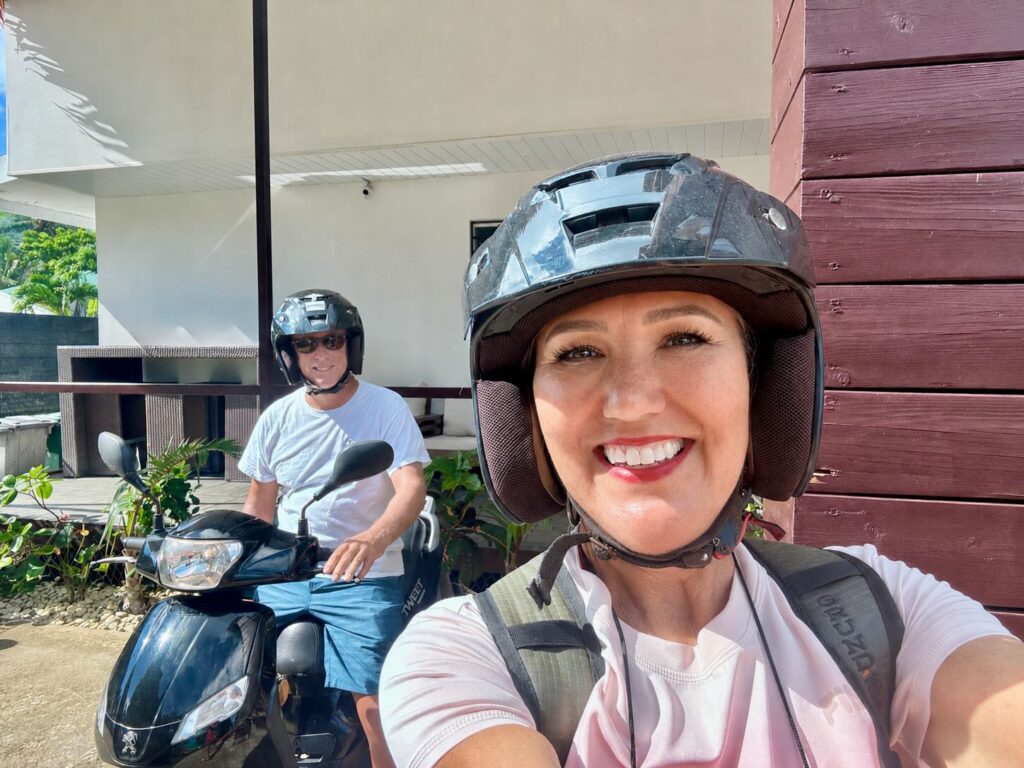
There are multiple places to rent scooters on the island. Albert’s is located here:
Final Thoughts
Bora Bora combines dramatic volcanic landscapes, a crystal-clear lagoon, and a rich Polynesian culture to create one of the South Pacific’s most distinctive destinations. Visitors can enjoy activities ranging from snorkeling and diving among vibrant coral reefs to hiking scenic trails and exploring local villages. The island is also known for its luxury overwater bungalows, fresh seafood, and warm hospitality.
For us, we especially loved the experience of snorkeling with manta rays and eagle rays.
Whether you are seeking adventure, relaxation, or a deeper appreciation of French Polynesian traditions, Bora Bora offers memorable experiences both on land and in the water. Its remarkable natural beauty continues to make it a destination admired by travelers from around the world.


Leave a Reply