

When most people picture Fiji, they picture Viti Levu—Fiji’s largest island, home to the capital Suva, the international airport at Nadi, and the resort-lined coasts that dominate travel brochures. But 40 miles to the north lies a very different kind of island: Vanua Levu, the second-largest landmass in the Fijian archipelago and, in many ways, the country’s least-known major destination.
Its name translates from Fijian as “Great Land” or “Big Land,” and while it doesn’t draw the crowds that Viti Levu does, it offers a more textured, less filtered picture of what Fiji actually is.


Geography and Size
Vanua Levu is about half the size of Viti Levu. The island is shaped like a long, thin triangle, stretching about 111 miles long and 19 to 31 miles wide.
Geologists believe Vanua Levu’s unusual shape resulted from several smaller islands gradually fusing through repeated stages of volcanic uplift over geological time, rather than forming as a single landmass from the outset. Bays cut deeply into the coastline—Natewa Bay slices into the island’s east side and forms a long peninsula, while Savusavu and Wainunu bays indent the south coast.
Vanua Levu also anchors a wider cluster of islands known as the Vanua Levu Group, which includes Taveuni (its most significant neighbor), as well as Laucala, Matagi, Namena Lala, Qamea, Rabi, Vorovoro, and Yadua Tabu.
A Brief History
The Dutch navigator Abel Janszoon Tasman first sighted the island in 1643, making it among the earliest parts of Fiji recorded by a European explorer.


Traders once called it “Sandalwood Island,” a name that reflects its role in the sandalwood trade, which drew European ships to Fiji’s shores in the late 18th and early 19th centuries, before the resource was largely exhausted.
In more recent industrial history, copper ore was mined at Udu Point in the island’s northeast until the deposit ran out in the mid-1960s, closing that chapter of the island’s economy and leaving agriculture and, later, tourism to take its place.
Demographically, the island’s population is made up mainly of Native Fijians (iTaukei) and Fiji Indians, a mix that reflects Fiji’s broader colonial-era history of indentured labor migration from India, concentrated particularly around Labasa’s sugar economy.
Vanua Levu is home to around 160,000 people, and Indo-Fijians make up almost 40 percent of the population here.
Vanua Levu, Fiji, Highlights
1. Nagigi Naag Mandir
Located in Nagigi village, roughly nine miles from Labasa on the northwest coast of Vanua Levu, this Hindu temple was built around a naturally occurring rock formation discovered nearly a century ago, reportedly by a man named Algu.


Local devotees believe the stone, shaped like a snake’s head, is a living Shiva Linga that continues to grow, and that a shack originally built to shelter it was eventually replaced by a permanent concrete temple.

The site draws Sanatan Dharma followers from across Fiji, who regard it as a place of healing tied to Lord Shiva and Naag worship, making it a significant pilgrimage destination for Fiji’s Indo-Fijian Hindu community. While there, they practice the ceremonial puja.
Puja is a Hindu ritual of worship involving offerings such as flowers, fruit, incense, and light to a deity or sacred object. In Fiji’s Sanatan Dharma tradition, people perform pujas at temples like Naag Mandir, often accompanied by mantras, ringing bells, and prayers for blessings, healing, or protection from Lord Shiva.
We watched visiting Hindus wave lit plates of oil in circles (to symbolize light dispelling darkness) and pour milk onto symbolic statues.


2. Dreketi River
The Dreketi River is Vanua Levu’s principal waterway and Fiji’s deepest river, stretching roughly 40 miles and navigable by small craft for about 22 miles from its mouth on the island’s north coast.

Our path to Labasa took us through several small riverfront villages.


Historically, the river opened access to large tracts of fertile land in the interior, shaping settlement patterns and enabling sugarcane cultivation along its lower valleys, an industry that remains central to the surrounding Macuata region. Its estuary, lined with extensive mangrove forests, has long supported local fishing communities. The river’s name is also attached to the wider Dreketi district, a rural hub within Macuata Province.
3. Flora Tropica Botanical Gardens
Flora Tropica is a privately developed botanical garden on Lesiaceva Point Road outside Savusavu, occupying about five acres of hillside and creek flats overlooking Savusavu Bay. Established with a conservation focus, it houses more than 250 palm species from around the world, including rare and endangered varieties, alongside tropical fruit trees, orchids, and flowering plants.
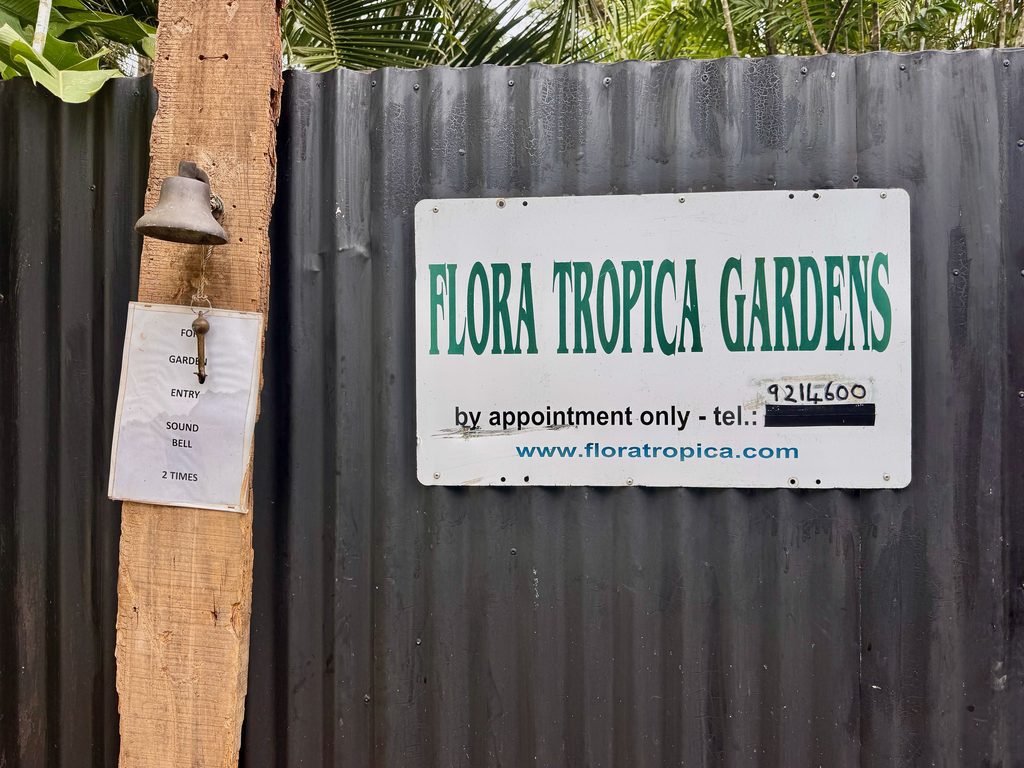


Though a modern rather than historic site, it reflects a growing local emphasis on protecting threatened plant species within Fiji and has become a gathering place for weddings, birdwatching, and community events. We met the owner, who is trying to sell the property.
4. Nakawaga Waterfall
Nakawaga Waterfall sits above Nakawaga village in the rainforest hills near Savusavu, and you reach it by hiking through dense jungle to a roughly 50-foot cascade and swimming pool. The waterfall itself was good, but our interactions with the locals were even better.
The entrance process was a bit confusing to us. We saw the sign below, but we weren’t sure which hill or house it referred to. I guess the red arrow should have been our first clue.

So we drove a bit further and met Uraia, the man in the foreground of the photo below. He said that his family owns the land that the waterfall sits on. He then brought us to his brother’s house to pay the entrance fee. It was indeed the hill next to the sign we had seen, but it seemed impossibly steep. Luckily for us, we had a 4×4 vehicle.
During this encounter, the man at the house said that Uraia is his uncle, not his brother. We seemed to have some language barriers, but we still had a lovely time getting to know these two local men, as well as Uraia’s wife.

After we paid, we dropped Uraia back at his house, and his sweet wife promptly offered us some pineapple juice.

We politely declined and moved on quickly, though, as it was getting dark.

We started hiking through the breathtaking jungle and noticed that the property’s infrastructure is very well done. They even have public restrooms available.


The waterfall is well worth the short hike.

Almost all the locals waved to us as we drove through town. These boys chose to salute, which was cute.

5. Korovatu Aqua Beach
Korovatu Beach is the closest stretch of sand to Labasa, reached by heading down through coconut groves past the Nagigi Naag Mandir temple.
Once a simple picnic spot, it has been transformed through private investment into a developed destination for weddings, sporting events, company retreats, and weekend getaways. The beach has also become a popular backdrop for music videos and photo shoots.
We paid a small entry fee.


Everyone we met there was very friendly.
6. Nakama Thermal Hot Springs
Local Fijian villagers in central Savusavu have used the Nakama Hot Springs for centuries as a natural cauldron for cooking taro, fish, and other foods, a practice still permitted today.
We simply had to try it! We came with four eggs and high hopes.


Formed within a volcanic caldera, the springs once produced geysers reaching 40 to 60 feet in the late 19th century and remain part of Fiji’s most geothermally active zone. Local tradition holds that commercializing the springs would cause their heat to disappear, reflecting the community’s deep respect for the site. A 2022 restoration project turned the springs into an official tourist attraction while preserving villagers’ access.
7. Labasa
Labasa is the largest town on Vanua Levu, Fiji’s second-largest island, and serves as the capital of Macuata Province.
Labasa’s modern identity was shaped by the Colonial Sugar Refining Company, which established operations in 1894 and drew thousands of Indian indentured laborers, or Girmitiyas, to work the cane fields between 1879 and 1916. This history transformed the town into a center of Indo-Fijian culture, which is reflected today in its temples, markets, and the Fiji Hindi language.


At the time, there was deep segregation on the island, as demonstrated by this “whites only” grocery store:


You can read more about this grocery store’s history here.
Today, Labasa’s Ram Leela performances, which reenact the life of Lord Ram, keep the Girmitiya heritage alive for descendants. The town has also hosted Fiji’s National Girmit Commemoration Day.

Its sugar-driven economy and large Fiji Indian community distinguish it from Savusavu’s more indigenous Fijian character.
8. Urata Lookout
Urata Lookout sits along the scenic 56-mile highway connecting Labasa and Savusavu, where the road crests the hills after the Sekawa Valley to reveal the first view of Savusavu Bay.


For years, it was an informal spot where travelers stopped to take in the view, though the site had also become littered. During the COVID-19 pandemic, the U.S. Embassy funded the Rotary Club of Savusavu and the local Urata community to build a permanent café here, which Fijian Prime Minister Sitiveni Rabuka opened. Built on land belonging to the Urata mataqali, the café now channels tourism income directly to the village.

Other Things to Do in Vanua Levu, Fiji
Rainbow Reef
Naselesele waterfalls
Muanivatu Trails
Kayak the Dreketi River
Where We Ate
FIJI TIME Mexican Grill
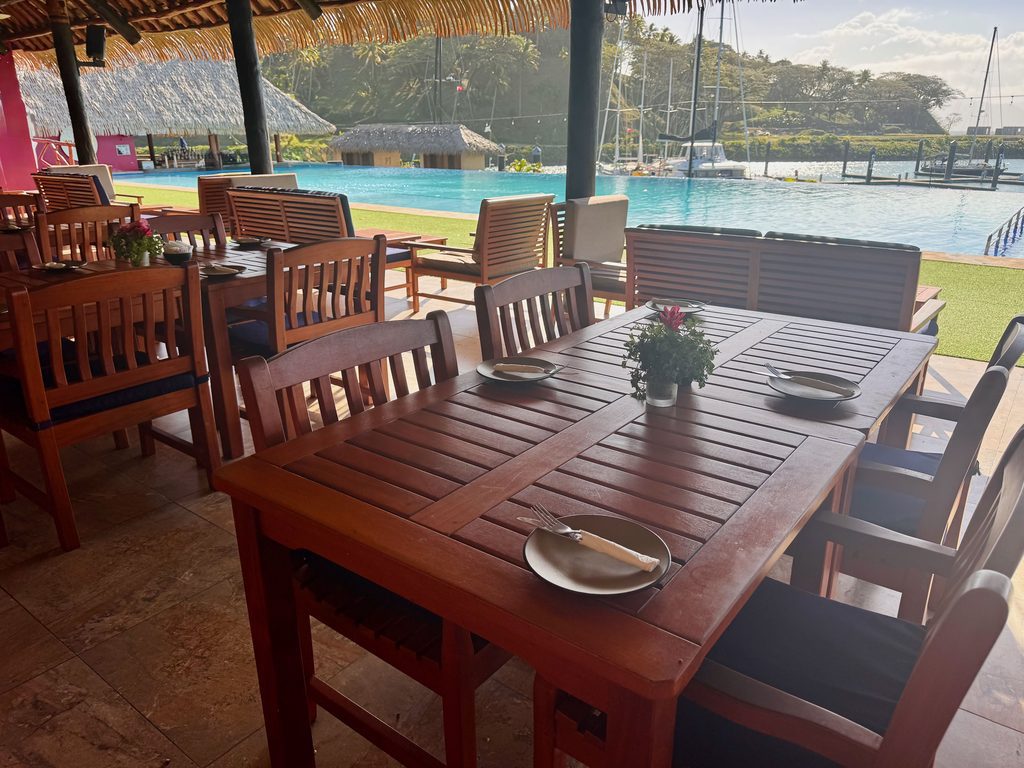
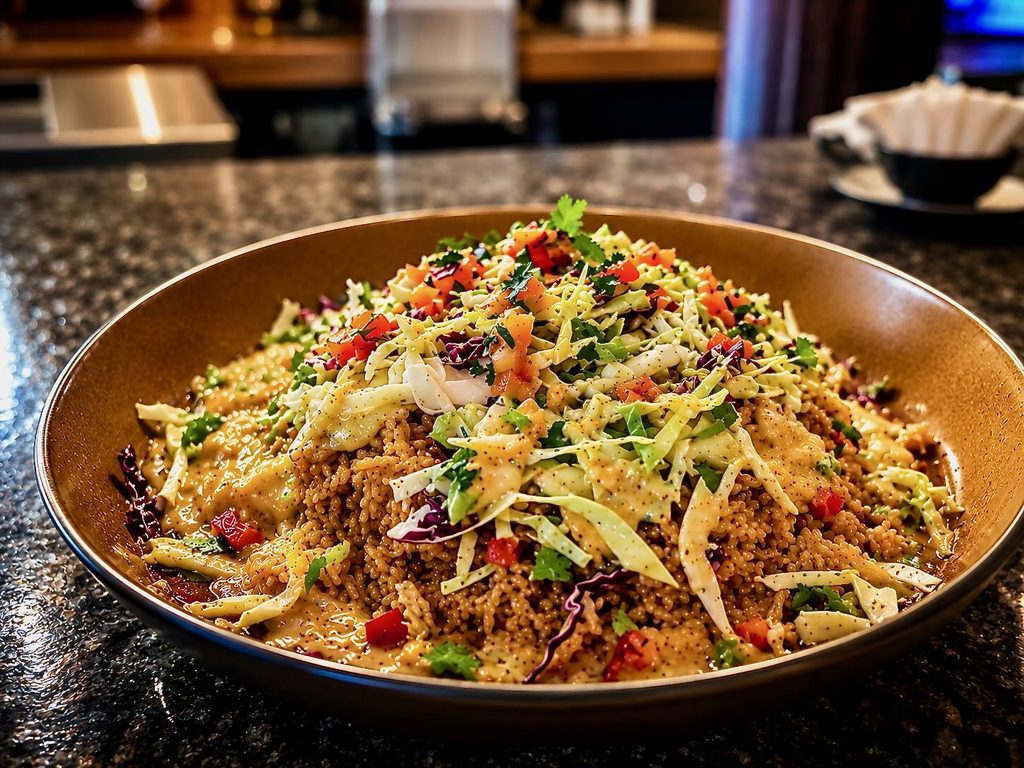
Domoni’s Waterfront Dining

Shopping
Labasa Market
Labasa Market has long served as Labasa’s commercial and social heart. Vendors sell kava roots, sugarcane, spices, and the fiery “Labasa chilies” renowned across Fiji, as well as Fijian handicrafts such as woven mats and baskets for which Vanua Levu women are known. The mix of Hindi and Fijian spoken among stallholders and shoppers embodies the town’s multicultural character.


We were here on a Sunday, so only a few vendors were working.

The market normally looks like this:

Savusavu Farmers’ Market
The market is open every day except Sunday, with Saturday being the busiest day. That’s when farmers come from all over the island, and the market is at its most stocked.


Outside the local markets, several modern grocery stores are available, most notably in Savusavu and Labasa. My favorite was Fresh Choice.
Accommodations
We stayed on our catamaran at the Nawi Island Marina. We’ve stayed at our fair share of marinas, and this one is now one of our favorites. Everything about it is pretty stunning.

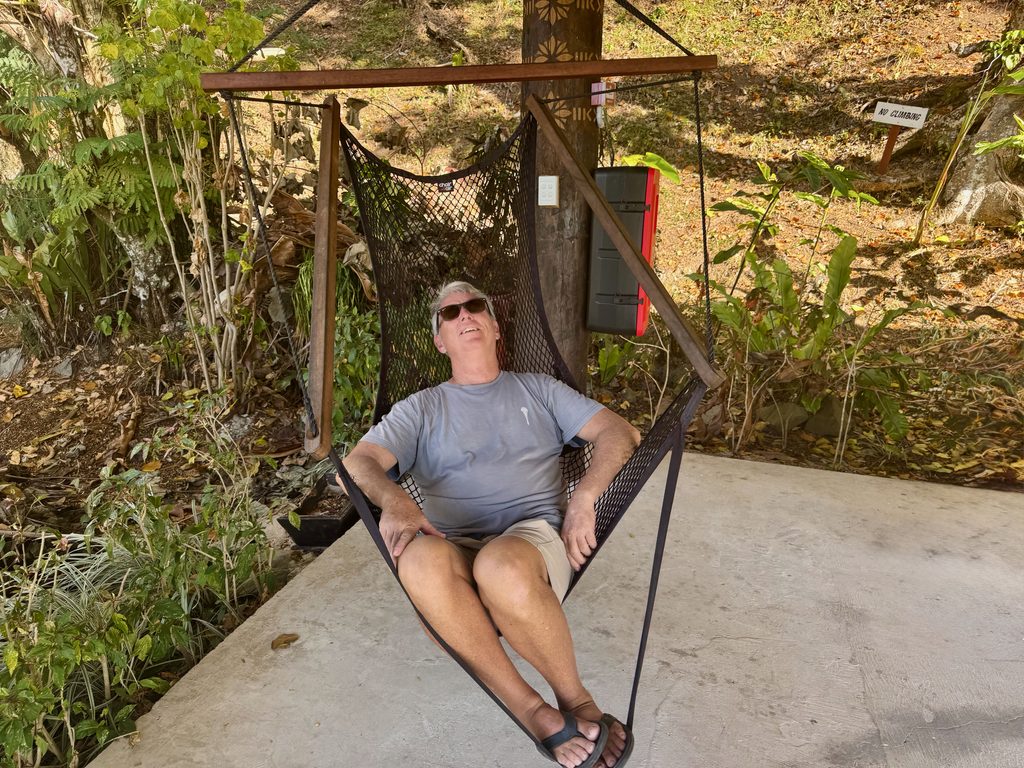

It looked so refreshing; I couldn’t resist plunging in.


Vanua Levu also has several hotels and Airbnb properties, mostly in Savusavu and Labasa.
Getting Here
You reach Vanua Levu mainly by air or sea from Fiji’s main island, Viti Levu. Domestic flights connect Nadi and Suva to airports in both Labasa and Savusavu, with the trip from Nadi taking about an hour. Several smaller airstrips also serve remote parts of the island.

You can also take a ferry from Suva or Lautoka, though the crossing runs roughly 12 hours and often includes a bus transfer through Nabouwalu.
Because Vanua Levu sees far fewer visitors than Viti Levu, flights and ferries run less frequently, so book ahead, especially during peak travel seasons.
Getting Around
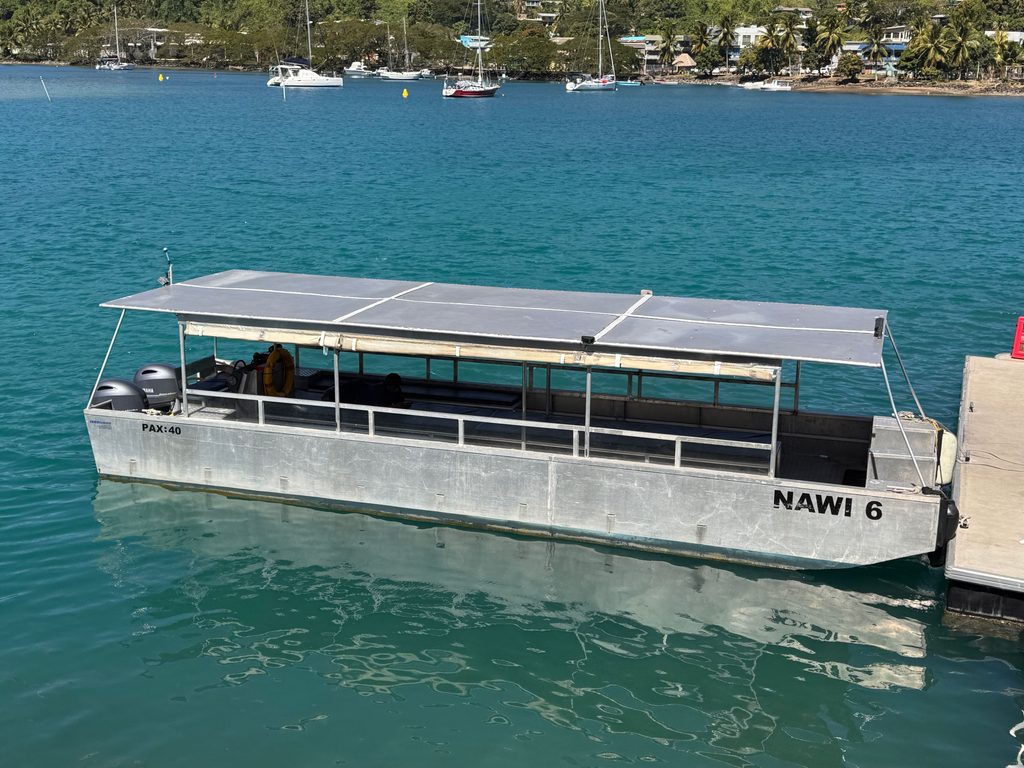
While Savusavu and even Labasa are walkable, you’ll need motorized transportation for trips outside town. Luckily, paved highways link Labasa and Savusavu, a scenic 56-mile drive through the mountains. Taxis are widely available in both towns, and some drivers will agree to drive long distances.
Public buses offer the cheapest option, running with open windows along main routes for a few dollars, though schedules can be informal.

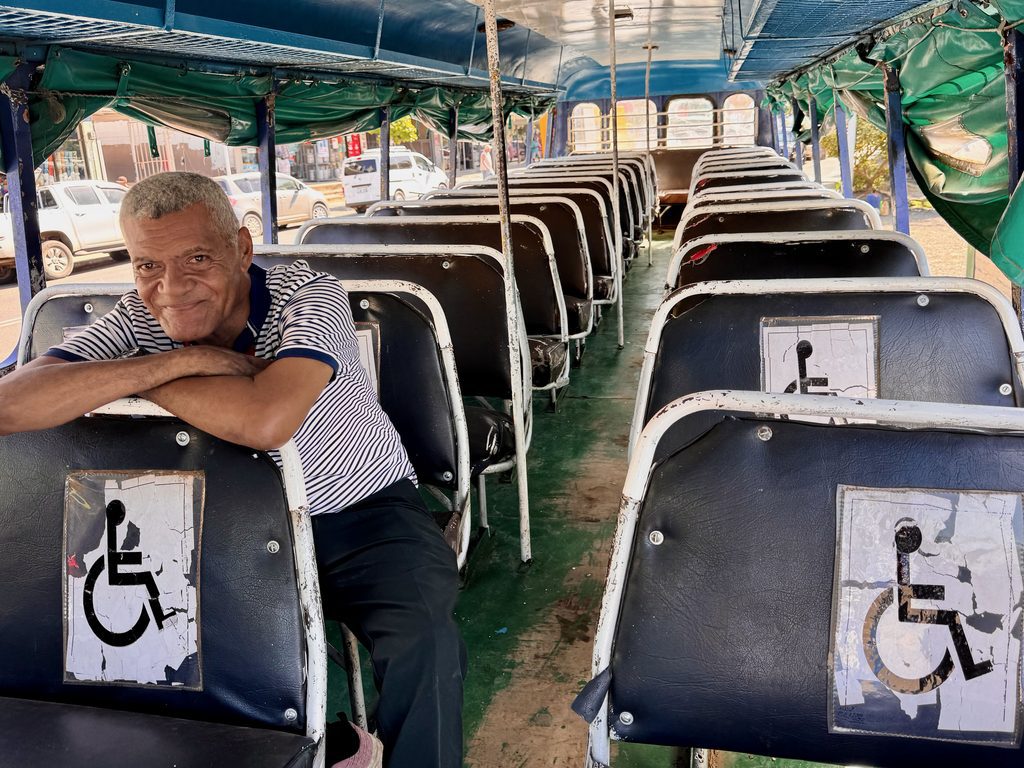
In the rural areas, we saw locals riding in carrier trucks. Some of them were jam-packed.

Rental cars provide the most flexibility for exploring rural areas. That’s what we did: we rented a car from AA Car Rentals. It was clean and virtually brand-new, and the four-wheel drive came in handy as we traversed the island.

Final Thoughts
Despite being relatively close to Viti Levu, Vanua Levu remains less developed and far less frequented by tourists than its larger neighbor. For visitors, that translates into a genuinely different kind of experience: fewer resorts, more everyday village life, and landscapes that feel less curated for tourism. It offers a chance to observe Fijian traditions and culture in a setting the tourism industry hasn’t reshaped as heavily.
Whether it’s the working sugar town of Labasa, the yacht-filled harbor of Savusavu, the forested peninsula in the south, or the reefs ringing its coast, Vanua Levu presents a version of Fiji defined less by resort infrastructure and more by geography, industry, and everyday life. For travelers who have already seen Viti Levu—or who simply want to see a different side of the country—Vanua Levu offers a much quieter and, in many ways, more revealing view of Fiji.


Leave a Reply