
Grand Turk, the historic capital of the Turks and Caicos archipelago, offers a rare glimpse into a Caribbean that feels largely untouched by time. Measuring just seven miles long and barely two miles wide, it is tiny compared to its sister island, Providenciales.
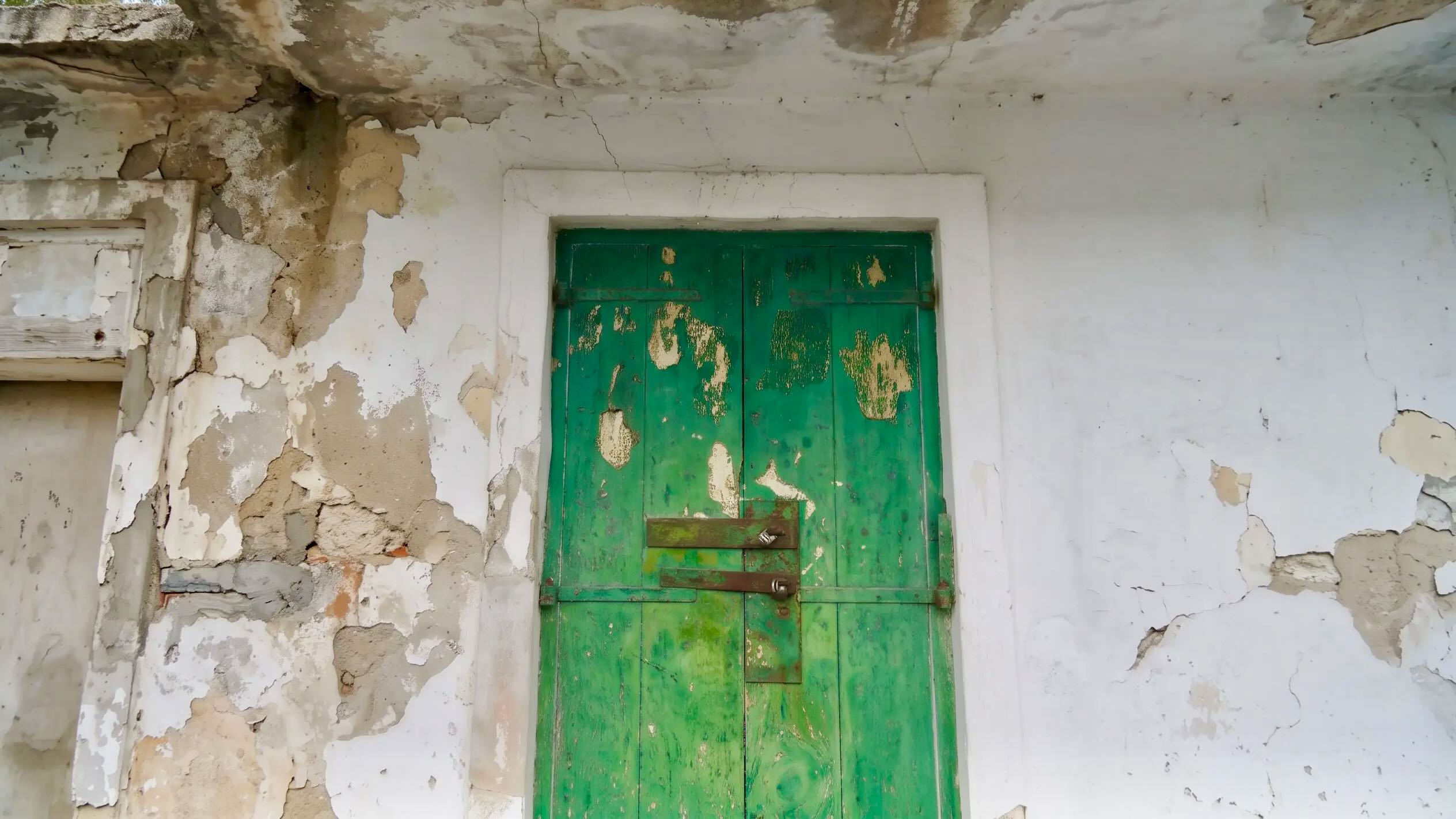
While it serves as a major port of call for cruise ships, the island’s true character lies in the salt salinas, where wild donkeys roam, and in the weathered limestone architecture of Cockburn Town, which dates back to the 18th and 19th centuries.
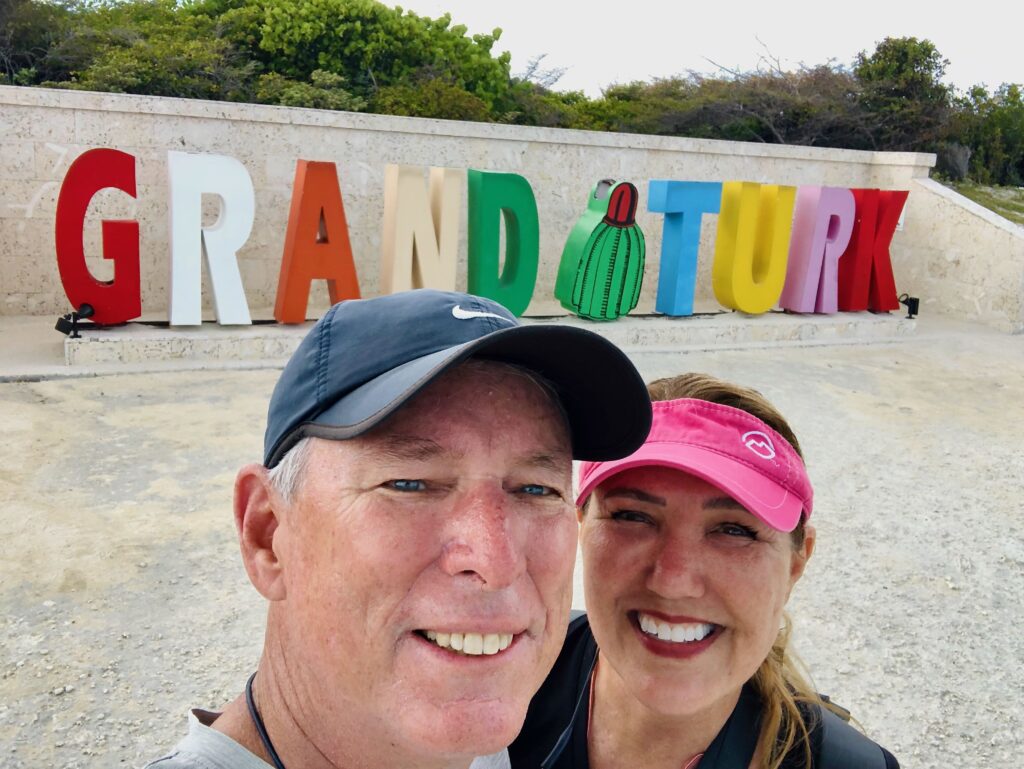
Beyond its colonial history, Grand Turk is globally renowned for its unique marine geography, most notably, the Grand Turk Wall.
It was a bucket-list snorkeling destination for us.
Things We Loved Most About Grand Turk
1. Snorkeling
Unlike many of the islands, Grand Turk’s best snorkeling is often found just offshore, where the island’s shallow plateau meets the Grand Turk Wall (the “wall”). This limestone precipice begins at depths of approximately 25 to 30 feet before plunging into a 7,000-foot abyss.
The drop-off was sudden and dramatic. Bonechilling, actually.

Before we get to that, though, let’s talk about our primary motivation to snorkel at this particular spot: the Library Anchor.
The anchor at Library Reef (also simply called “The Anchor” dive site) is an authentic Admiralty-pattern anchor that is more than 100 years old. Despite its fame as a dive landmark, the specific name of the ship that lost it remains unidentified. Most maritime historians and local dive experts classify it as a “mystery” anchor from the 19th century.
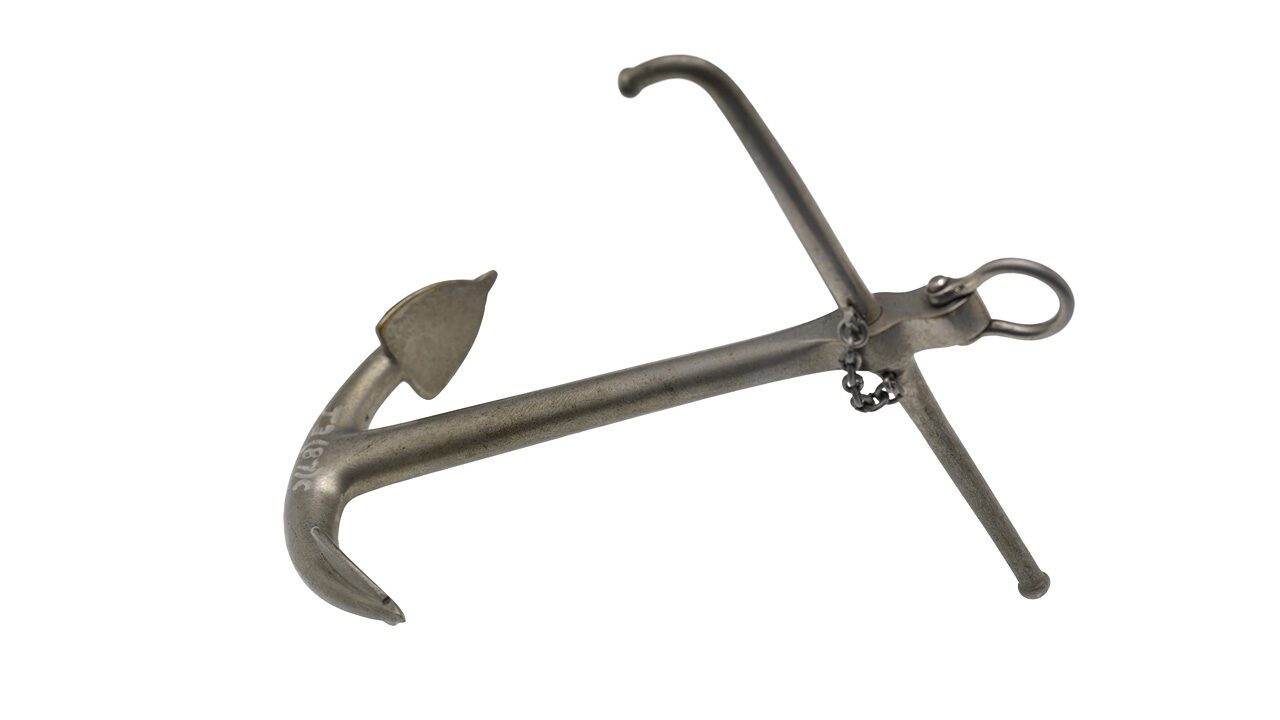
During the 18th and 19th centuries, many merchant vessels and salt-raking ships frequented the area. It was common for ships to “slip” or cut their anchor cables during sudden storms to avoid being driven onto the reef. This particular anchor is famous for its massive iron chain that stretches across the sandy bottom and disappears over the wall. This suggests the ship was likely positioned at the edge of the shelf when it was forced to abandon the anchor.
Some locals speculate it could be related to the RMS Medina, as that ship’s grounding prompted the construction of the Grand Turk Lighthouse, but the Medina wreck site is technically located farther north on the reef.
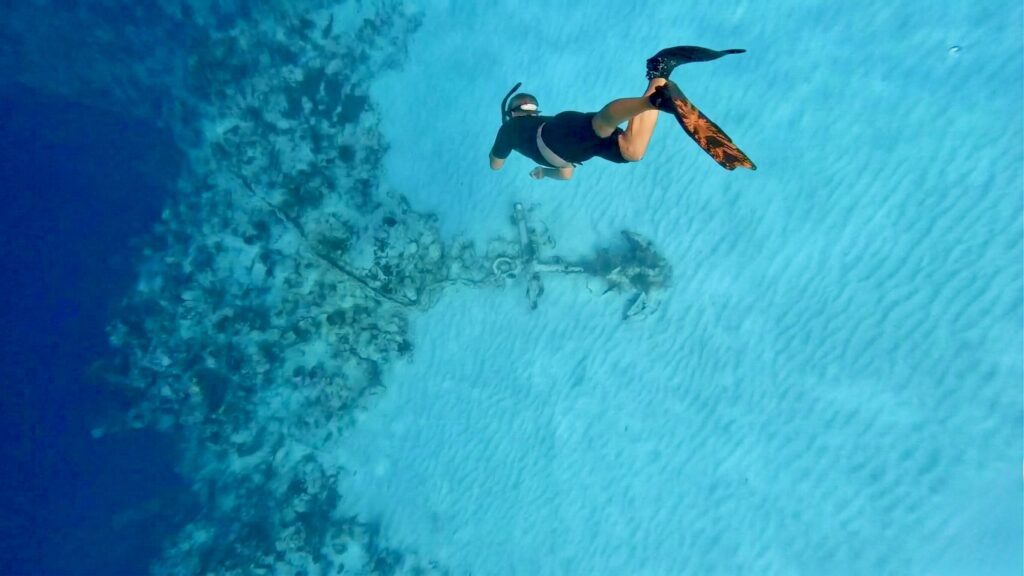
The anchor is more than six feet long. From that image, you can see how close it is to the drop-off: just feet away.
This is what the wall looks like over the edge.

It was a remarkable experience. At the time, we weren’t certified in scuba yet. Now that we are, I would love to see it again.
2. Cockburn Town
Cockburn Town has served as the administrative and political capital of the Turks and Caicos Islands since 1766. Founded by salt collectors from Bermuda in the late 17th century, the town was strategically positioned on the western shore of Grand Turk to facilitate the export of “white gold”—the high-quality sea salt harvested from the island’s expansive inland salinas. The town is named after Sir Francis Cockburn, a former Governor of the Bahamas who visited the islands in the 1840s. Its layout reflects a classic colonial maritime design, with its primary thoroughfare, Front Street, running parallel to the turquoise shoreline.

As the oldest settlement in the archipelago, Cockburn Town is a living museum of Bermudian colonial architecture. Walking down Front Street feels like stepping back into the 18th century.
The history of the town is etched into its limestone architecture, which features Bermudian-style masonry and sturdy timber frames built to withstand the Caribbean’s seasonal hurricanes.
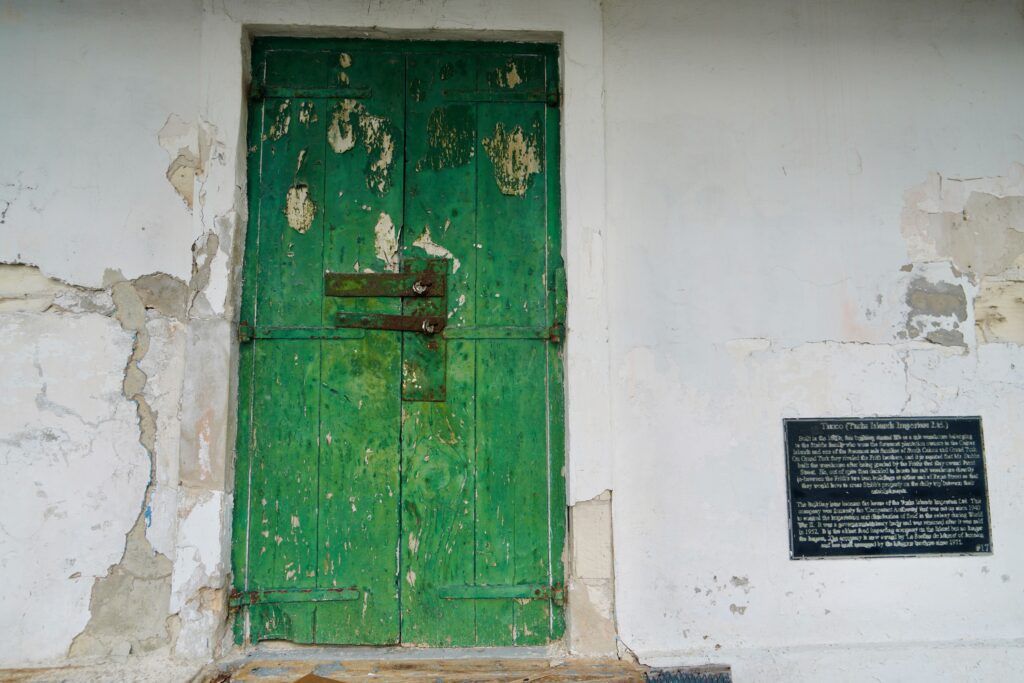
Queen Elizabeth II was the only reigning monarch to visit the island. She did so in 1966.
A pivotal moment in its history then occurred in 1962 when John Glenn’s Friendship 7 capsule splashed down nearby. The astronaut’s first steps back on Earth were taken in Cockburn Town, marking a modern chapter for this historic outpost. (More on that later.)
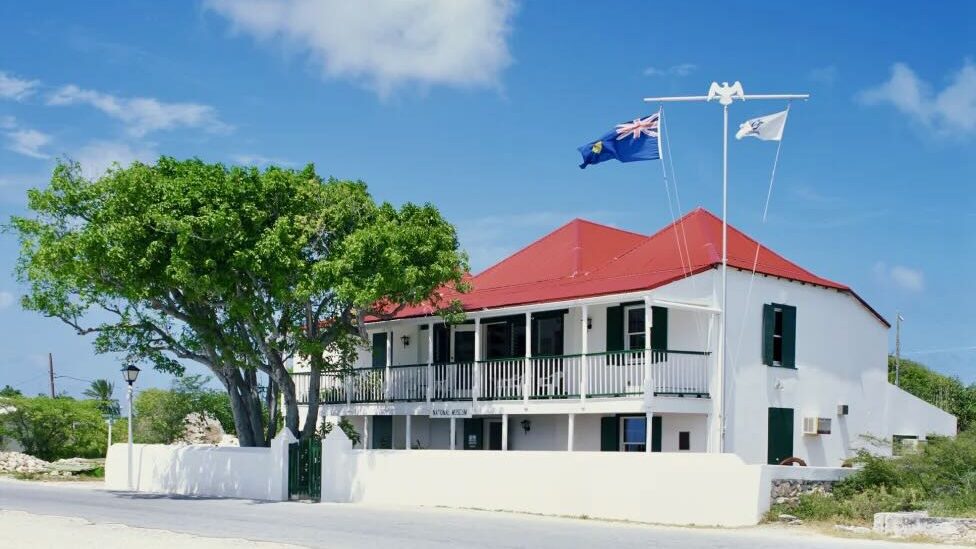
Today, the town is home to the Turks and Caicos National Museum, housed in one of the island’s oldest private residences and showcasing artifacts from the Molasses Reef Wreck, the oldest European shipwreck discovered in the Americas.
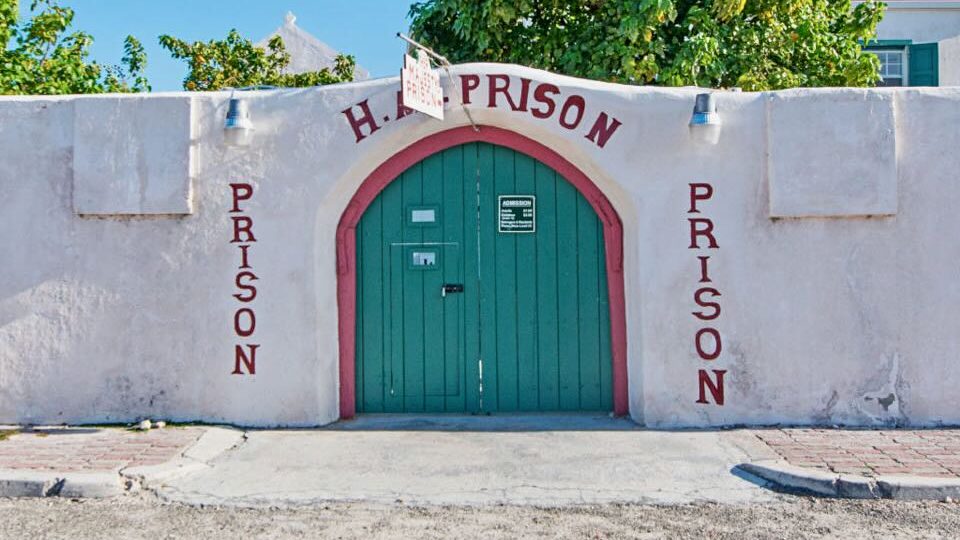
Another interesting site in Cockburn Town is Her Majesty’s Prison. We were only able to walk around the outside, but when you tour the inside, you can see the old cells and learn about the island’s criminal history and the transition from the salt industry to the modern era. It was built in the 1830s.

3. British and Bermudan Architecture
The architecture of Grand Turk is a visual chronicle of the island’s colonial history and its 19th-century salt industry. The most iconic style is characterized by Bermudian-style limestone structures and wooden salt merchant houses. These buildings typically feature thick, whitewashed stone walls designed to withstand hurricanes and provide thermal mass against the tropical heat.
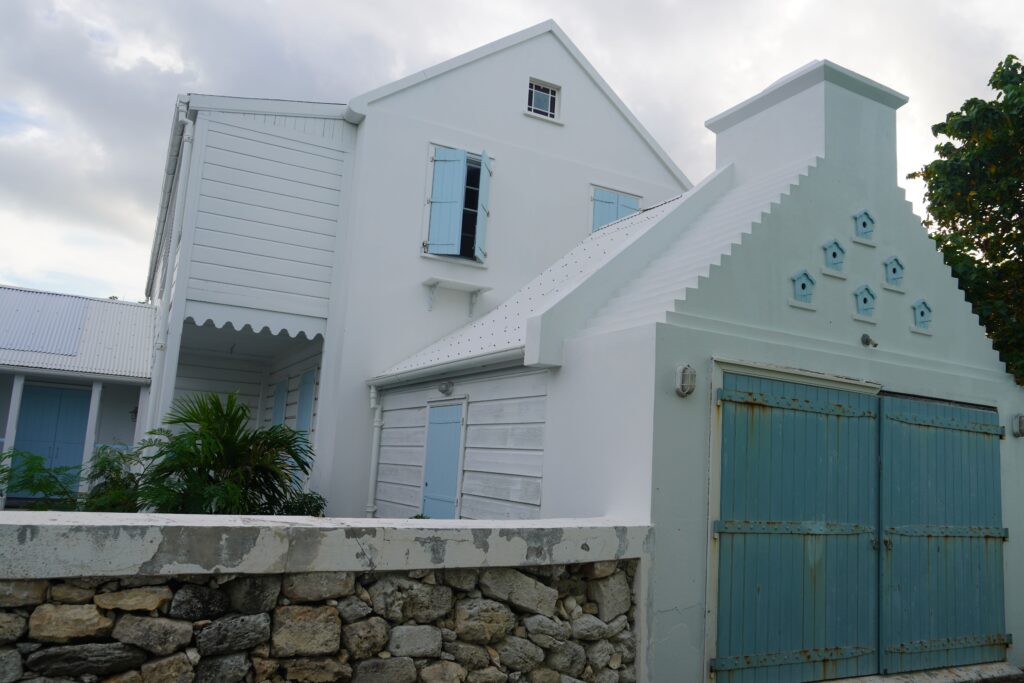
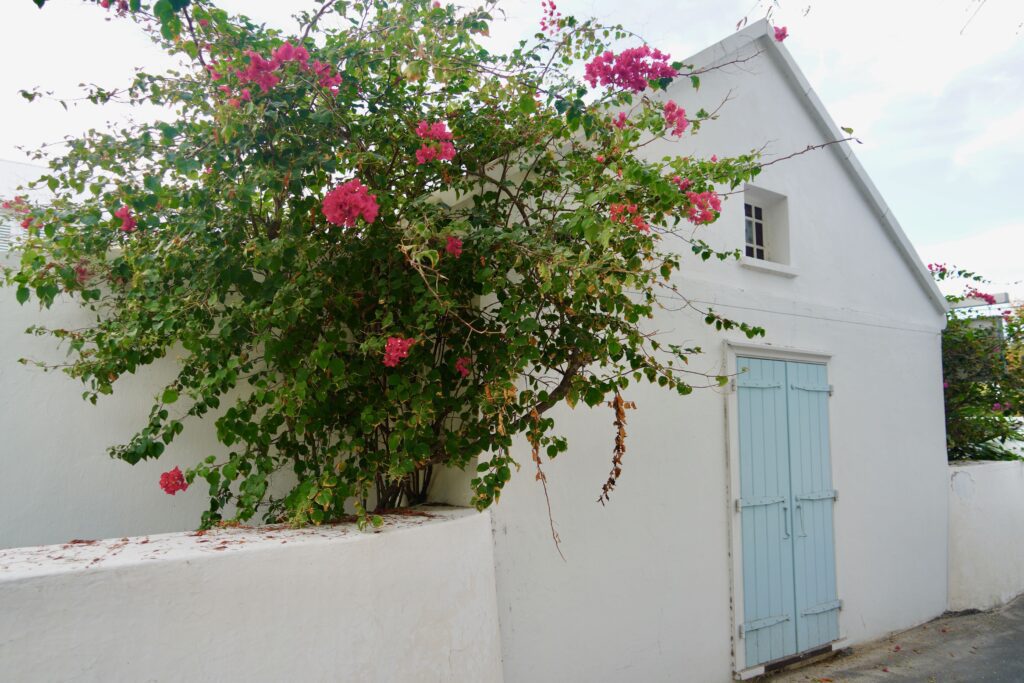
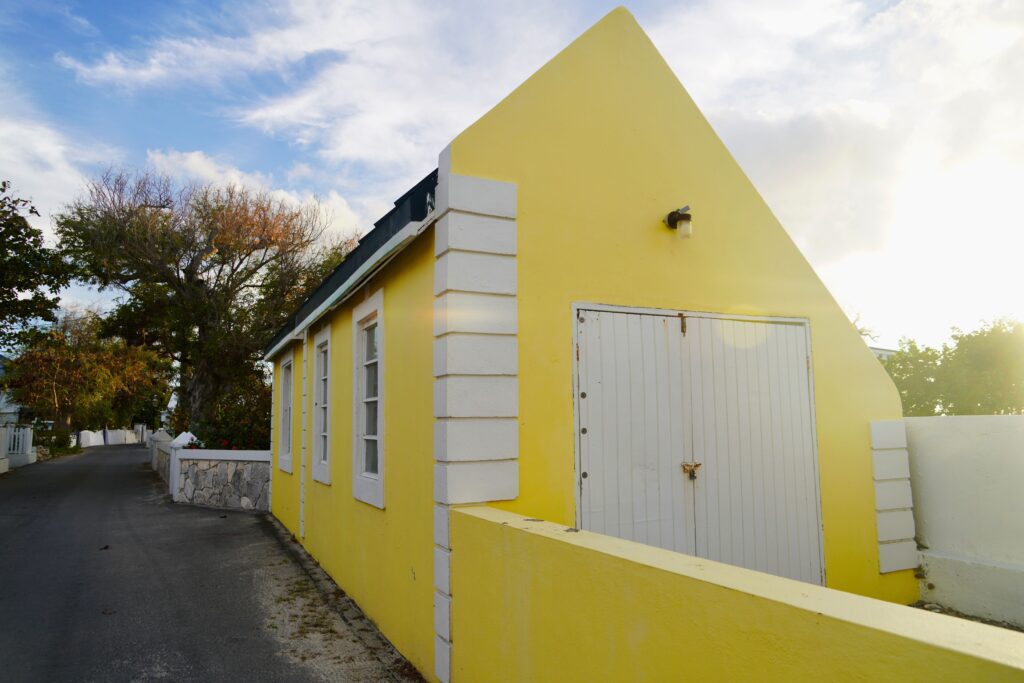
Many historic properties, such as those along Front Street, were constructed using ballast stones from salt-trading ships. Architectural landmarks include the aforementioned Turks and Caicos National Museum, housed in Guinep House—one of the island’s oldest private residences—and the Grand Turk Lighthouse.
Even the churches, like St. Mary’s Anglican Church, exhibit classic Gothic Revival influences adapted for the islands with local stone.

A distinctive element seen on the Guinep House and others is the use of broad, wraparound verandas and decorative fretwork, often painted in vibrant Caribbean hues, which allowed for natural ventilation before the advent of modern cooling.
4. Grand Turk Lighthouse
The Grand Turk Lighthouse stands as the most iconic landmark at the northern tip of the island, serving as a vital navigational aid since the mid-19th century, especially for salt-mining vessels. Prefabricated in the United Kingdom by the firm Chance Brothers—renowned for their lighthouse optics—the 60-foot tower is composed of cast-iron segments that were shipped to the island and erected in 1852.
Originally, the lighthouse utilized a kerosene lamp boosted by a rotating Fresnel lens, which was visible for up to 15 nautical miles. While the light was electrified in 1943 and the original lens replaced, the structure remains a well-preserved example of Victorian maritime engineering.

We viewed it from the water, but apparently, if you visit the grounds, you can enjoy a scenic park built on the site of the former lightkeeper’s residence. This park features a coastal zipline and walking trails that offer panoramic views of the Turks Island Passage. During the winter months, the cliffs near the lighthouse serve as a doskonały vantage point for shore-based whale watching. The interior of the lighthouse tower is generally closed to the public for safety reasons.
5. Cockburn Town Beach
Cockburn Town Beach serves as the picturesque front porch of Grand Turk’s historic capital, stretching along the western leeward coast. Unlike the more developed resort beaches, this public stretch of sand is defined by its proximity to the town’s 18th-century architecture and the turquoise waters of the Turks Island Passage. The beach is characterized by its calm, shallow conditions, as it is naturally protected from the Atlantic trade winds that buffet the island’s eastern side. This makes it an ideal spot for swimming and paddleboarding directly off the Front Street shore.

The nearshore water is waist-deep and crystal clear over a sandy bottom.

The beach remains a favorite for sunset strolls. While amenities directly on the strand are sparse, the beach is lined with local “salt-rafter” inns and small bars like Jack’s Shack further south, offering a quintessentially relaxed Caribbean atmosphere.
6. The People
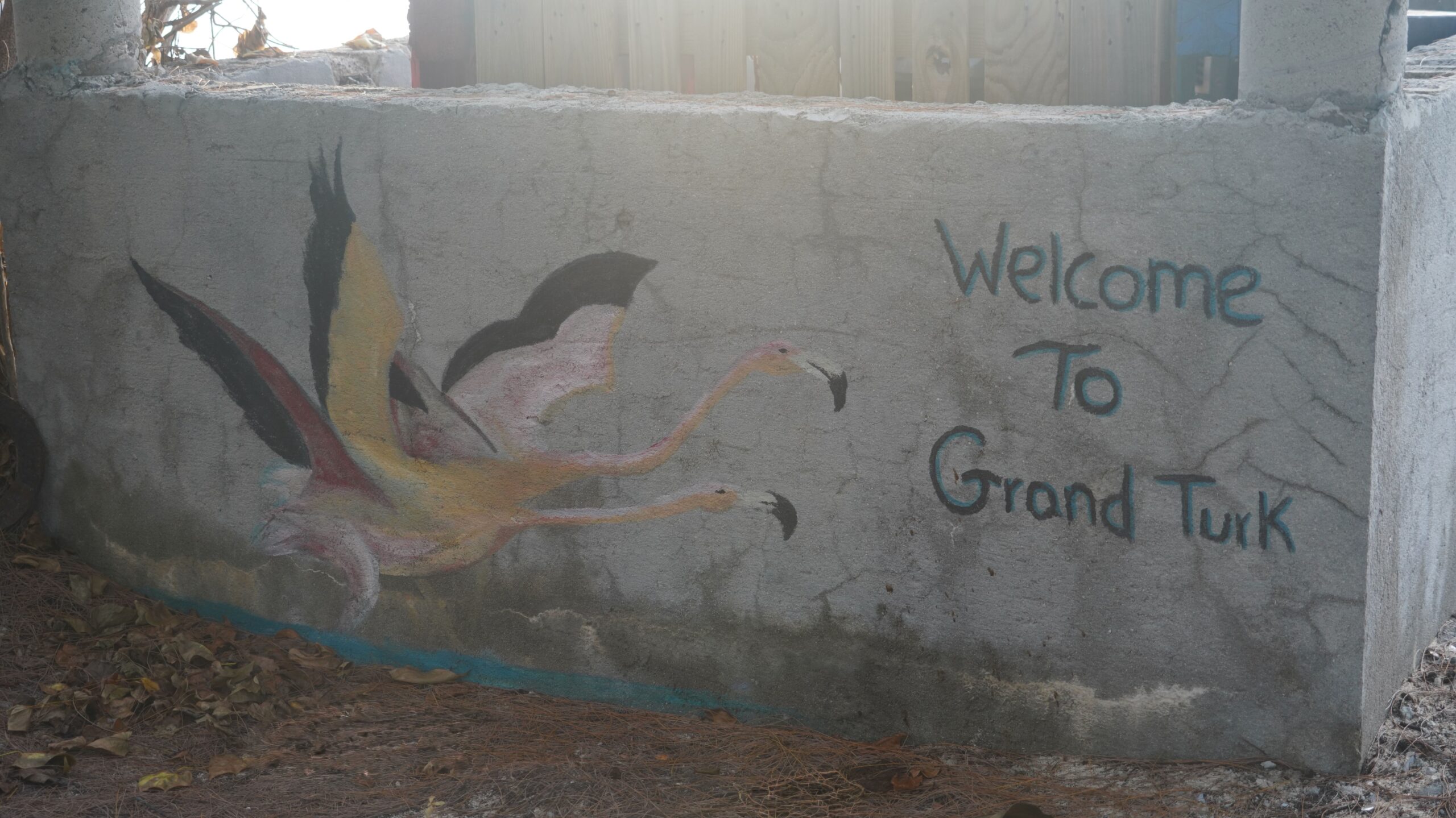
Now, a story. When we were in Grand Turk, the mosquitoes were out for blood, I mean literally. There were swarms of them, and we were getting eaten alive, despite the bug repellent we had meticulously applied.
It was a long walk from our anchorage to the Customs office, where we needed to check out. As we walked, we became increasingly uncomfortable. No, not uncomfortable—miserable.
We arrived at the small white building, frantically scratching our arms and legs. I am known for having an extraordinarily high tolerance for pain, and even I was almost in tears.
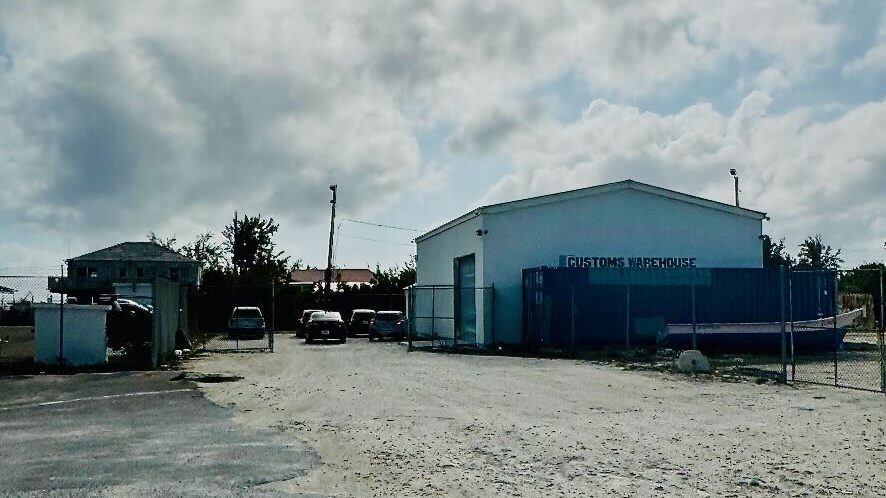
The woman in the starched white shirt inside the window took one look at us and motioned for us to come inside.
“Oh, your poor souls,” she said. “The person you need to meet with is not here. Sit here and relax until she comes.”
While we waited, we got an inside glimpse of what it’s like to work there. Co-workers came and went, microwaved their lunches in the adjoining lunchroom, laughed, and shared stories about their families. It was really nice of that woman to let us sit inside in the air conditioning, away from the mosquitoes, instead of sending us away. She explained that mosquitoes are a massive problem in Grand Turk and that the government occasionally sends out insecticide trucks, during which time everyone is advised to stay indoors.
We enjoyed spending time in that small office, observing the locals interact.
Indeed, everyone we met in Grand Turk was really nice, like this horseback rider who posed for a snapshot without being asked.

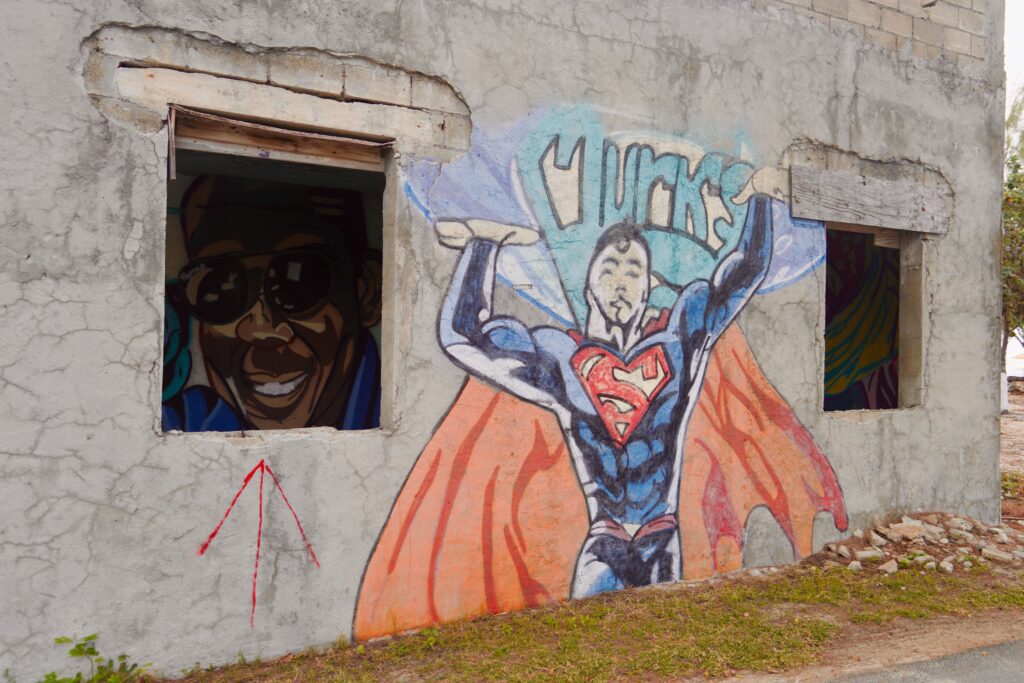
And I absolutely love the sense of humor of the mural on the left. The arrow pointing up to the mischievous smile tickles me every time I see it.
7. Friendship 7
The Friendship 7 memorial makes the list because of its interesting story.
Grand Turk was the site of astronaut John Glenn’s landing after his historic orbit of the Earth on February 20, 1962. After circling the globe three times in the Friendship 7 capsule, Glenn splashed down in the Atlantic Ocean approximately 800 miles southeast of Bermuda and just 40 miles from Grand Turk. He was recovered by the destroyer USS Noa and transported to the island, which was then home to a U.S. Air Force missile tracking station. Grand Turk served as the primary site for Glenn’s medical debriefing and initial recovery.
Today, this cosmic connection is celebrated through several island landmarks. A full-scale replica of the Friendship 7 capsule is prominently displayed at the entrance of JAGS McCartney International Airport.

In addition, the Grand Turk Cruise Center houses “Splashdown Grand Turk,” a 3,500-square-foot exhibit featuring Mercury program artifacts and a life-sized statue of Glenn.


The event remains a point of immense local pride; many residents still recount the day Vice President Lyndon B. Johnson arrived on the island to escort Glenn home, forever linking this small Caribbean outpost to the dawn of the Space Age.
8. The Animals
It’s no secret: I love animals. Luckily for me, there are many in Grand Turk.
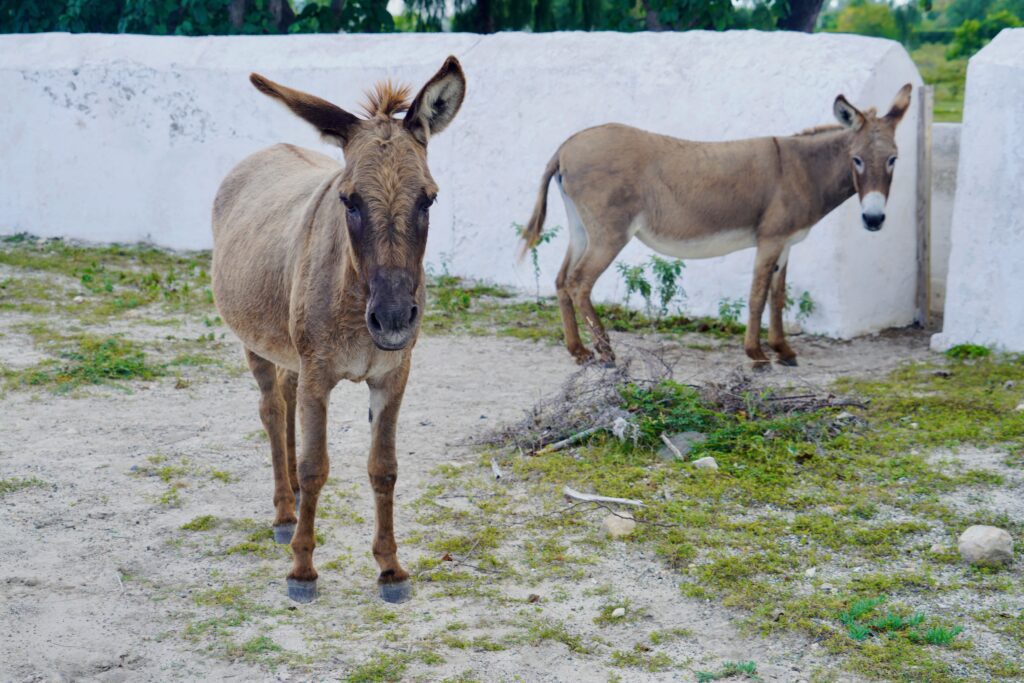
One of the most characteristic sights in Grand Turk is the presence of free-roaming donkeys and dogs, which are woven into the island’s daily rhythm and history. The donkeys are descendants of animals brought to the island in the 17th and 18th centuries to work in the salt salinas, hauling heavy loads of “white gold” to the docks.
When the salt industry collapsed in the mid-20th century, the donkeys were released, creating a self-sustaining wild population. Today, they are protected by local sentiment and can be seen wandering through Cockburn Town, grazing near the Grand Turk Lighthouse, or resting in the shade of historical limestone buildings.
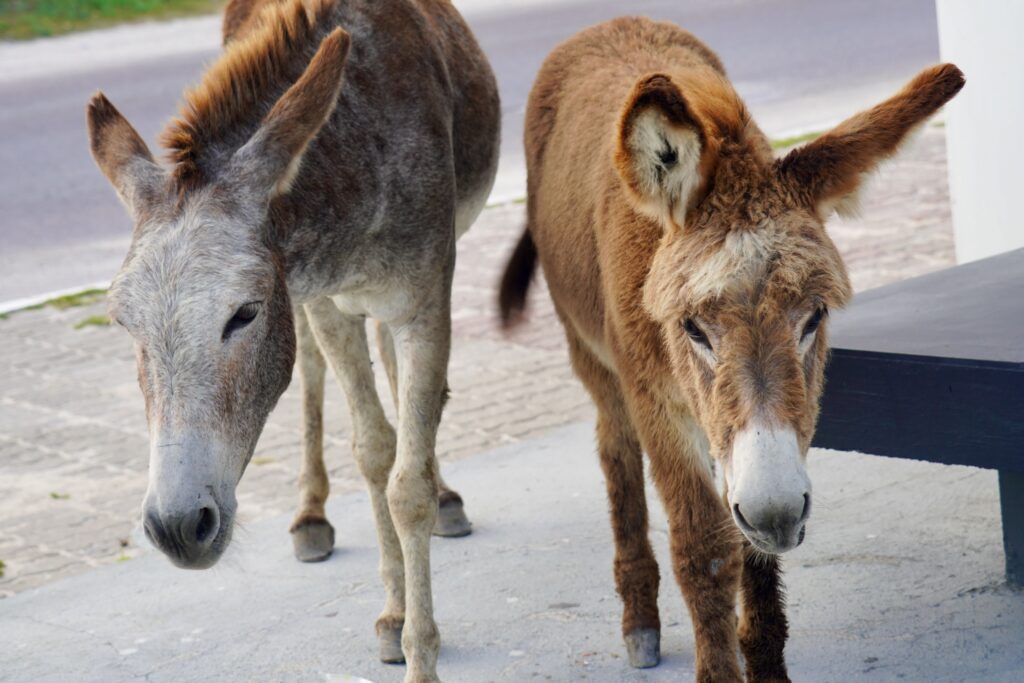
We made sure not to pet these donkeys, as they have the capacity to become aggressive, especially when it comes to mothers and their foals.
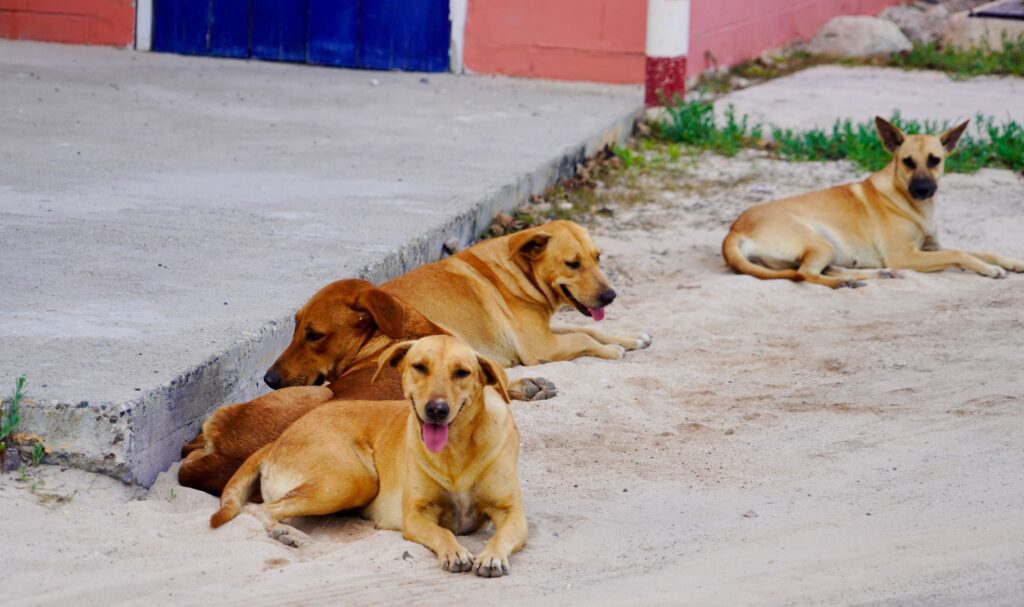
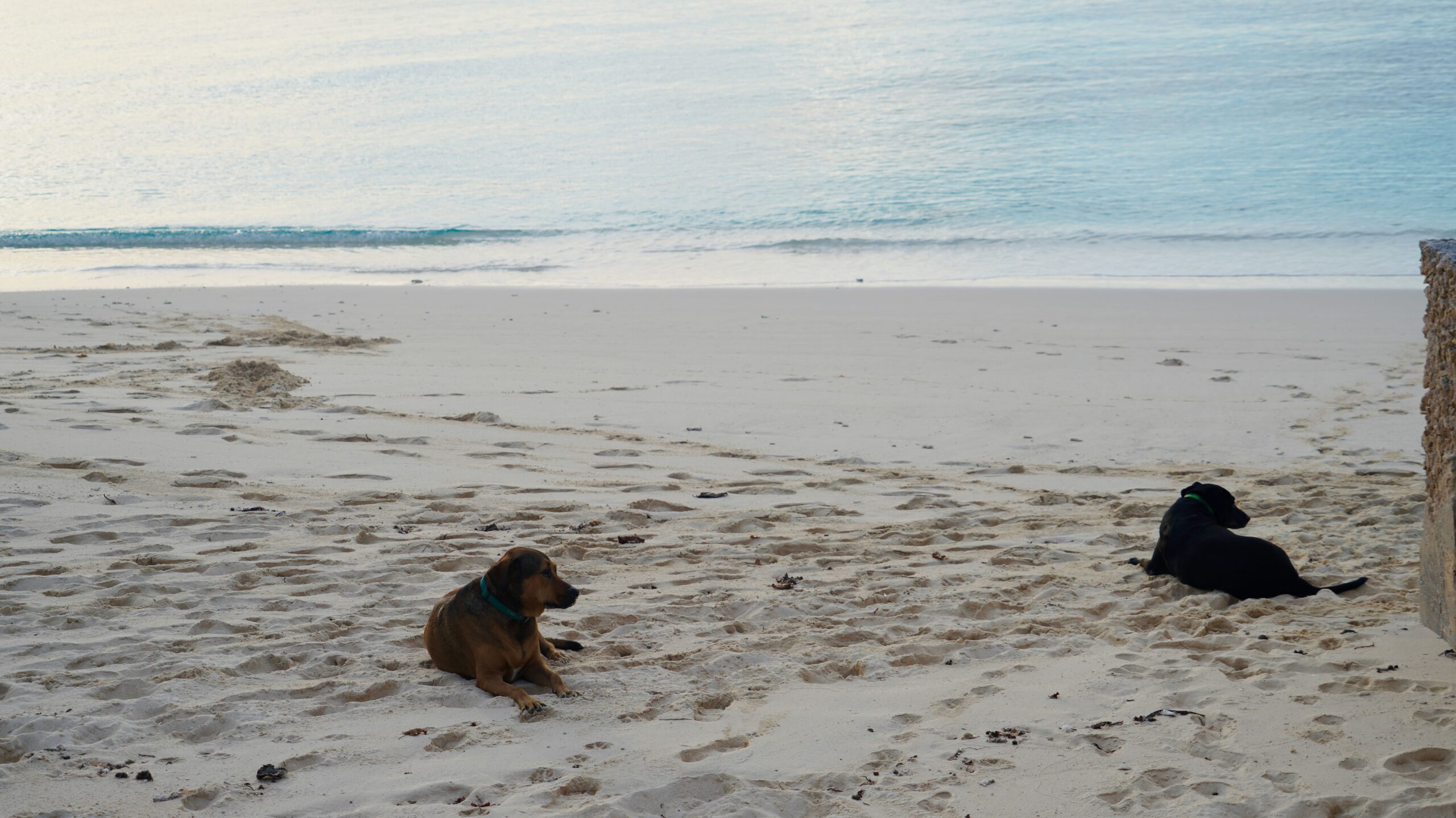
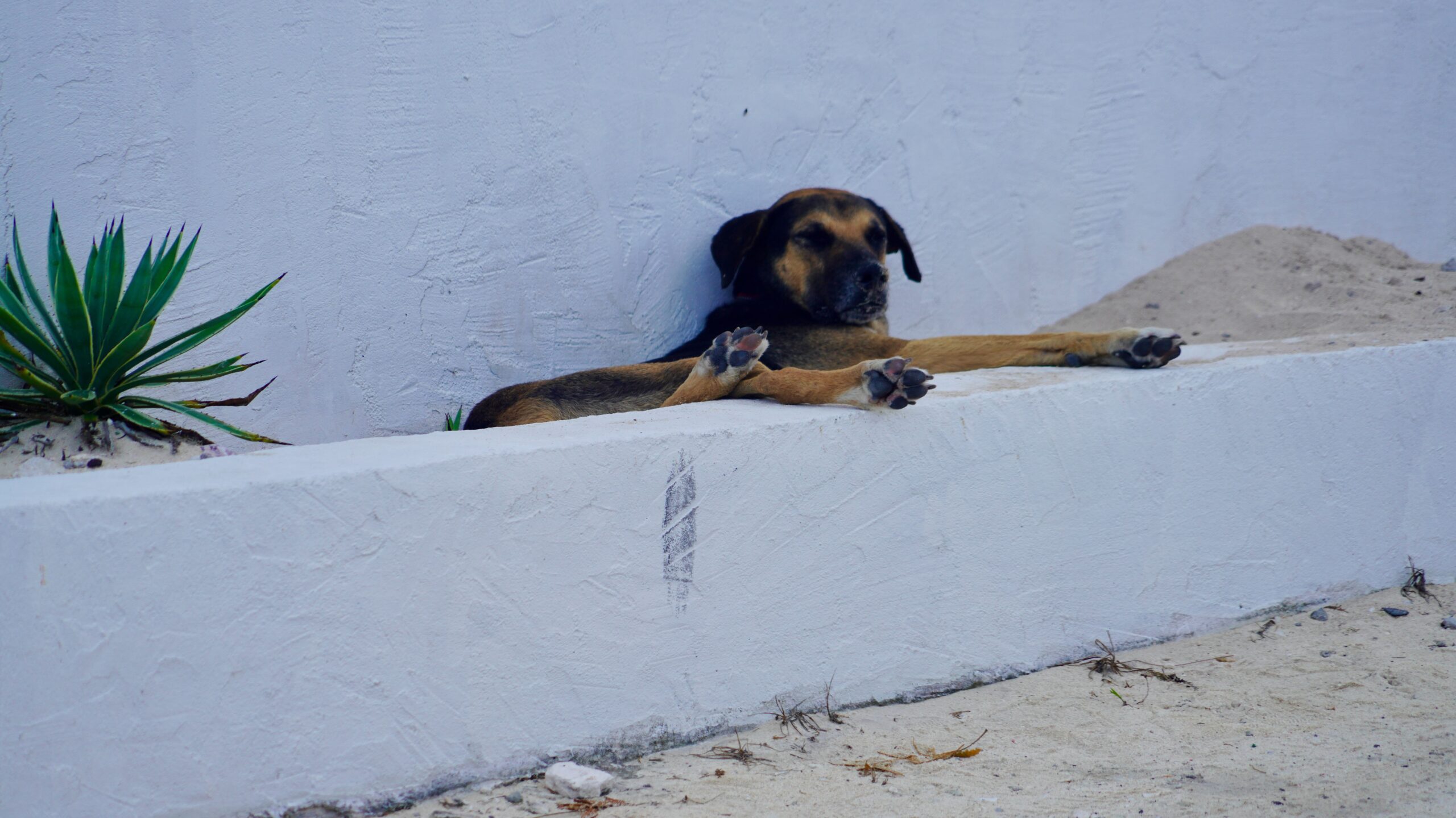
The island is also home to a significant number of “potcakes,” a resilient and intelligent population of mixed-breed dogs found throughout the Caribbean islands. The name derives from the thick, crusty remains of the local pea-and-rice pots that residents traditionally fed them. While many potcakes are beloved community pets, most live as strays.
Organizations like the TCSPCA work tirelessly to manage these populations through “spay and neuter” clinics and international adoption programs. We’ve seen scores of strays on our travels; Grand Turk and Makemo (French Polynesia) stand out as having some of the most.
I am always struck by the gentle nature of these animals.
Other Things to Do in Grand Turk
Stingray City (We did this in the Cayman Islands)
Inside tour of Turks and Caicos National Museum
Inside Tour of Her Majesty’s Prison
Shopping
Shopping on Grand Turk is defined by two distinct environments: the modern, high-volume Grand Turk Cruise Center and the historic, artisan-focused streets of Cockburn Town. The Cruise Center features a 45,000-square-foot retail area dominated by duty-free giants like Dufry, as well as luxury jewelers such as Effy and Diamonds International. Here you can find international brands, Caribbean-themed apparel at Ron Jon Surf Shop, and a variety of souvenirs.
For a more authentic experience, we recommend heading to Front Street. The Turks and Caicos National Museum gift shop is an outlet for the Middle Caicos Co-op (see the shopping section of my piece on North and Middle Caicos for more about this). They sell genuine straw-work baskets, hats, and model sailboats handcrafted by local artisans.
Specialized boutiques like Island Creations and the TCI Souvenir Shopping Mall offer unique finds, including jewelry made from locally sourced conch pearls and sea glass. Popular edible mementos include Bambarra Rum, hand-harvested sea salt from the island’s historic salinas, and PeppaJoy hot sauce.
Tip: While most shops accept U.S. dollars and credit cards, it is recommended throughout the Caribbean to ensure bills are in good condition, as many vendors may refuse torn or heavily worn currency. We watched bills get rejected and had a few of ours turned away.
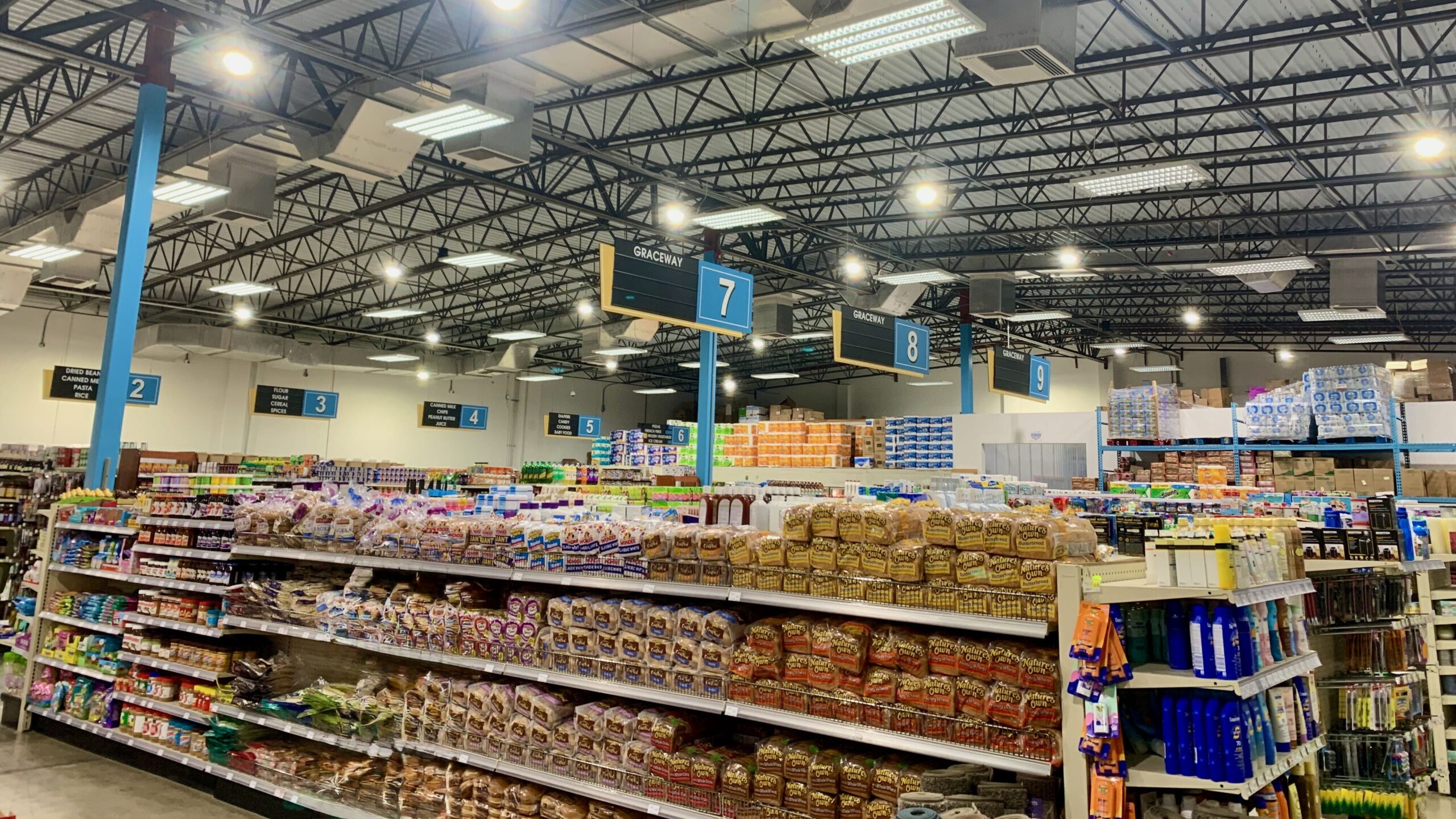
Now for the most important category when you’re a cruiser: provisioning. In Grand Turk, Graceway is a very clear choice for this. It is large, pretty well-stocked, and just about a six-minute walk from Cockburn Town Beach.
Accommodations
Accommodations in Grand Turk are vastly different than the high-rise, all-inclusive luxury found on neighboring Providenciales, favoring a more intimate, simple Caribbean atmosphere. Grand Turk specializes in boutique hotels, historic inns, and vacation rental villas, primarily concentrated in and around Cockburn Town. Notable properties like the Osprey Beach Hotel and Bohio Dive Resort cater heavily to divers, offering beachfront access and specialized dive packages.
If it’s heritage and charm you’re looking for, the Turks Head Inn provides a refined stay in a restored 19th-century residence, while the Salt Raker Inn offers a more laid-back, budget-friendly experience. Beyond traditional hotels, the island features a growing selection of private holiday homes and apartments, such as those found near Pillory Beach or the more secluded bluffs of Lighthouse Road. Most lodgings are small, often with fewer than 20 rooms, emphasizing personalized service and tranquility.
We stayed on our catamaran in the Highlands Cut anchorage.
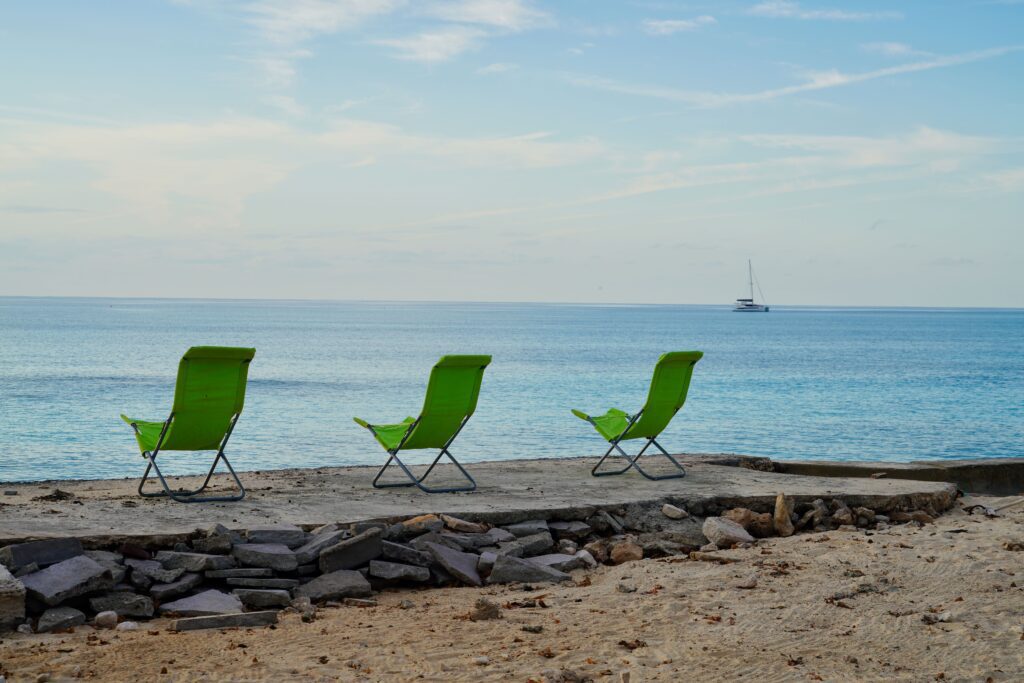
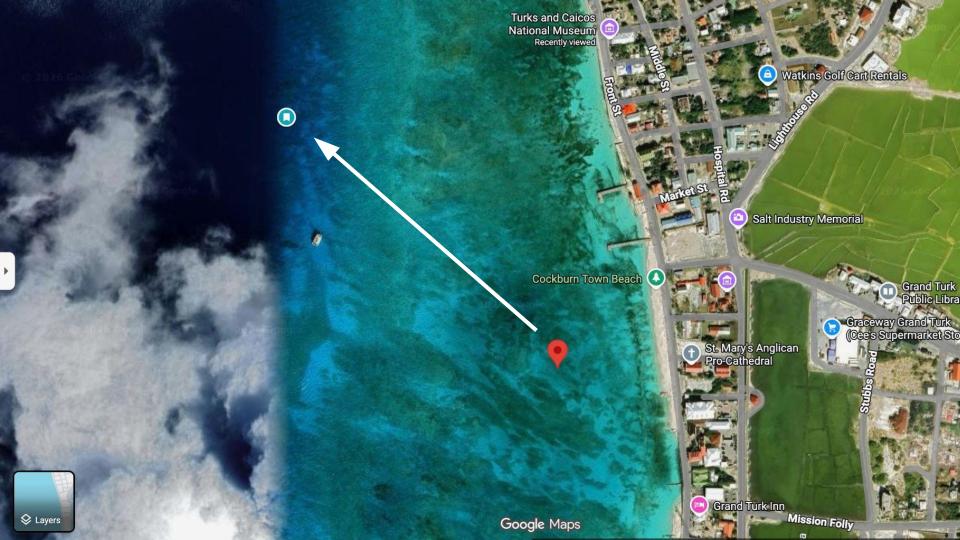
From the latter, you can literally swim to the premier snorkel spots from the back of your boat.
Getting There
Most international travelers first fly into Providenciales International Airport (PLS). Since Grand Turk’s JAGS McCartney International Airport (GDT) primarily handles domestic and regional traffic, a short “puddle jumper” flight is the standard second leg of the journey. Local carriers Caicos Express Airways and interCaribbean Airways operate several daily flights between Providenciales and Grand Turk, with the scenic flight typically lasting about 20 to 30 minutes.
Grand Turk is also a cruise ship hotspot, with many major cruise lines offering it as a destination.
We sailed there on our catamaran.
Getting Around
Navigating Grand Turk is straightforward due to its compact size—just seven miles long and 1.5 miles wide. Rental cars and golf carts are the most popular choices for independent exploration. Golf carts, starting around $80–$100 per day, are a signature way to traverse the island’s narrow streets, particularly in historic Cockburn Town, while air-conditioned compact cars provide better protection from the intense Caribbean sun. Most rental agencies are located just outside the Grand Turk Cruise Center or near the airport and often offer free pickup and drop-off.
Taxis are readily available at the airport and cruise port. Unlike many destinations, fares are regulated by the government and typically charged per person rather than per vehicle; for example, a one-way trip from the cruise center to the Grand Turk Lighthouse is approximately $9 per person. There is no public bus or rideshare service like Uber or Lyft on the island.
We walked everywhere, but it was really hot and buggy, so a rental car would have been nice.
Final Thoughts
Grand Turk’s greatest draw remains its diving and snorkeling, with a unique continental shelf that drops over 7,000 feet. That’s why we were there, and we loved it. We also enjoyed the island’s history, architecture, culture, and, of course, its people.
In Grand Turk, mosquito season runs from late August through December. We visited the island in February, and it was still an annoyance. Depending on your timing, we recommend that you either rent a car and/or pack plenty of bug repellent, cool clothing, and perhaps a portable fan.
Travel Notes
We stayed on our catamaran in this anchorage.
Originally experienced in February 2024; content refreshed in March 2026.

Leave a Reply