If you had told me previously that I’d fall head-over-heels for a city that is one part Miami bourgeoisie, one part colonial charm, and one part dense tropical jungle, I would have been skeptical, to say the least. But that’s exactly what happened.
The longer we stayed in Panama City, the more we realized that the city has a soul that is uniquely its own—deeply Latin, fiercely international, and surprisingly green and vibrant. We absolutely loved it.
First Impressions
As we approached Panama City in our rental car, we were speechless. Having lived in some really remote islands over the past two years, the spectacle of this bustling city was a lot to take in.
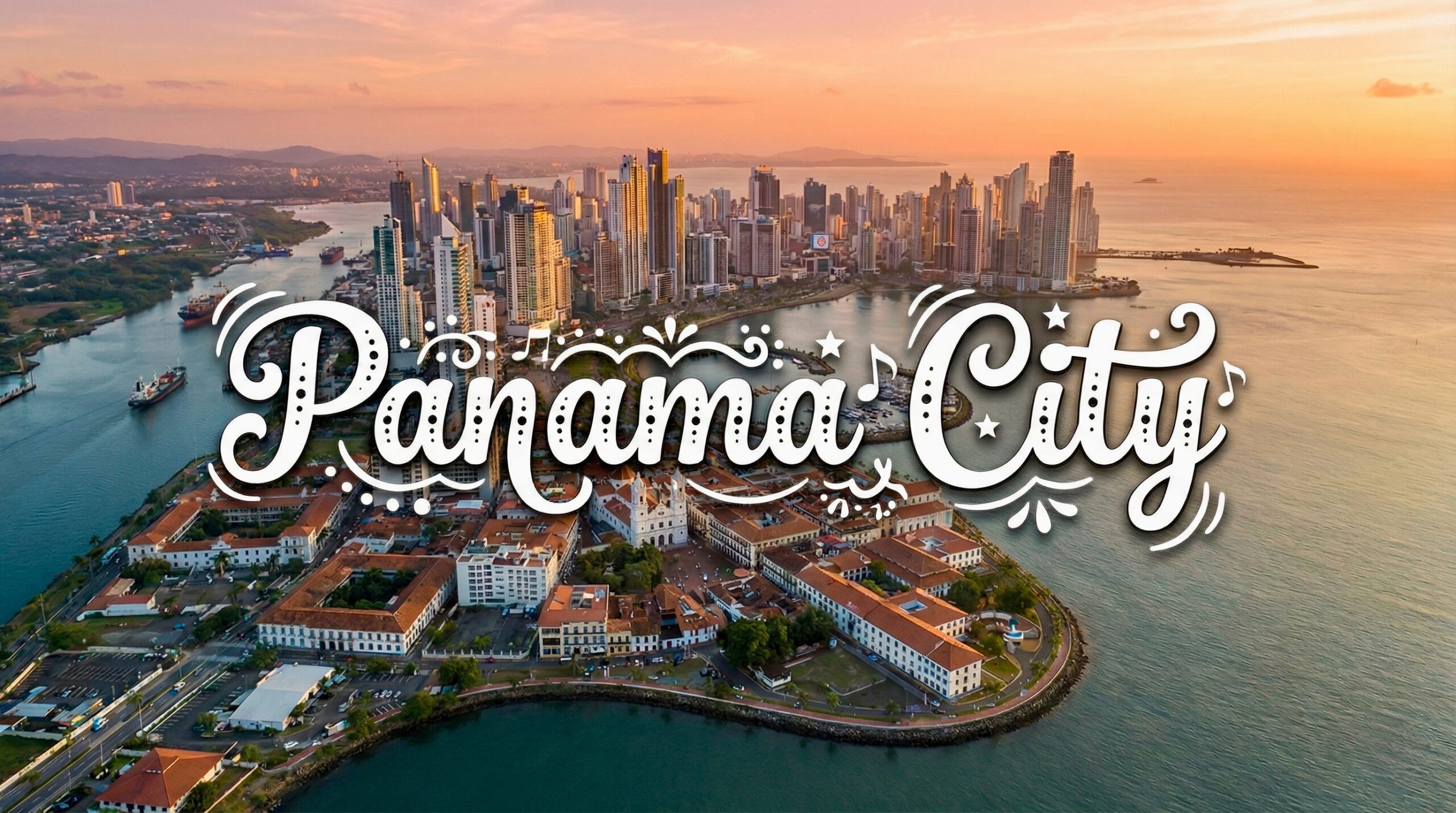
First, Panama City has not one, but TWO skylines. I later learned that people call Panama City the “Miami of the South,” and looking at its skylines, one can see why. And although seeing multiple downtowns was a bit confusing at first, we quickly realized that the western side of the city is where we would spend the bulk of our time. After all, it is the site of Casco Viejo and the Amador Causeway—two of our favorite parts of this lively city. (The other downtown to the east is the modern-day financial district.)
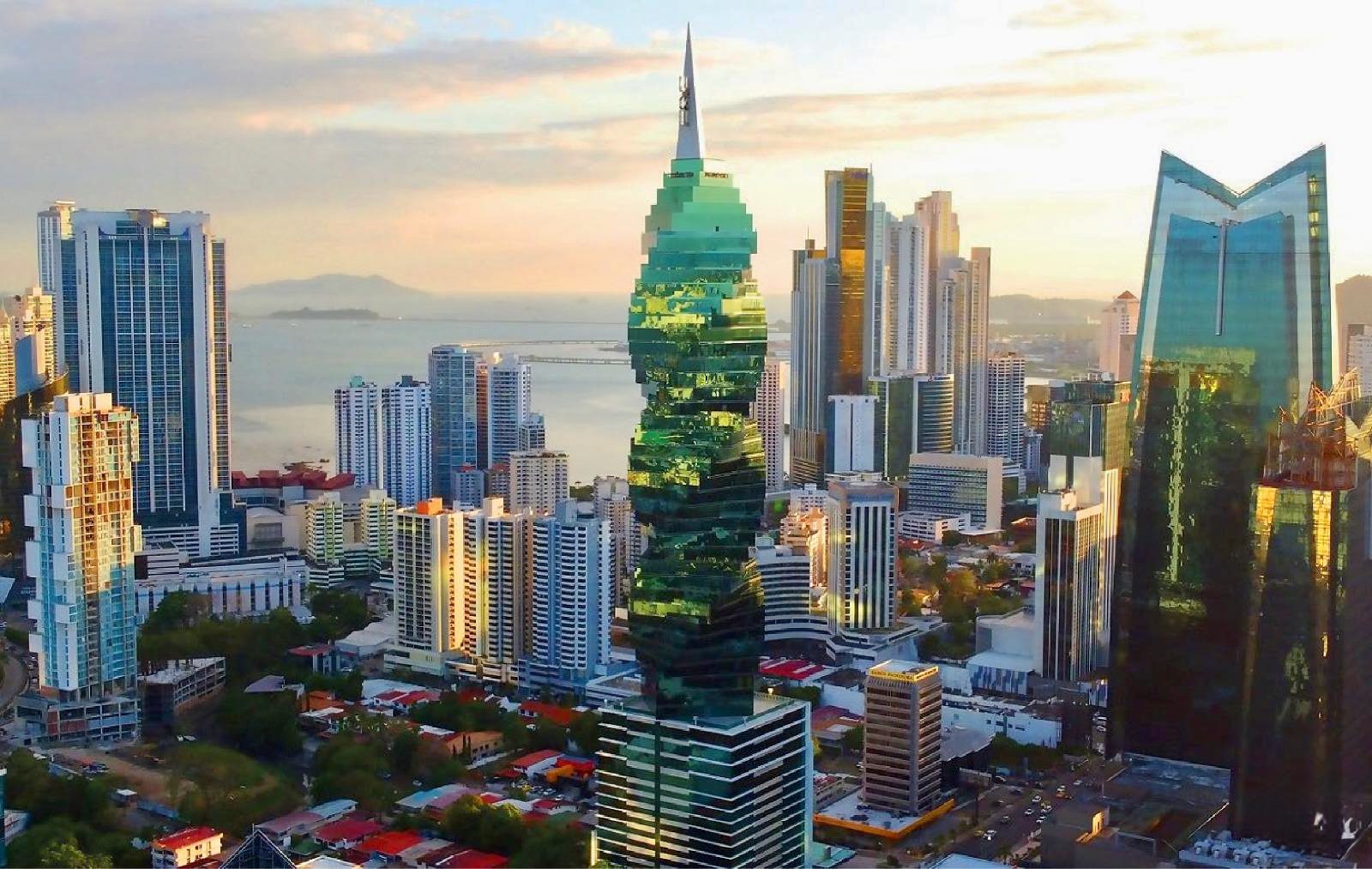
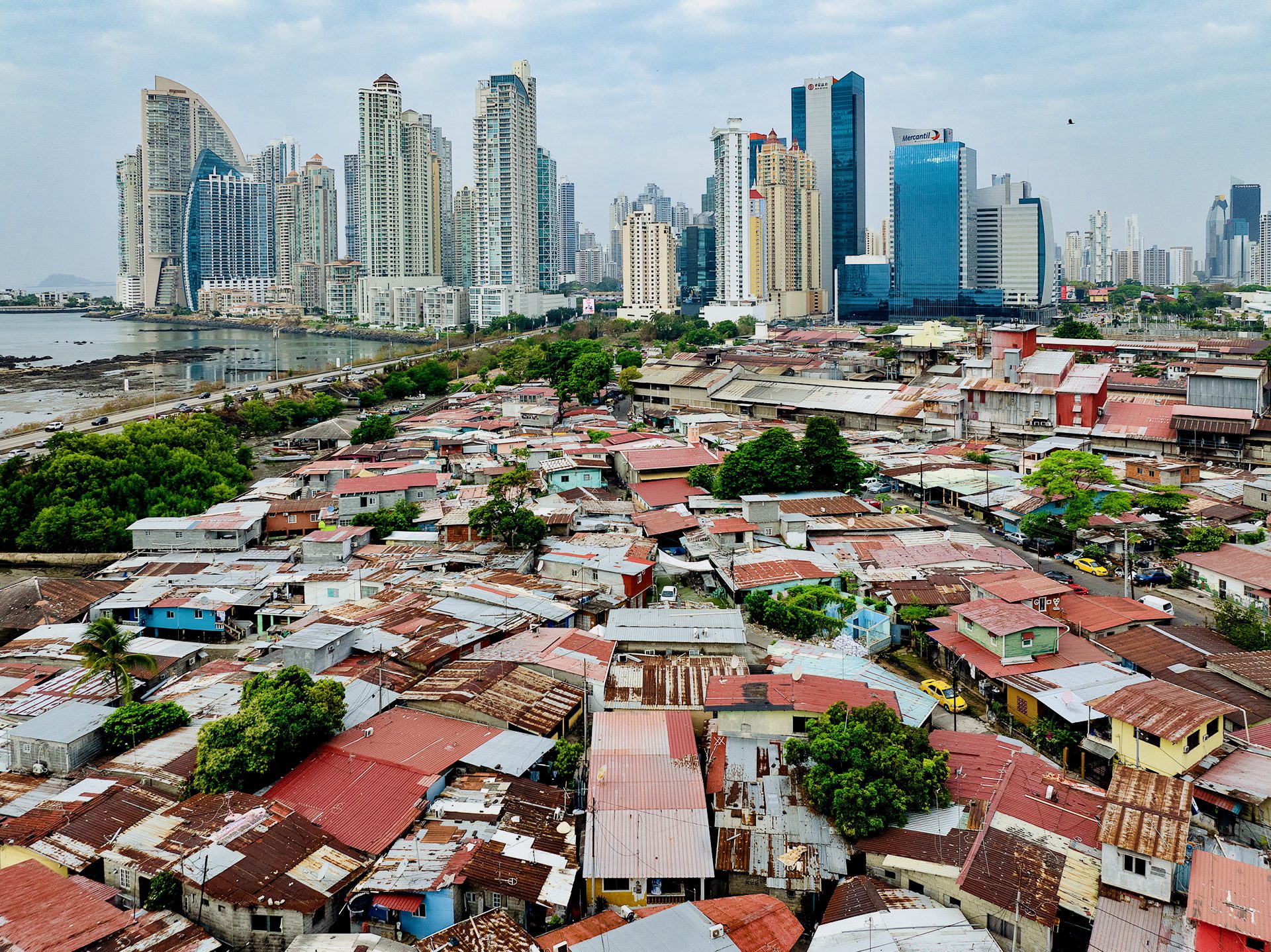
This photo illustrates the economic disparity that dominates Panama City.
Second, people drive aggressively in Panama—I mean, REALLY aggressively. Mind you, by this time, Roy had driven in a lot of different places, but the aggression here was pretty shocking. Think “fend-for-yourself,” “make-your-own-lane,” “push-your-way-in-no-matter-what” types of behaviors. It was a lot.
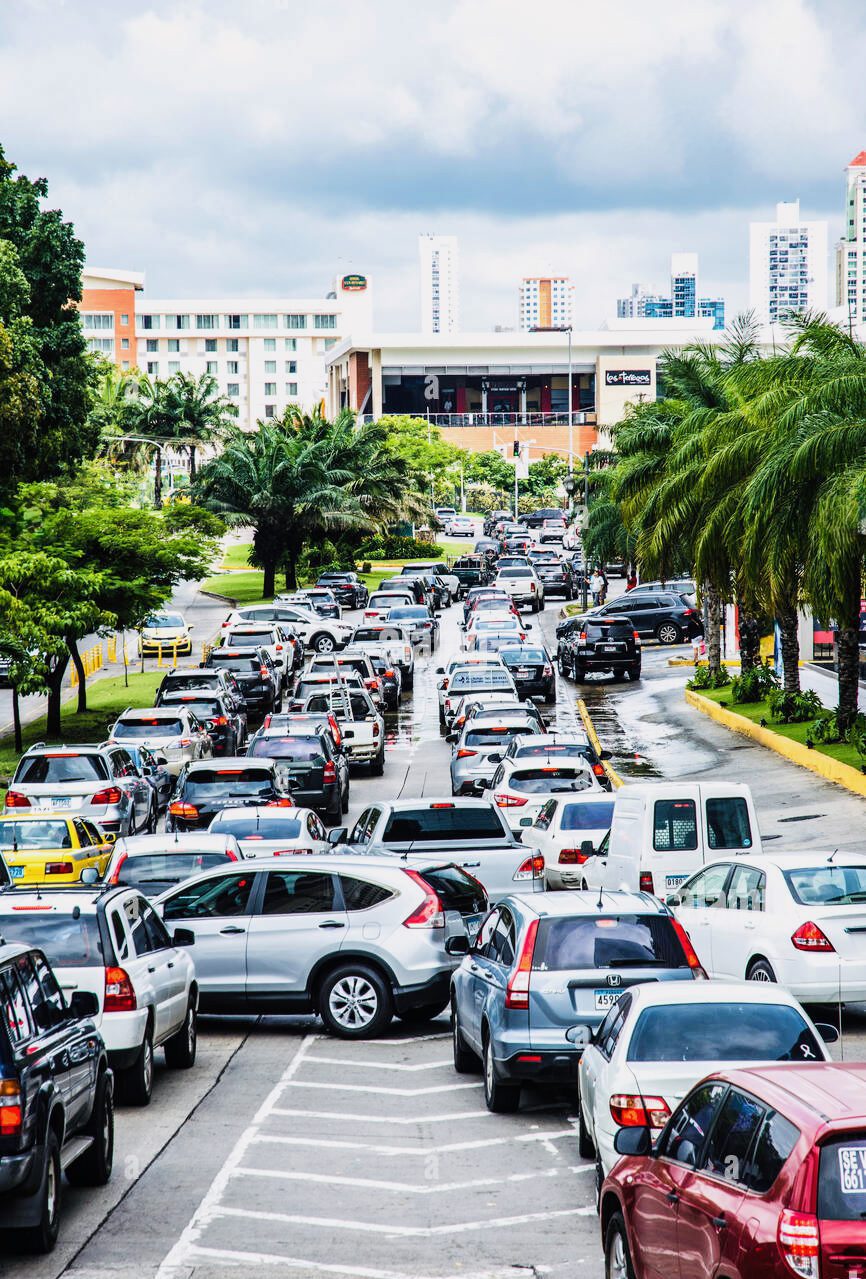
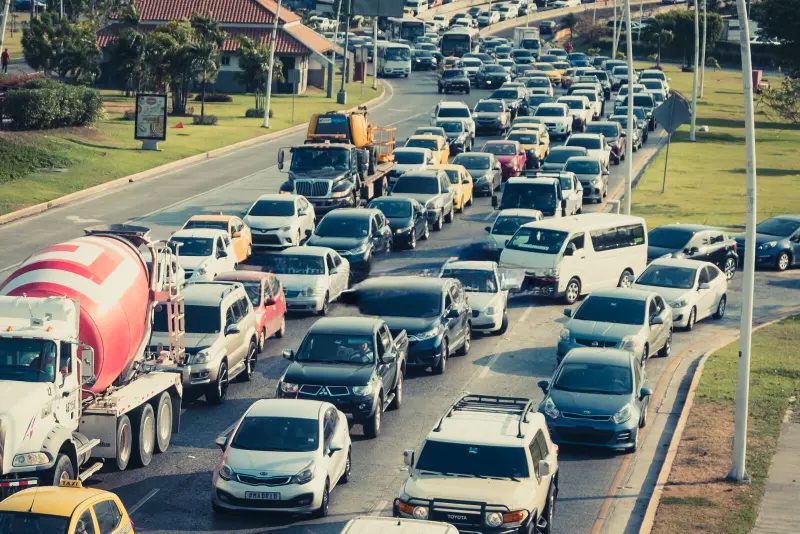
Panama City’s chaotic roads
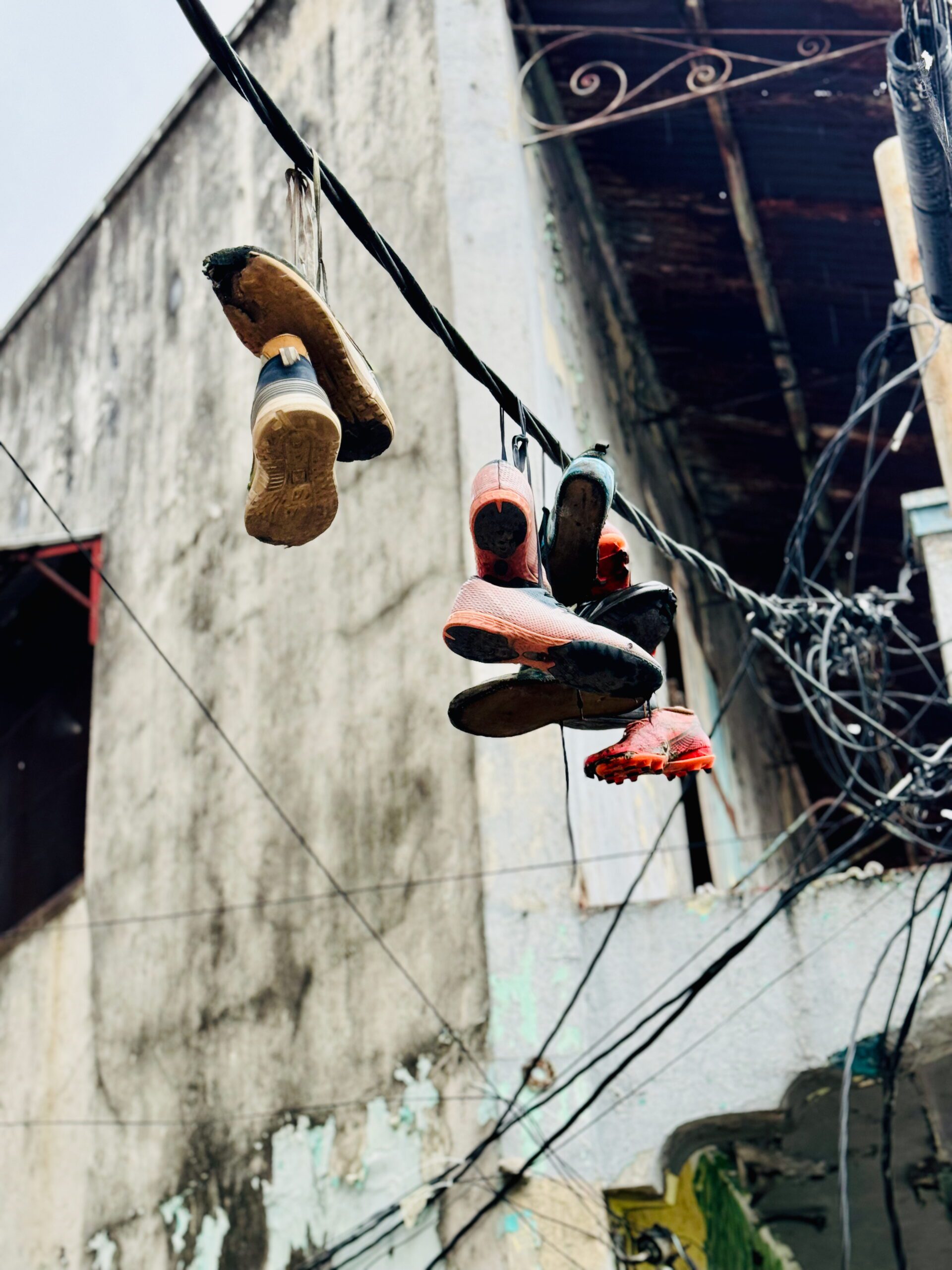
Third, there are areas of extreme poverty within the city, and some places can be quite dangerous, especially for tourists.
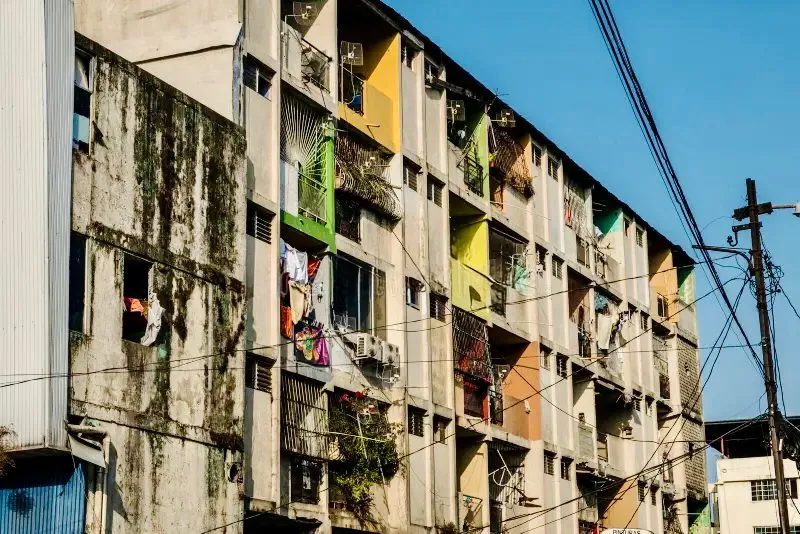
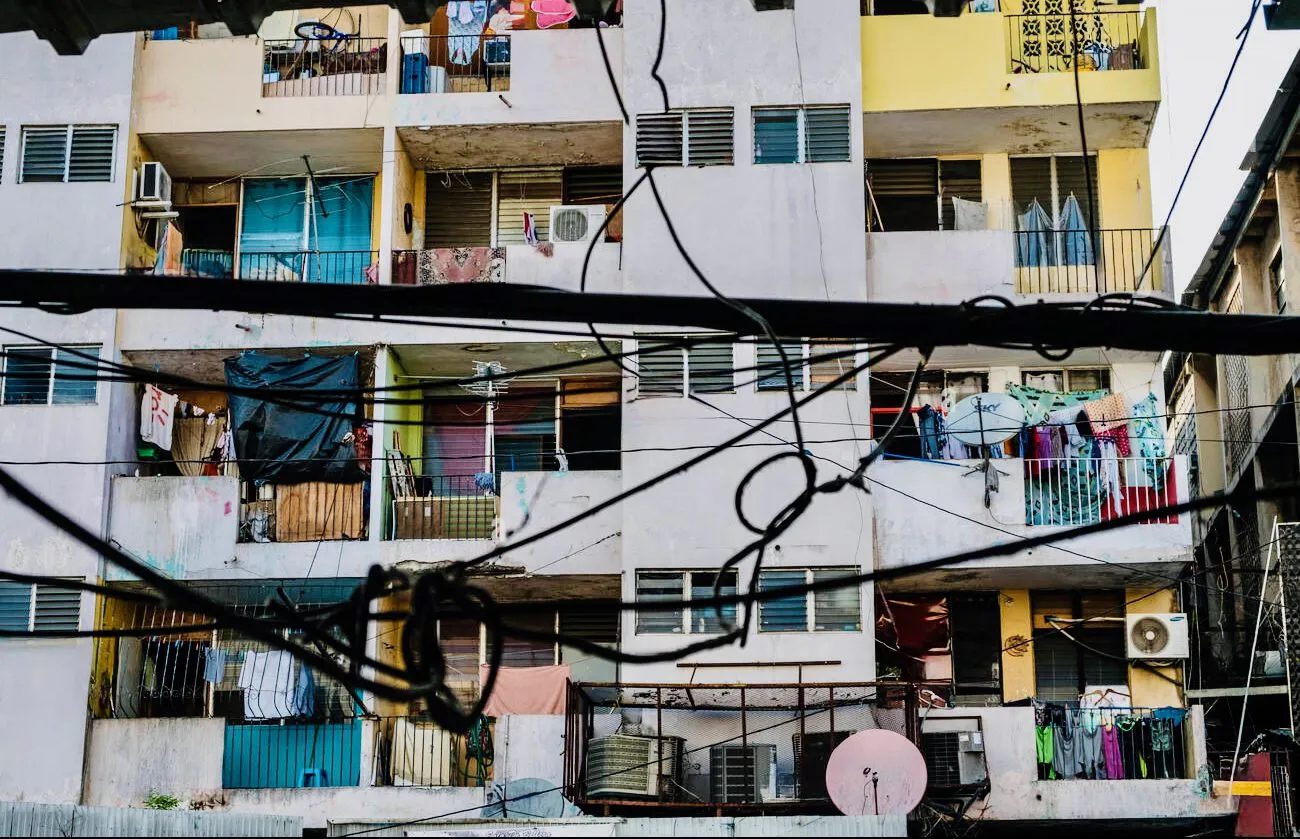
Panama City Tenements
An Uber driver told us that the government had sold apartments to its citizens for “next to nothing,” and families now pass these apartments down from generation to generation. Drugs, gangs, and homicides are commonplace within these tenements.
These initial impressions aside, we did a deep dive into this vibrant city over the next four months and grew to love so many things about it.
Our Top 10 Favorite Things About Panama City:
1. Casco Viejo
This UNESCO World Heritage site was one of the highlights of our time in Panama City.
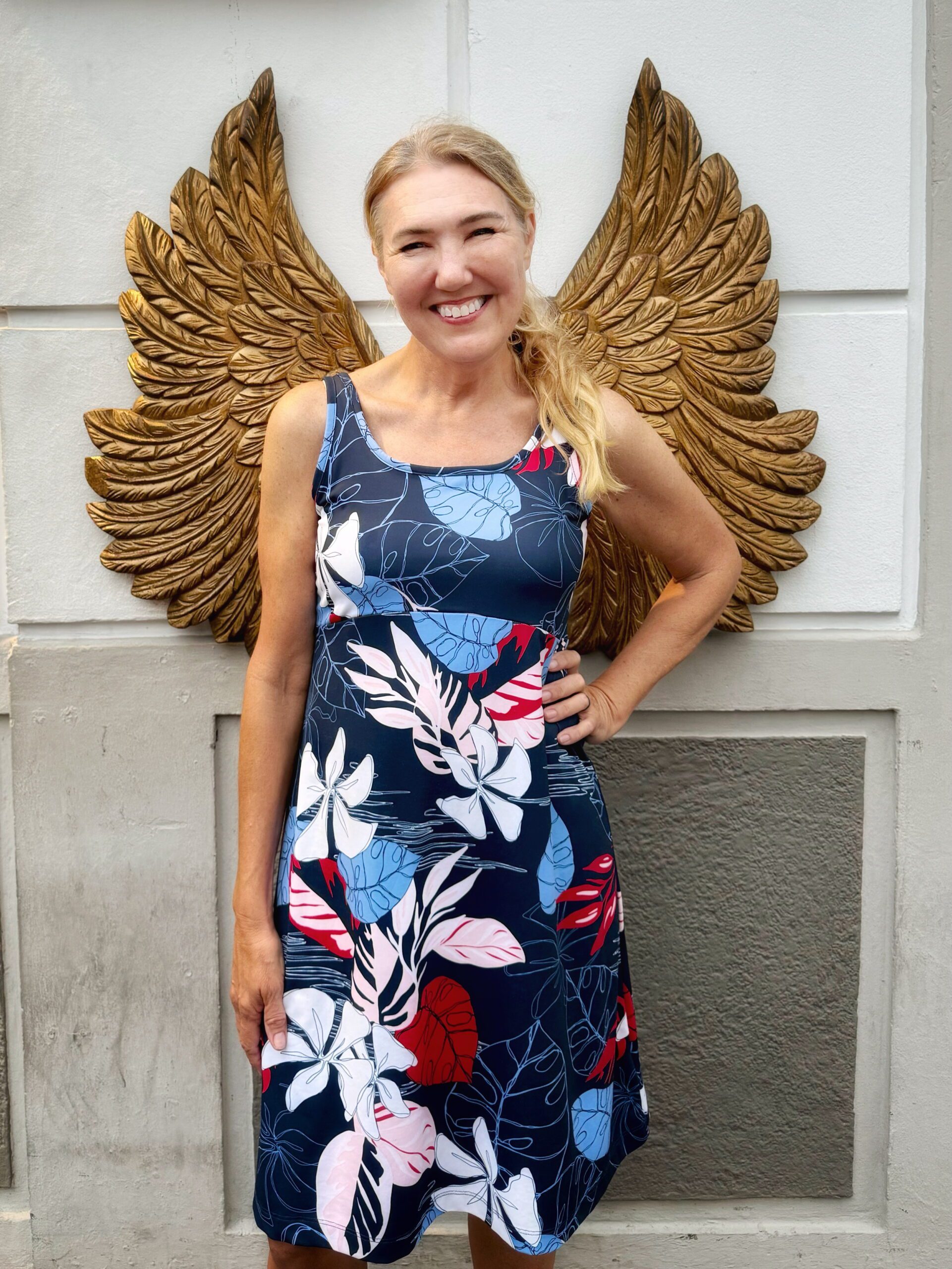
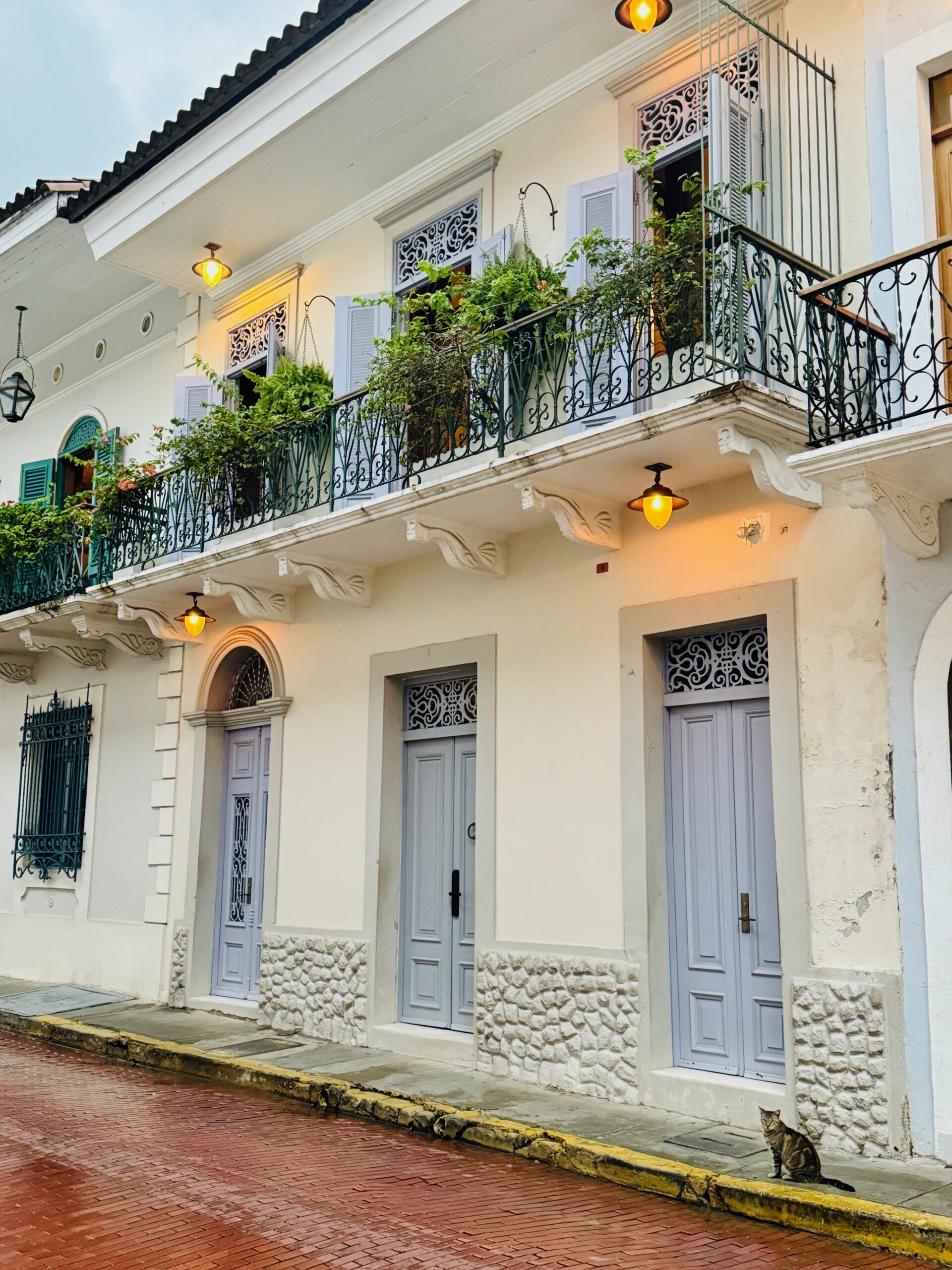
With narrow brick streets, vibrant bougainvillea spilling over wrought-iron balconies, and the sound of salsa music drifting out of open windows, the setting was straight out of the 19th century.
We spent several days and evenings just wandering up and down Casco Viejo’s charming calles.
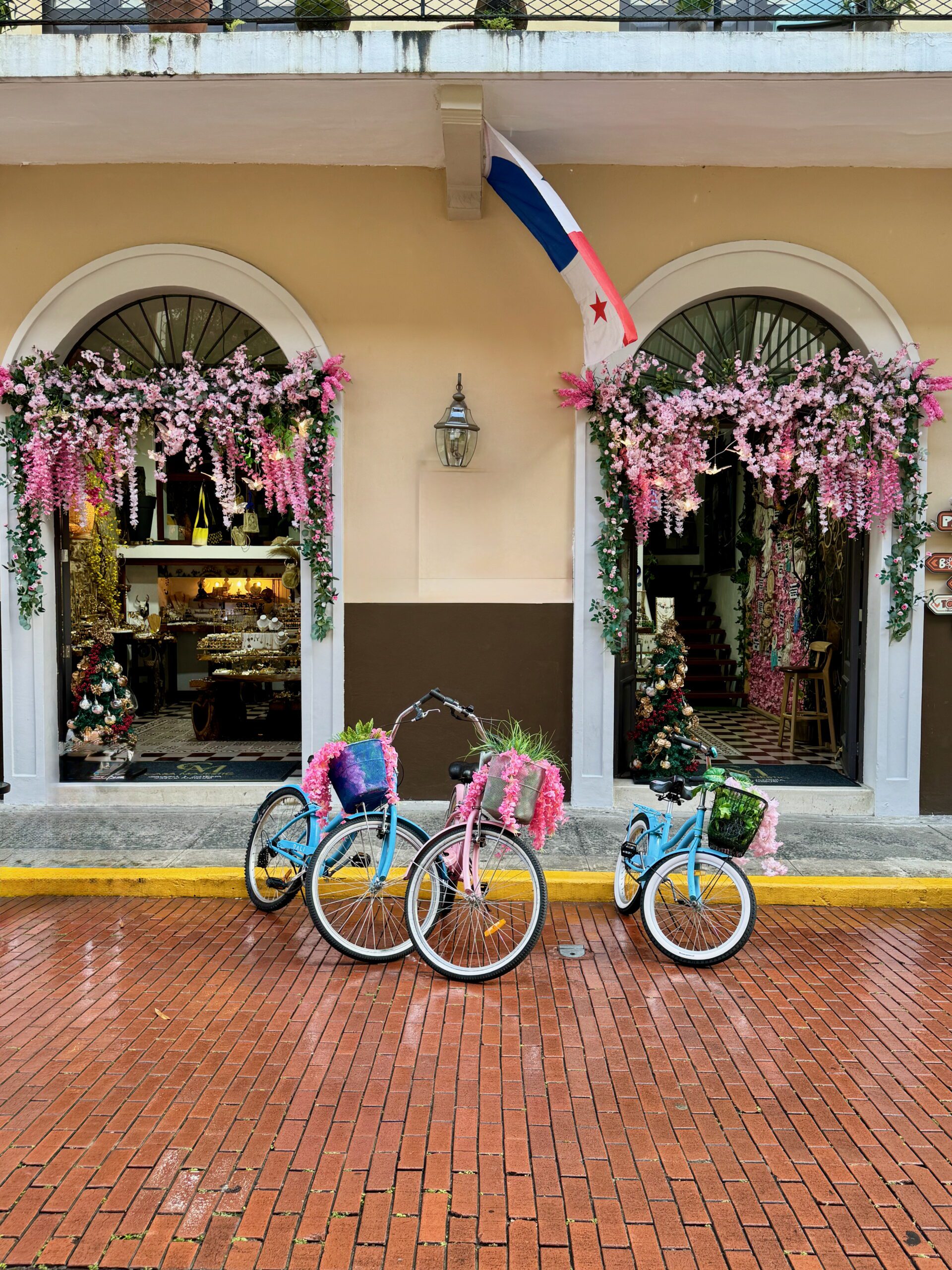
Some of our Favorite Spots in Casco Viejo:
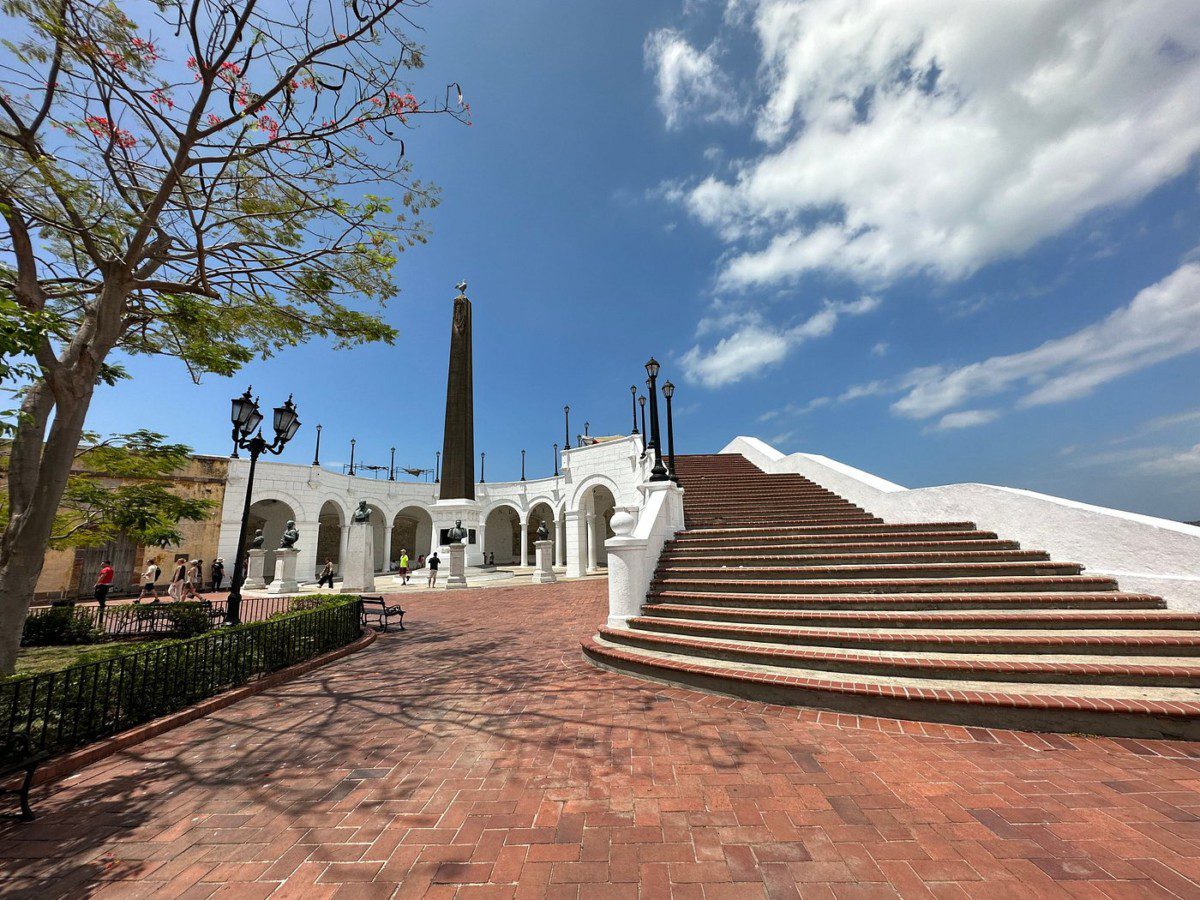
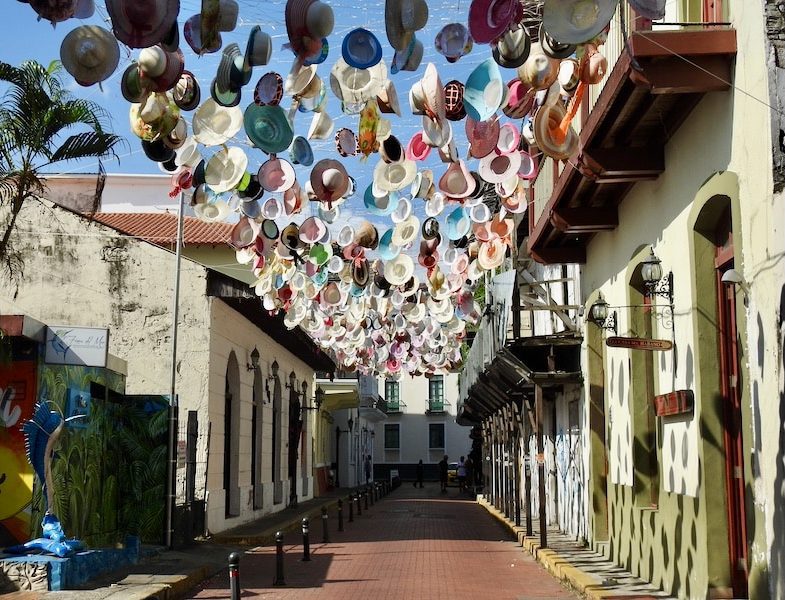
Plaza de Francia: We visited this plaza while applying for our long-stay French visas at the French Embassy. The neighboring “hat street” made for an especially fun and colorful stop.
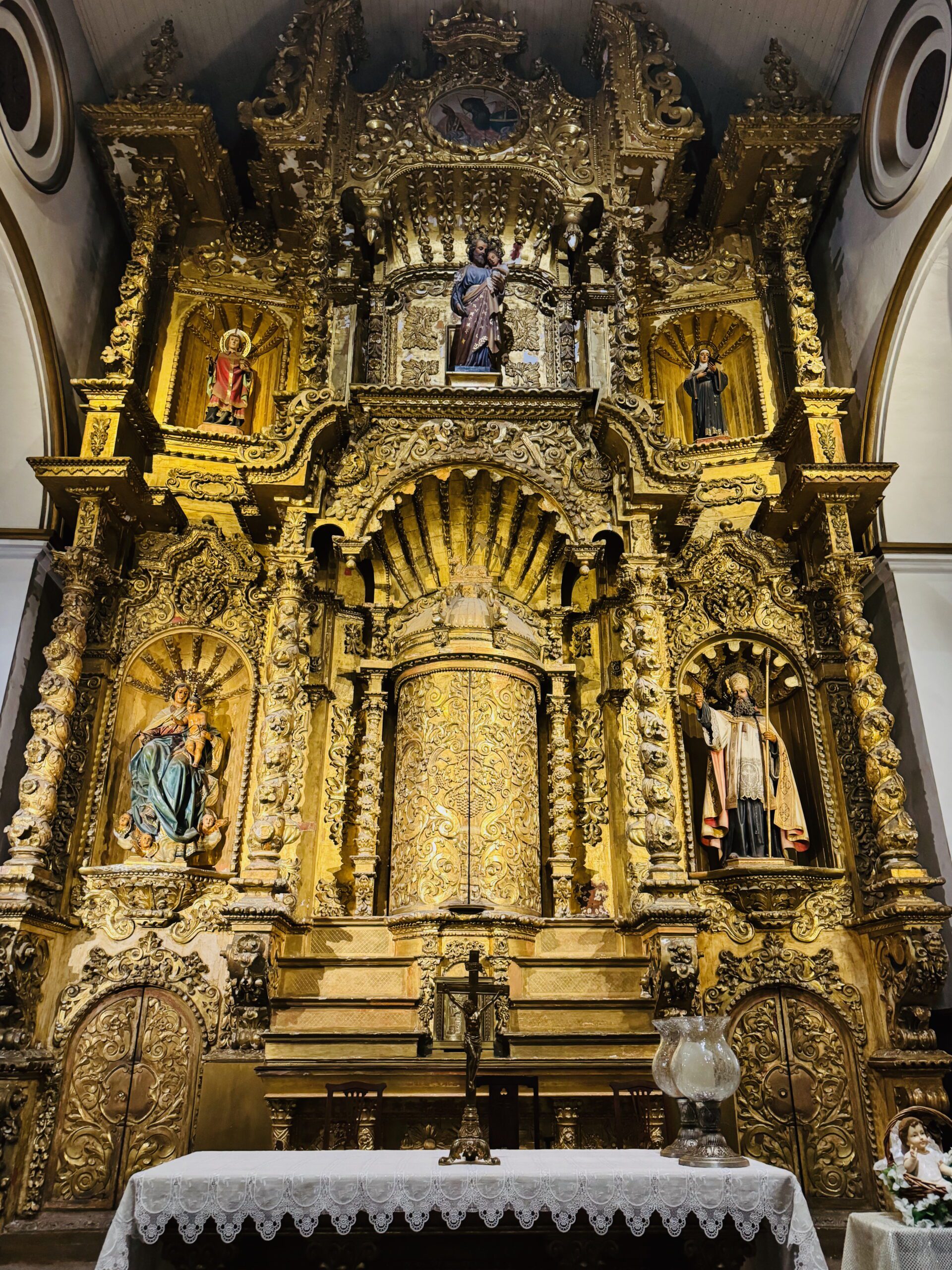
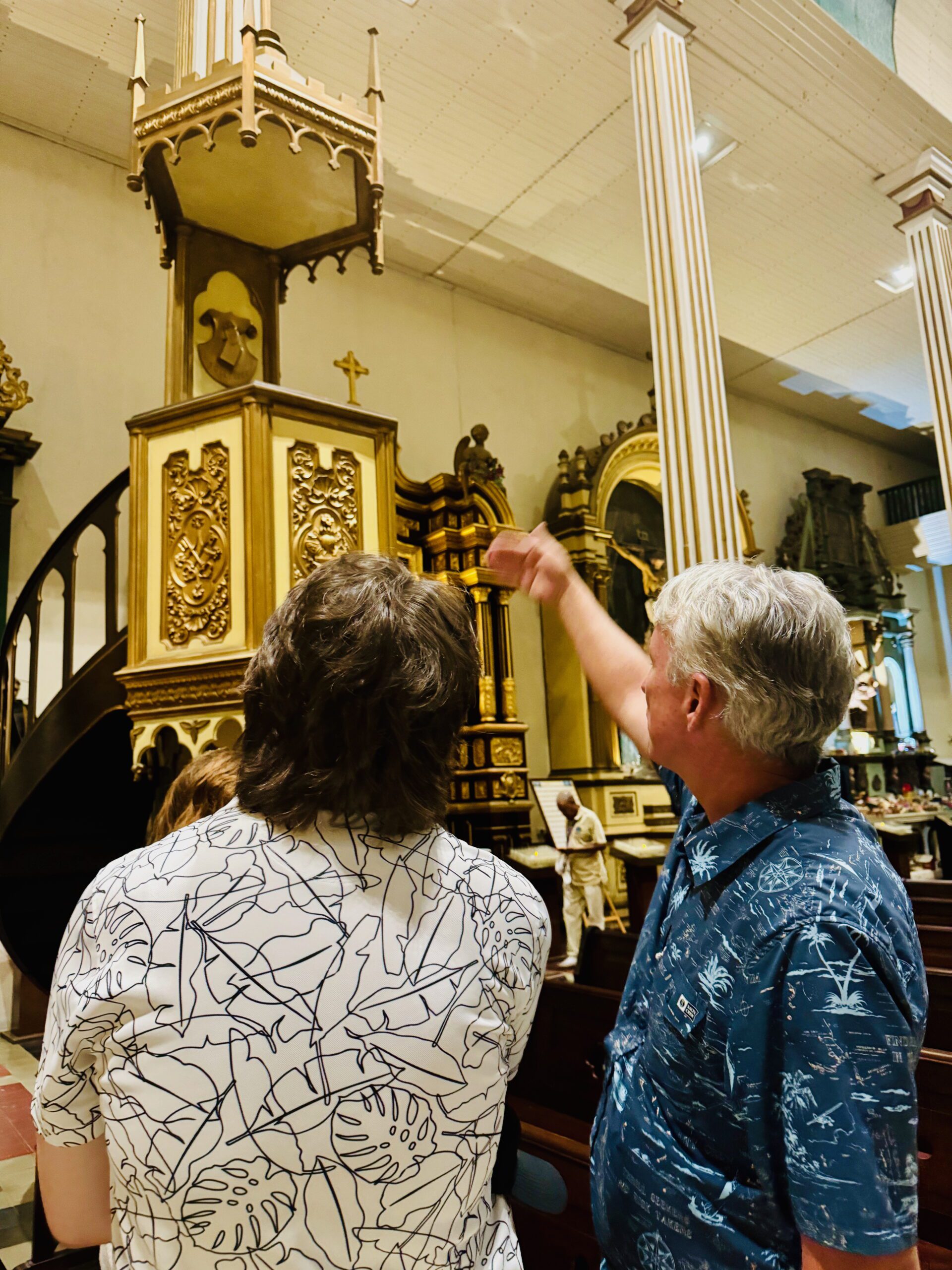
Iglesia de San José: This Casco Viejo church houses the famous Altar de Oro (Golden Altar), the sole relic salvaged after privateer Henry Morgan ransacked Panamá Viejo. According to local legend, when word came of Morgan’s impending attack, a priest attempted to disguise the altar by painting it black. The priest told Morgan that the famous altar had been stolen by another pirate, and even convinced Morgan to donate handsomely for its replacement. Morgan is said to have told the priest, “I don’t know why, but I think you are more of a pirate than I am.”
Whatever the truth, the baroque altar was later moved from the old city to its current site.
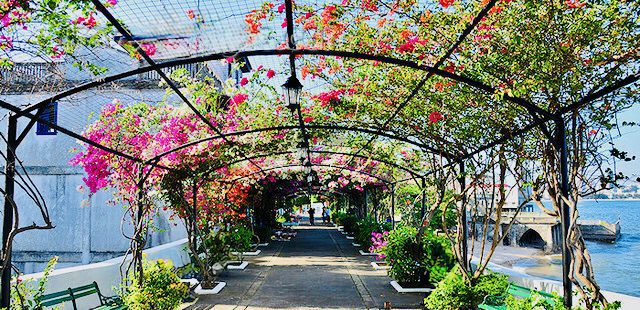
Paseo de las Bóvedas: A romantic walkway atop the old city walls. It was lovely.
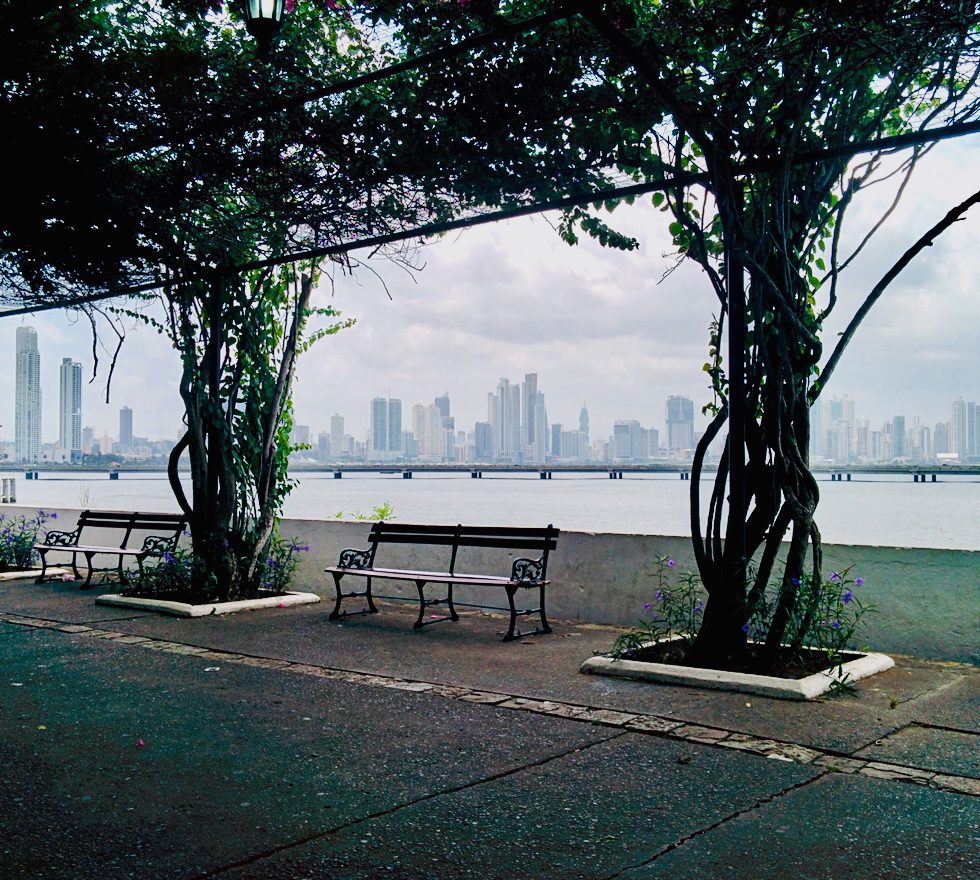
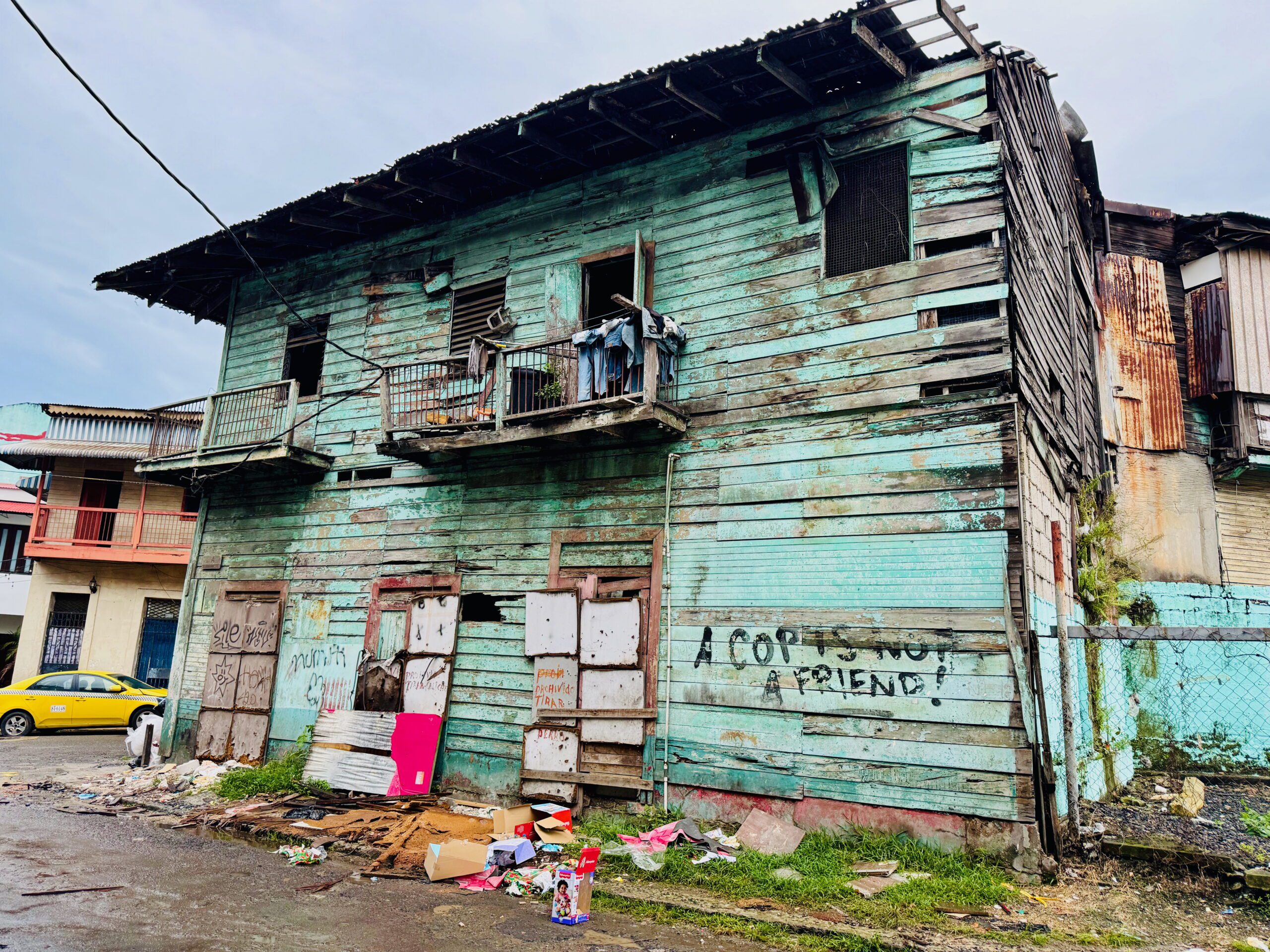
I would be remiss if I did not bring up a stark reminder, though: next door to trendy cafes and chic $500-per-night villas, we also found roofless ruins and strong evidence of poverty in Casco Viejo. The visual juxtaposition between these two realities was raw, real, and severely troubling.
2. Outdoor Spaces
As soon as the sun begins to set and the temperature cools in Panama, the locals head outdoors.
The evening breeze brings with it the sounds of young people enjoying a game of pickup basketball, children giggling, street vendors laughing as they grill spirals of carne en palito (skewered meats), and friends chatting as they jog down the corridor.
Amador Causeway and the Cinta Costera are two popular places people flock to, and we loved them both.
Amador Causeway
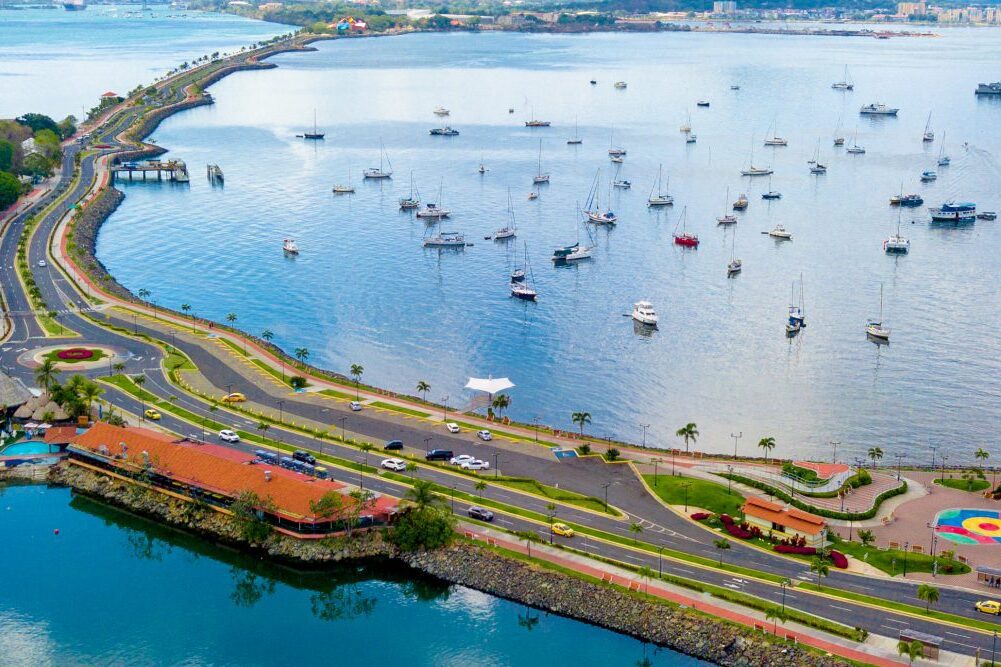
Connected by rocks excavated during the Panama Canal’s construction, the Amador Causeway links the mainland to the small islands of Naos, Perico, and Flamenco. Interestingly, between 1920 and 1980, it was used by American soldiers to safeguard the southern entrance to the Panama Canal, and locals were not allowed in the area. Part of a military base first called Fort Grant and later renamed Fort Amador, the area was transferred to Panamanian control in a formal ceremony on October 1, 1996, as part of the process outlined by the Torrijos-Carter Treaties.
Many of the buildings there now house restaurants, shops, and clubs that are enjoyed by locals and tourists alike. The Causeway is especially popular with couples, who cuddle on one of the many waterfront benches and gaze across the water at Panama City’s brightly illuminated downtown after sundown.
While we didn’t do it, many people rented “bici-papas” (four-person pedal carts) and fat-wheeled electric scooters to ride up and down the causeway. It looked like a lot of fun!
Cinta Costera
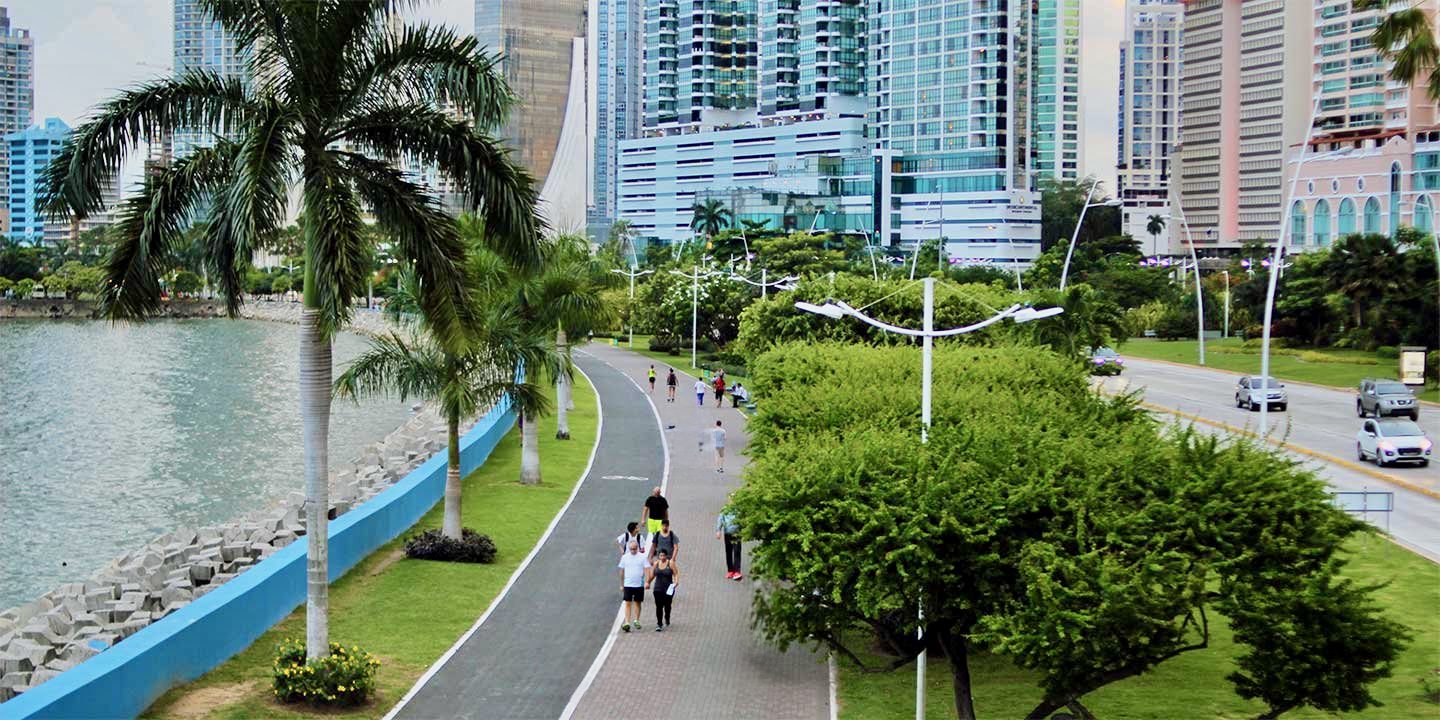
The Malecón de Panamá, officially known as the Cinta Costera (Coastal Beltway), stretches approximately 7 kilometers along the sweeping Bay of Panama. More than just a roadway or a promenade, the Cinta Costera is a sprawling linear park that has redefined the city’s relationship with the Pacific Ocean as part of a massive land reclamation project started in the early 2000s.
The area is meticulously landscaped with palm trees, manicured gardens, and green spaces that host fitness enthusiasts using free outdoor gym equipment and sports courts.
We loved taking evening strolls here, enjoying the views and soaking up the vibrant nighttime energy.
3. Urban Ziplining
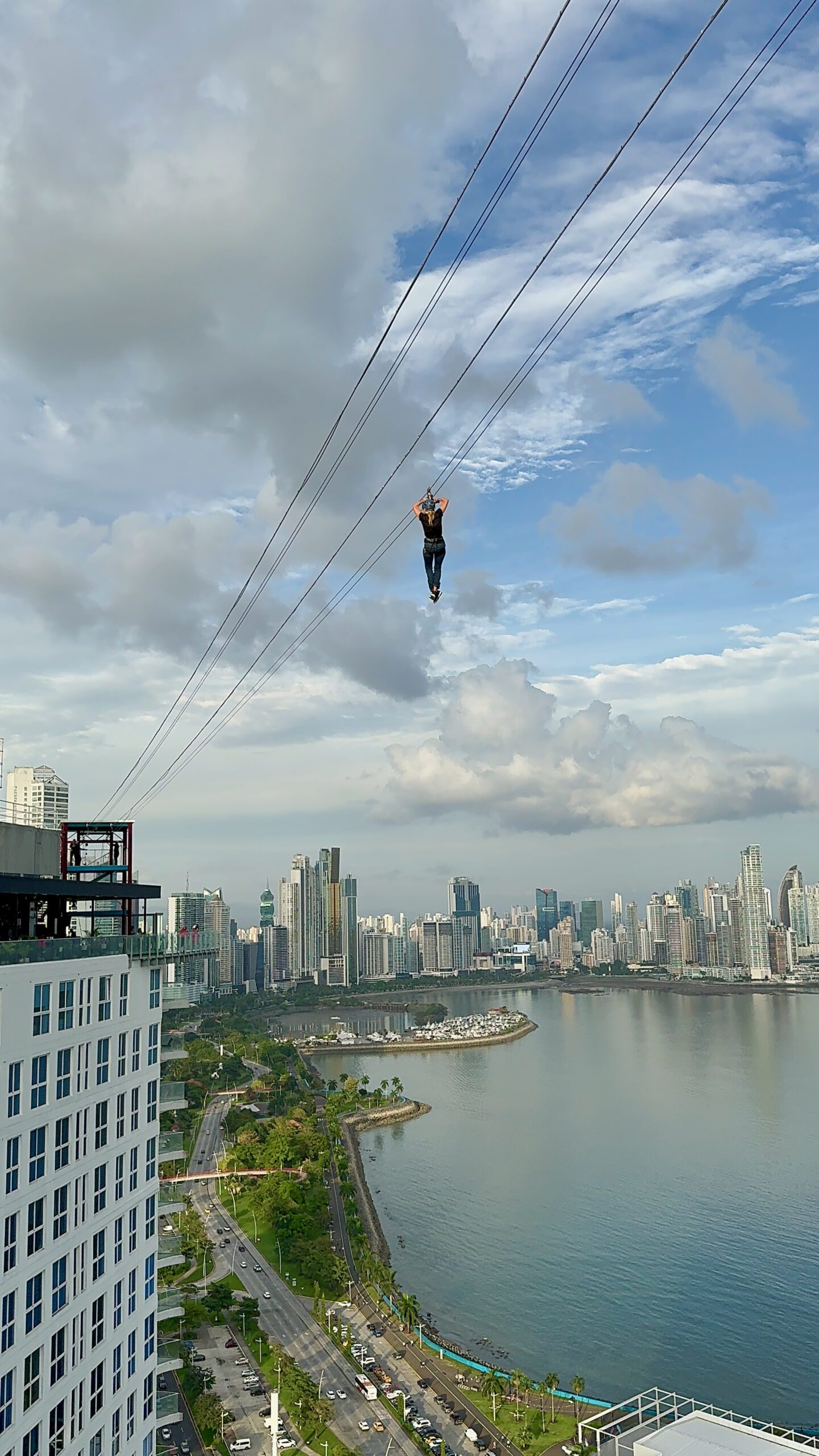
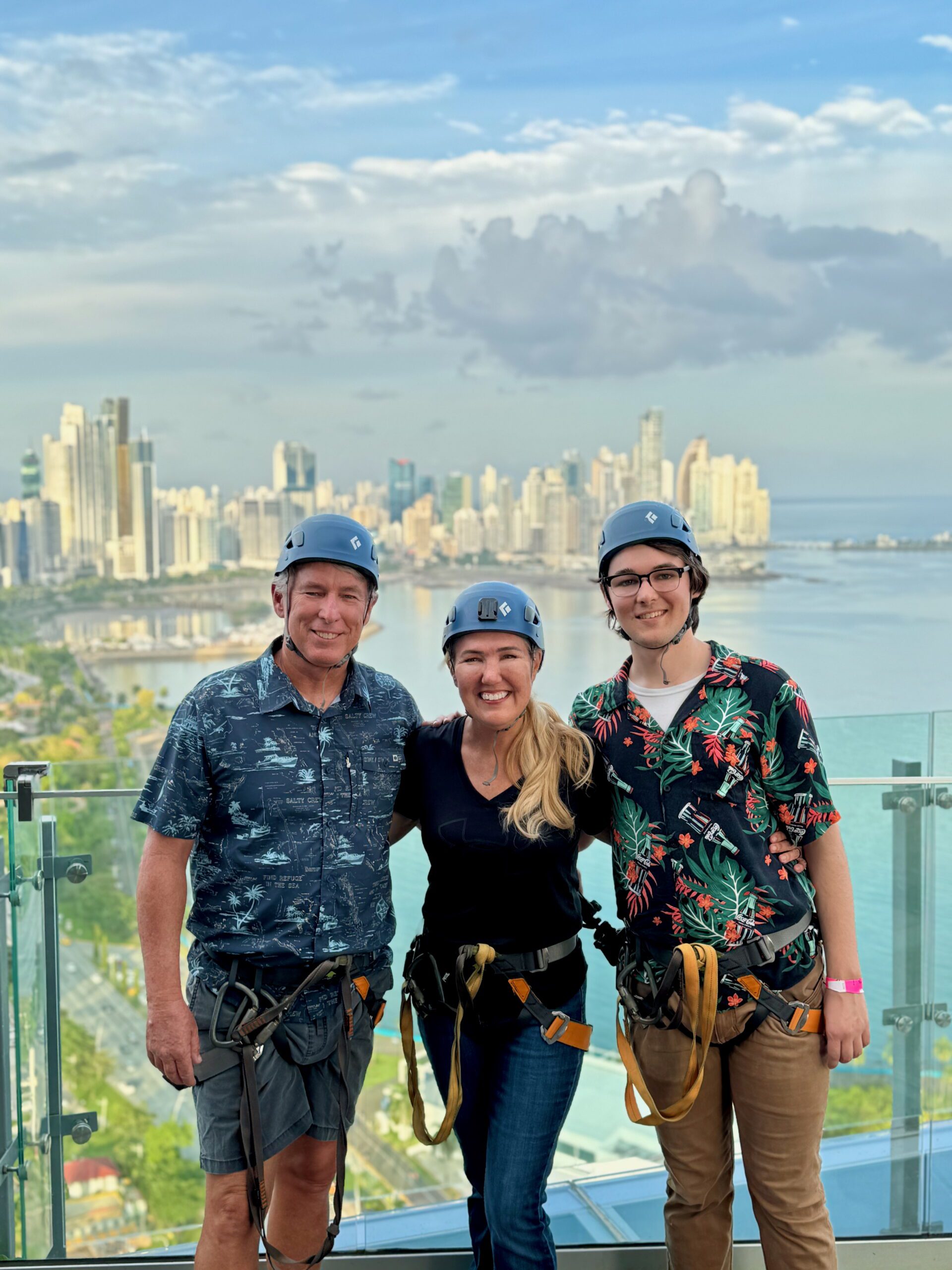
Ziplining off the 38th floor of a skyscraper? Yes, please! The place to do it in Panama is at Poin on Avenida Balboa.
I loved it so much, I wrote a separate blog about the experience. What a rush!
4. Sloth Spotting
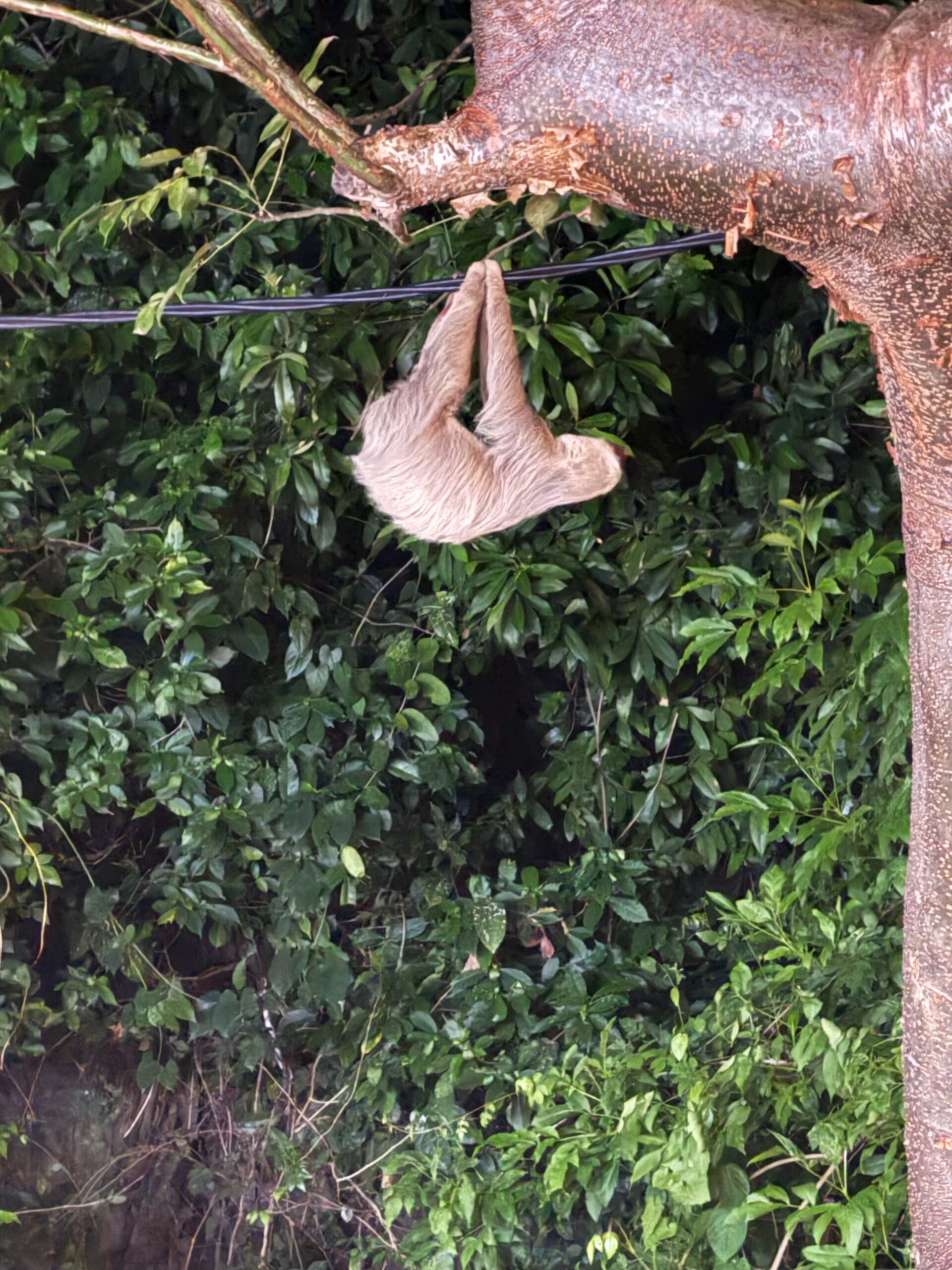
We love sloths—some of the most interesting and gentle animals we have ever seen outside of captivity. And despite crowds following, photographing, and (to our dismay) sometimes even yelling at them, these sweet little creatures seemed unaffected and resolute on making their way to their intended destinations.
The group that contains sloths, Xenarthrans, began evolving 65 million years ago, during the age of the dinosaurs. We couldn’t wait to see some of their descendants in person!
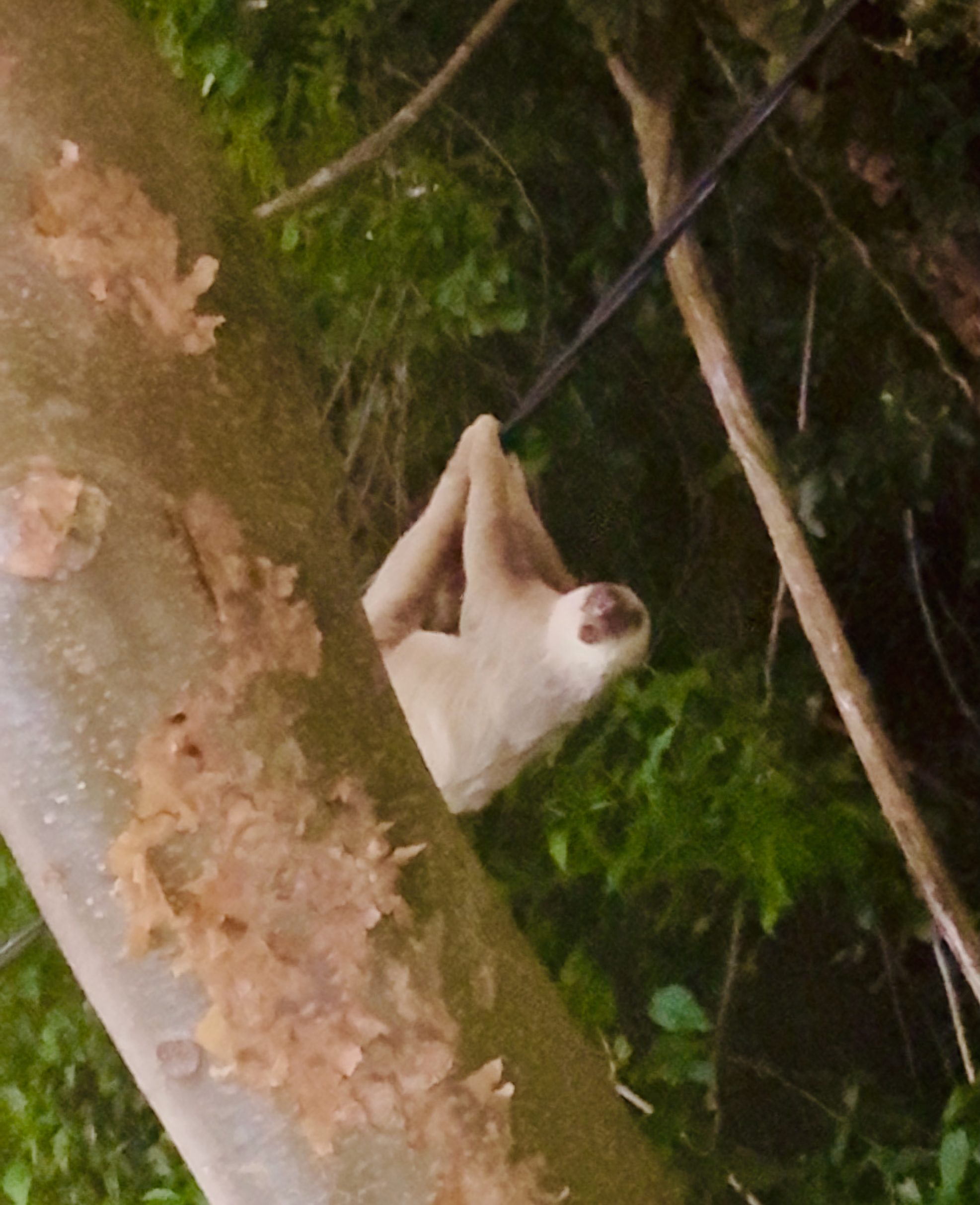
Our go-to sloth-sighting spot was an electrical wire just outside La Playita Marina. We saw several sloths there—on many occasions—always at dusk.
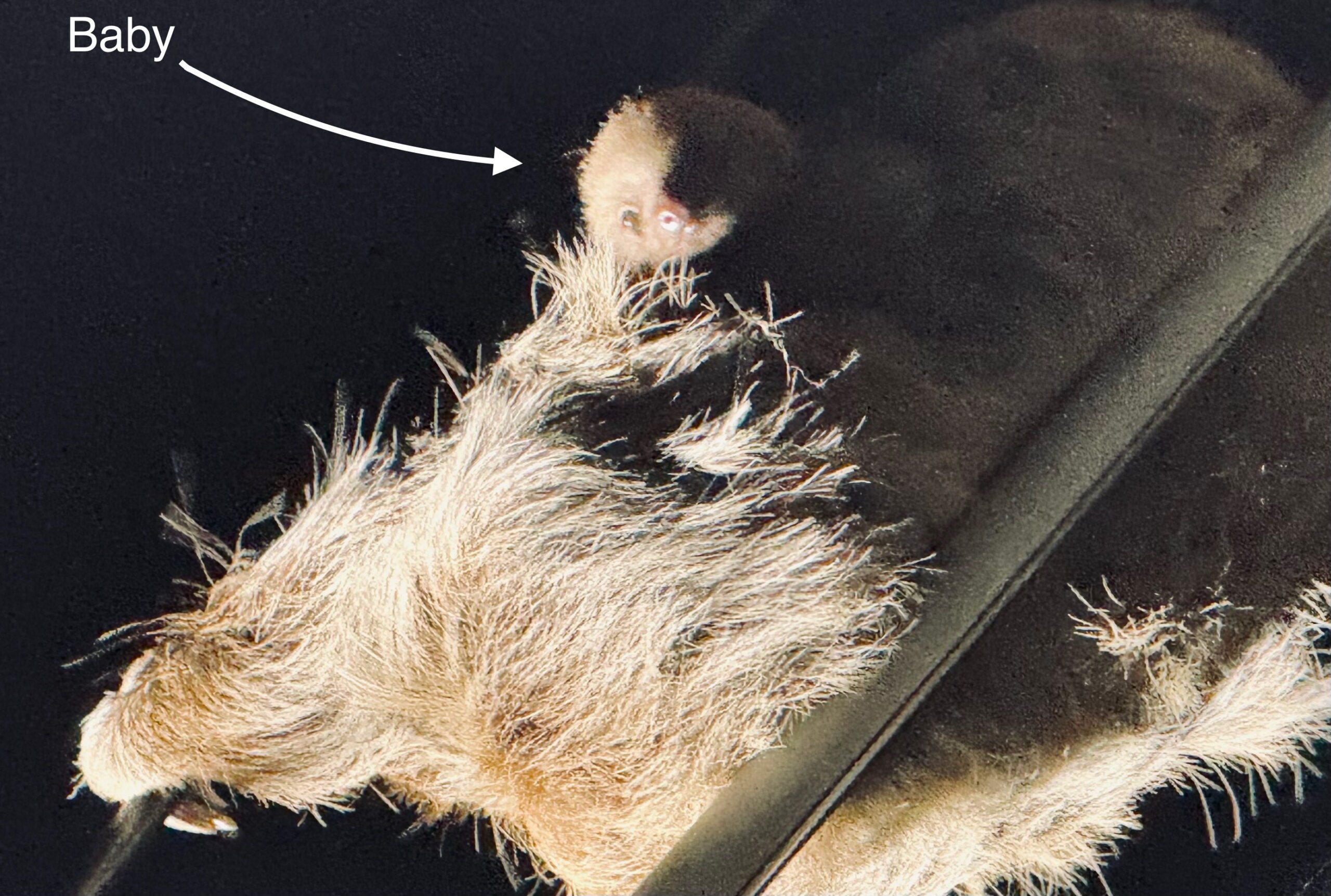
We saw this sloth fall out of a tree and were very concerned about him, but in the end, he seemed to be okay.
5. The Panama Canal Visitor Center and Museo del Canal (Panama Canal Museum)
Nothing could replace the experience of transiting the Panama Canal on our own sailboat, but suffice it to say, we just had to visit the Panama Canal Visitor Center to get a full understanding of the canal’s history.
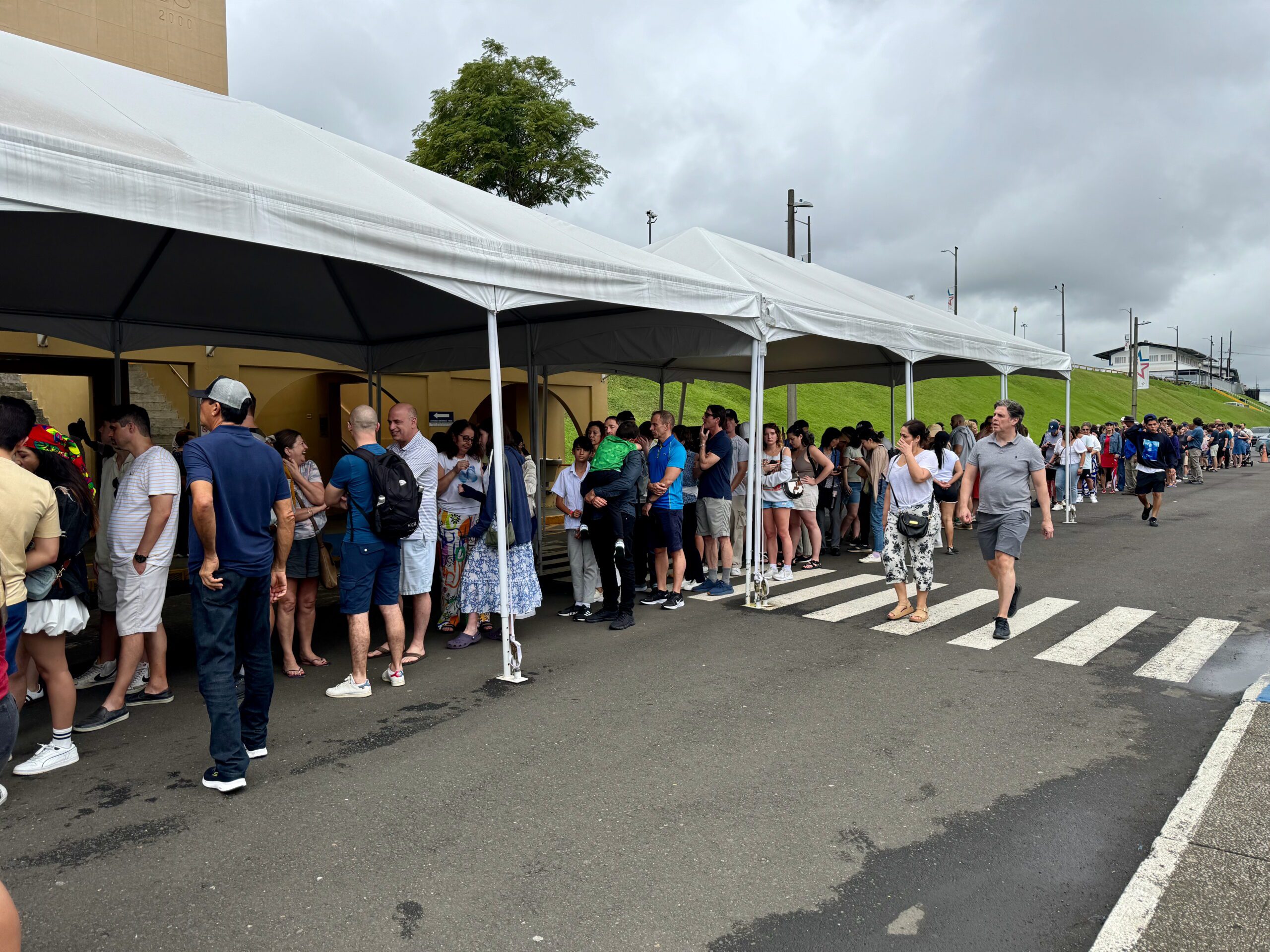
Cringeworthingly touristy? Absolutely. But standing at the Miraflores Locks, one can truly feel the scale of human ambition that brought this modern-day marvel to reality.
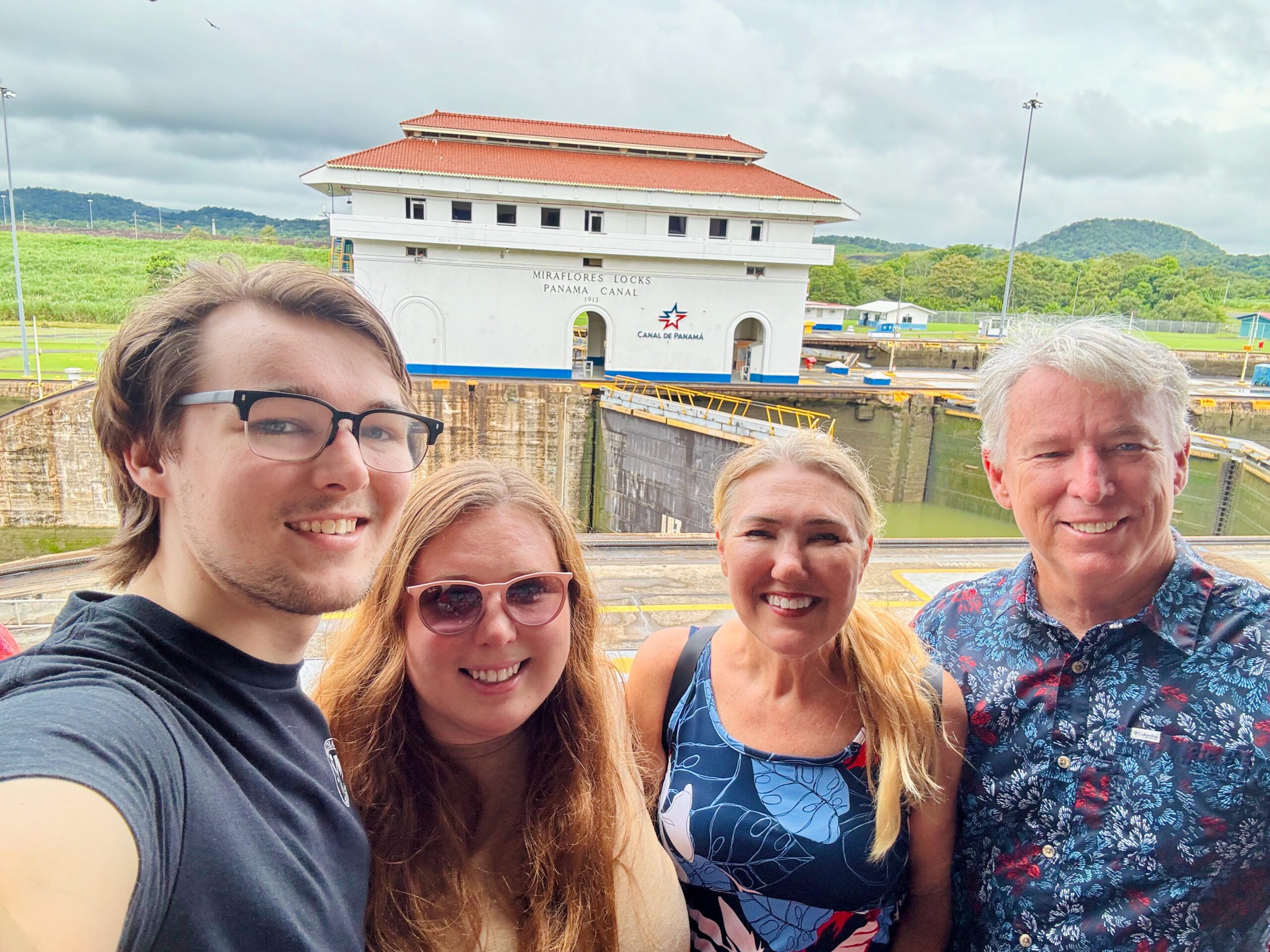
We spent about three hours wandering around and watching the 3D movie narrated by Morgan Freeman. The entire experience gave us a deep perspective on the lives lost and the triumphs achieved during the canal’s construction. We highly recommend it.
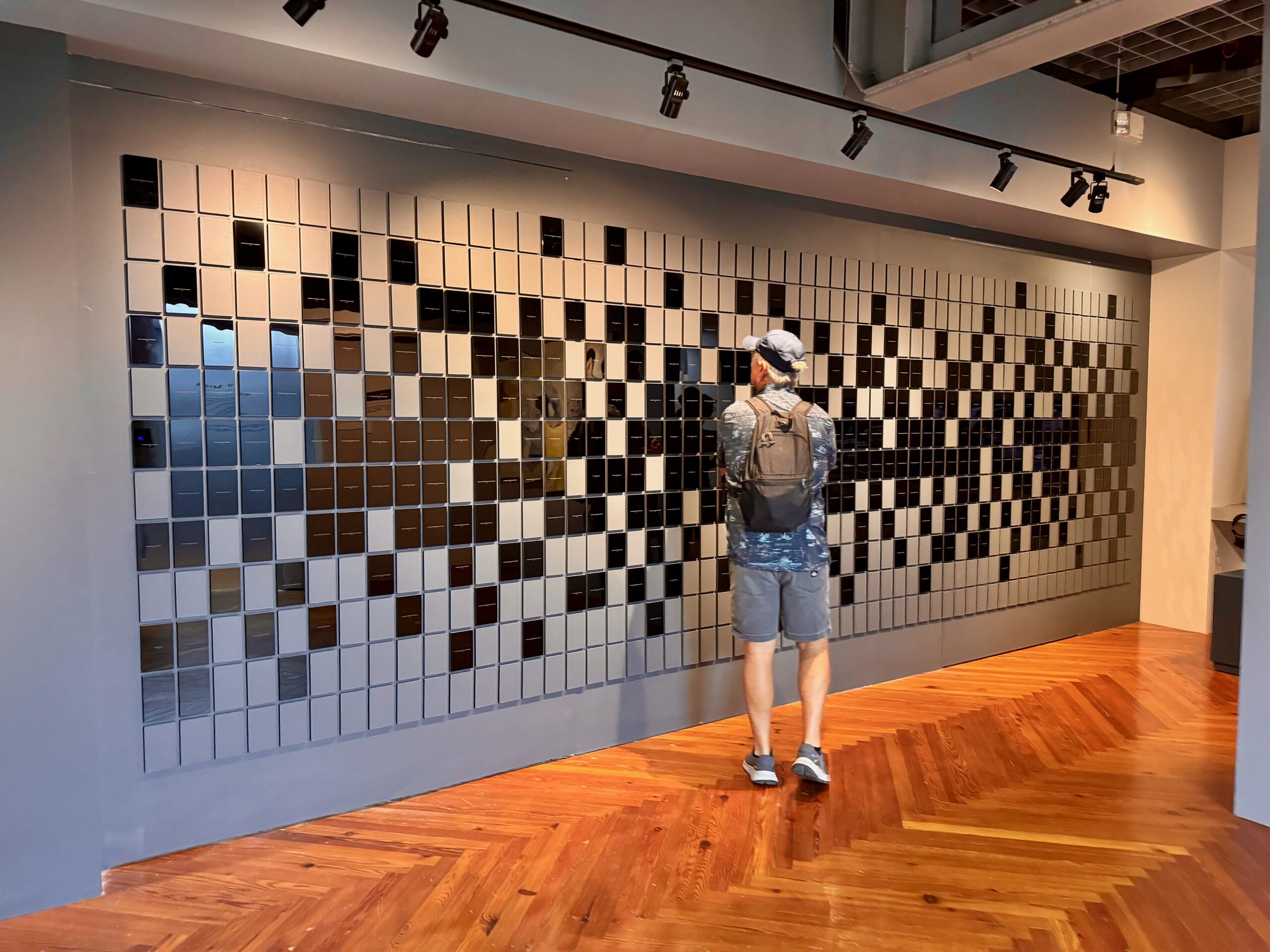
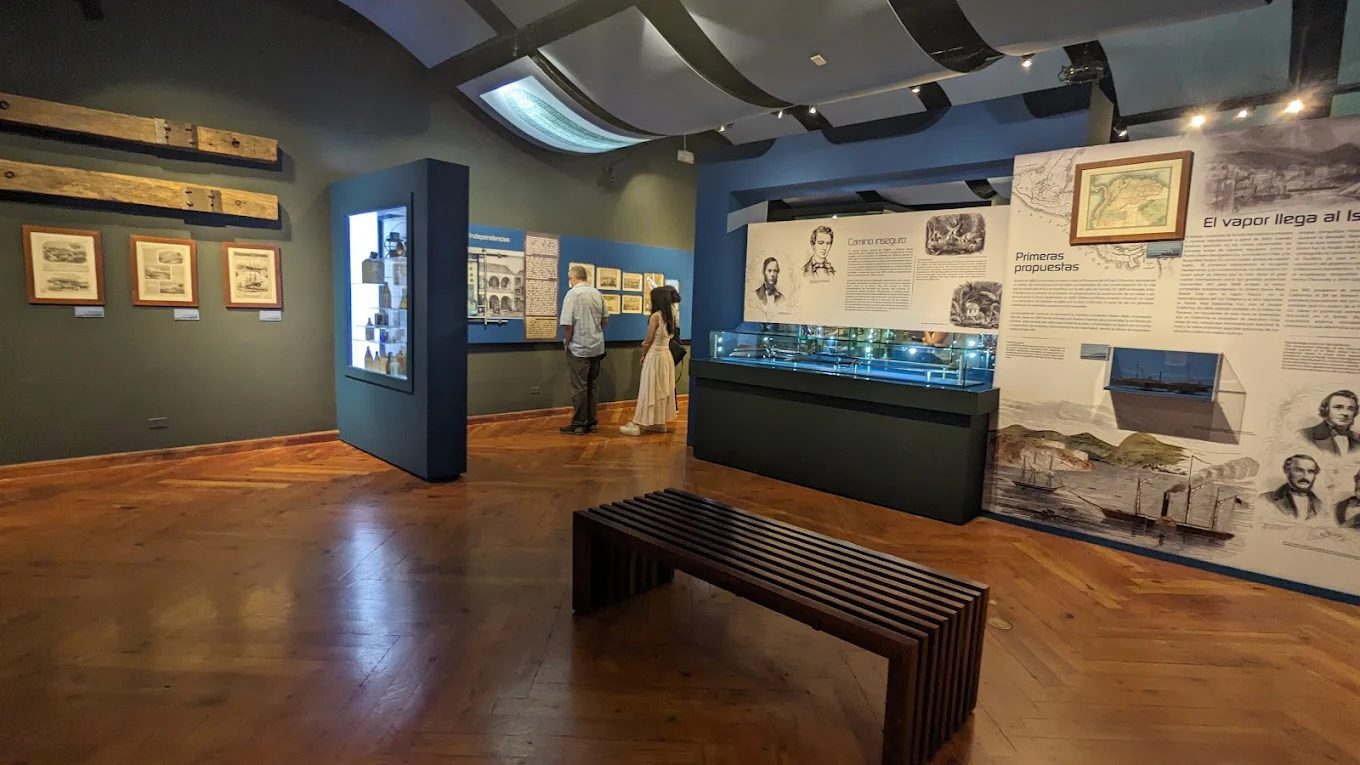
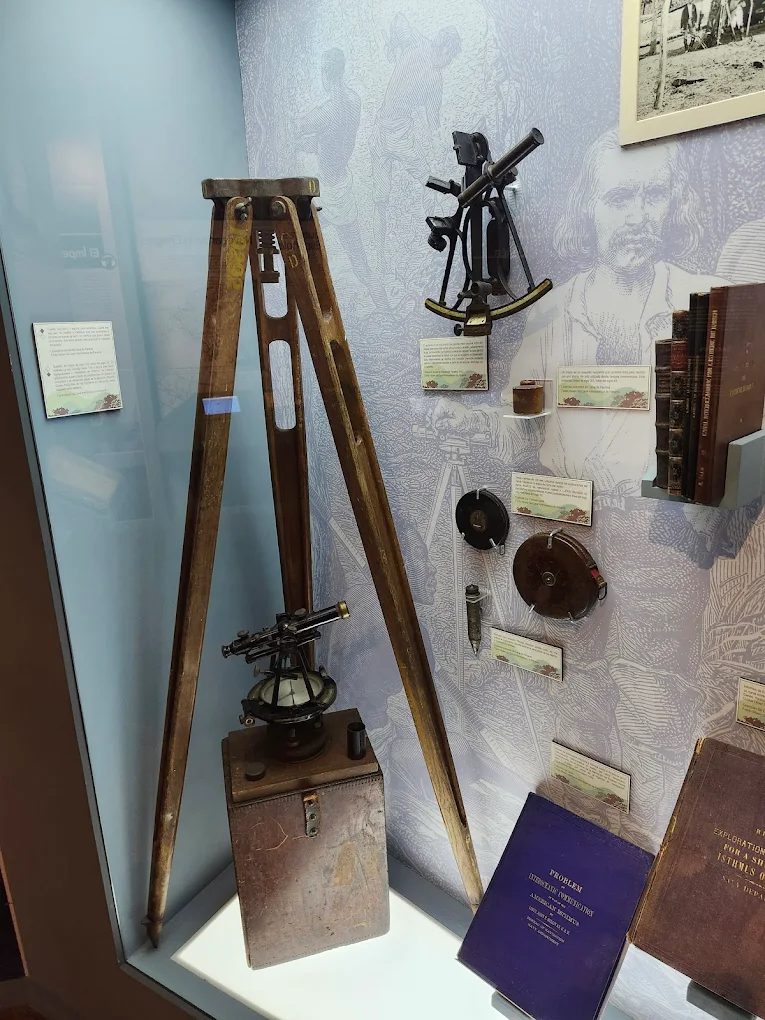
For anyone interested in the canal’s history, we also highly recommend the Museo del Canal (Panama Canal Museum) in Casco Viejo. The museum features 11 exhibition rooms and holds more than 30,000 objects, including pre-Columbian art, colonial items, canal construction materials, and everyday artifacts.
6. Panama Viejo
A UNESCO Cultural World Heritage Site, this settlement dates back to 1519, when Pedro Arias Dávila and 100 other inhabitants made it their home. Now known as Panama Viejo, this area was the first permanent European settlement on the Pacific Ocean.
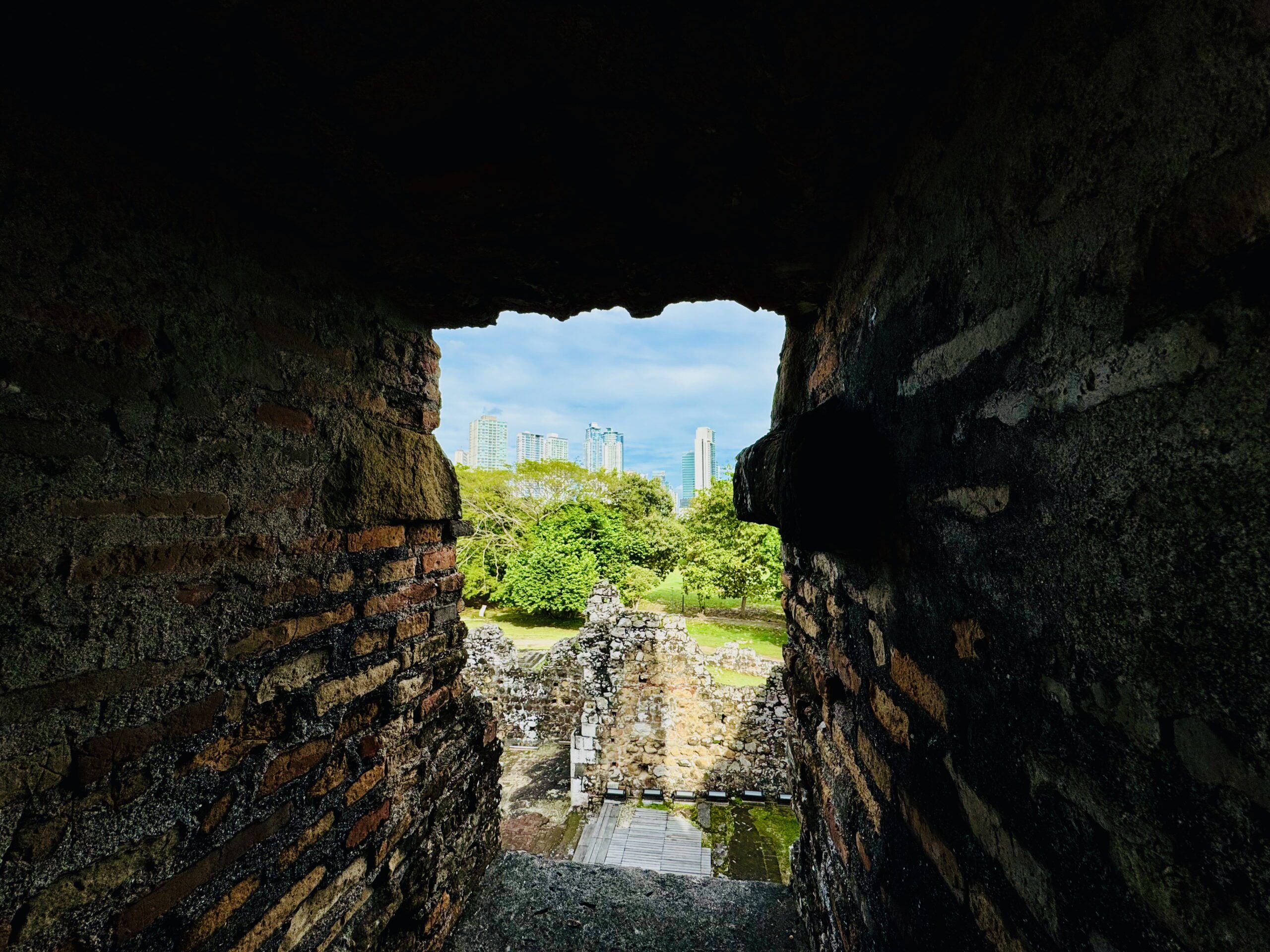
While there, we visited its informative museum; strolled through the archeological site, the Old Panama Cathedral, and other historical ruins; and climbed atop the iconic bell tower to view the Panama City skyline from the city’s original “skyscraper.”
Experiencing the stark contrast between “old” and “new” was breathtaking.
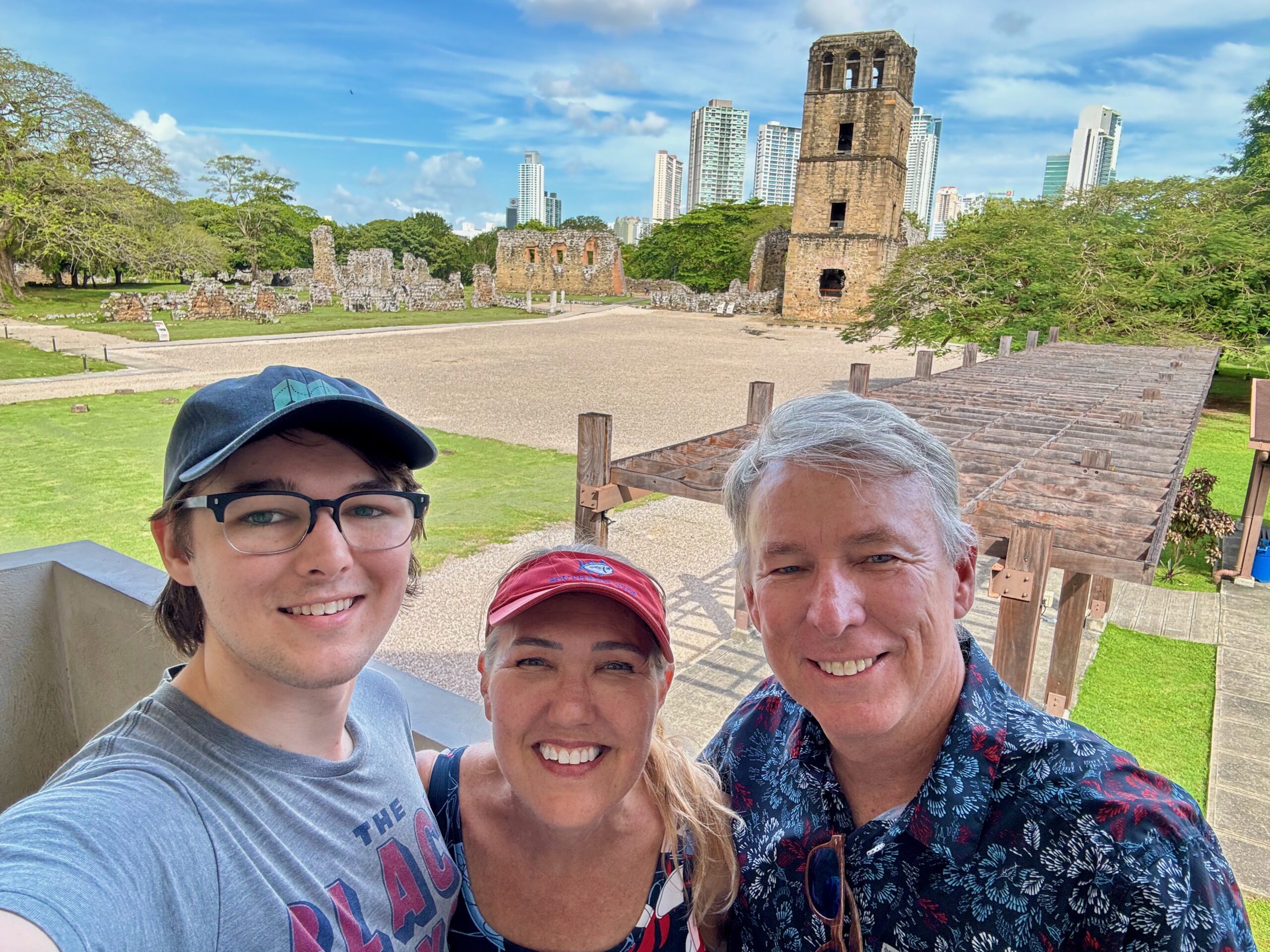
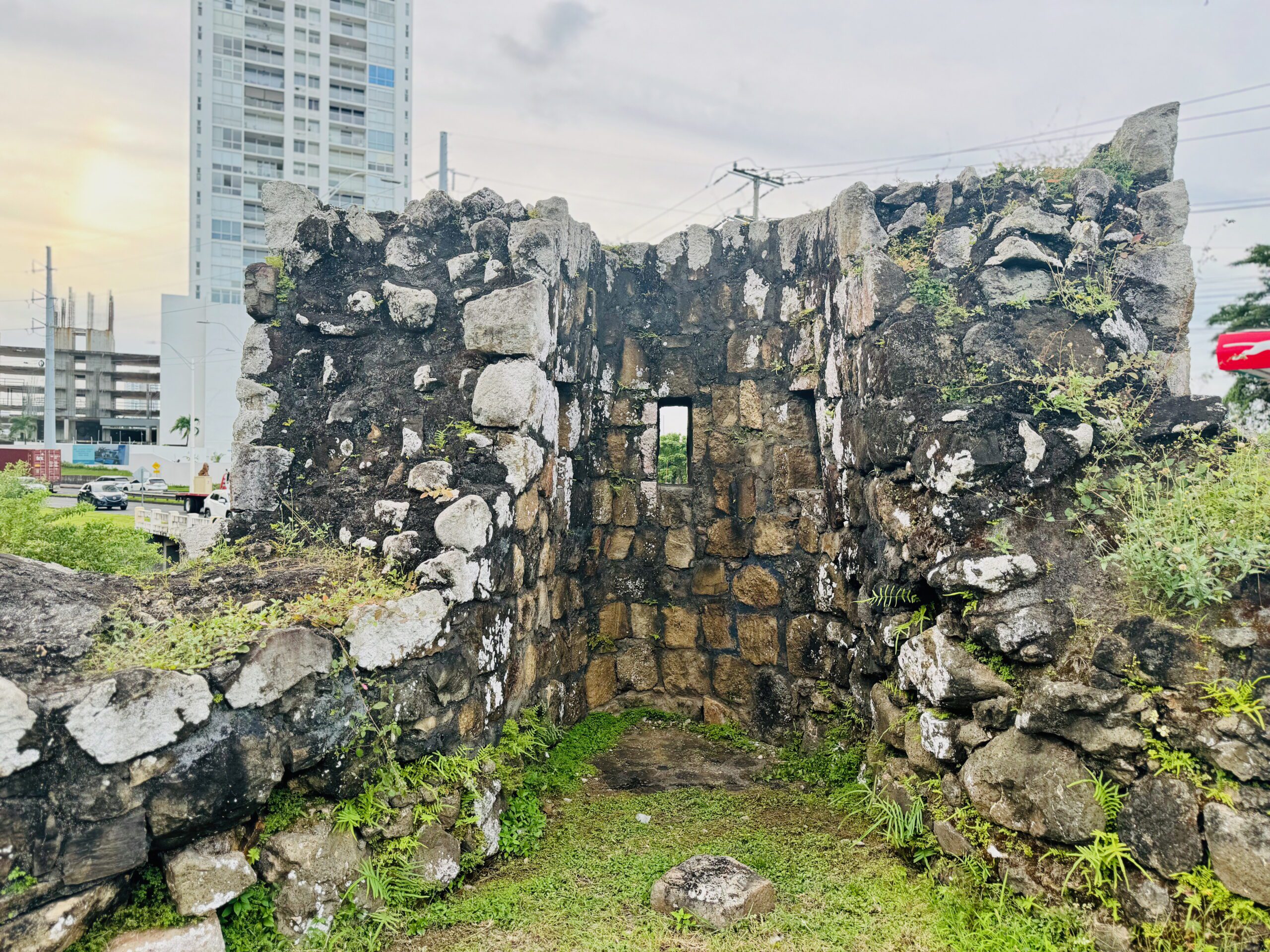
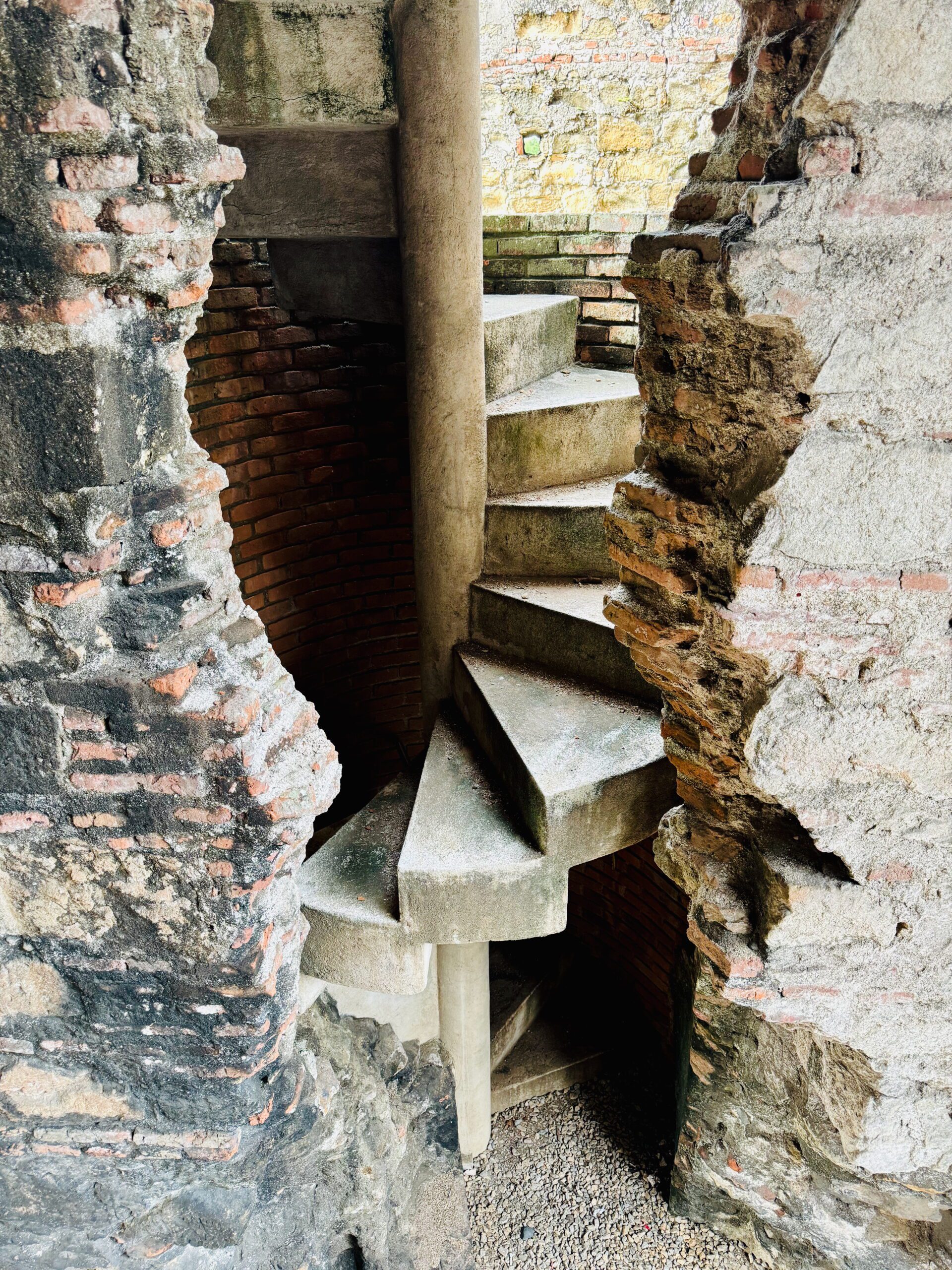
This historical site was fascinating and a must-do for any history buff.
7. BioMuseo
Designed by world-renowned architect Frank Gehry, the Biomuseo was Gehry’s first work in Latin America. The building was designed to tell the story of how the Isthmus of Panama emerged from the sea, connected two continents, split a great ocean in two, and changed the biodiversity of the planet forever.
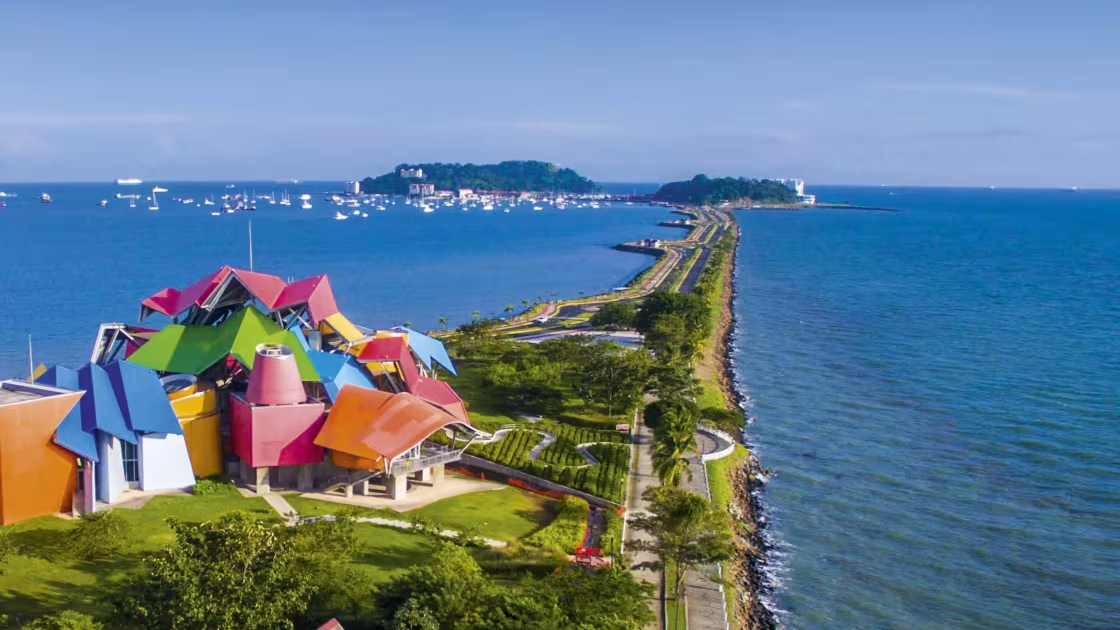
Gehry used vibrant colors and irregular shapes to reflect Panama’s natural diversity.
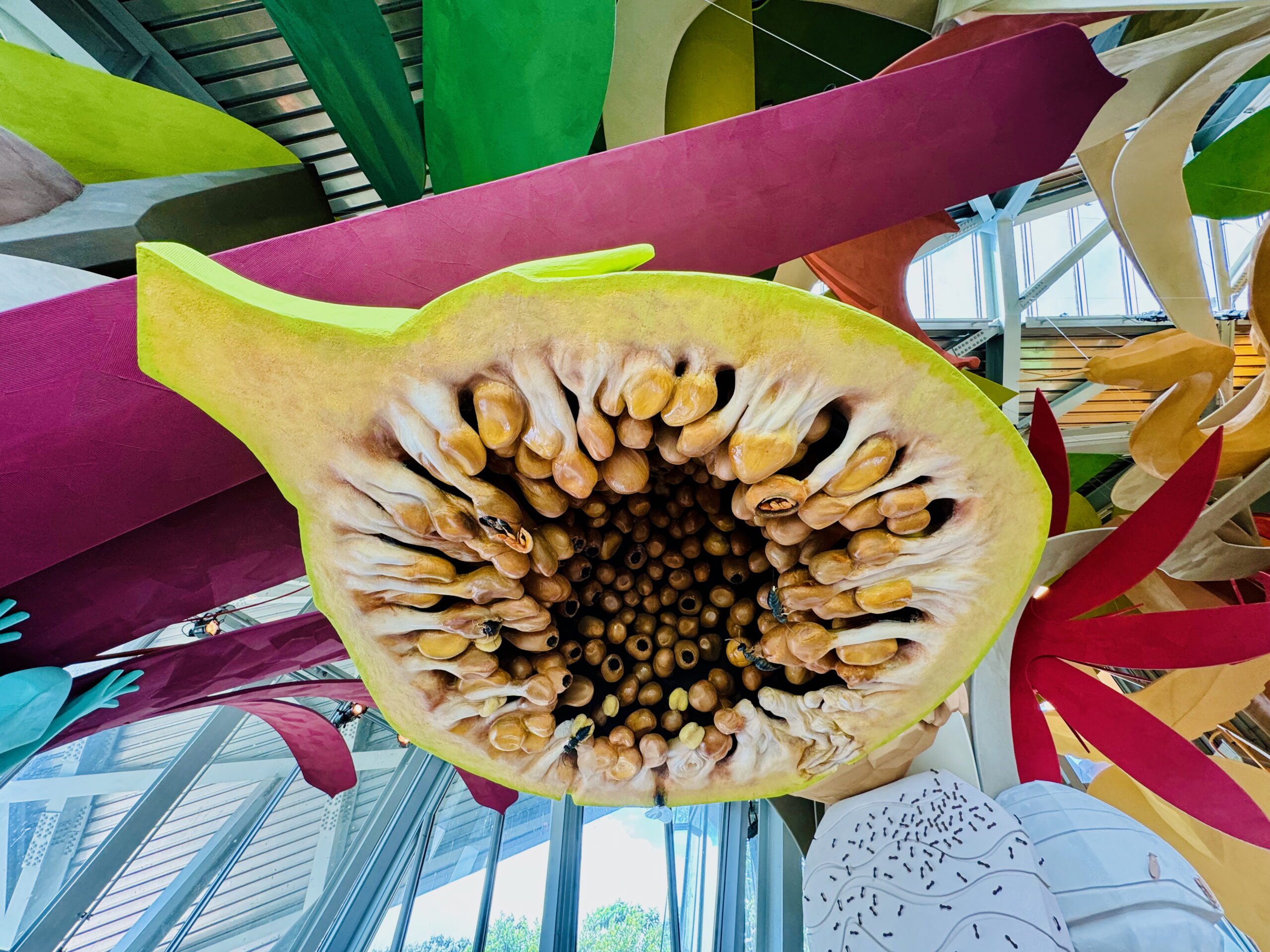
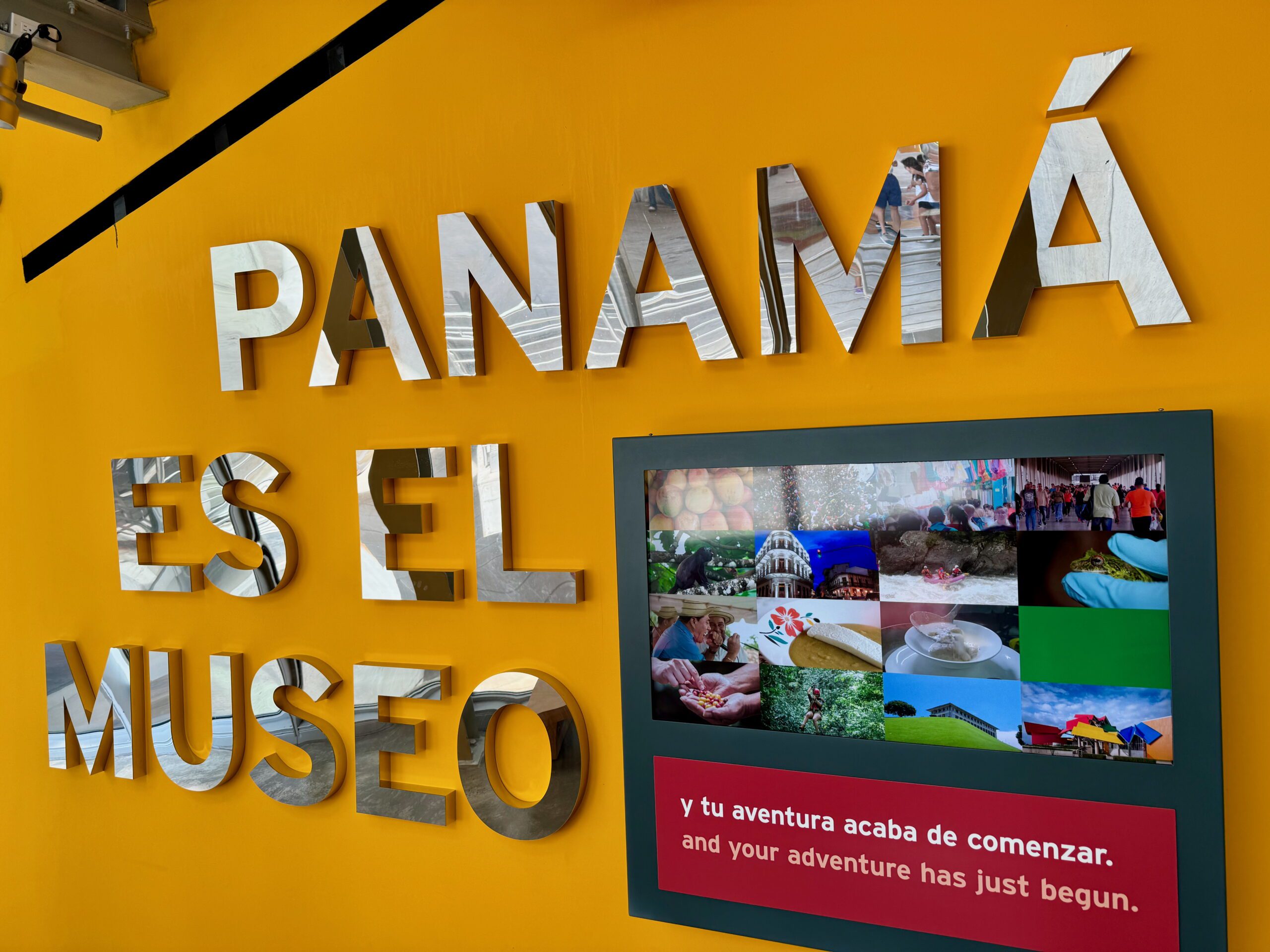
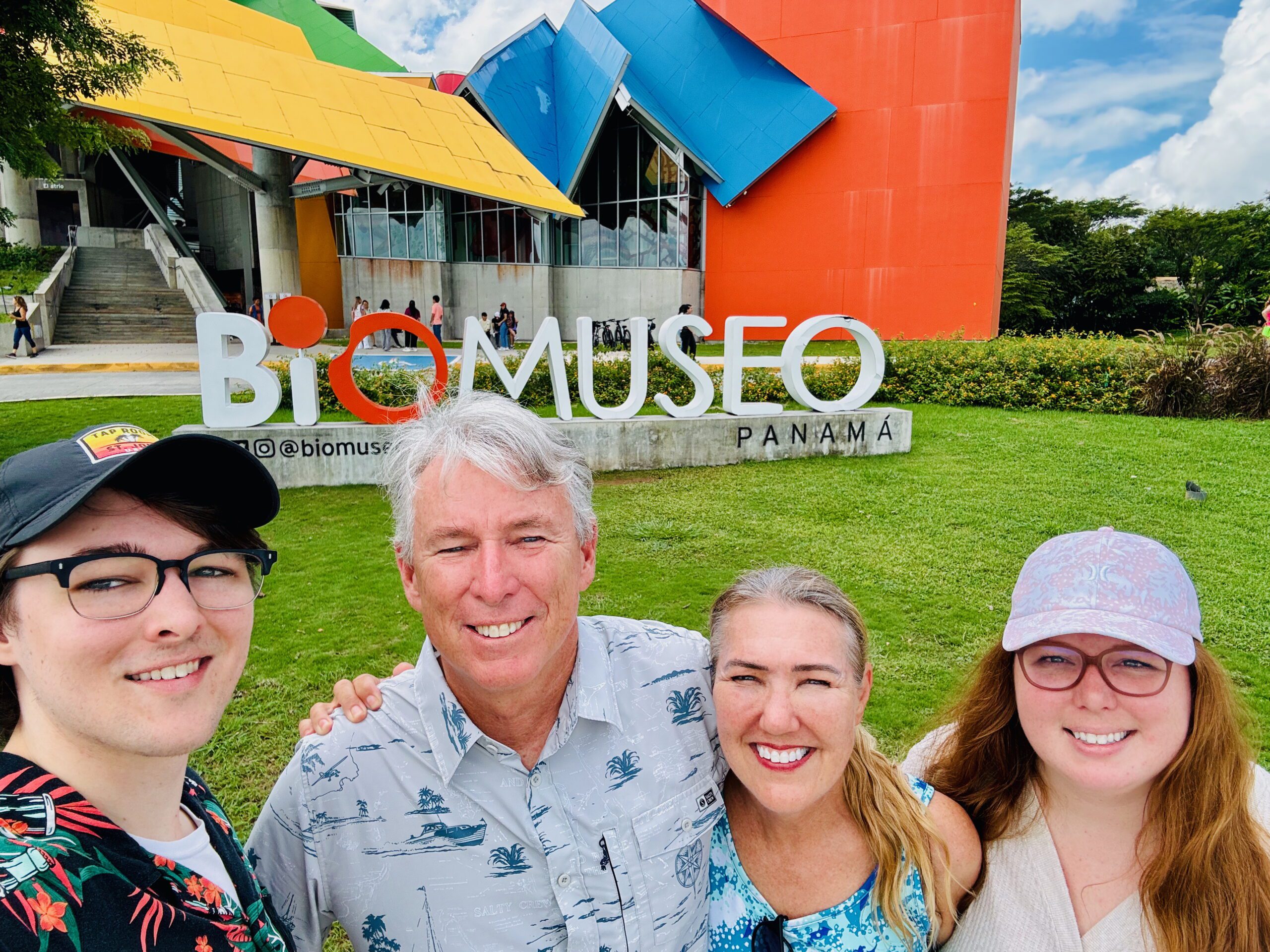
The exhibits were interactive and beautifully executed. Our daughter, an architectural designer, was impressed, and we loved hearing her professional perspectives.
We also spent multiple afternoons strolling through the gardens there and met some really nice locals in the process.
8. Geisha Coffee
Everyone told us we needed to try the pour-over coffee in Panama, and our crew was happy to oblige!
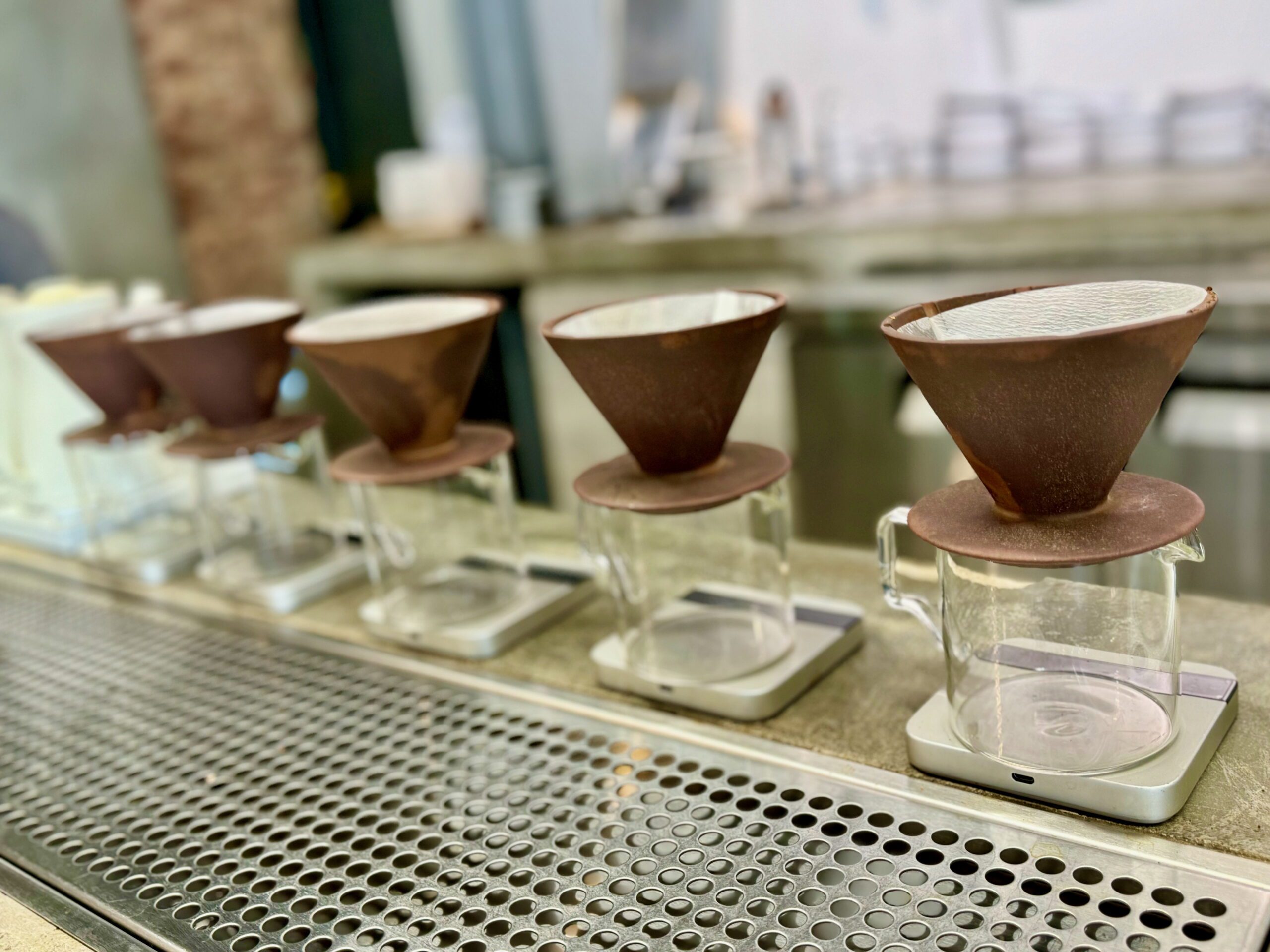
As usual, we spent a bunch of time researching our options.
We ended up at Sisu, conveniently situated in Casco Viejo. Its owners, the Lamastus family, are highly respected in the industry, and their Elida Estate Geisha sells for upwards of $10,000–$13,000 a kilo at auction. While we weren’t ready to drop some serious cash for our coffees, we did want to sample some of the best.
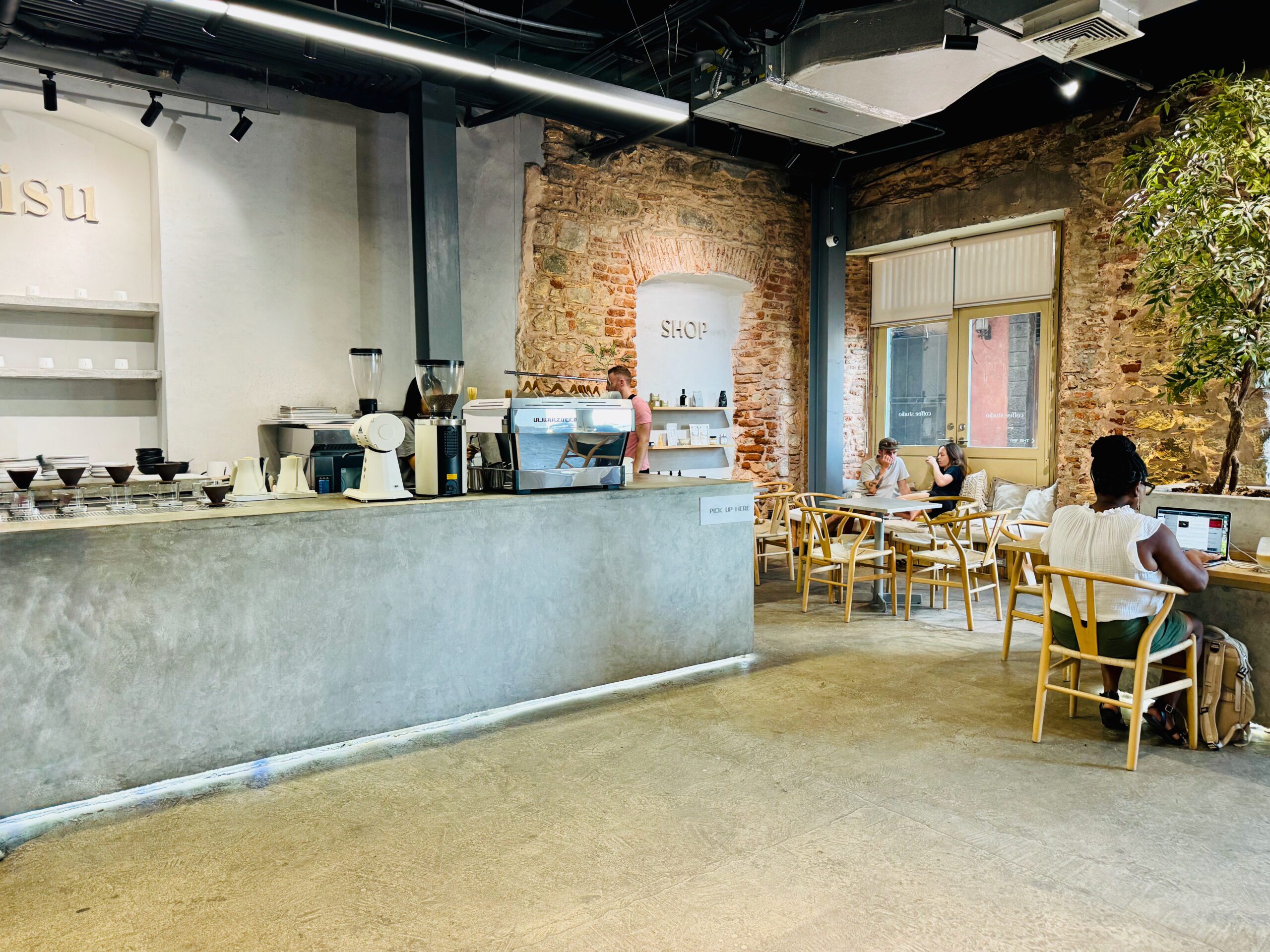
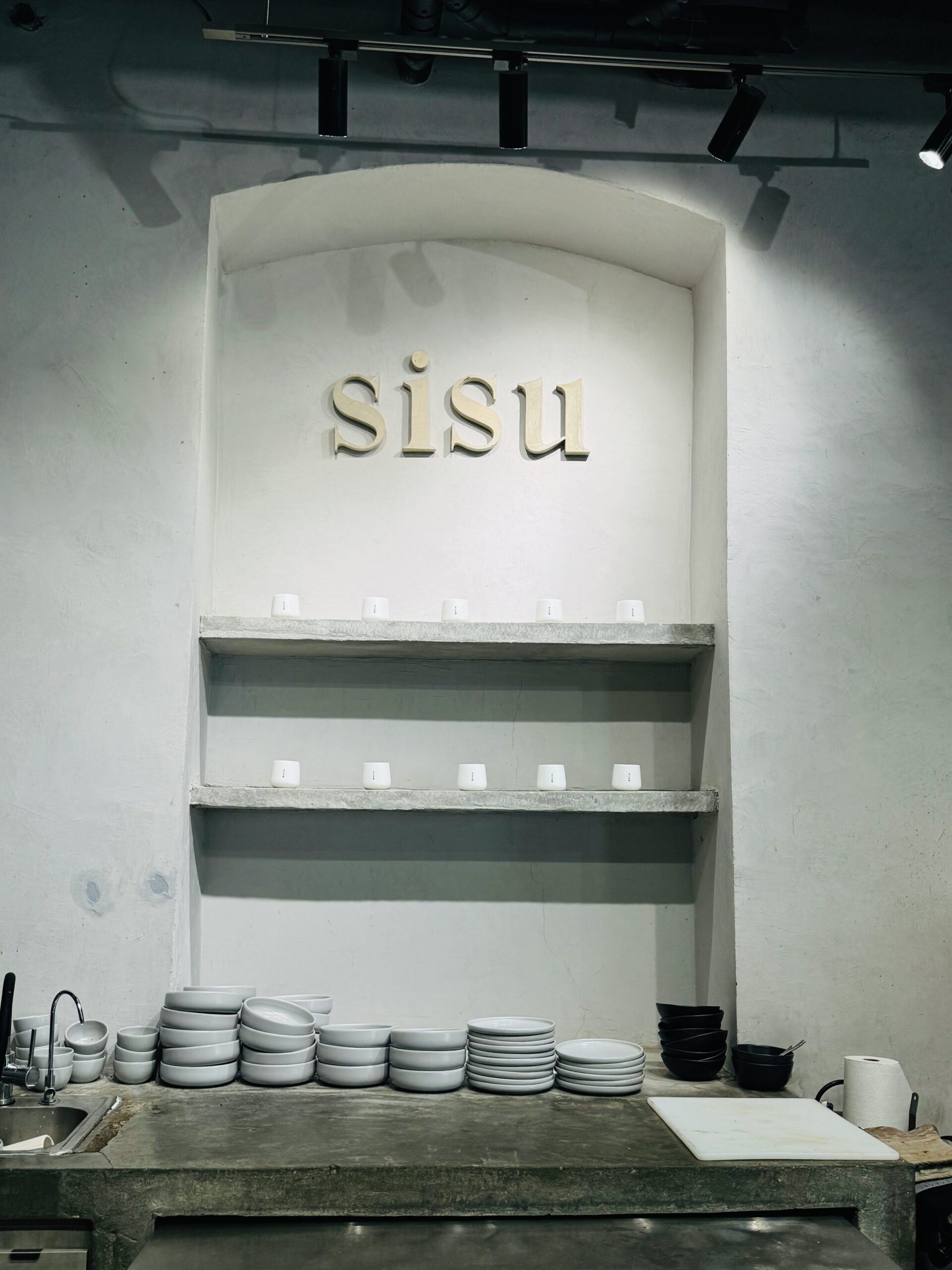
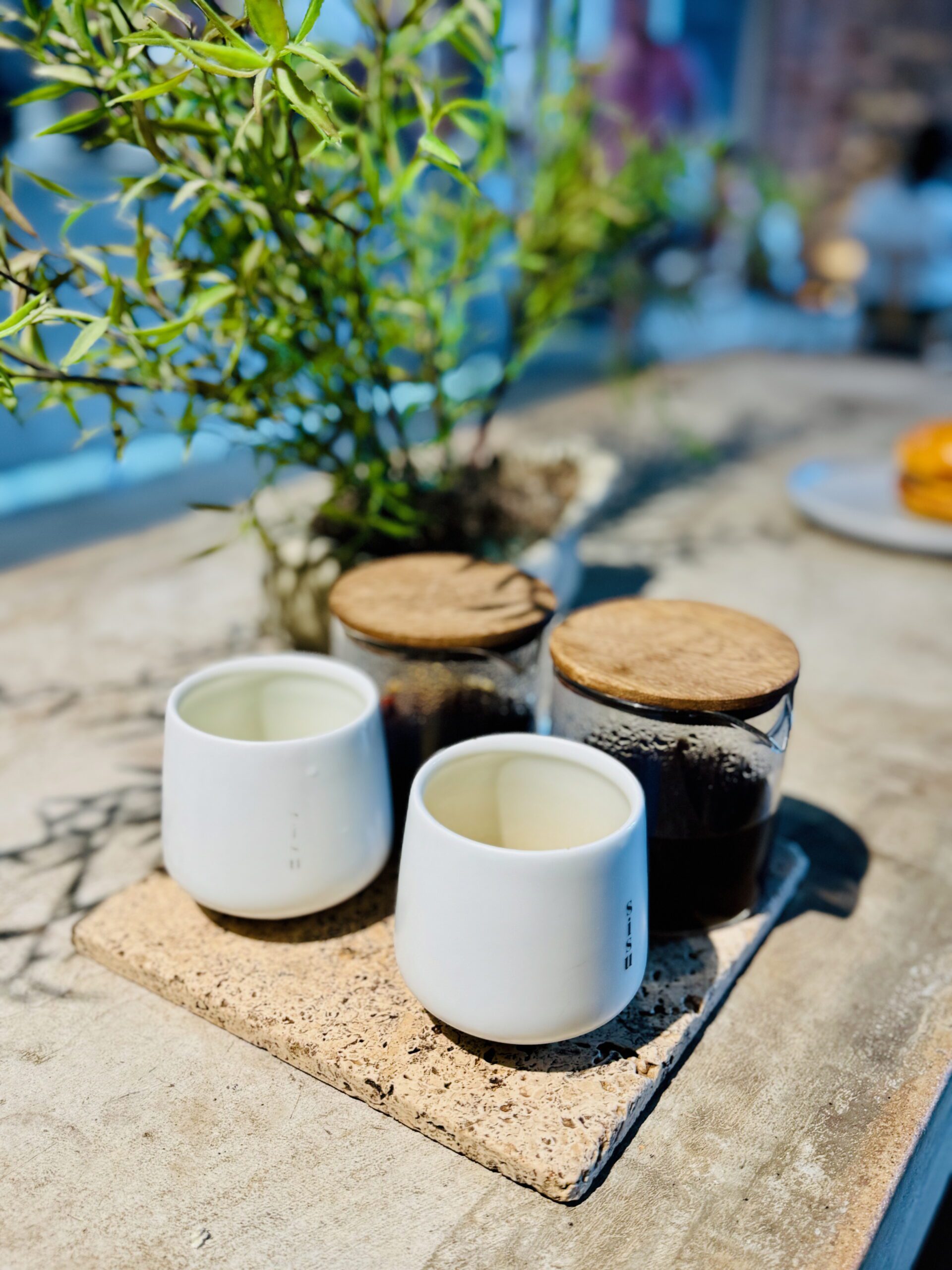
The coffee was rich, the ambiance was laid back, and the pastries were delicious. Perfect!
9. Mercado de Mariscos
We love the authenticity of fish markets and seek them out wherever we go.
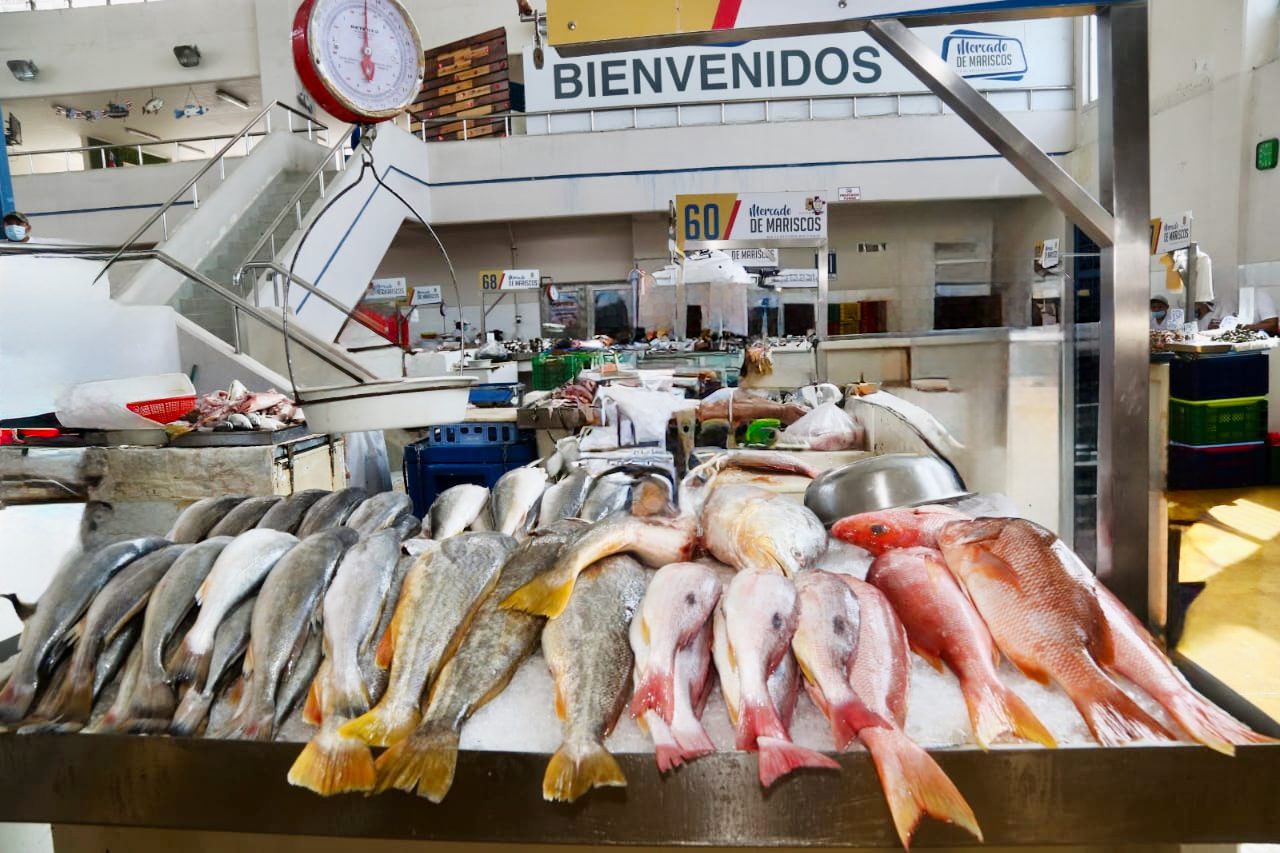
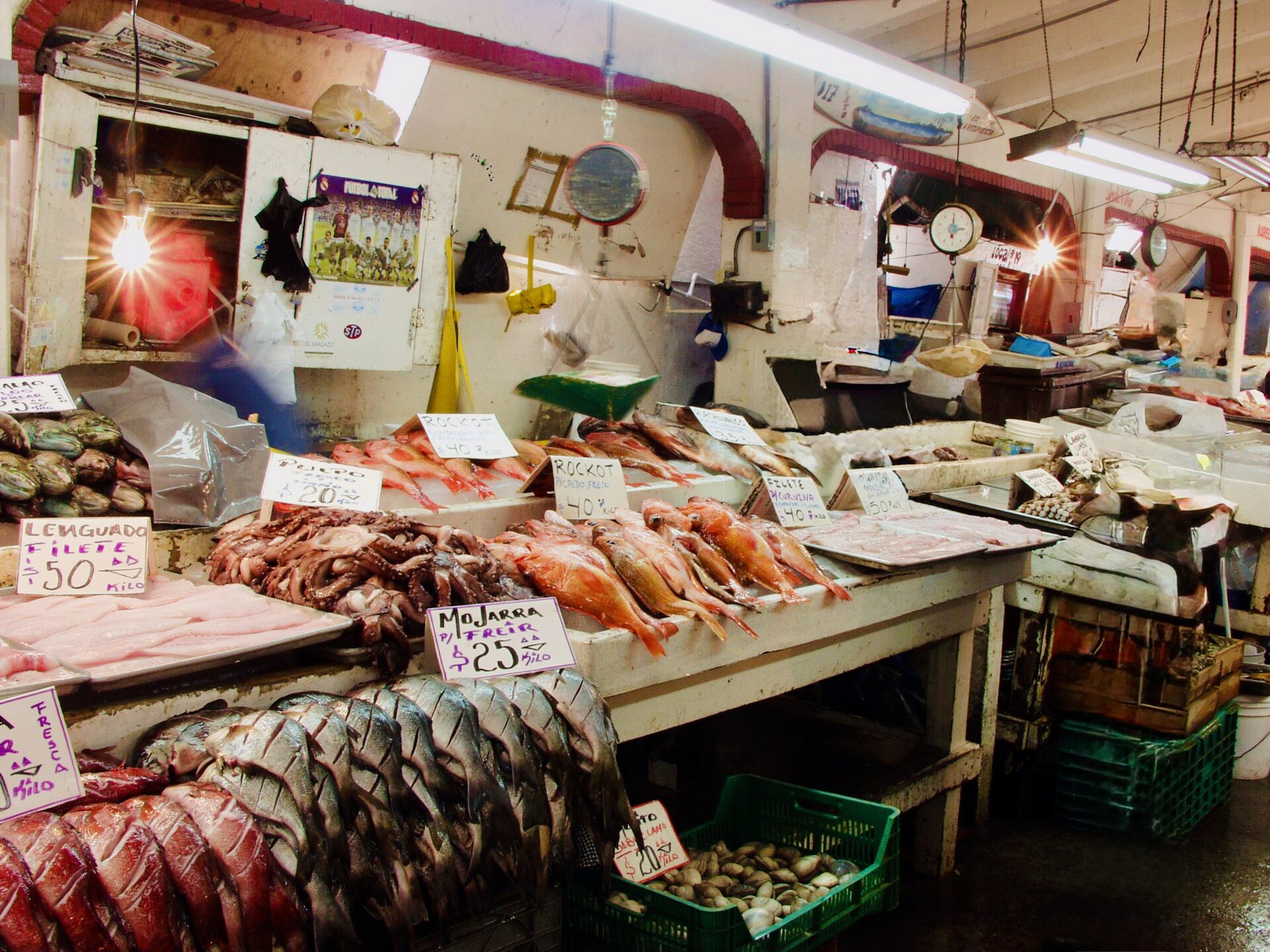
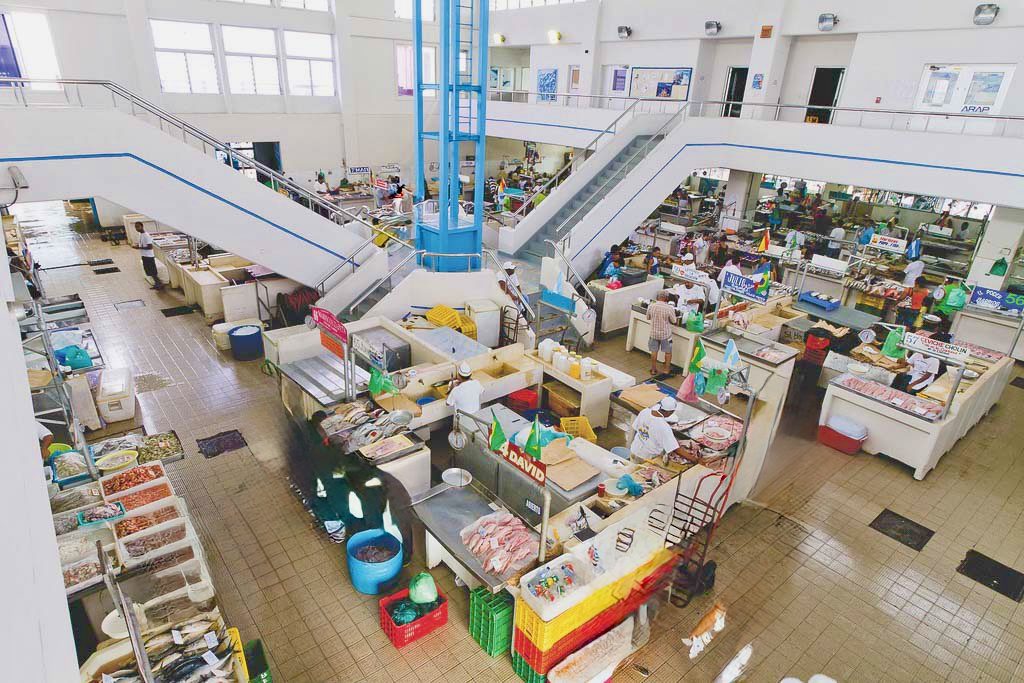
Panama City’s fish market was no different. Stinky, sloppy, and wet—it delivered what you would expect: fresh fish (especially in the mornings), friendly locals, and a truly genuine, unpretentious ambiance.
There are several restaurants in the adjoining buildings, and as we learned, the employees there will enthusiastically vie for your business. Although we weren’t hungry the day we went, we did get a kick out of walking though these bustling, competitive outdoor eateries.
10. Panama City’s Huge Shopping Malls
Boy, do the Panamanians love their malls! There are several shopping centers in Panama City, and they are often quite large. The biggest, Albrook Mall, is home to about 700 shops within its 4.1 million square-foot footprint. As of 2022, it was the 25th largest shopping mall in the world.
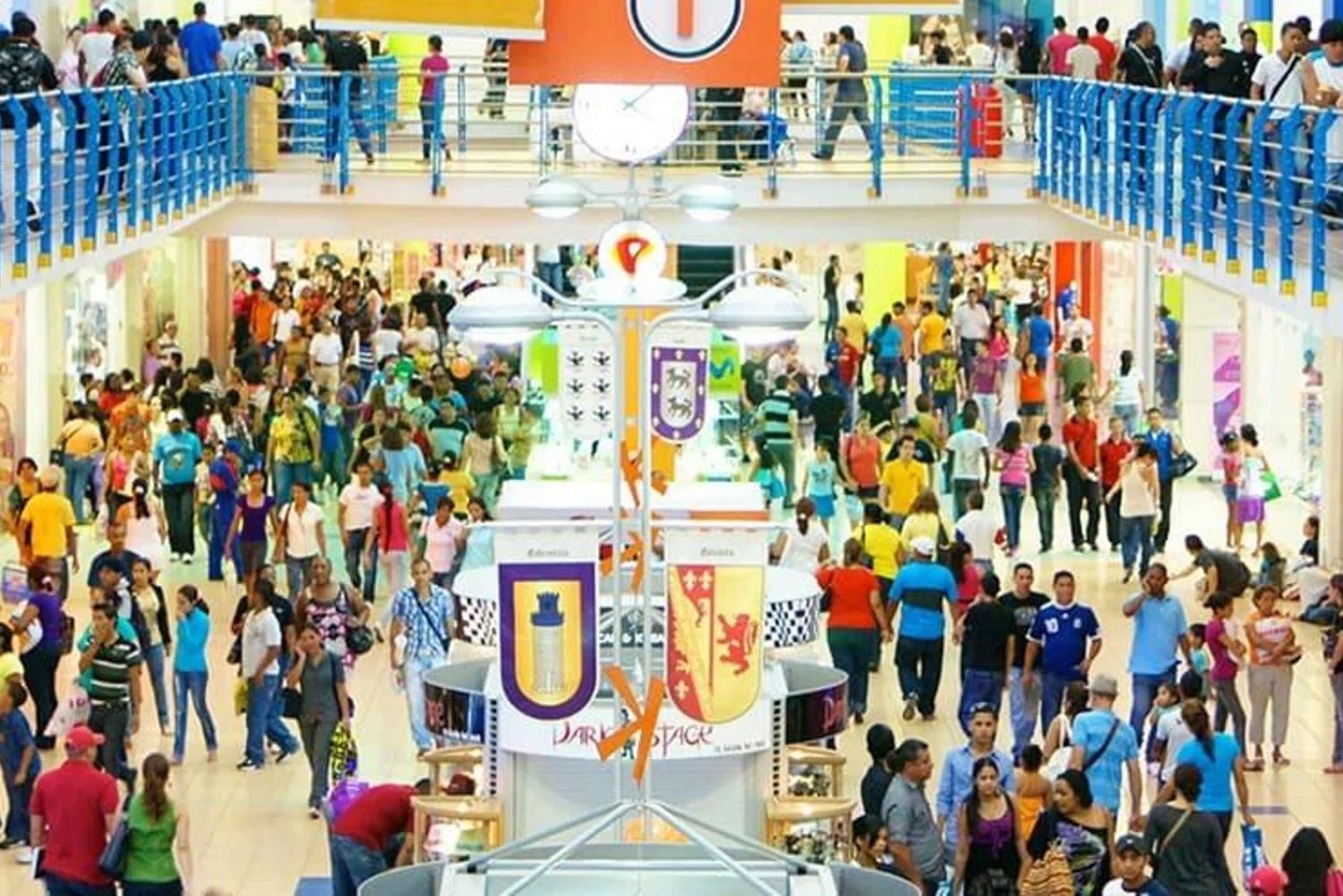
Every time we visited this massive mall, it was bustling with locals.
This was the first time we had encountered package check-in windows at department stores. Although it was time-consuming, we quickly preferred it as a theft deterrent over other shopping experiences we had had elsewhere (employees following us up and down aisles within arm’s reach).
Another first: at some shops, we told the store employees we wanted to purchase an item, and instead of taking it directly to the cashier, we used a ticket to buy it, and a security guard brought the now-purchased item to us at a checkout desk.
It has been really interesting comparing theft-deterrent methods across different countries and cultures.
Getting Around Panama City
Uber
Abundant throughout the city and very inexpensive, Uber offered us the perfect way to get everywhere we wanted to go.
An important safety consideration: As noted above, Panama City has some areas with significant gang activity, drug trafficking, and homicides. Taking Uber rides ensured we were steered clear of areas where we shouldn’t be.
Buses
Panama’s bus system combines modern Metrobus services in the city with long-distance routes throughout the country, mostly using the contactless “MiBus” card for payment. Although we didn’t take one, they appeared to be plentiful, comfortable, and convenient, not to mention a great way to avoid the notorious Panamanian traffic jams.
Diablo Rojos (Red Devils)
While we mostly saw these colorful buses in Colon, we did see a few in Panama City, albeit usually as party buses. With their flashing lights and vibrant graphics, they were quite a sight!
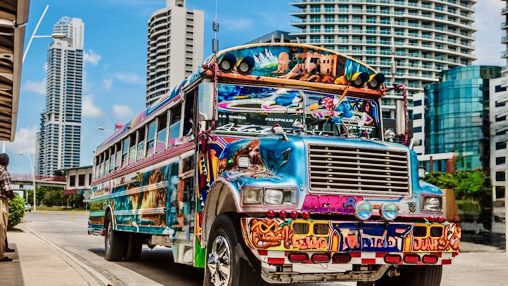
Diablo Rojos
Where We Ate
Some of our favorite restaurants included:
Ciao Bella (financial district)
Calicanto Trattoria (casco Viejo)
Sabroso Panamá (Amador Causeway)
Praia (Amador Causeway)
Canal House Panamá (Amador)
Final Thoughts
Panama City is a captivating destination defined by the boundless variety of things to do within its borders. One can marvel at the engineering of the famous Panama Canal in the morning, explore the historic streets of Casco Viejo by afternoon, and finish the day by soaking in the vibrant energy of its nightlife. At the same time, this urban gem is perfectly balanced with refreshing green spaces, natural wildlife, and one of the most biodiverse ecologies in the world.
It doesn’t pretend to be a relaxing beach retreat, but for anyone looking for a complex, culturally rich experience, it could be the perfect getaway.
You can see a map of Panama here.