
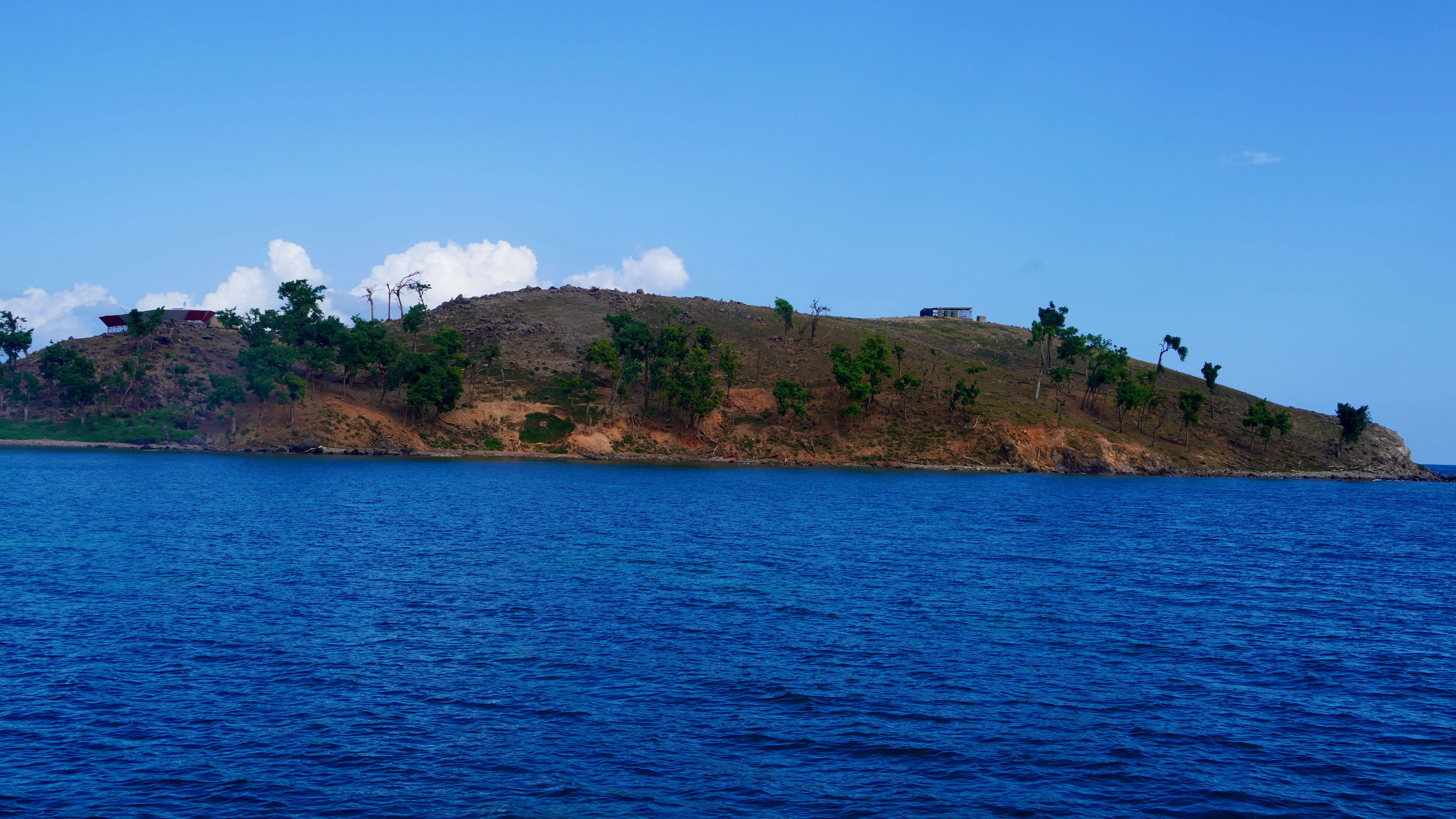
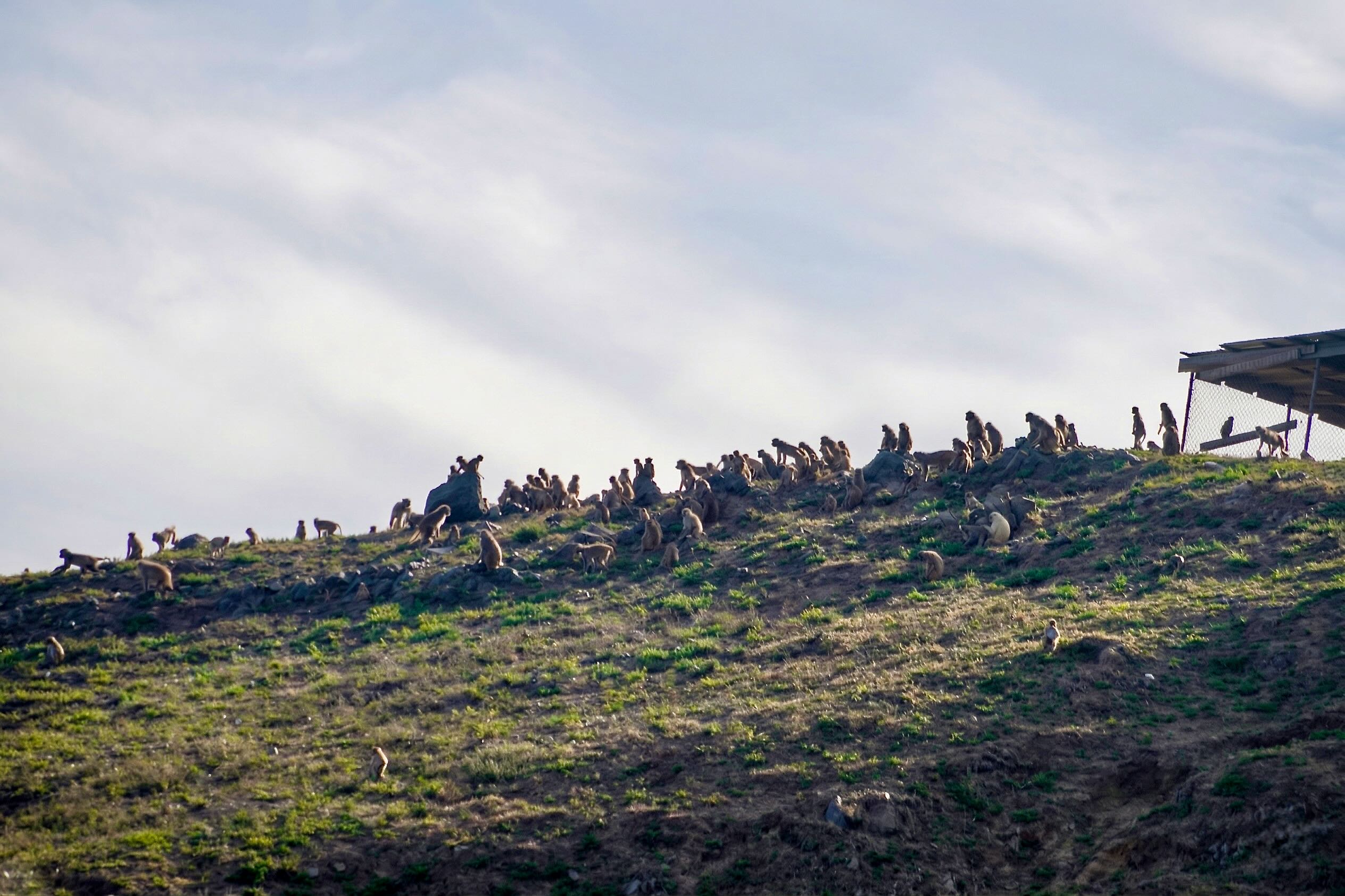
Half a mile off Humacao, Puerto Rico, lies a 38-acre limestone cay that tourists aren’t allowed to set foot on: Cayo Santiago. The island belongs to roughly 1,800 rhesus macaque monkeys and the scientists who have watched them since 1938.
The colony descends from about 400 monkeys that primatologist Clarence Ray Carpenter brought from India in 1938. Every animal here today traces its family tree back to them.
Many of the monkeys carry Herpes B, which is harmless to them but deadly to us. Conversely, we could hand them a cold that would tear through the colony. Therefore, no one sets foot on the island without a research badge or a rare visitor pass.
The Scouts

An Island in Motion


Slow Hours


The Ones I Keep Coming Back To
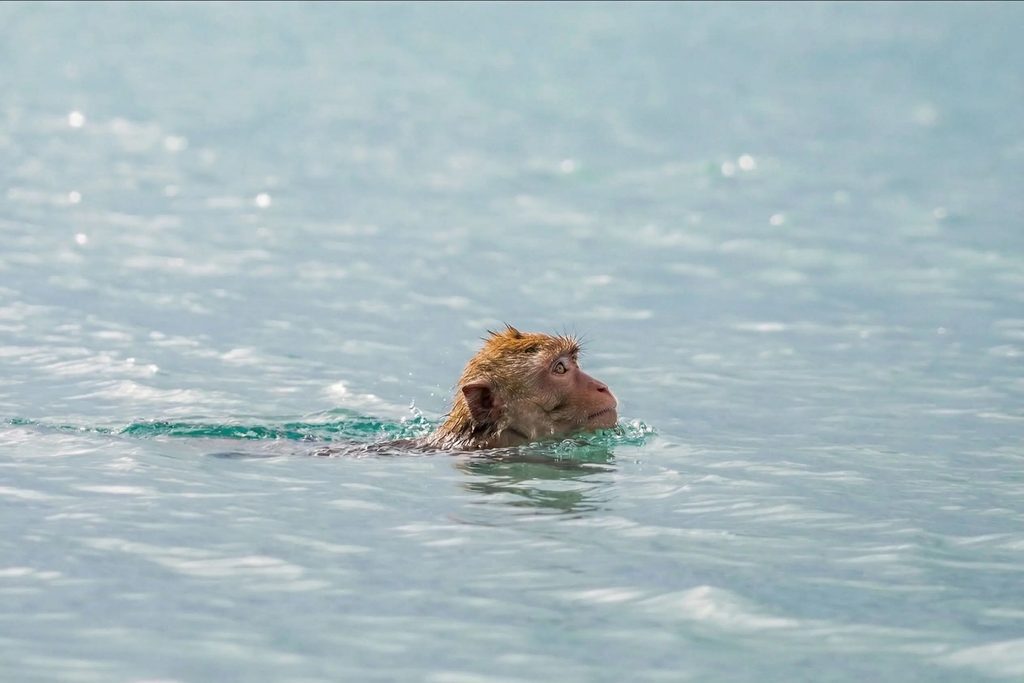
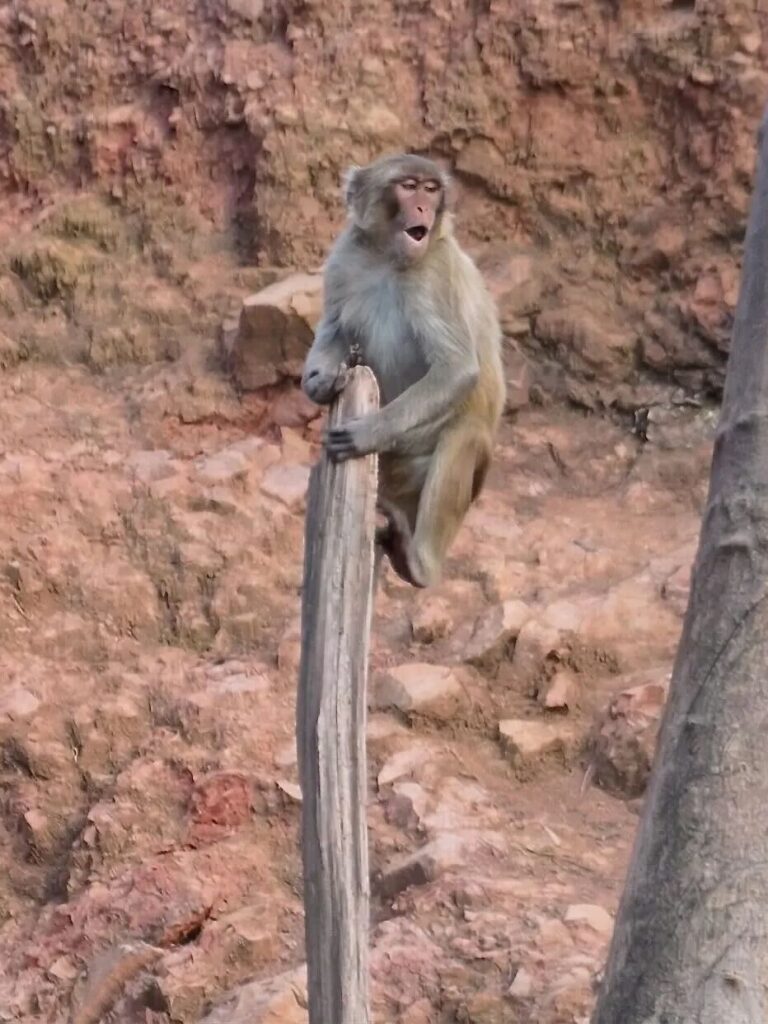
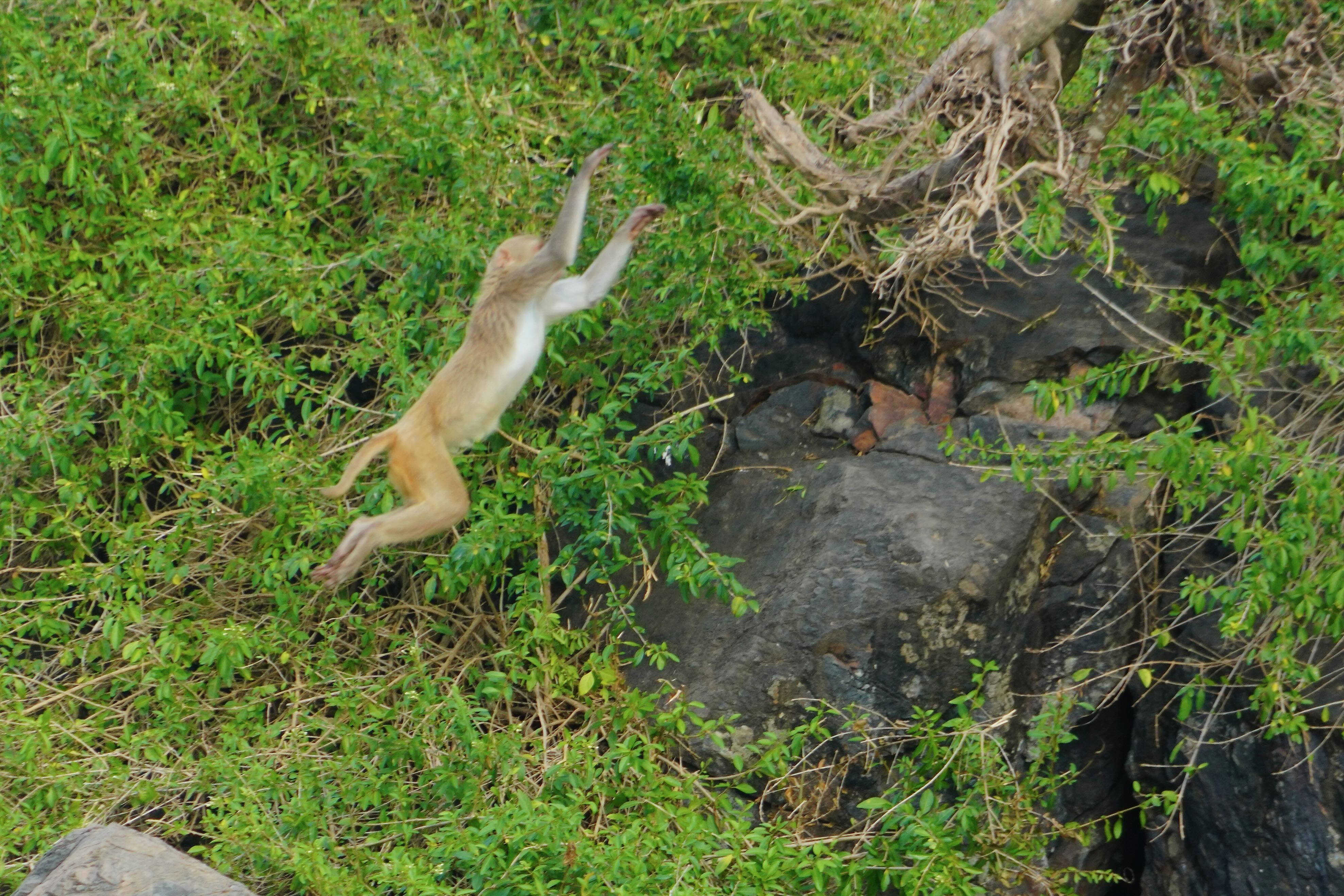
It is amazing watching them leap from tree to tree fearlessly.


When Hurricane Maria stripped this island bare in 2017, fewer than 3 percent of the monkeys died. What surprised researchers came after: a famously competitive colony began sharing scarce shade and widening their circle of friends.
As I watch them, it is hard not to see a little of that still in them.
Notes
Getting here: Cayo Santiago is closed to the public, but you can circle it by boat.
Anchoring: We anchored in the Cayo Santiago anchorage and explored by dinghy
For the full history and science, read Puerto Rico: Cayo Santiago, aka “Monkey Island.”

Leave a Reply