
On Puerto Rico’s southwestern edge, where the island tapers toward the Mona Passage, the fishing village of Boquerón keeps its own unhurried rhythm. The bay is calm, and the light is generous. By evening, the waterfront fills with the sound of a dozen competing speakers.
It is best approached the old way, from the water. Arrive by sea, and Boquerón reveals itself in stages: the sheltered anchorage, the painted village of El Poblado, and finally the lighthouse standing guard at the island’s southwestern tip.

The Village That Never Quite Sleeps
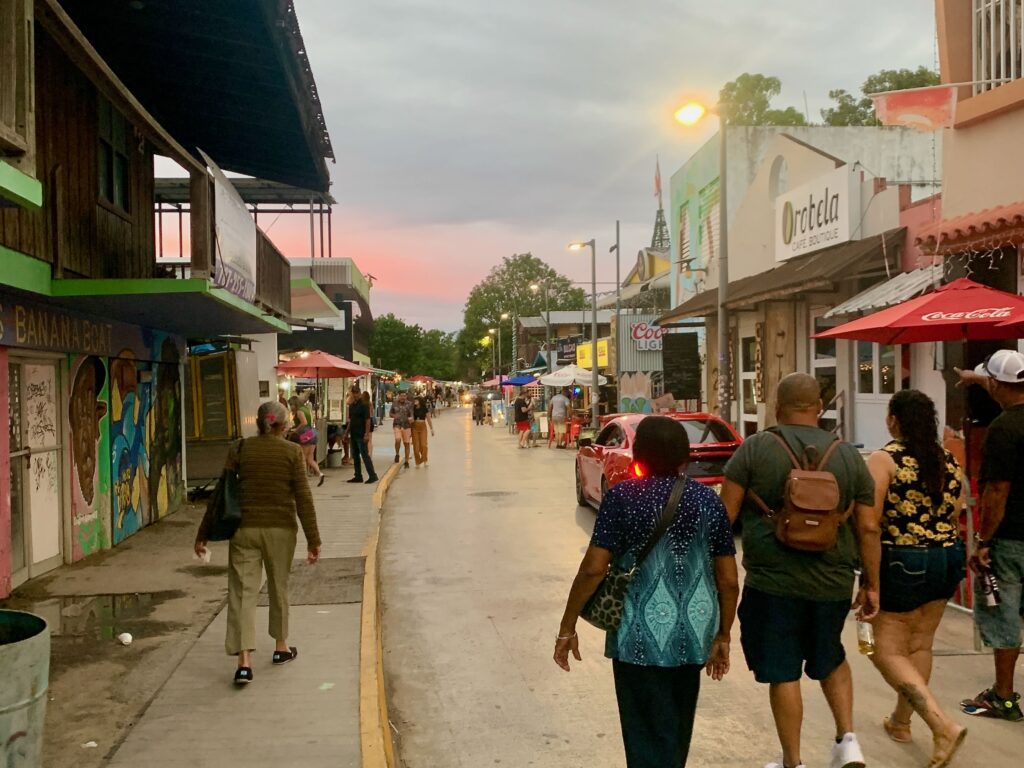
El Poblado began as a modest fishing settlement. Today it is the beating heart of Cabo Rojo, a pedestrian strip of brightly painted wooden buildings housing open-air bars, seafood counters, and dive shops. On weekends, the street becomes a full-blown festival. As the sun drops, salsa and reggaeton spill from venues like El Shamar and Taberna de Boquerón, and locals and visitors alike drift from bar to bar in the cherished island ritual known as chinchorreo.
An Open-Air Gallery
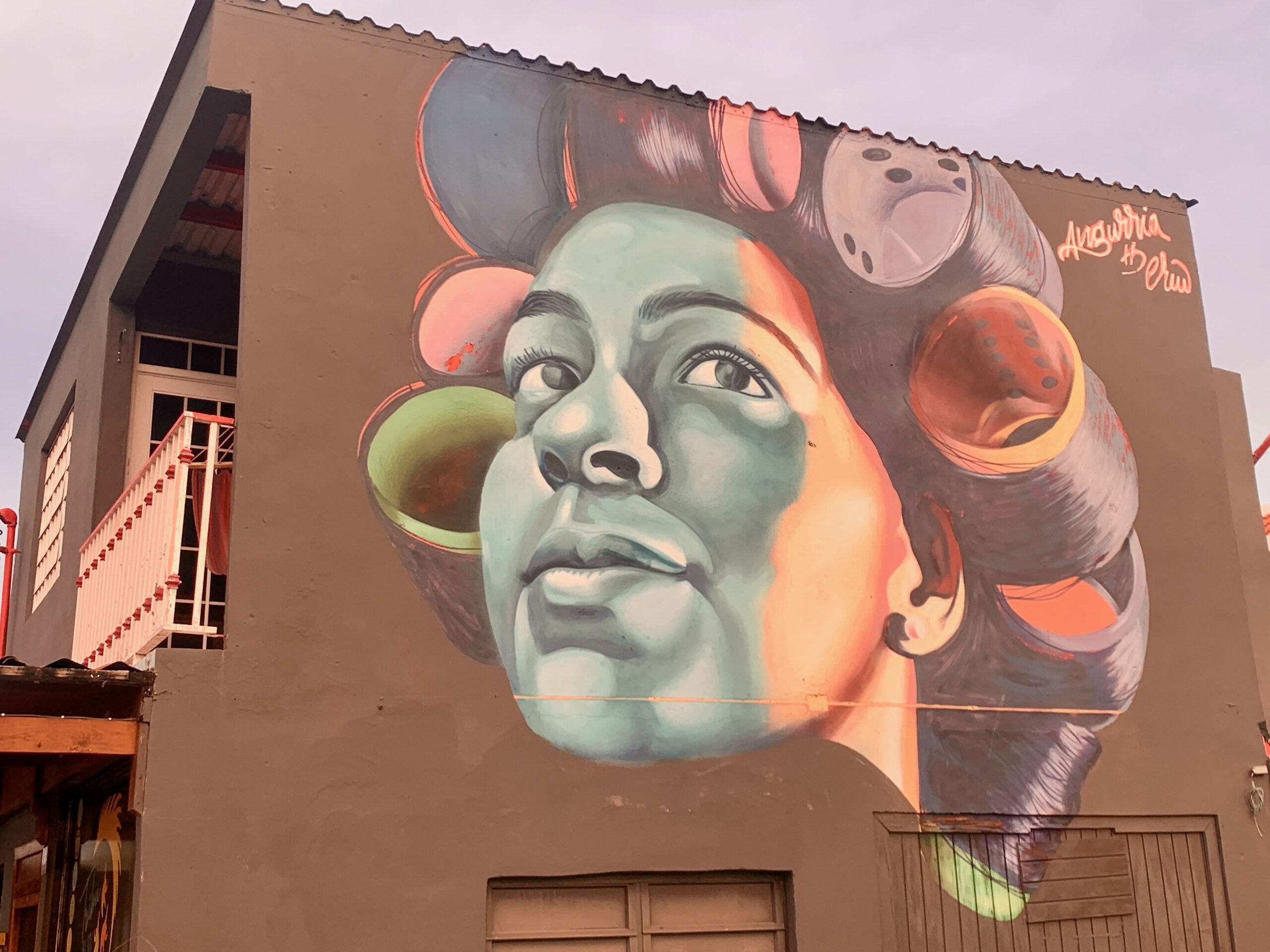
San Juan’s Santurce district may hold the title of the island’s mural capital, but Boquerón has quietly built its own gallery. Turn any corner in El Poblado and another wall bursts into color. These works are portraits, protest, and celebration at once, and each is a declaration of Boricua pride on the southwestern coast.


The Oyster Trail
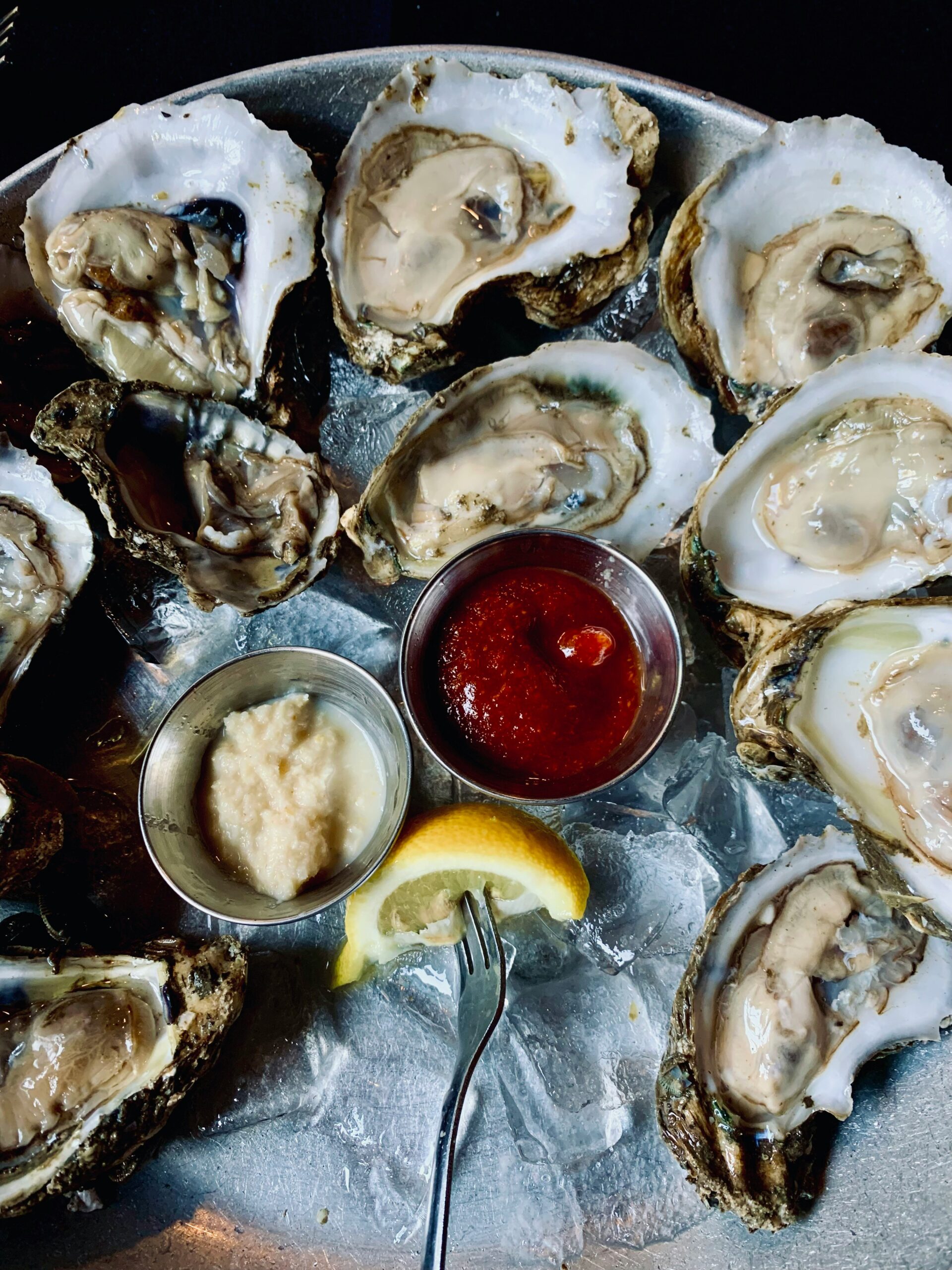
Boquerón’s reputation rests, in no small part, on its shellfish. Along the strip, vendors work at open kiosks, shucking local oysters and clams to order. Street food in its purest form: fresh, briny, and eaten standing up.

Expect an audience. Boquerón’s feral “community cats” patrol the waterfront, drawn by the steady supply of kiosk scraps. Volunteer-led trap-neuter-return programs keep the colonies in check, balancing animal welfare with the protection of native species like the endangered Yellow-shouldered Blackbird in the nearby Cabo Rojo National Wildlife Refuge. The cats, for their part, remain focused on dinner.

Where the Village Meets the Sand
Just steps from the strip, Balneario de Boquerón curves for nearly a mile along calm, shallow turquoise water. The beach holds Blue Flag certification, an international eco-label administered by the Foundation for Environmental Education and awarded for strict standards in water quality, safety, and environmental management. Managed by Puerto Rico’s Department of Natural and Environmental Resources, it offers picnic areas, gazebos, restrooms, and showers, along with rustic cabañas for those who would rather wake up beside the water. Families claim the shallows, while kayakers and paddleboarders glide farther out.

Sentinel of the Mona Passage
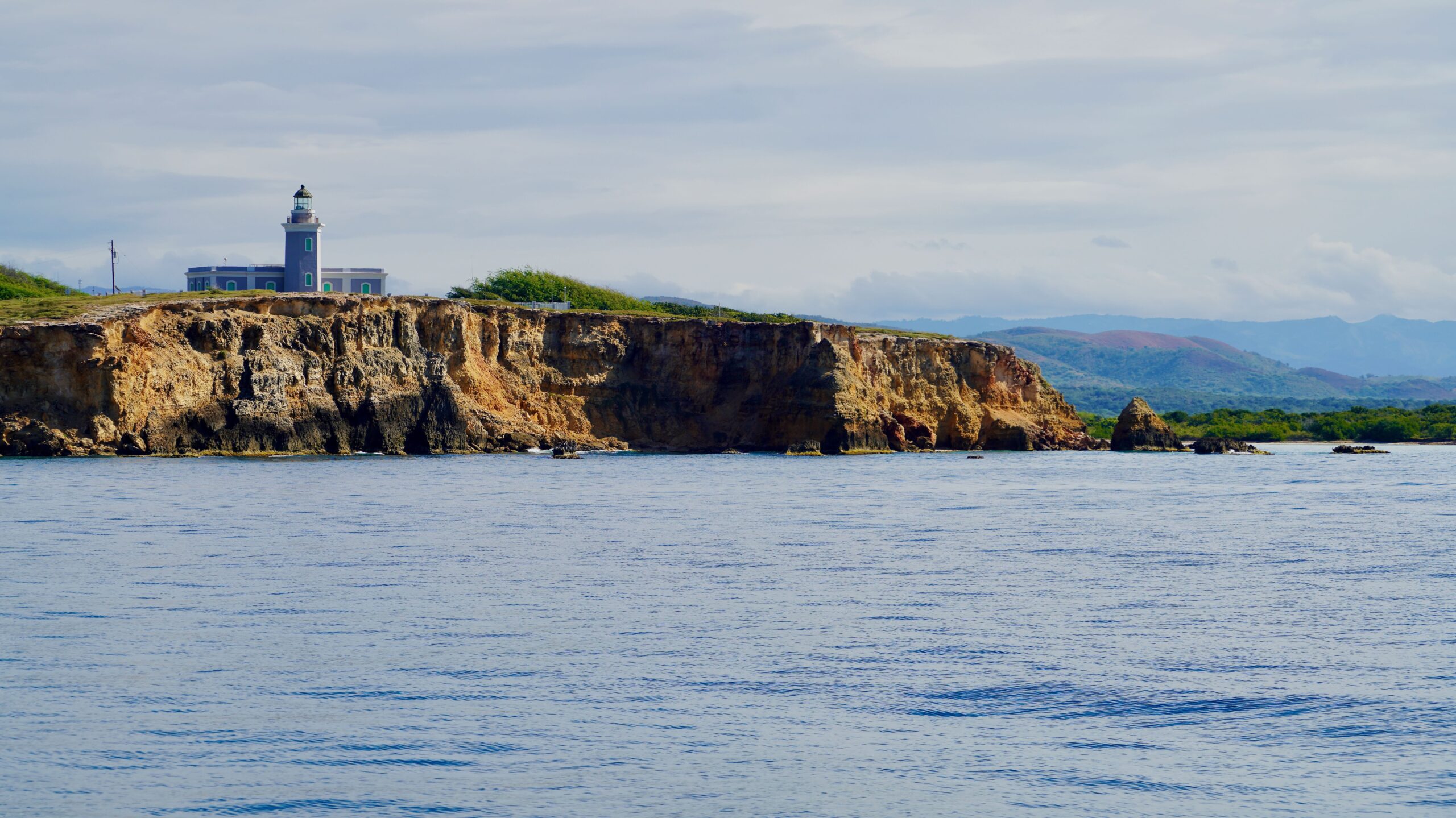
Completed by the Spanish in 1882, Los Morrillos Lighthouse, known locally as El Faro, crowns 200-foot limestone cliffs at the island’s southwestern tip. Built to guide ships through the treacherous Mona Passage, it still does. Most visitors arrive by hiking or driving through the Las Salinas salt flats. From a boat deck, though, the lighthouse appears as generations of sailors first saw it: pale against the sky and impossibly high above the sea.
Boquerón offers plenty of postcard attractions: a mile-long Blue Flag beach, shimmering salt flats, and a wildlife refuge full of rare birds. Its real pleasures are smaller and harder to photograph. There is the shuck of an oyster knife, music drifting across the bay after dark, and a village that has grown popular without forgetting what it is.
Travel Notes
- Arriving by sea: boats anchor in Boquerón Bay, within easy reach of El Poblado.
- Arriving by air: Rafael Hernández International (BQN) in Aguadilla is 45 to 60 minutes away. Luis Muñoz Marín International (SJU) in San Juan is two and a half to three hours by car.
- Where to eat: the street kiosks for oysters and clams, and the Green Parrot for Puerto Rican classics.
- Provisions: El Poblado has no grocery store, only Kolo’s mini market on Calle Luis Muñoz Rivera. Sailors will find a small, well-stocked chandlery, Pepmarine, on Calle Estación. Both are open daily; confirm hours before you go.
- Getting around: the village and the beach are easily walkable. To go farther afield, rent a car, since rideshares are scarce in this part of the island.
Originally experienced in February of 2024; content refreshed in October of 2026.

Leave a Reply