

Patillas, also known as “La Esmeralda del Sur” (The Emerald of the South), is a city on Puerto Rico’s southeastern coast that offers a rare blend of mountainous rainforest and Caribbean shoreline. Founded in 1811, the town owes its name to the native watermelons that once flourished in its fertile valleys. Today, it stands as a destination for those seeking a more authentic, “off-the-beaten-path” Puerto Rico experience.
The landscape is defined by the dramatic meeting of the Sierra de Cayey mountains and the sea, creating a lush, green backdrop that inspired its emerald nickname.
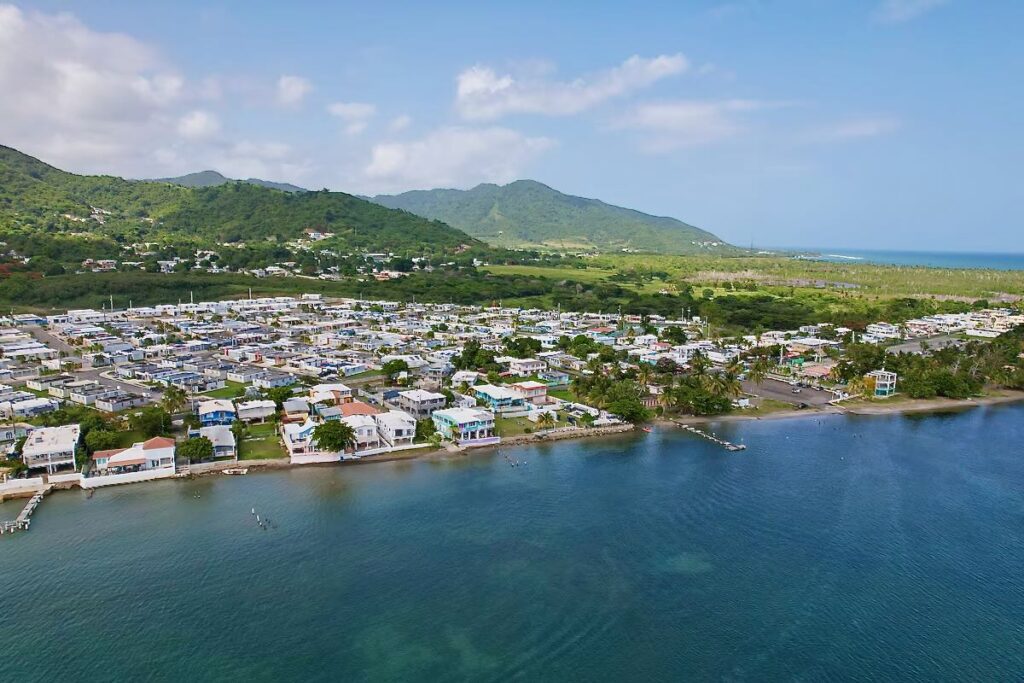
We sailed into Patillas in the afternoon and couldn’t wait to explore it.
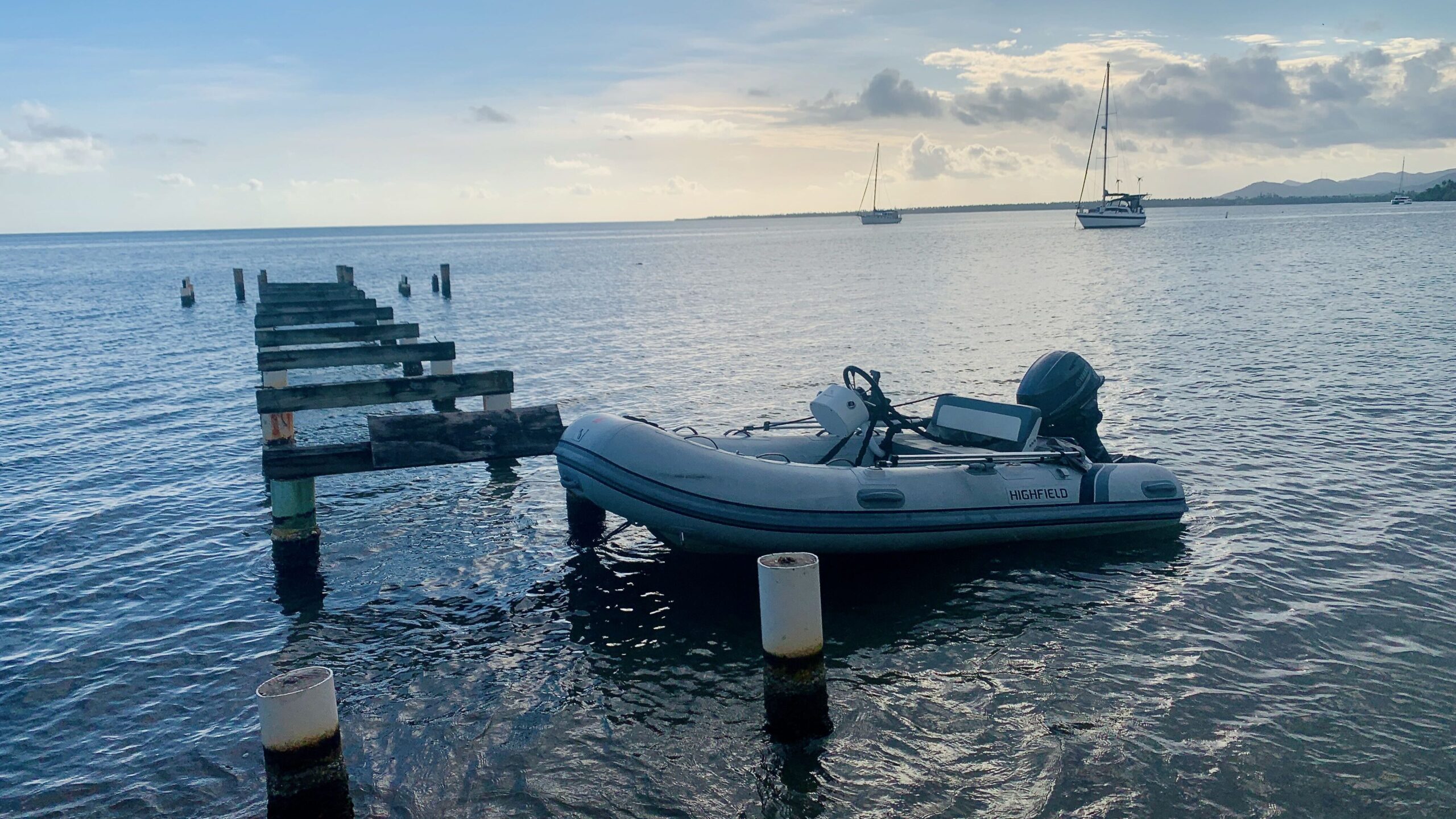
After dropping anchor, we dinghied toward the beach. At the time, there was no dinghy dock, so we tied up to the ruins of a former pier. Luckily, we were able to wade ashore easily. (I believe there is now a dinghy dock near this site.)
We then headed toward the Malecón. It was colorful, but very quiet because it was a Wednesday.
Often referred to as the Villa Pesquera, the Patillas Malecón serves as the vibrant social and cultural heart of this southeastern coastal town. Unlike the more commercialized boardwalks in San Juan, this malecón retains an authentic, local atmosphere where the mountains of the Sierra de Cayey meet the Caribbean Sea. This recreational complex features a distinctive three-story observation tower that offers panoramic views of the coastline and surrounding peaks.

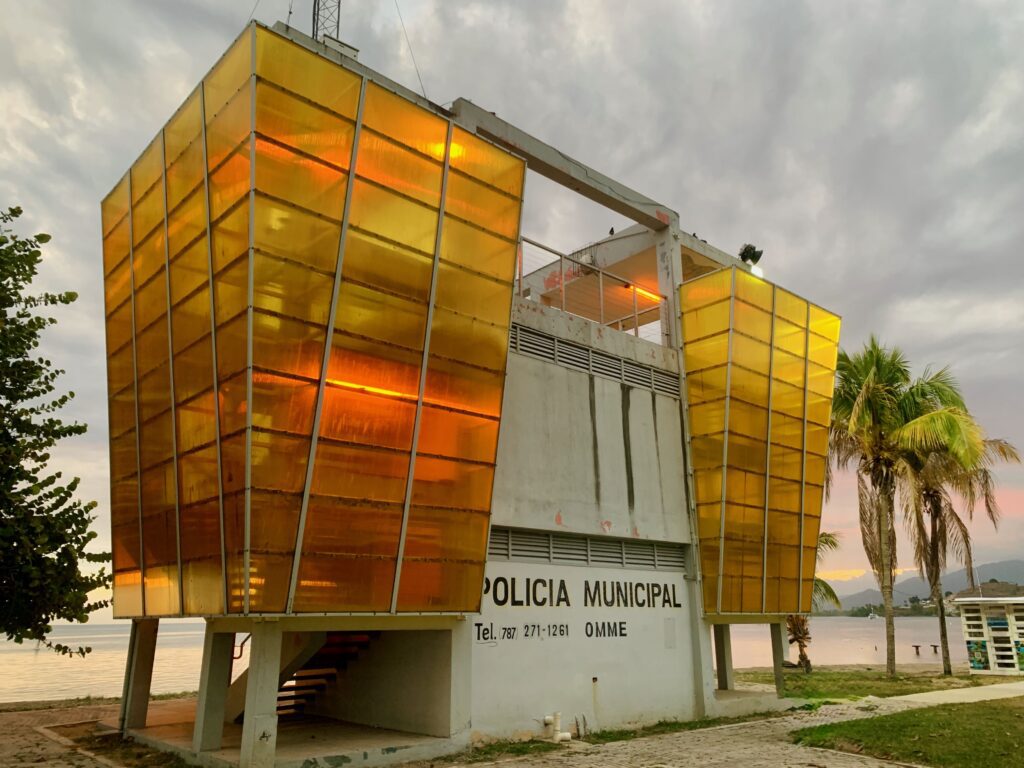
At first, the “Policia Municipal” sign was confusing to me, but I then realized it is not a police building. This sign has since been painted over, so it must have been confusing to others, as well.

The area is renowned for its culinary scene, specifically its “chinchorros”—small, open-air kiosks and restaurants specializing in traditional Puerto Rican food.
Architecturally, the Patillas Malecón is designed for community engagement, with gazebos for shade, a boat ramp for local fishermen, and a sandy shoreline protected by rock barriers, making the water calm enough for swimming. It acts as a primary venue for regional festivals and live music.

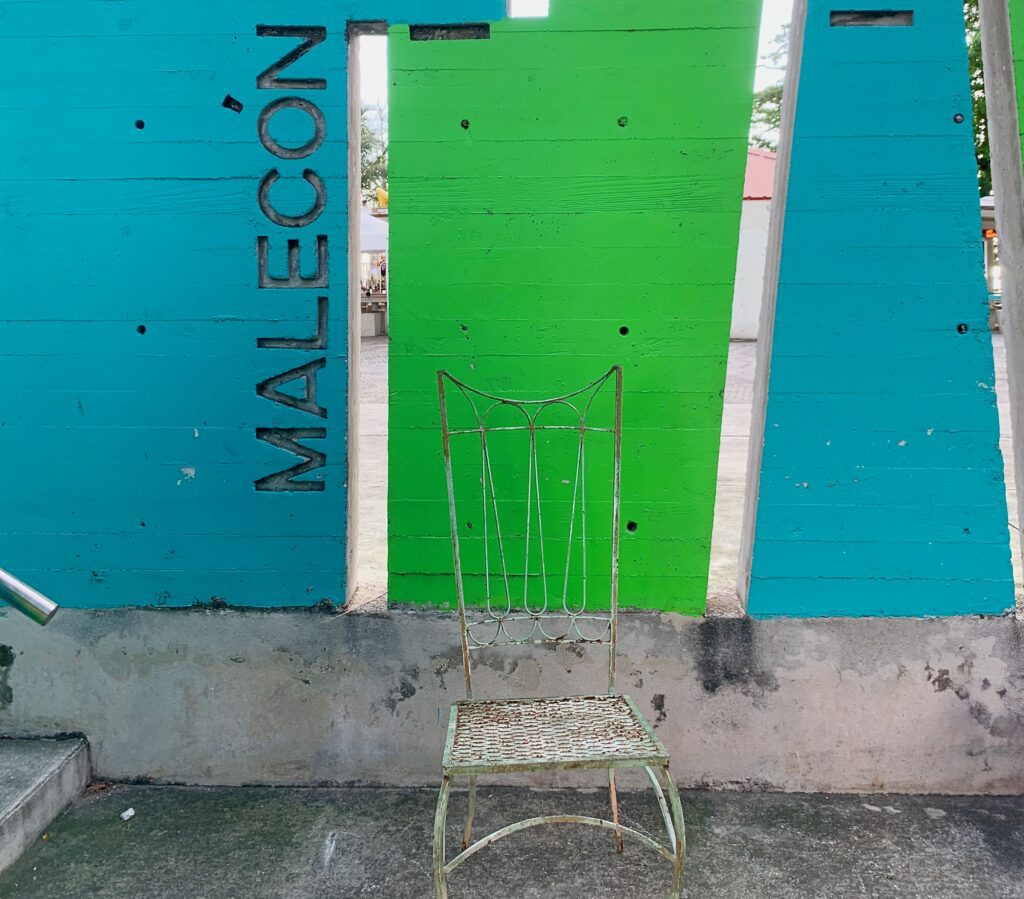
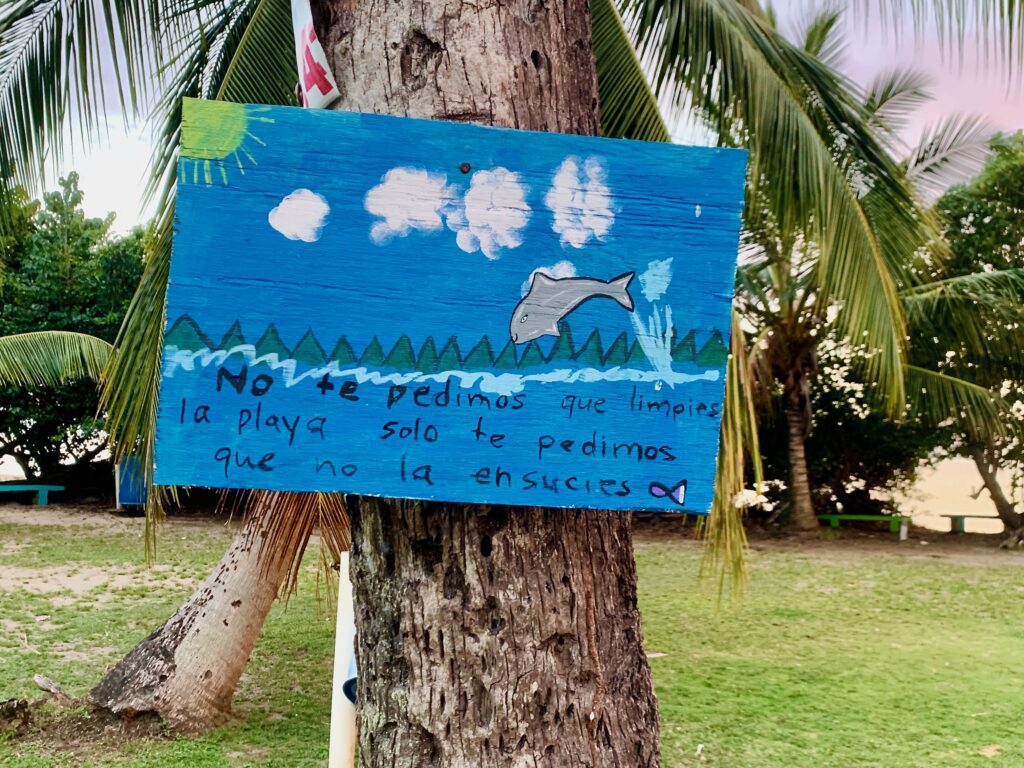
We learned that Puerto Rico offers diverse environmental education programs for students, focusing on sustainability, agroecology, and marine conservation. Key programs include the international Eco-Schools network, hands-on agricultural training at Earthbound Academy, and marine science courses at Taller Ecológico, focusing on coastal, mountain, and ocean ecosystems.
We saw evidence of it here:
After walking down the Malecon and exploring the beach, it was time for dinner.
After checking out our options, we chose Calixto’s Place.
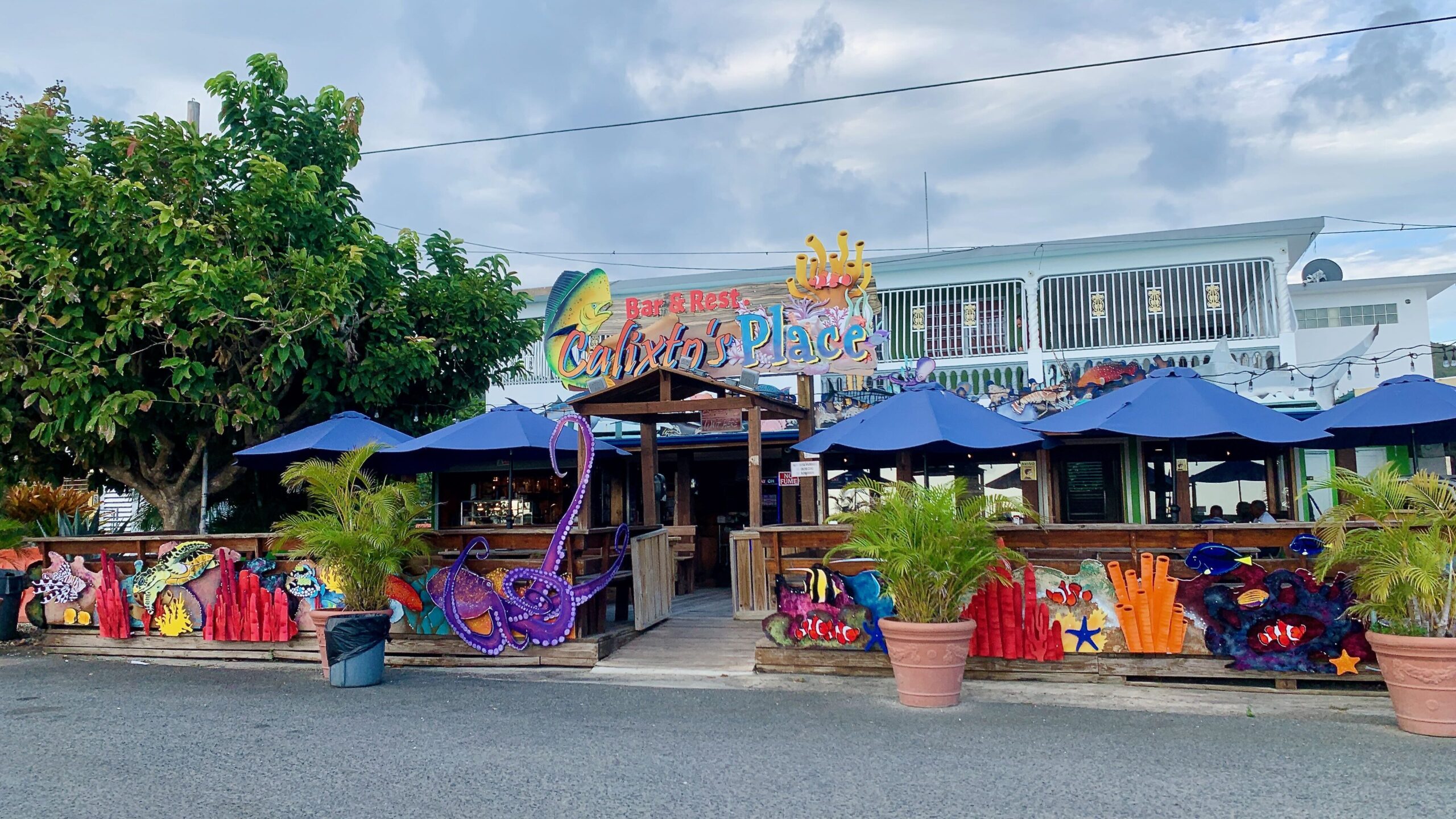
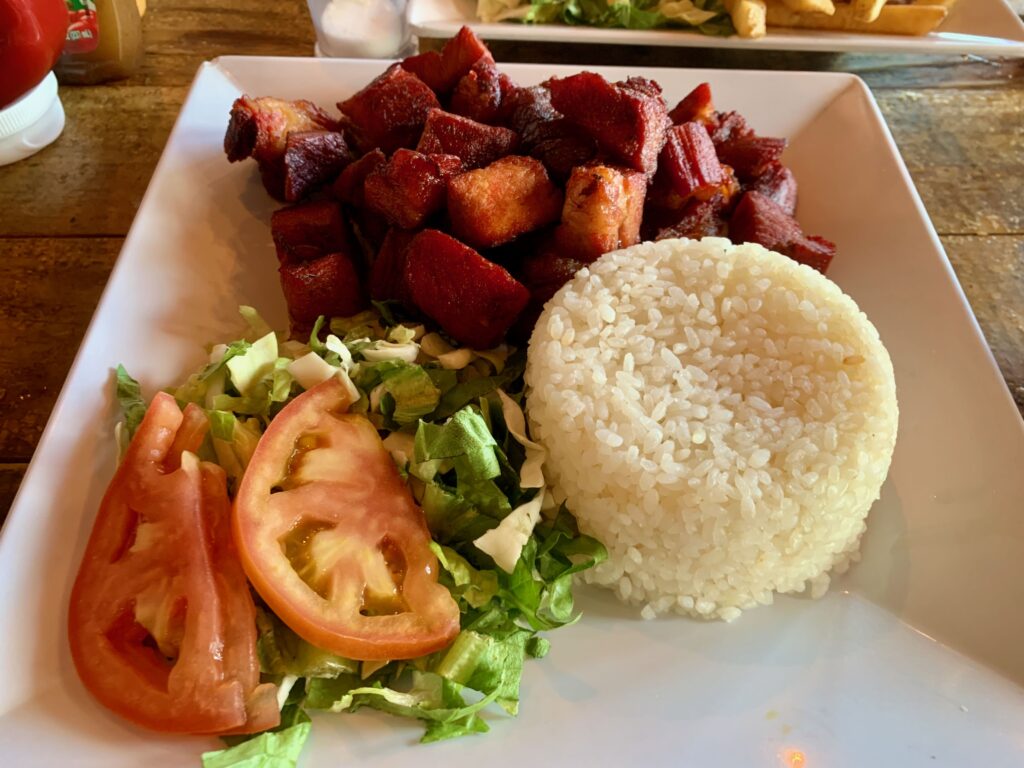
This restaurant had a 4.4-star rating on Google, so we thought it was worth a shot. It was pretty good!
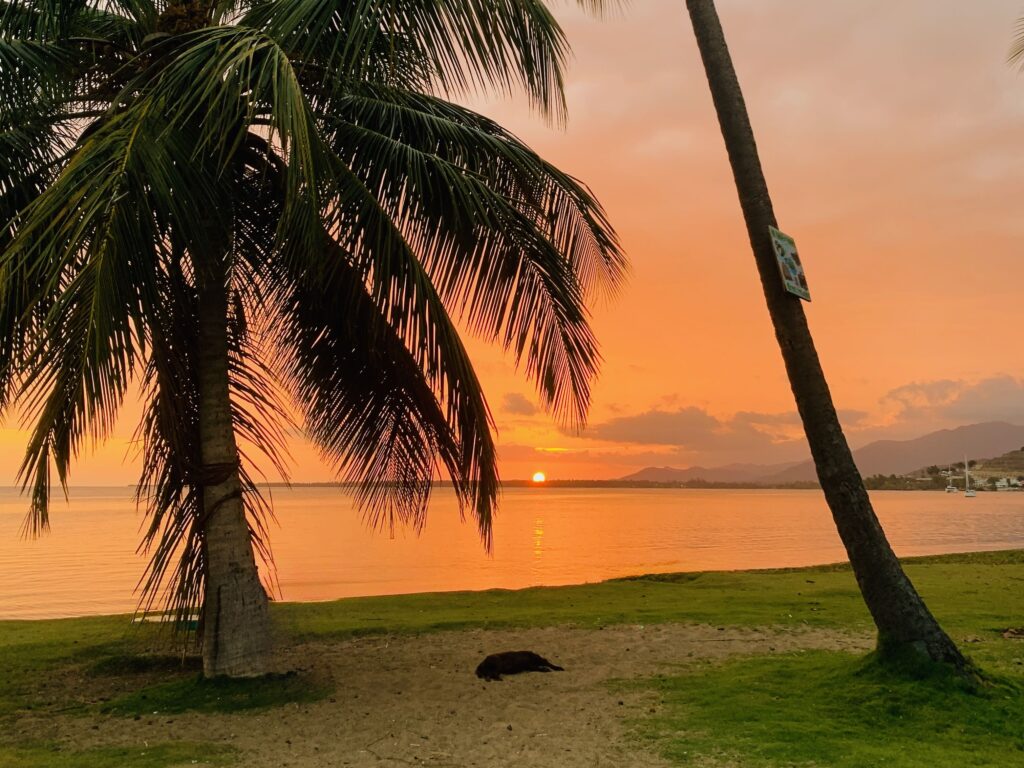
After dinner, we headed back to the beach for a leisurely stroll. The sunset was absolutely stunning.
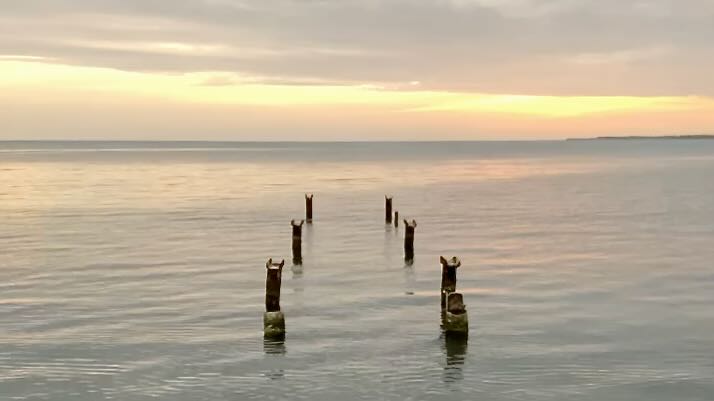
The town was small, but charming. It is said that weekends here get festive and loud.
Other Things to Do in Patillas
Charco Azul Natural Pools
Los Tres Chorros (Survivor Falls)
Carite State Forest
Lago Patillas Reservoir
Shopping
The heart of the community’s shopping is found in its central plaza and along Route 3. Its El Mercado Familiar (Family Market) is a great place for organic produce, local honey, artisanal cheeses, and traditional Puerto Rican crafts. For daily needs, the San Benito Shopping Center serves as the main hub, with stores like Supermercado Plaza and various retail shops catering to locals.
Patillas is an excellent place to find “Chinchorreo” essentials. Along the coastal road, small kiosks and family-owned shops sell:
- Artisanal Crafts: Handmade jewelry and wood carvings, often found at beachside stands.
- Local Treats: Freshly baked goods from Panadería La Familia and homemade tropical fruit preserves.
- Coastal Gear: Beachwear and fishing supplies at local specialty shops like Adventure and Water Sports.
For major department stores or luxury brands, you can make a 45-minute drive to Ponce or Guayama.
Accommodations
Accommodations in Patillas are mostly vacation rentals, small guesthouses, and unique “farm stays.”
Areas like El Bajo and Inches Beach feature numerous short-term rentals, ranging from modern “tiny homes” to expansive gated estates with private pools. These properties often provide direct access to secluded beaches. In addition, smaller boutique operations like the Caribe Playa Beach Resort offer a traditional beachfront experience.
While Patillas itself has few large hotels, the surrounding area has some charming boutique options. The Parador MaunaCaribe, located just minutes away in the neighboring town of Maunabo, is a well-known choice featuring an infinity pool overlooking the Caribbean.
We stayed on our catamaran in the Puerto Platillas anchorage. Some cruisers complain about rolly conditions there, but we did not experience that.
Getting There
The closest airports are in San Juan and Ponce. Patillas is approximately 50 to 60 miles from San Juan, a drive that typically takes 90 minutes to two hours, depending on traffic and the chosen route. A drive from Ponce takes a little over an hour.
We sailed there on our catamaran.
Getting Around
Because the city stretches from high mountain peaks down to the Caribbean coast, renting a car is the only practical way to explore the area effectively.
Public transportation in Patillas is extremely limited. While públicos (shared passenger vans) operate during daylight hours, they lack fixed schedules and primarily serve local residents traveling to nearby hubs such as Guayama or Ponce. While taxis are not common on the streets of Patillas, you can find private transportation options; specialized car services; or local, independent drivers.
Rideshare services like Uber and Lyft do not reliably operate in Patillas; while you might get dropped off there from San Juan, finding a driver to return you is nearly impossible.
Final Thoughts
Patillas is known as the “Emerald of the South” and offers a rare glimpse into the untouched side of Puerto Rico. While the island’s northern coast often draws the largest crowds, this southeastern gem provides a sanctuary where the dense, neon-green canopy of the Sierra de Pandura mountains literally meets the calm, crystalline waters of the Caribbean Sea. It is a place where the rhythm of life is dictated by the tide and the local “Chinchorreo” culture rather than the frantic pace of urban tourism.
As the island continues to evolve, Patillas remains a steadfast reminder of Puerto Rico’s natural heritage—a vibrant, quiet corner of the world where the air is cooler, the coffee is stronger, and the horizon is always blue.

Originally experienced in March of 2024; content refreshed in March of 2026.
