
Located on the scenic southwestern coast of Puerto Rico within the municipality of Cabo Rojo, Boquerón is a destination known for its blend of ecological wonders and vibrant local culture. At its heart is Balneario de Boquerón, a Blue Flag-certified public beach celebrated for its mile-long stretch of golden sand, calm, crystalline waters, and extensive facilities, making it a favorite for families and swimmers alike.
The village is anchored by El Poblado, a charming waterfront promenade where the region’s maritime heritage meets modern leisure. This area is famous for its fresh seafood—particularly its local oysters and clams—and its lively nightlife.
El Poblado is where we spent our time when we were there.

Things We Loved Most About Boquerón
1. El Poblado de Boquerón
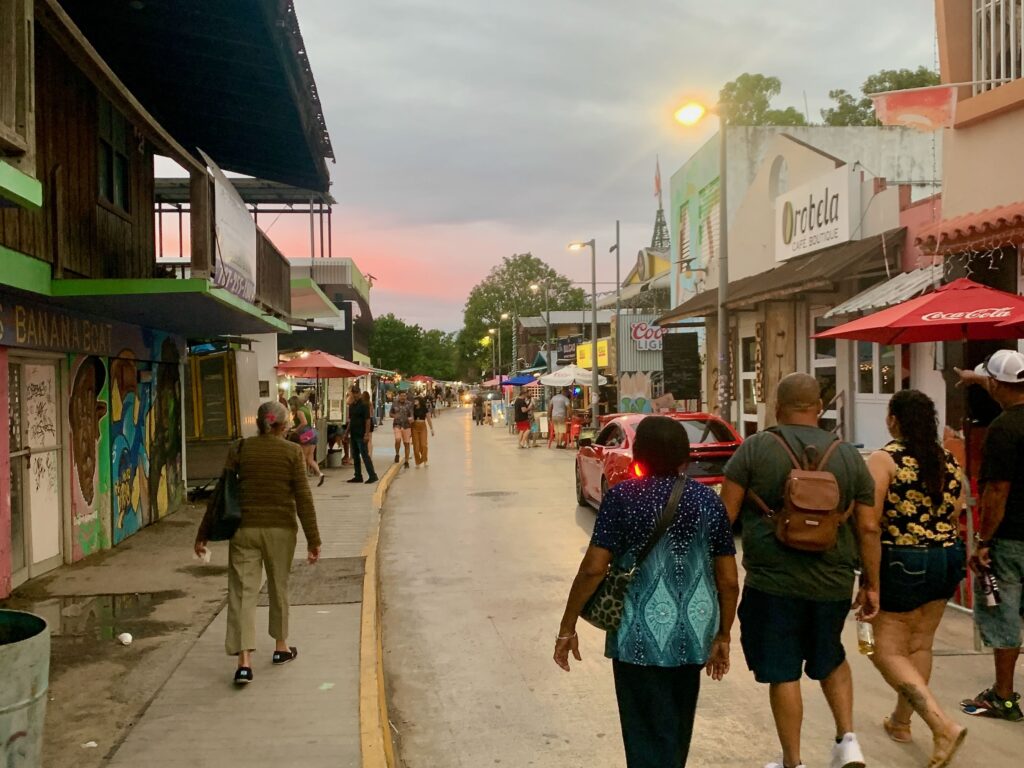
A historic waterfront pedestrian village that transforms into a lively festival every weekend, El Poblado de Boquerón is the vibrant cultural and social heart of Cabo Rojo.

Traditionally a sleepy fishing village, it has become famous for its outdoor kiosks where local vendors shuck fresh Boquerón oysters and clams right in front of you. The main road is lined with colorful, wooden Caribbean-style structures that house a mix of eclectic bars, seafood restaurants, and dive shops.

As the sun sets, the energy shifts toward a celebration of Boricua nightlife, with the sounds of salsa, reggaeton, and karaoke echoing from venues like El Shamar and Taberna de Boquerón. Because it sits directly adjacent to the Balneario de Boquerón, you can easily transition from a day of swimming to an evening of “chinchorreo” (bar hopping).
2. Street Art
The street art in Boquerón serves as a colorful visual narrative that showcases contemporary Puerto Rican expression. While San Juan’s Santurce district is often cited as the island’s mural capital, Boquerón has developed its own distinctive “open-air gallery” aesthetic concentrated within El Poblado.
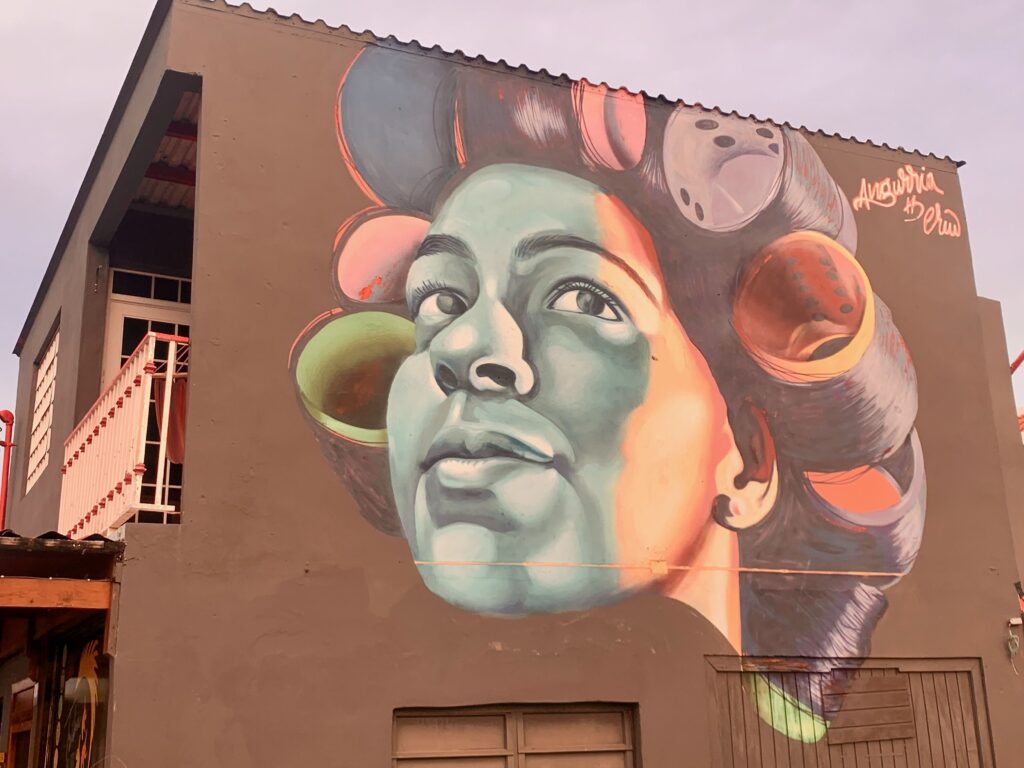


These art pieces do more than beautify the streets; they serve as cultural markers that celebrate the resilience and Boricua pride of the people along the southwestern coast.
3. Playa Boquerón
Playa Boquerón is widely regarded as one of Puerto Rico’s most iconic and well-maintained public beaches, distinguished by its Blue Flag certification. This certification is a prestigious, voluntary international eco-label awarded to beaches, marinas, and sustainable boating tourism operators that meet strict environmental, educational, safety, and accessibility standards. Administered by the Foundation for Environmental Education (FEE), this annual certification signals that coastal areas are high-quality, clean, and sustainable.

Managed by the Department of Natural and Environmental Resources, the beach spans a nearly mile-long crescent of calm, shallow turquoise water, making it a perfect destination for families and swimmers. You can also kayak and paddleboard here.
The area features extensive amenities, including designated picnic areas, gazebos, public restrooms, and showers. For those staying longer, the balneario offers a cluster of rustic villas and “cabañas” available for rent, allowing you to wake up just steps from the water.
4. Los Morrillos Lighthouse (El Faro)
Standing atop 200-foot-high limestone cliffs on the southwestern tip of Puerto Rico, Los Morrillos Lighthouse, locally known as “El Faro,” is an architectural and historical landmark within the Cabo Rojo National Wildlife Refuge. Completed by the Spanish in 1882, the lighthouse was designed to guide ships through the treacherous Mona Passage, the strait connecting the Atlantic Ocean and the Caribbean Sea. Its distinctive gray-and-white structure, featuring a cylindrical tower and an elegant neoclassical base, underwent a major restoration in 2002 to preserve its historic integrity while maintaining its function as an active lighthouse.
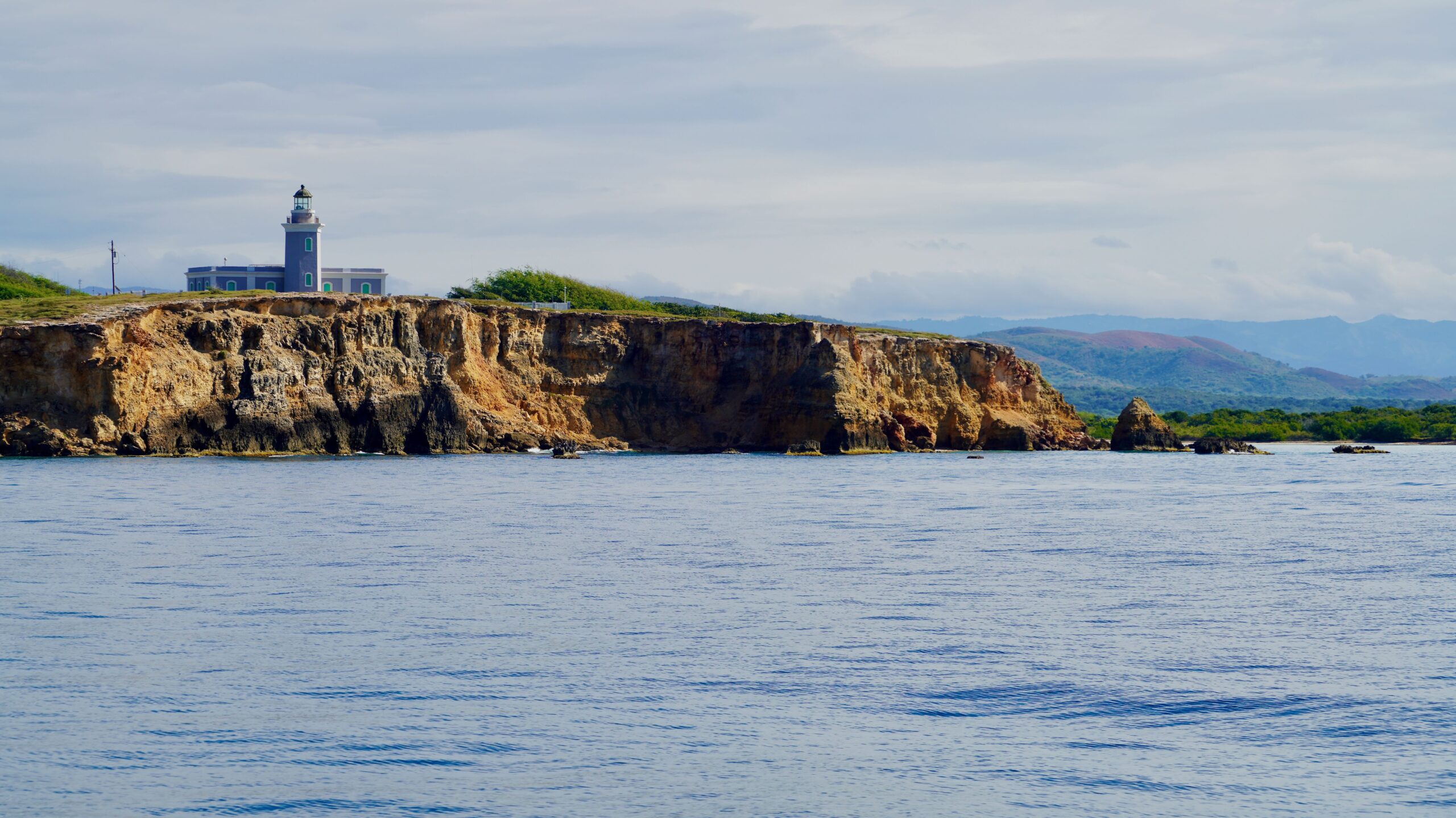
The site is equally famous for its natural surroundings. While there, you can walk along the rugged cliffside trails to see the “Puente de Piedra” (stone bridge), a natural limestone arch carved by the sea, and take in panoramic views of Playa Sucia (La Playuela) below. Because the lighthouse sits within a protected salt forest and mangrove ecosystem, getting there involves a scenic hike or a drive through the Las Salinas salt flats.
We got a fantastic view of it from our boat.
Other Things to Do in Boquerón
Cabo Rojo National Wildlife Refuge
Scuba Diving or Snorkeling the Wall
Las Salinas (The Salt Flats)
Playa Buyé and Playa Sucia (La Playuela)
Other Memories
Feral Cats
There were so many of them!
Like much of Puerto Rico, Boquerón faces a significant feral cat overpopulation challenge, mirroring the high-profile feline crisis in Old San Juan. In the southwestern region, these “community cats” are a common sight near El Poblado and the waterfront, where they are often drawn to the abundance of food from outdoor kiosks and tourists. While many visitors find the cats a charming part of the local atmosphere, their population growth poses serious concerns for public health and the delicate ecosystems of the nearby Cabo Rojo National Wildlife Refuge, where feral cats can prey on endangered bird species such as the Yellow-shouldered Blackbird.

The management of these colonies in 2026 relies heavily on Trap-Neuter-Return (TNR) programs led by local volunteers and regional non-profits. These organizations work to stabilize the population by sterilizing and vaccinating the cats before returning them to their territories. However, the problem is frequently exacerbated by “dumping”—where pet owners abandon unwanted animals in the village, mistakenly believing they will be cared for by the community. Efforts to address the issue remain a delicate balance between animal welfare advocacy and the environmental mandate to protect Puerto Rico’s native biodiversity from invasive species.
This particular cat wanted our dinner.

Where We Ate
Speaking of dinner, we dined at the Green Parrot and ordered Arroz con Gandules with plantains on the side. Delicious!

I’m not a big fan of oysters, but they are a seriously big deal here.
Shopping
Shopping in Boquerón is centered primarily around the El Poblado promenade. Notable local stops include boutiques like Ana Cristina’s Resort Wear and various gift shops along the main strip, where you can find unique souvenirs such as hand-carved coconut masks, local coffee, and hot sauces.
For a broader selection of traditional crafts, the town often hosts local artesanos who display their work during weekend festivals or evening street markets. These vendors sell everything from intricate lace (mundillo) to sculptures made from native Guayacán wood.
If you require more conventional retail stores, the Cabo Rojo Shopping Plaza is a 10-minute drive away on PR-100 and features familiar stores like Walgreens and local department stores.
We didn’t see any grocery stores in El Poblado, just a small mini market called Kolo’s on Calle Luis Muñoz Rivera. We also found one small chandlery called Pepmarine located on Calle Estación. It’s not large, but it’s surprisingly well stocked for such a small town. Both are open seven days a week, but check their hours for current closing times.
Accommodations
The options in Boquerón range from large-scale beachfront resorts to intimate, locally-run “Paradores.”
For many, the Aquarius Vacation Club at Boquerón Beach Resort is a first choice, offering direct gated access to the Balneario, a private water park, and spacious suites with full kitchens. If you prefer a more boutique, modern atmosphere, you might consider the BOHO Beach Club, known for its stylish poolside amenities and proximity to the town’s nightlife.
For a more traditional Puerto Rican experience, the area also features several Paradores—government-certified inns that emphasize local culture, such as Parador Boquemar, located in the heart of El Poblado.
Beyond traditional hotels, Boquerón has seen a rise in unique eco-lodgings and vacation rentals, including luxury villas at EcoMar and rustic hillside cabins at Hacienda Tres Casitas, which offer panoramic views of the “Porta del Sol” landscape. As of this writing, nightly rates typically start at around $90 to $150.
We stayed on our boat in the Boquerón anchorage.

Getting There
Getting to Boquerón typically begins with a flight into one of the island’s two main airports. The most common entry point is Luis Muñoz Marín International Airport (SJU) in San Juan, which handles the majority of international and domestic traffic. From San Juan, the drive to Boquerón takes approximately two-and-a-half to three hours. Travelers usually take the scenic PR-52 south toward Ponce, then continue on PR-2 west, or opt for the northern route via PR-22, which offers coastal views before heading south through Mayagüez.
Alternatively, you can fly into Rafael Hernández International Airport (BQN) in Aguadilla. This airport is only about 45 to 60 minutes from Boquerón via PR-2 and PR-100.
We sailed there on our catamaran.
Getting Around
Renting a car is highly recommended, as public transportation and rideshare options like Uber are infrequent in this rural region. If you do rent a car, you can use a large public parking lot that serves the beach for a fee of approximately $3 to $5. However, you should know that street parking in El Poblado fills up quickly, especially on weekends.
You can also utilize local públicos (shared shuttles) or private taxis for short trips, though these often require cash and advanced coordination. For a more leisurely pace within local resorts or designated areas, golf cart rentals are an emerging trend for navigating the narrow coastal roads.
The village itself is highly walkable and best explored on foot to enjoy the street kiosks, restaurants, and bars. Similarly, the Balneario de Boquerón is within walking distance of the main strip.
We walked throughout the town without any issues.
Final Thoughts
This coastal gem has successfully balanced its surge in popularity with a deep commitment to sustainable tourism and slow travel. As the island continues to break tourism records, Boquerón stands out by maintaining its “Poblado” charm.
Expanded eco-certified lodging and interpretive nature programs at Las Salinas are also helping preserve the region’s delicate mangrove and coral ecosystems for future generations.
A visit here is more than just a beach vacation; it is an invitation to witness the Boricua spirit in its most grounded and vibrant form.
You can see a map of Boquerón here.

Originally experienced in February of 2024; content refreshed in March of 2026.