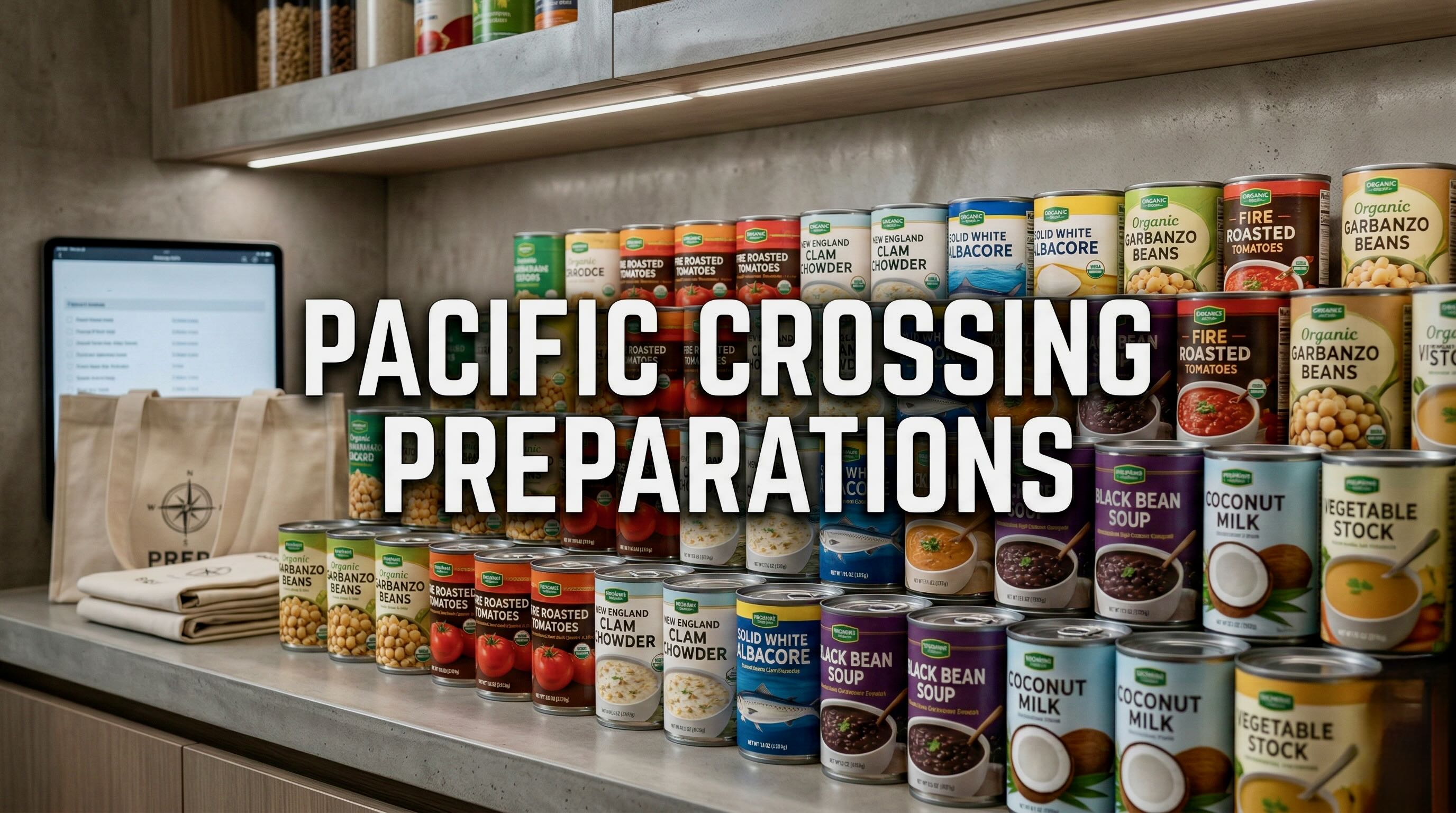
For all sailors, preparing to cross the vast expanse of the Pacific Ocean is a test of meticulous planning and mental fortitude. Before casting off, every system on board must be scrutinized, from upgrading the rigging to provisioning enough stores for weeks at sea. Charting the route—hopefully catching the trade winds out of Panama, pausing in the Galapagos, and setting a long course for the pristine atolls of French Polynesia—requires a deep respect for weather windows and ocean currents.
For us, all of this preparation started months in advance. But in the end, it gave us the opportunity to enjoy our ultimate sailing adventure.
DISCLAIMER: Please do not use this as the ultimate checklist. Every boat and crew is different. I am writing this in the hope that it gives you a glimpse of what worked for us.
That aside, here goes.
1. Crew
Our goal was to have at least four crew members (including the captain) for safety and a reasonable watch schedule. Luckily, we were able to have a family member join us. Great! Now just one more spot to fill.
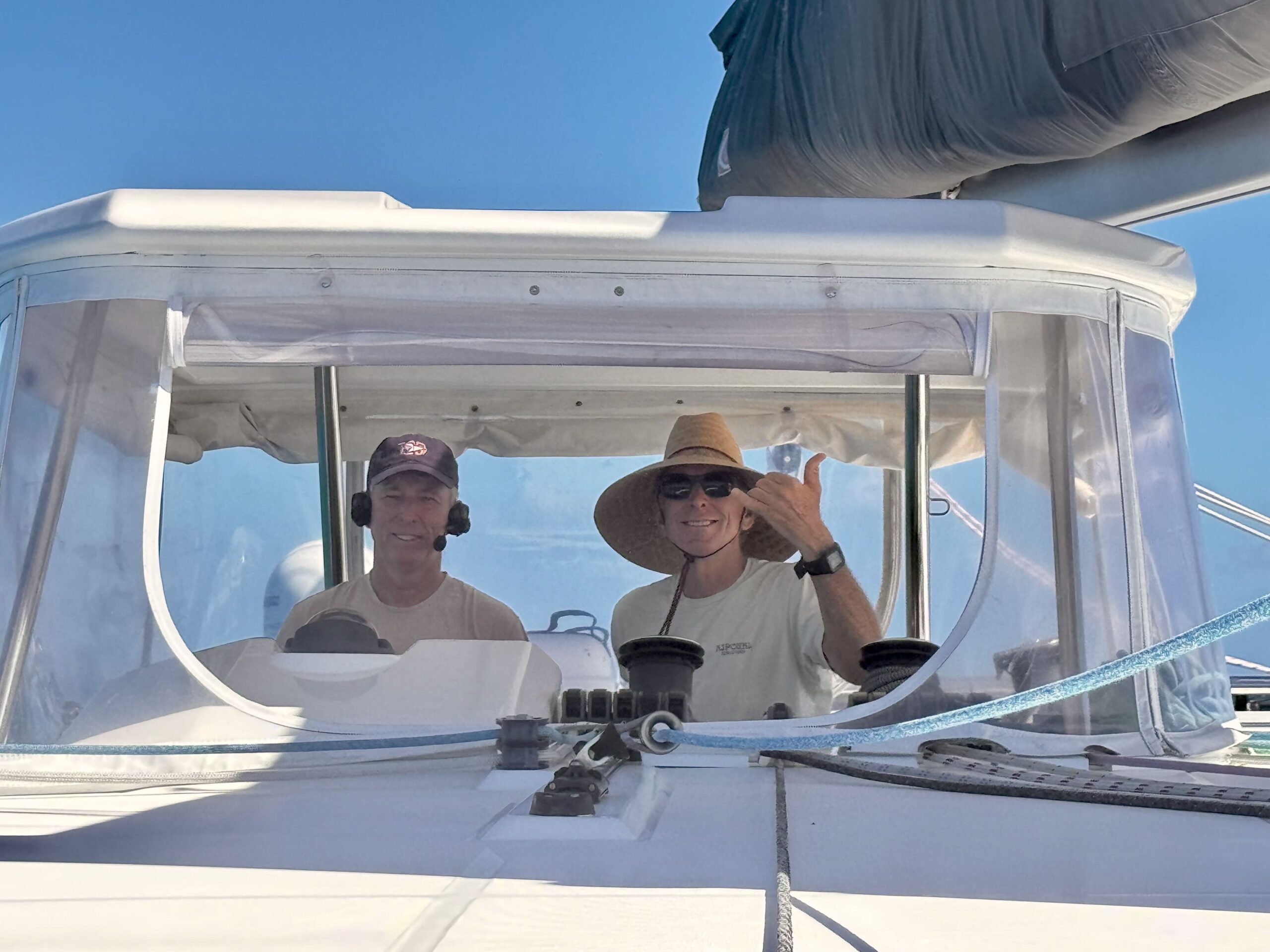
Without question, the best place to get crew members is through your own personal network. When our attempts ran dry, we turned to various crew-finding websites and found someone there. (We obviously did some due diligence by checking references. We also knew a professional captain who had sailed with him, and he reassured us this would be a good fit.)
We also saw people seeking crew positions in both Panama and the Galápagos Islands. Check the posters at marinas and No Foreign Land and spread the word. You might get lucky. But again—check references because 18 to 30 days is a long time to share a boat with someone.
2. Boat Readiness
We knew that before facing the Pacific, our boat had to be in pristine condition. The reality of a Pacific crossing is that once you leave the mainland, marine chandleries and haul-out facilities become incredibly rare and expensive. Moreover, systems break on long passages. It is inevitable. We wanted to cover all our bases to minimize the risks while underway.
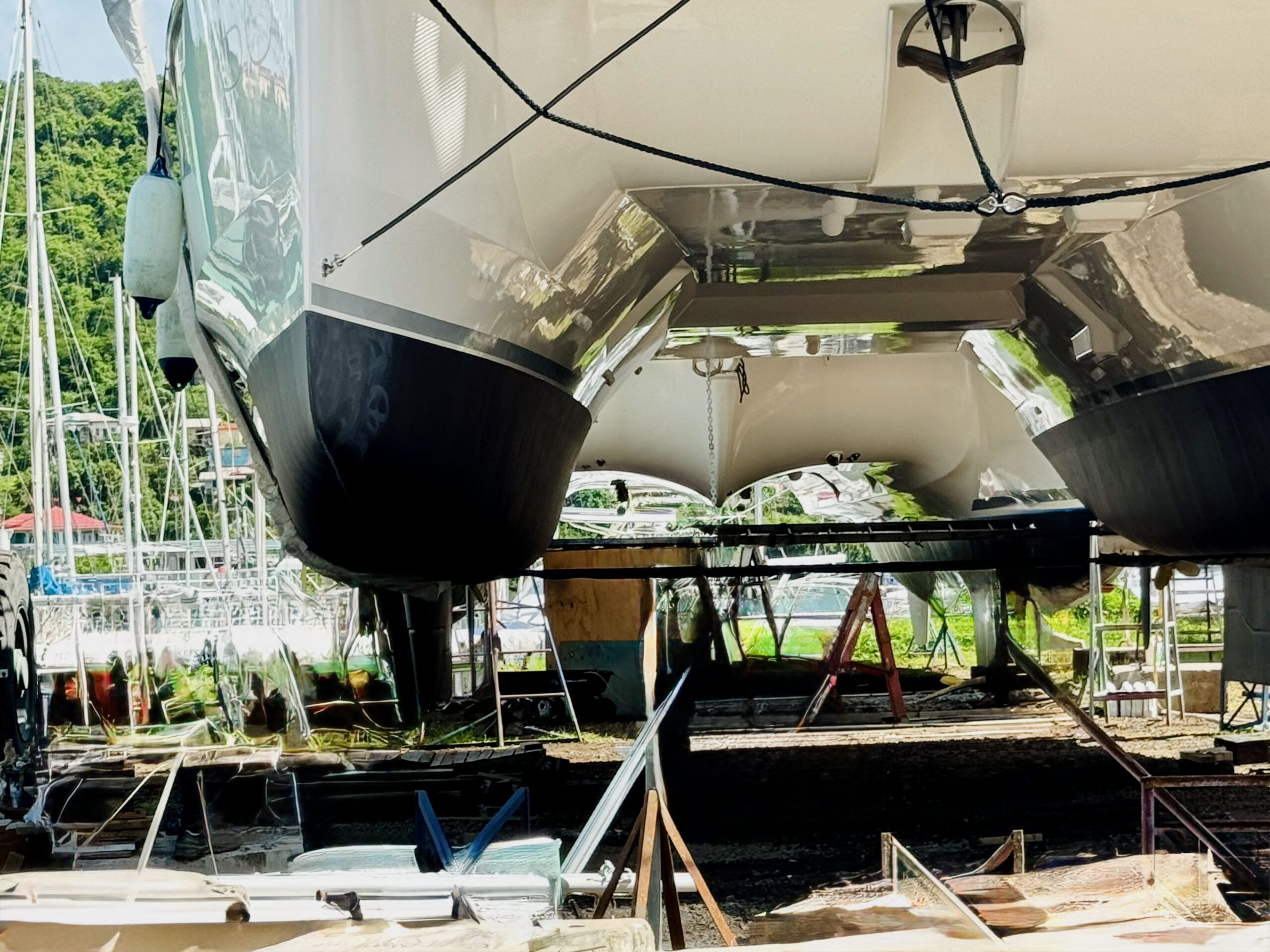
So while in Grenada, we put our boat on the hard and got busy.
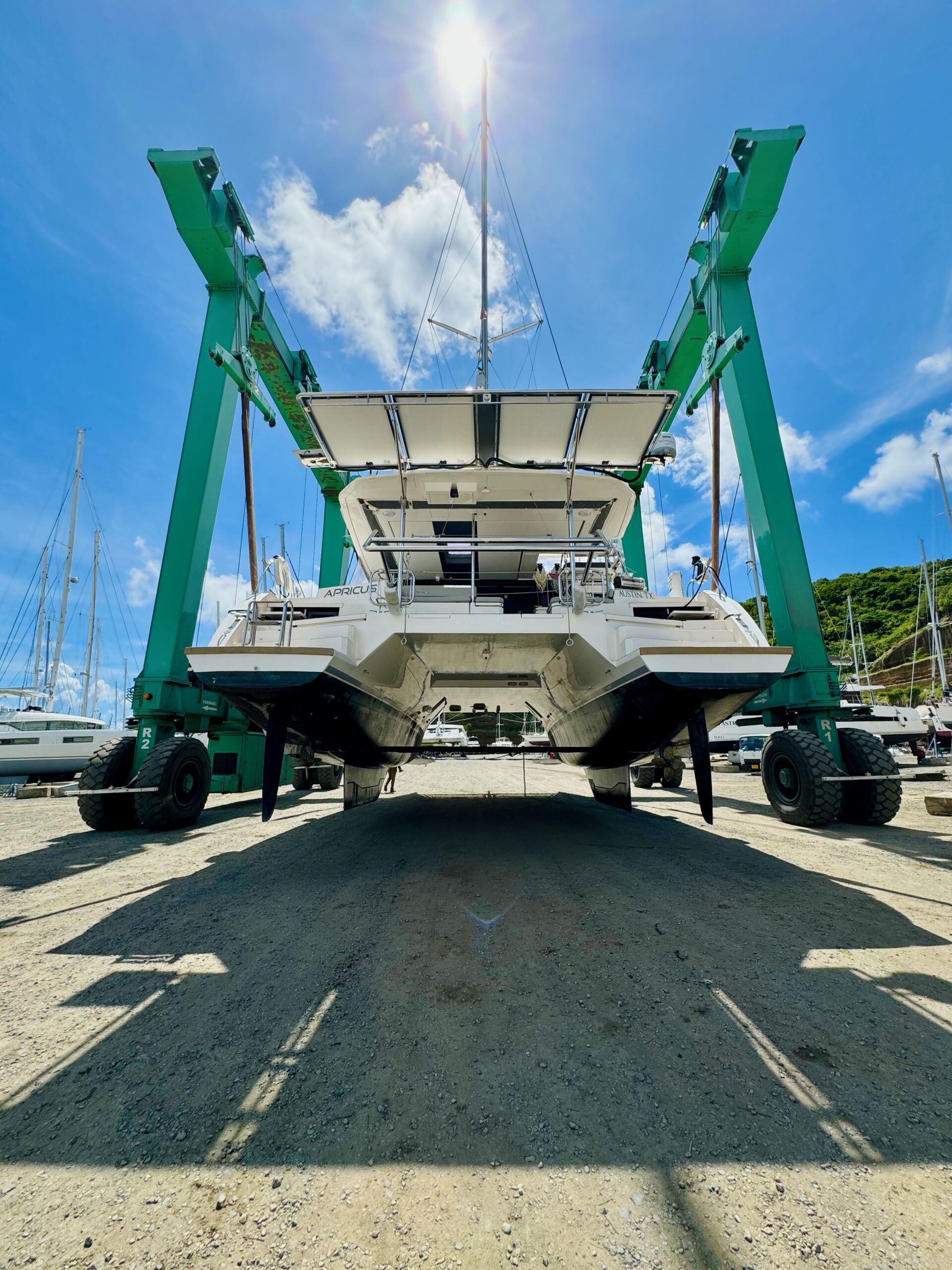
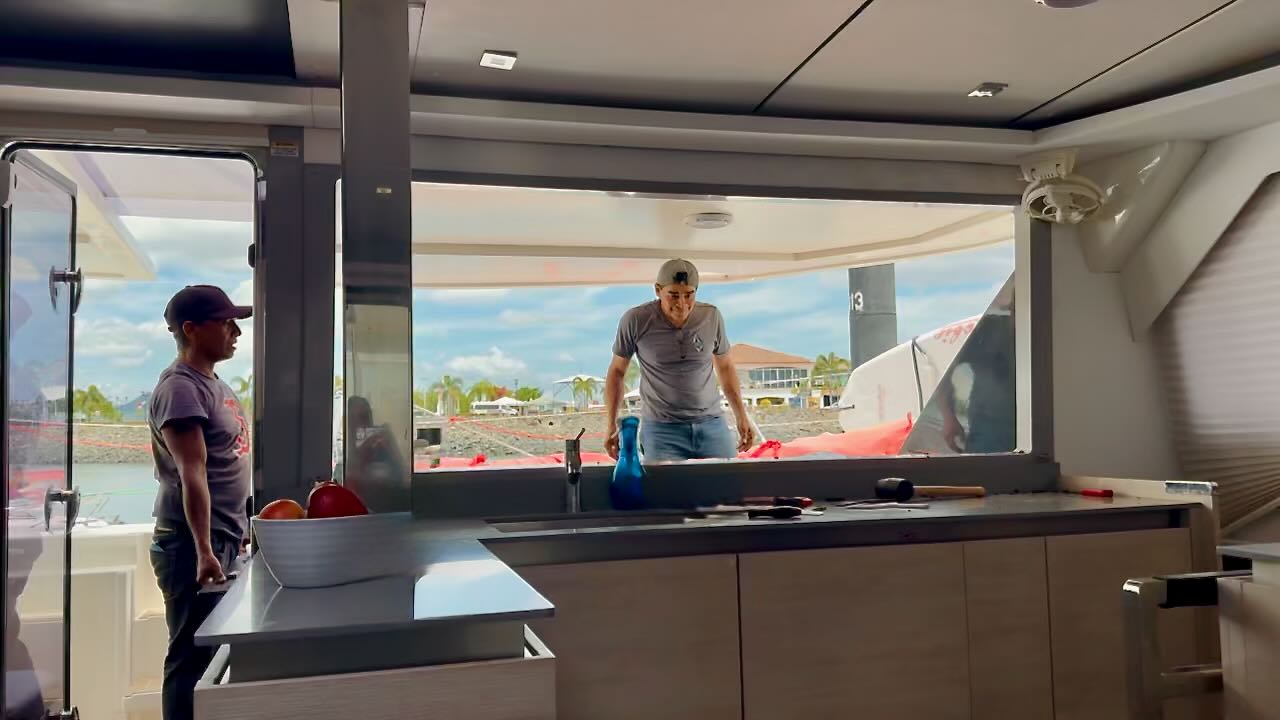
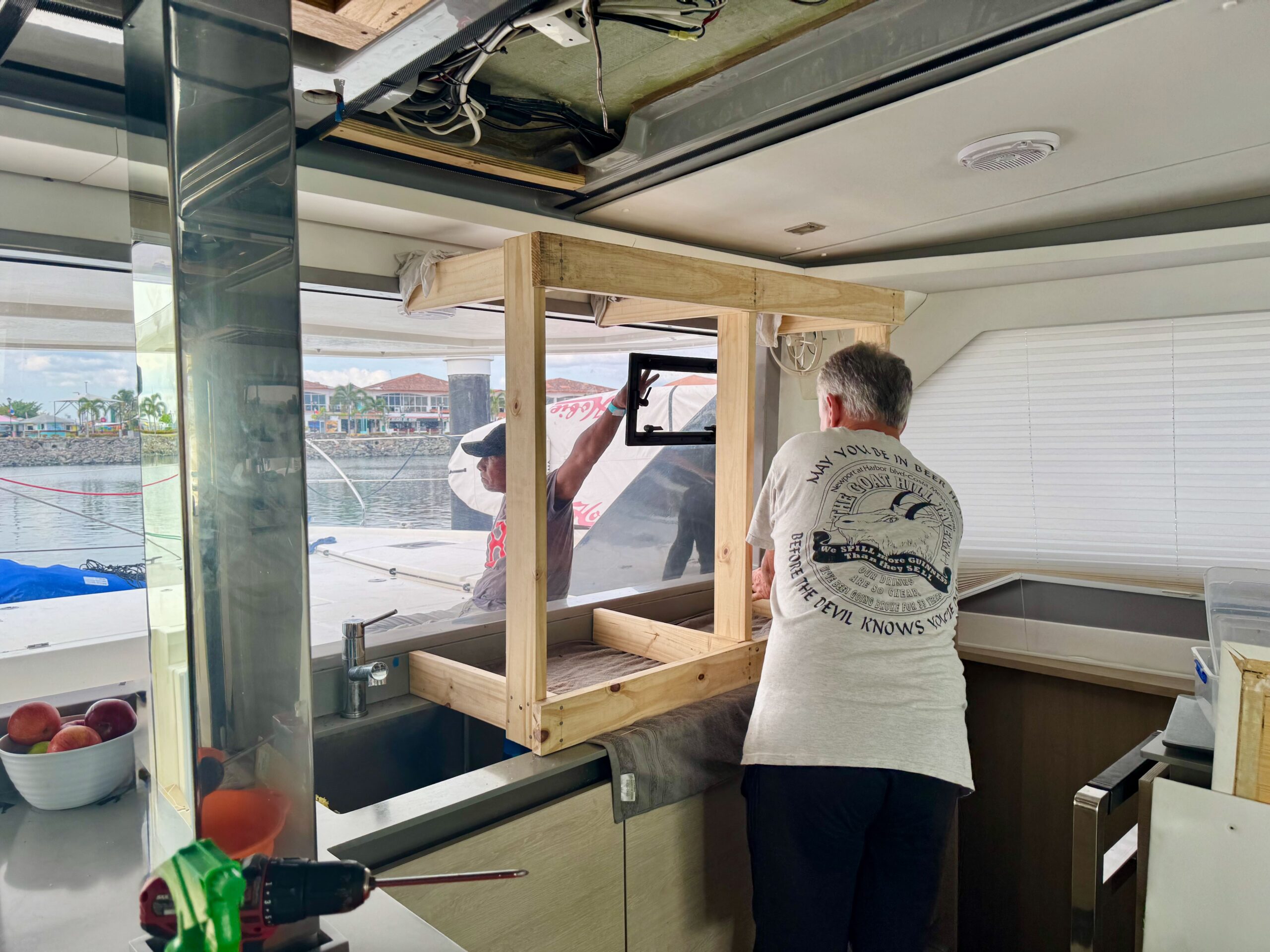
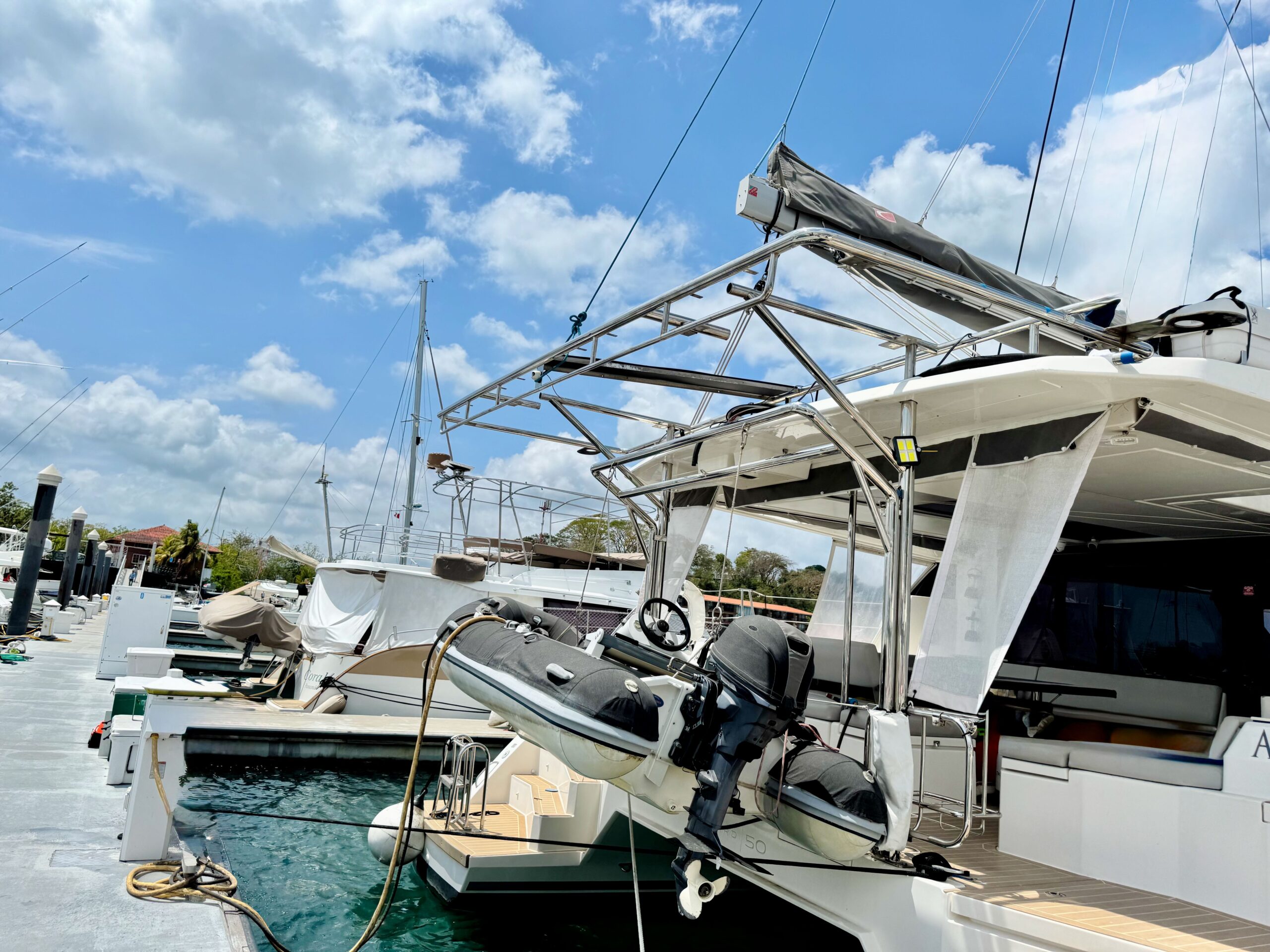
Here are some things we had done either in Grenada and/or once we arrived in Panama City:
Rigging and Sails
- Had the rigging inspected and adjusted
- Inspected the sails and had some repairs done
- Bought a new Code Zero sail
Safety
- Had the life raft inspected/re-certified
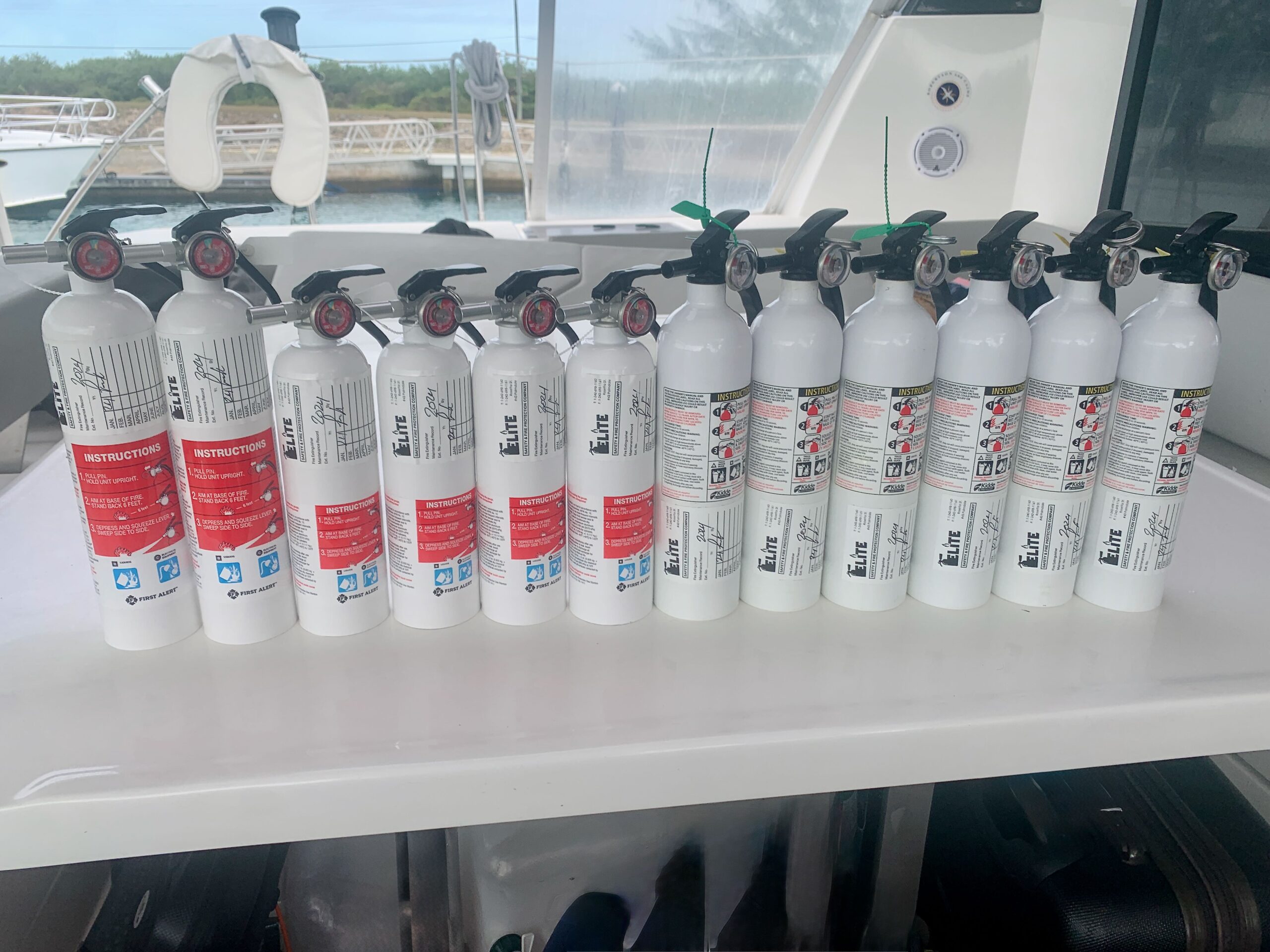
- Had all fire extinguishers inspected/re-certified
- Added a FLIR (thermal) camera for night watches
- Bought additional ocean-rated personal flotation devices (PFDs) and personal locator beacons (PLBs)
- Checked all existing EPIRBs/PLBs
- Checked and resupplied the ditch kit and first aid supplies
- Installed and learned Open CPN as a backup navigation tool for the Tuamotus passages
- Inspected and adjusted our jacklines
- Joined Ocean Posse, the French Poly Cruisers Facebook group, and some WhatsApp groups to gain tips from others who had already made the journey
Mechanical Systems
- Had all engines serviced, including the generator
- Had the sail drive serviced and seals replaced
- Reinforced our steering column
- Serviced all winches and the windlass
- Verified all systems were in perfect operating condition
Electronic Systems
- Checked all communication and electronic systems to make sure everything was in good working order
Redundancy
- Added a second autopilot (direct drive)
- Added a second watermaker
- Bought a portable solar cooker
- Topped off our propane for our built-in propane stove (even though my primary, countertop cooktop is electric)
- Tested our portable VHF
- Bought a spare winch handle
- Bought paper charts for the passage (already had two sextants)
- Secured multiple weather reporting sources
Other
- Bought a portable backup generator
- Removed, serviced, and rotated our anchor chain
- Added solar panels (bringing us up to 4,100 watts)
- Inspected all windows and did some related re-bedding
- Applied fresh bottom paint
- Compounded and waxed the fiberglass
- Inspected and cleaned all stainless and other metal parts
- Stocked up on spare parts, including rigging components
3. Provisioning
Speaking of stocking up, Panama City is the last major metropolitan hub for provisioning until you arrive in Tahiti, and even there, you will struggle to find some items you may be accustomed to. Add to that the difficulty of getting shipments in French Polynesia—even in Tahiti—and it is a good idea to stock up before leaving the Americas.
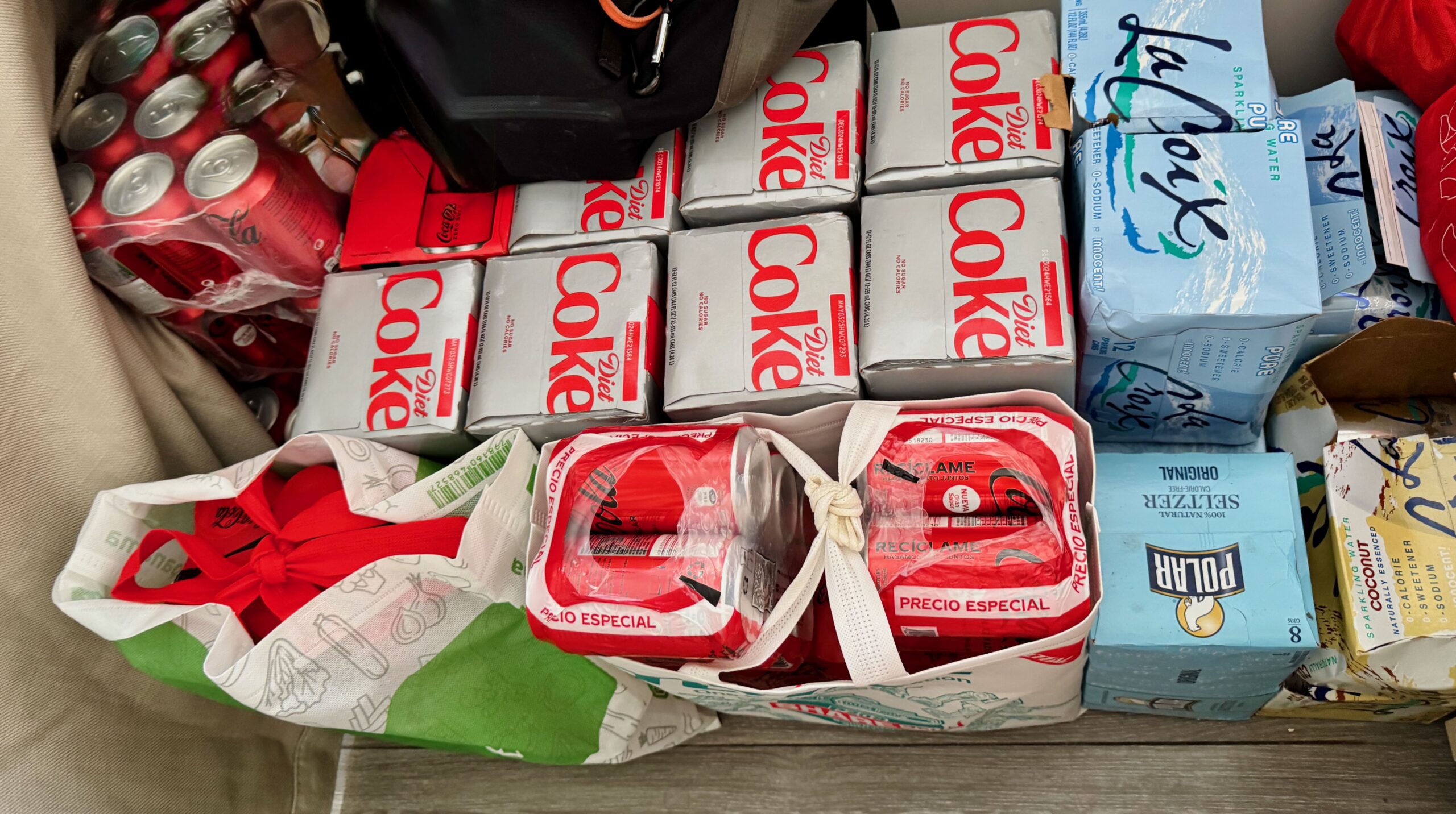
Our goal was to provision for six months of independence. This involved bulk-buying dry goods, frozen chicken, canned foods, and cleaning supplies. We also made sure not to overbuy fresh produce and that any produce we did buy had not been refrigerated by the retailer (fresh from the grower, unrefrigerated, lasts longer).
Everyone’s diets are different, so I won’t assume I can advise you what—and how much—to buy, but here are some of the things we focused on.
I created a tentative meal plan and made a detailed list of where everything was stored so that crew members could easily find it:
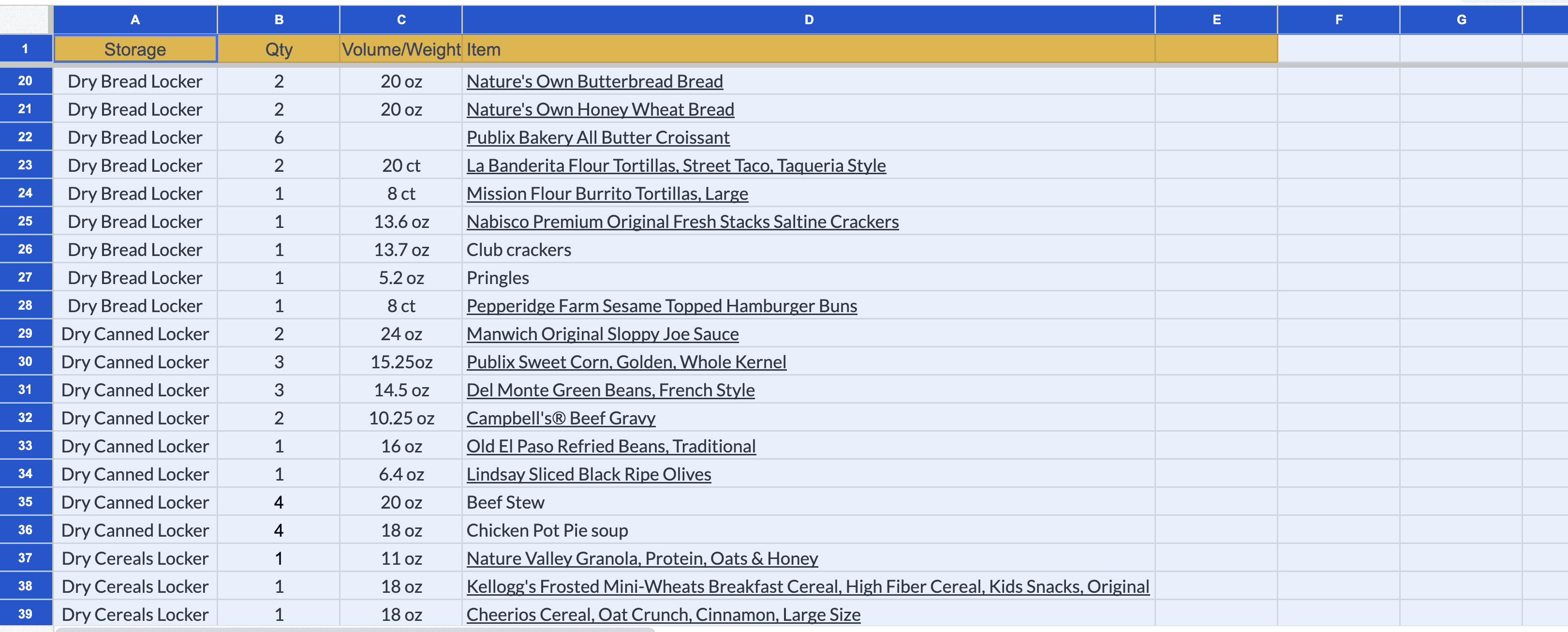
Food and Drink
Breakfast
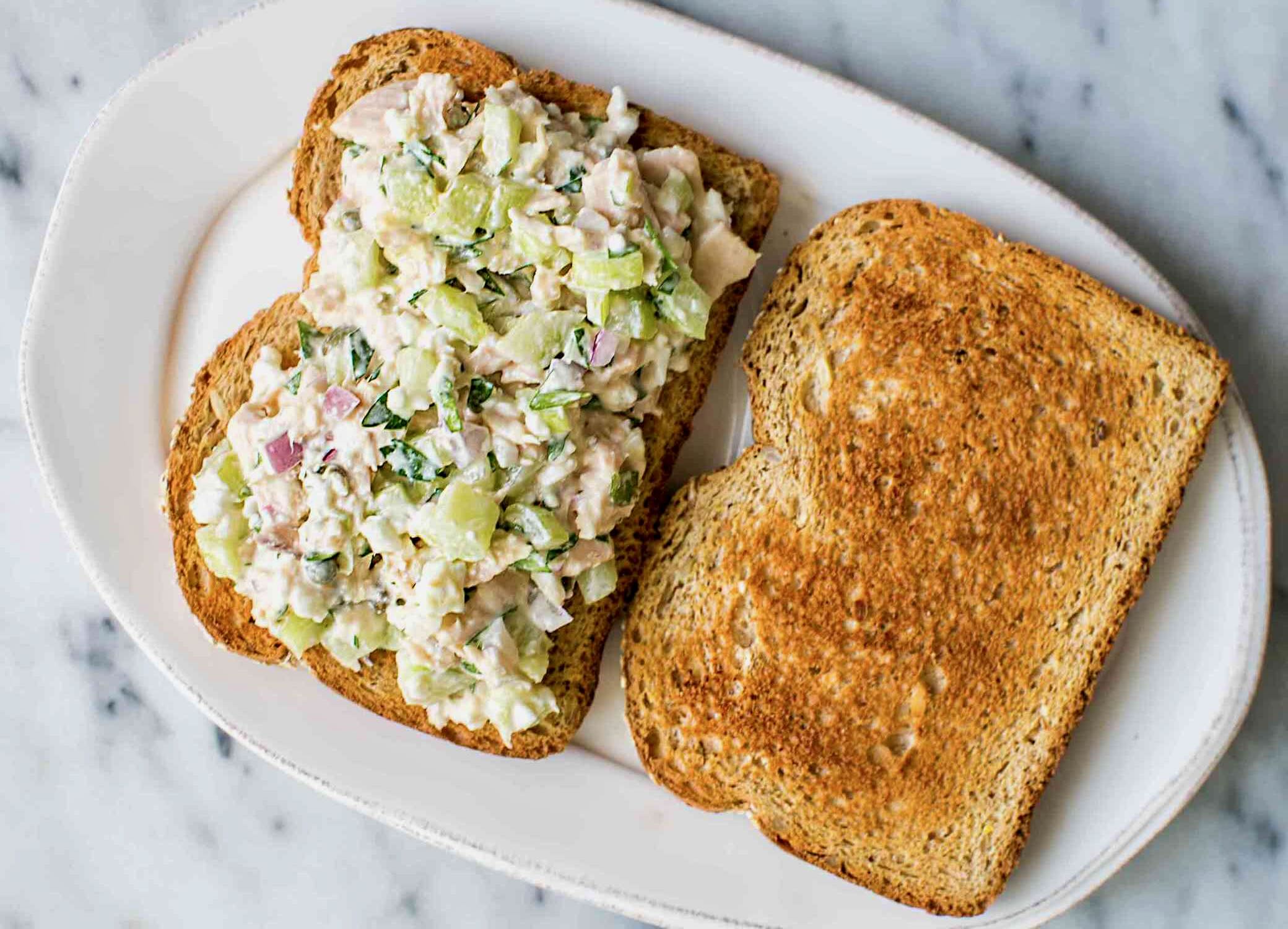
- Eggs for omelets (if bought on the shelf, you can leave them out, saving valuable refrigerator space)*
- Oatmeal and Muesli
- Frozen berries
- Granola bars
- Bulk coffee (we would have had a mutiny without this)
- Shelf-stable milk
Lunch
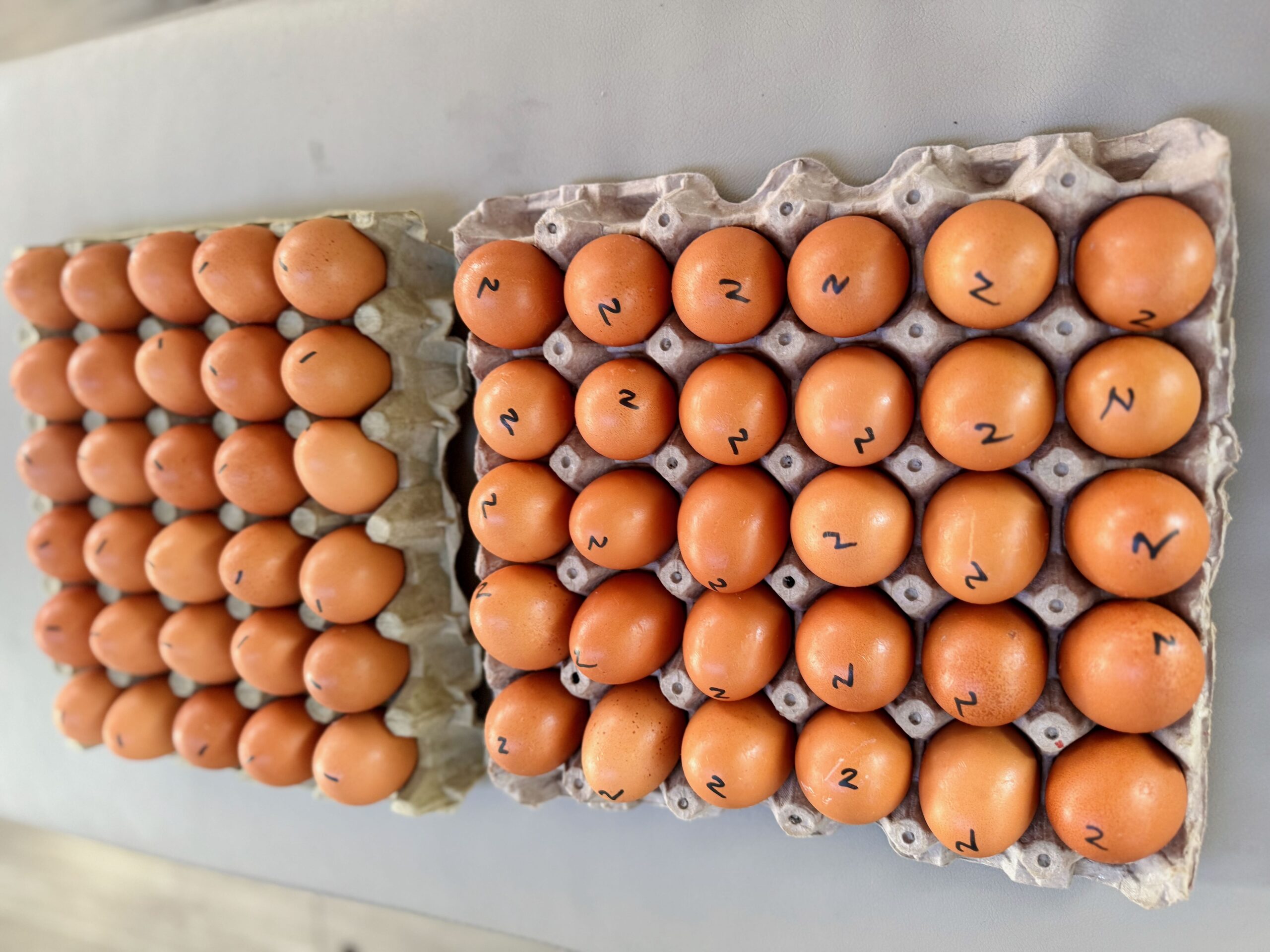
- Tuna fish and chicken (canned), mayonnaise, and pickles for sandwiches
- Meats and cheeses for sandwiches
- Bread, which we froze in our Dometic freezer (unlike refrigerating bread, freezing it doesn’t change its density)
- Tortillas (they last a long time)
- Apples, oranges*
- Condiments
Dinner
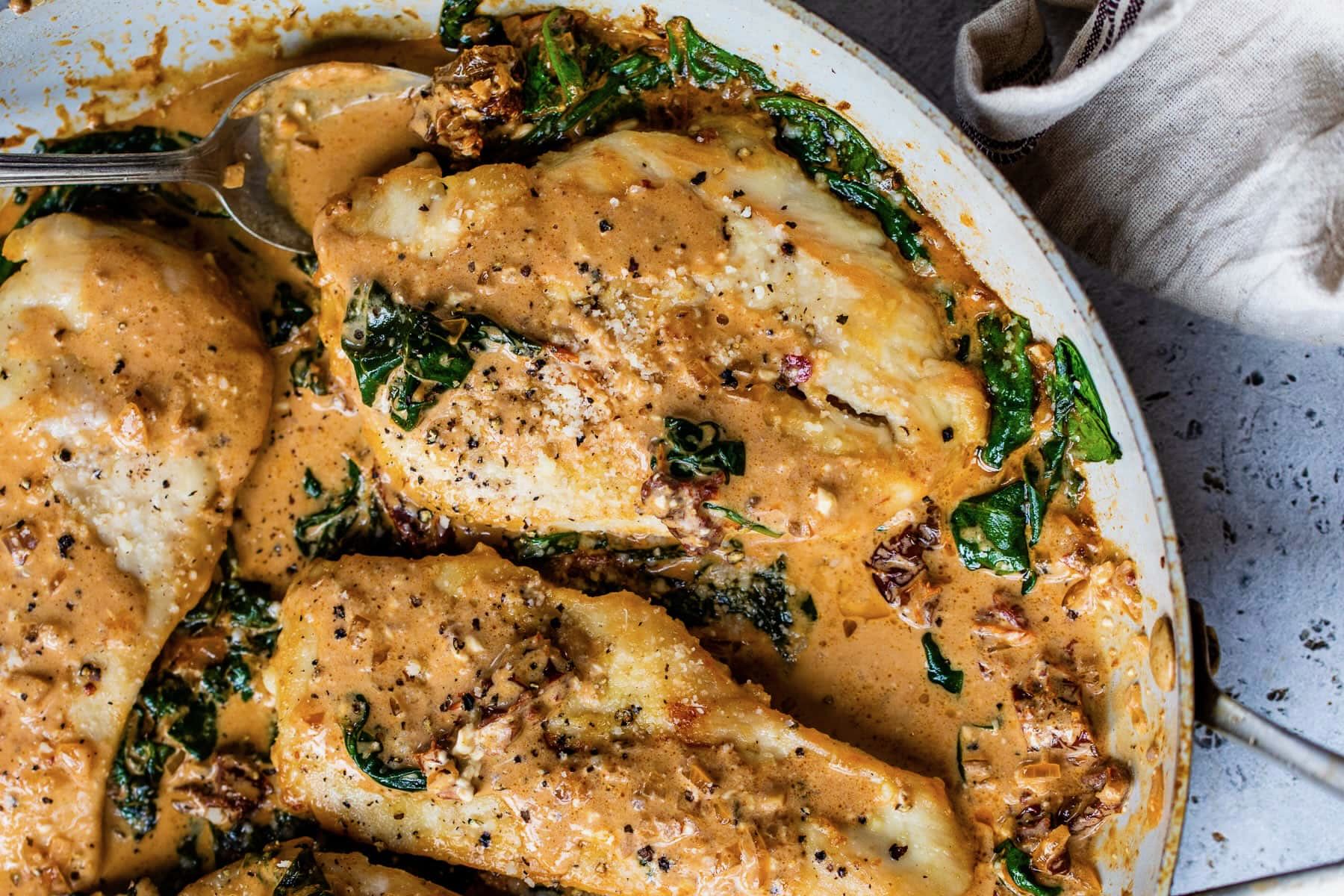
- Chicken, which we froze in our Dometic freezer. We bought 93 pieces and individually bagged them.*
- Dry pasta and canned or bagged pasta sauces
- Red and green cabbage, instead of lettuce, for salads (stored properly, cabbage can last weeks)*
- Ingredients in bulk containers for vinaigrette dressing. This reduced the amount of plastic bottle waste (more on that later).
- Canned vegetables and fruit (we didn’t remove the labels, but some people do). We wrote the expiration dates on the top of the cans.
- Frozen vegetables
- Some quick-serve canned meals in case the weather got rough
- Herbs and spices
Snacks and Seasickness
- Chips
- Nuts*
- Granola bars
- Sodas for those who wanted them
- Crackers, Dimenhidrinato 50 mg (Dramamine), and ginger ale for seasickness
And, of course, lots of water. We stocked both individual water bottles and a few large jerry cans.
*If going to the Galápagos Islands, make sure to read about their requirements
Storage Tips
- Remove all cardboard and unnecessary packaging before bringing it onto the boat
- Freeze all dry goods (pasta, rice, flour, etc.) for at least a week to prevent bug infestations
- Cut baguettes into desired portions before freezing them (I typically section them into thirds)
- Divide loaves of bread into usable portions(1/4th or 1/3rd), as separating them after freezing gets more difficult
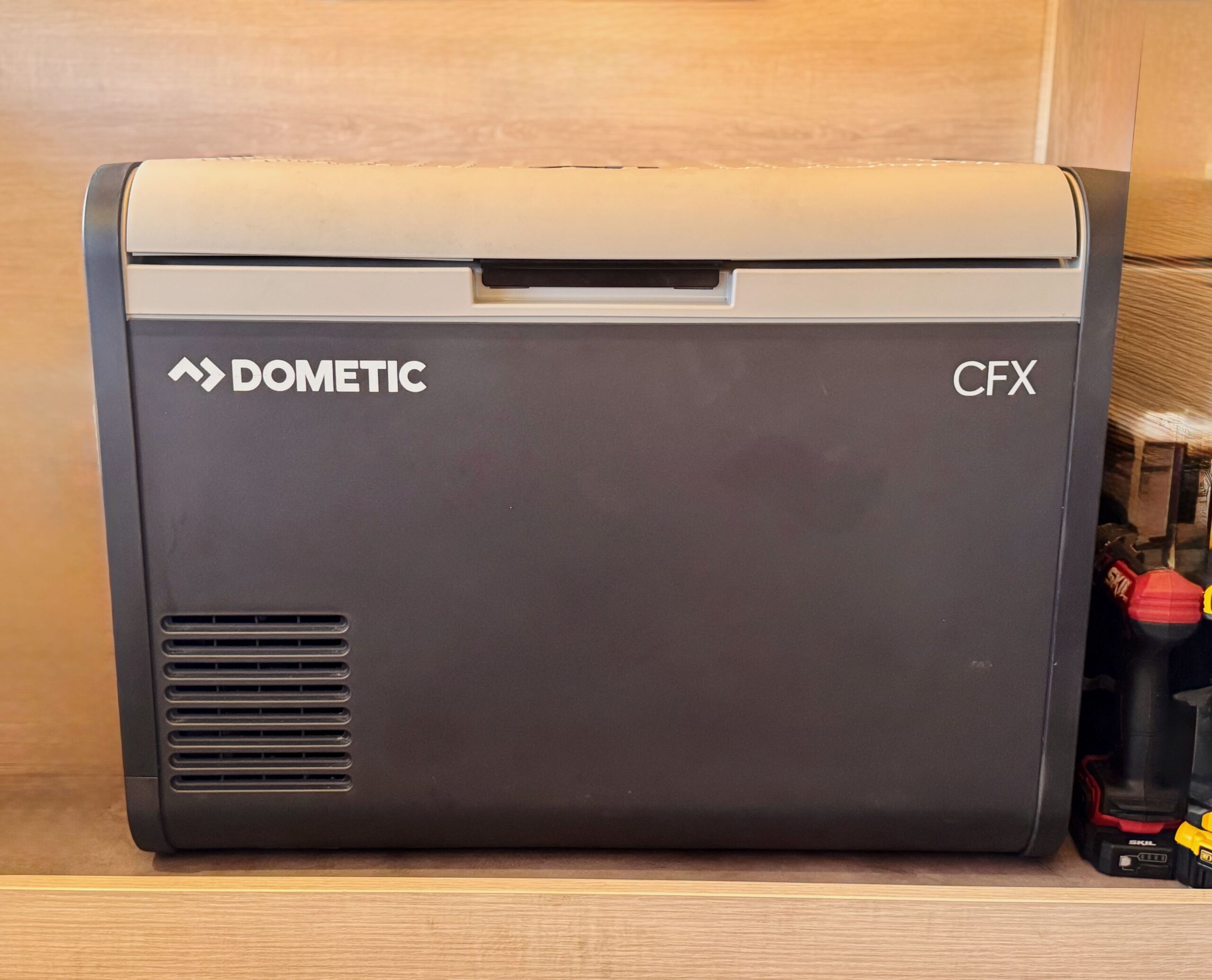
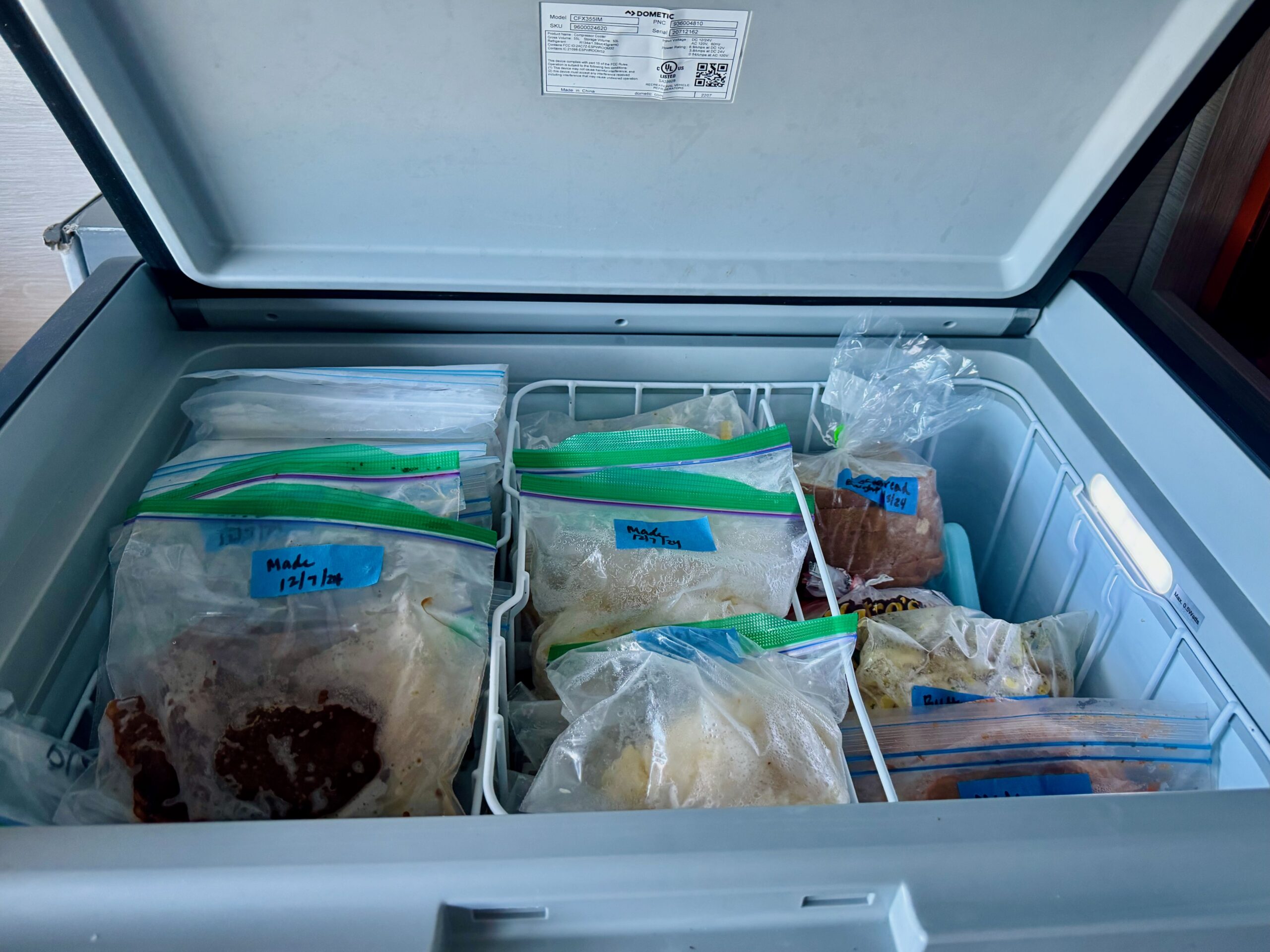
On our passage from Grenada to Panama, I cooked and froze a bunch of meals to test out the “frozen meal method.” In the end, I wasn’t happy with how they turned out, so I do this for the Pacific crossing (this works great for some people, so try what works best for you). Instead of freezing meals, I filled the freezer up with chicken, frozen vegetables, and bread.
Other Provisions
- Paper towels (but I prioritized using cloth wipes, to reduce waste)
- Toilet paper
- Trash bags in different colors
- Bar soap (instead of bottled shower gel) and shampoo bars
- Alkaline batteries (various types)
- Medications (Puerto Ayora in the Galápagos Islands is also a good place for this)
I’m sure I left out a fair amount, but I think that gives you the gist. In the end, we determined that we way over-provisioned, but I think what we bought worked out really well for us.
Where to Provision
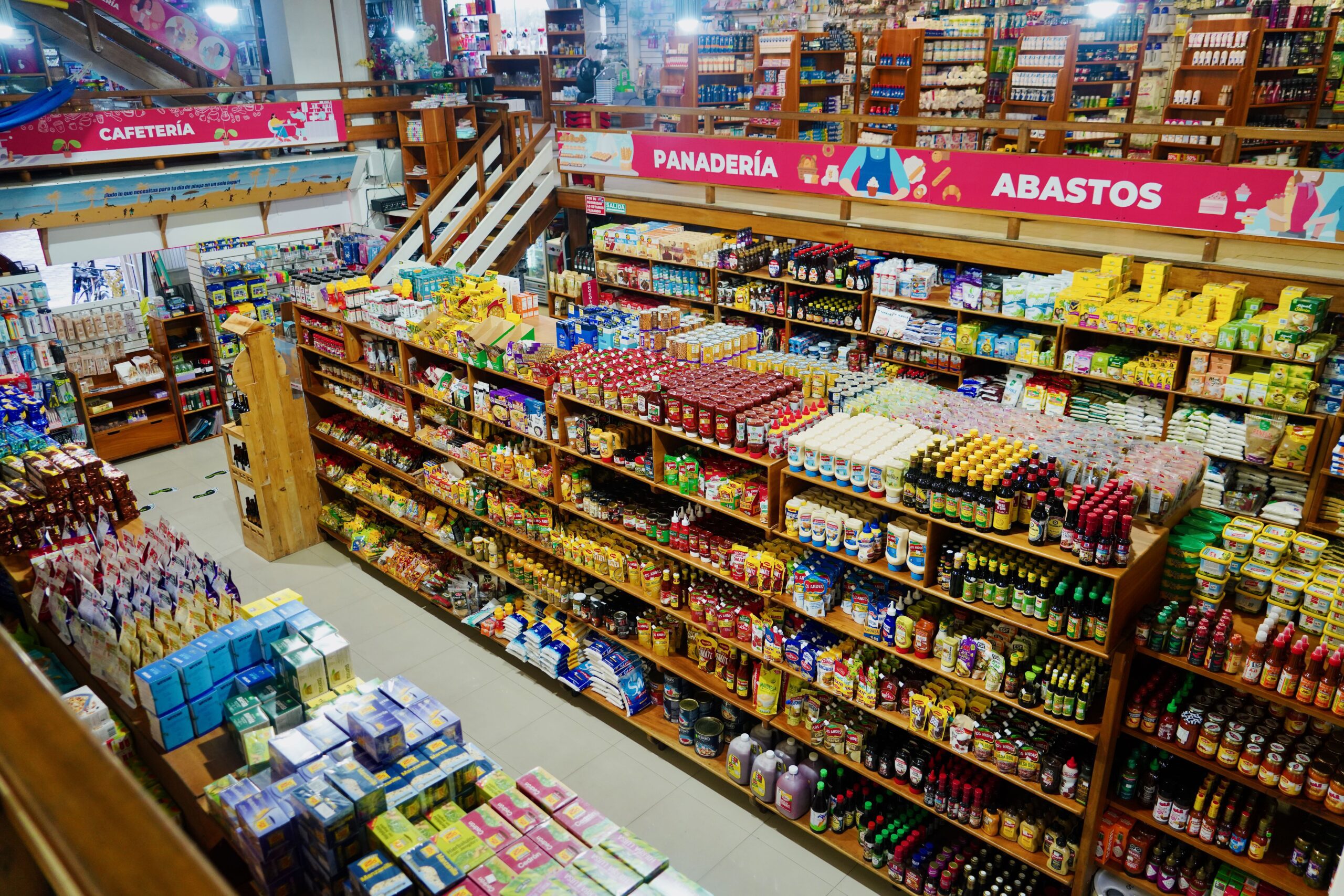
Panama City has fantastic grocery stores, most notably Riba Smith and Supermercado Rey.
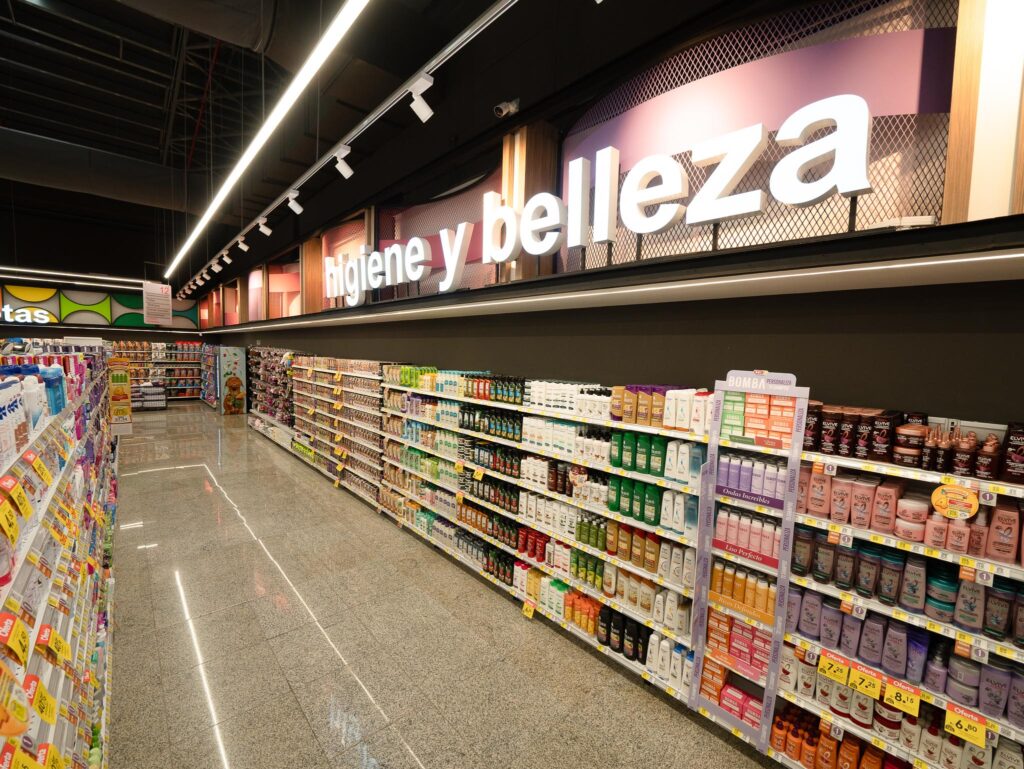
When in Panama City, we also highly recommend provisioning at PriceSmart, which was started by the founders of the original price club that merged with Costco. That’s where we did all of our major provisioning for bulk items.
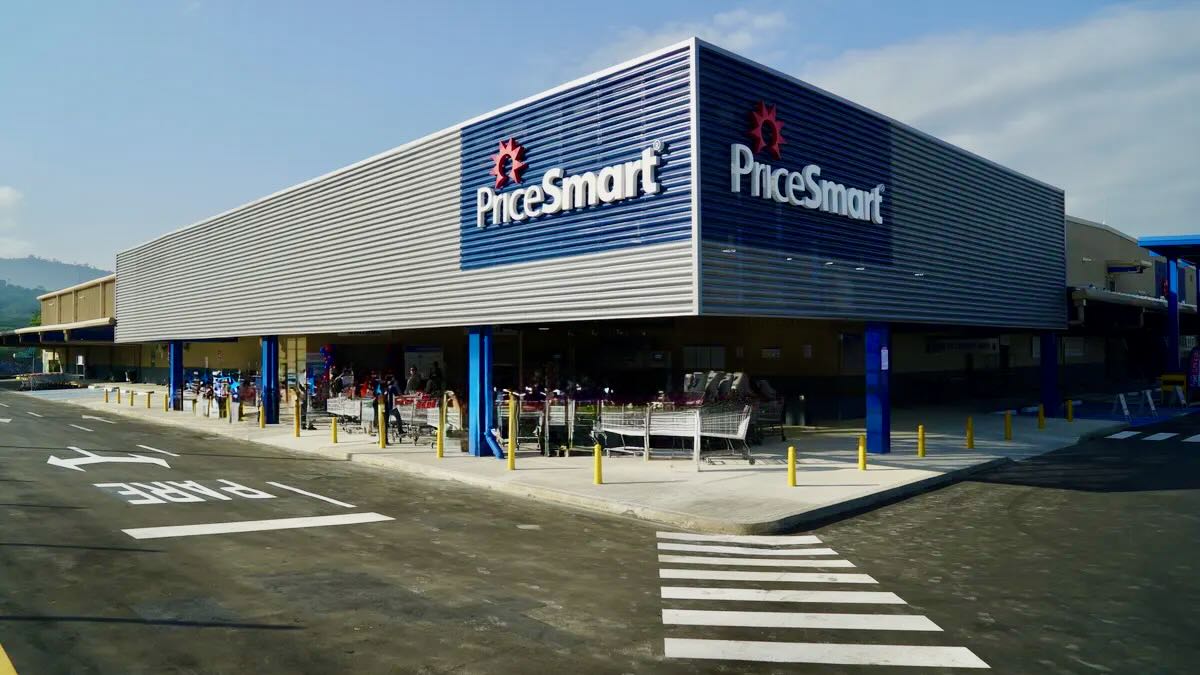
Note: Anyone who wants a PriceSmart membership must be present in person; there is no online sign-up option for family members.
If you are stopping in the Galápagos Islands, there is a surprisingly well-stocked market in Puerto Ayora: Proinsular Market.
4. Fuel
This is so important that it gets a provisioning category all its own. Having enough spare fuel on board is imperative, especially when facing the doldrums.
Our two tanks hold 240 gallons of fuel. We wanted to have double that for our Pacific Crossing, so we filled jerry cans with an additional 240 gallons.
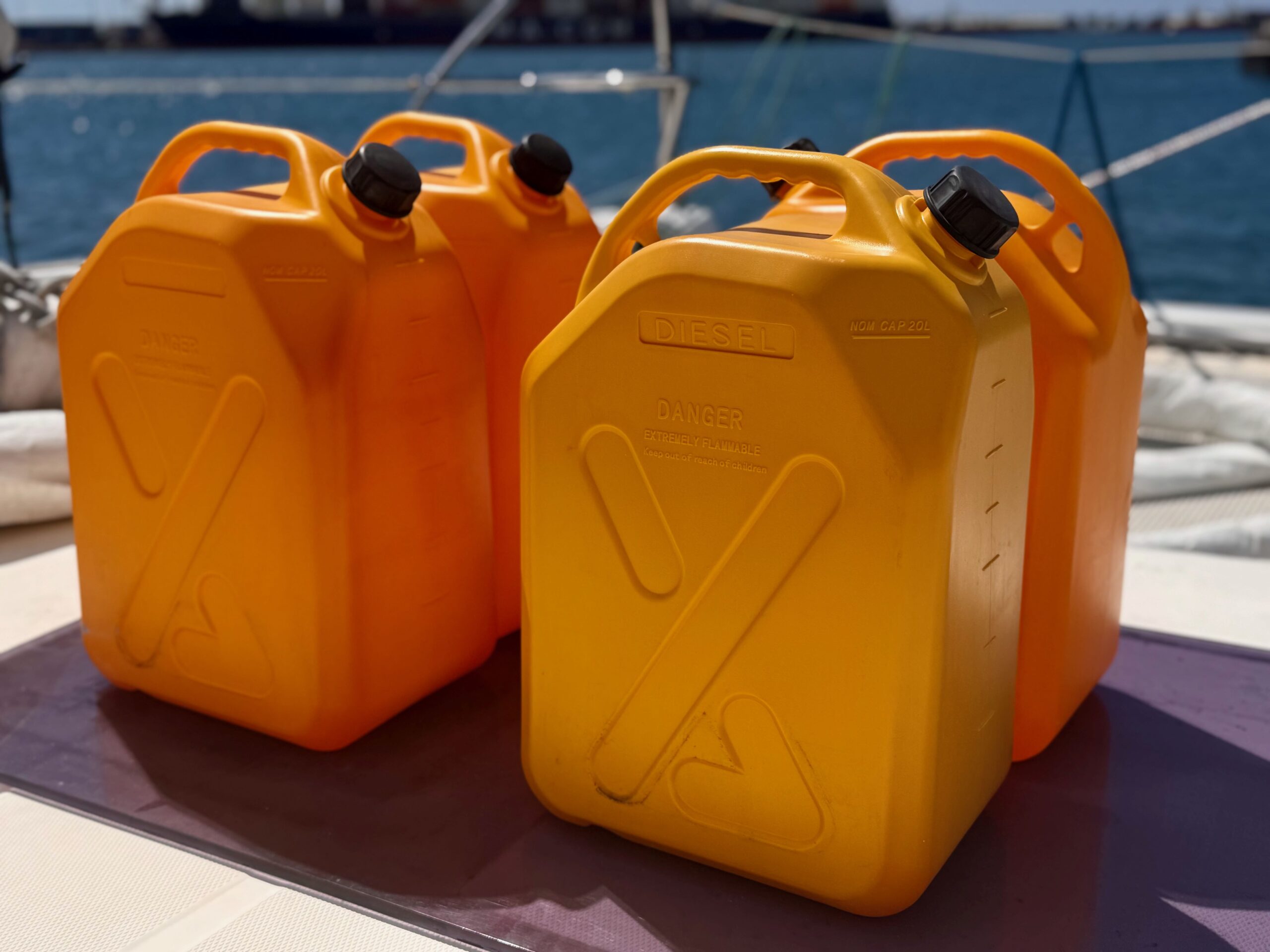
In addition to diesel, we had some cans of fresh gasoline for our dinghy and backup generator.
5. Other Preparations
- Downloaded plenty of music, offline games, and audiobooks to keep us entertained. Even though we do have an offshore Starlink plan, it gets expensive.
- Created a plan for waste management. This is a big deal while on passage, as I prefer not to share my boat with stinky, decomposing garbage or even overflowing bags of clean trash. That meant buying in bulk and reducing the amount of plastic we brought.
- Captain Roy checked the weather daily. We also engaged the weather routing services of MWxC (Chris Parker) for this crossing.
- Put non-slip mats and SquidCup cup holders on the counters
- Shared our route plan and Garmin InReach and Iridium GO! tracking information with family members
- Applied for long-stay visas for French Polynesia and made arrangements with our Galápagos Islands and French Polynesia agents
- As always, we refreshed our personal safety procedures and equipment
Final Thoughts
Preparing for an ocean crossing of this magnitude is a monumental task, demanding endless checklists, late nights of route planning, meticulous inspections, and rigorous safety checks. Yet, every hour spent refitting your rigging, checking your systems, and buying provisions is a direct investment in your peace of mind at sea.
When the shoreline finally faded, and it was just us, our vessel, and the endless blue horizon, the exhaustion of preparation transformed into pure exhilaration.
You can see a map of the city in which we provisioned, Panama City, here.