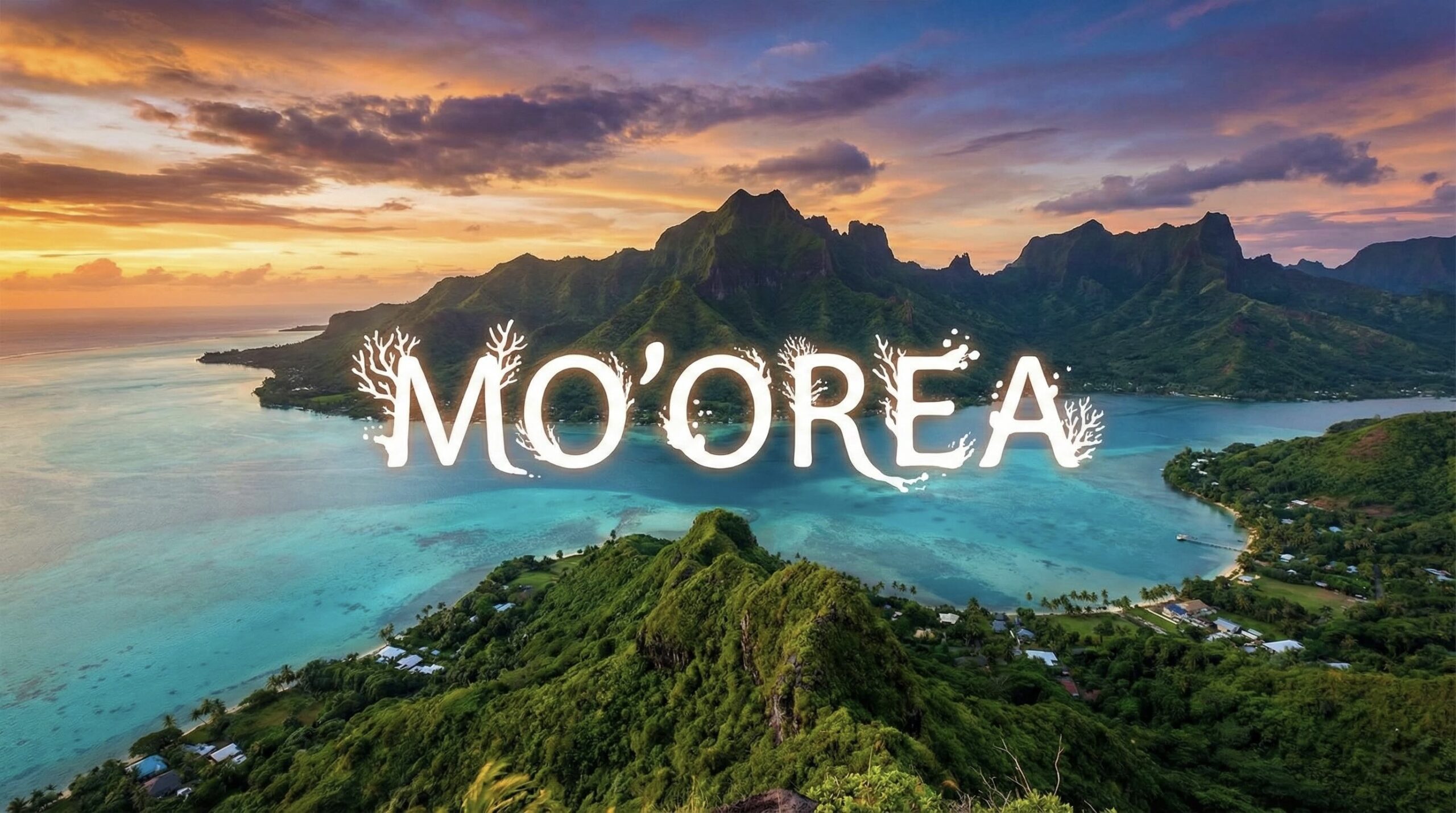
Shaped roughly like a heart and rising dramatically from the ocean in an explosion of emerald-green spires, Mo’orea is often cited by travelers not just as their favorite island in French Polynesia, but as their favorite island in the world.
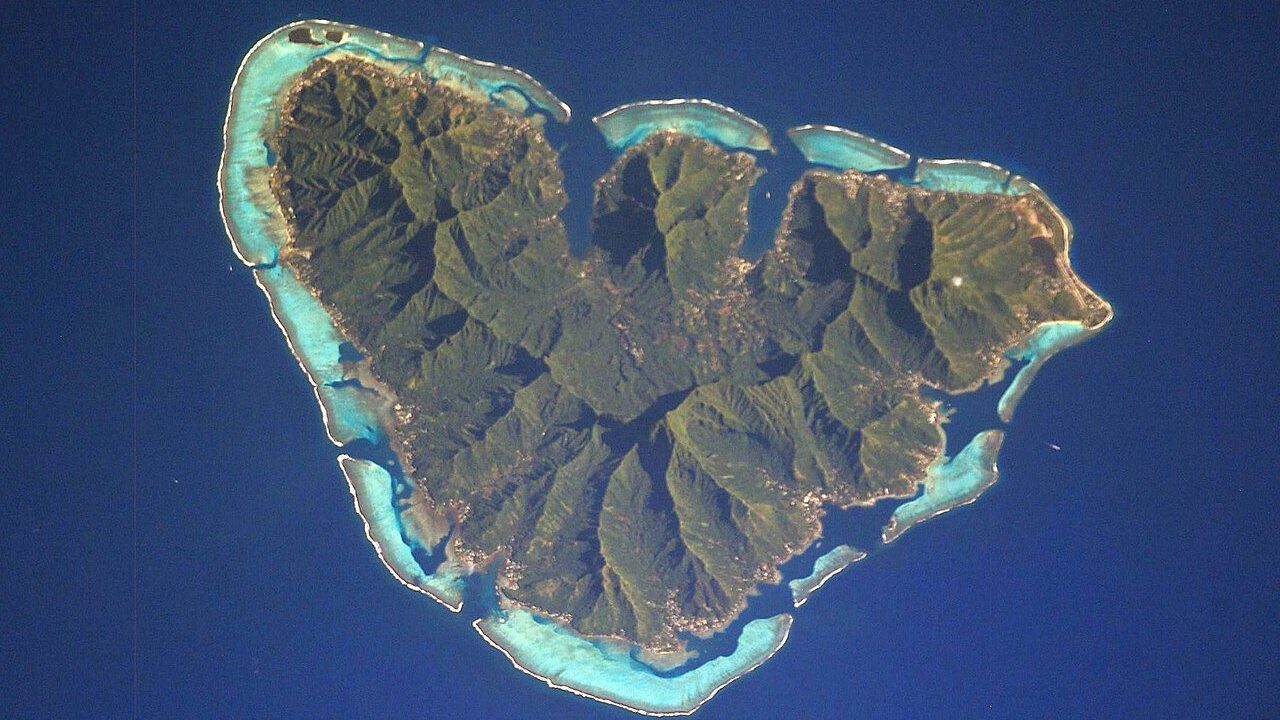
Located 17 kilometers northwest of Tahiti, Mo’orea features a rugged interior with Mount Tohivea as its highest peak, flanked by Cook’s and Opunohu Bays. A coral reef encircles the entire island, creating calm, crystal-clear waters that teem with life.
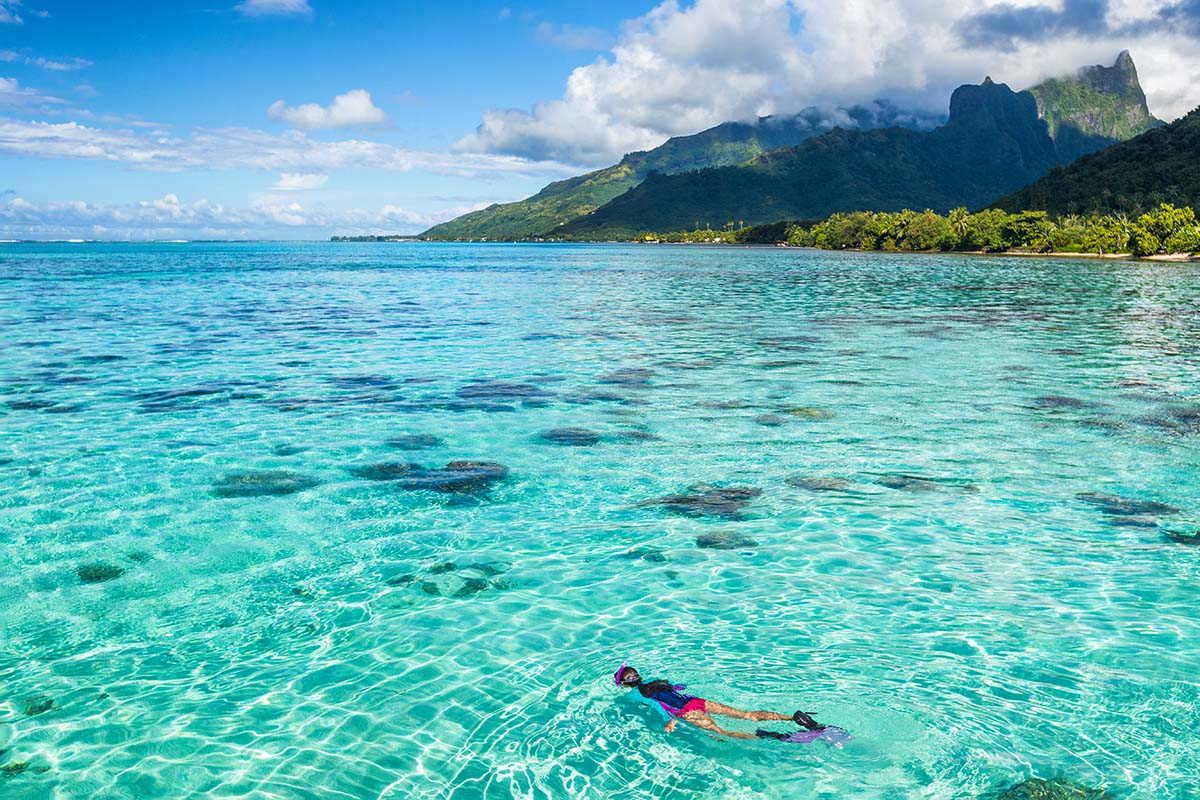
It is the second most populous island in French Polynesia, after Tahiti.
We’ve been to Mo’orea multiple times, and we still haven’t covered everything we’ve wanted to.
Top 10 Things We Loved About Mo’orea
1. Snorkeling with Sharks and Stingrays
We did this off a sandbar located between the small motu (islets) of Tiahura and Fareone on the northwest corner of the island.
The water was chest-deep and translucent. We were greeted by dozens of black-tipped reef sharks and friendly pink whiprays. It was a lot of fun.
2. Riding ATVs Around the Island
On the west side of Opunohu Bay is a company called Mo’orea Activities Center. We were quick to sign up for an ATV tour with them, and we’re glad we did.
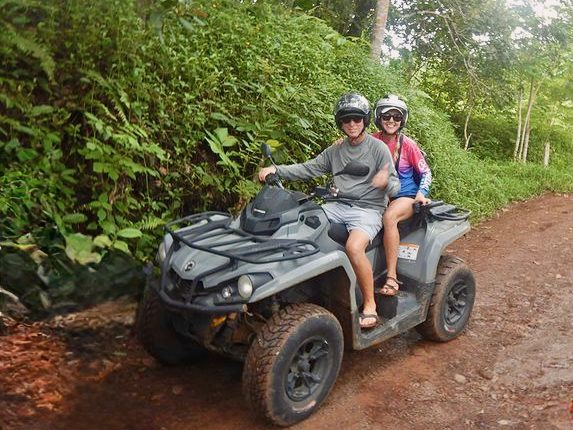
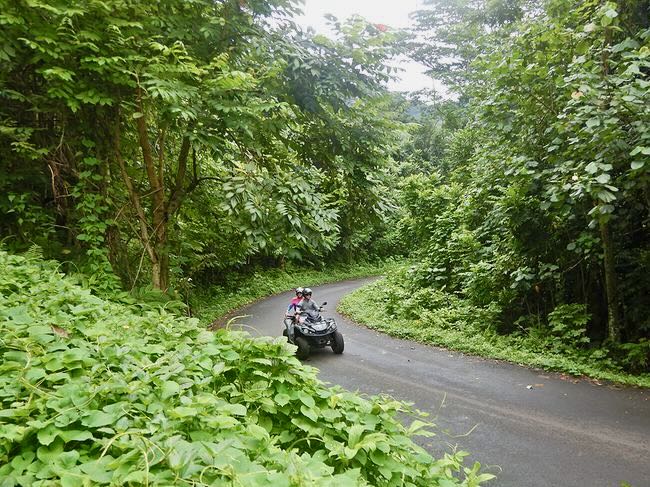
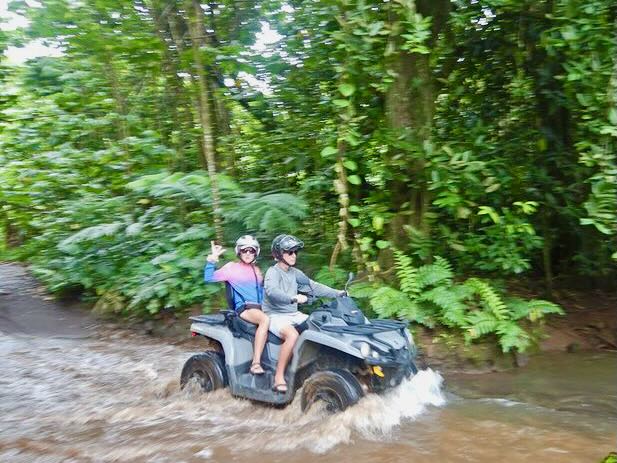
It was an efficient (and fun) way to get to the places described next (Magic Mountain, Belvédère d’Opunohu, blue-eyed eels, and a pineapple field). We would definitely recommend it.
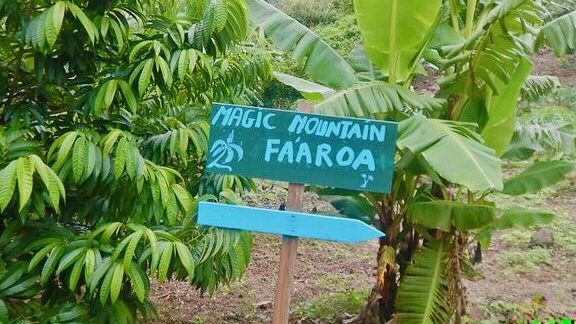
3. Magic Mountain
Magic Mountain, located on the north shore, offers a 360-degree view of the lagoon. The trip up to the top was fairly steep, but I daresay it’s definitely worth it.
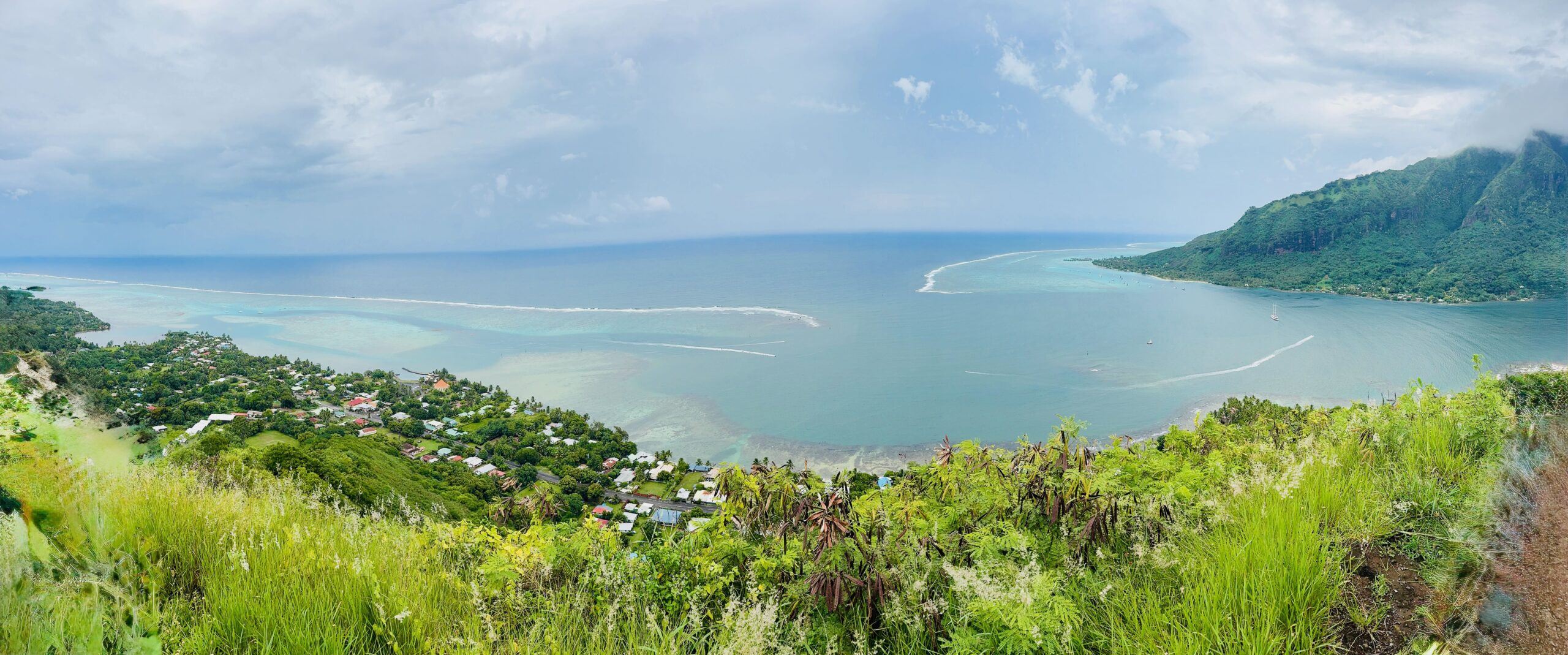
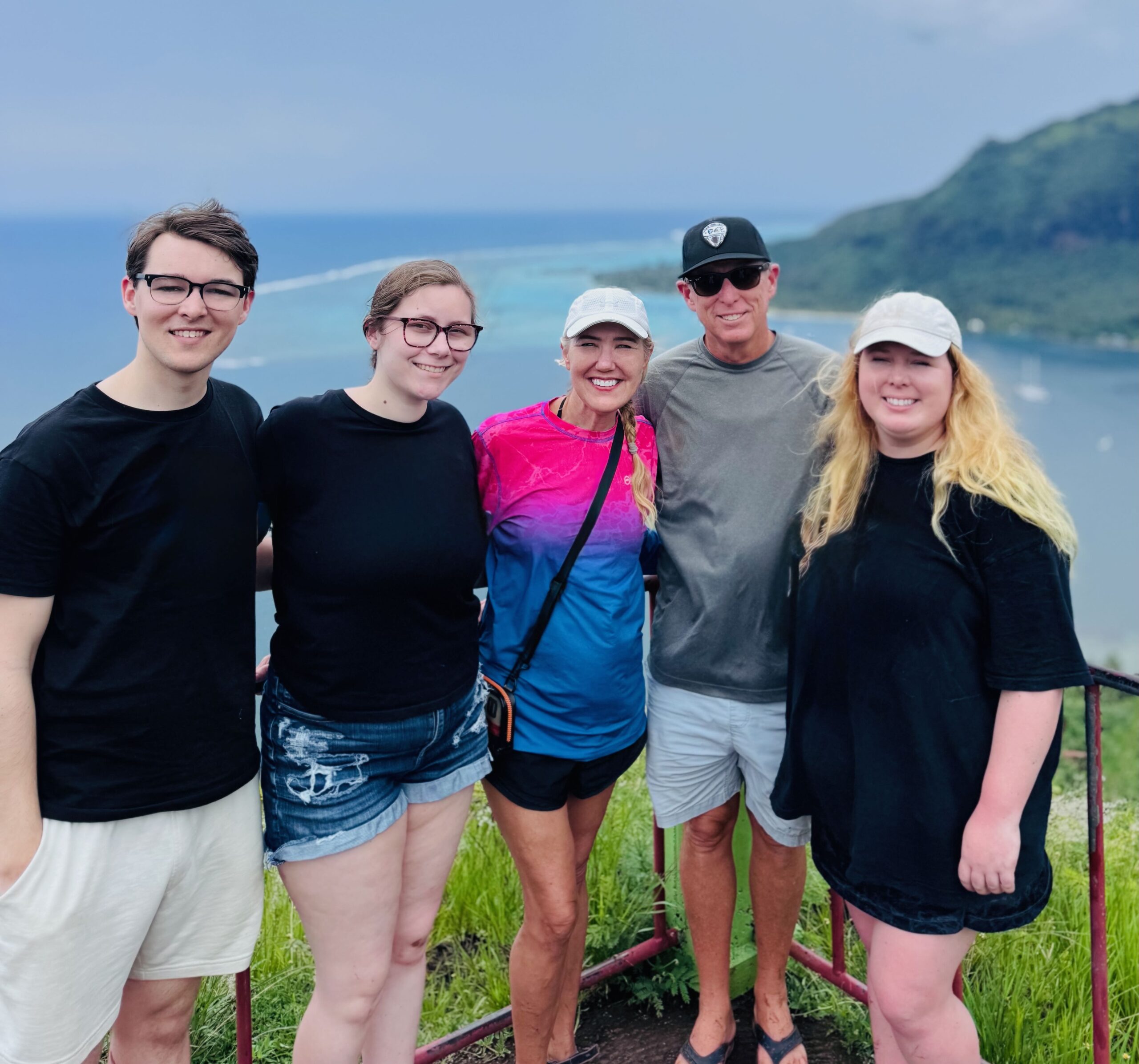
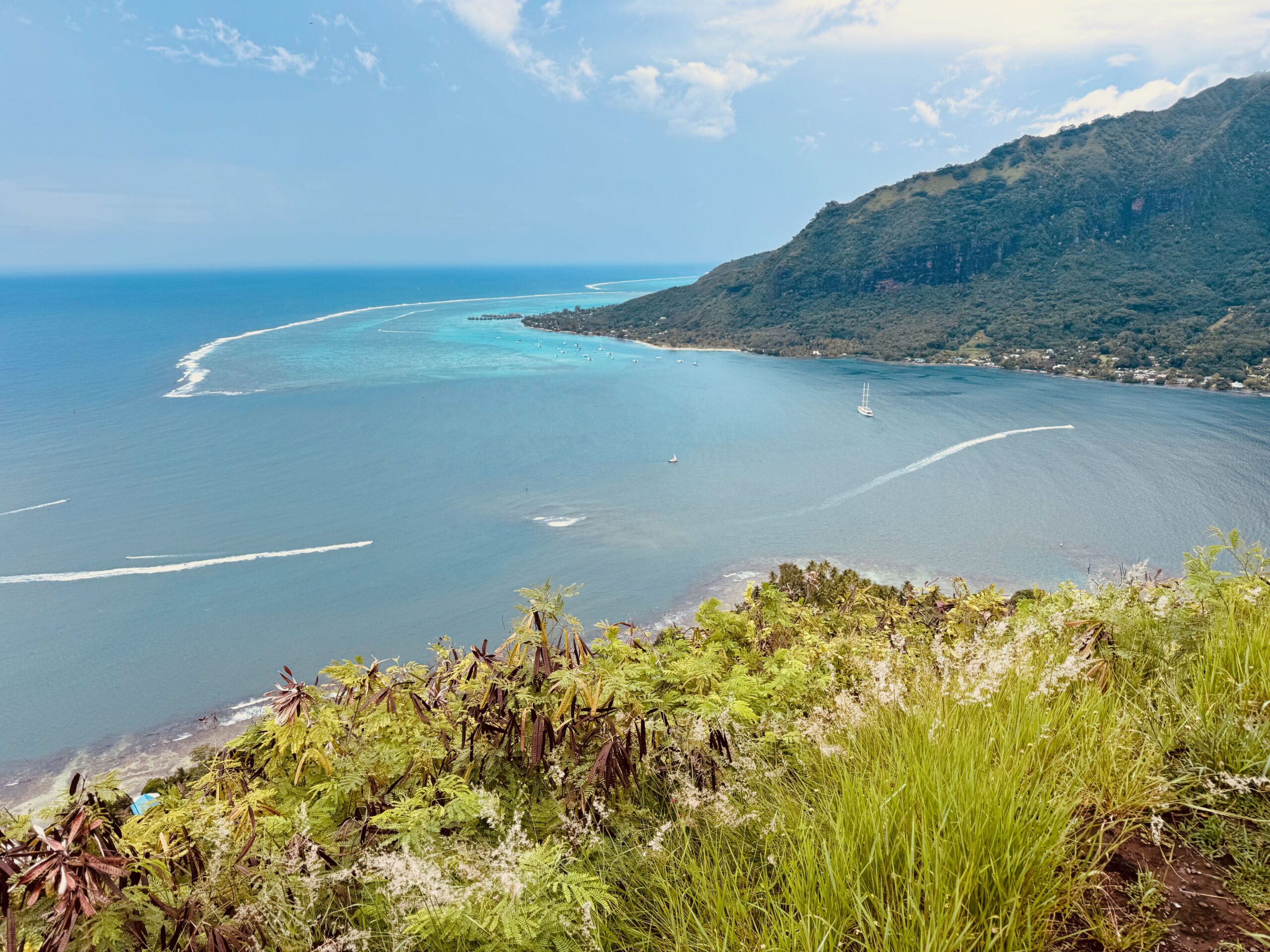
The view from the top was even better than the iconic Belvédère d’Opunohu (read on).
4. Belvédère d’Opunohu
The ride up to the belvedere was an adventure in itself, winding through ancient mape (Tahitian chestnut) forests and past ancient marae (stone temples).
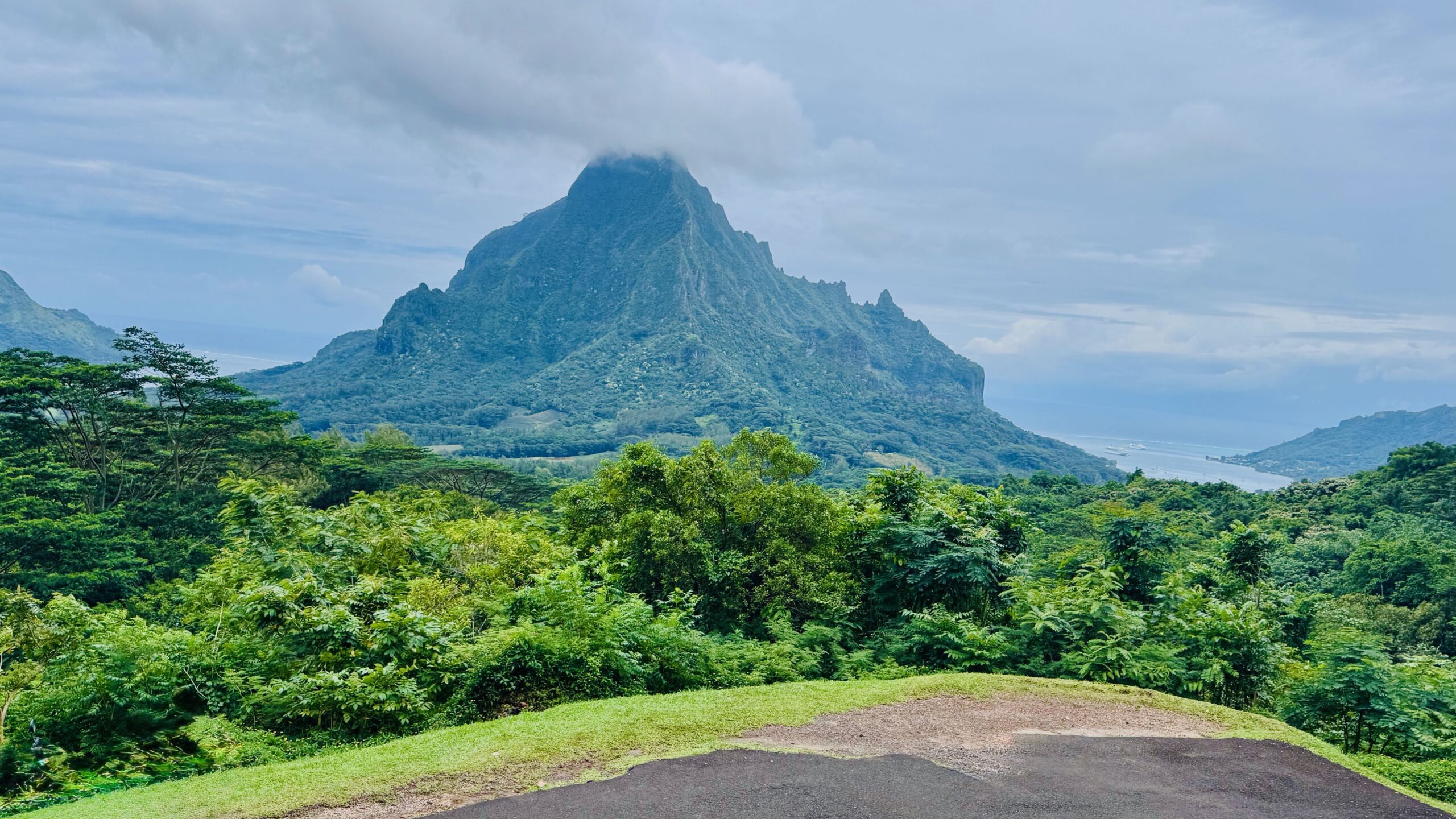
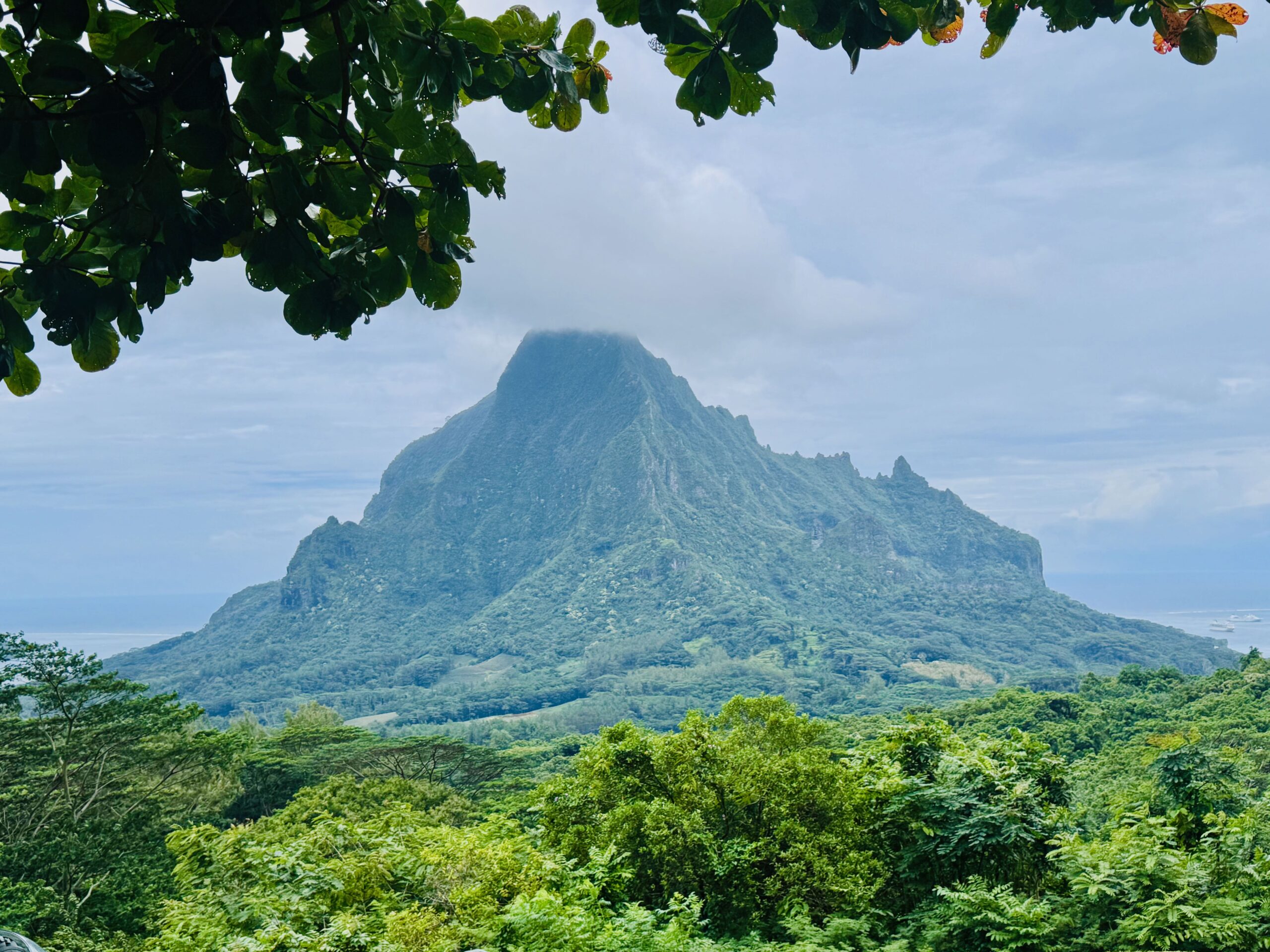
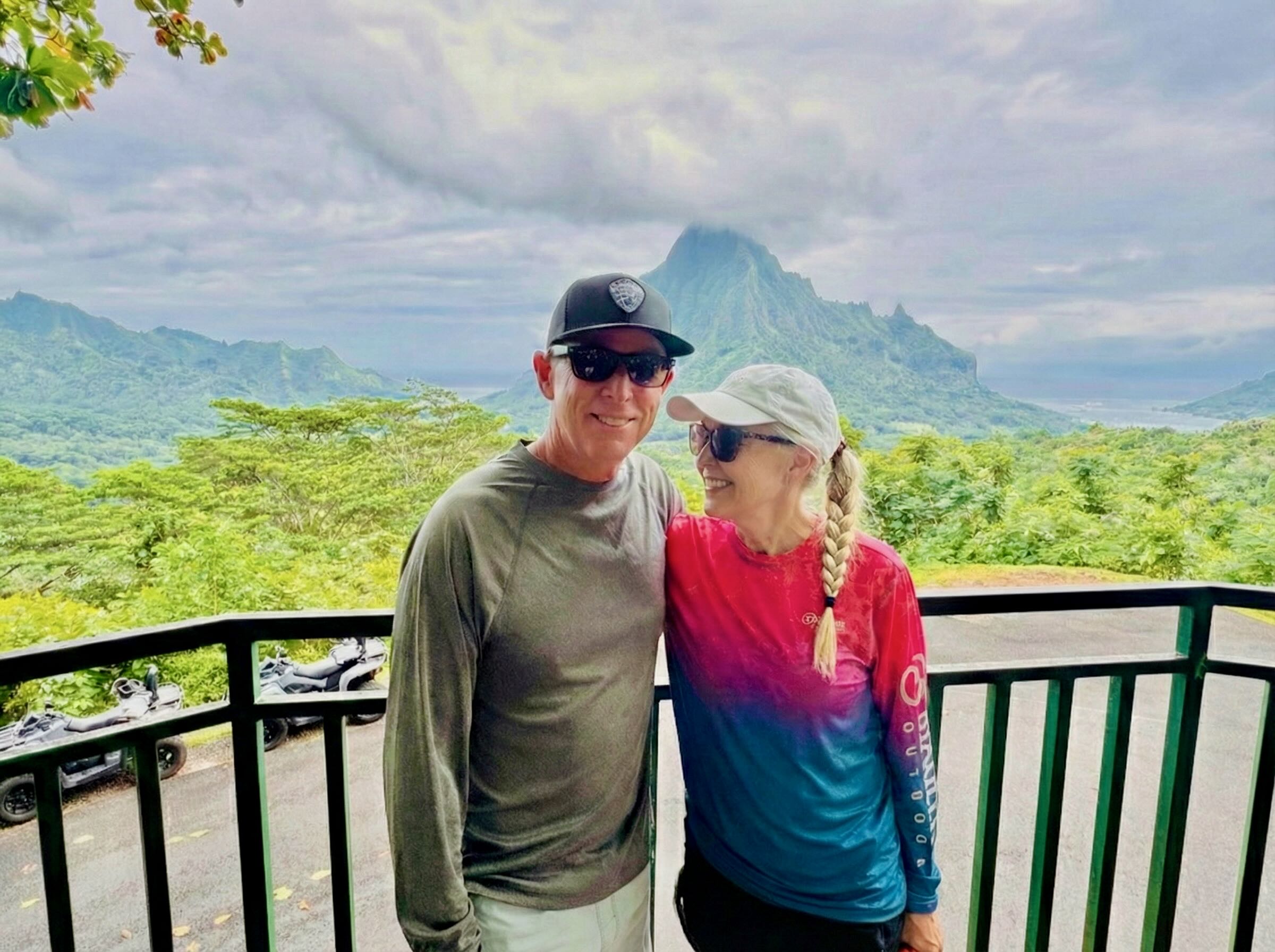
The view from the top is pretty famous. Flanking the mountain are the twin bays: Cook’s Bay on the right and Opunohu Bay on the left. It is a panorama that appears on almost every postcard of French Polynesia, and seeing it in person was pretty spectacular.
5. Petting Blue-Eyed Eels
Found in Mo’orea’s freshwater streams, particularly the Opunohu river, the blue-eyed eel (Anguilla marmorata) is a giant mottled species capable of growing up to 6.5 feet long. Revered as sacred water guardians in Polynesian culture, these eels have distinctive blue eyes.
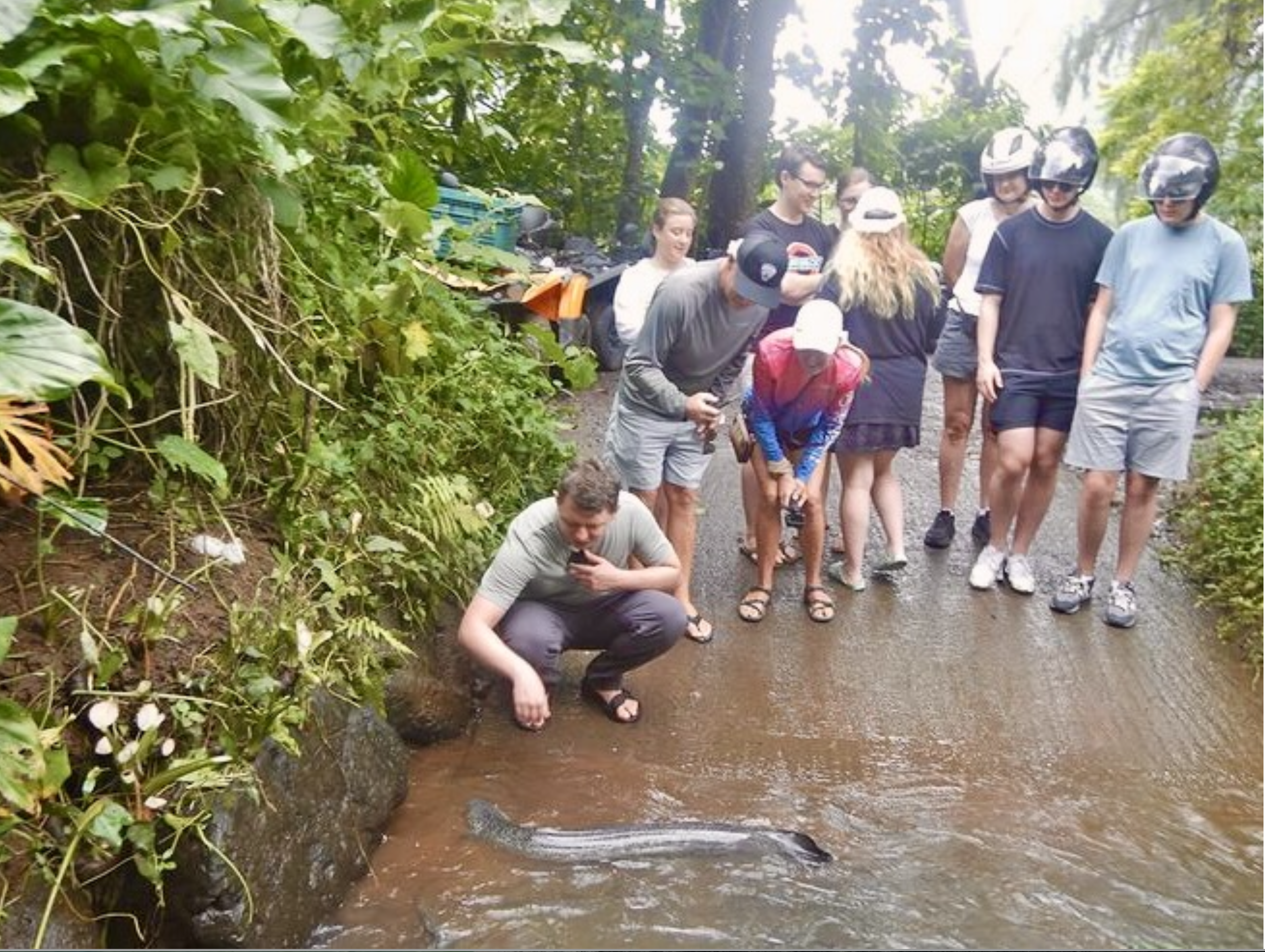
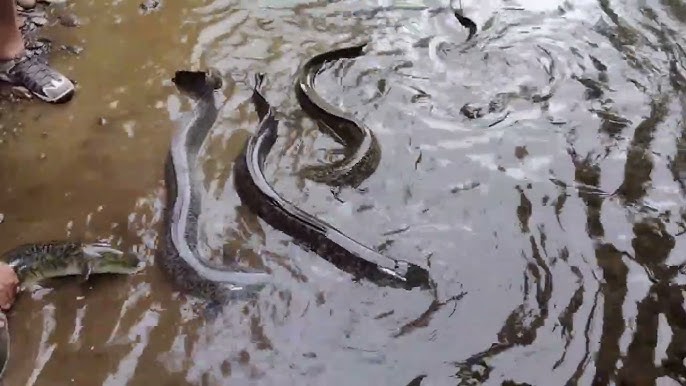
They were slimy to the touch.
6. Making a Custom Pareo
We did this through Pareomana at the southeast corner of Opunohu Bay.
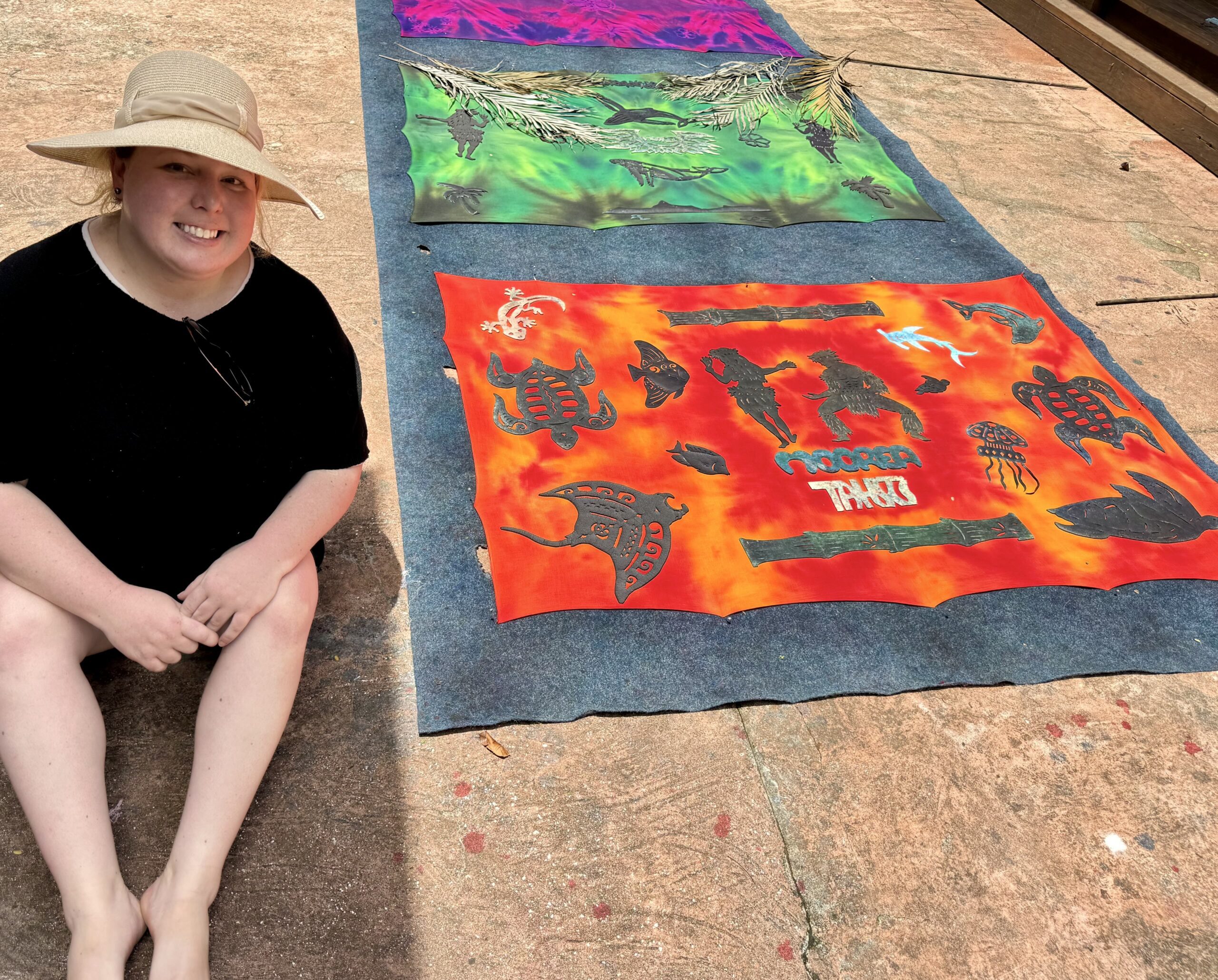
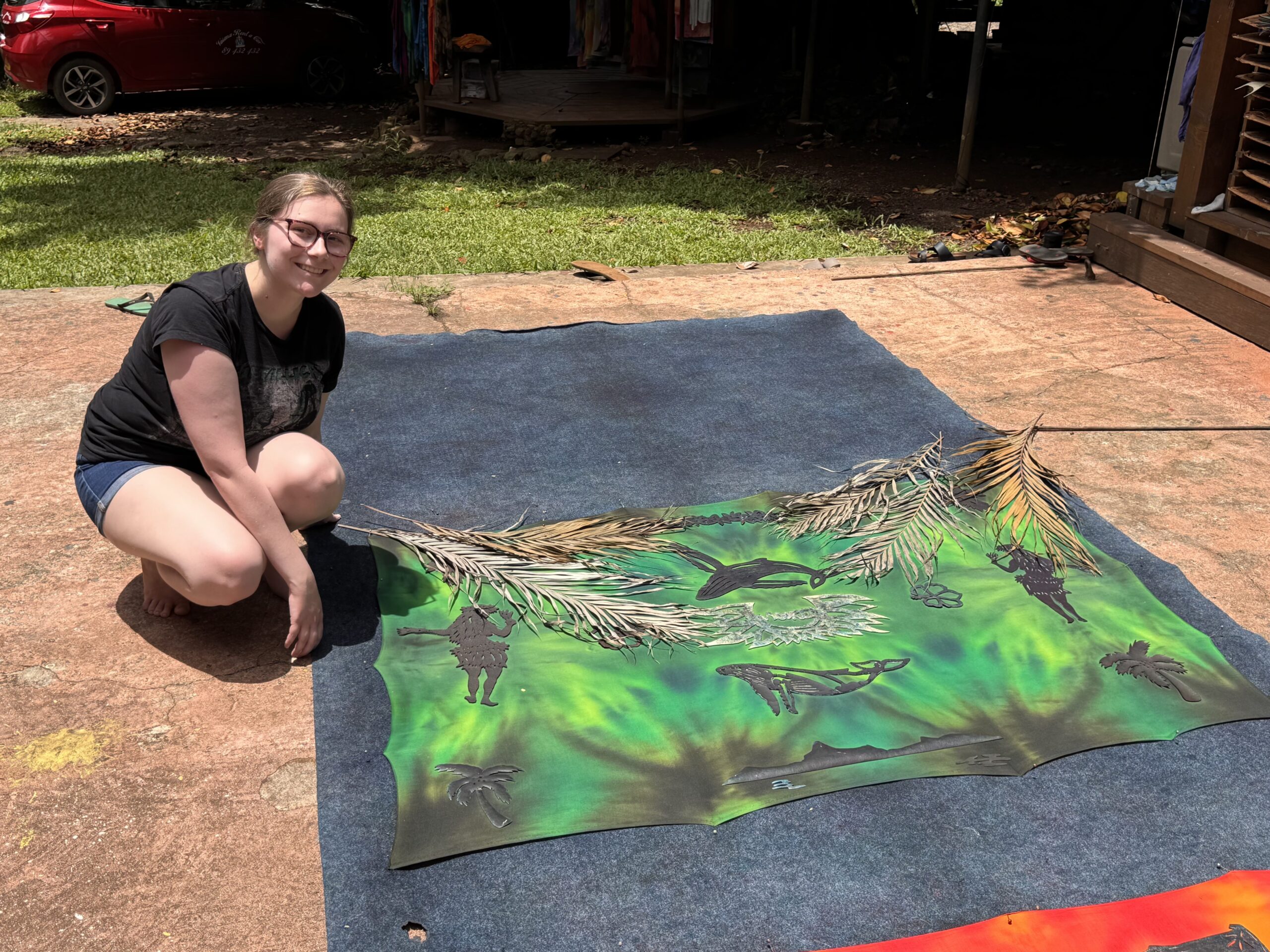
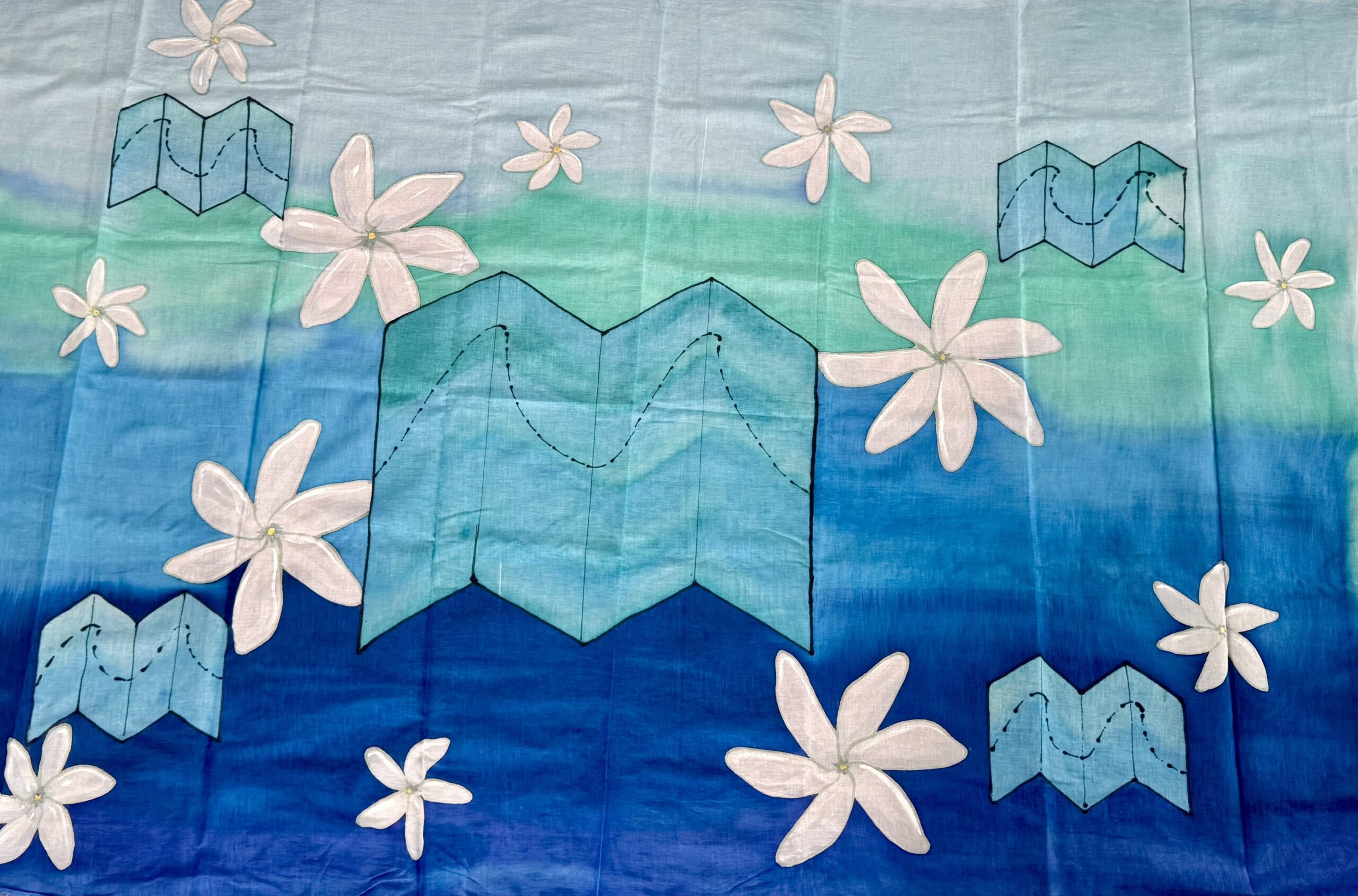
Since I have way too many pareos, I opted to have Marie, the owner, make a custom pareo for me with our Mac logo, instead. Fun!
7. Walking Through a Pineapple Field
Mo’orea’s agriculture centers on the “Queen Tahiti” pineapple, a small, fragrant variety cultivated in the fertile volcanic soil of the Opunohu Valley. Approximately 100 hectares of fields produce roughly 2,000 tons annually.
The majority of this harvest is processed locally by the Rotui Juice Factory or sold fresh at roadside stands.
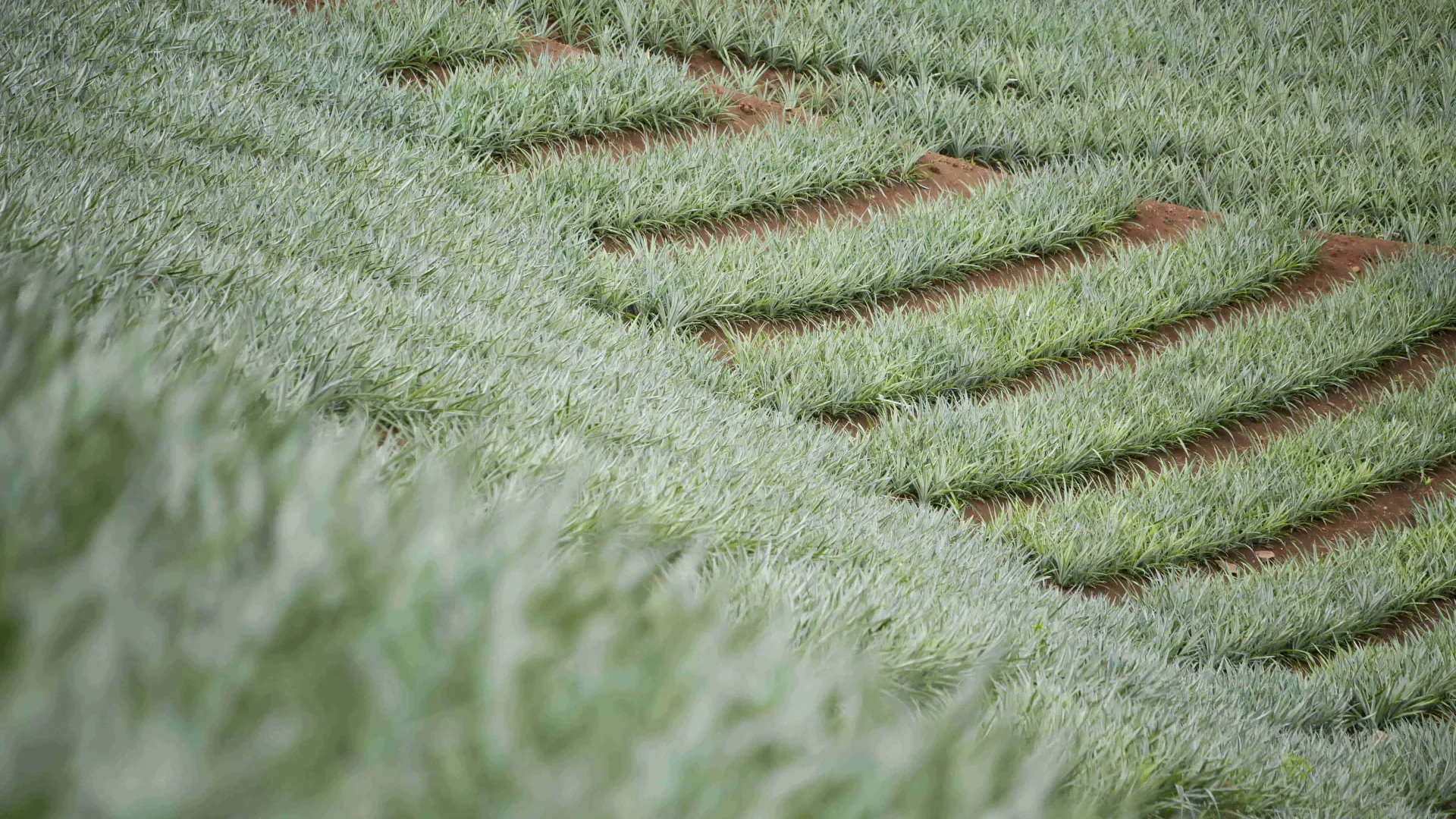
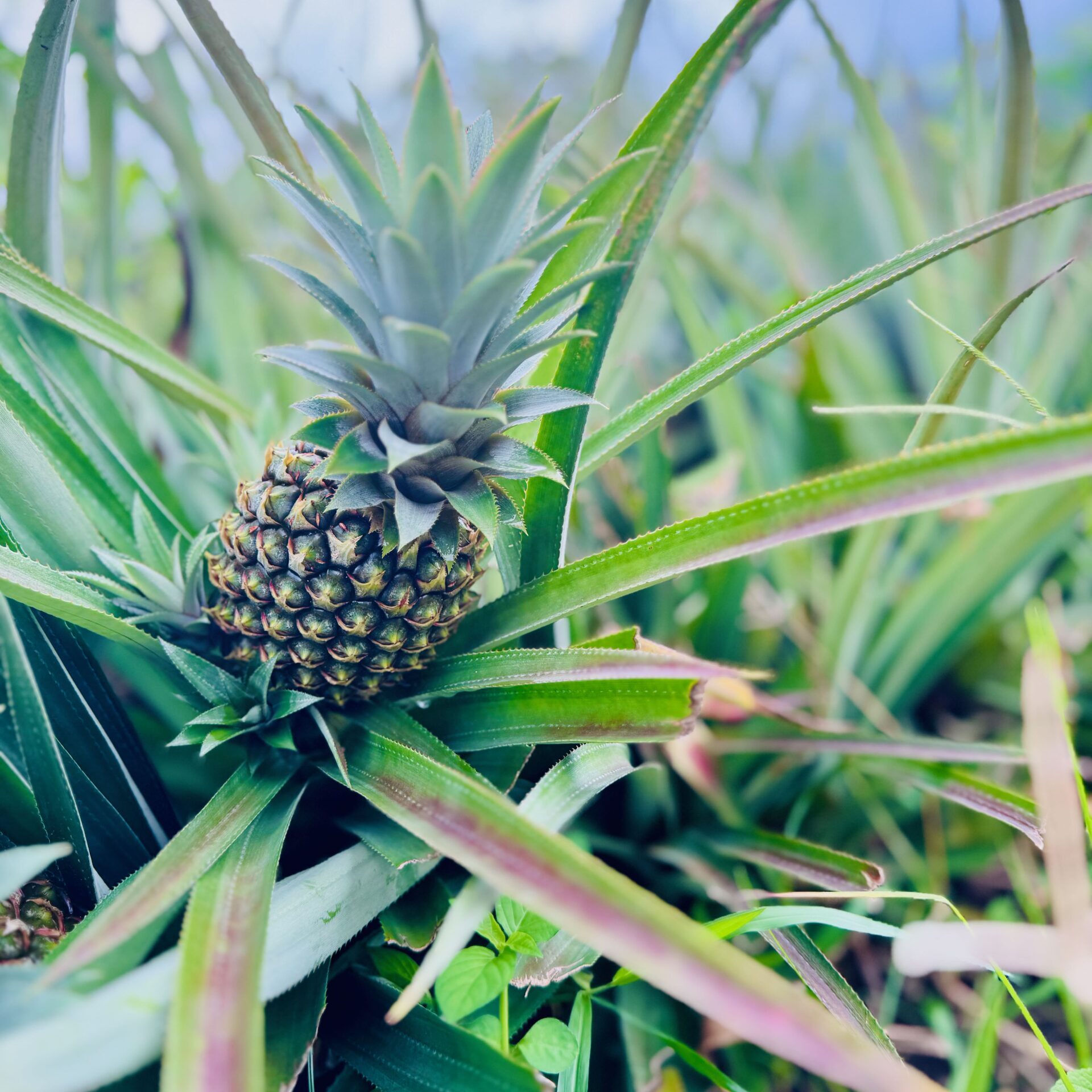
We got to walk around the field and learn about the history and process of pineapple farming on Mo’orea. It was very interesting.
8. Kayaking, Supping, and Foiling in Ha’apiti Bay
Ha’apiti Bay is a beautiful spot and our favorite anchorage on Mo’orea. The water is clear, and it’s somewhat private. Other than the few locals surfing the break and a smattering of anchored boats, there was not a lot of traffic on this side of the island.
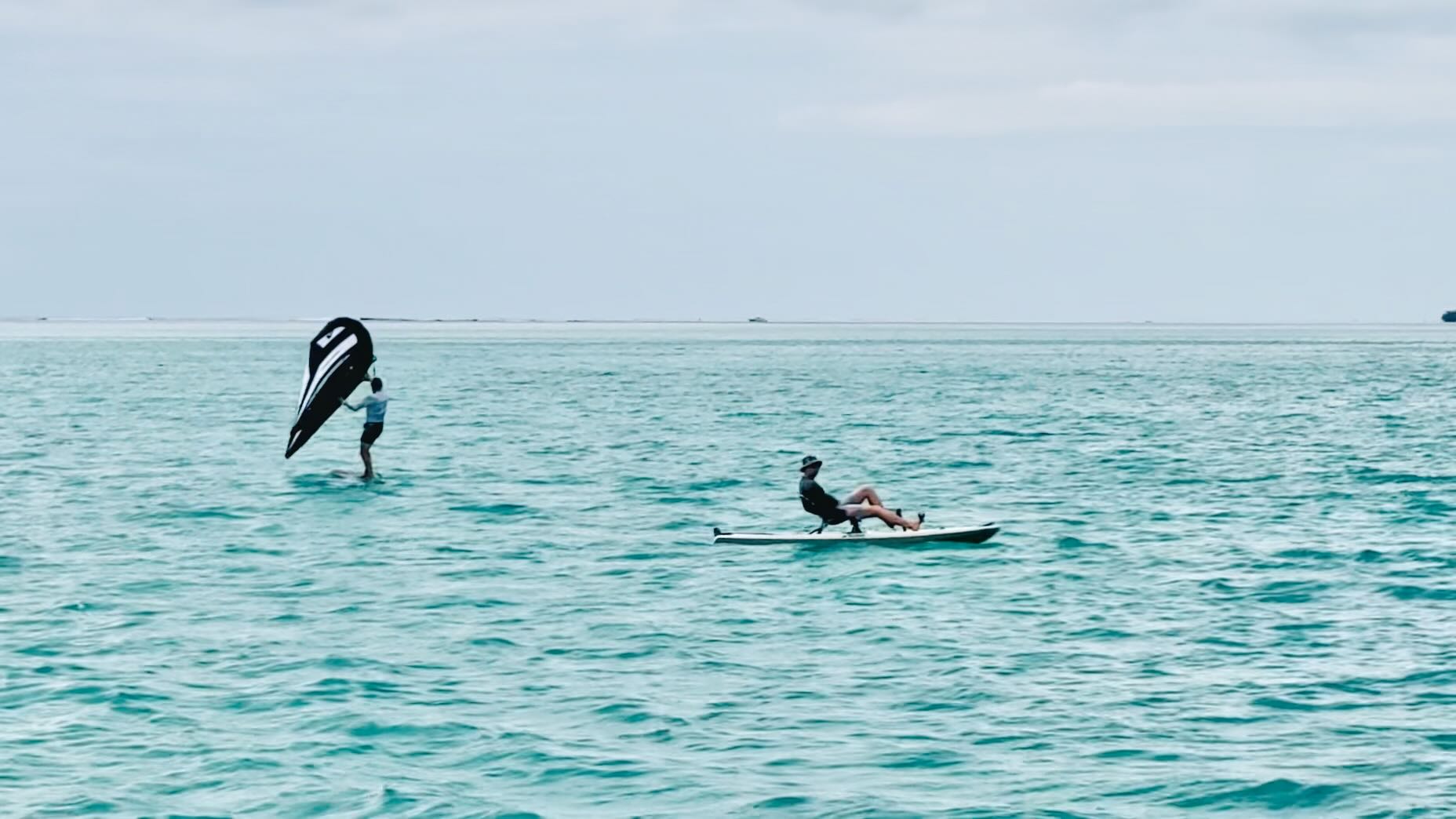
We spent hours kayaking, supping, and lounging on chair hammocks there. Some of our crew dedicated almost the entire time to foiling.
9. Taking a Jet Ski Tour
We did this through the Mo’orea Activities Center, the same company that took us on an ATV tour.
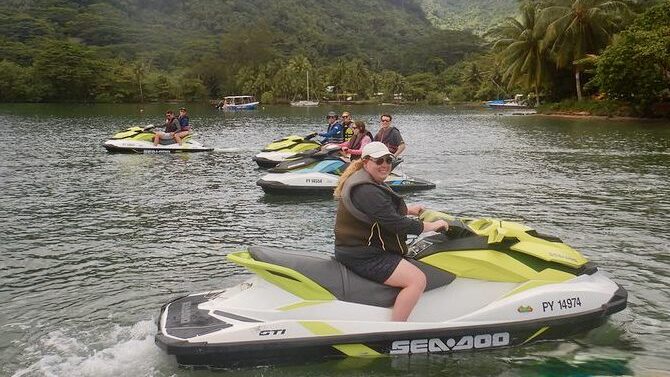
We visited both bays and buzzed the coastline. The cruiser in me cringed every time we got near a boat.
“Sorry!” was all we could muster.
While jet skiing, we saw another black-tipped shark:
At the end, we got to go full speed. It was exhilarating!
10. Temae Beach
This beach gets an honorable mention because it’s the most famous one on Mo’orea.
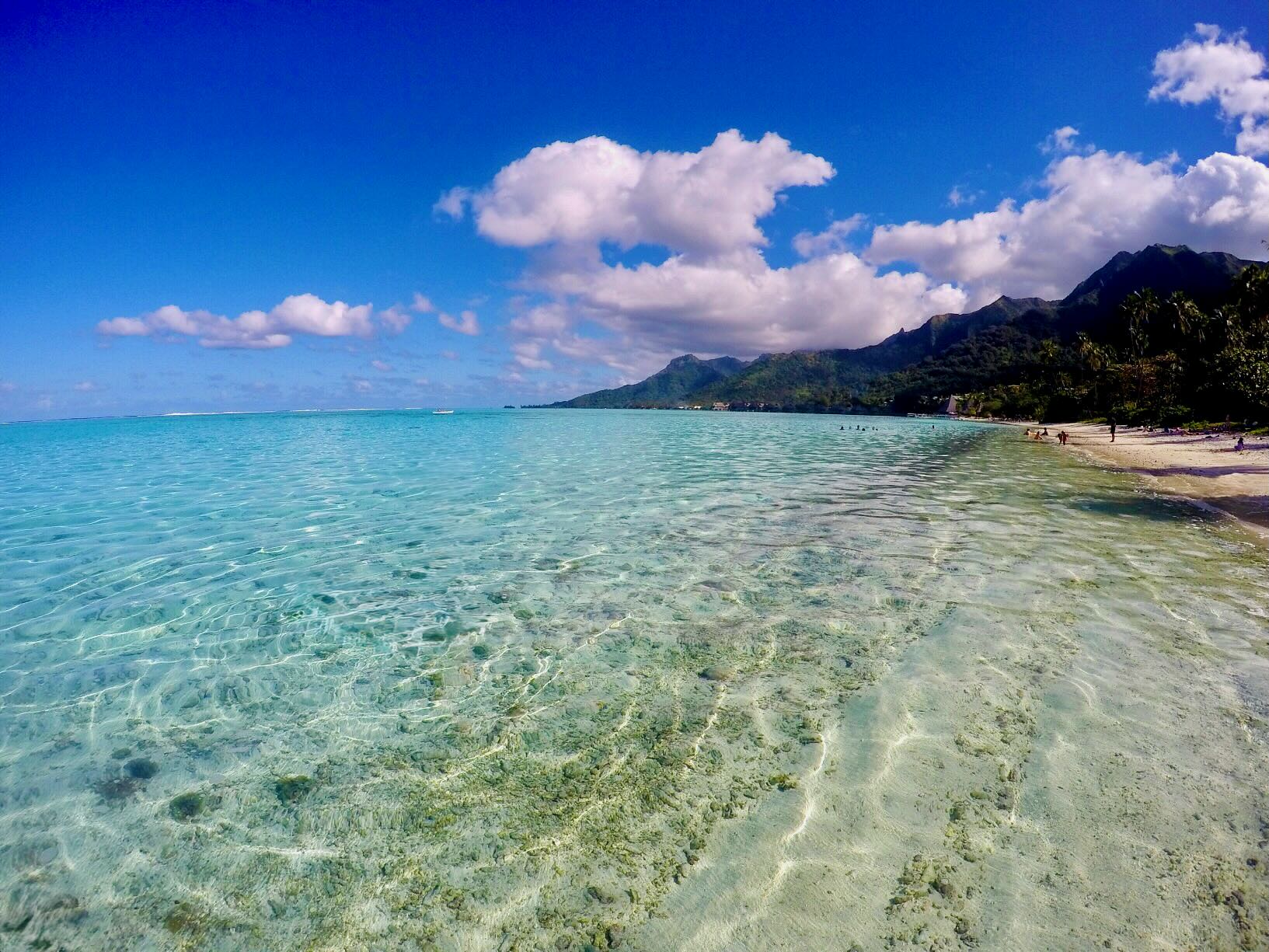
It’s a popular spot for locals on weekends, where families gather with ukuleles and coolers.
Other Things to Do on Mo’orea
Swimming with Humpback Whales
Les Tipaniers Beach
Tiki Village Cultural Centre
Rotui Juice Factory
Hiking the Three Coconuts Pass (Col des Trois Pinus)
The Lagoonarium
Snorkel the Tiki Garden
I’m especially disappointed I didn’t get to do the first one (swimming with whales). I am determined to do this someday.
Getting There
Mo’orea is incredibly easy to reach.
Ferry: The Aremiti or Terevau ferries run multiple times a day from the ferry dock in downtown Pape’ete, Tahiti. The ride takes 30 to 45 minutes and costs roughly $15 one way. Apparently, the views arriving into the Vaiare marina are spectacular.
Plane: Air Tahiti offers a 10-minute flight from Faa’a International Airport. While fast, the ferry is generally preferred for the scenery and cost.
We sailed there on our boat.
Cruiser’s Tip! We anchored in three places on different occasions in Mo’orea: Opunohu Bay, a spot on the north side near the underwater tiki garden (no longer an anchorage), and Ha’apiti Bay. The latter was by far our favorite. Just make sure to heed the anchorage restrictions (see No Foreign Land); we had a local threaten us when we anchored in front of his home.
Getting Around
Public transportation is unreliable on Mo’orea. We’ve rented cars through Car rental Vaiana Rent A Car multiple times and have always had a good experience. They will drop off and pick up at the pier.
Where We Ate
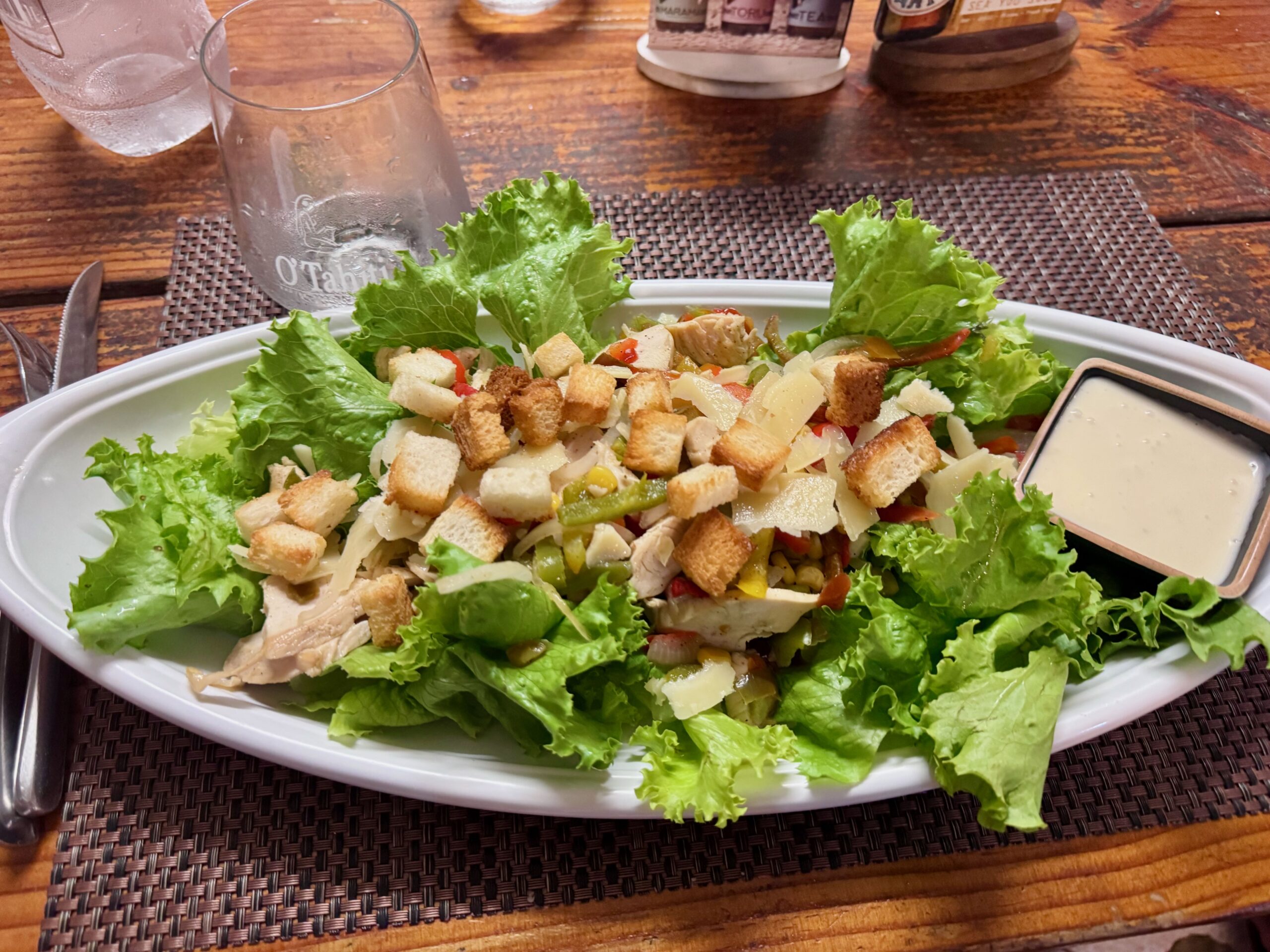
Mo’orea has a surprisingly robust culinary scene, blending French technique with fresh Polynesian ingredients. Here’s where we ate:
O2 Coco
LE LÉZARD JAUNE CAFÉ
Chez Tamahau
Final Thoughts
In my opinion, Mo’orea strikes the perfect balance. It’s wild enough to feel like an adventure, yet developed enough to offer comfort. Add to that the ease of getting there, due to its close proximity to Tahiti, and it’s a perfect getaway.
It captures the essence of the South Pacific dream—the real, living, breathing soul of the islands.
You can view a map of Mo’orea here.