
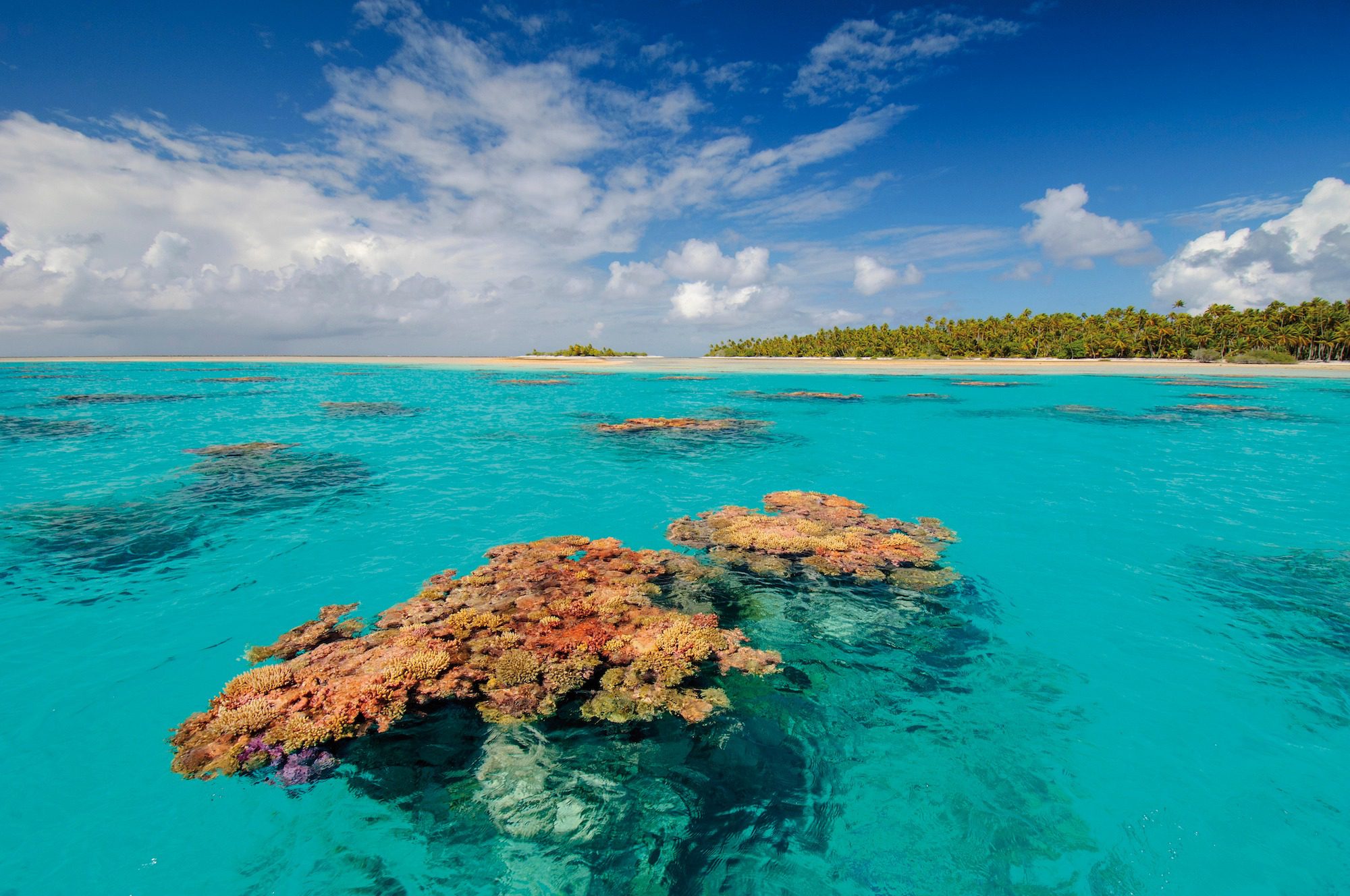
It’s said that in the 1920s, the famous French solo sailor Alain Gerbault dropped anchor in Makemo and was so captivated by its beauty that he dubbed it the “Atoll of Perfection.” A century later, little has changed to dispute that title. The water is still that impossible shade of turquoise.
The locals are still reserved, yet warmly welcoming, embodying the true Pa’umotu spirit—a life lived in rhythm with the ocean.
Unlike its busier neighbors, the atoll of Makemo in the Tuamotus doesn’t have any resorts. There are no jet skis buzzing in the distance. Instead, you find a raw, unfiltered version of French Polynesia. It’s a place for people who want to see the Tuamotus as they were decades ago: simple, unpretentious, and incredibly peaceful.
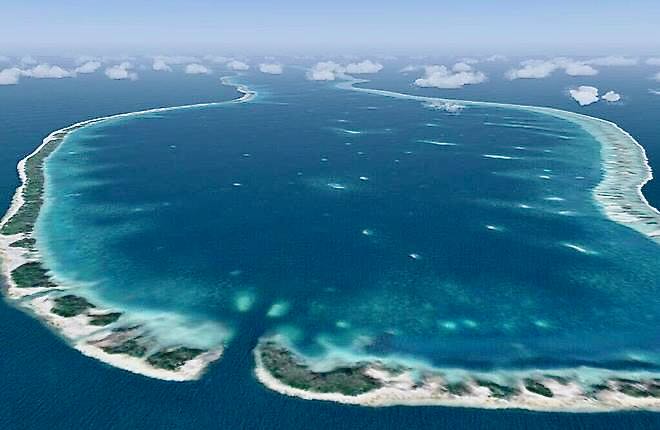
It’s the third largest atoll in the Tuamotus in terms of the size of its lagoon. About 800 people live there, almost all of them in the main village of Pouheva.
Legends of Giants and Heroes
First a famous local legend.
In the Tuamotus, history is often passed down through generations via storytelling. The legend of Moeava is one such story. They say he was a legendary warrior and chief from the 16th or 17th century, renowned for his incredible strength and navigation skills.
The most famous event involving Moeava took place in the Makemo lagoon. Legend tells of a giant named Patira who became jealous of Moeava’s love for a queen named Huarei. The two challenged each other to a duel. Patira, being a giant, seemed unbeatable. However, Moeava was cunning. He prepared a giant slingshot and a large, smooth, round stone. Before the giant could attack, Moeava prayed to the god Tu and launched the stone, striking Patira in the head and killing him.
They say you can still see the “bullet” today, although we didn’t notice it. Apparently a massive, smooth, round stone sits in the lagoon—an odd geological anomaly that locals identify as the very stone Moeava used to fell the giant.
Now, on to our time on Makemo.
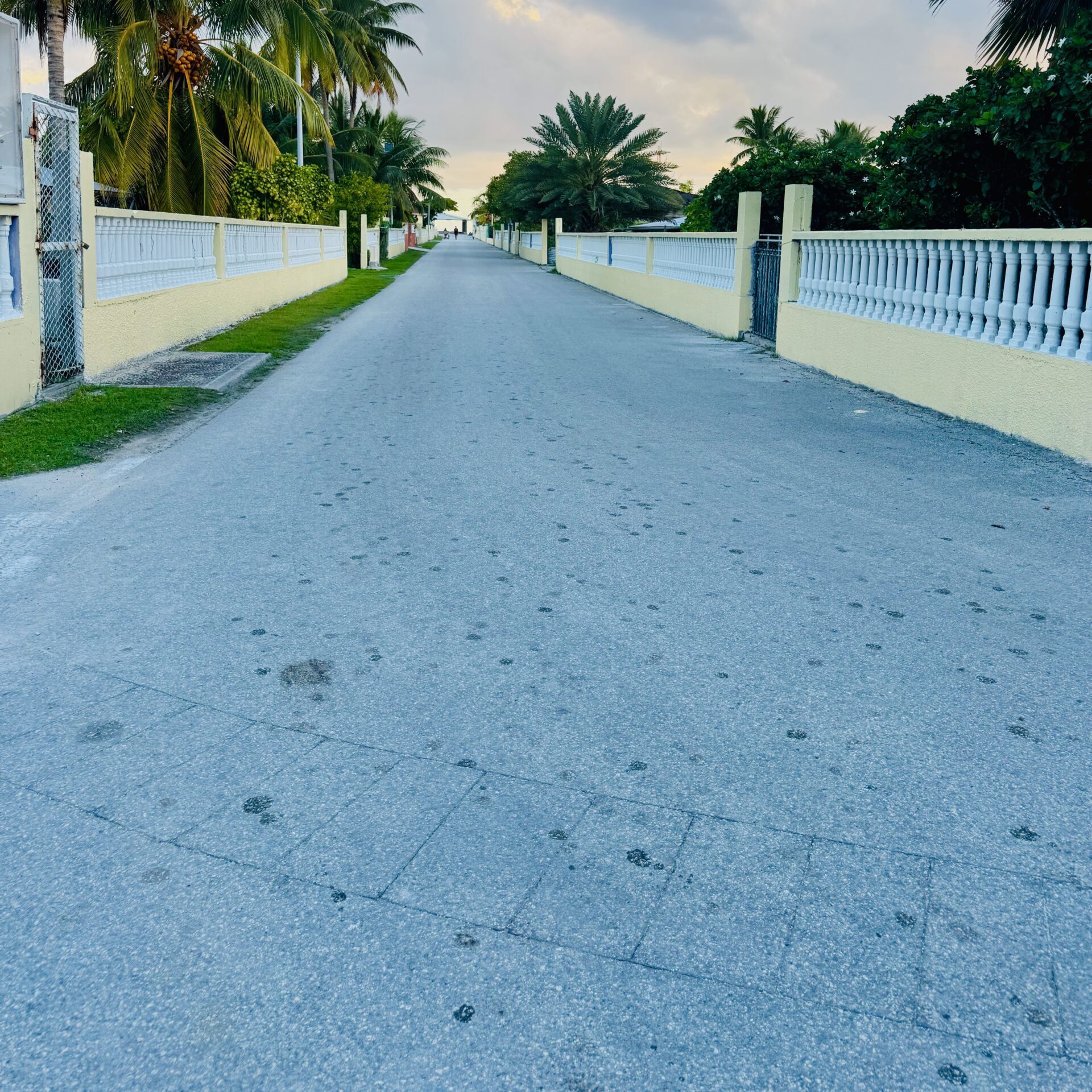
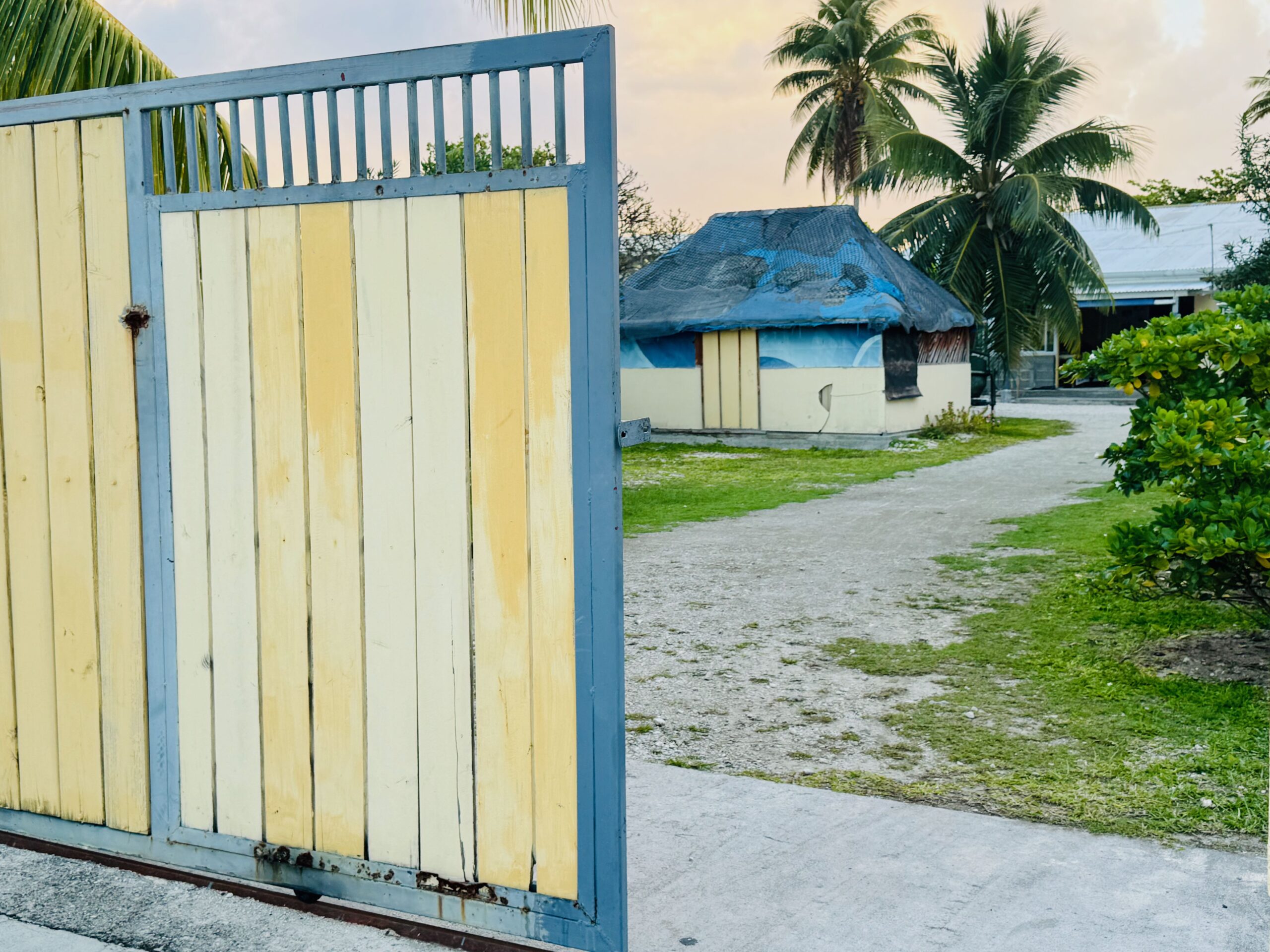
The first thing that struck us when we arrived was the characteristic yellow fences throughout the village. We’d seen them on other atolls, but here they were more pervasive and well maintained.
Some Things We Loved About Makemo
1. The Stunningly Clear Water
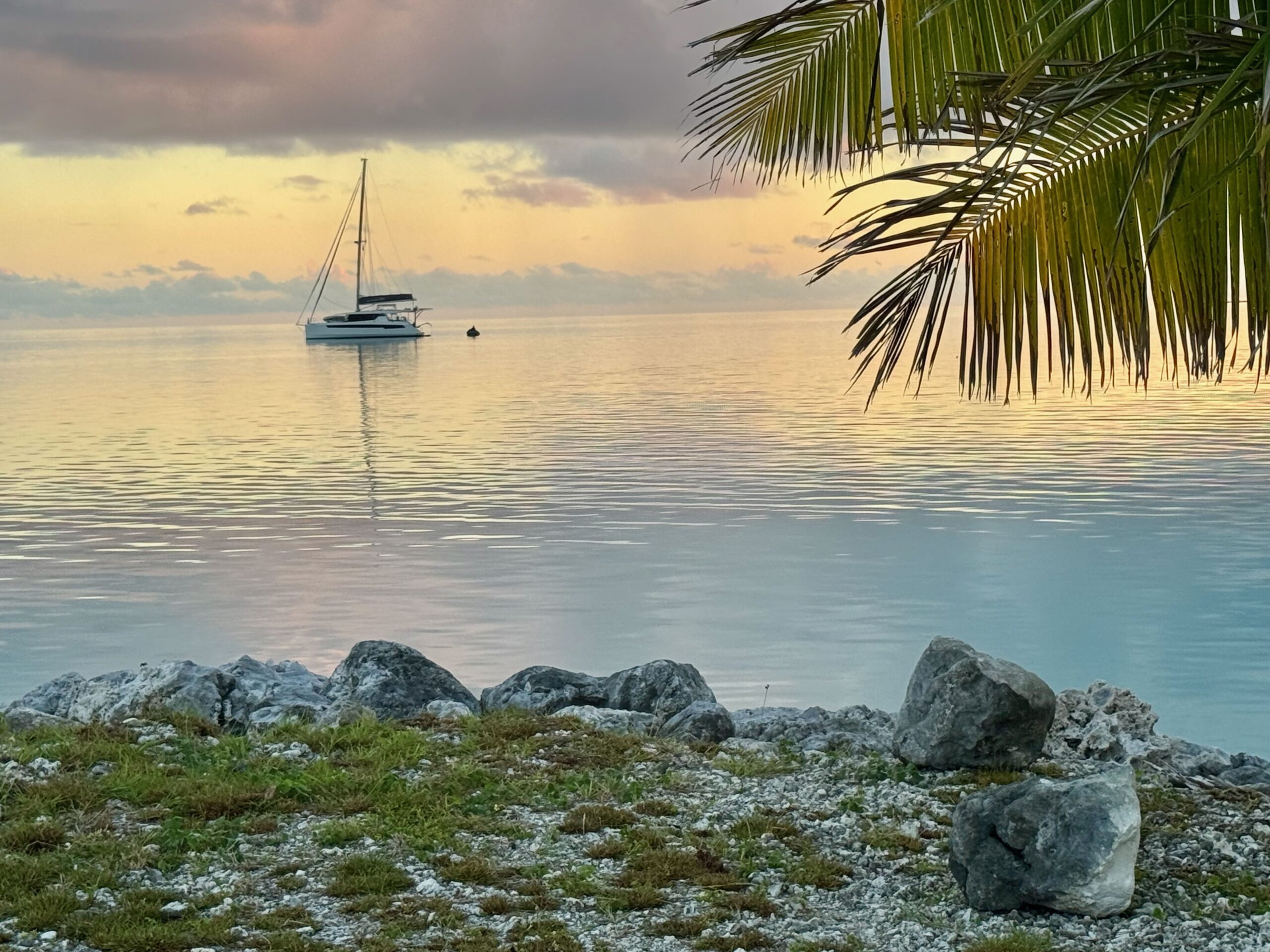
We always appreciate the clarity of the water in the places we visit (The Bahamas and Caicos are two such standouts), but the beauty of the water at Makemo was unparalleled.
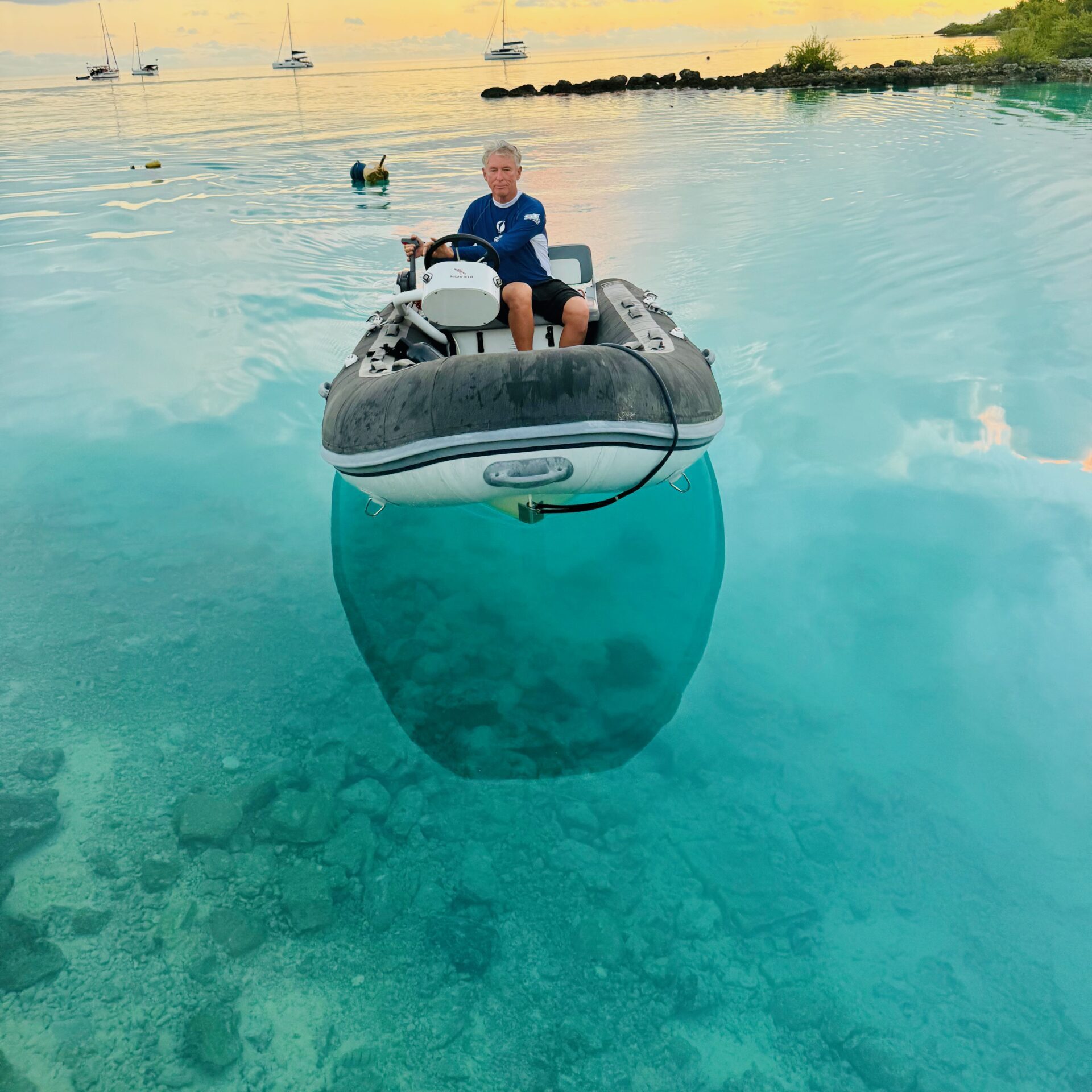
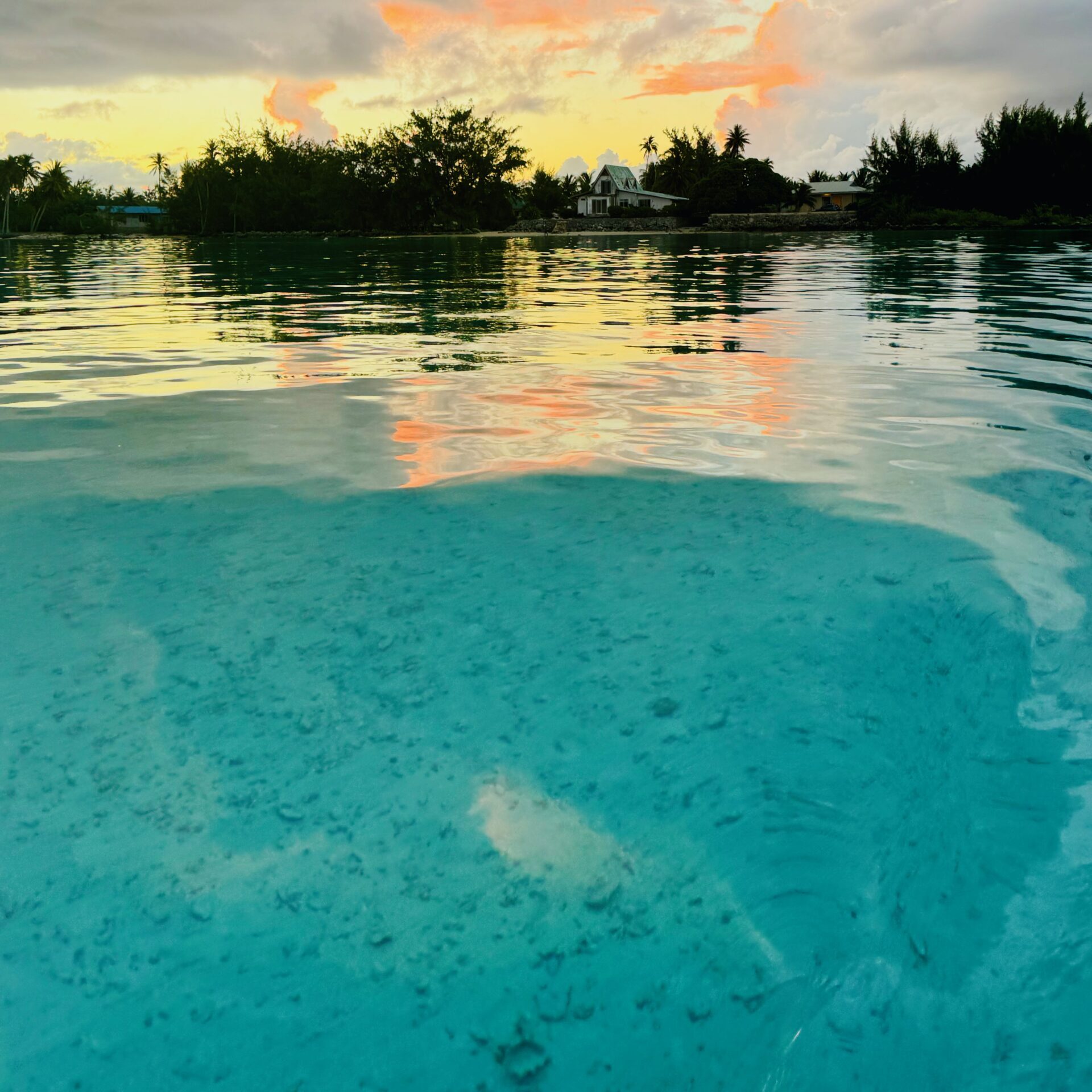
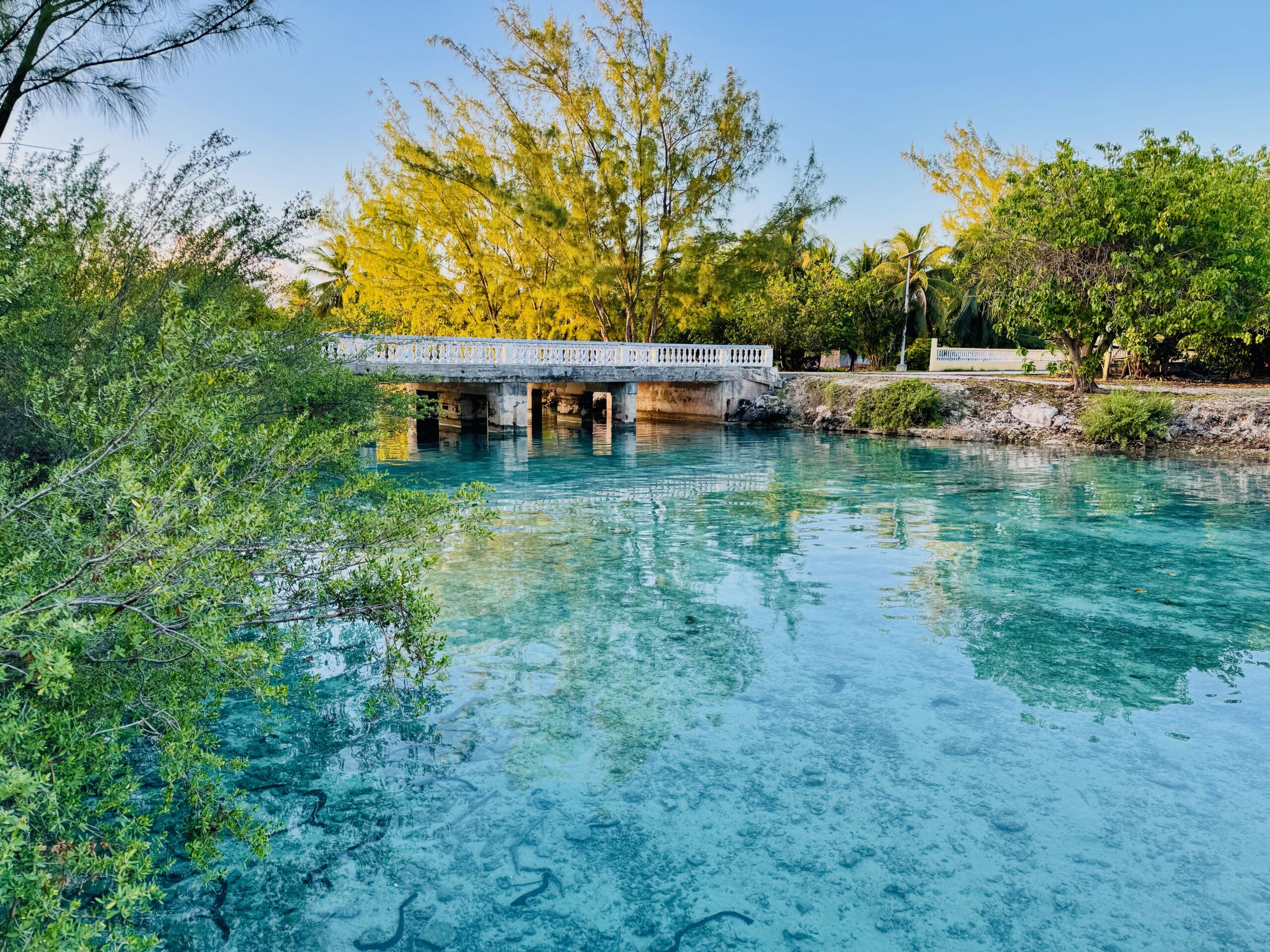
It was one of the prettiest anchorages we’d ever stayed in.
2. The Deep Sense of Community
There seemed to be a tight bond between the people of Pouheva, Makemo’s primary village, with much of it centered around faith. There always seemed to be locals congregating at the main church on the atoll, the Church of St. Joseph.
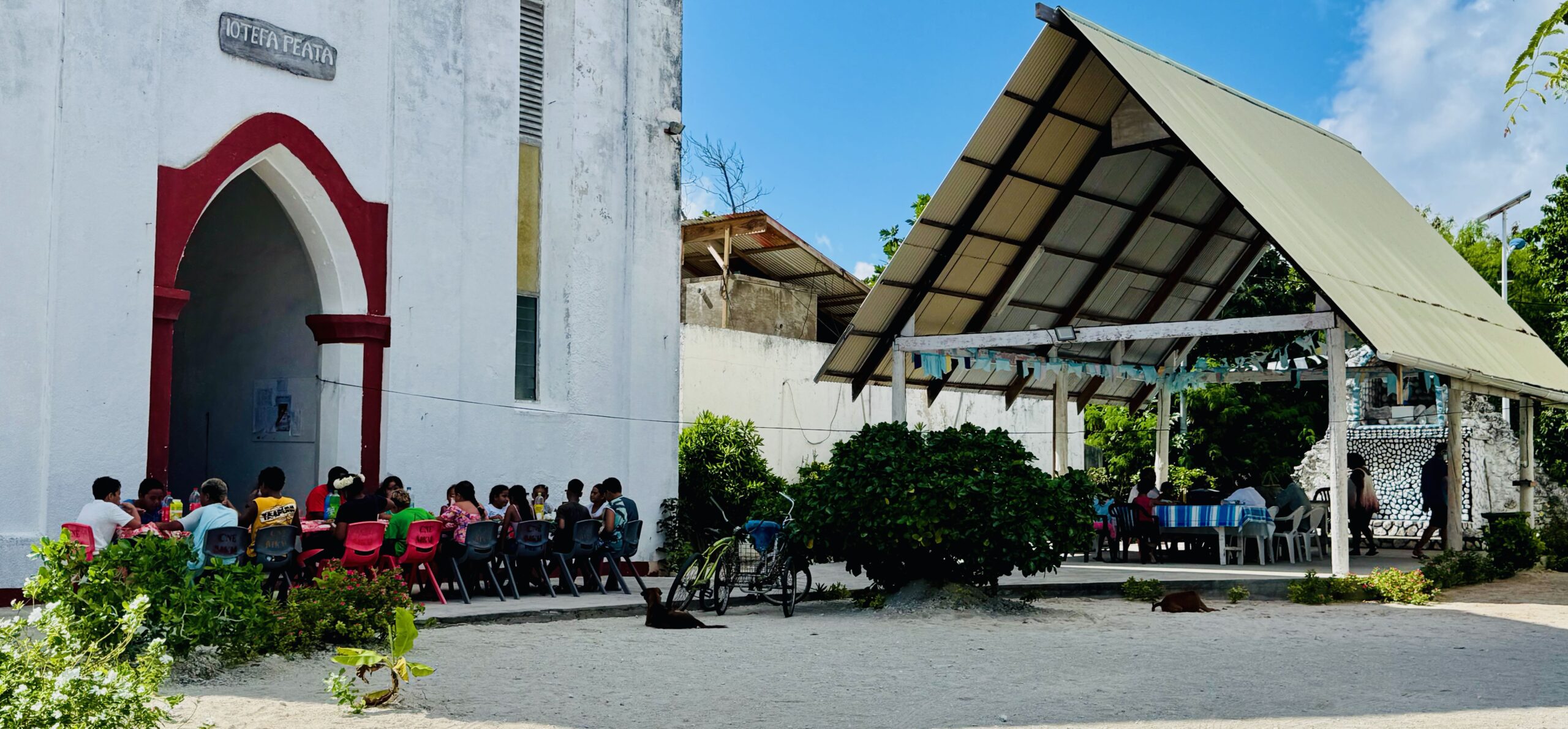
We got to watch a group of high-school-aged youths there on a Saturday afternoon.
The buildings are made out of coral.
On the interior, the chandeliers and altar embellishments were made from hundreds of mother-of-pearl shells collected in the local lagoon.
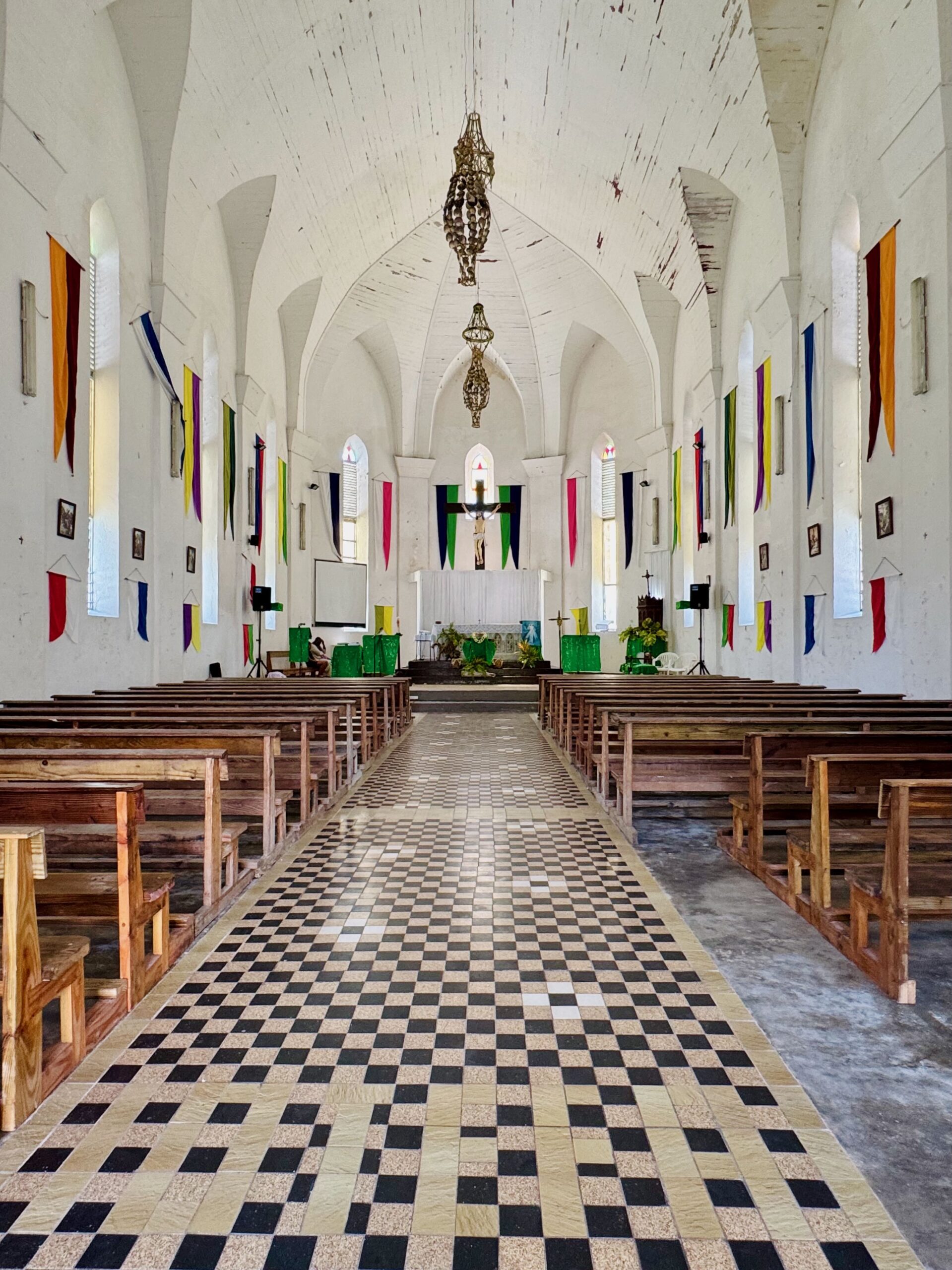
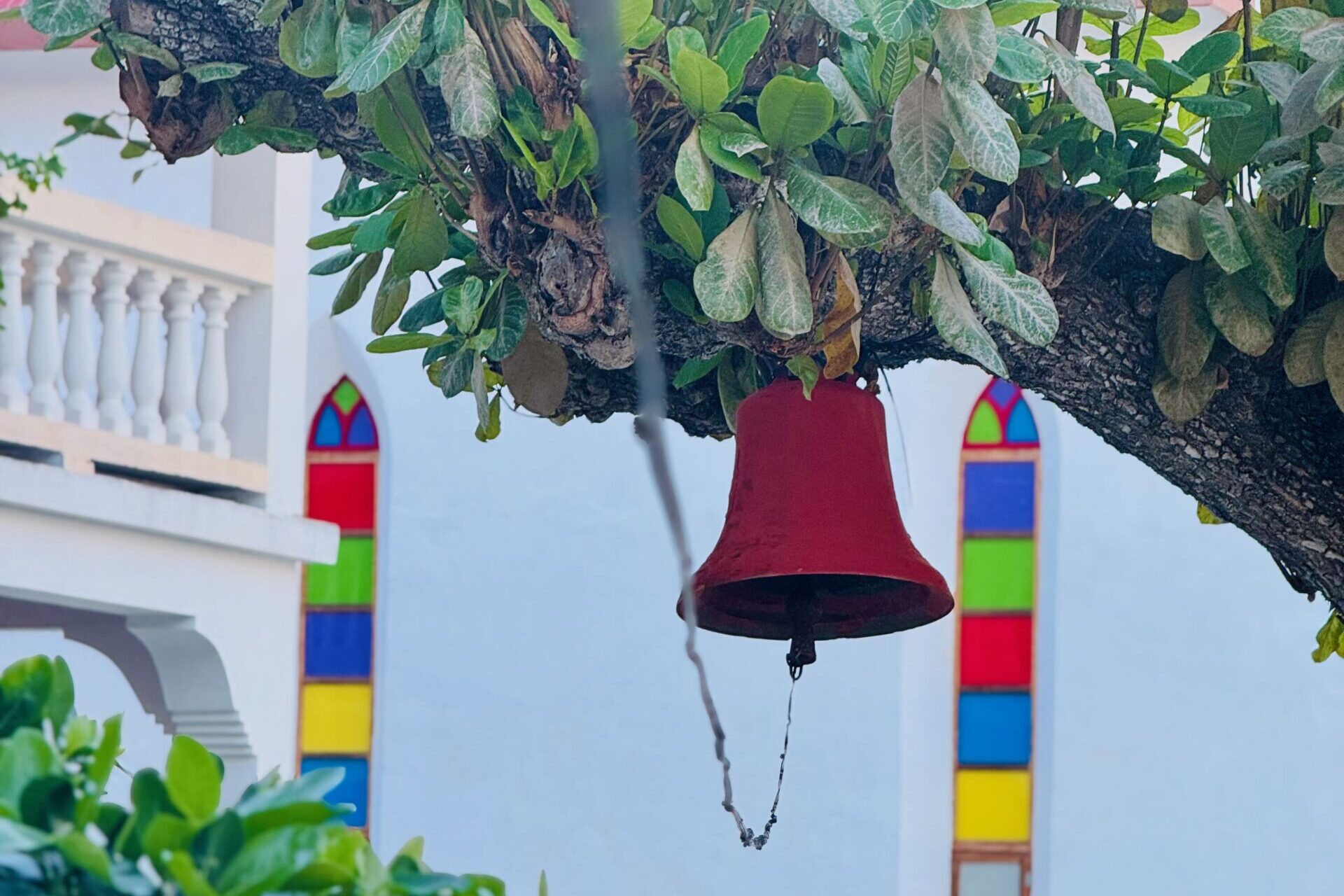
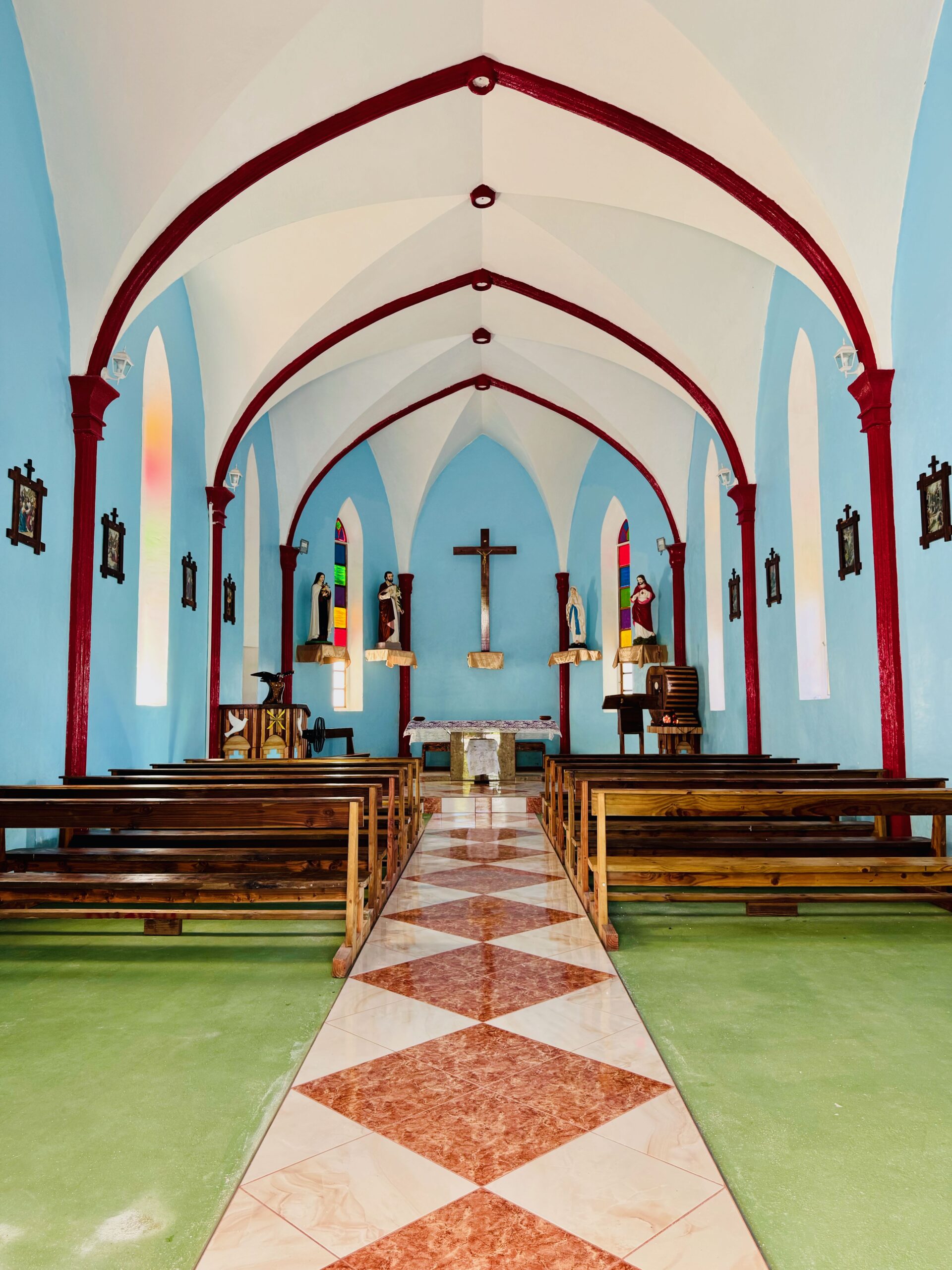
It’s part of the Metropolitan Archdiocese of Pape’ete (Roman Catholic).
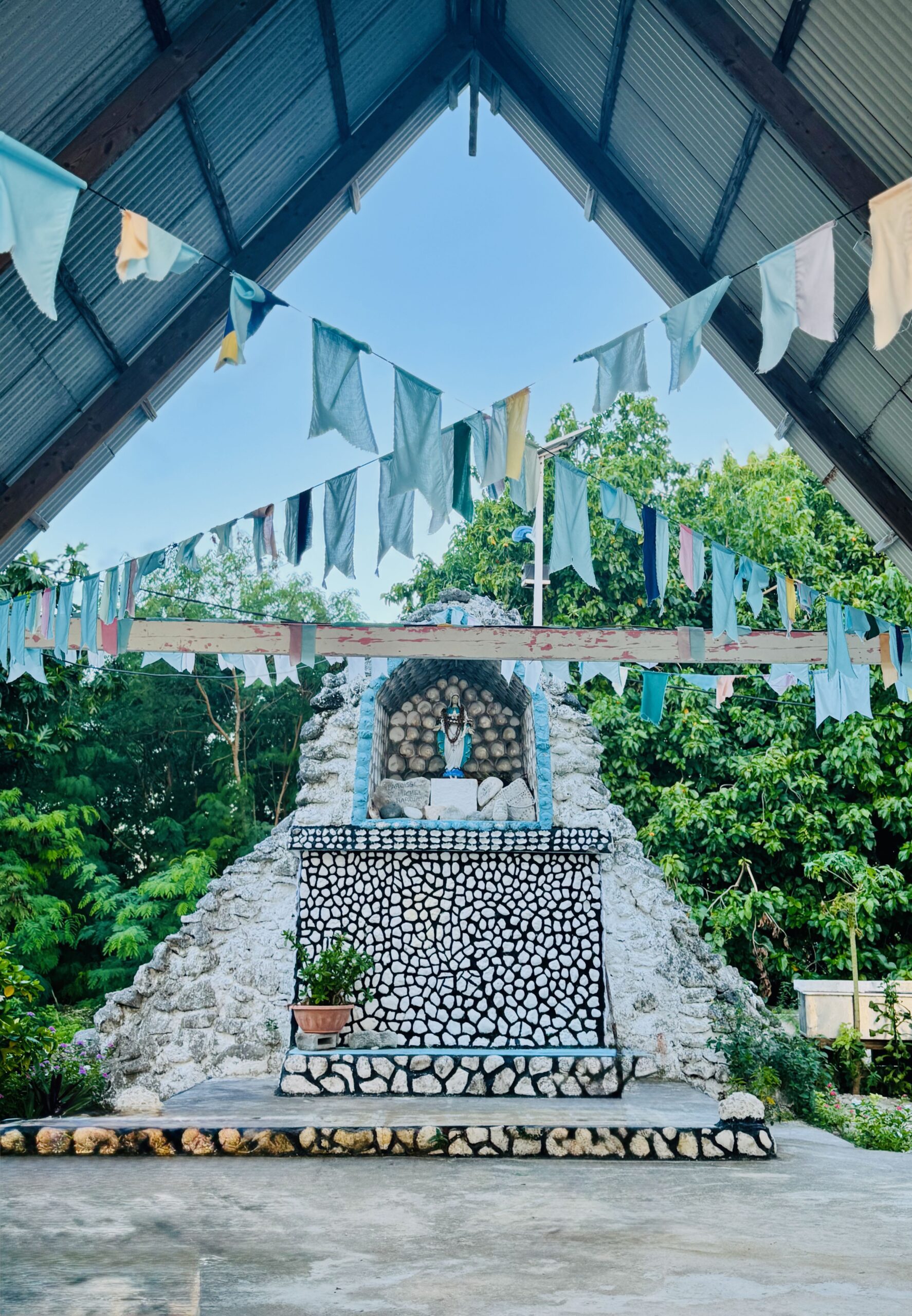
We also saw other shrines on people’s private properties.
3. Pink Sands and Natural Pools
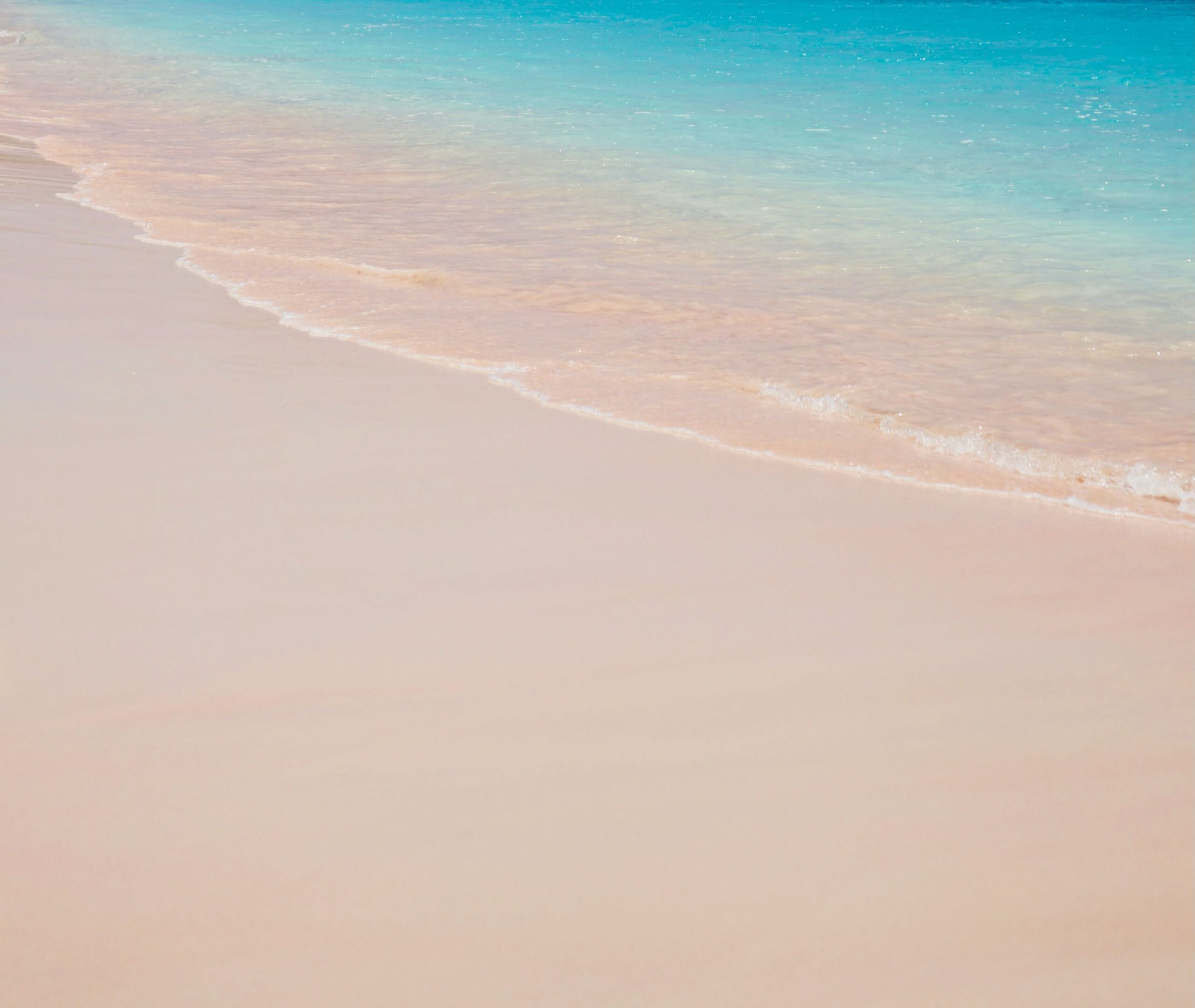
Like Tikehau, Makemo is blessed with stretches of sand that take on a pinkish hue from crushed coral and foraminifera. It was beautiful.
We spent a lot of time on both sides of the atoll. In contrast to the serene lagoon side, the ocean shoreline is rocky and wild.
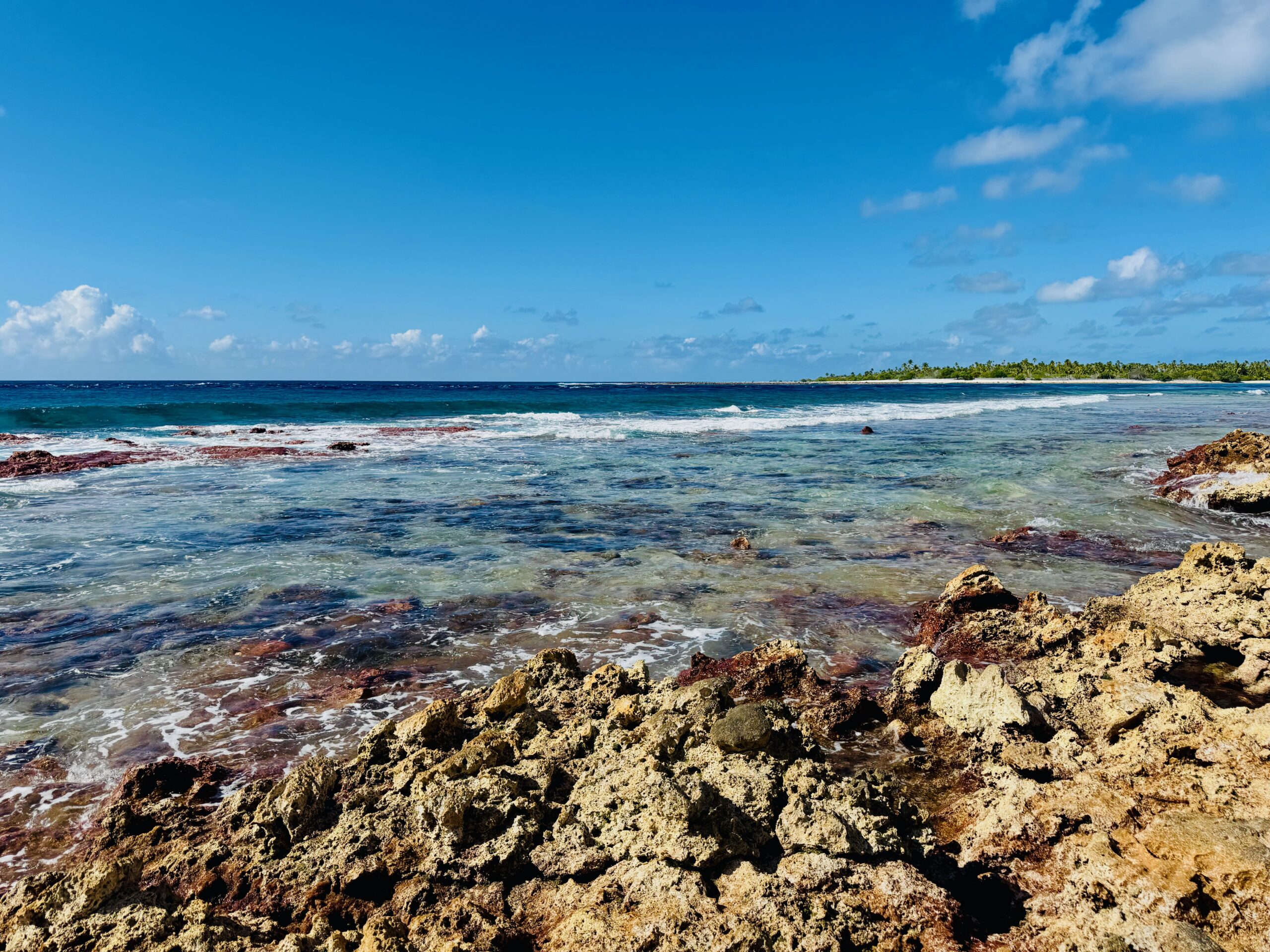
The natural pools there are mesmerizing.
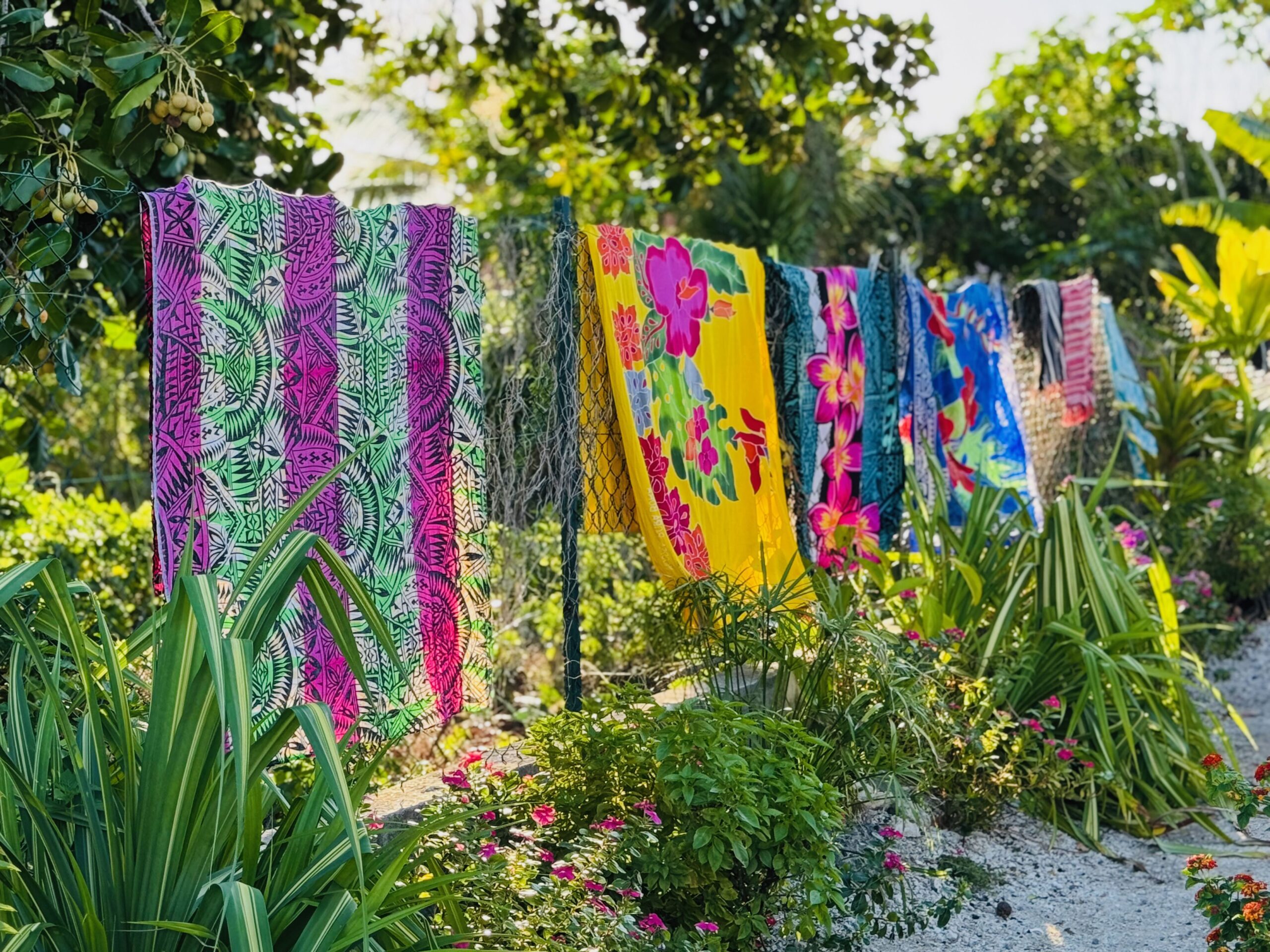
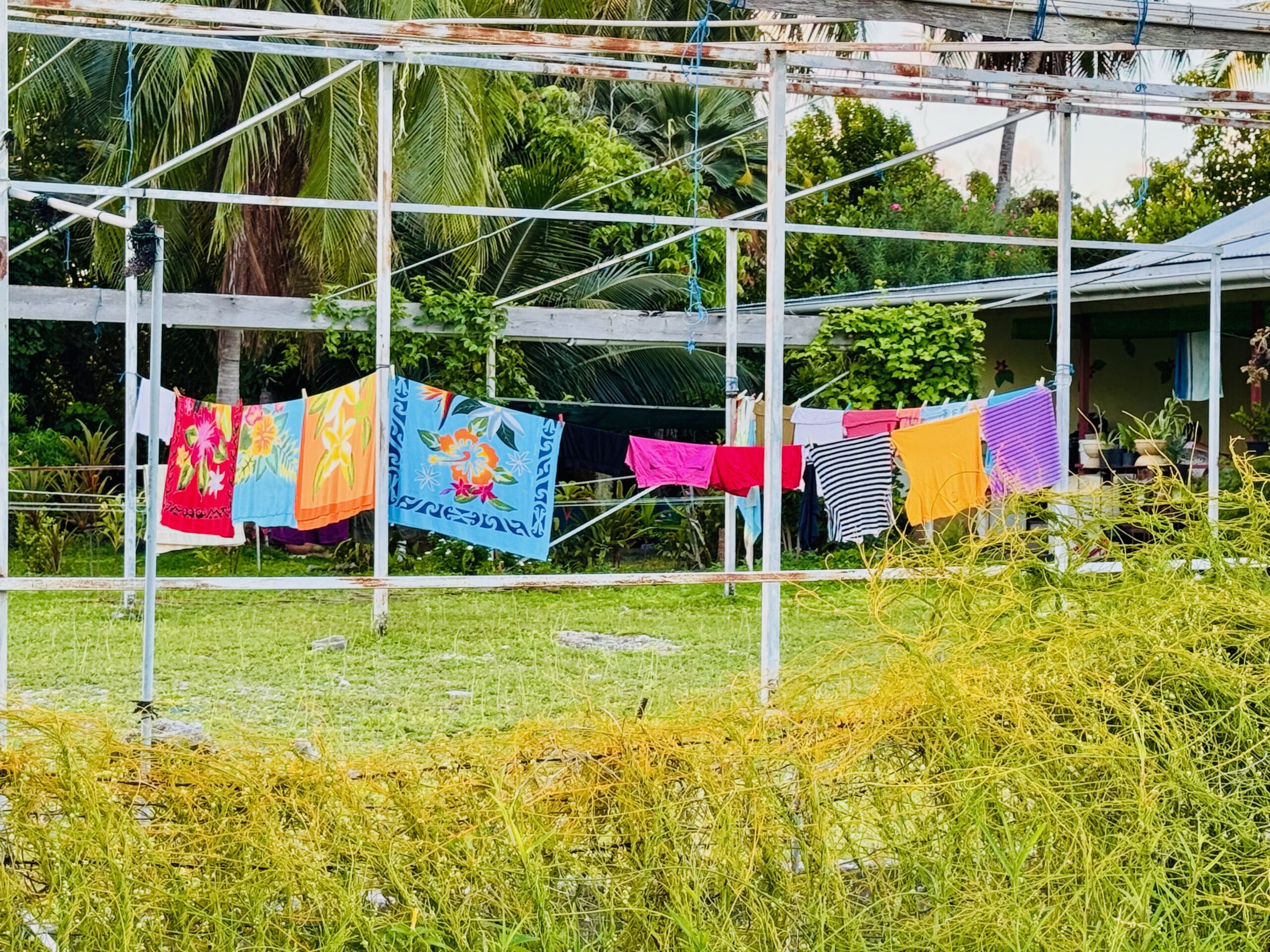
4. The Pareo Lifestyle
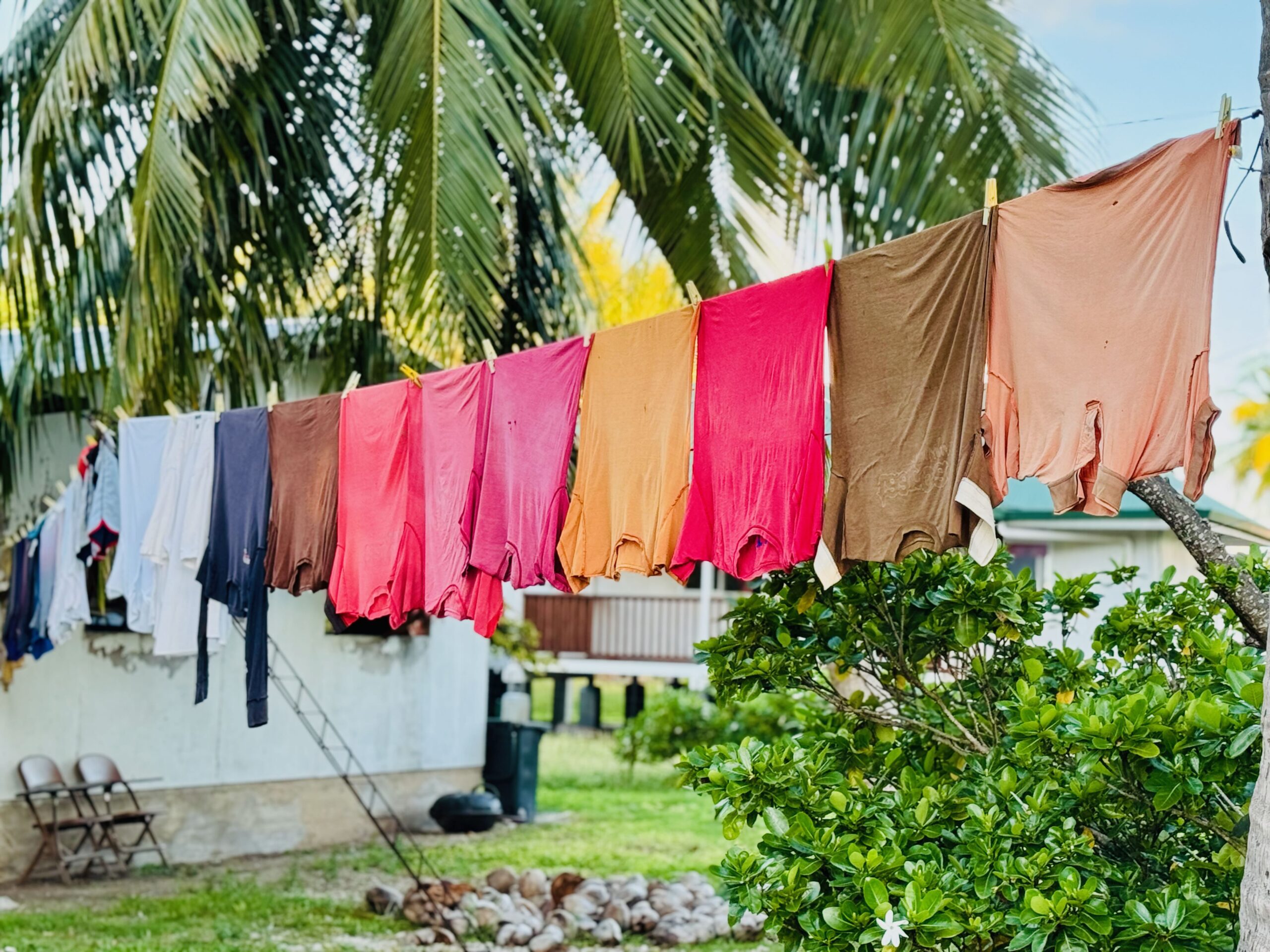
I am obsessed with pareos. To me they are more than just a piece of cloth. They represent art, community, and culture. They’re the epitome of unpretentiousness: throw one on over your swimsuit, and you’re instantly ready to hit the market, the beach, or even a local restaurant.
The women of Makemo embrace wearing pareos. I love that.
Other Memories
I loved hearing laughter waft through the open windows of community halls during lively sessions of kine (bingo), watching men congregate outside the sports center next to the concrete pier to play pétanque, and admiring walls made of coral.
Some other snapshots taken during our time there:
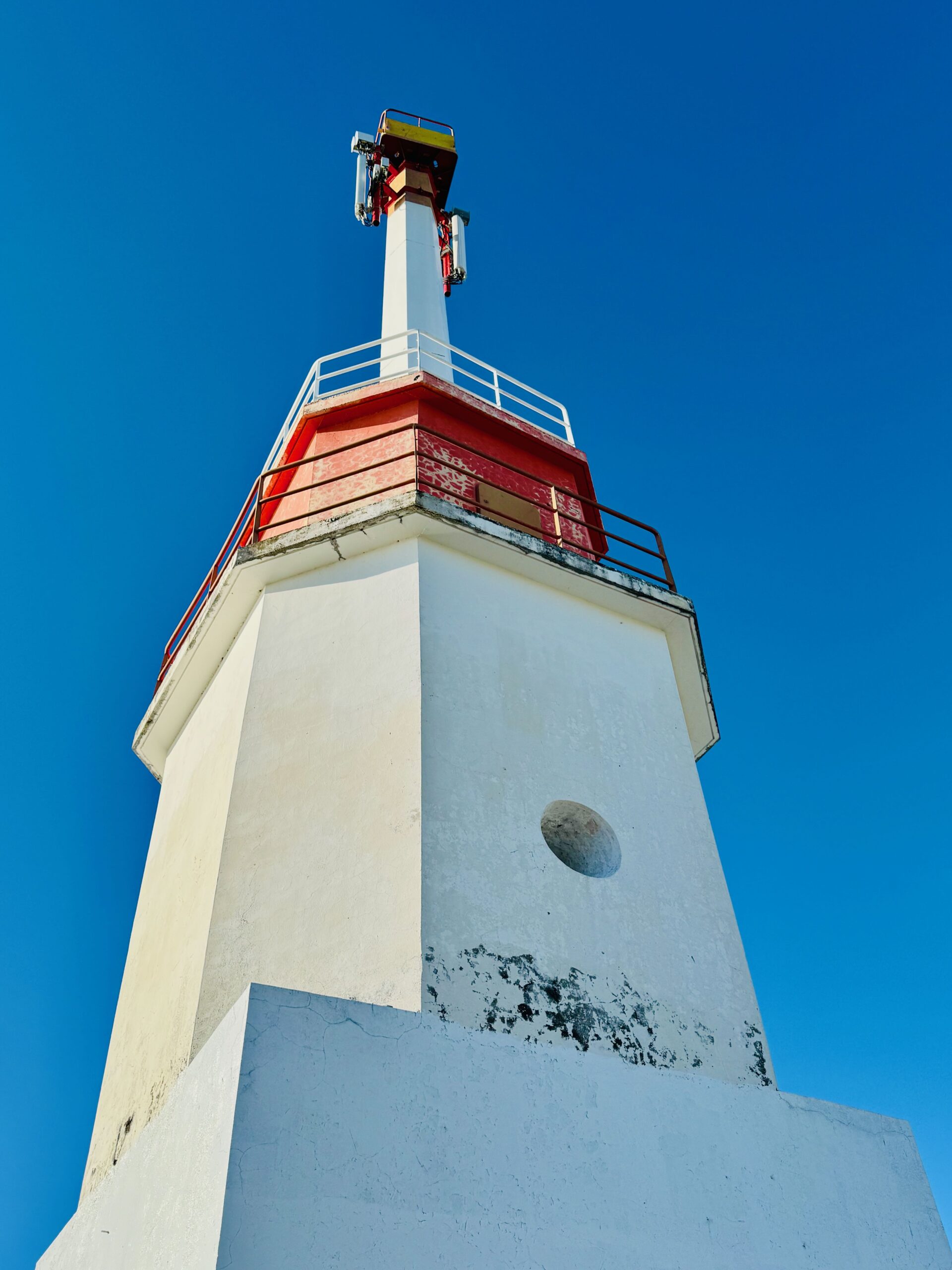
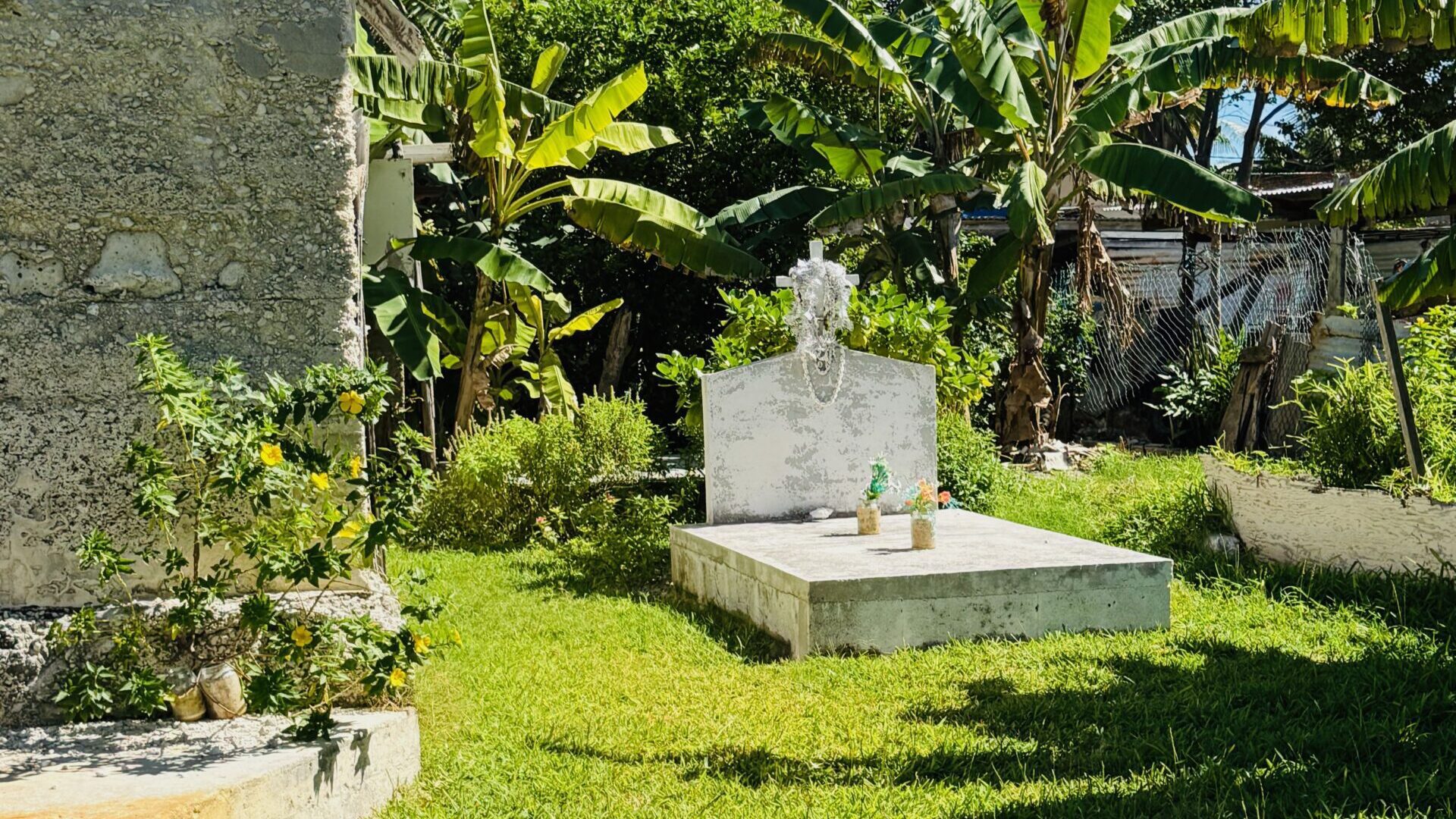
I had not seen this before. Apparently, Polynesians bury family members on their property as a sign of permanence: they are “planting” their lineage into the atoll. It is also sometimes done for reasons of comfort, protection, and completion of the cycle of life. Similarly, placenta is often buried in the yard after a child is born to connect them to the earth.
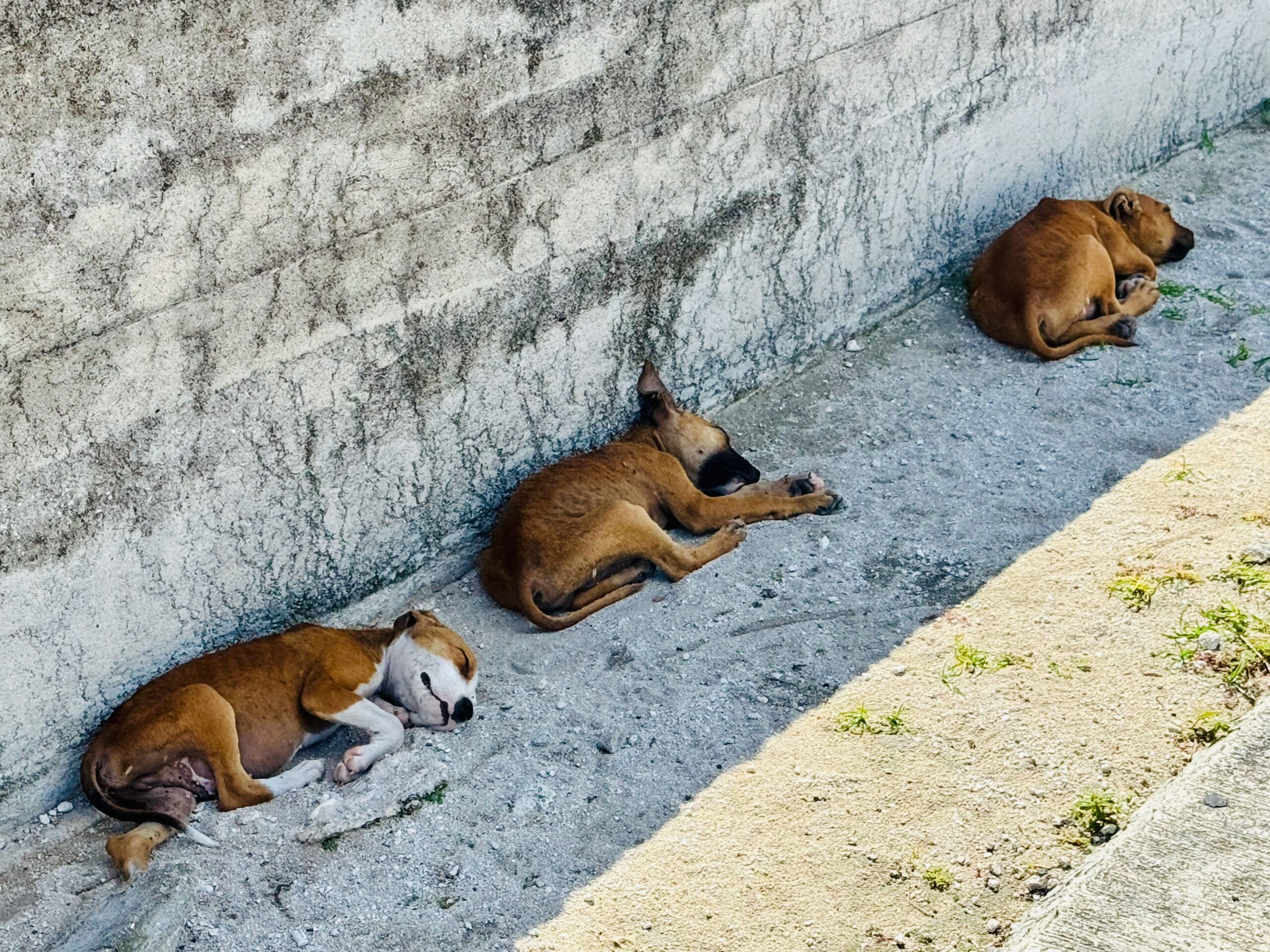
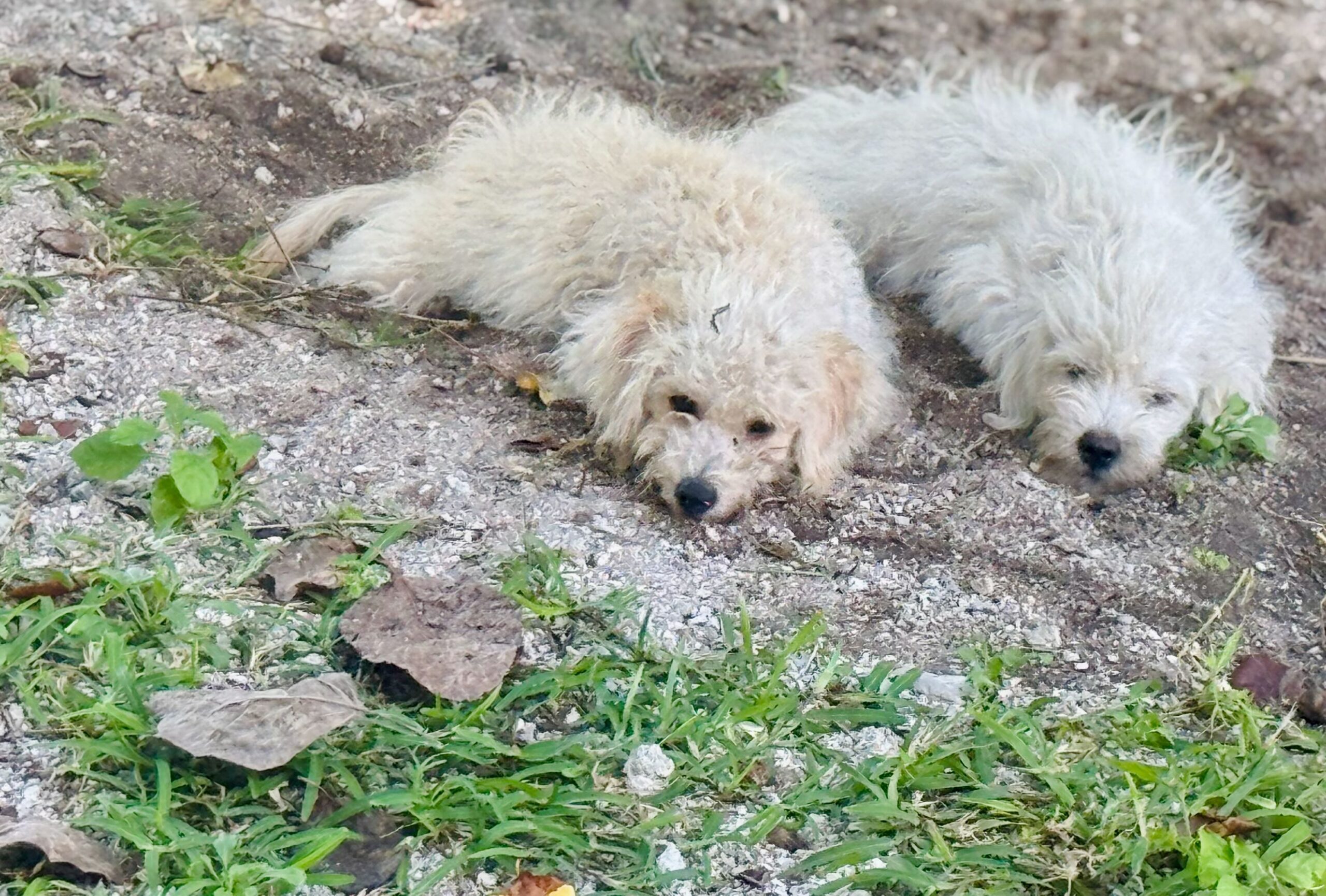
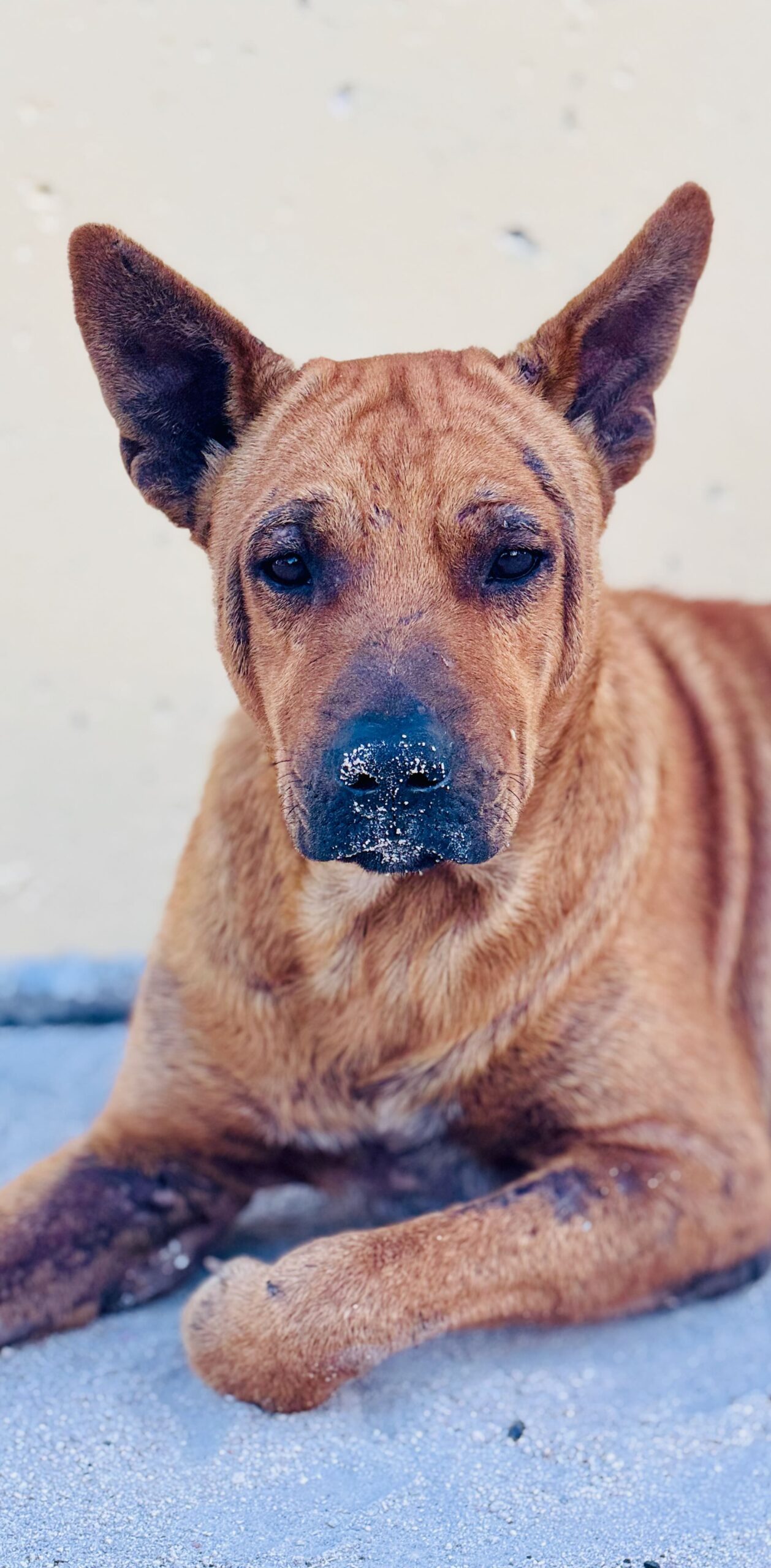
Most of the islands we have visited have had a lot of strays, but Makemo and Grand Turk stand out as having the most. The pups on Makemo can look a bit intimidating, as they travel in packs. But in actuality, they were very friendly.
It’s no secret that I’m a huge dog lover, so here’s my ode to the strays of Makemo:

Other Things to Do on Makemo
The Arikitamiro Pass
The West Pass (Tapuhiria)
The “Trou de la Baleine” (The Whale’s Hole)
Punaruku (The Ghost Village)
Shopping
There are two main markets on Makemo: Magasin Toa Mauri and Opareke Market. When planning a shopping trip, note that most businesses in Makemo close for a few hours around lunchtime.
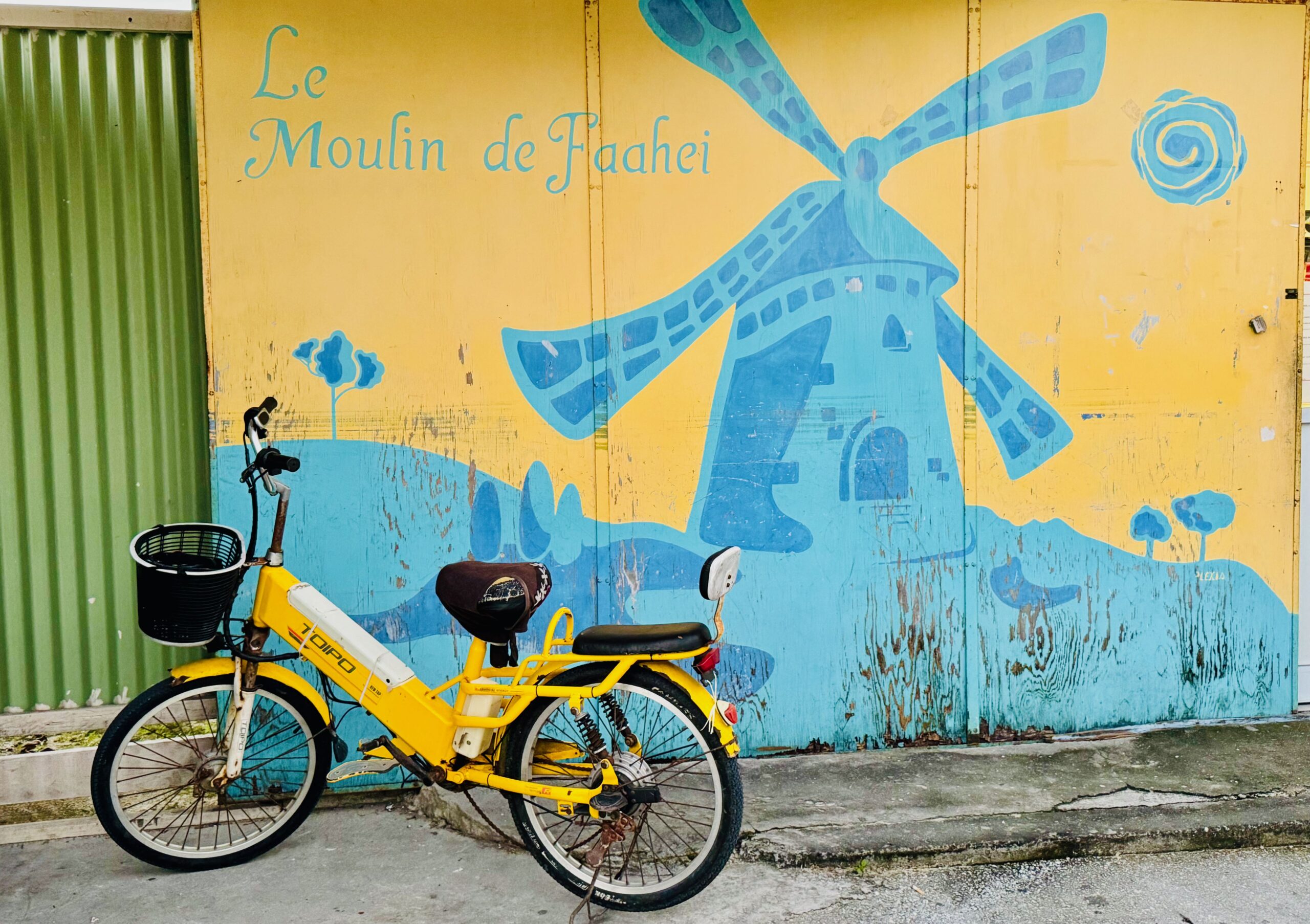
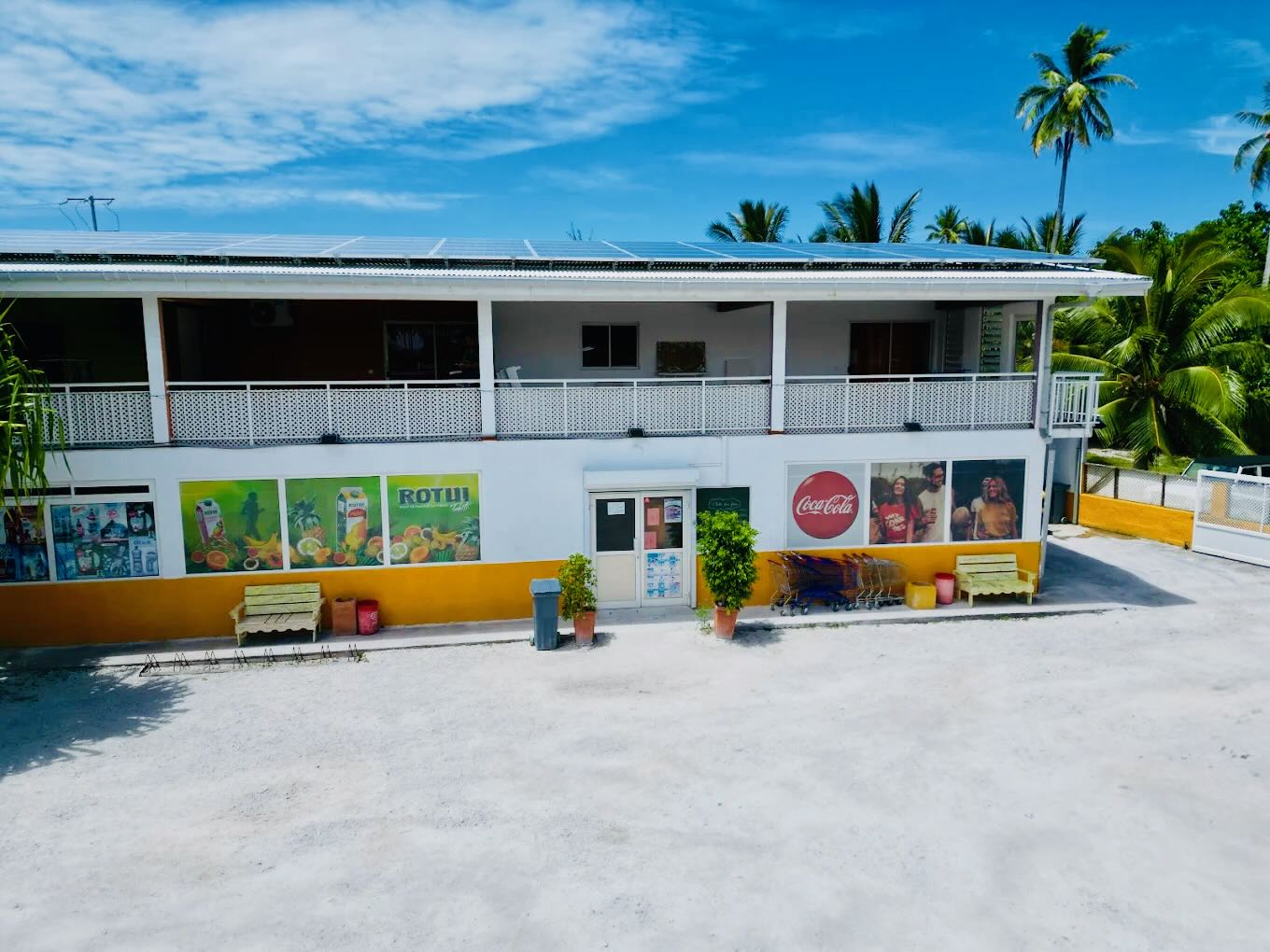
Opareke Market is the larger of the two and as of this writing is open seven days a week.
These two stores are located within about a block of each other, on the west side of the village.
Where We Ate
There are only a few restaurants on Makemo.
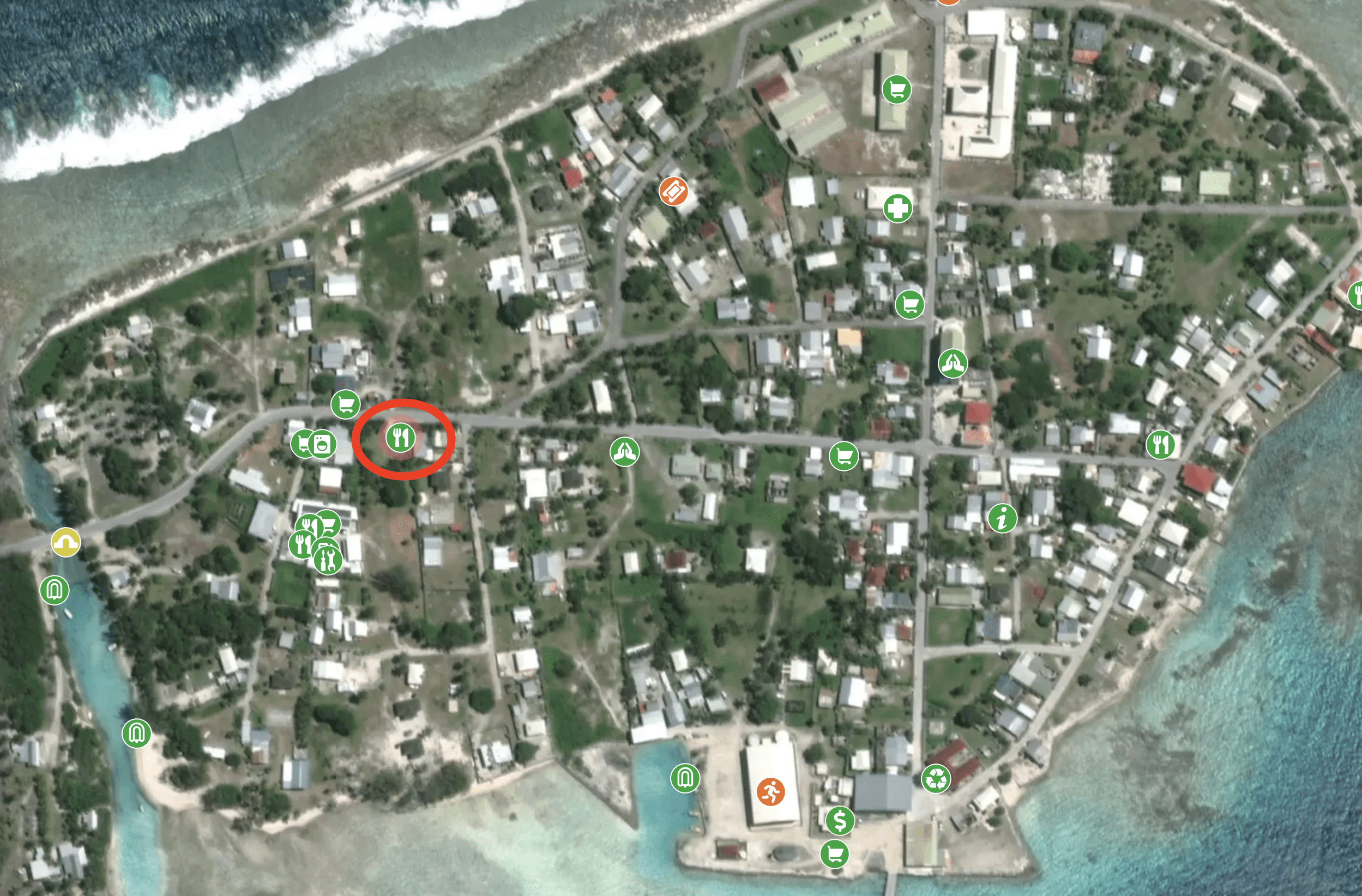
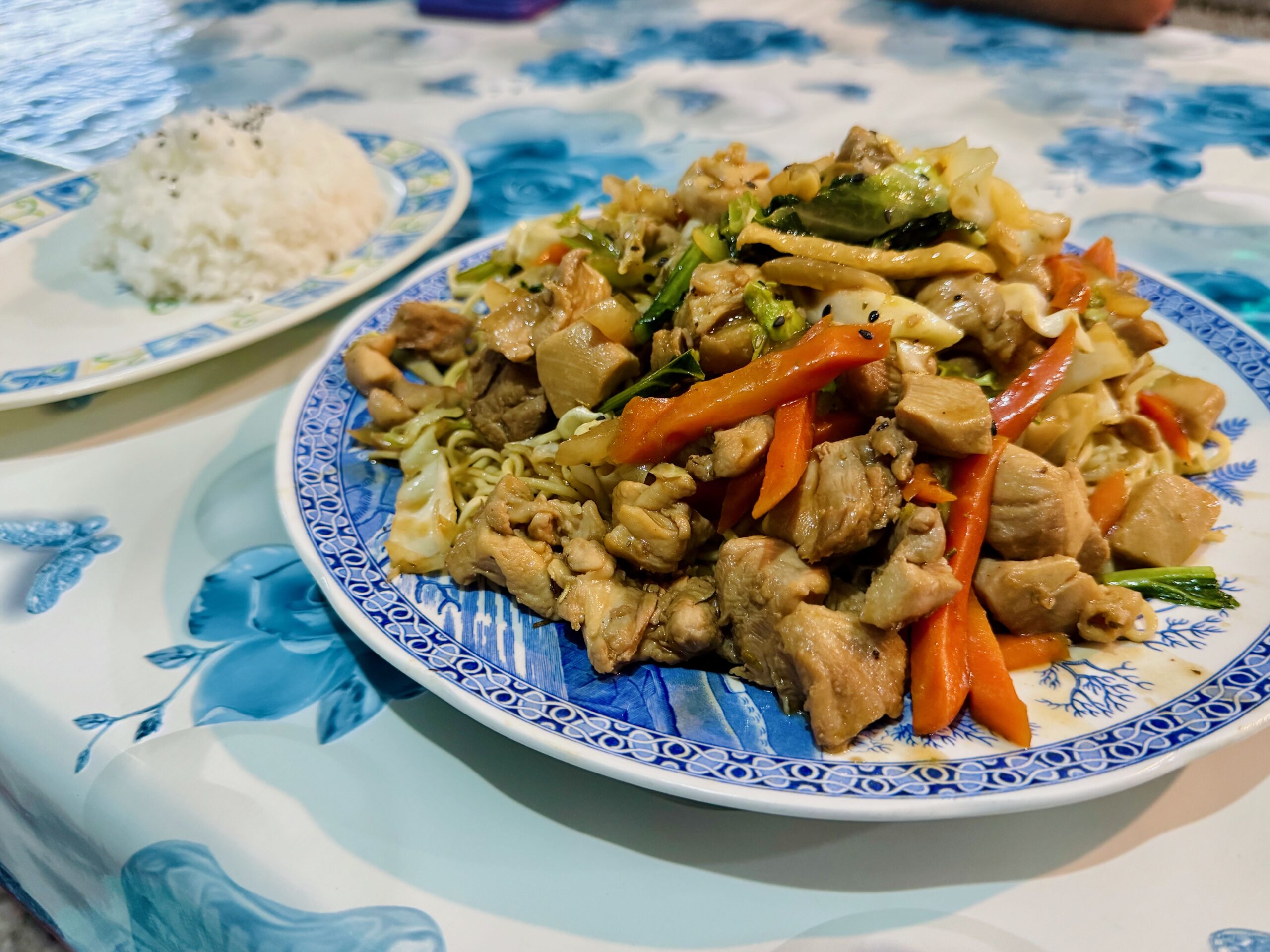
We ate at one simply called “Makemo” multiple times. When we were there, they were open from 5:00 to 10:00 p.m. daily.
They’re located here:
Getting There
Makemo has a small airport (built originally for military purposes; now civilian) with flights connecting from Tahiti. Air Tahiti offers regular flights there, although they may not be daily, so check the schedule well in advance.
Apparently, the flight is spectacular, offering aerial views of the mosaic of atolls scattered across the ocean.
Accommodations
When we were there, there were no big resorts on Makemo. Accommodations were almost exclusively in the form of pensions (guesthouses). We stayed on our boat, but we actually love pensions because it allows you to connect with local families.
Final Thoughts
In a world where “getting away from it all” often means just going to a slightly less crowded hotel, Makemo offers a genuine escape. It is a place where beautiful pink sand blankets crystal-clear lagoons, pareo-clad women gather to play kine (bingo), local men swap stories while playing pétanque, and groups of young people raise their voices in song in the local sanctuary.
We really loved it.
You can see a map of Makemo here.