
Sailing into the Galapagos Islands can be intimidating. There are dozens of rules you must follow: have your boat hull cleaned, obtain a fumigation certificate, separate and label your trash, post certain placards, carry only biodegradable cleaning products, have no animals on board…the list is as long as the number of tales about cruisers being turned away to re-scrub their hulls.
Being two Virgos, we were perfectly prepared. I think it also helped that we hired an agent, Javier Plúa Rizzo, of Yacht Agents Galapagos.
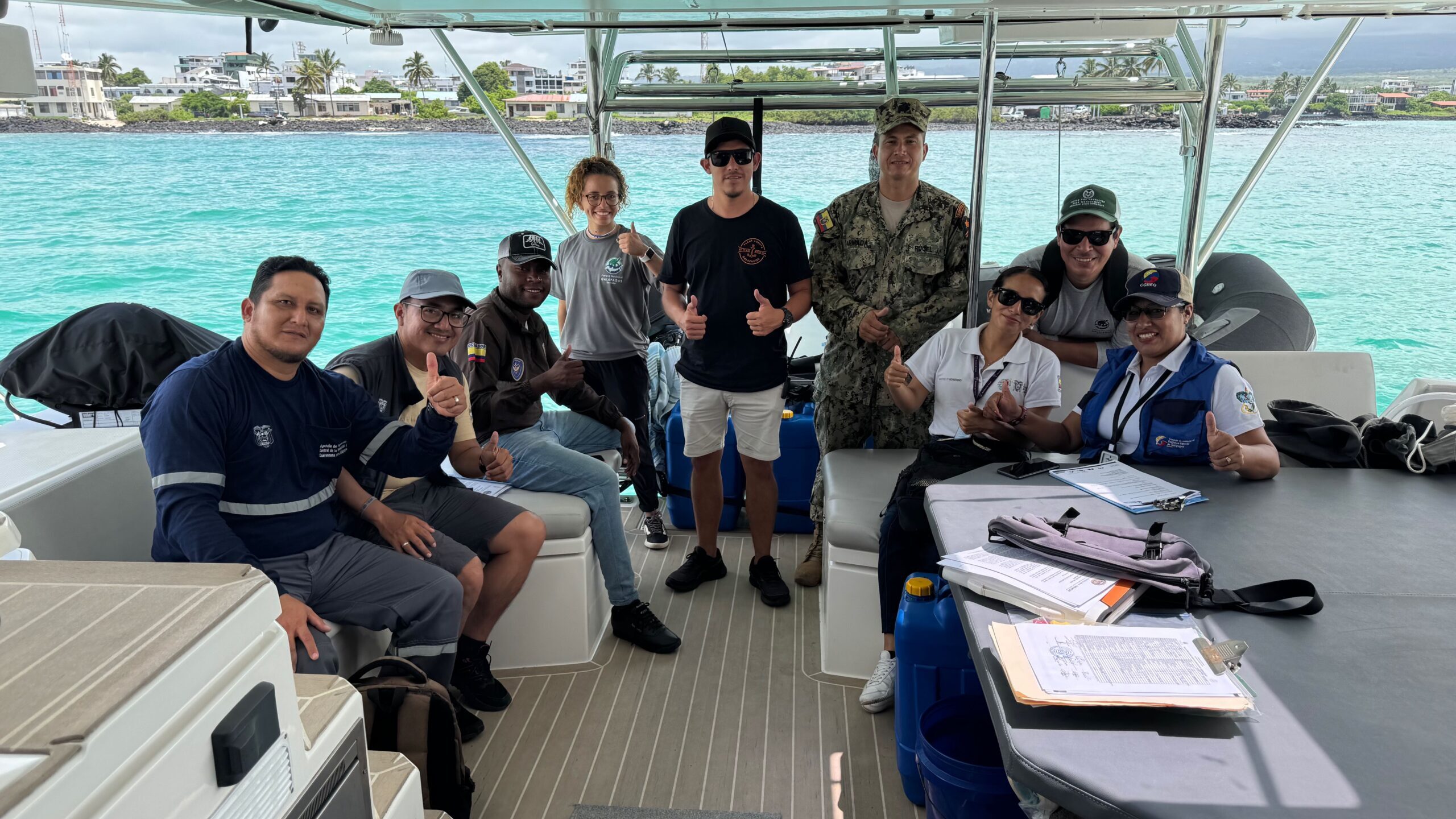
Probably because of those two factors, the customs and immigration team on Santa Cruz Island was not only accommodating—they were actually welcoming.
At first, we were astonished by how many of them there were. But as they conducted their inspections one by one, it was a really pleasant experience. They were respectful of us and our boat, and thankfully, we passed with flying colors.
With the formalities out of the way, we couldn’t wait to explore this mysterious island paradise.
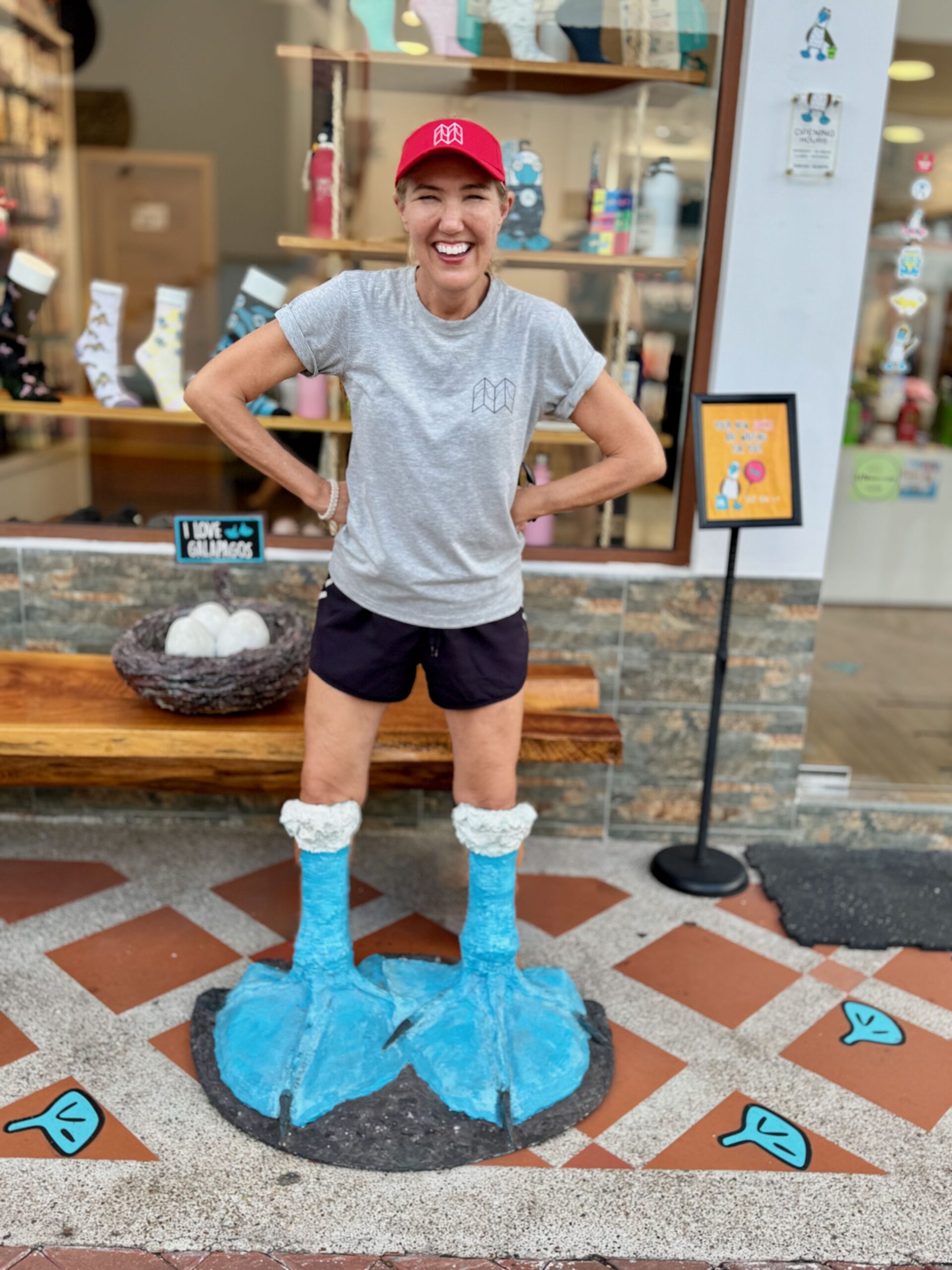
Top 10 Things We Loved About Santa Cruz Island
1. Peaceful Cohabitation
Simply said, everyone gets along in the Galapagos Islands. Humans are respectful of the animals that are literally everywhere, and the animals keep to themselves. It is very peaceful.
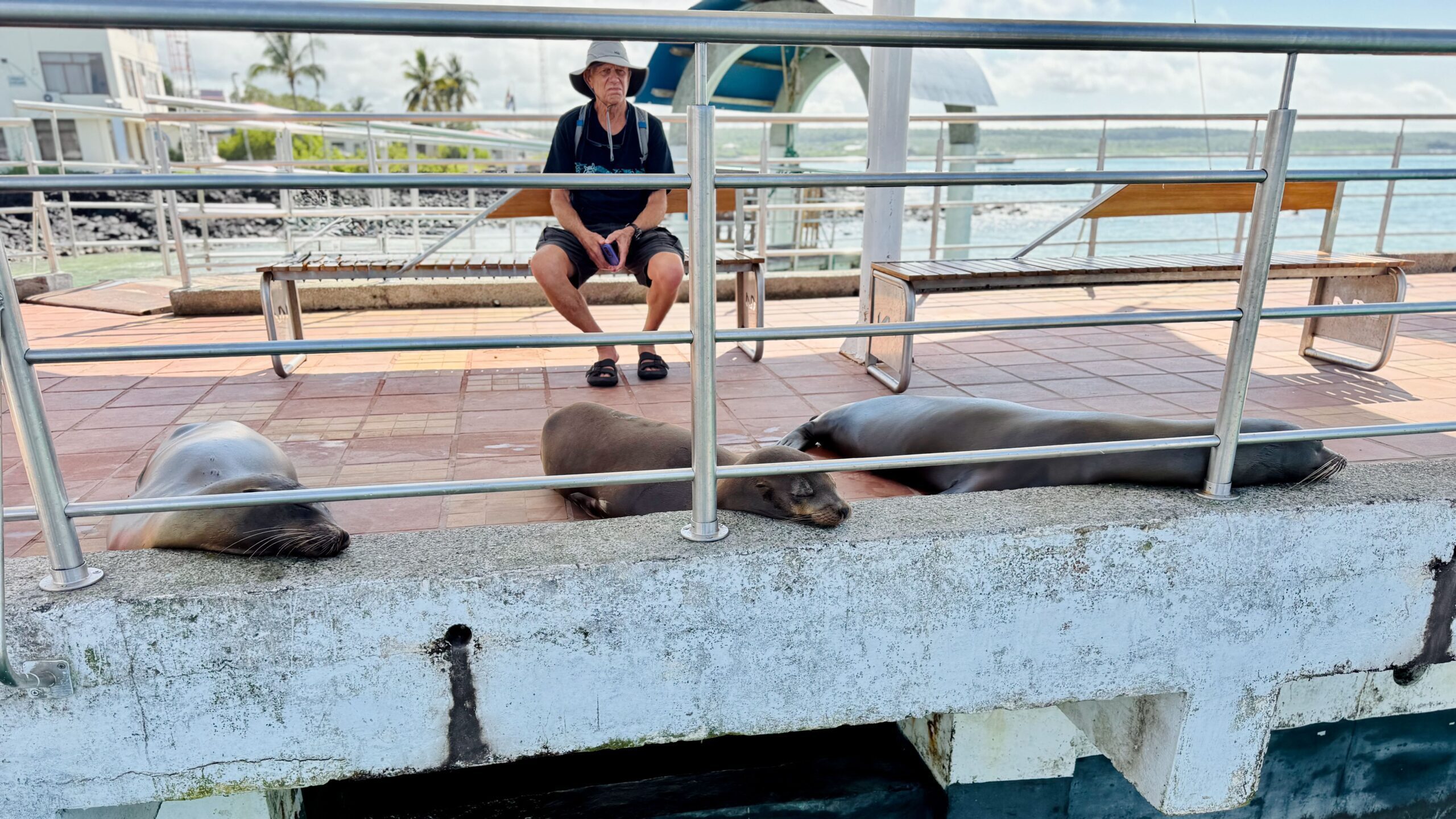
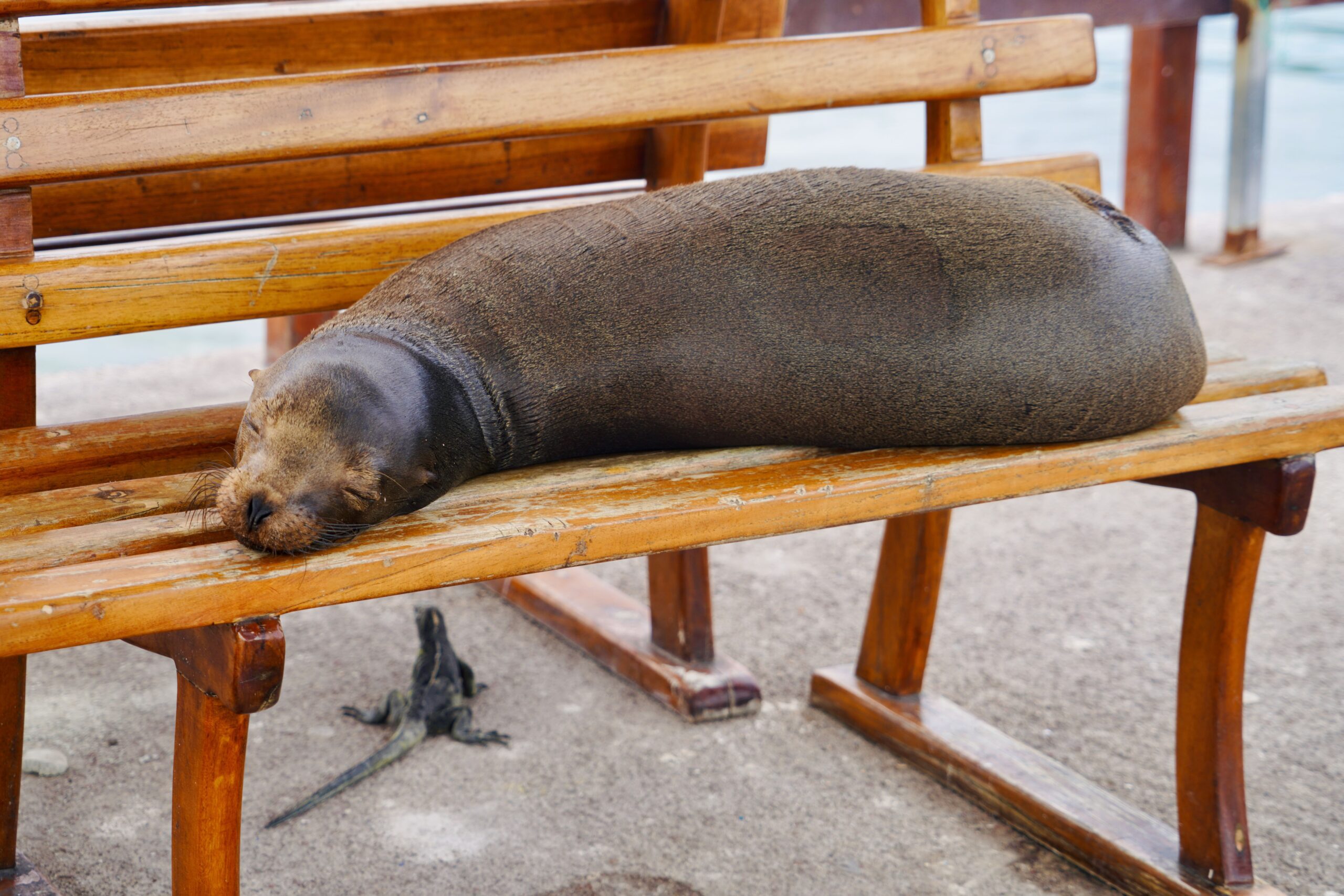
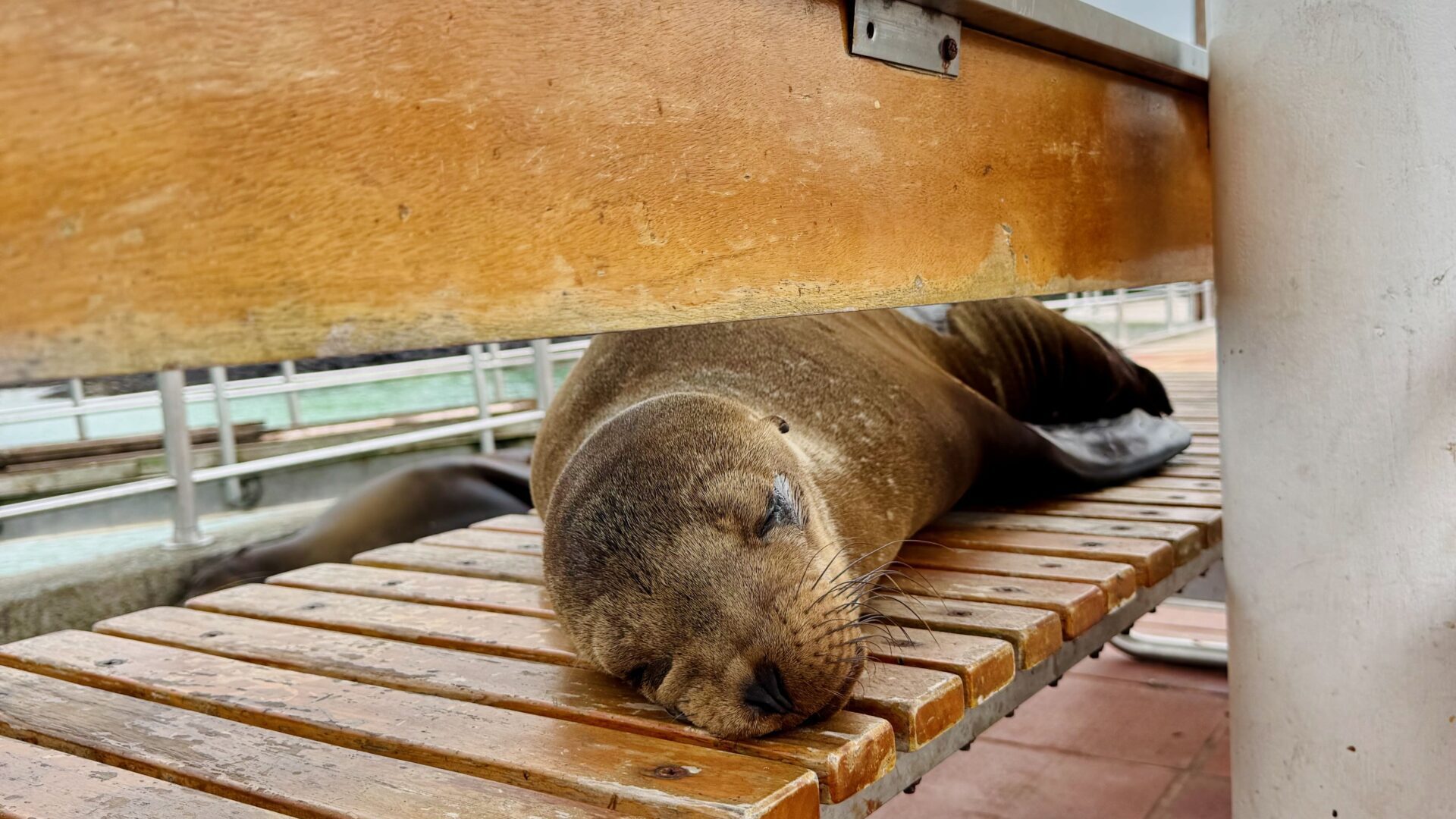
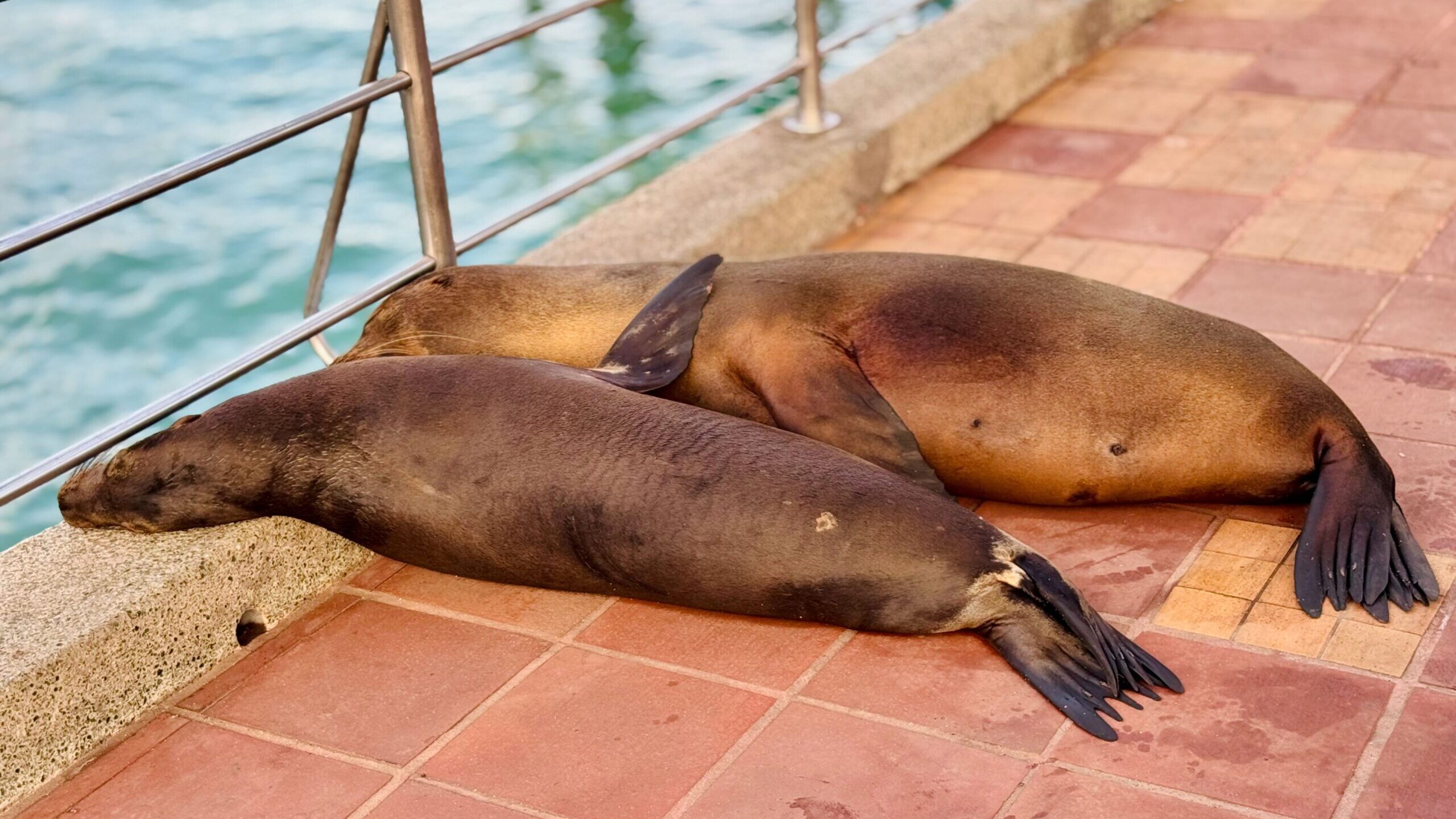
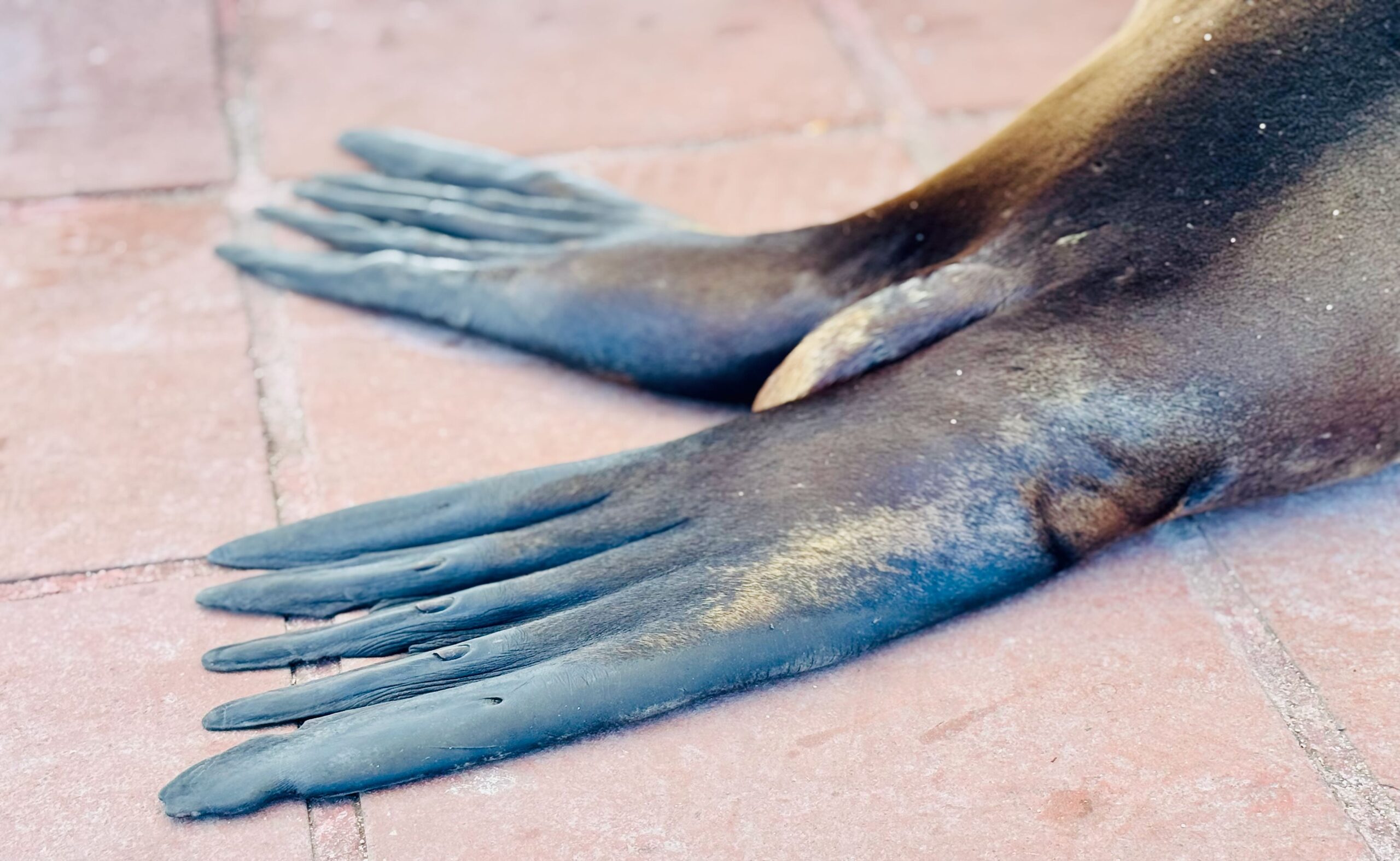
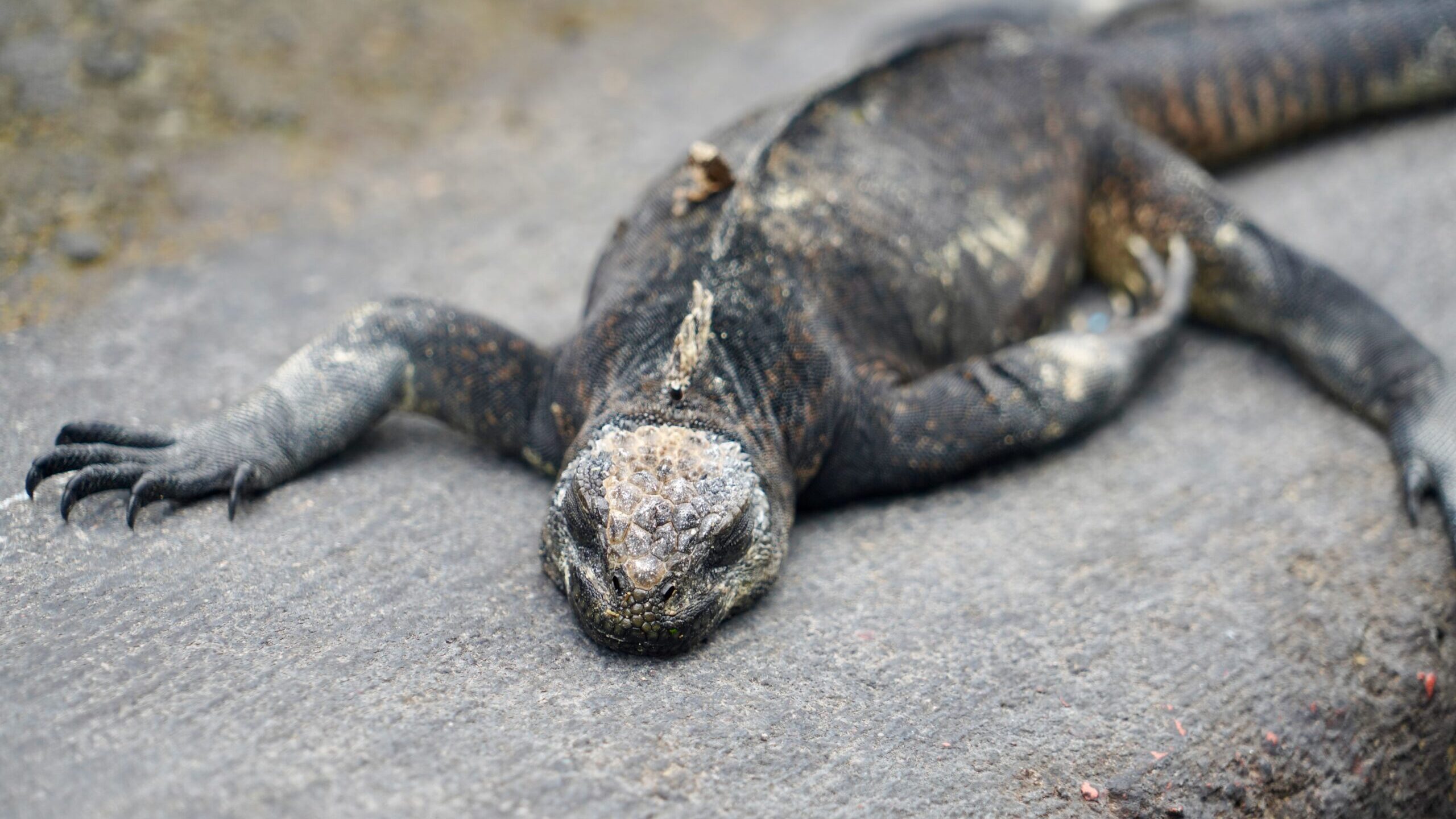
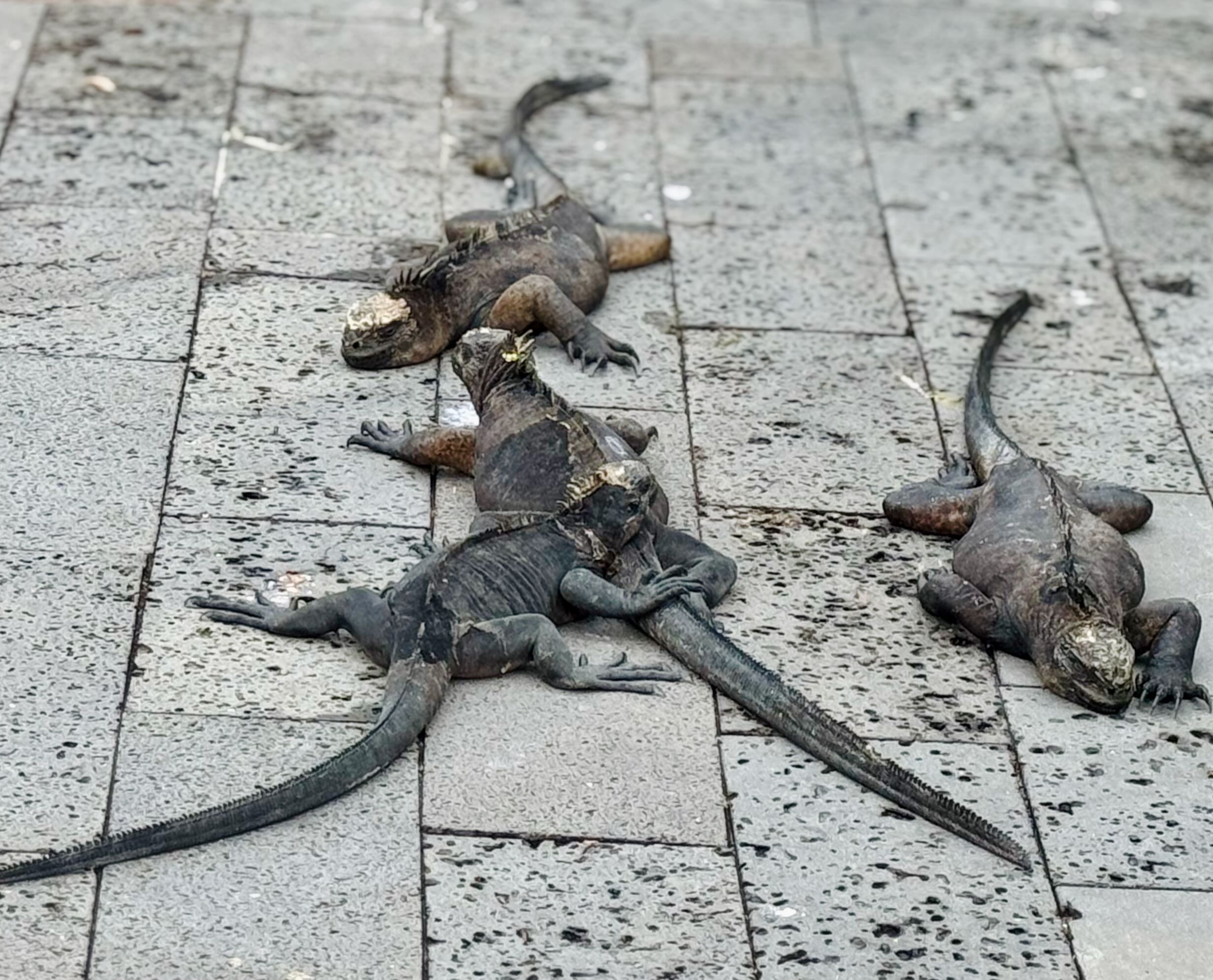
Okay, maybe not always peacefully. If you scroll to the end of this video, you’ll witness a mama sea lion snap at her nursing pup (turn on the sound for the full experience):
By and large, everyone gets along very well. It’s lovely.
2. The Vibrancy of Puerto Ayora
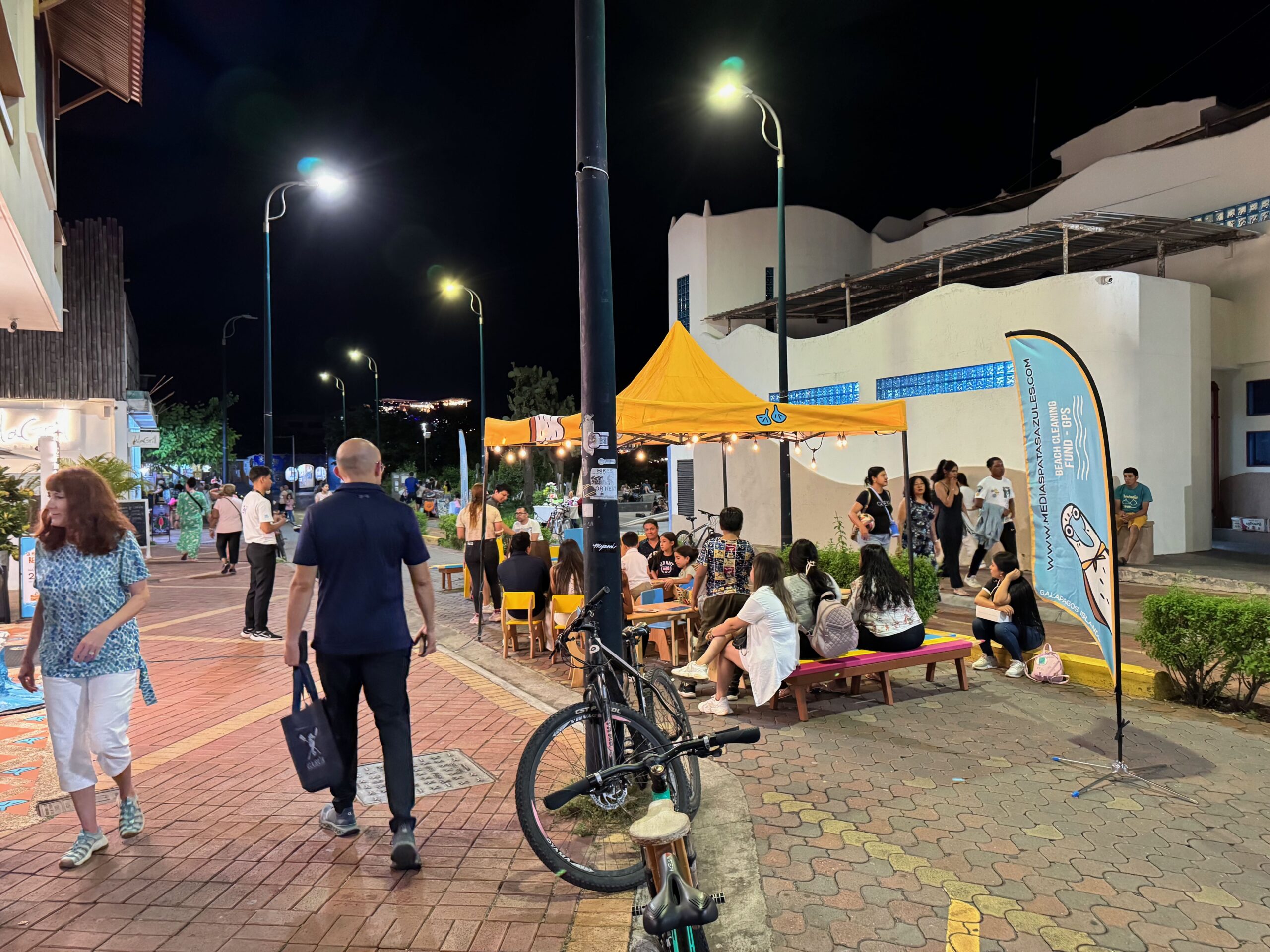
When we arrived at the Galápagos Islands, I expected wild animals and lava rocks. And while that exists in spades across the archipelago, we didn’t expect to fall in love with Puerto Ayora as much as we did. It is a vibrant, bustling, and surprisingly cosmopolitan hub where sea lions snooze on park benches and locals dine al fresco just steps (or should I say, six feet) away. It is chock full of charming boutiques and trendy cafes.
We spent hours just strolling up and down Avenue Charles Darwin.
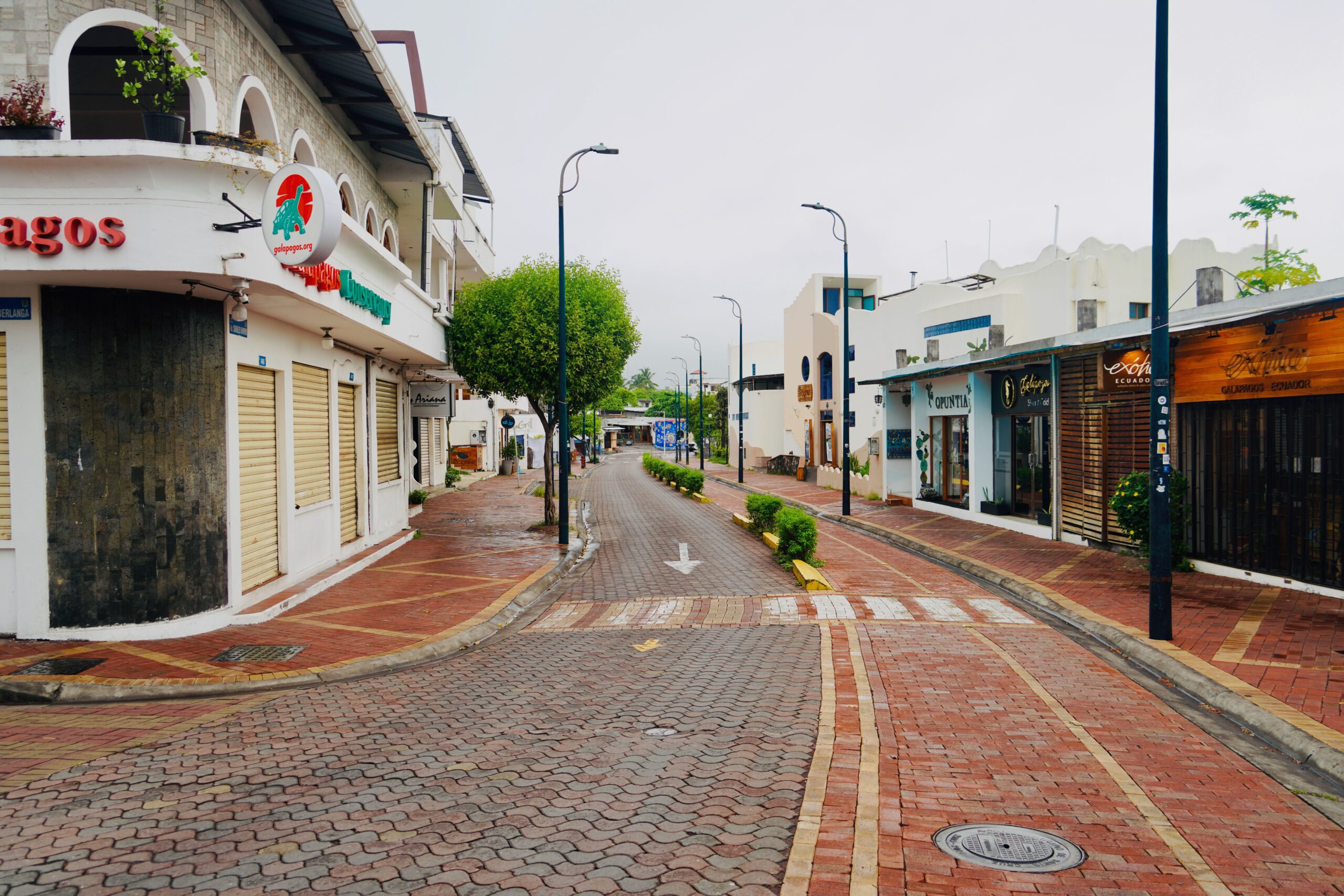
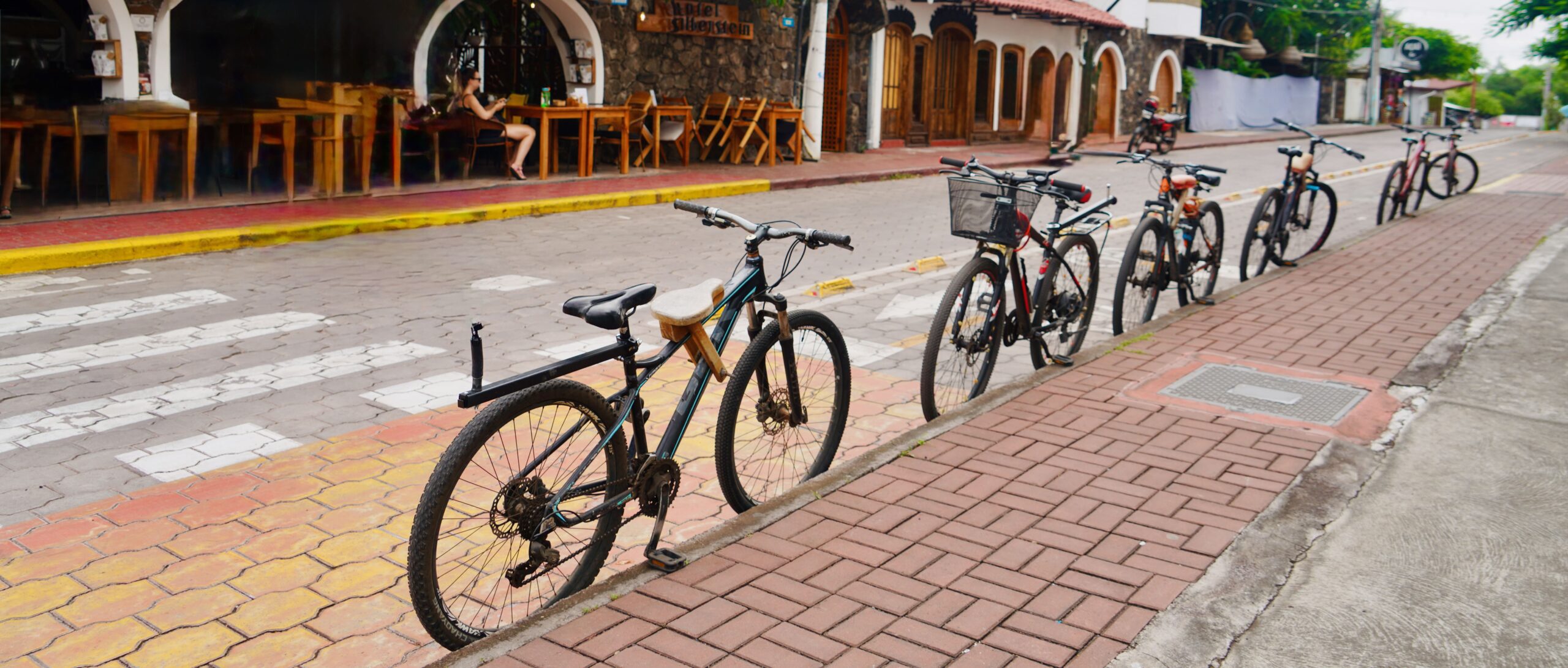
It feels very safe in Puerto Ayora. This notion was validated when we noticed that no one locks up their bikes, and unaccompanied children often play in the streets until late at night.
A local explained to us that the crime rate on the island is extremely low. It was like stepping back in time to the 1950s.
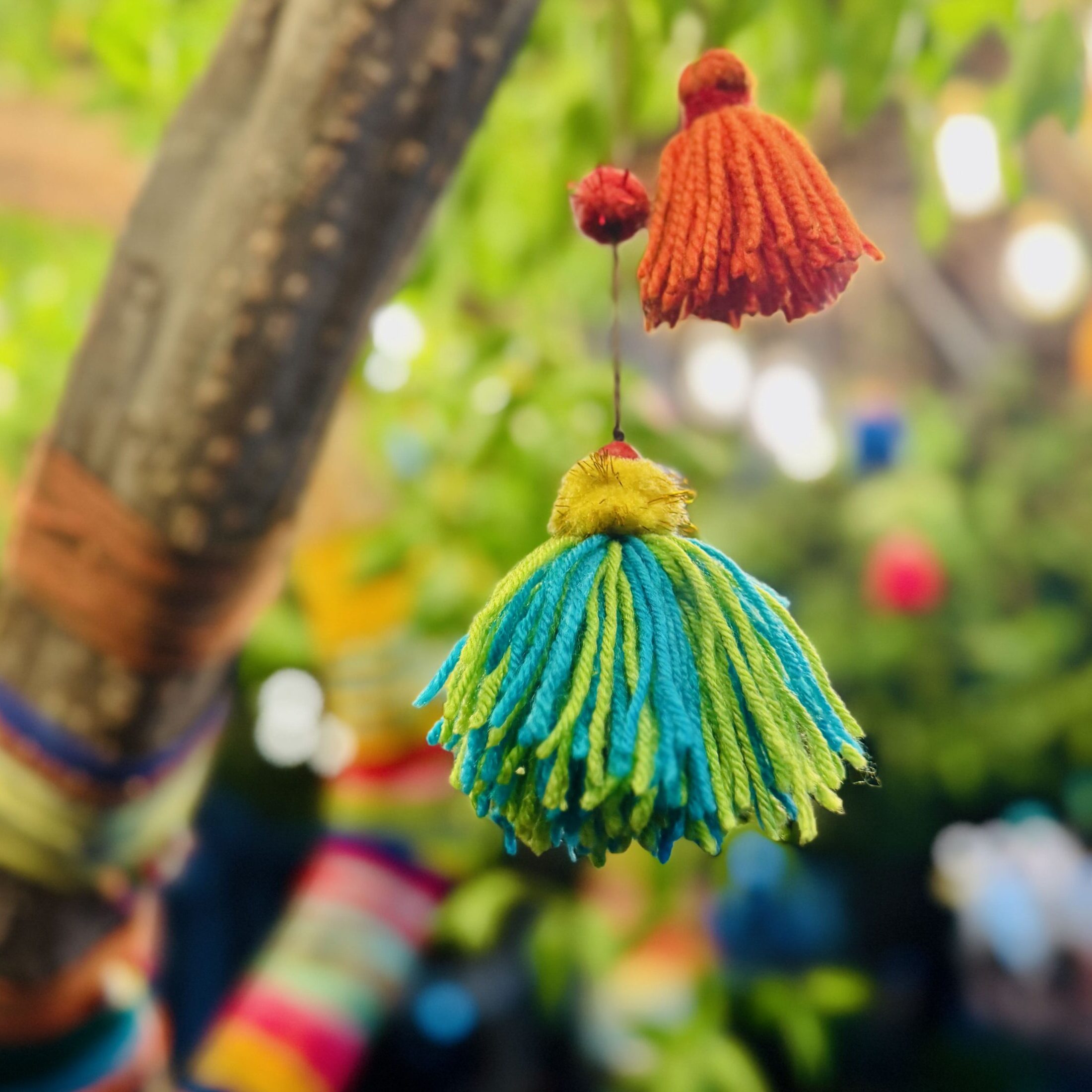
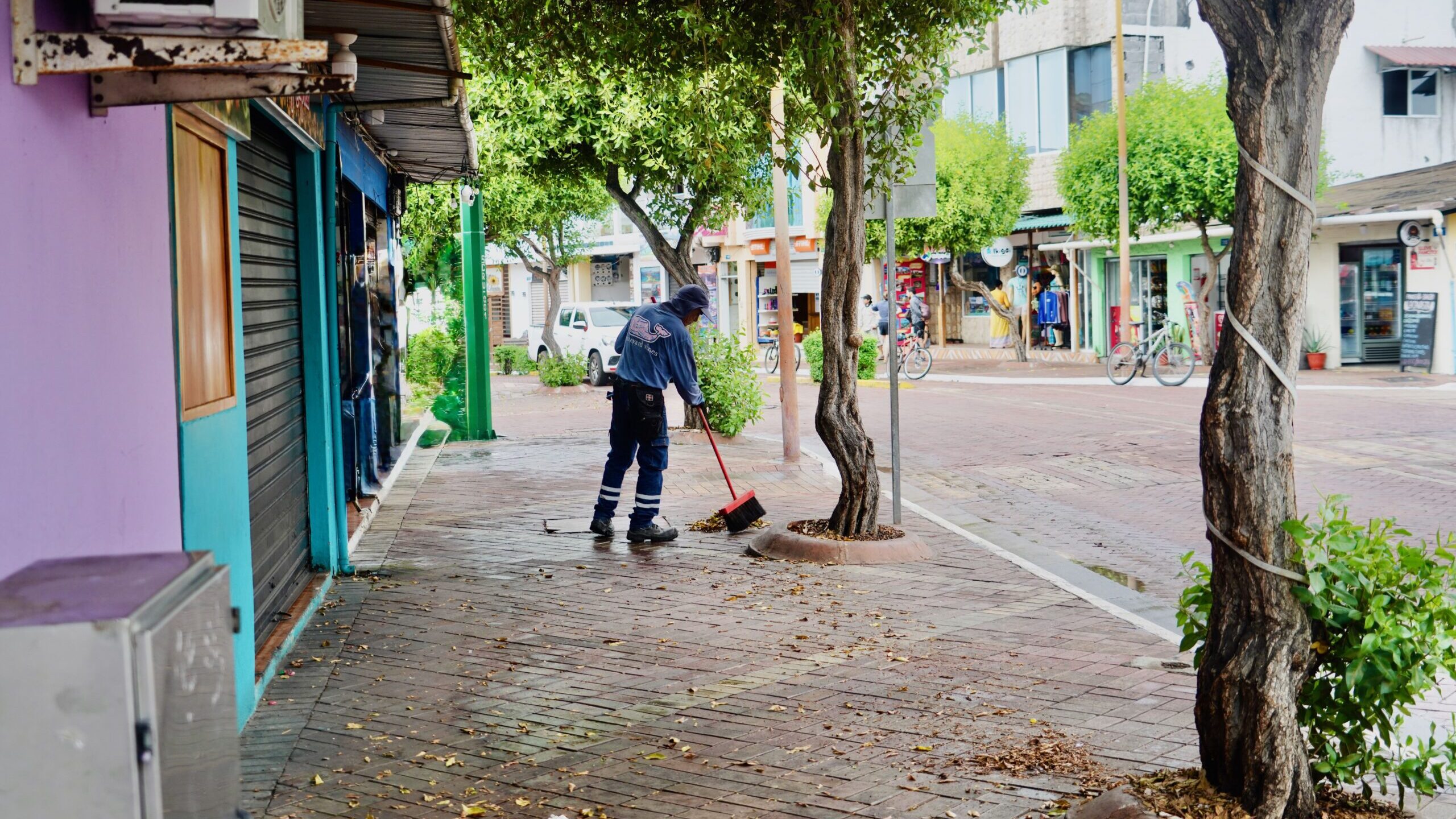
There are vibrant colors everywhere.
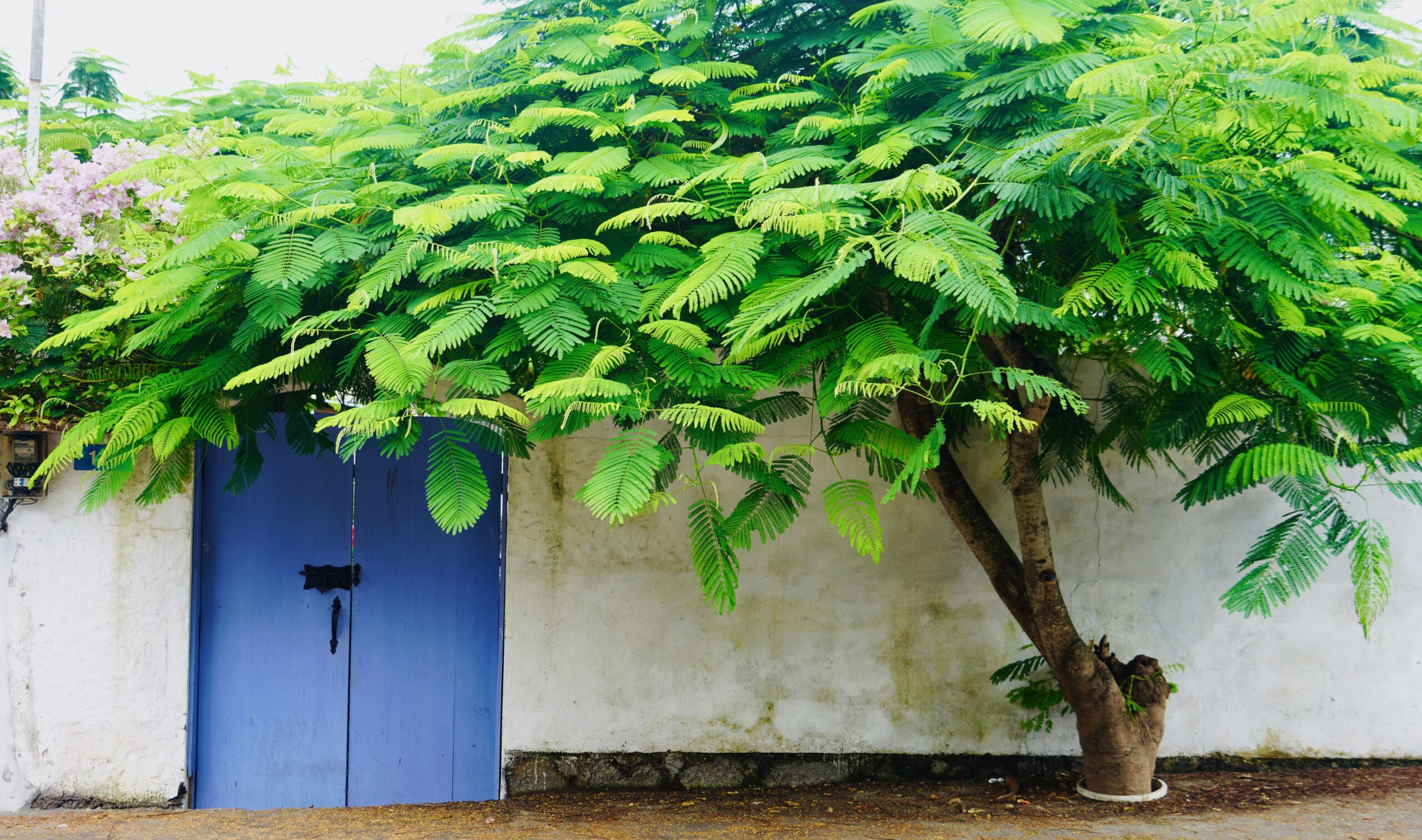
Puerto Ayora is a very clean town, and one can see why: they clearly dedicate resources to meticulously maintaining it.
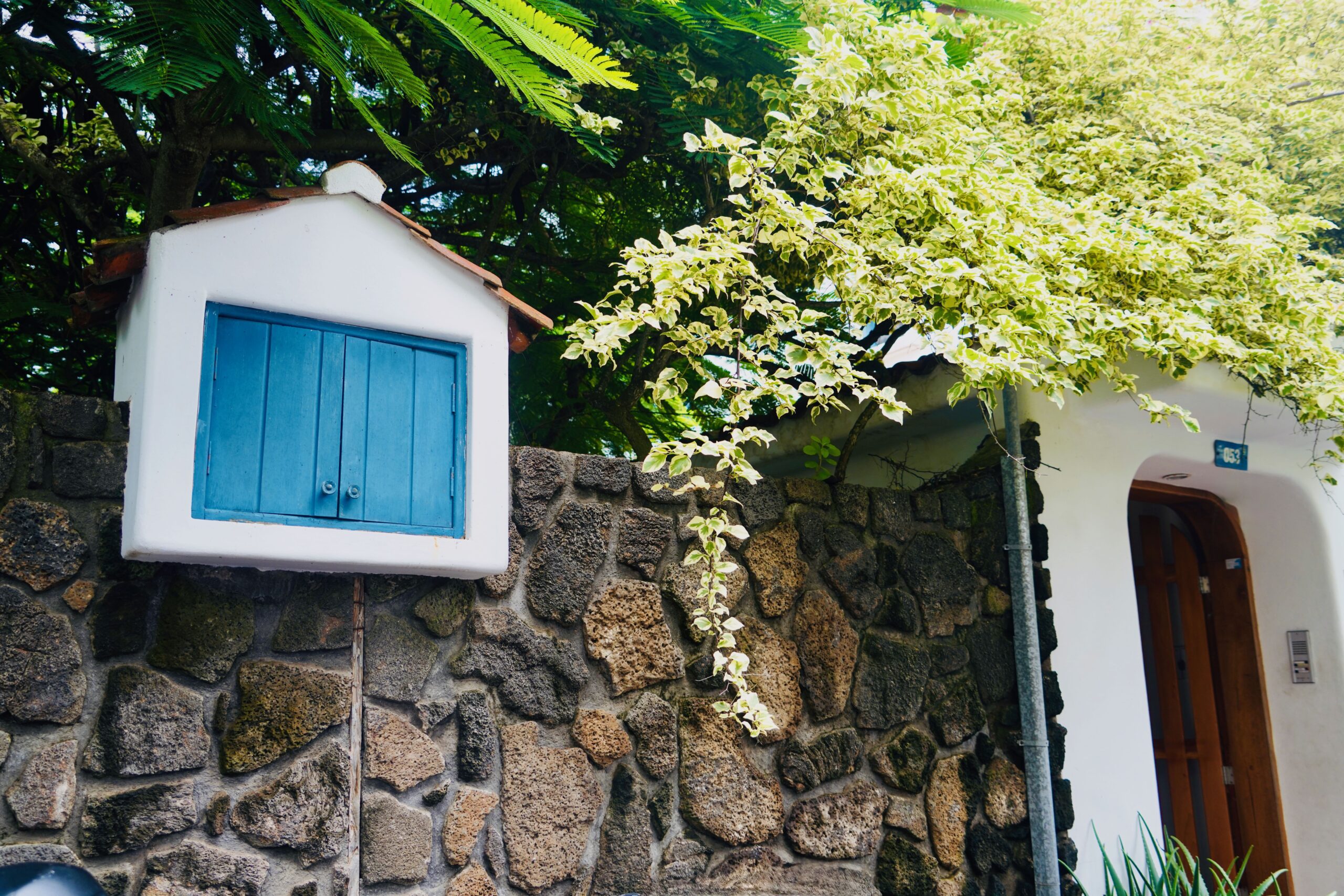
To preserve the town’s charming aesthetic, they even conceal utility boxes within little “houses.”
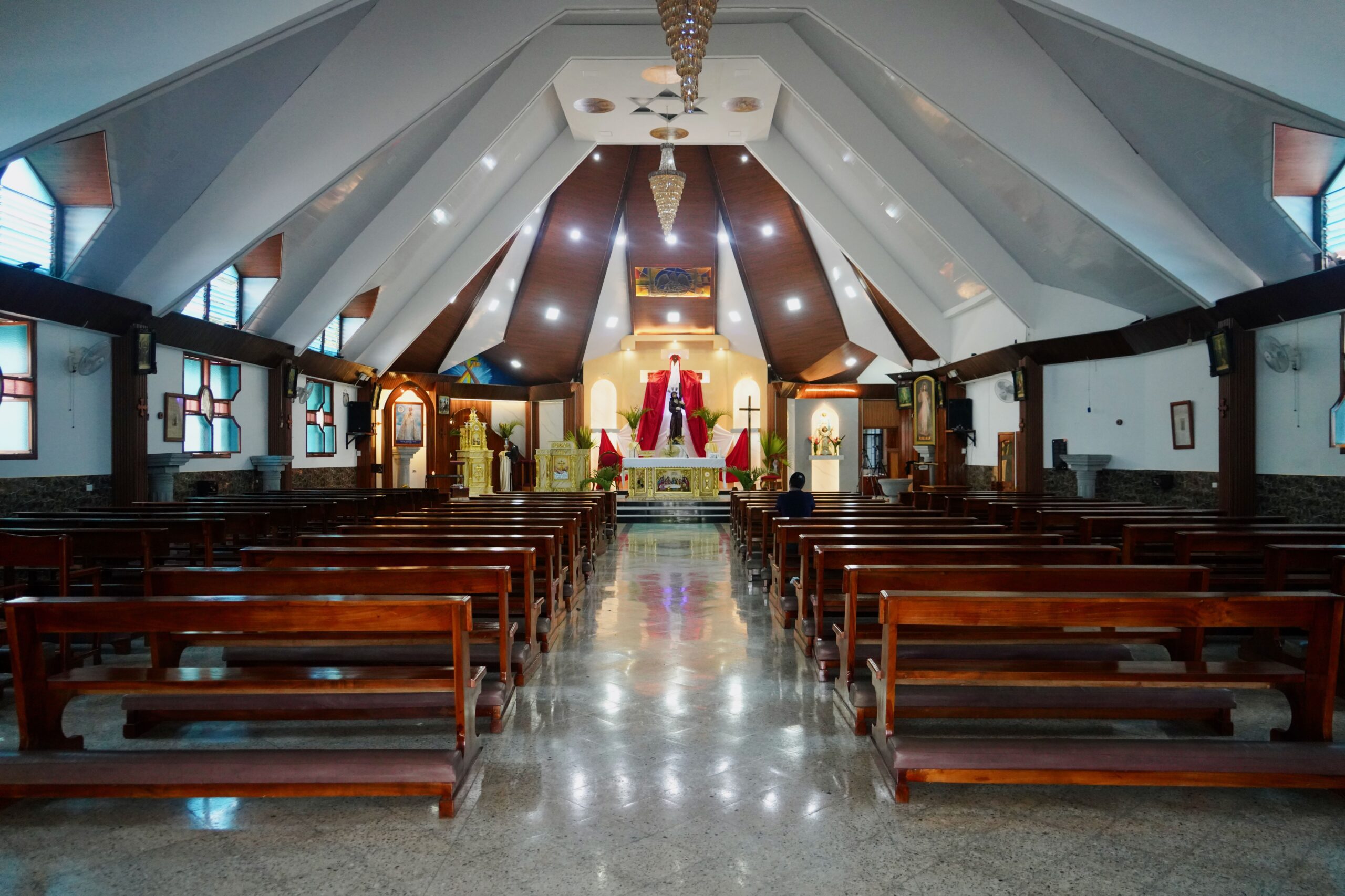
We learned that in 2008, the Galapagos Islands were designated as an Apostolic Vicariate of Galápagos (Roman Catholic missionary pre-diocesan jurisdiction). We had the good fortune to be in Puerto Ayora on Good Friday, so we got to see this:
They were all headed to this church:
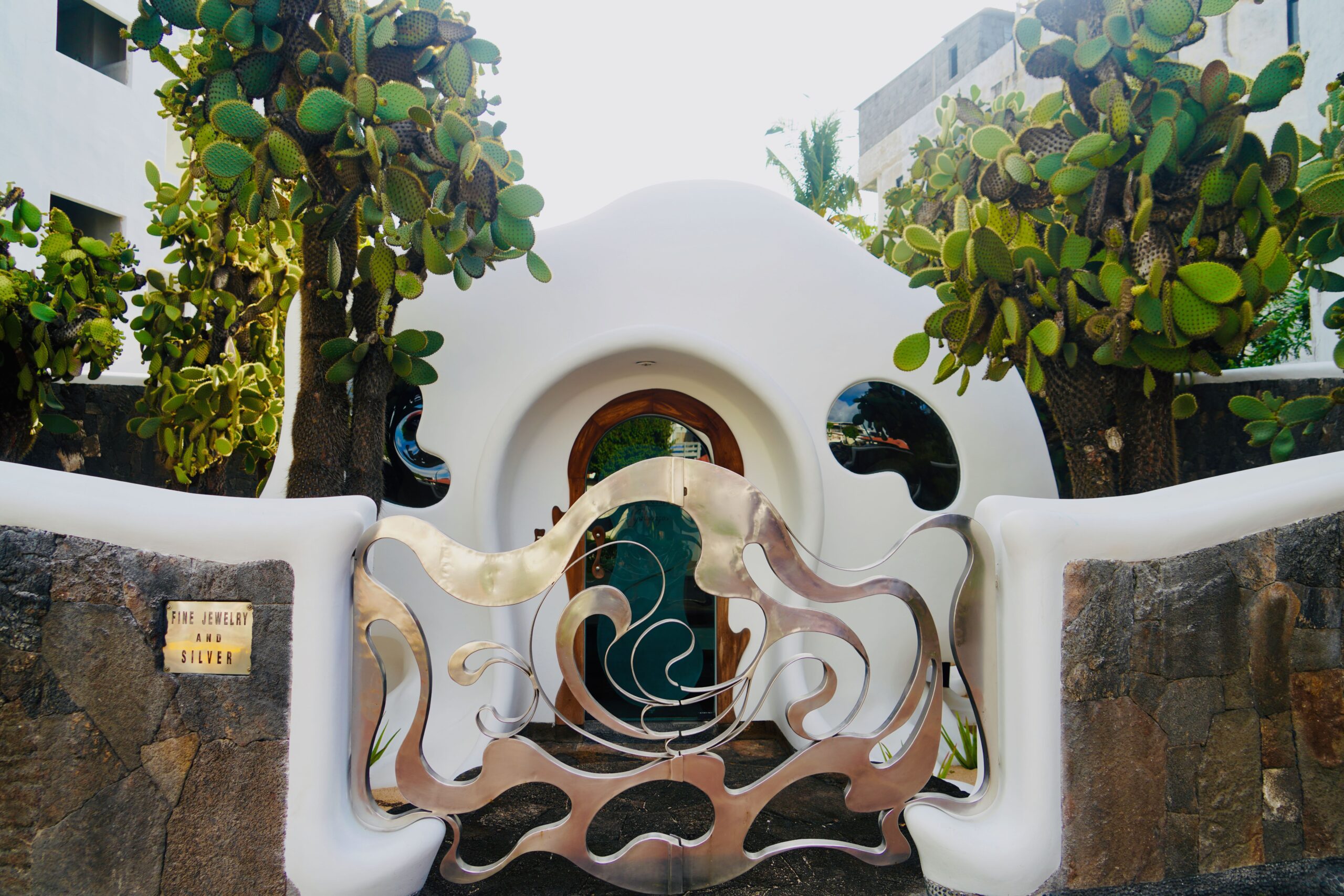
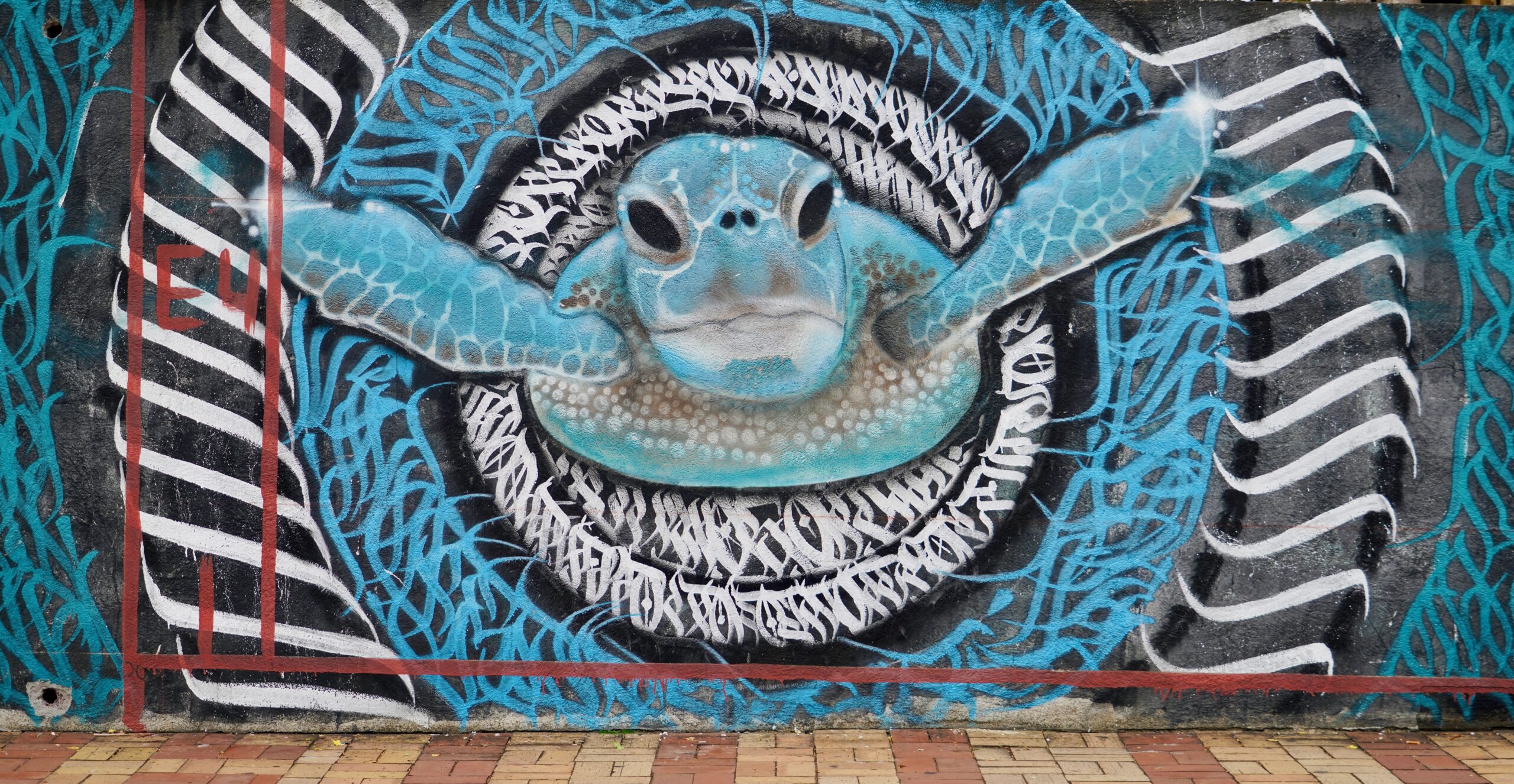
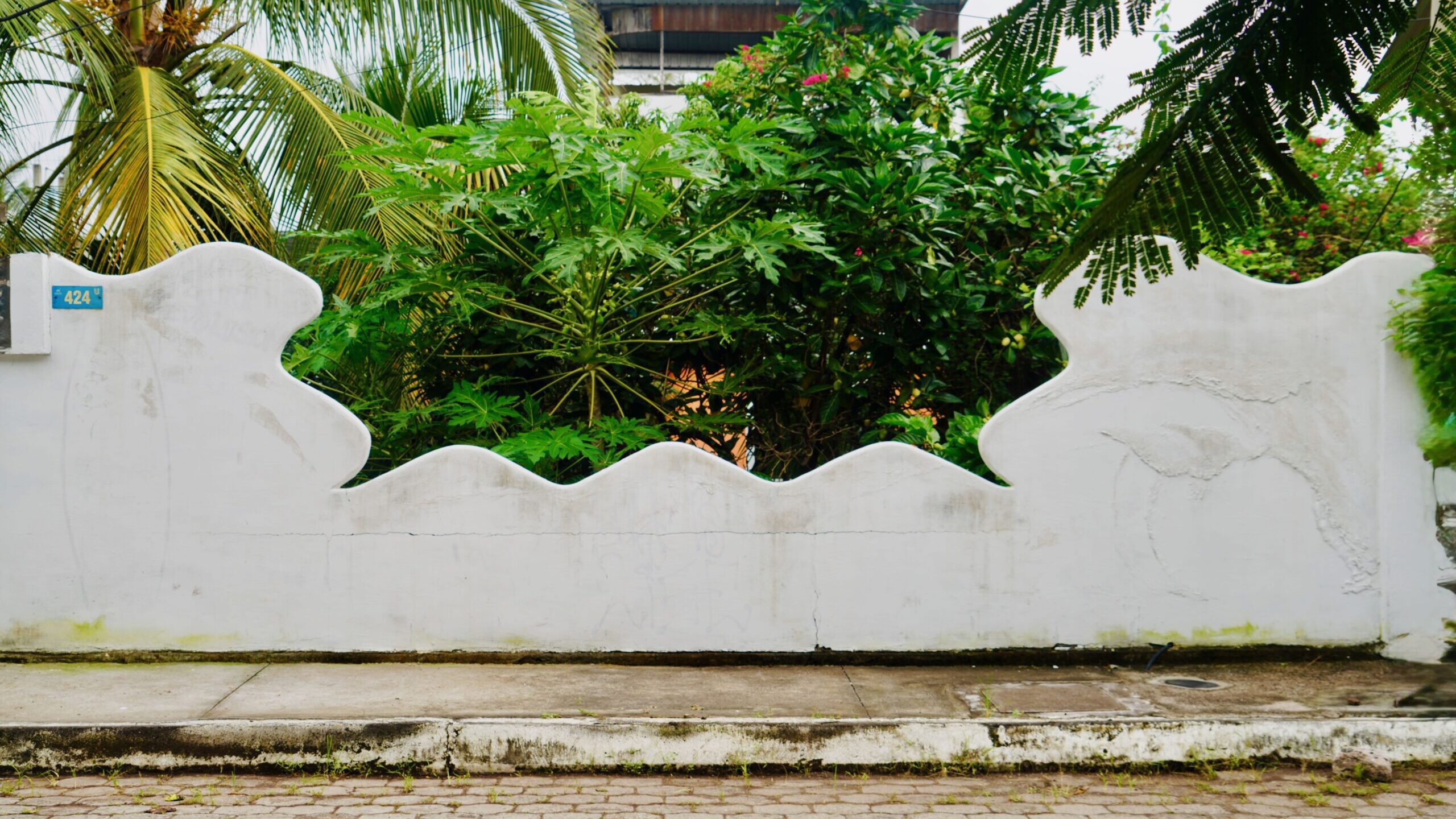
3. Environmentally Focused Art and Architecture
There’s obviously a healthy respect for animals and the environment on Santa Cruz Island. It’s no wonder: It hosts more than 600 plant species, 140 landbird species, and unique endemics like the island scrub-jay. It’s also estimated that around 50,000 sea lions live throughout the Galapagos archipelago.
In addition, Santa Cruz Island has a significant population of marine iguanas and a recovering population of land iguanas. While total numbers fluctuate, the archipelago-wide population is roughly 200,000 to 300,000 for the former (marine iguanas) and 5,000 to 10,000 for the latter (land iguanas). Land iguanas on Santa Cruz were nearly wiped out by feral dogs in 1976, but they were rescued and have been successfully reintroduced by the Charles Darwin Research Station.
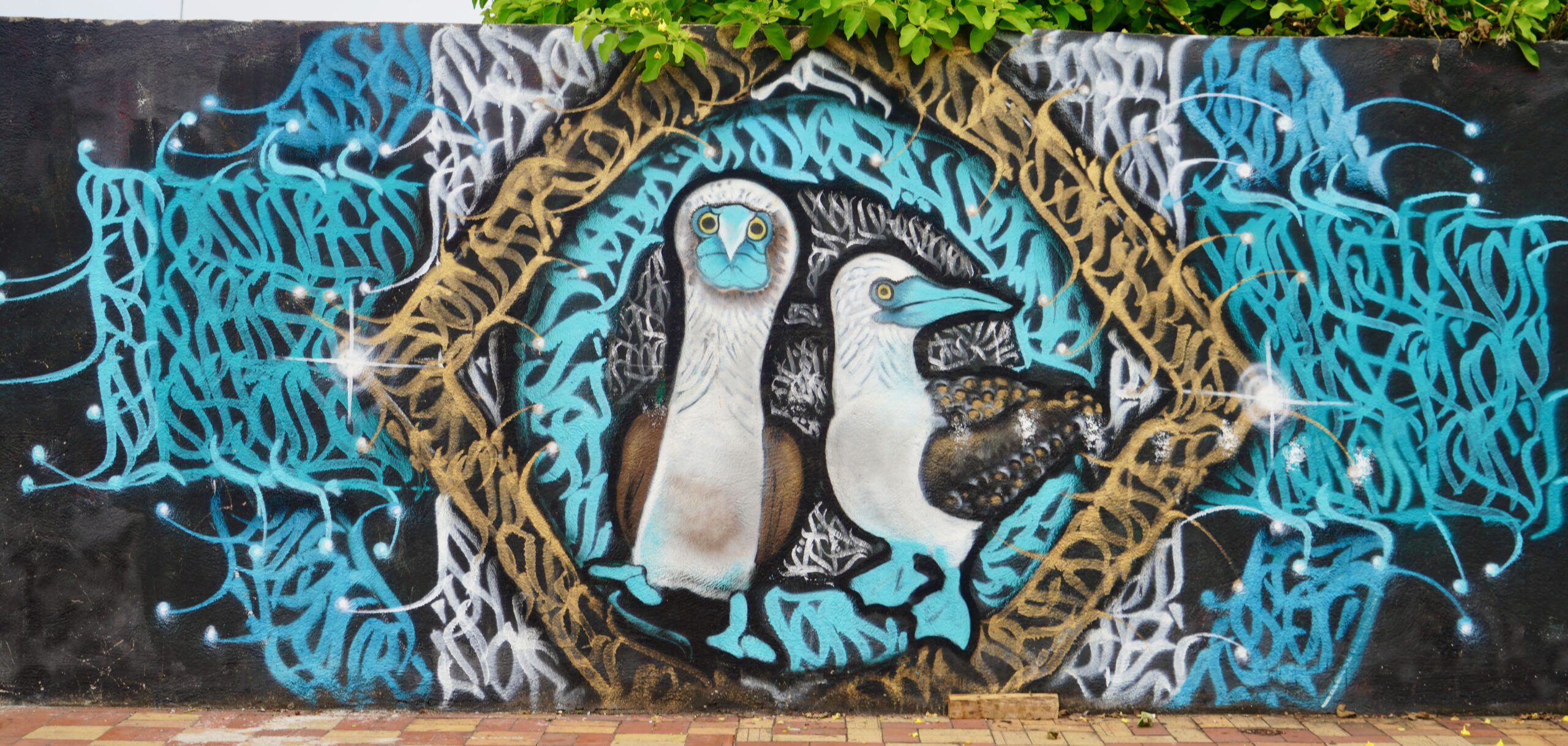
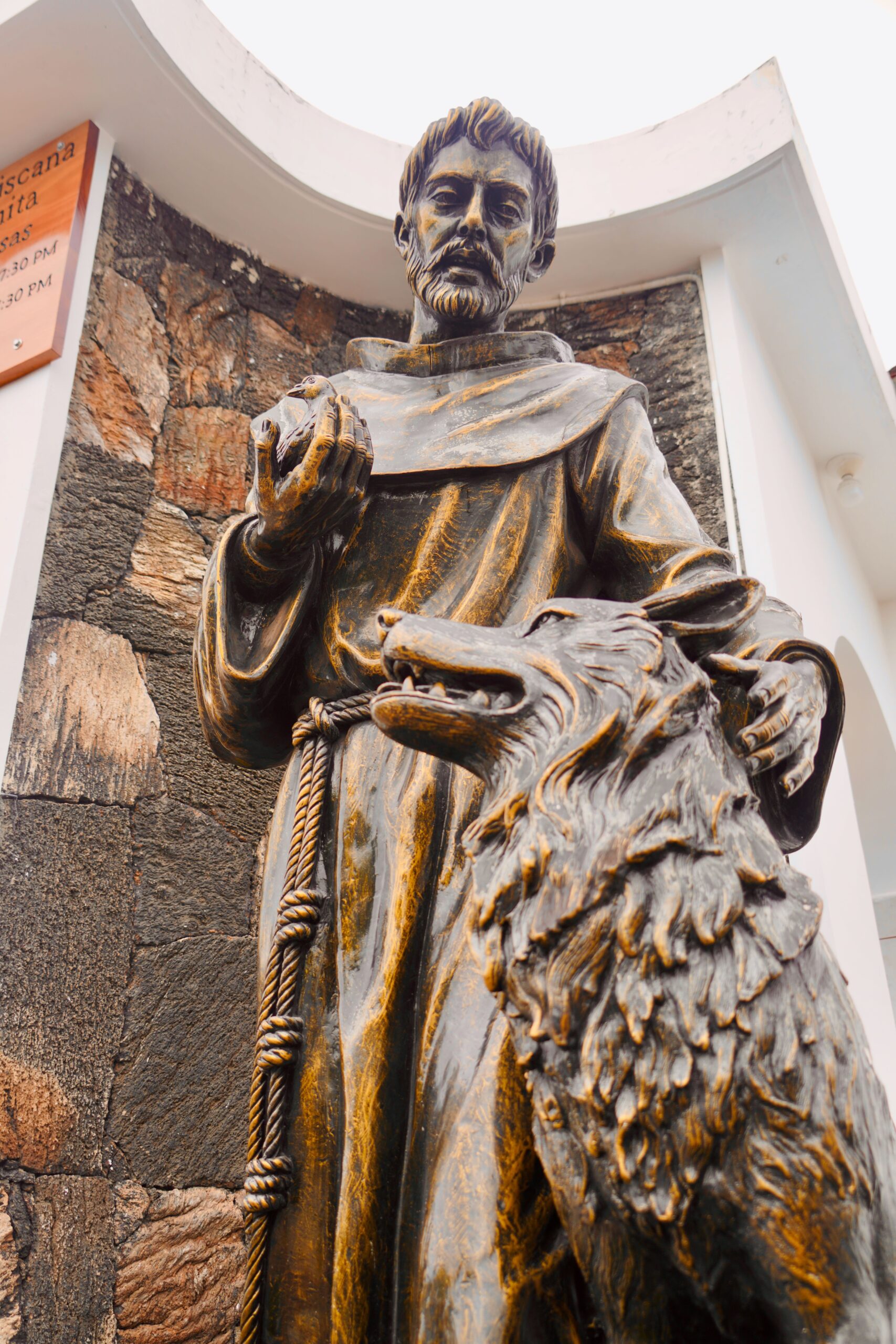
This respect for animals and the ocean is reflected in the visual aesthetic throughout Puerto Ayora.

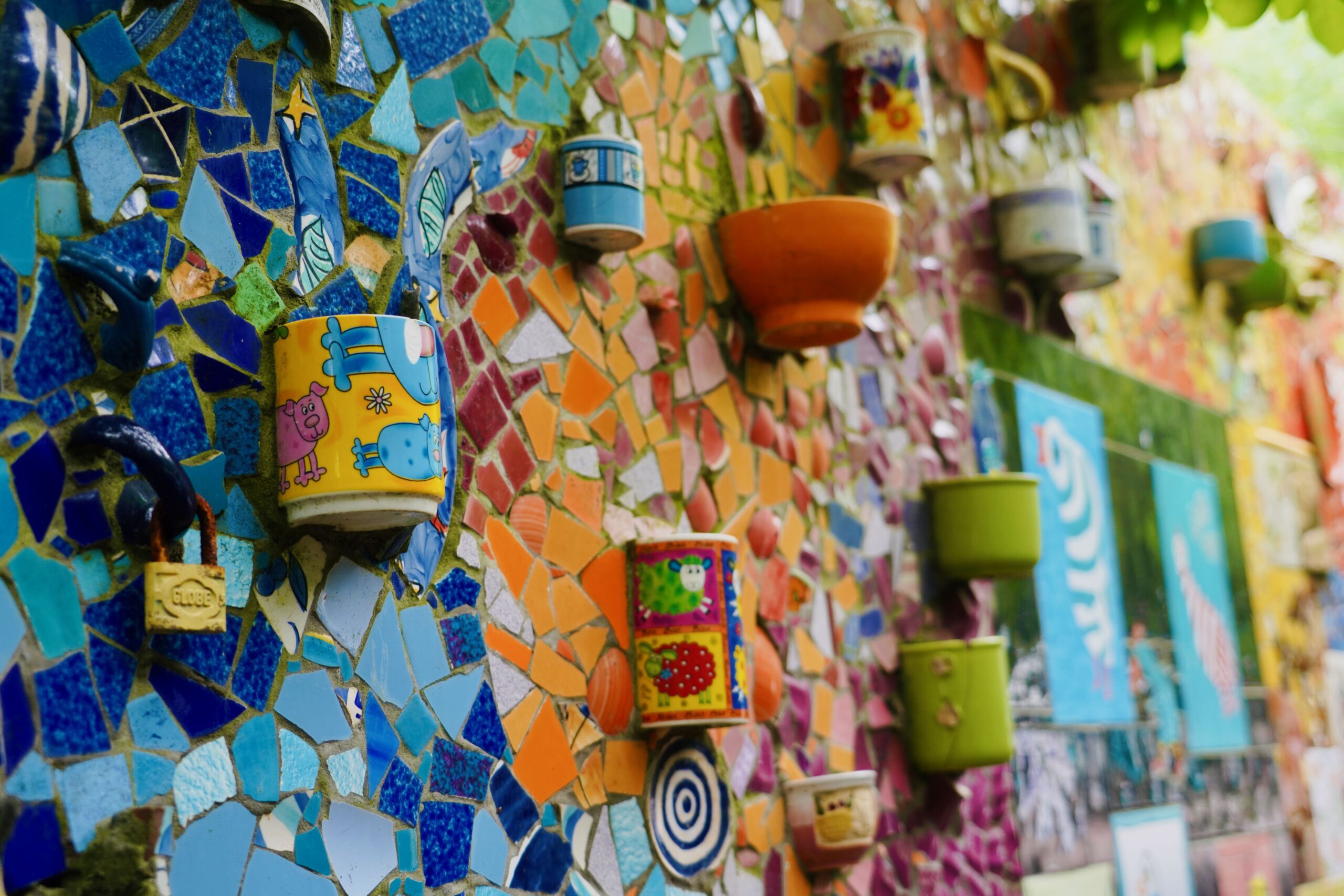
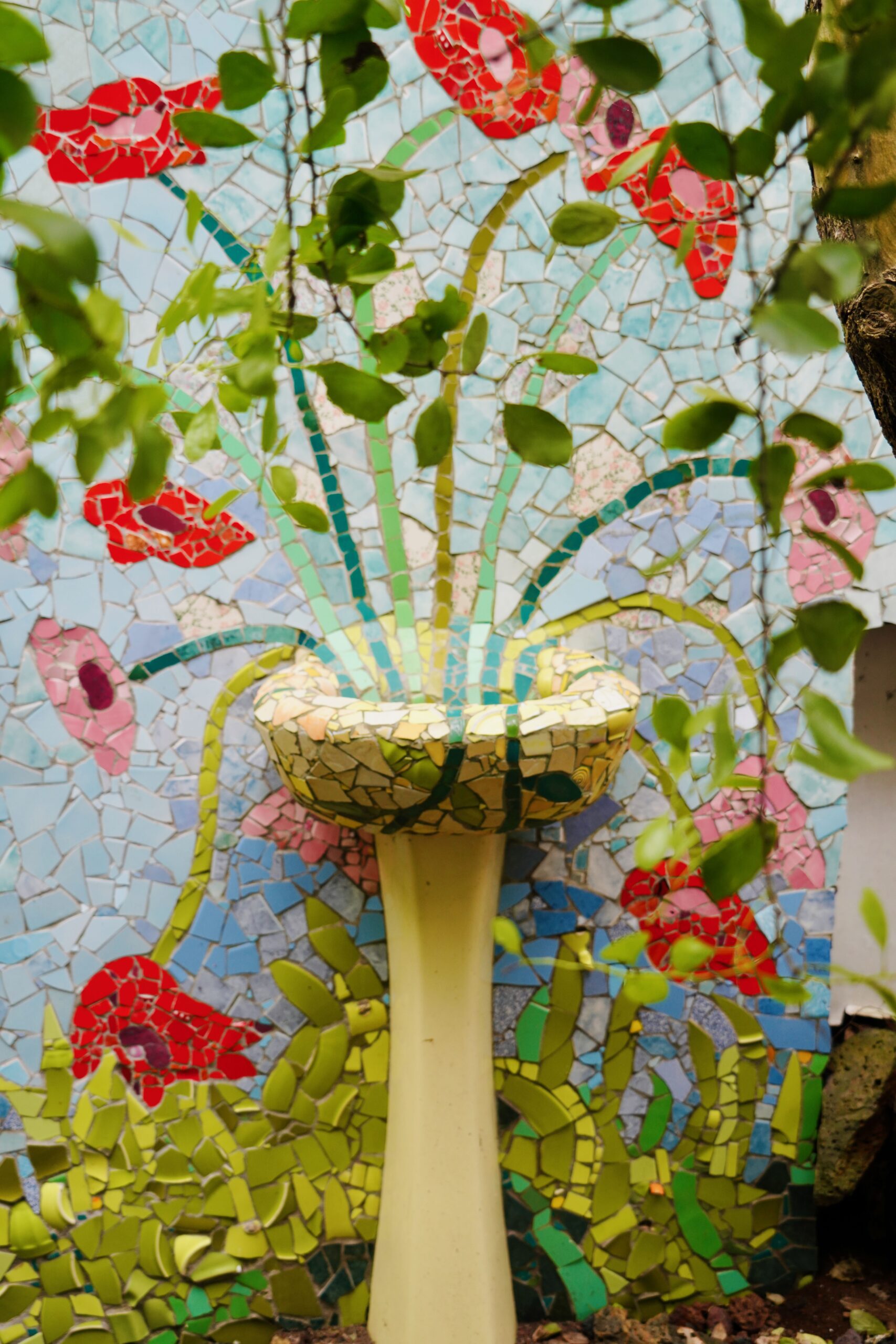
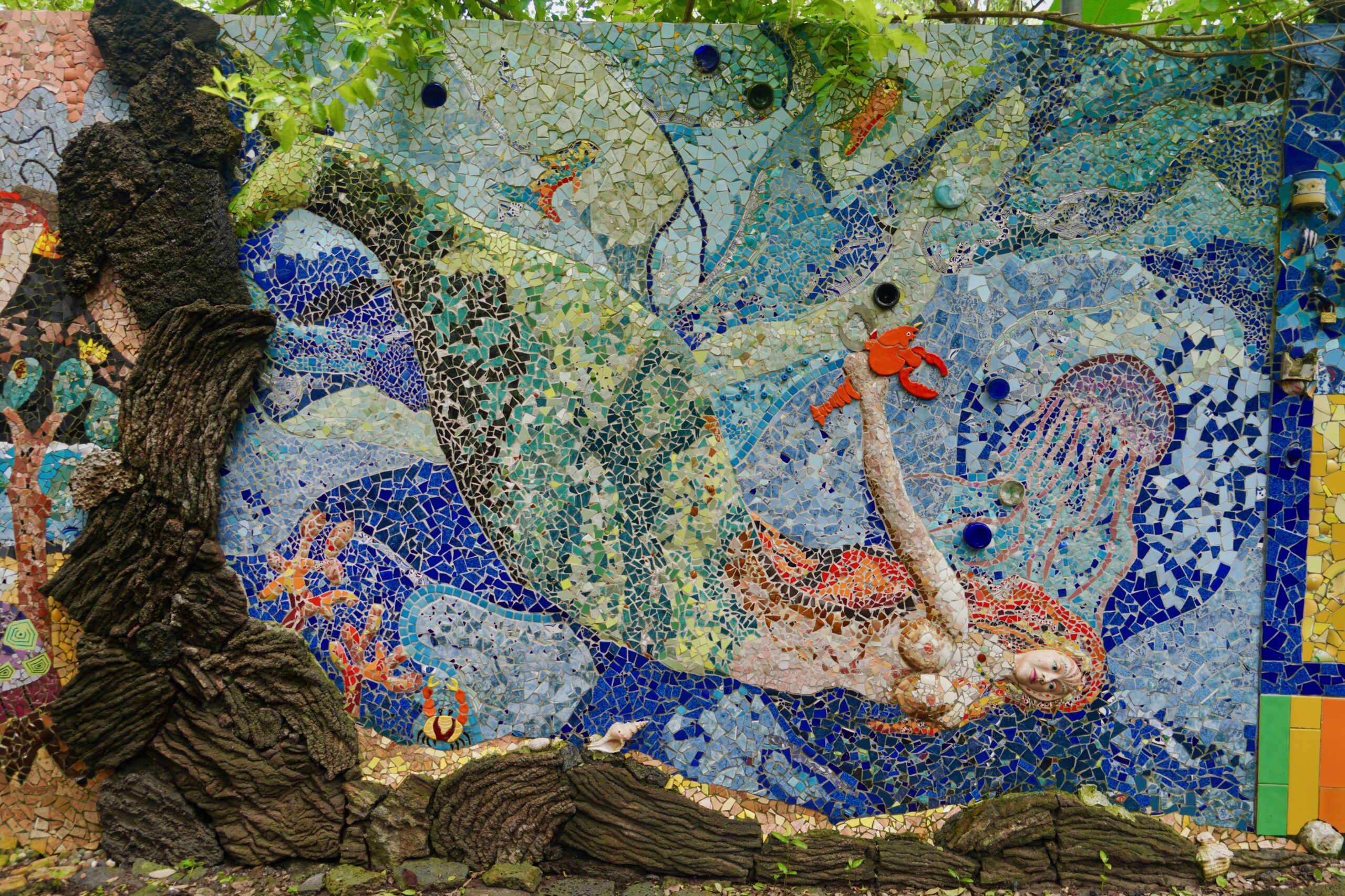
4. Jardín de Cerámica
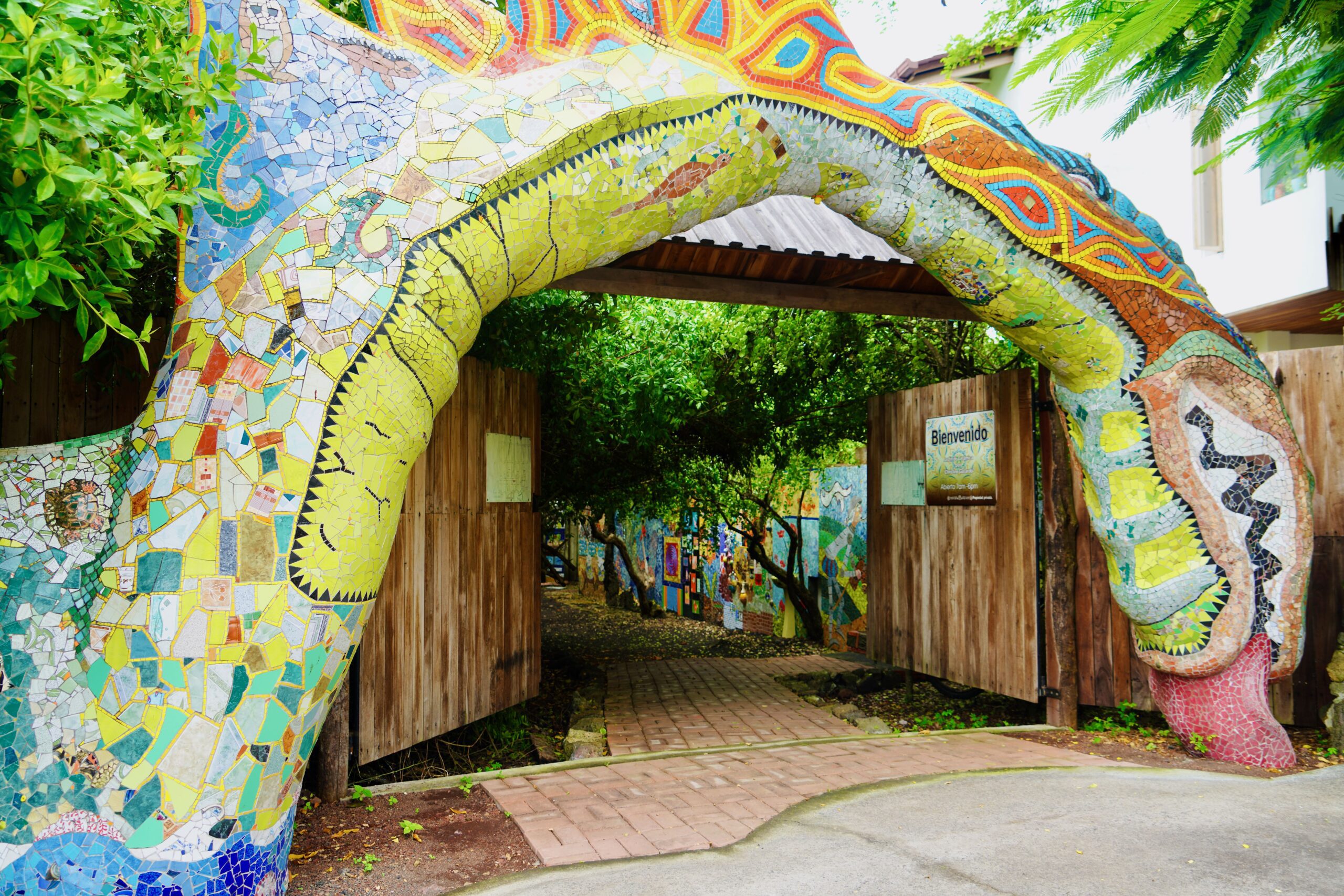
I was delighted to stumble upon this vibrant, free-entry art spot tucked into a small alley off the main street, Avenue Charles Darwin. It was created by longtime local artist Cristina Nelson Gallardo. She was the mother of Jason Gallardo, whom we had the pleasure of getting to know during our time on Santa Cruz.
The mosaics are absolutely stunning.
5. A Focus on the Outdoors
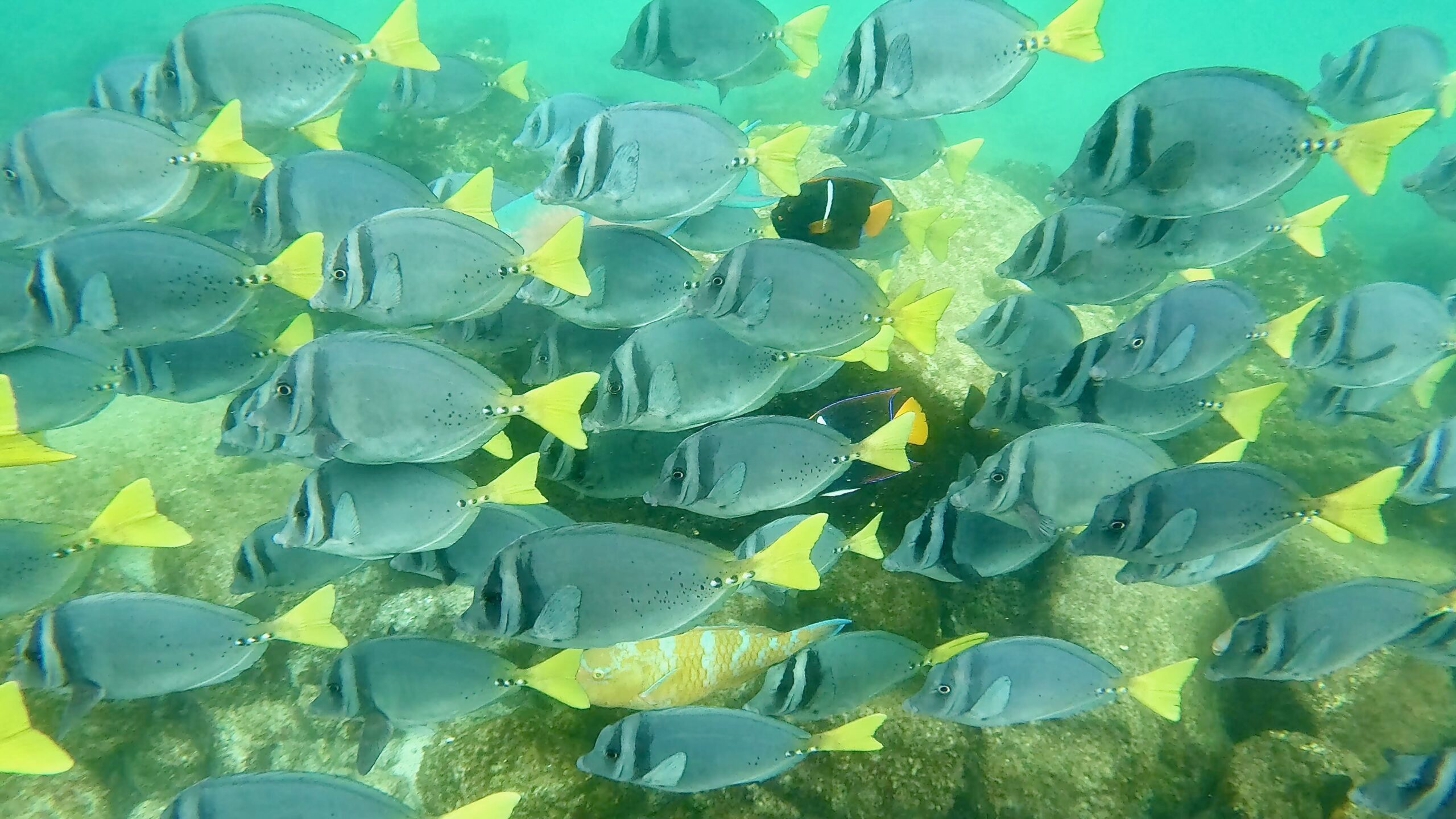
Divers on the Galapagos Islands frequently encounter hammerhead sharks, whale sharks, Galápagos sharks, sea lions, marine iguanas, rays, and turtles. While we didn’t have time to scuba dive, we did go on a few snorkeling expeditions, and the biodiversity was fantastic.
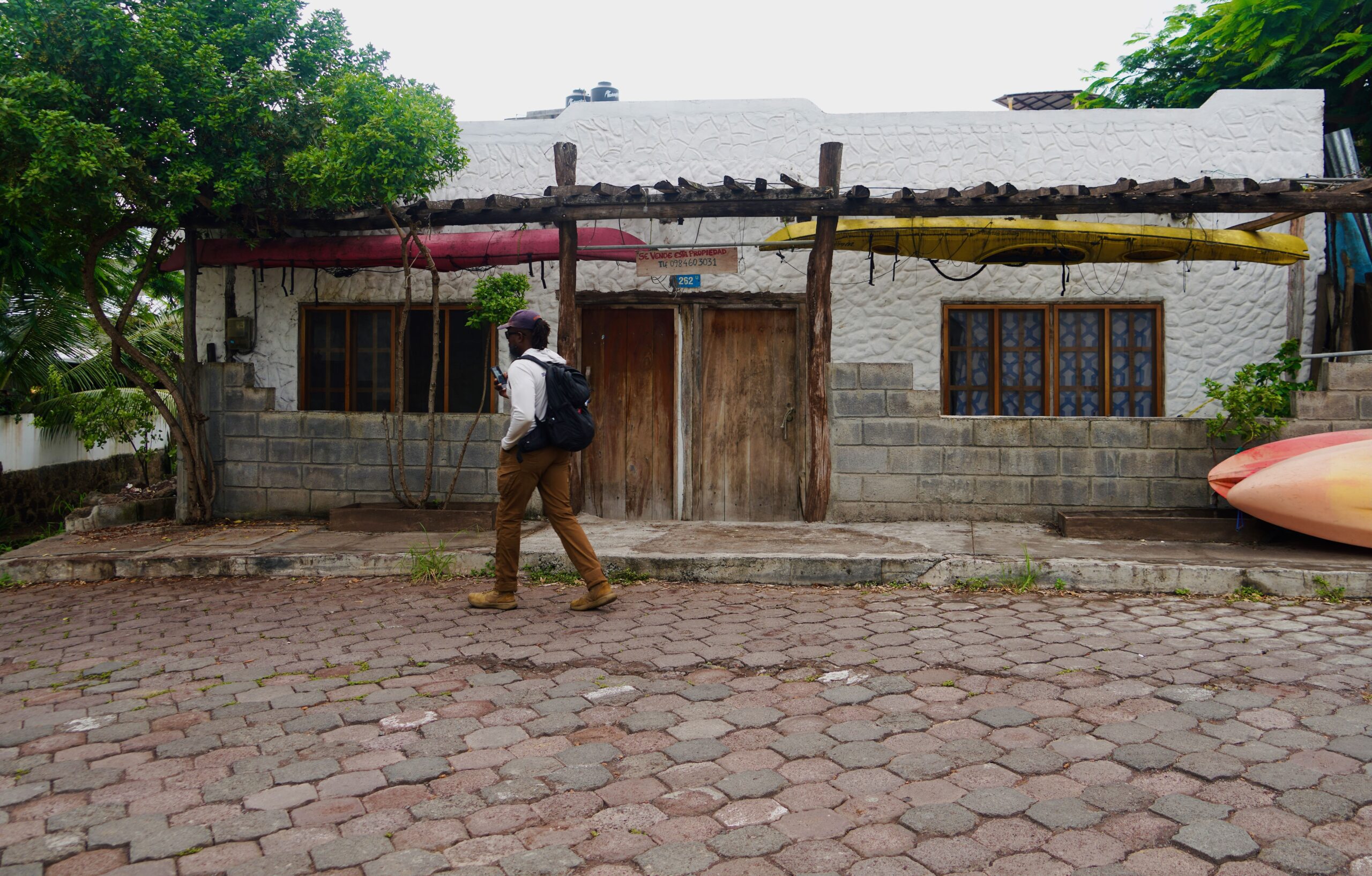
Whether dining al fresco, surfing, diving and snorkeling, or paddling around on kayaks, the locals embrace a lifestyle geared toward the outdoors. We loved that.
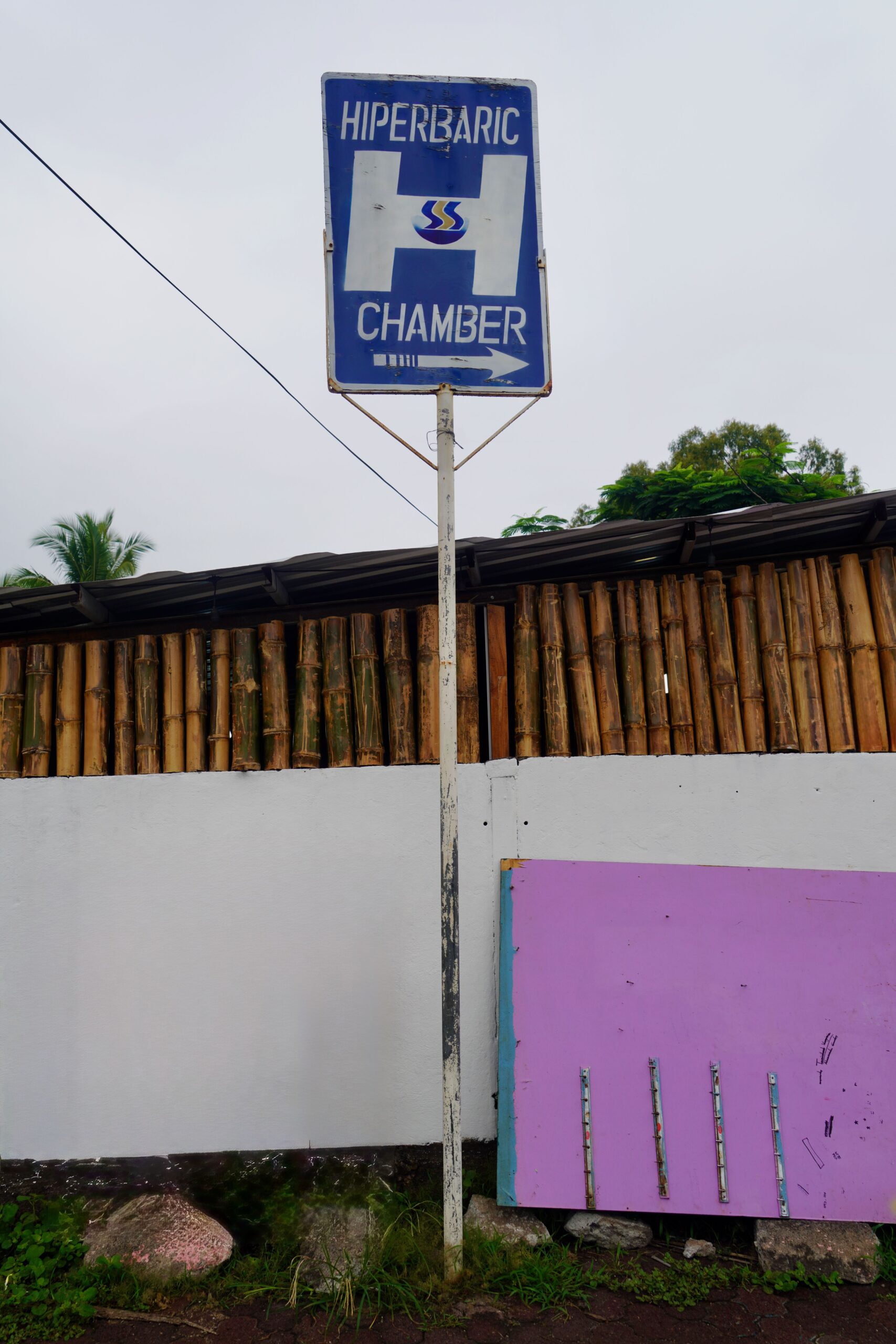
6. Ingenuity of the Locals
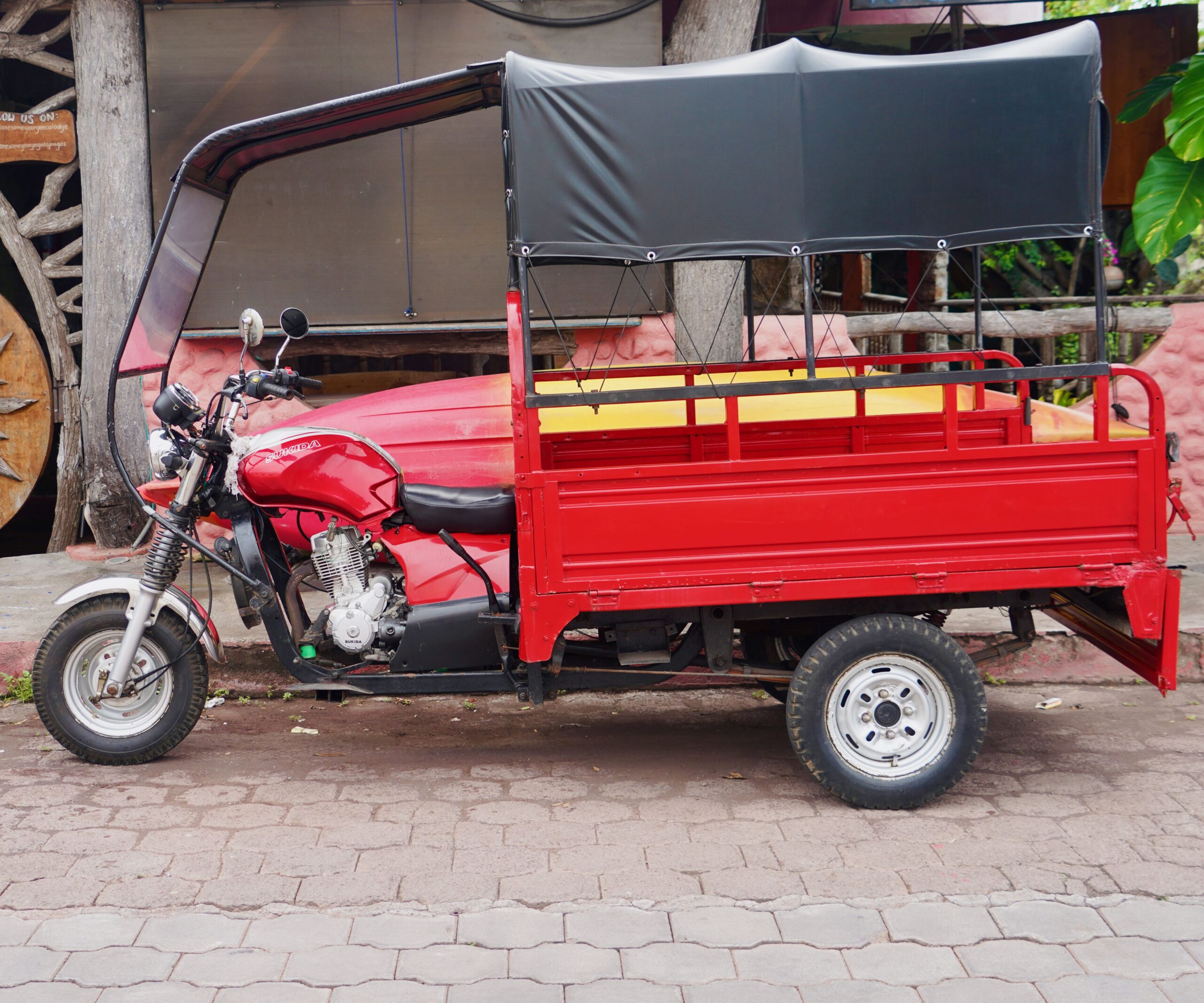
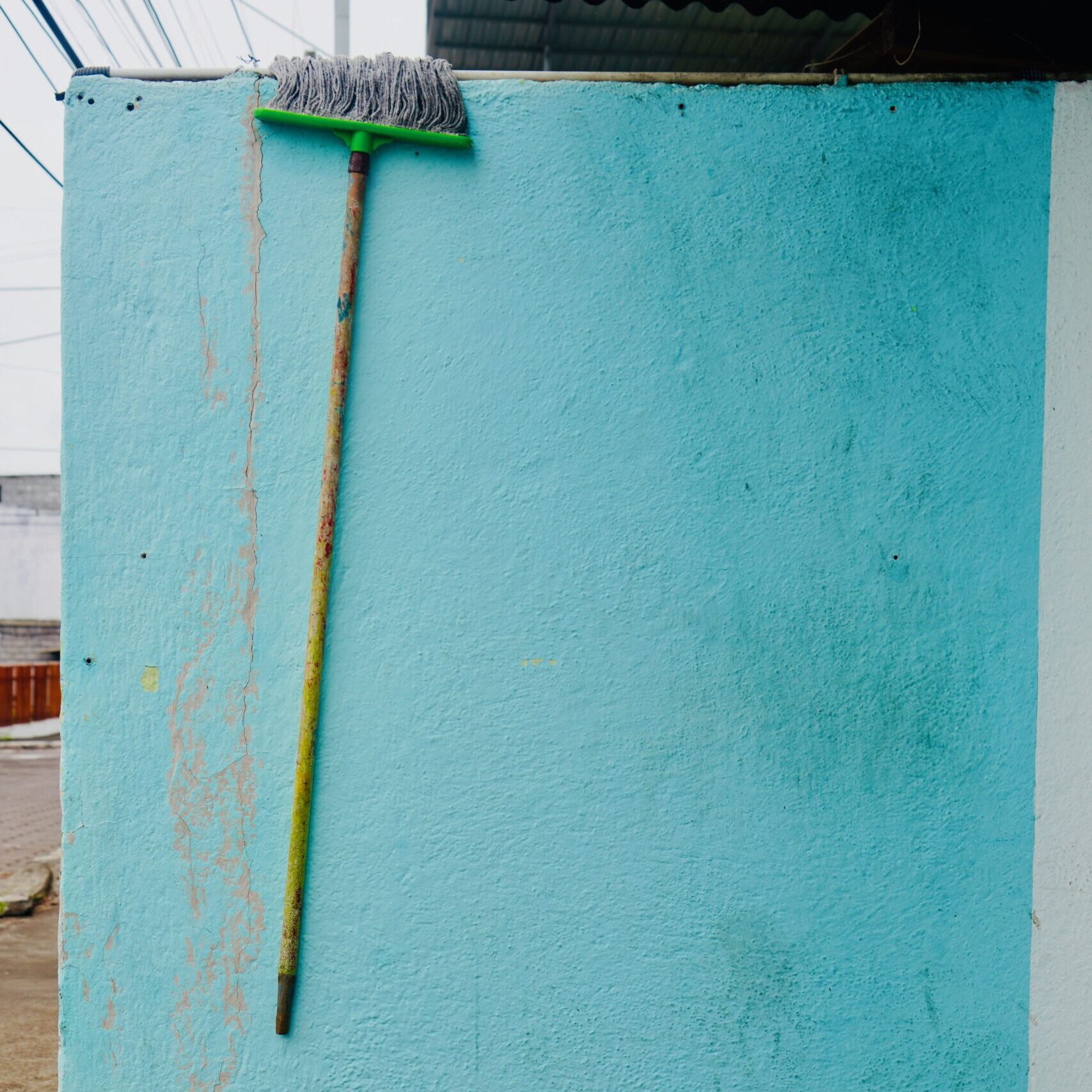
I’m always impressed with the unique solutions people come up with when they live on remote islands. Like they say, “Necessity is the mother of invention.”
Here are a few examples we noted on Santa Cruz.


7. Giant Tortoises
One cannot visit Santa Cruz without seeing giant tortoises in the wild. Unlike at the breeding center, these tortoises roam free on private ranch lands.
Males can weigh up to 700 lbs and measure up to six feet in length. Females are smaller, averaging 250 to 400 lbs.
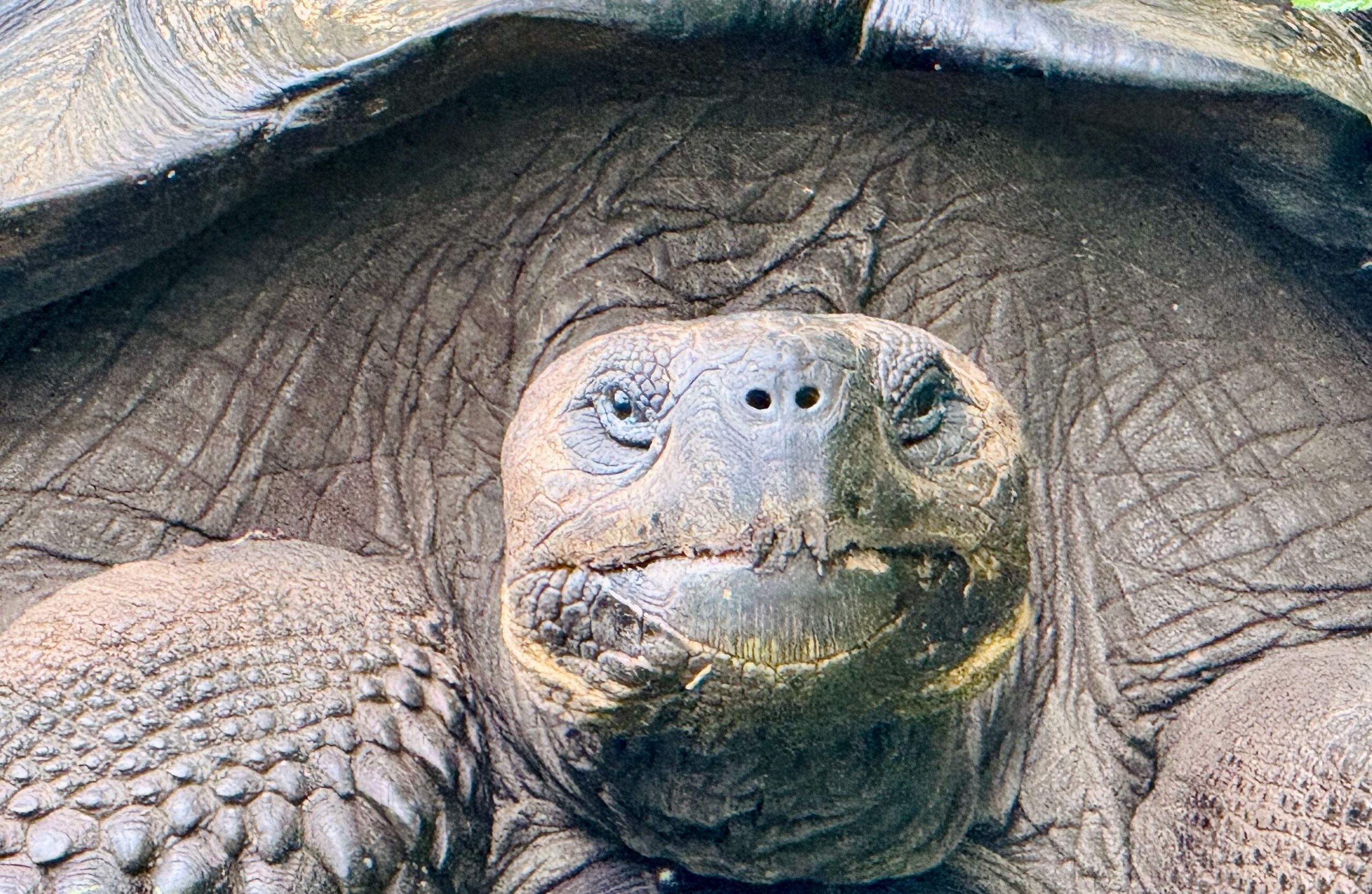
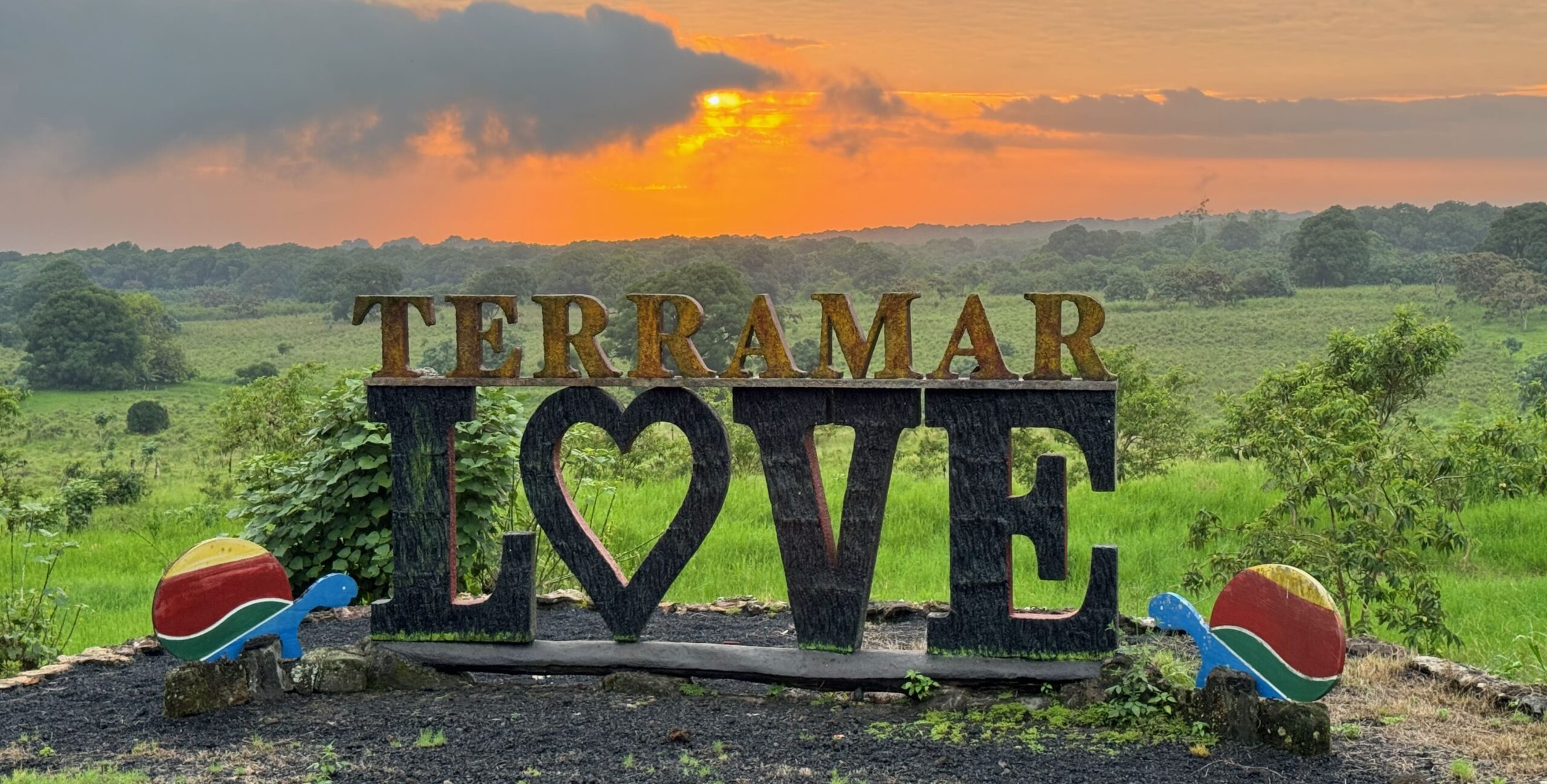
We got to learn about them while visiting Rancho Terramar, a high-elevation tortoise ranch in the Santa Cruz highlands. We arranged this through Oswaldo of Galapagos Surf Islands. After enjoying a brief presentation about the species and their massive shells, we took a walk outside and mingled with them.
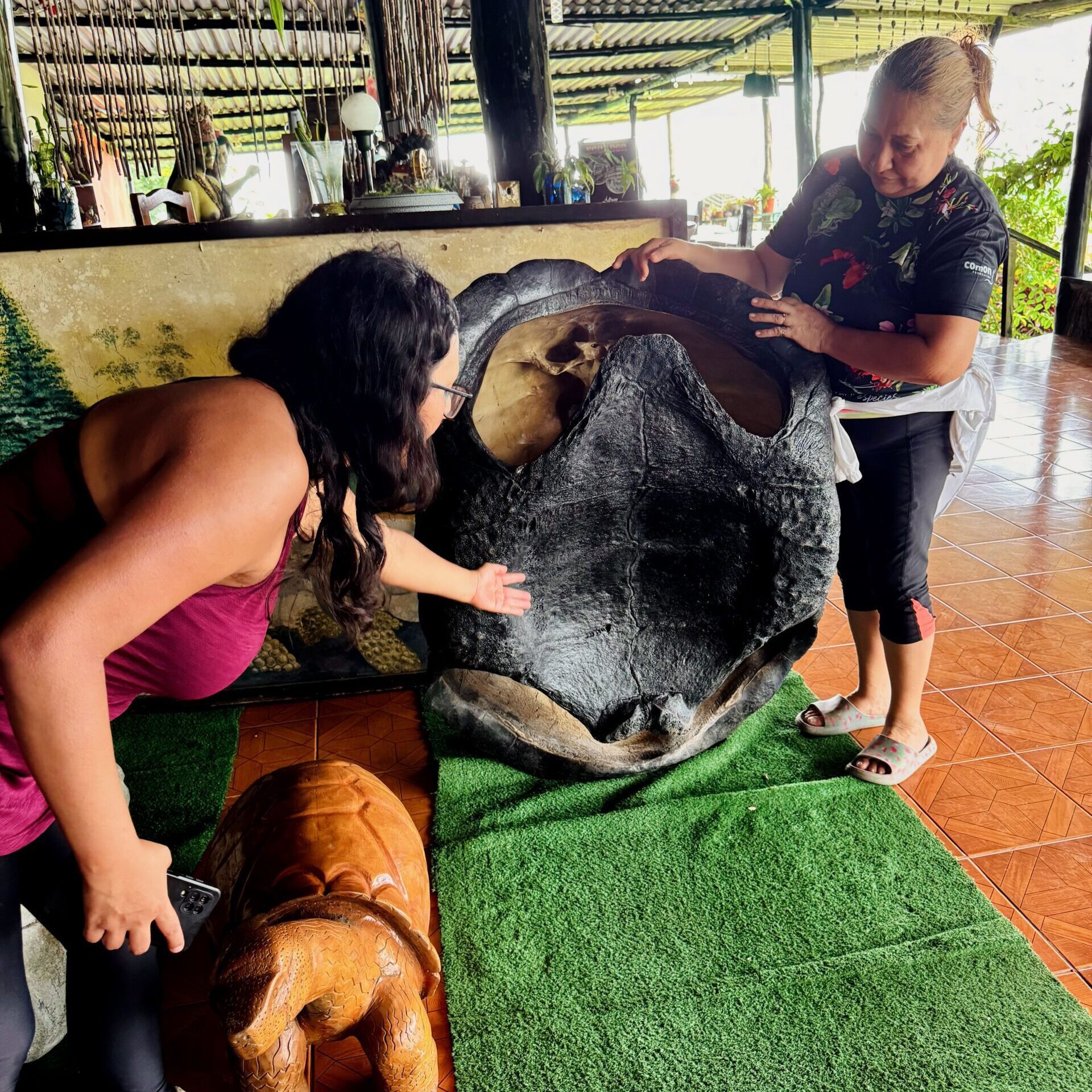
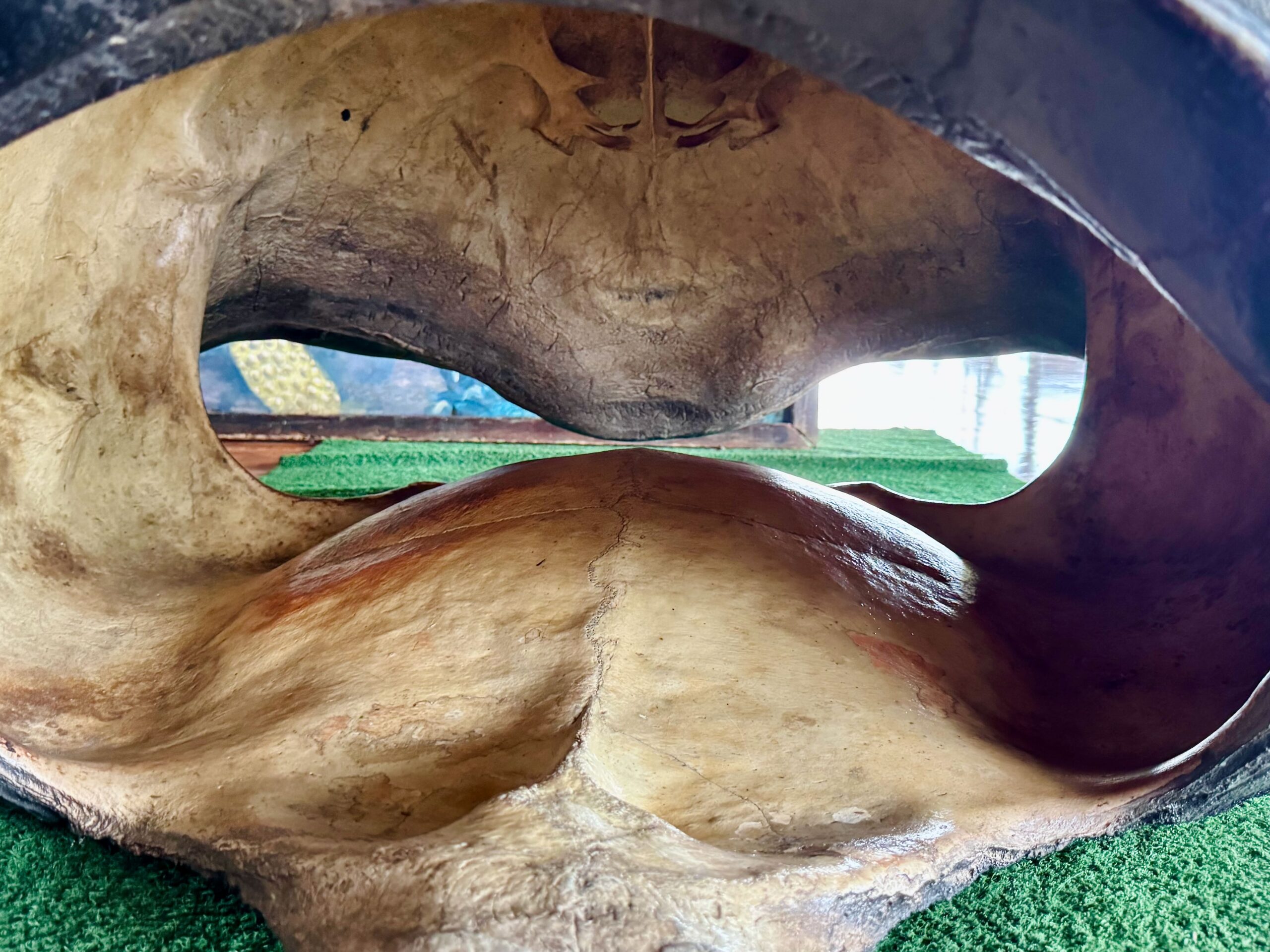
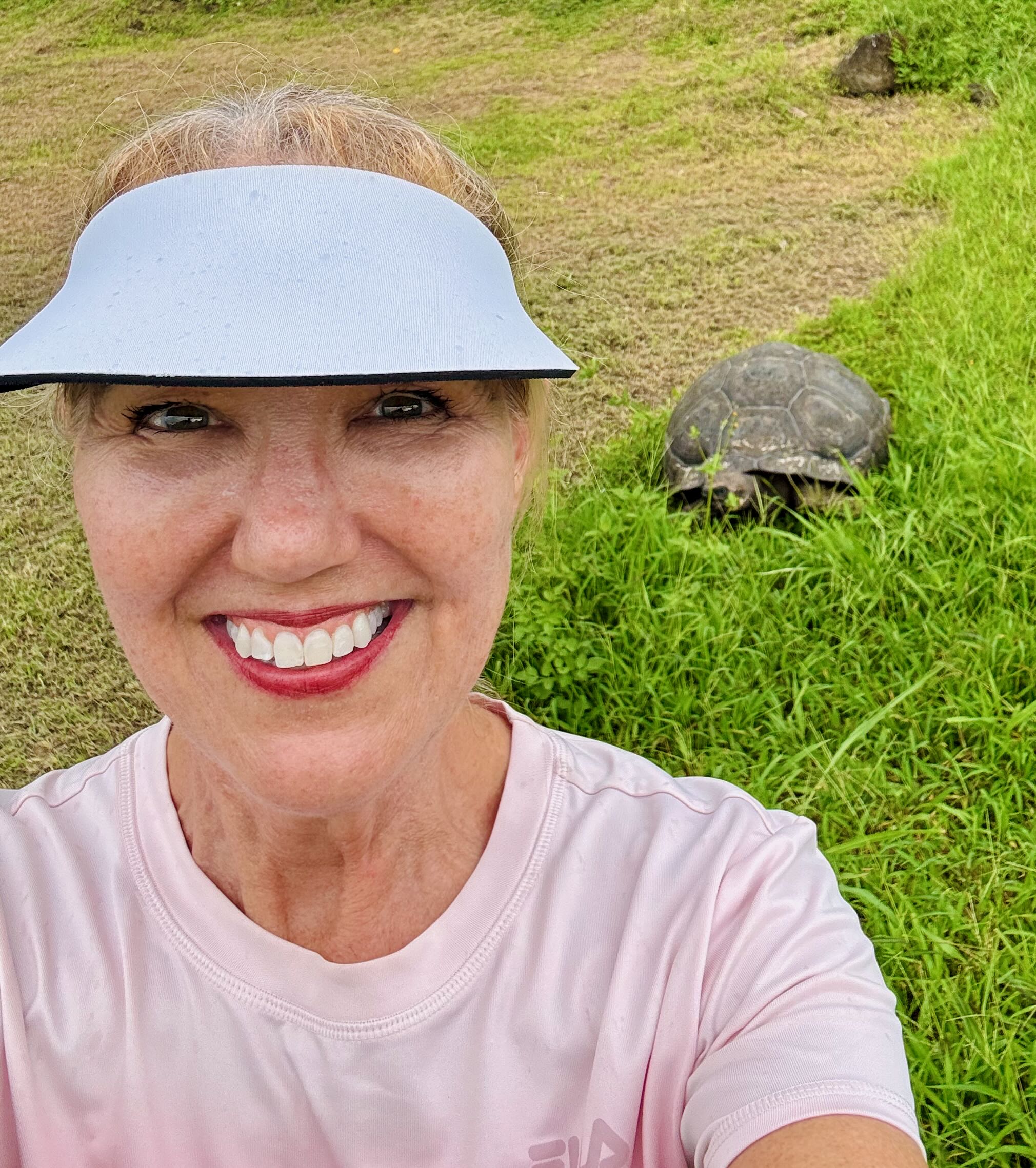
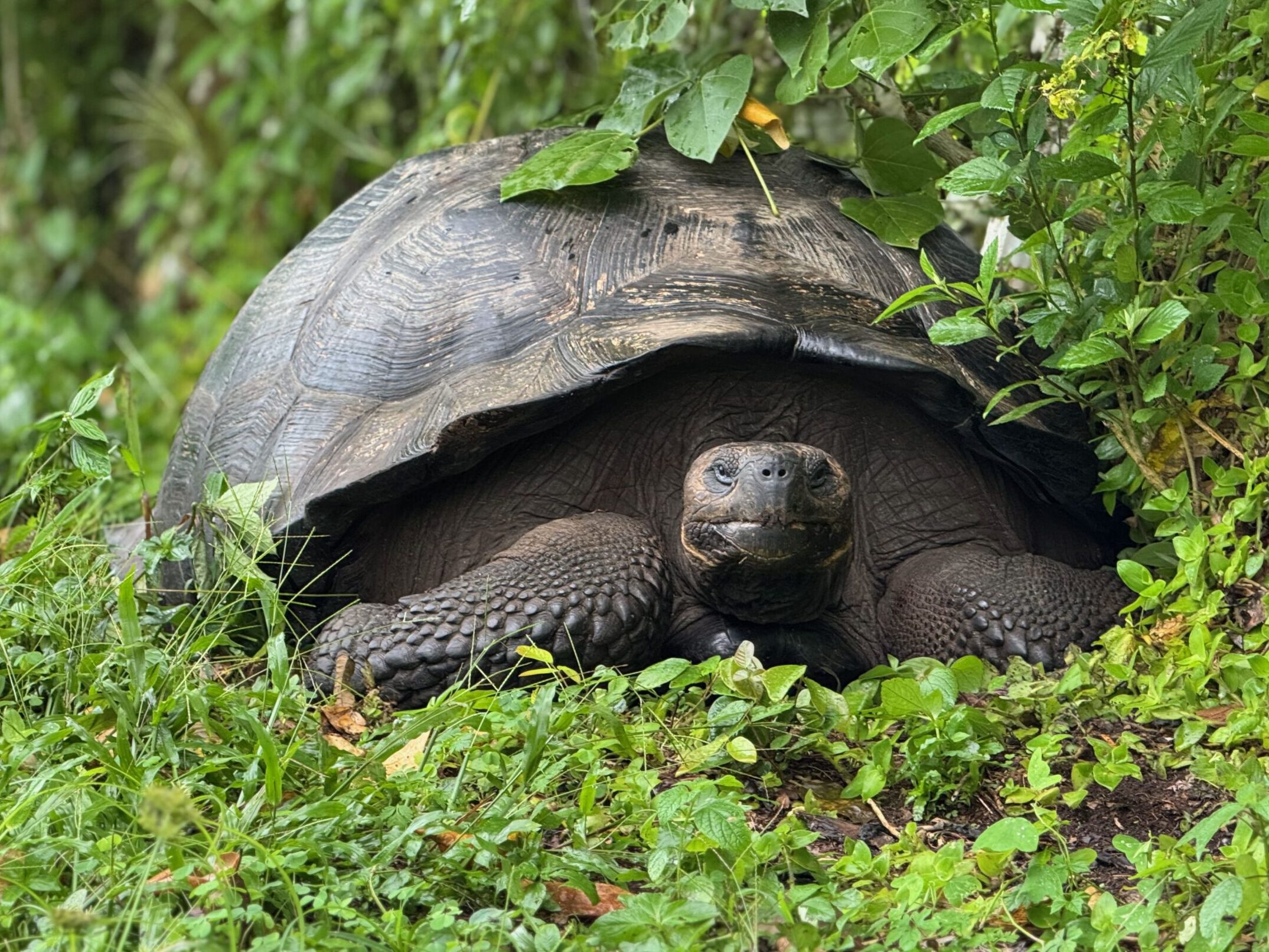
The ranch is beautiful, and we would definitely recommend it as a place to see tortoises.
8. Lava Tunnels
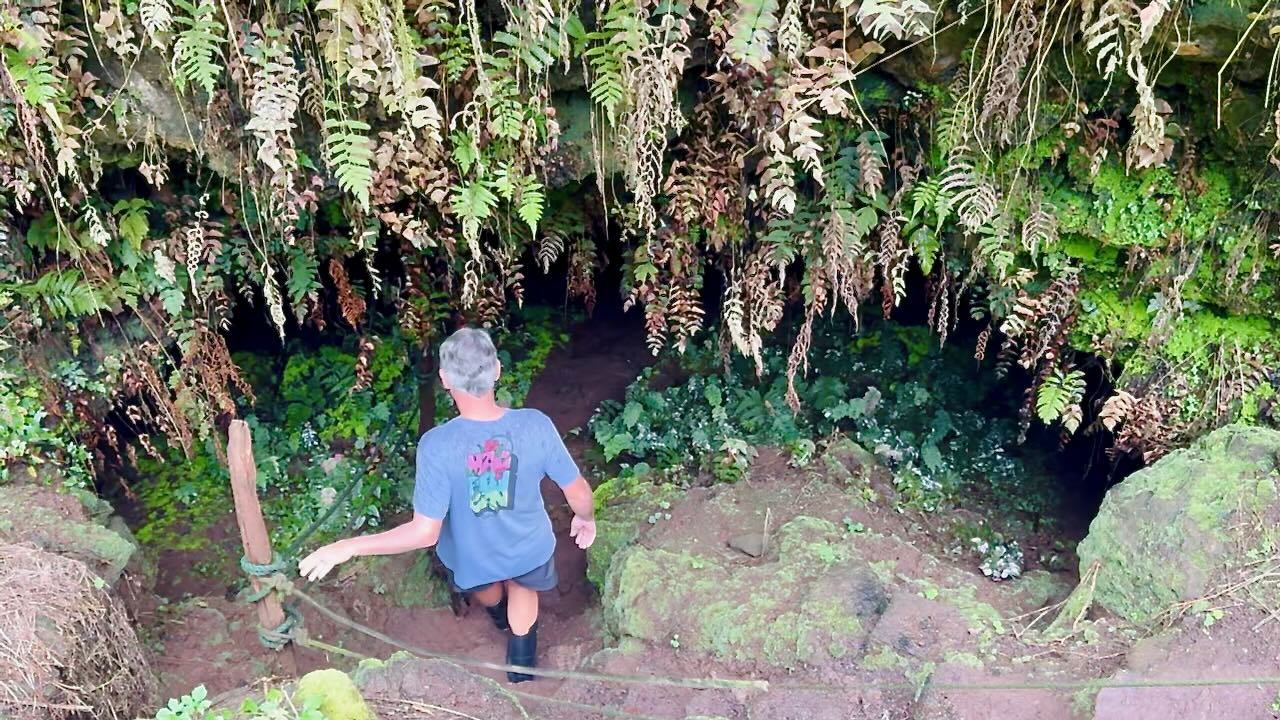
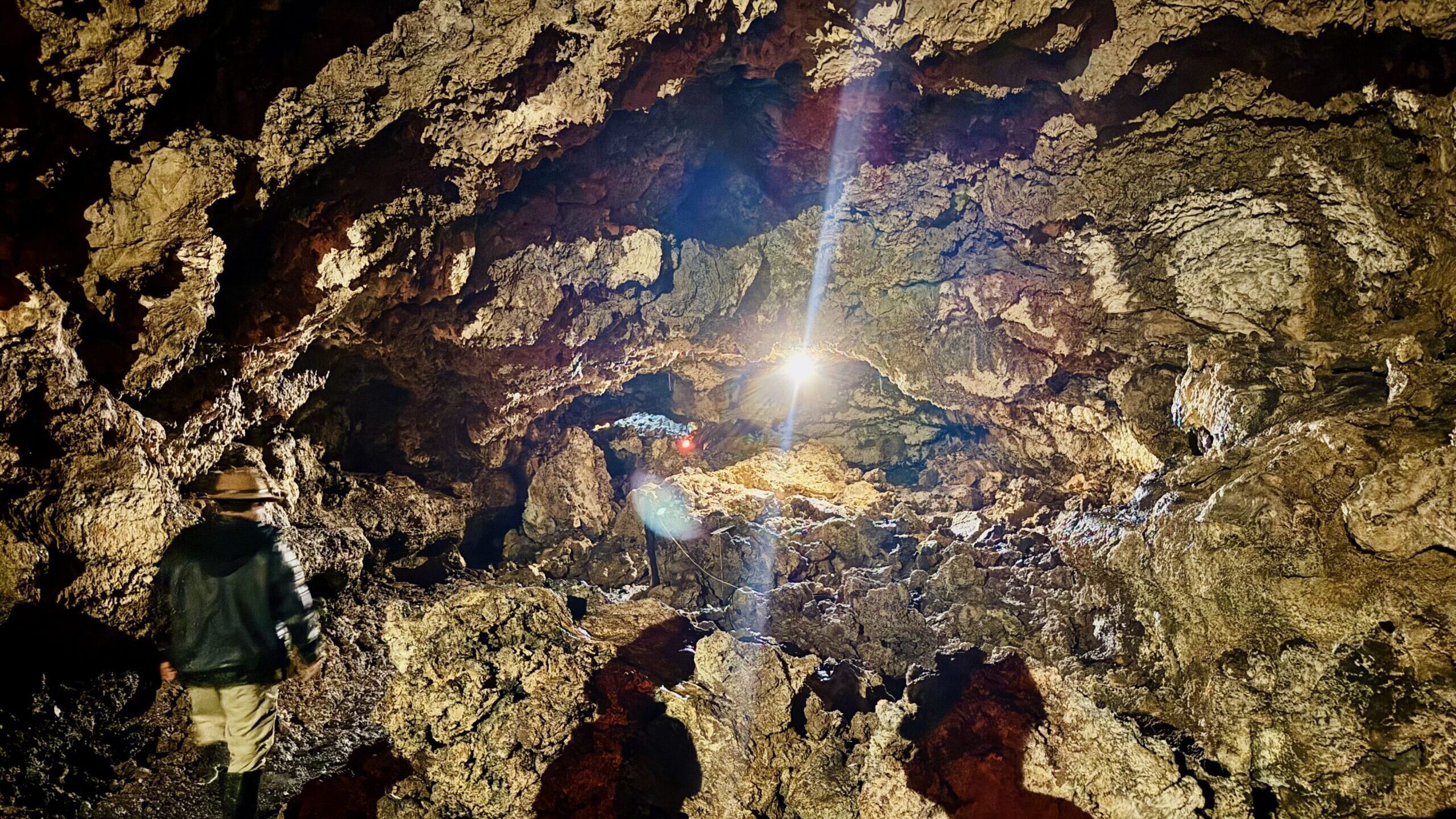
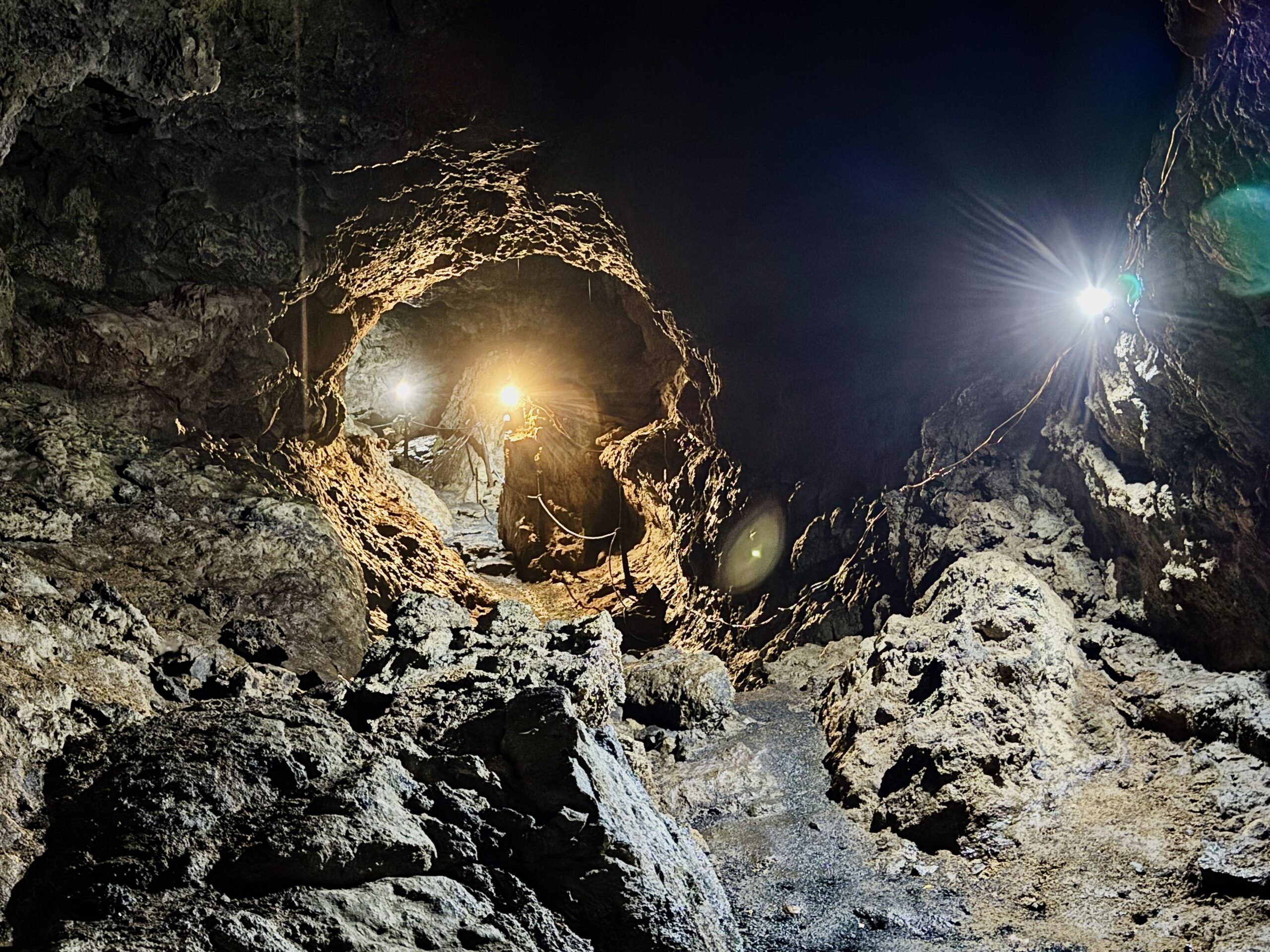
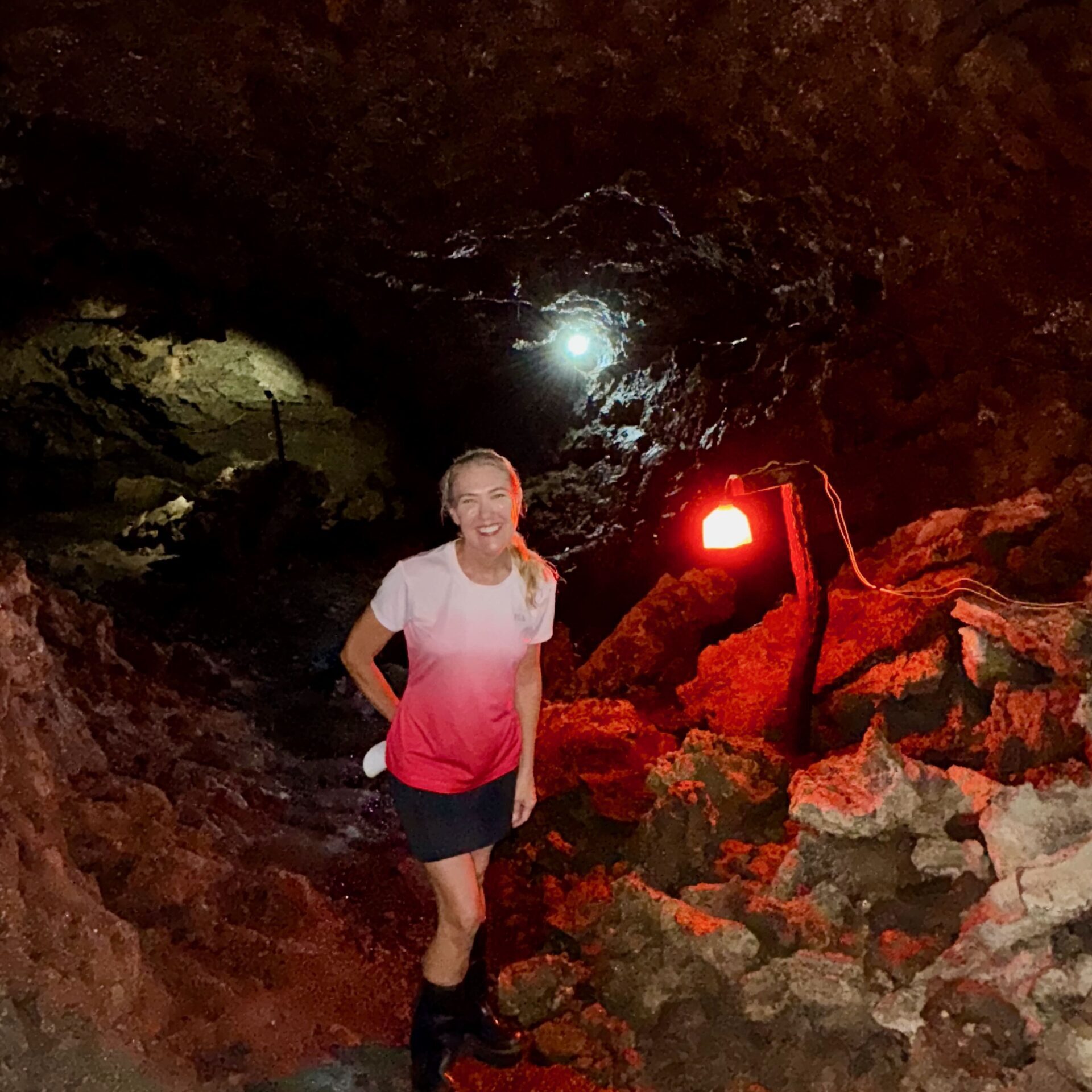
Most highland ranches also have massive lava tubes—underground tunnels formed by flowing lava. Rancho Terramar is no exception.
It was fascinating walking through these damp, geologically rich tunnels. Sometimes there were lights, and other times we used flashlights. We were given mud boots to wear because it can get quite muddy at times.
9. Tortuga Bay
Tortuga Bay is often cited as one of the best beaches in South America, and for good reason. It is actually two beaches in one, separated by a point of mangroves. Our crew decided to do some surfing and said that the walk through the lush vegetation to the beach, in itself, is spectacular. They arrived via taxi.
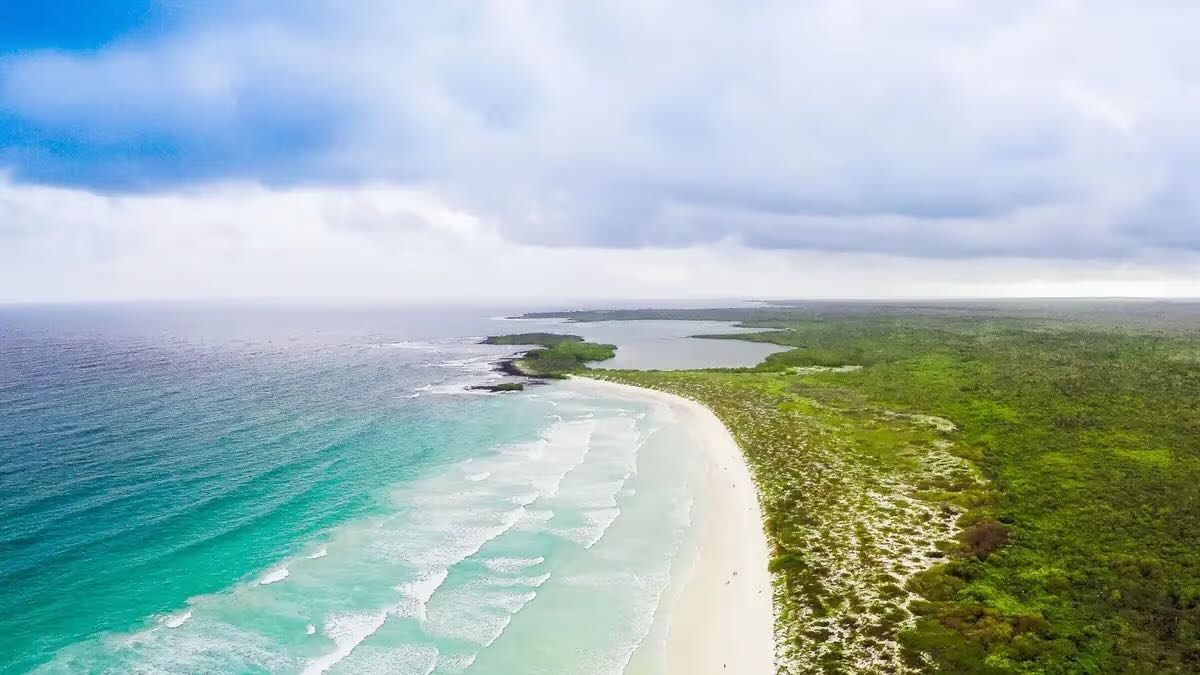
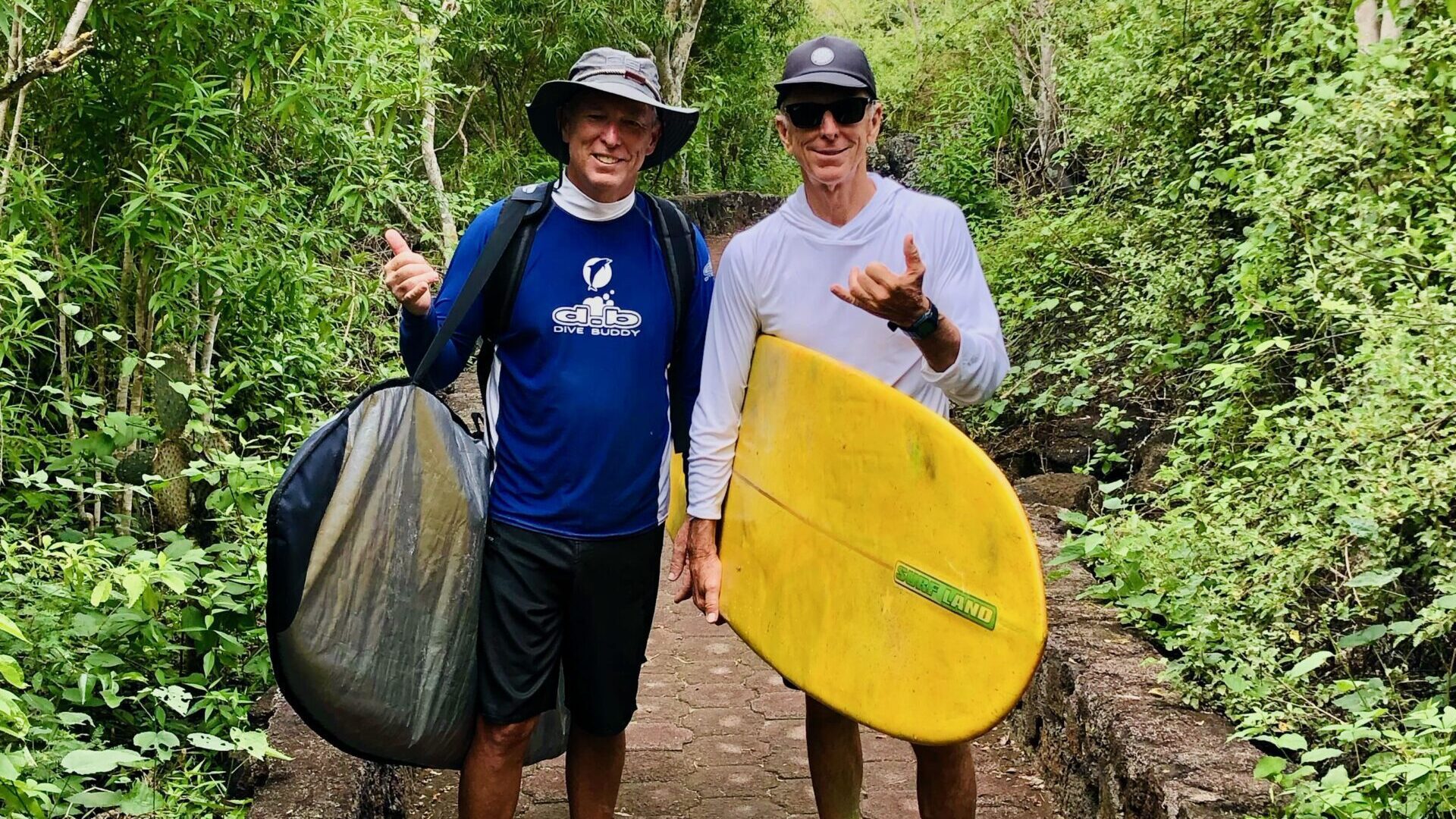
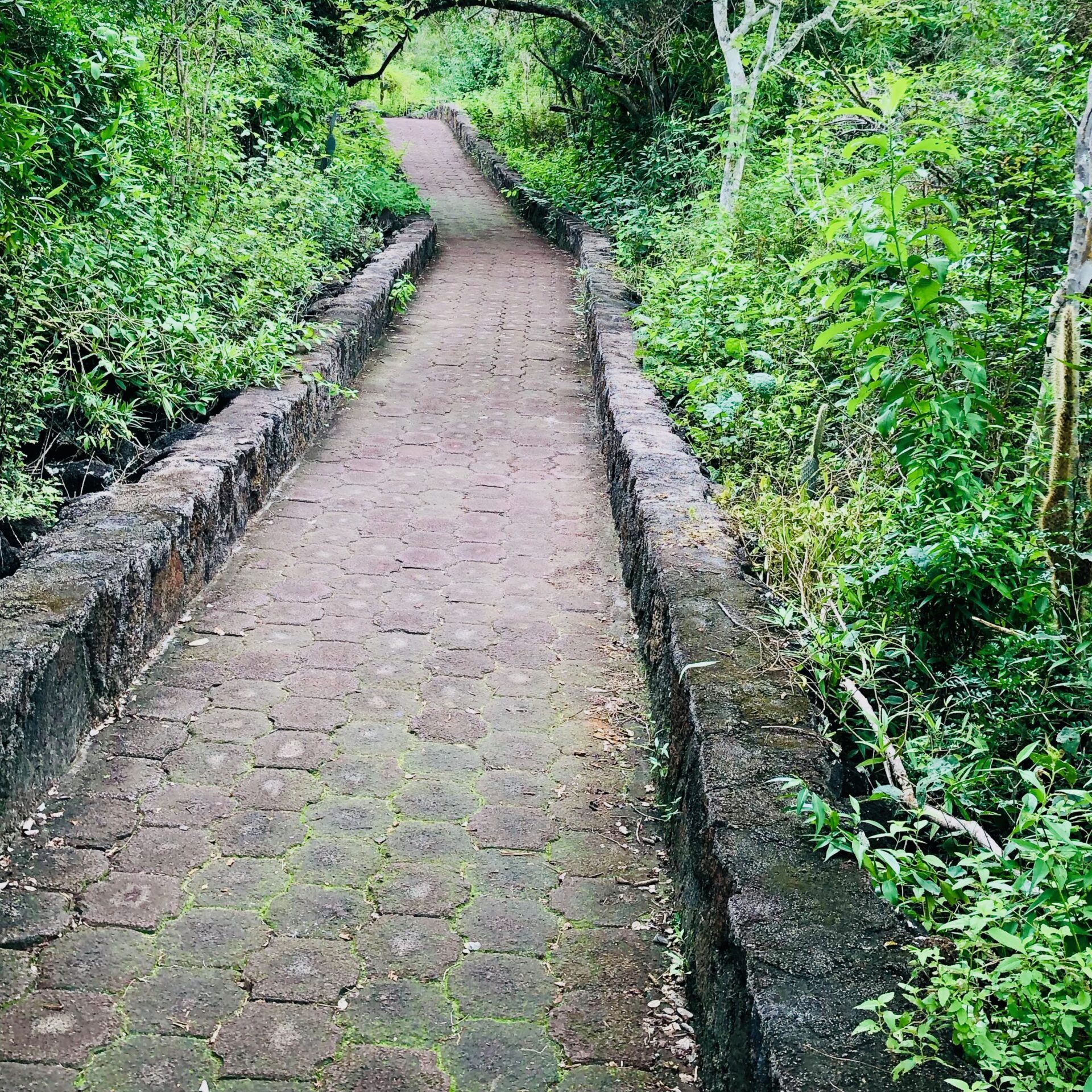
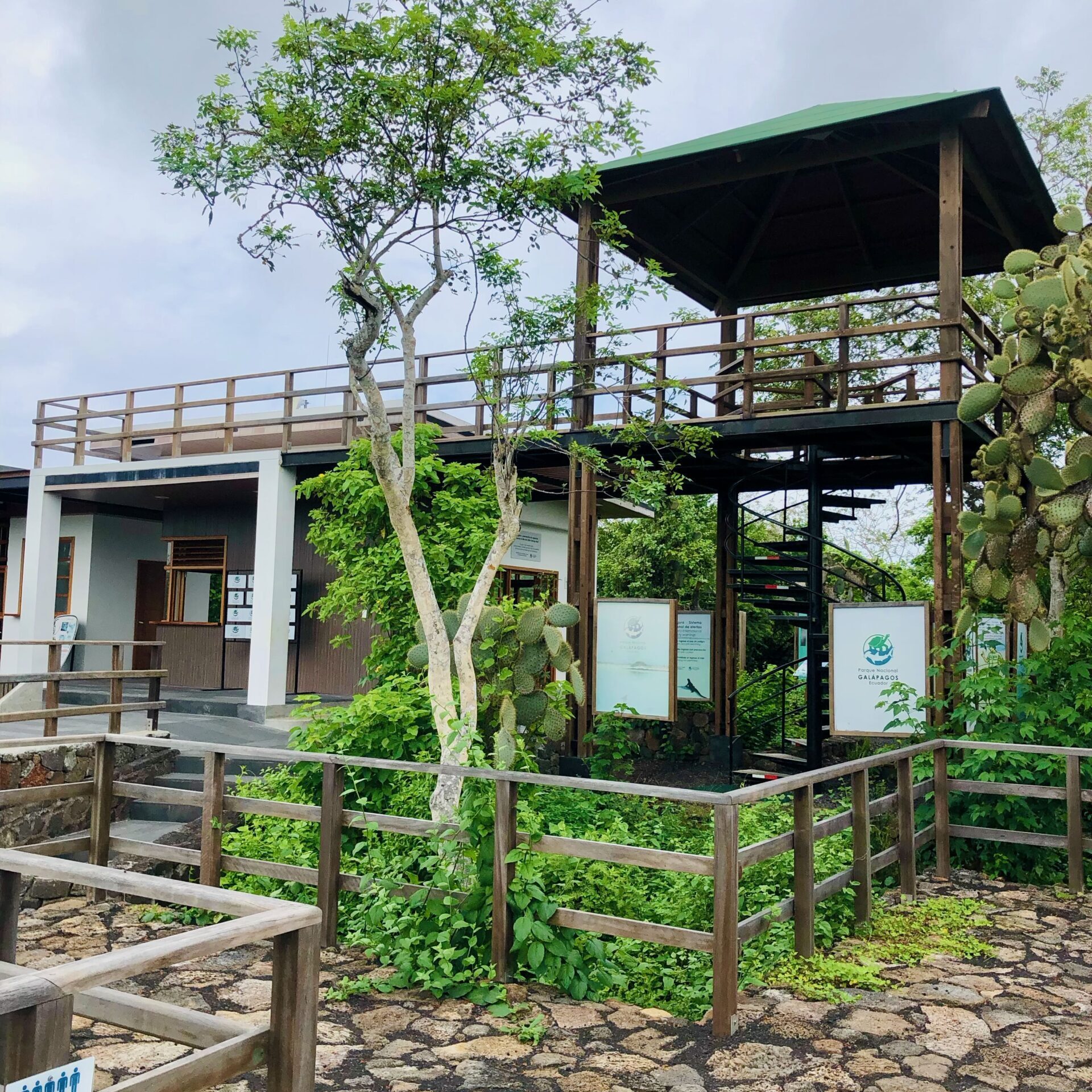
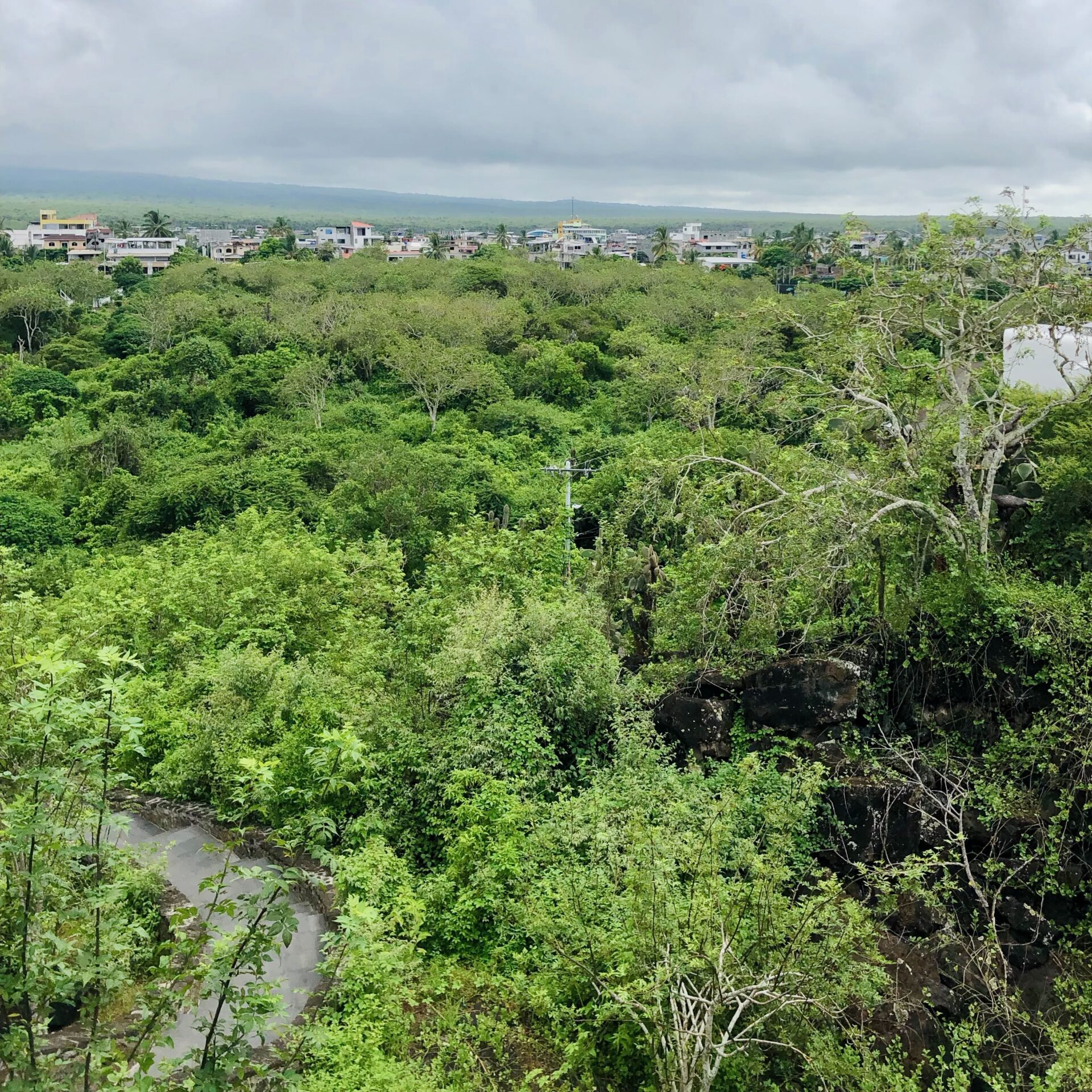
Playa Brava: The first beach is Playa Brava (“Angry Beach”). It is a massive, pristine stretch of white sand. The currents here are strong, so swimming is generally prohibited, but it’s perfect for spotting marine iguanas leaving their tracks in the sand. This is where they surfed.
Playa Mansa: Walk 20 minutes further down the beach to the right, and you’ll find Playa Mansa (“Calm Beach”). This is a protected lagoon with no waves. You can rent kayaks here ($20.00 per hour) to paddle out and see sea turtles popping their heads up and tintoreras (white-tip reef sharks) resting in the shallows.
10. Obstinate Stowaways
This wasn’t a “favorite” at the time, but looking back, it was pretty unique to the Galapagos Islands. And funny.
We knew about sea lion boardings from other cruisers, and like all of them, we tried our best to deter these big, oily creatures from taking up residence on our boat. We tried fenders, lines, and other barriers, to no avail.
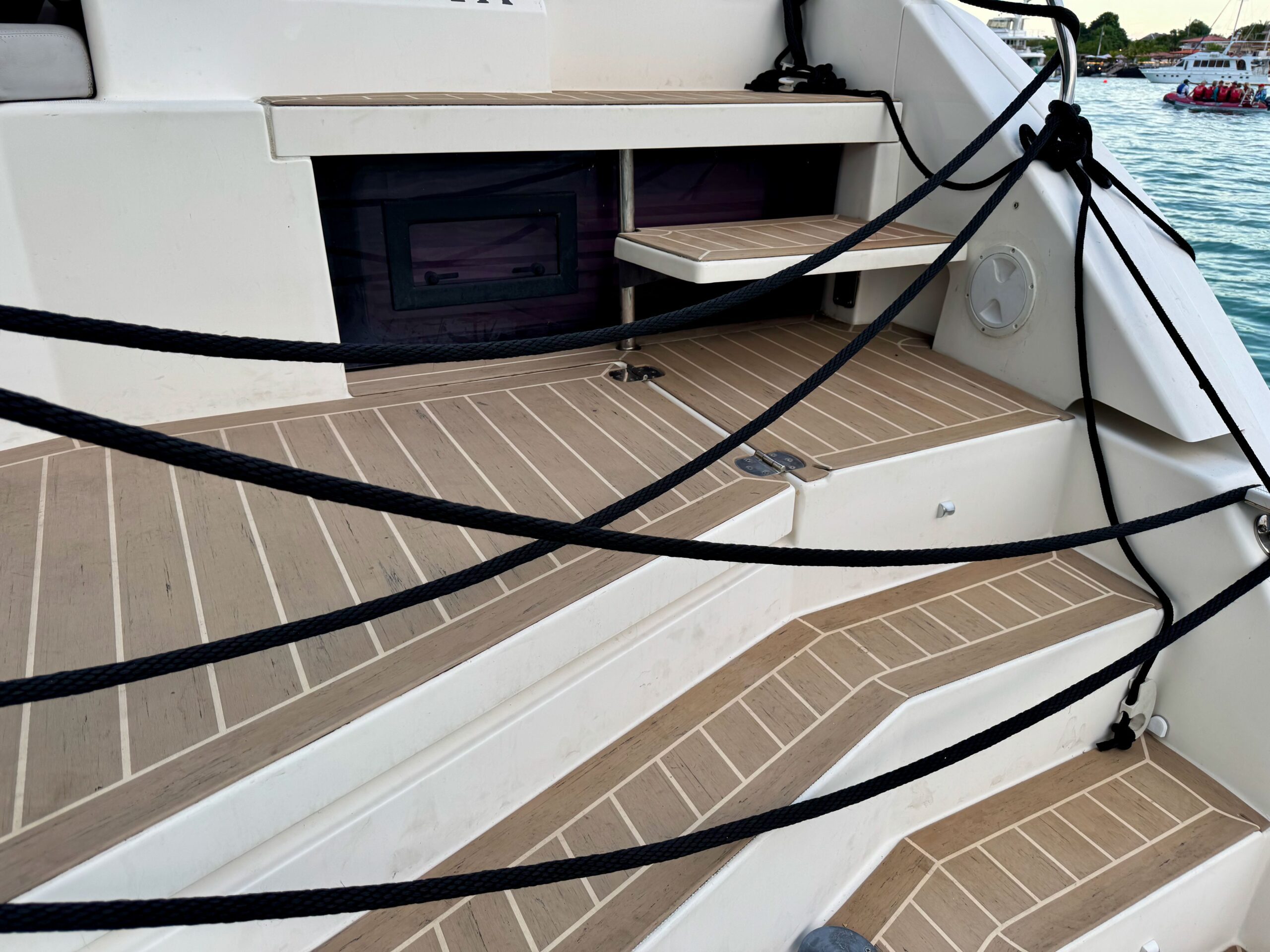
As we rode away on a water taxi one day, I watched this guy cheerfully waddle up onto our sugar scoop. We found him comfortably lounging in our forward cockpit when we returned several hours later.
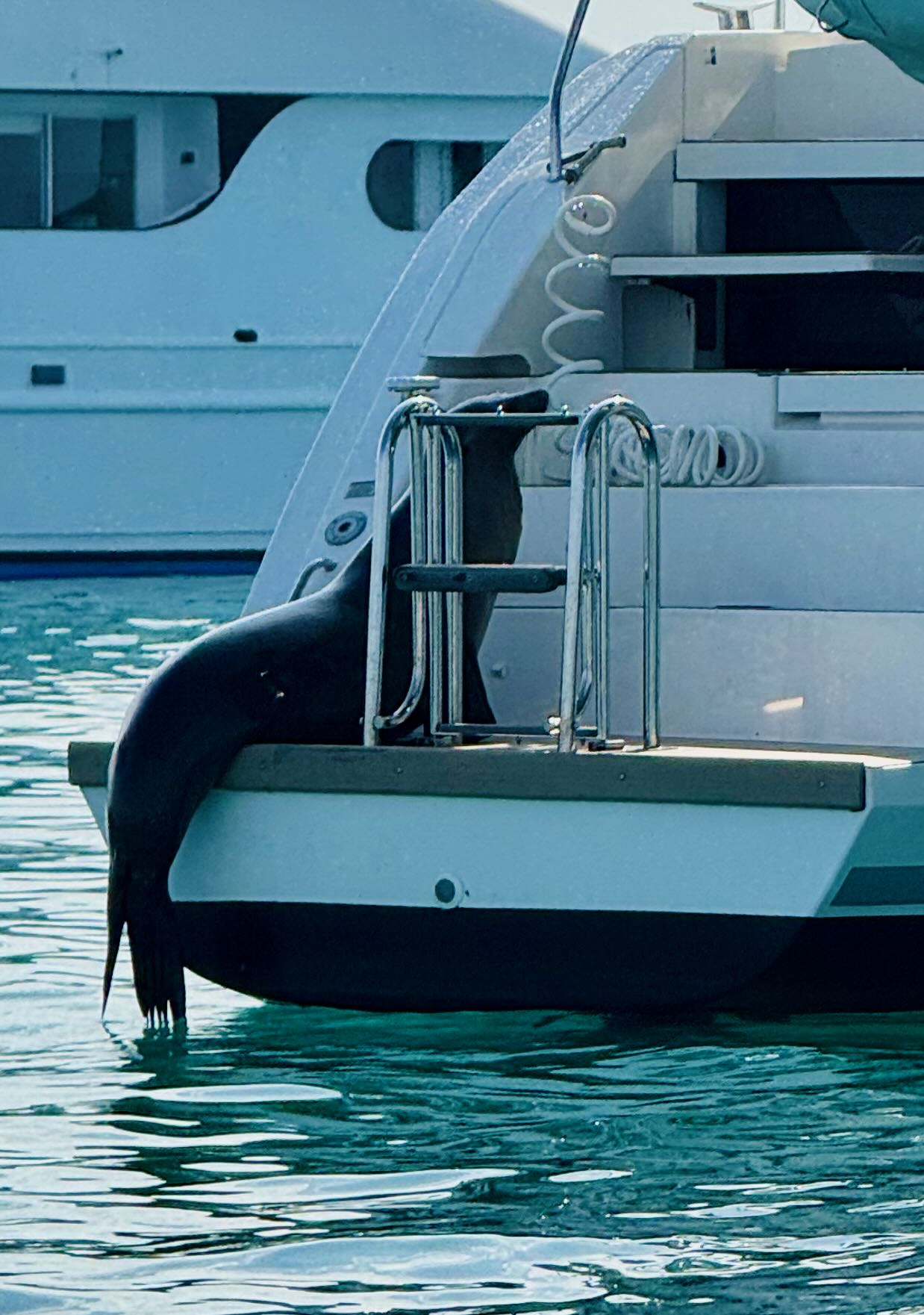
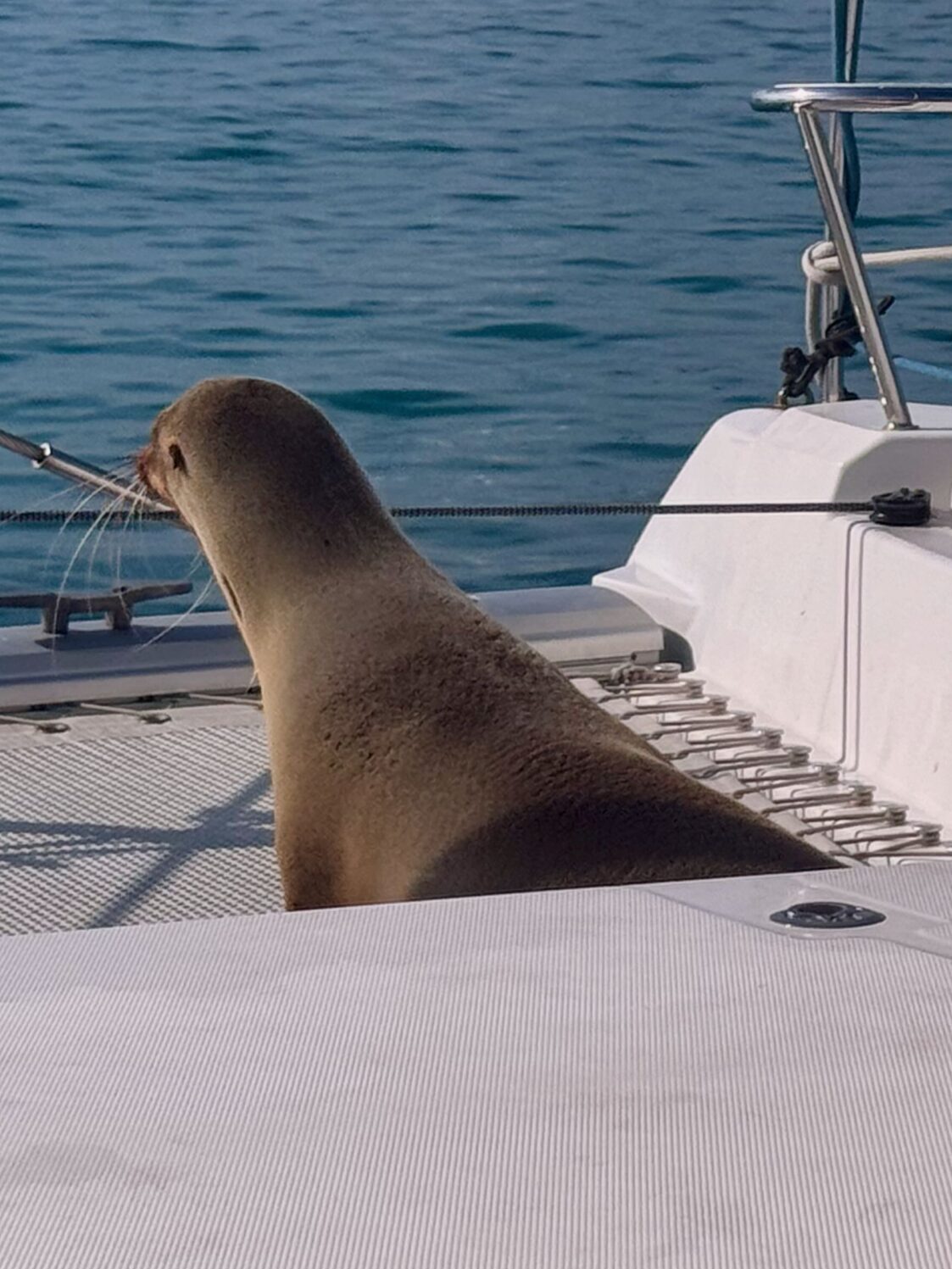
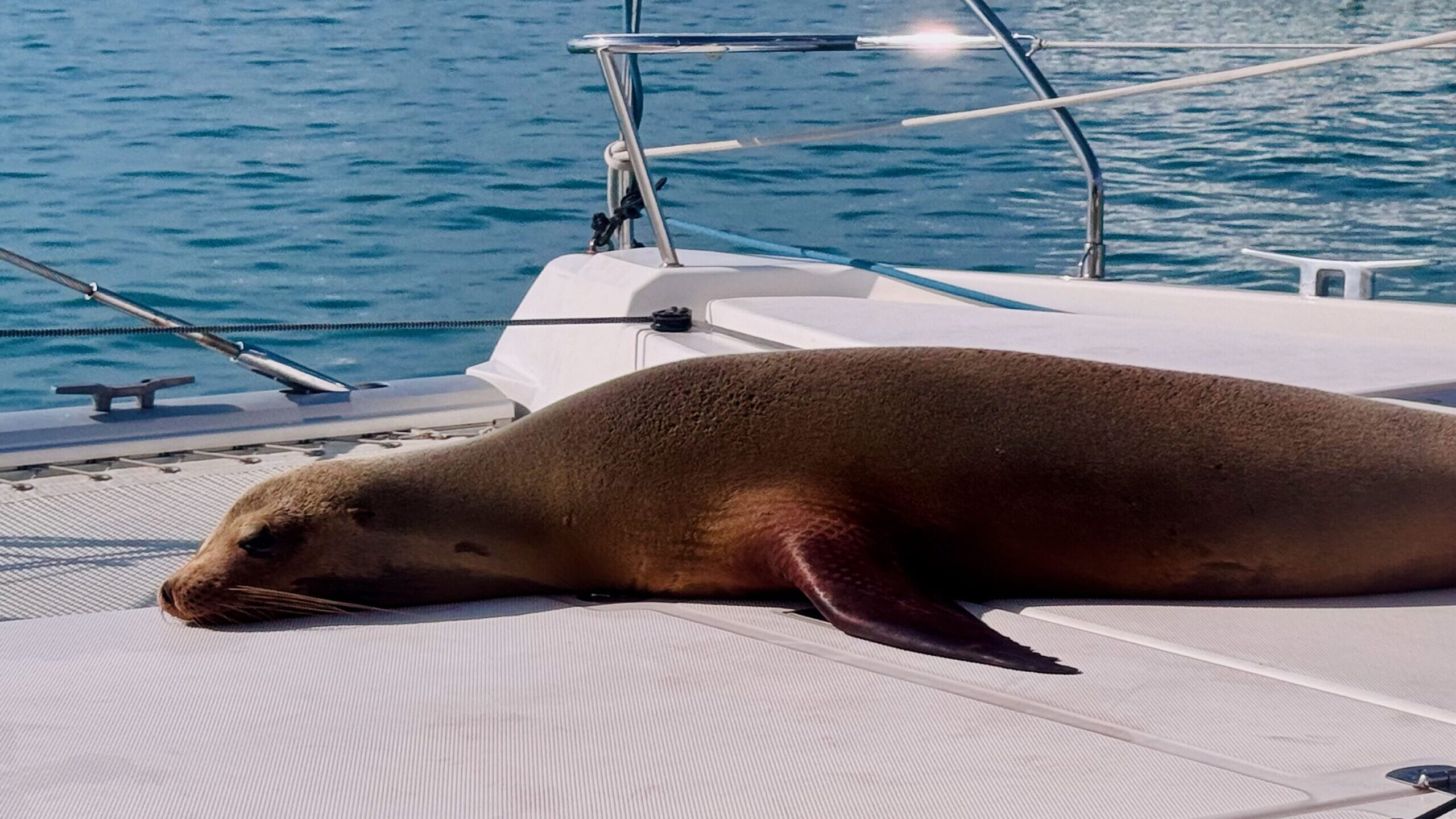
What happened next was pretty funny. One of our crew members ventured into the forward cockpit to see if he could scare it off.
“Go! Git!” he shouted.
At that, the sea lion turned, looked him squarely in the eyes; bared its black, gnarled teeth; and growled at him. Not just a snarl—it was the loudest, most guttural, truly horrifying noise any of us had ever heard.
As our crew member scrambled to get back inside to safety, he hit his head on the coach roof, later requiring stitches. To hear him tell it, you would have thought the sea lion was 20 feet tall.
In fairness, it really was pretty big, and their growls are rather terrifying.
On the plus side, the healthcare system on the Galapagos Islands is fantastic, and the urgent care visit was completely free!
Other Memories
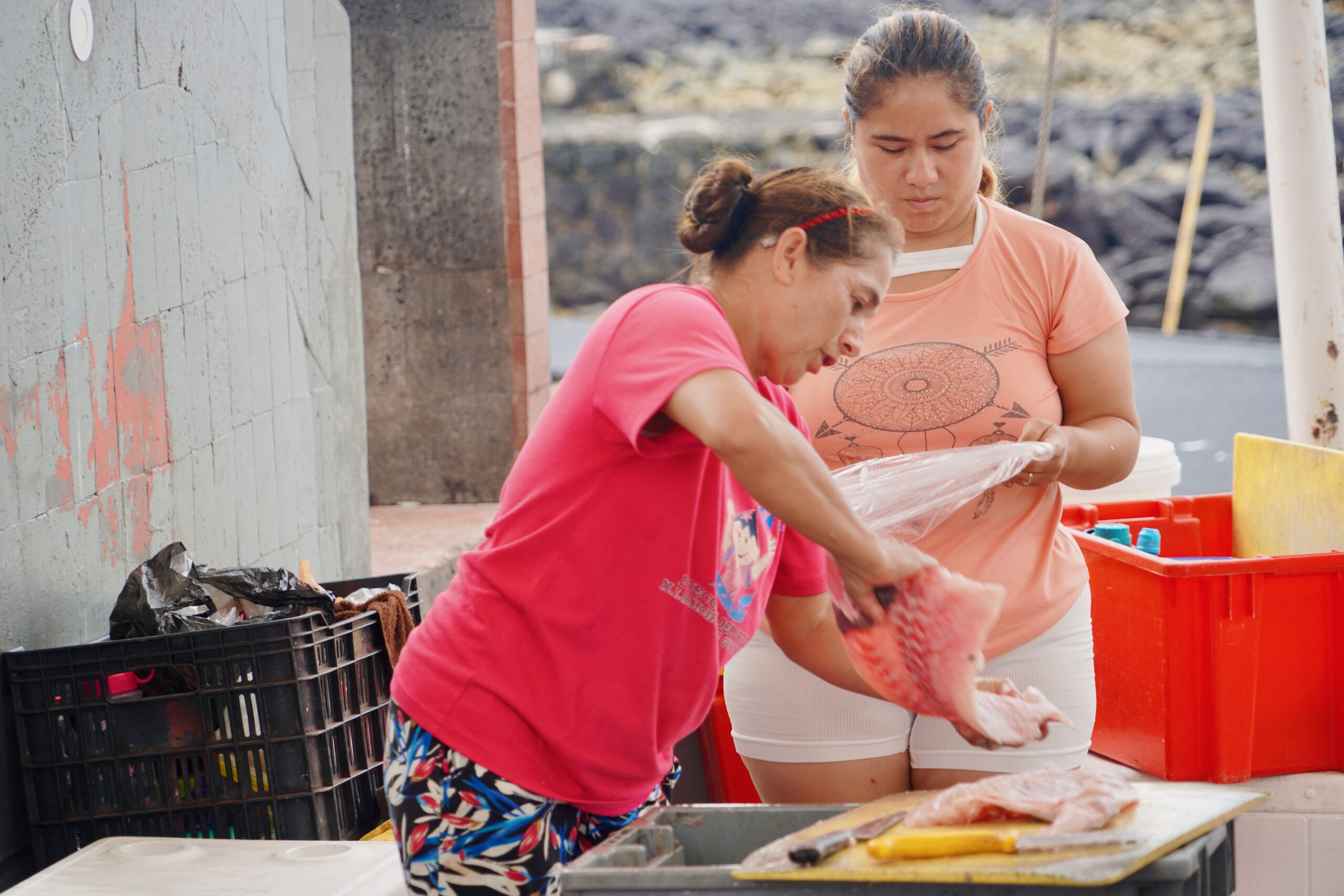
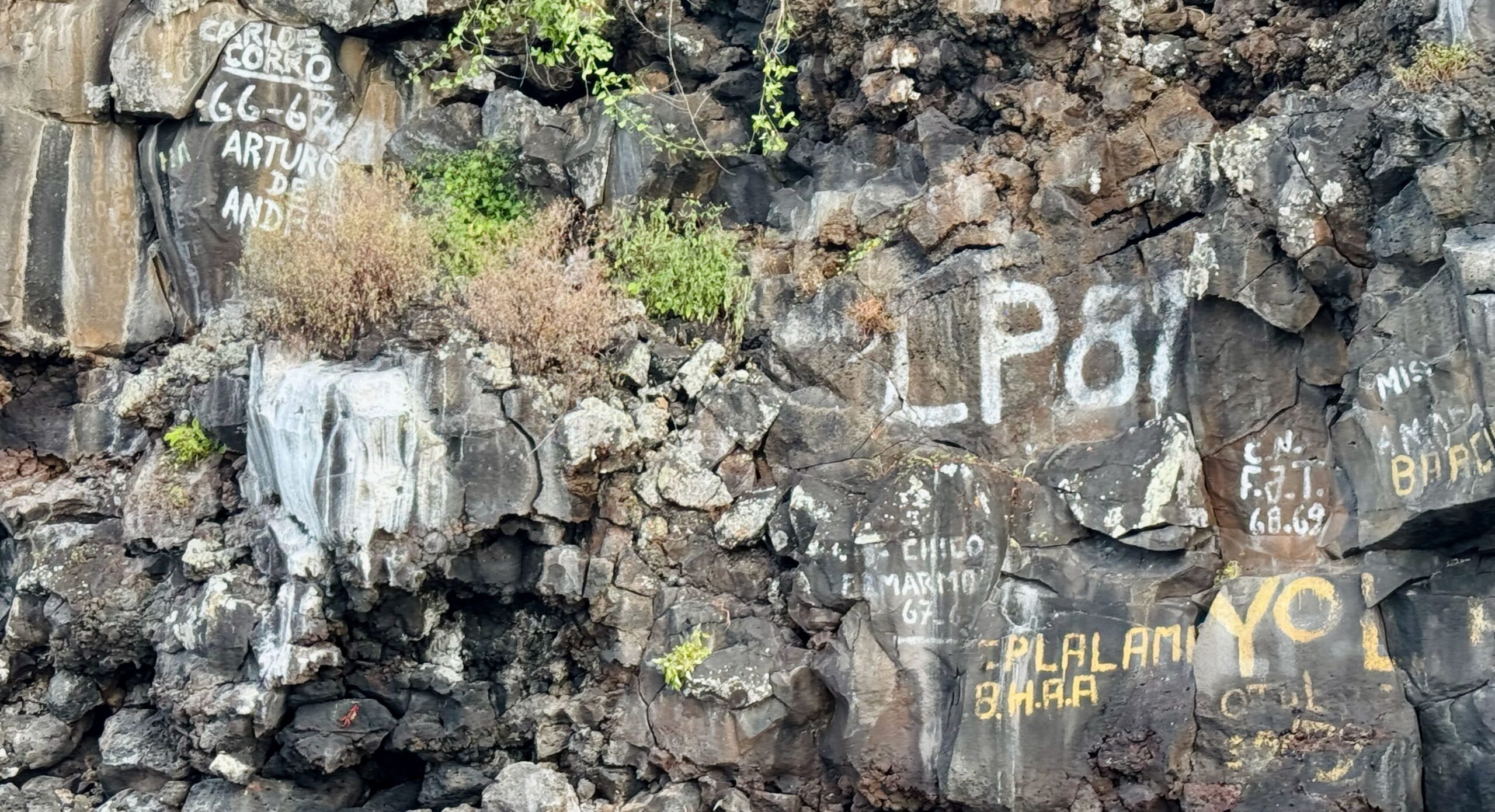
We were surprised to see graffiti on the cliffs of the anchorage. Apparently, it was a long-standing, traditional practice for sailors, whalers, and visitors to record their vessel names, dates, and crew names on the cliffs. Today, this historical graffiti is preserved as part of the site’s unique history, featuring names dating from 1836 to the late 1980s.
Other Things to Do on Santa Cruz Island
The Charles Darwin Research Station
Las Grietas: The Volcanic Swimming Hole
Where We Ate
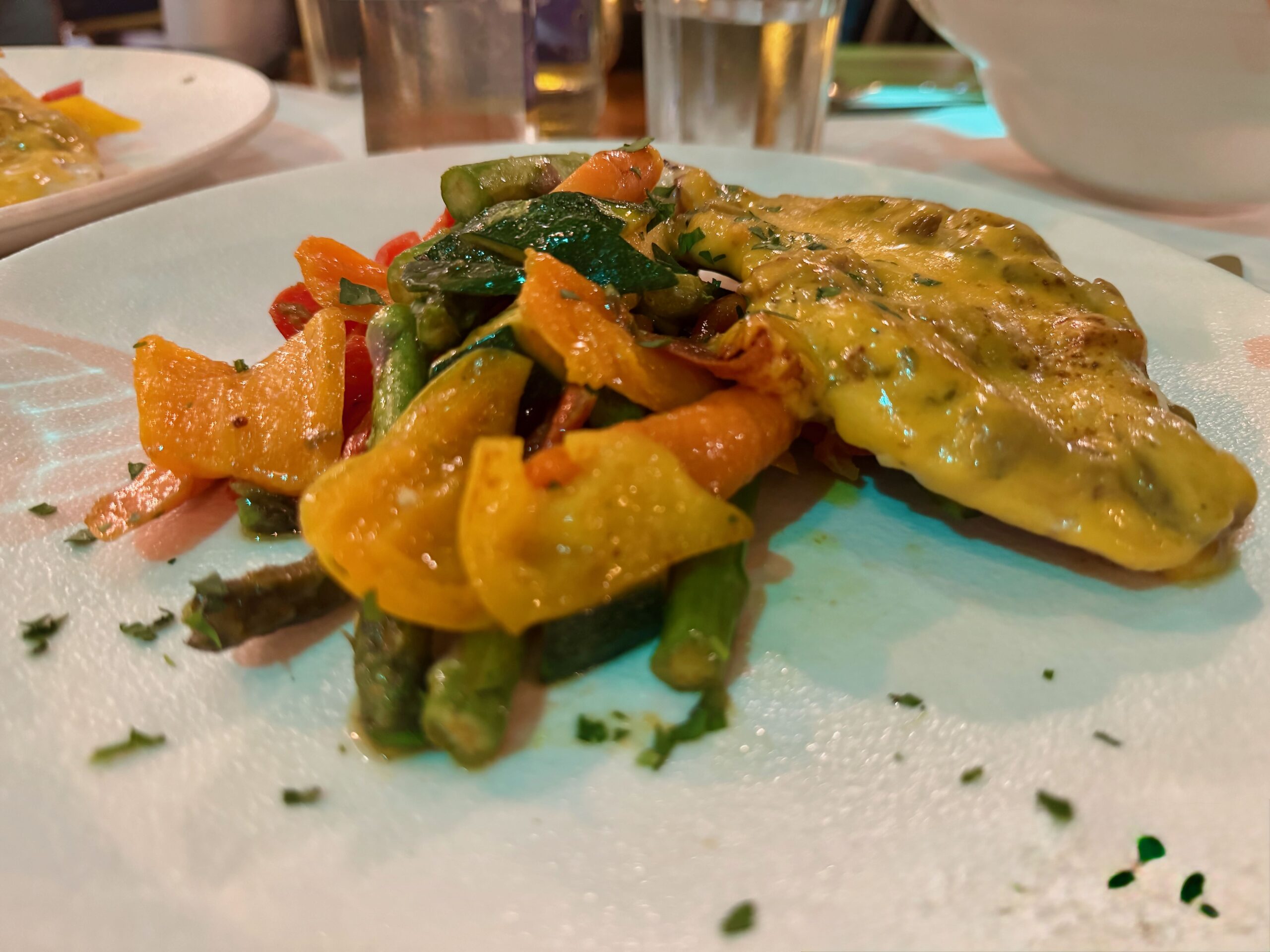
We ate out a lot on Santa Cruz Island, and we never had a bad meal. Here are some of the places we went:
1835 Coffee Lab (multiple times)
Plaza el Jardin (multiple times)
el Muelle de Darwin
Isla Grill
Santa Cruz Brewery
TJ Restaurant
D’ Charley
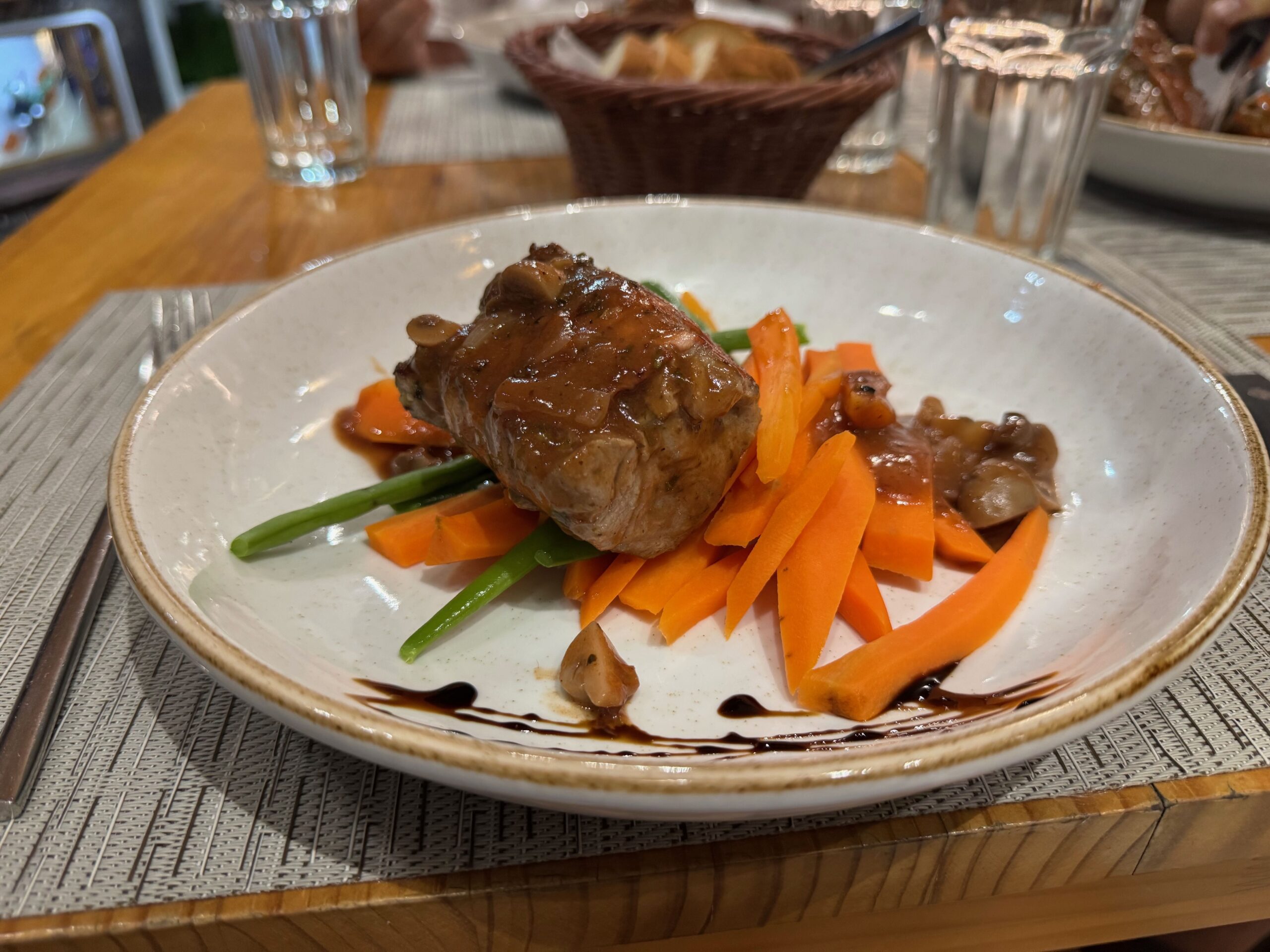
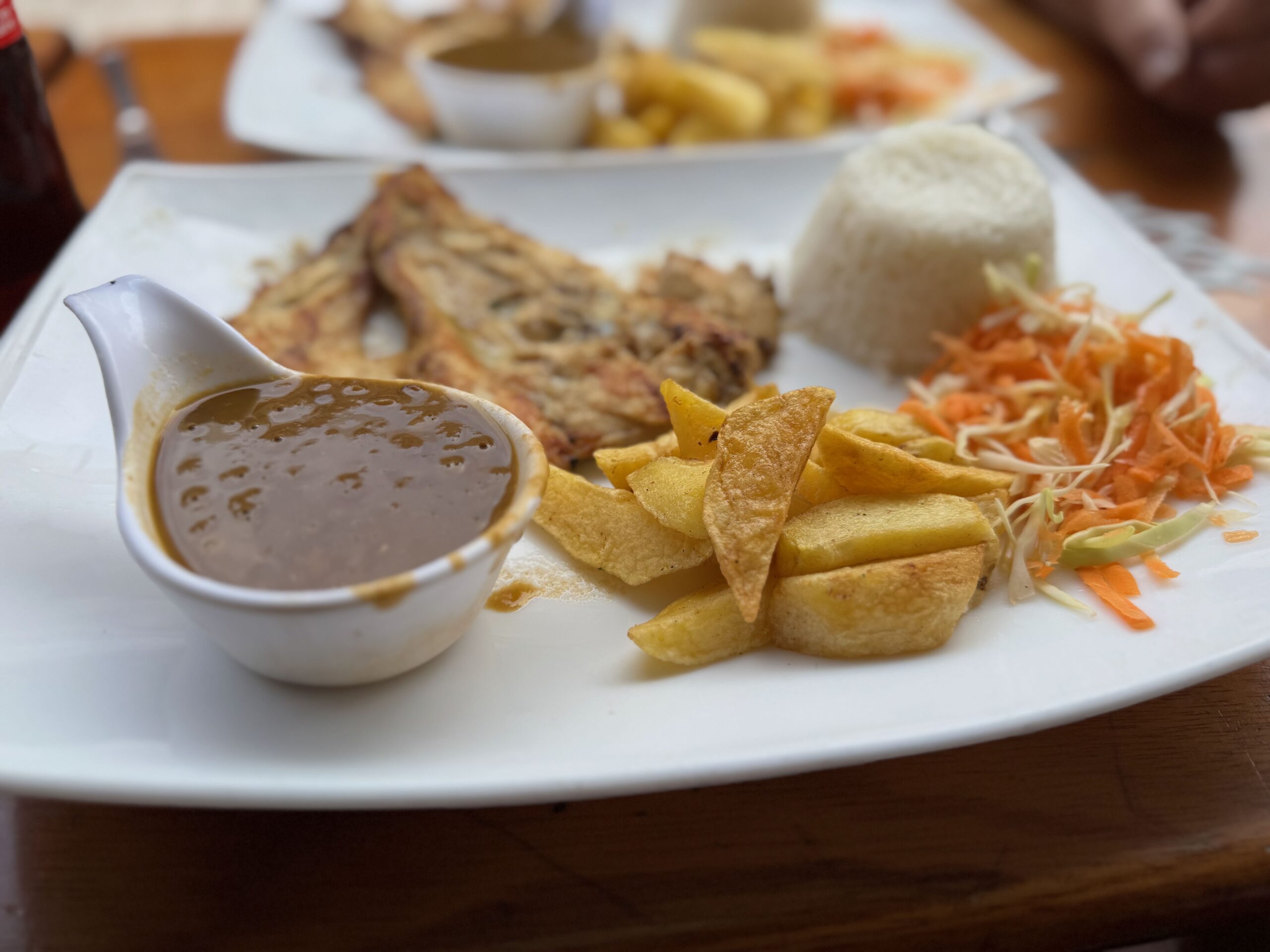
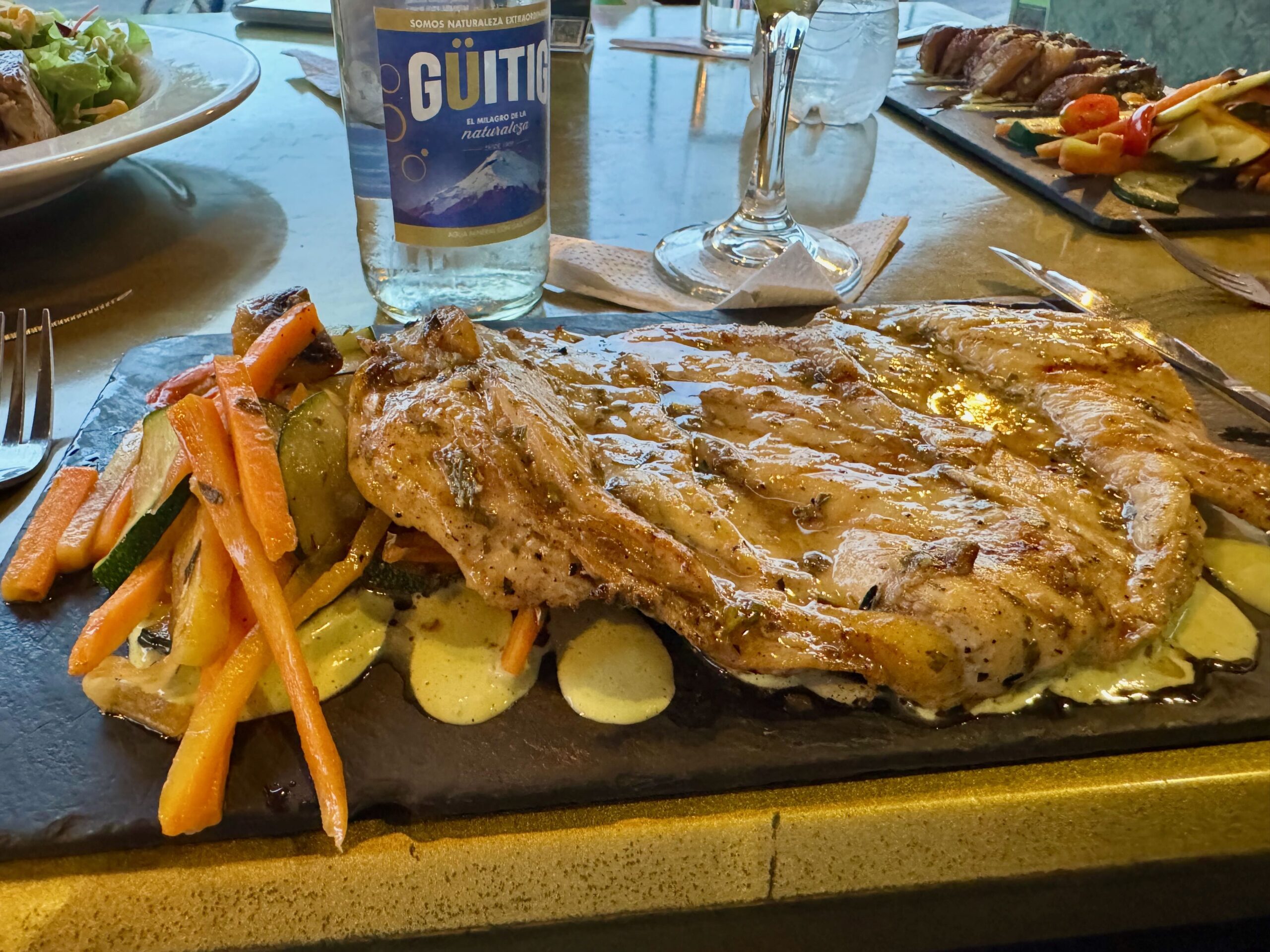
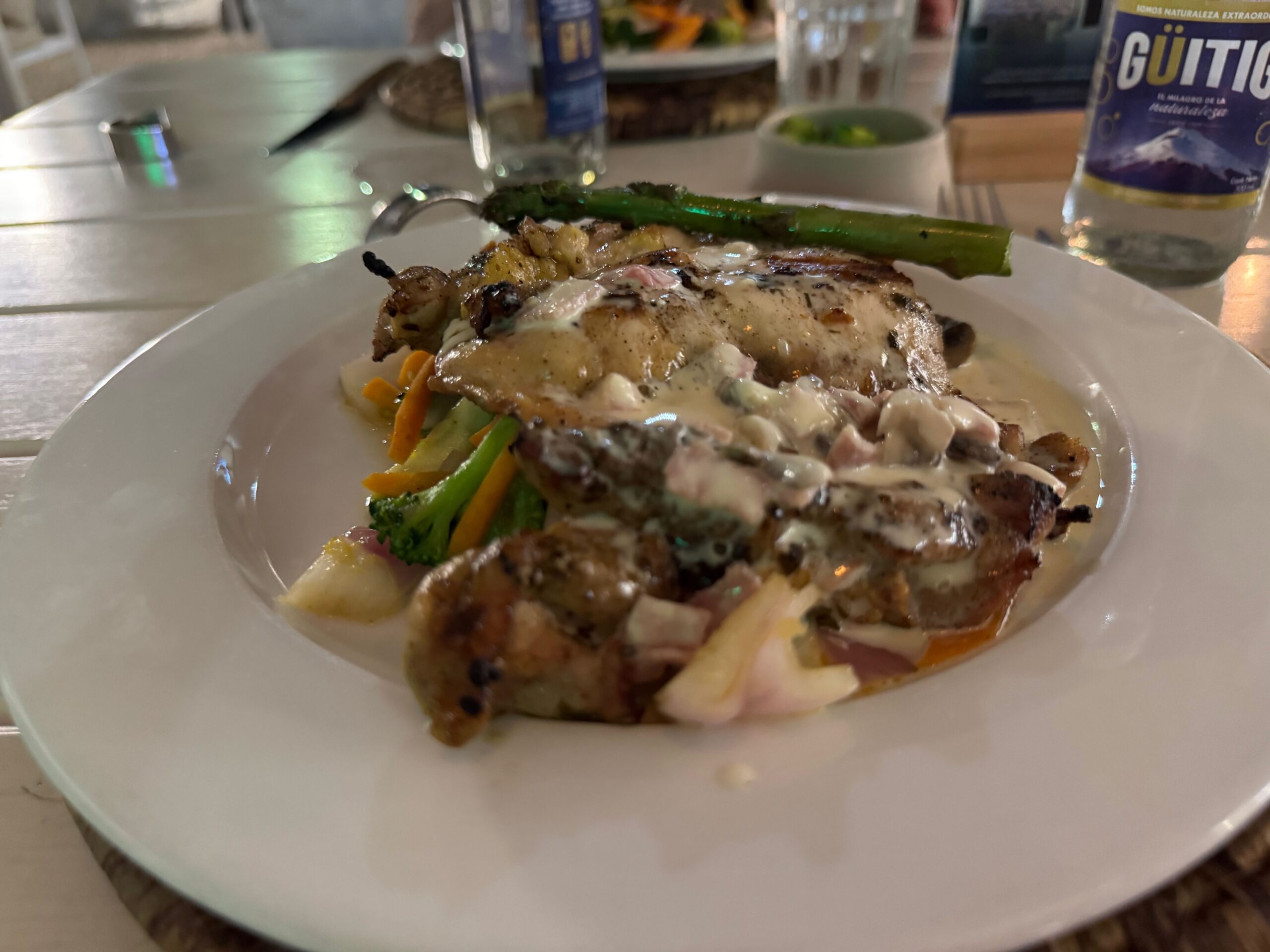

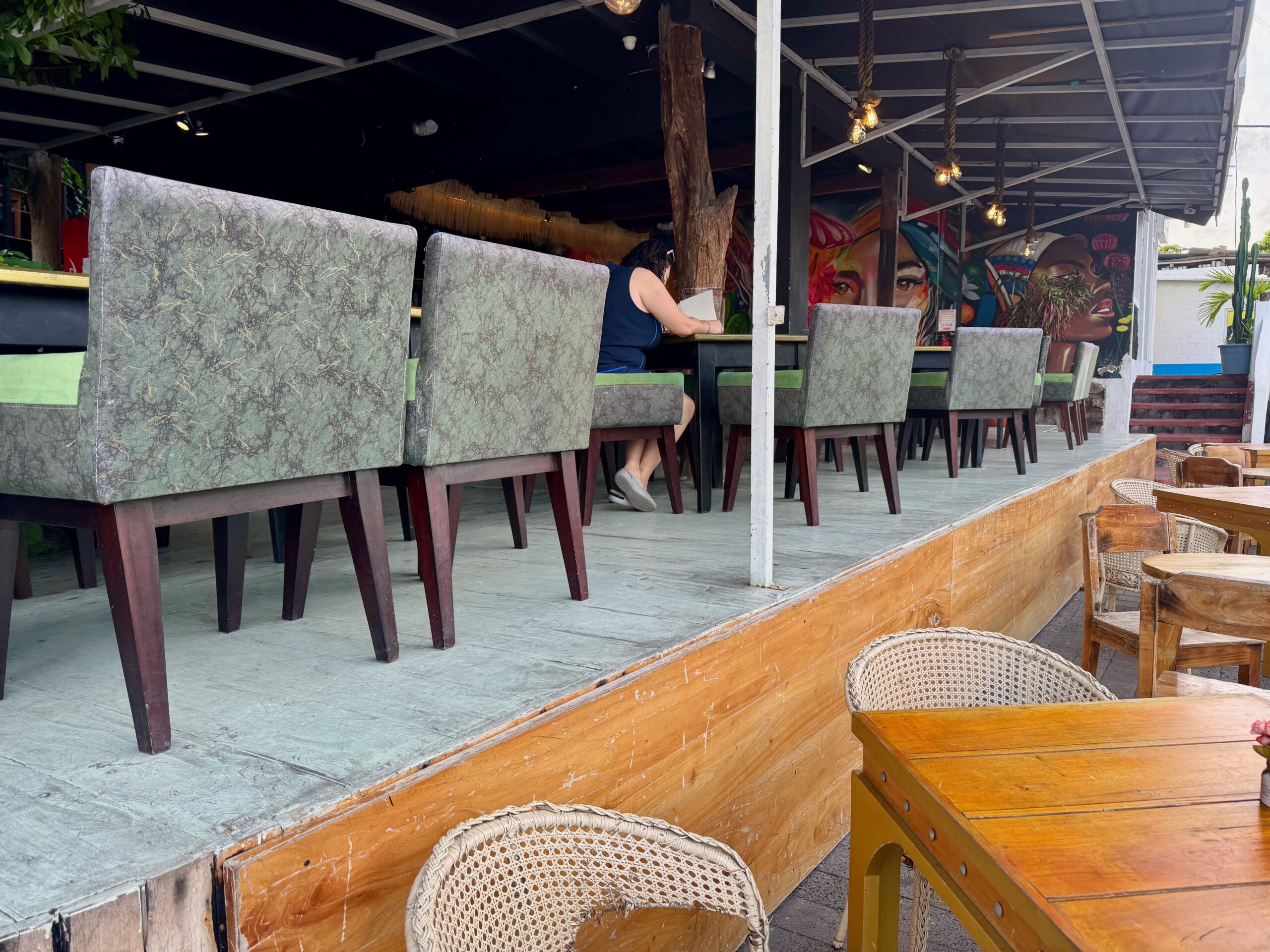
Now for the quintessential Puerto Ayora dining experience. During the day, the main boulevard is a normal street, but sometimes, at night, the restaurants close the road, drag tables and chairs out into the middle, and fire up their grills.
Getting There
Getting to Puerto Ayora from Baltra Airport (GPS) is a multi-step process.
- Lobito Bus: Take the airline bus from the airport to the Itabaca Canal ($5.00 and ten minutes).
- Ferry: Cross the canal on a barge ($1.00 and five minutes).
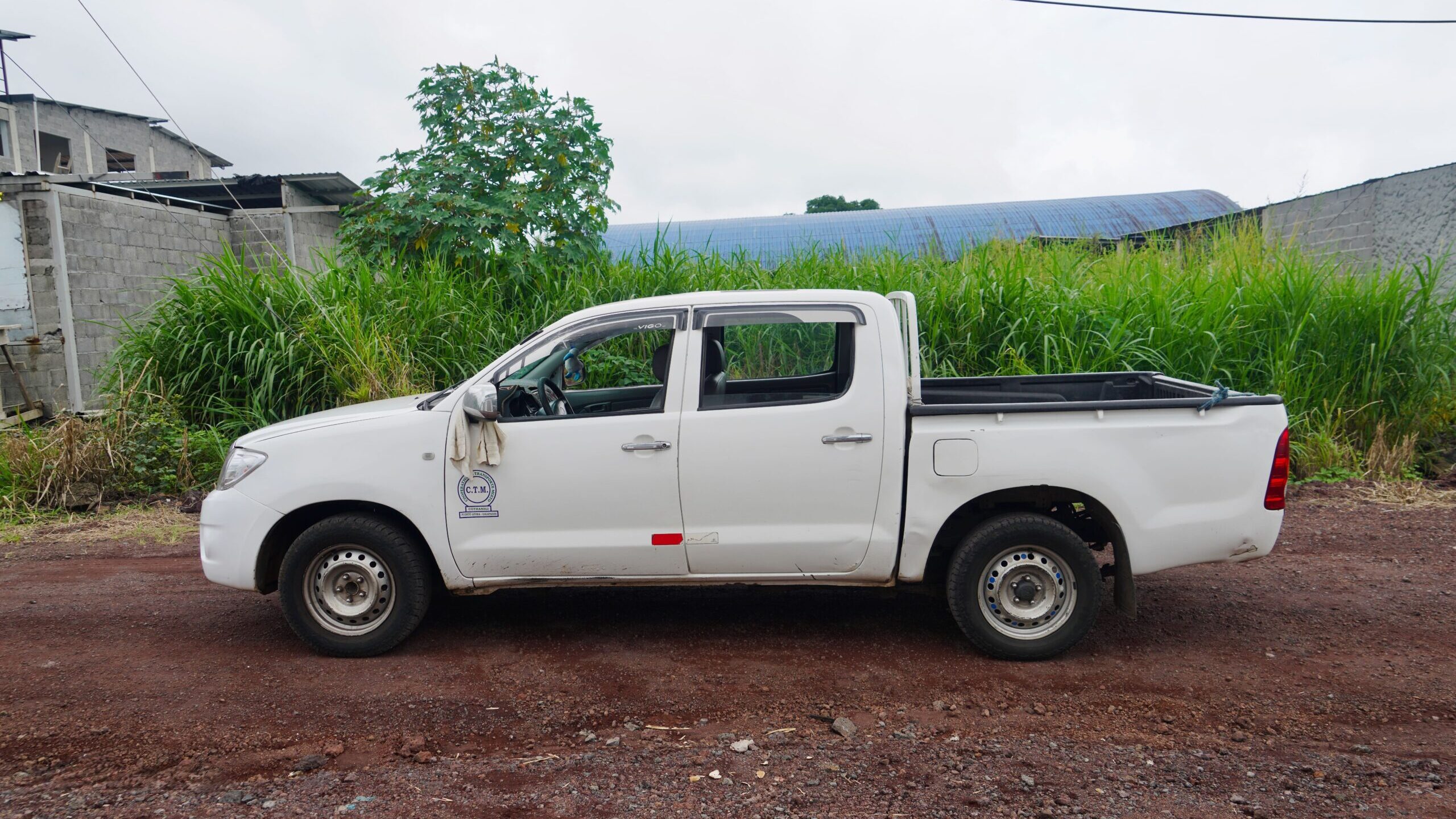
- Bus or Taxi: Once on the Santa Cruz side, you can take a bus ($5.00), which drops you at the edge of town, or a white pickup truck taxi ($25.00 per vehicle), which takes you directly to your accommodations (recommended). The taxi takes about 45 minutes.
We sailed there on our boat.
Getting Around
Puerto Ayora is very walkable.
If you need to go a bit further (for example, to the beach), there are white pickup truck taxis everywhere. A ride anywhere within town costs a flat rate of $1.50 to $2.00.
To get from place to place on the water, people take water taxis. There are plenty of them, and we could usually get one pretty easily.
For cruisers, the water taxis are pretty much required to get to shore, as there are not enough spots at the docks for dinghies. To get one, you can call on VHF channel 14, but we noticed they didn’t usually respond. For us, it was better to just flag one down.
Final Thoughts
Santa Cruz, and particularly Puerto Ayora, is a place where nature and civilization have found a unique rhythm. Whether you are dining al fresco, watching baby sharks swim around the dock, or hiking through a cactus forest to a pristine beach, the magic of the Galápagos is woven into every street corner.
It ranks as one of my very favorite places on this planet.
You can view a map of Santa Cruz here.