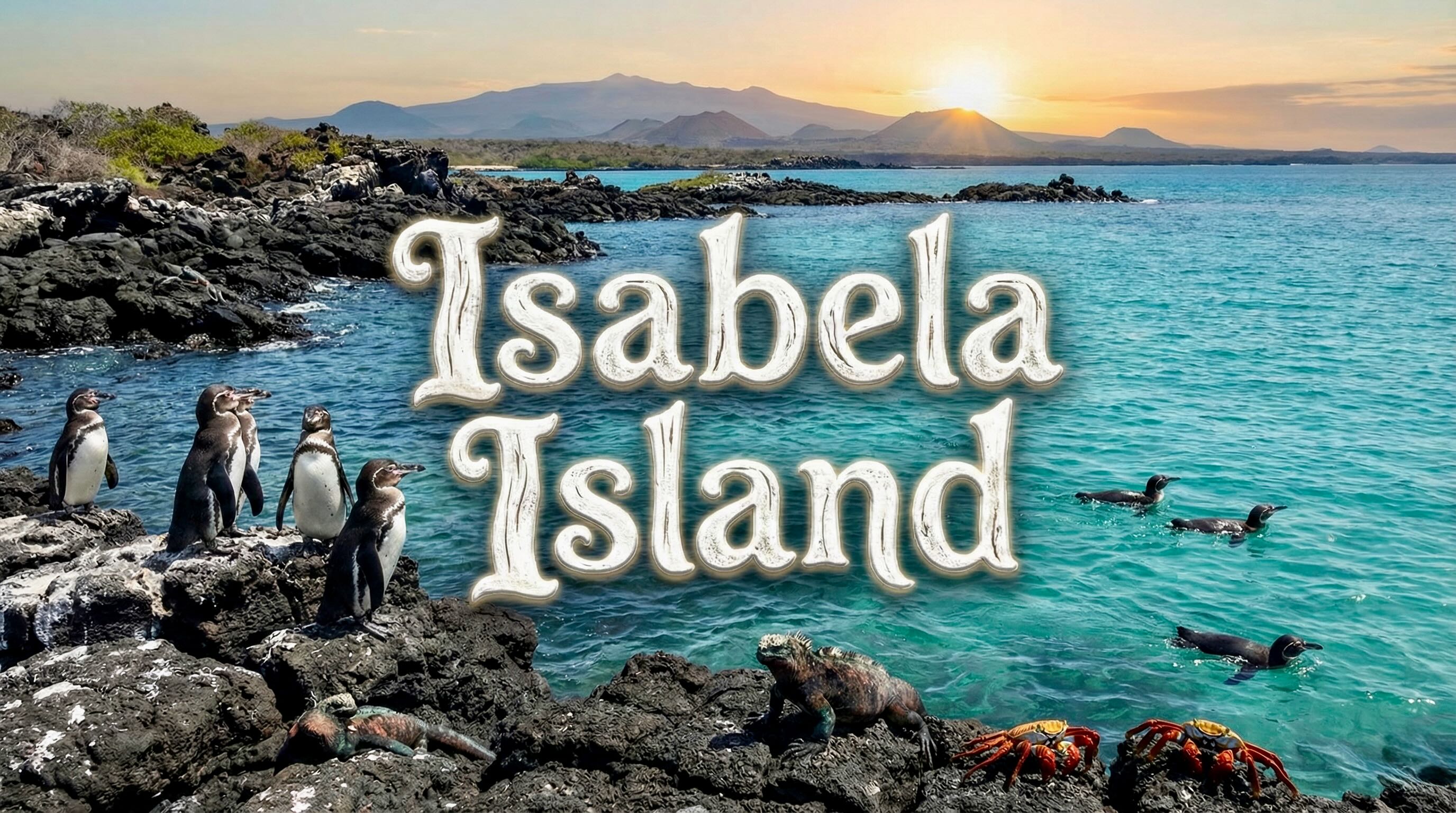
Isabela Island is shaped like a seahorse. As luck would have it, we saw our first seahorse ever here. That’s just one of the many things that made this island really special to us.
Formed by the merging of six massive shield volcanoes (five of which are still active), Isabela is a geological marvel. It is quite large—more than half the landmass of the entire Galapagos archipelago—but it has just one town, Puerto Villamil.
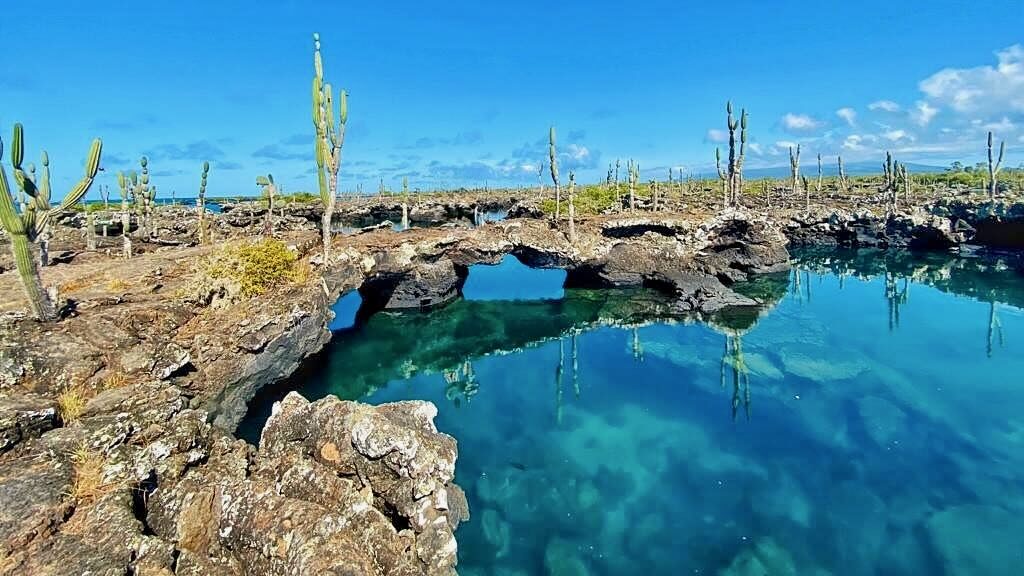
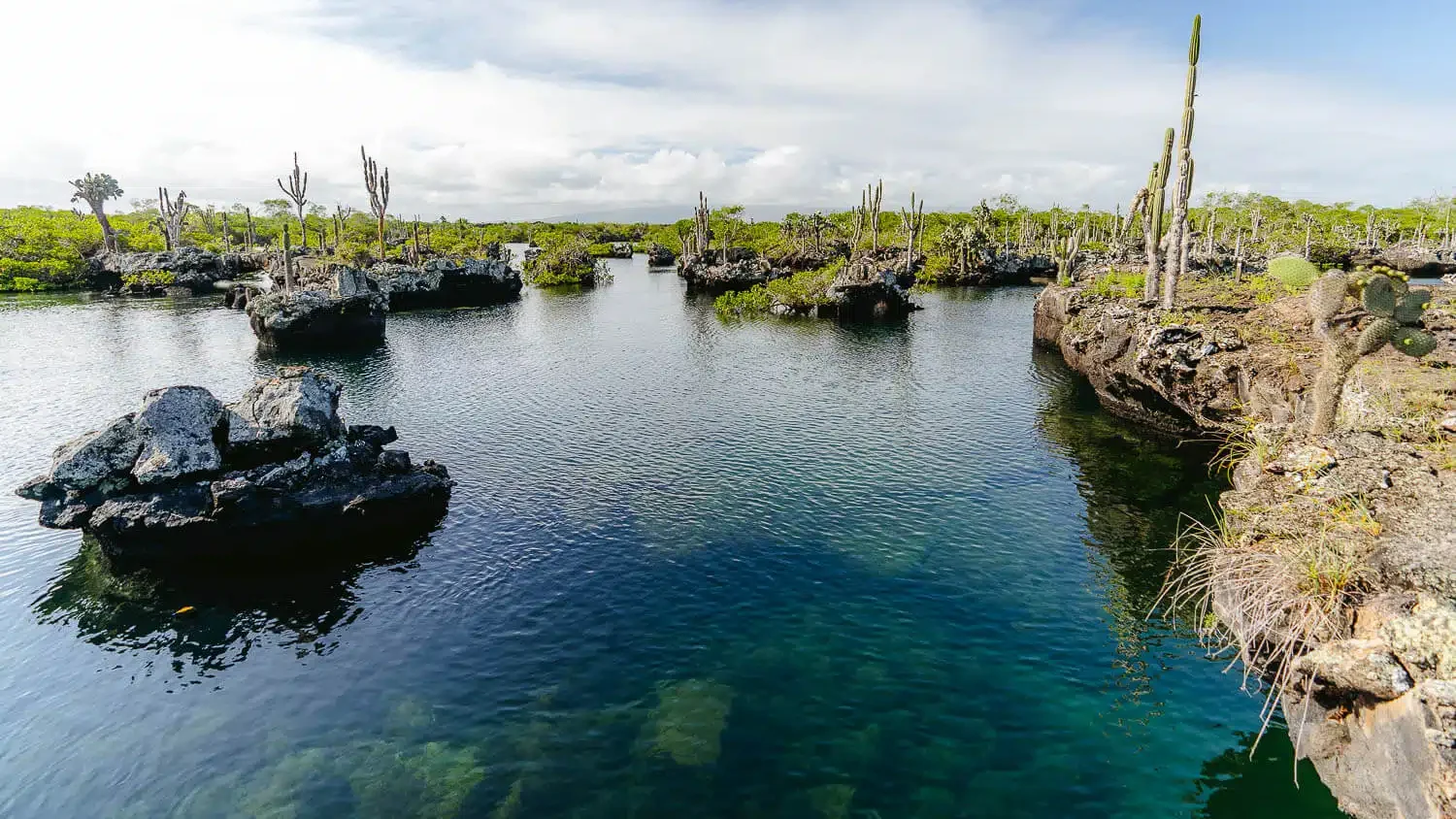
That means that by and large, this unique island is wild and pure. It’s a very special place.
To see this magnificent island properly, we booked a tour through Oswaldo of Galapagos Surf Islands. We had our first three experiences (penguins, trail tour, and snorkeling) this way. We think it was well worth it.
Things We Loved About Isabela Island
1. Galápagos Penguins
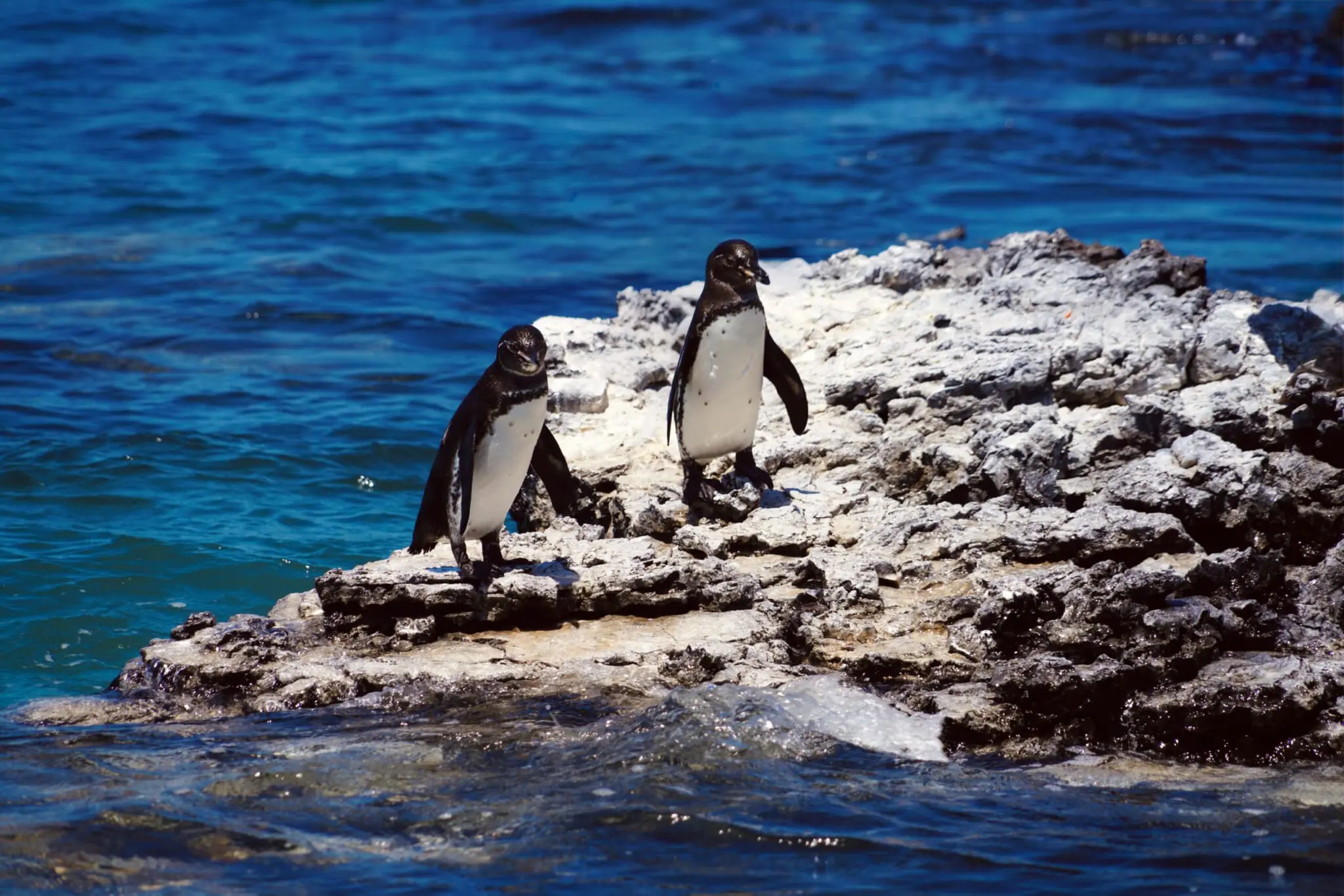
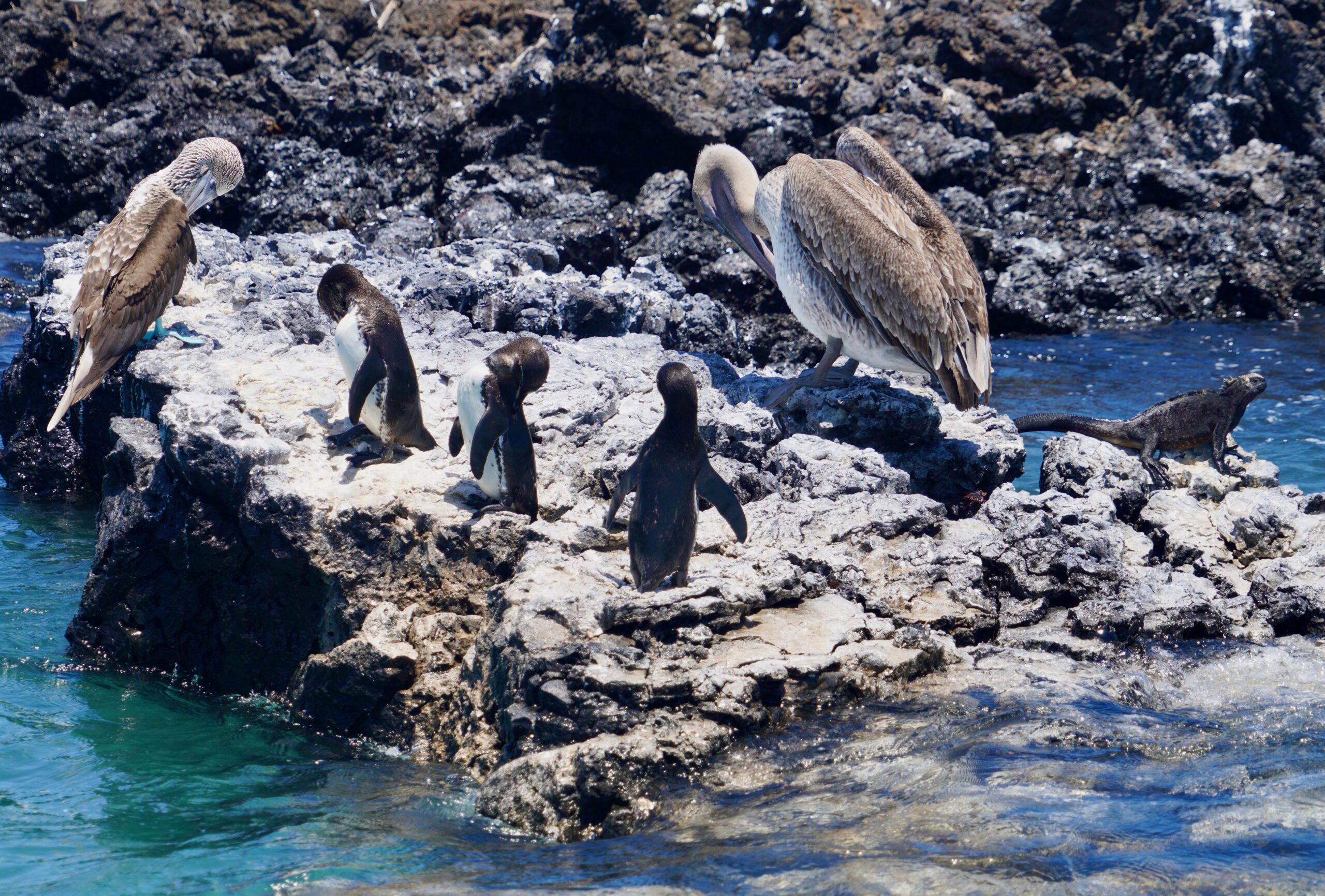
It’s no secret that I am obsessed with penguins. We saw them in captivity once in Maui, but this was the first time we had ever seen them in the wild.
The Galapagos penguins are the only ones north of the equator, so we felt really fortunate to see them in person. We learned that these endearing little animals have a lifespan of about 20 years.
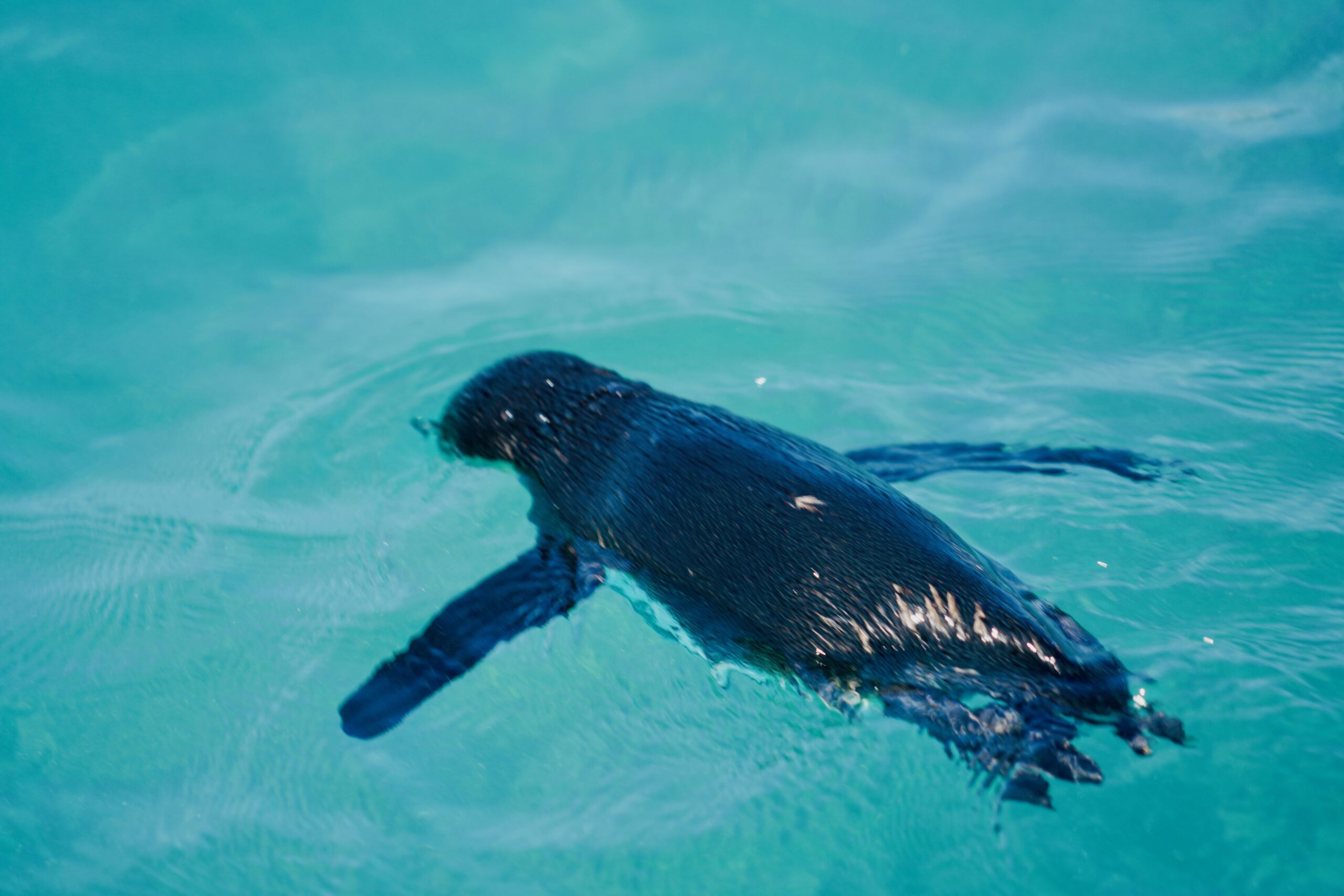
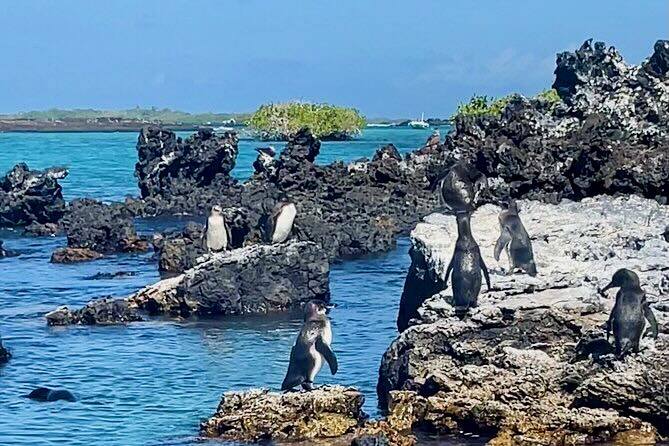
They are small and nimble. We watched them gracefully swim around and climb onto the nearby rocks to preen themselves and their mates.
2. Las Tintoreras Islet Trail
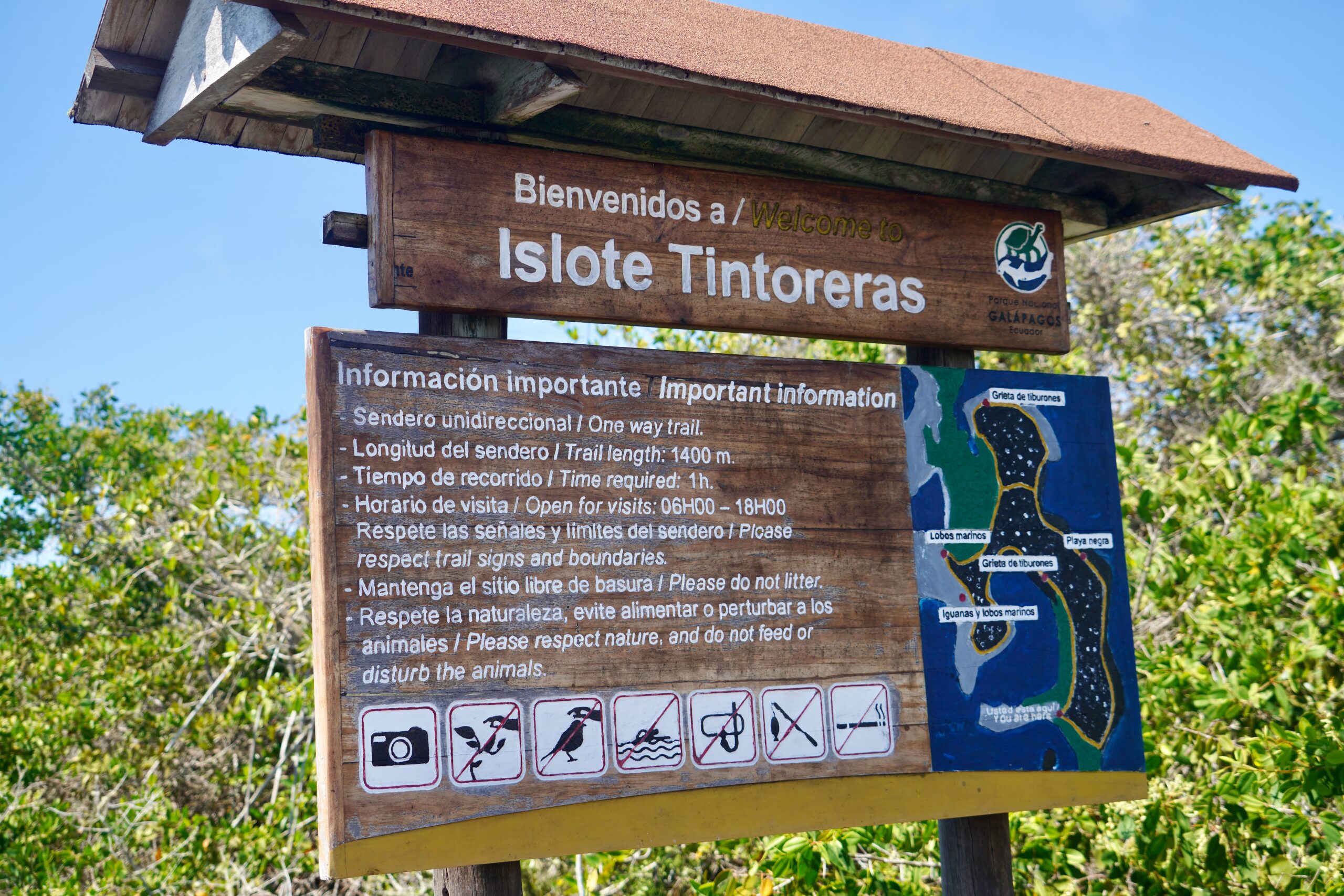
We spent some time shark watching at the “Tintoreras” Channel—a tidal fissure or narrow, deep crack in the lava rock that fills with water at high tide. This serves as a resting spot for whitetip reef sharks.
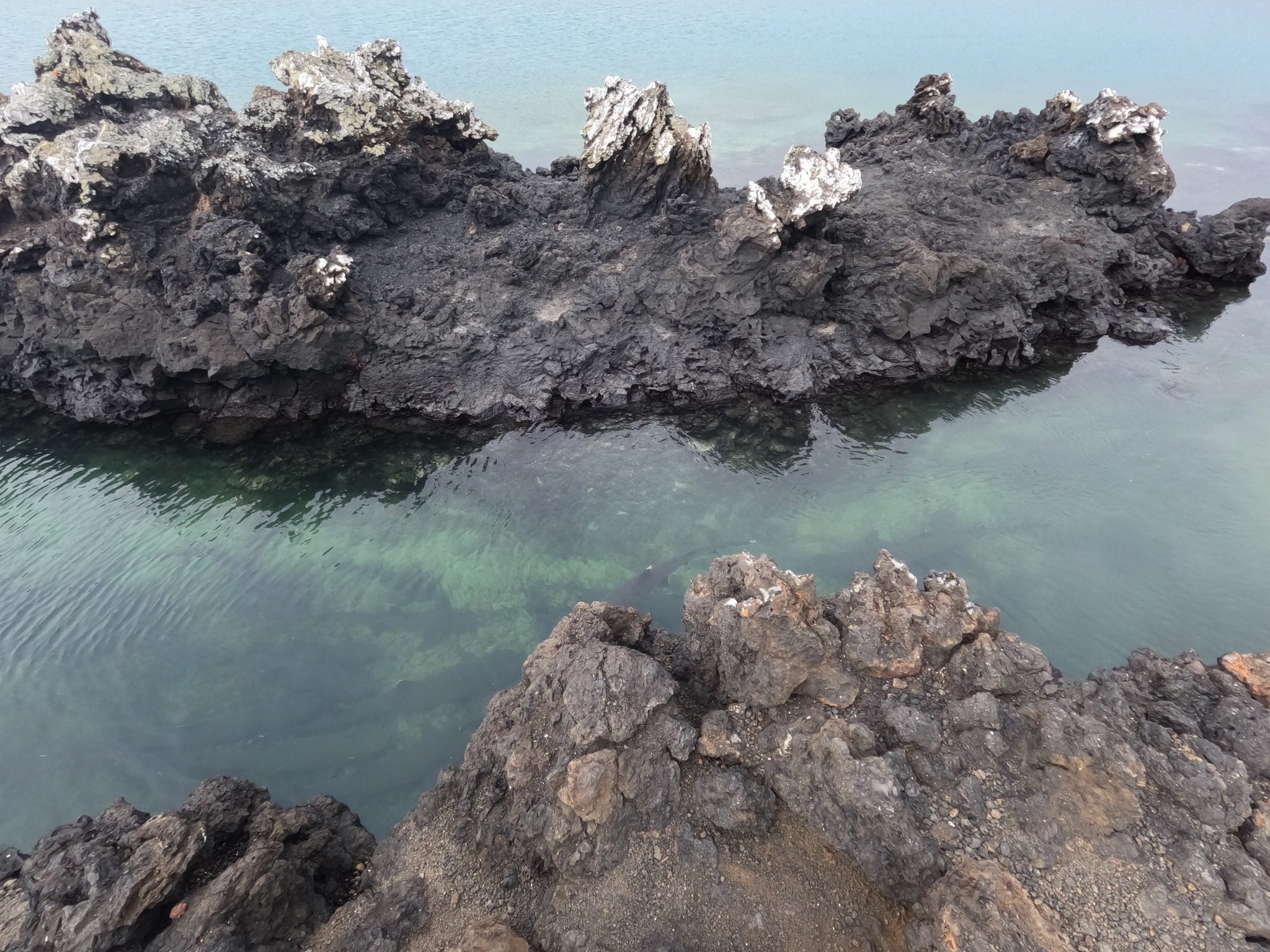
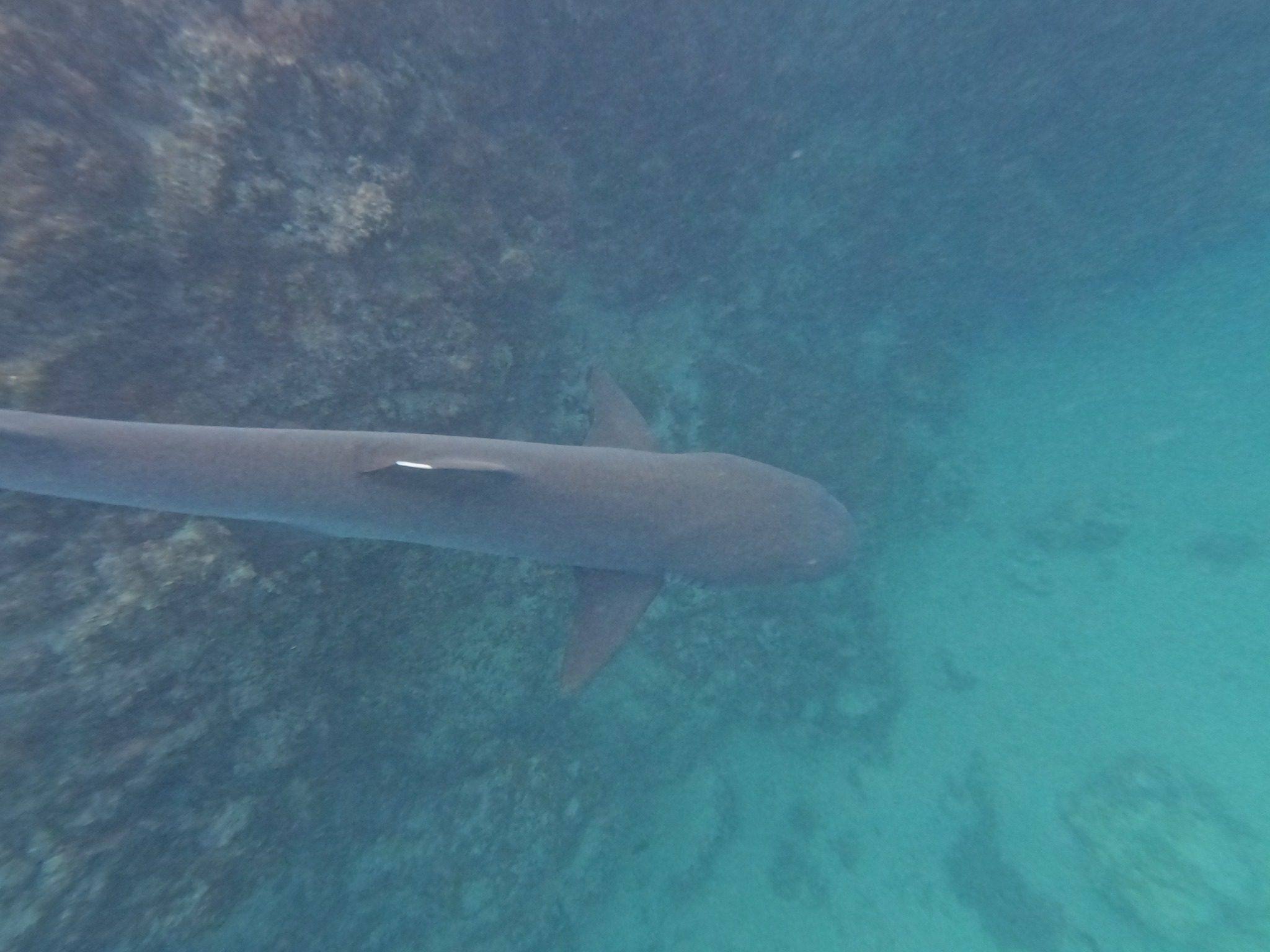
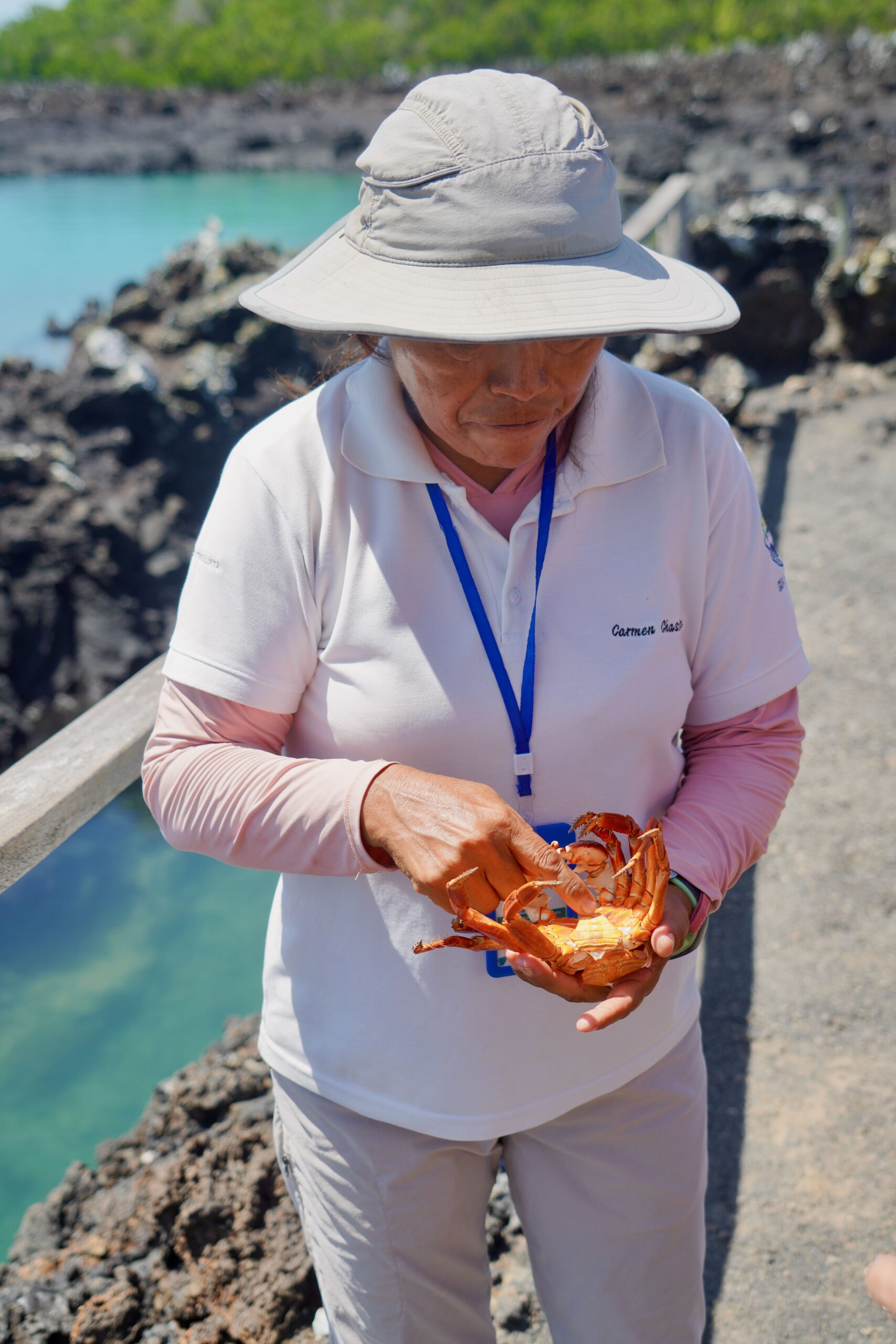
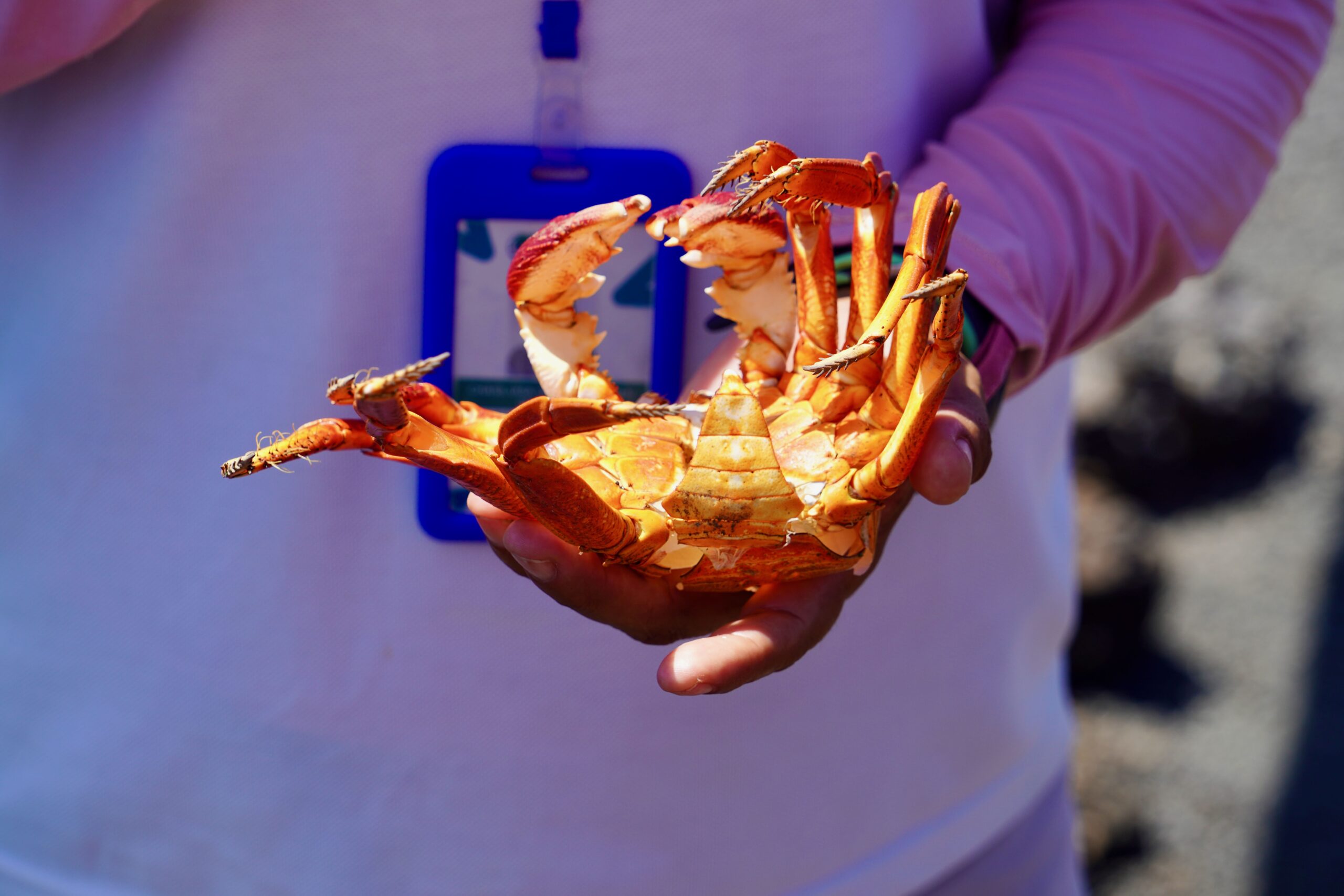
Our guide was very knowledgeable. She pointed out colorful Sally Lightfoot Crabs and swimming sea lions, and she educated us about the rough, jagged terrain, which was created by the sudden cooling of volcanic flows.
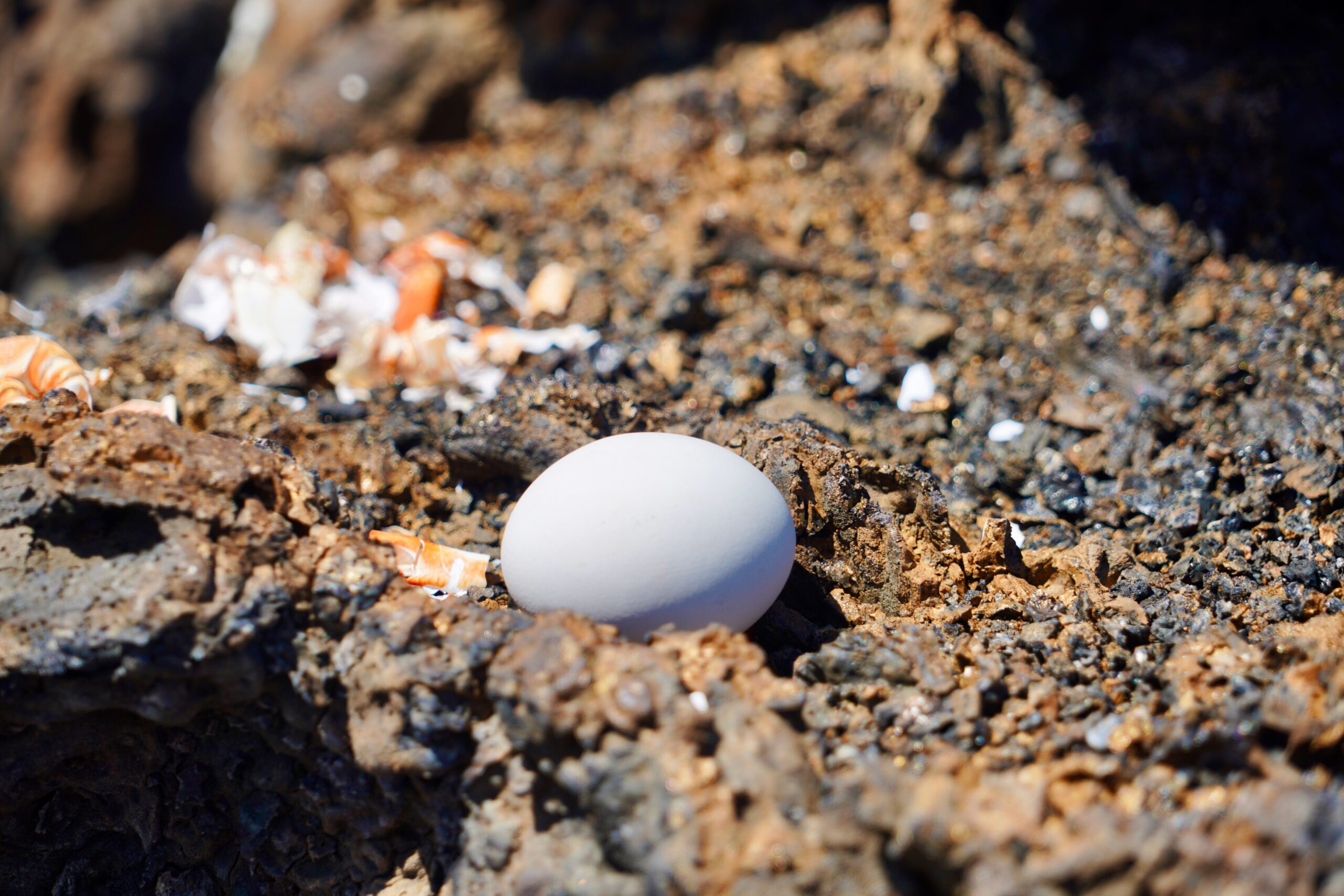
We came across an unhatched egg, which was pretty special.
And saw a sea lion swim by.
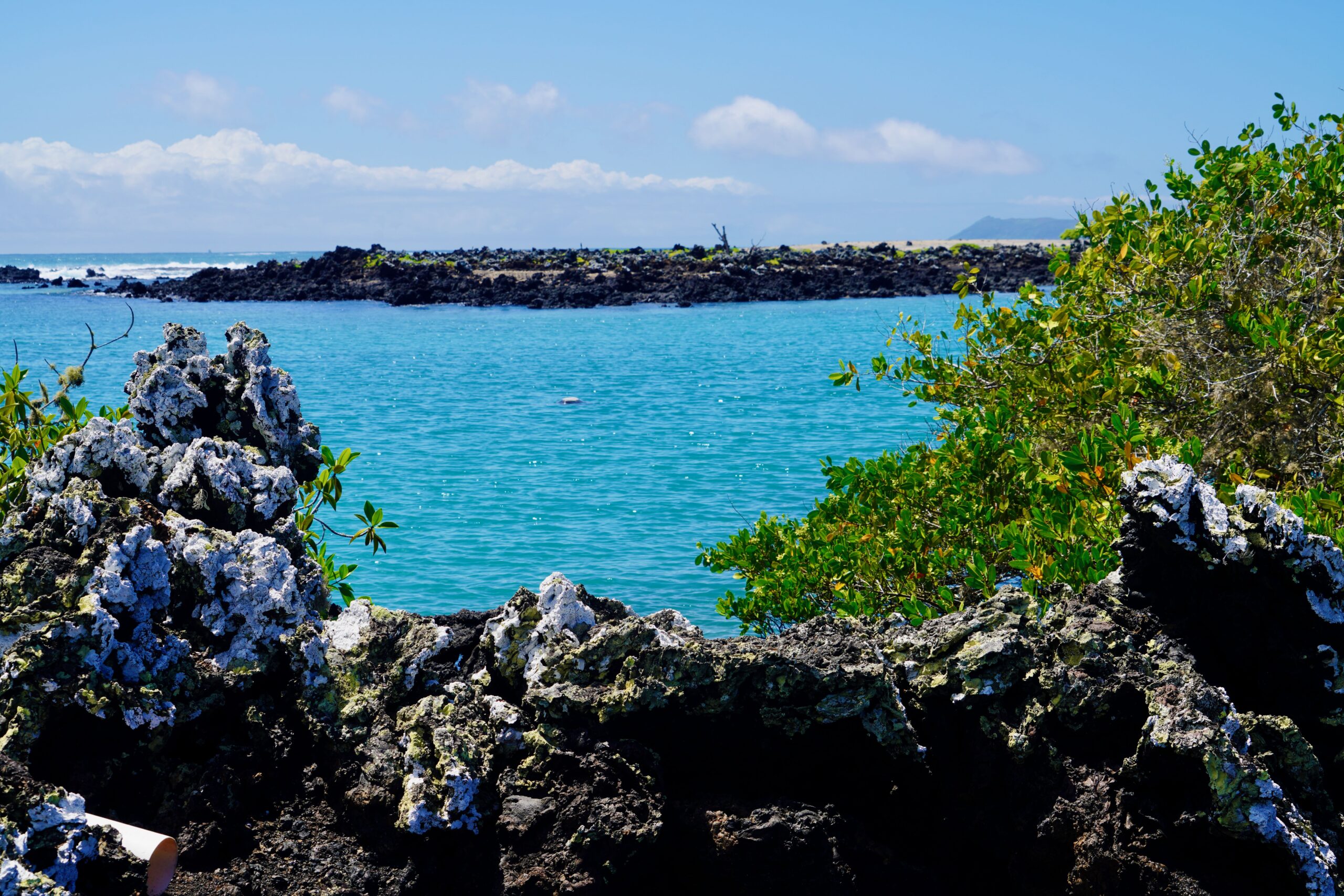
The trail at Las Tintoreras is relatively short (less than a mile), but it was very raw and interesting.
3. Snorkeling
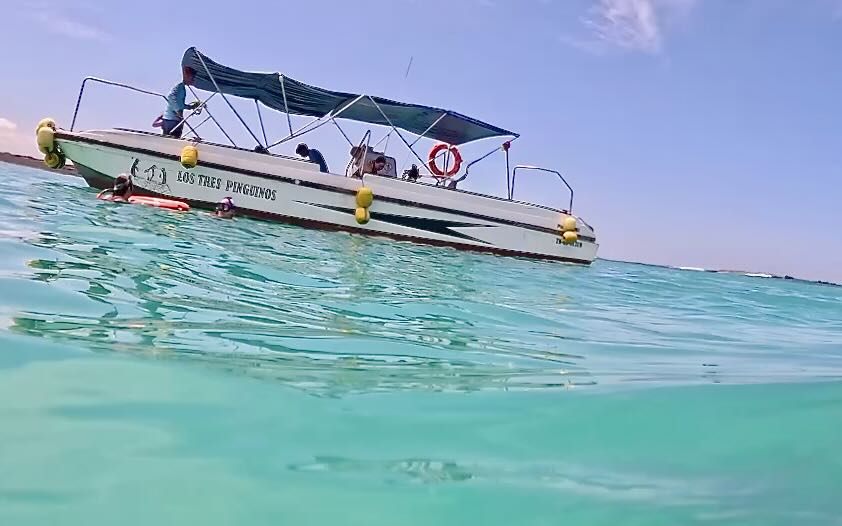
Unquestionably, we experienced some of the most memorable snorkeling on Isabela Island. We did it just off of Las Tintoreras.
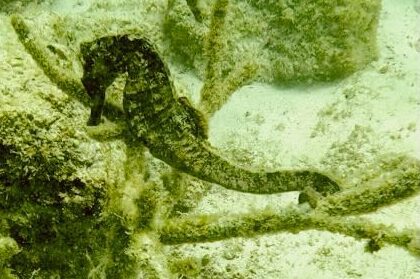
As we dove in, we immediately saw a sea horse: our first ever.
That was a great start.
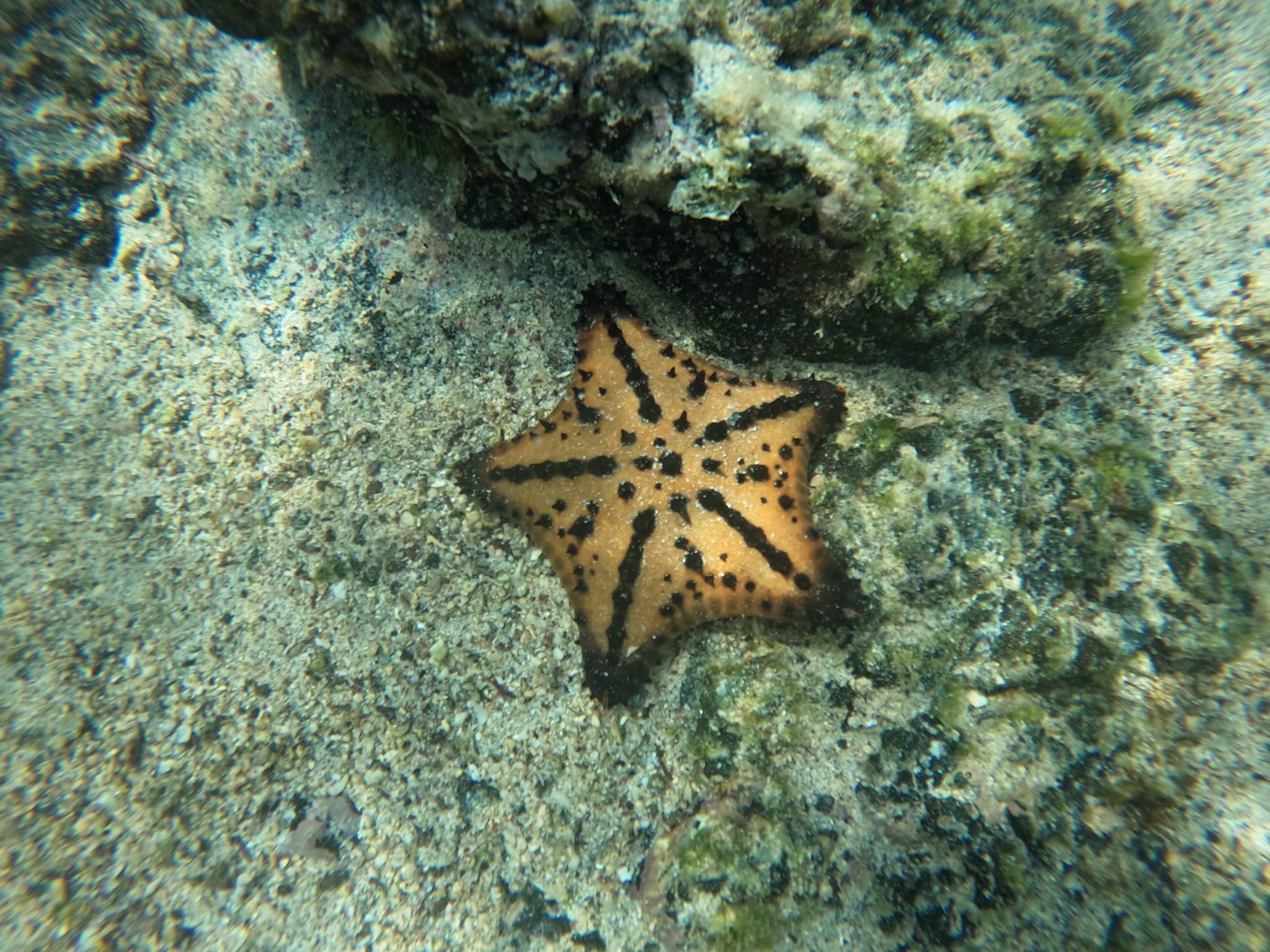
We also swam with a massive sea turtle.
4. Playa Puerto Villamil
This is the most famous beach on Isabela Island, and for good reason. A vital, active habitat for endemic wildlife, Puerto Villamil’s beach remains largely undeveloped and uncrowded, offering an unspoiled environment where the archipelago’s unique ecosystem takes center stage.
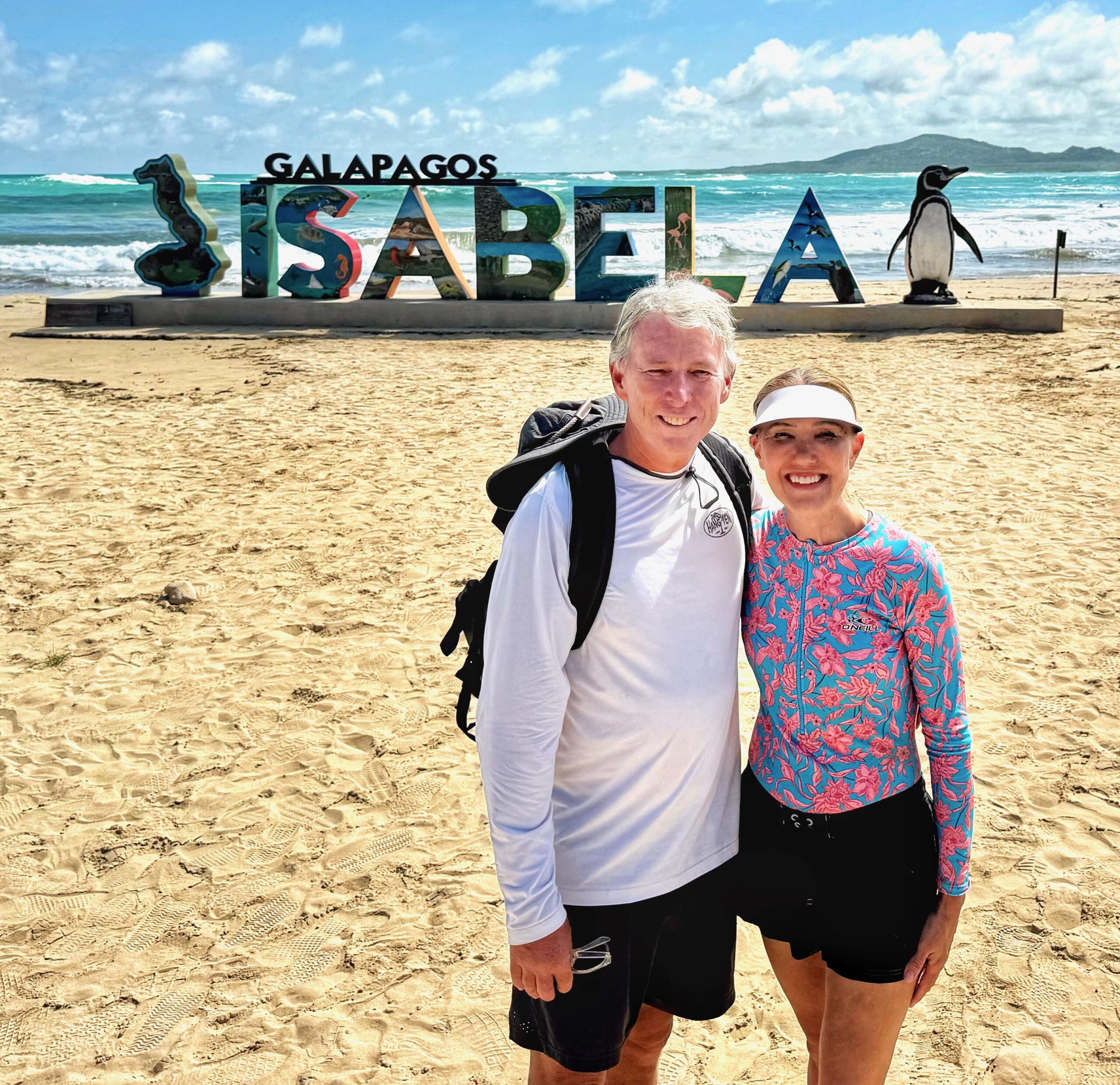
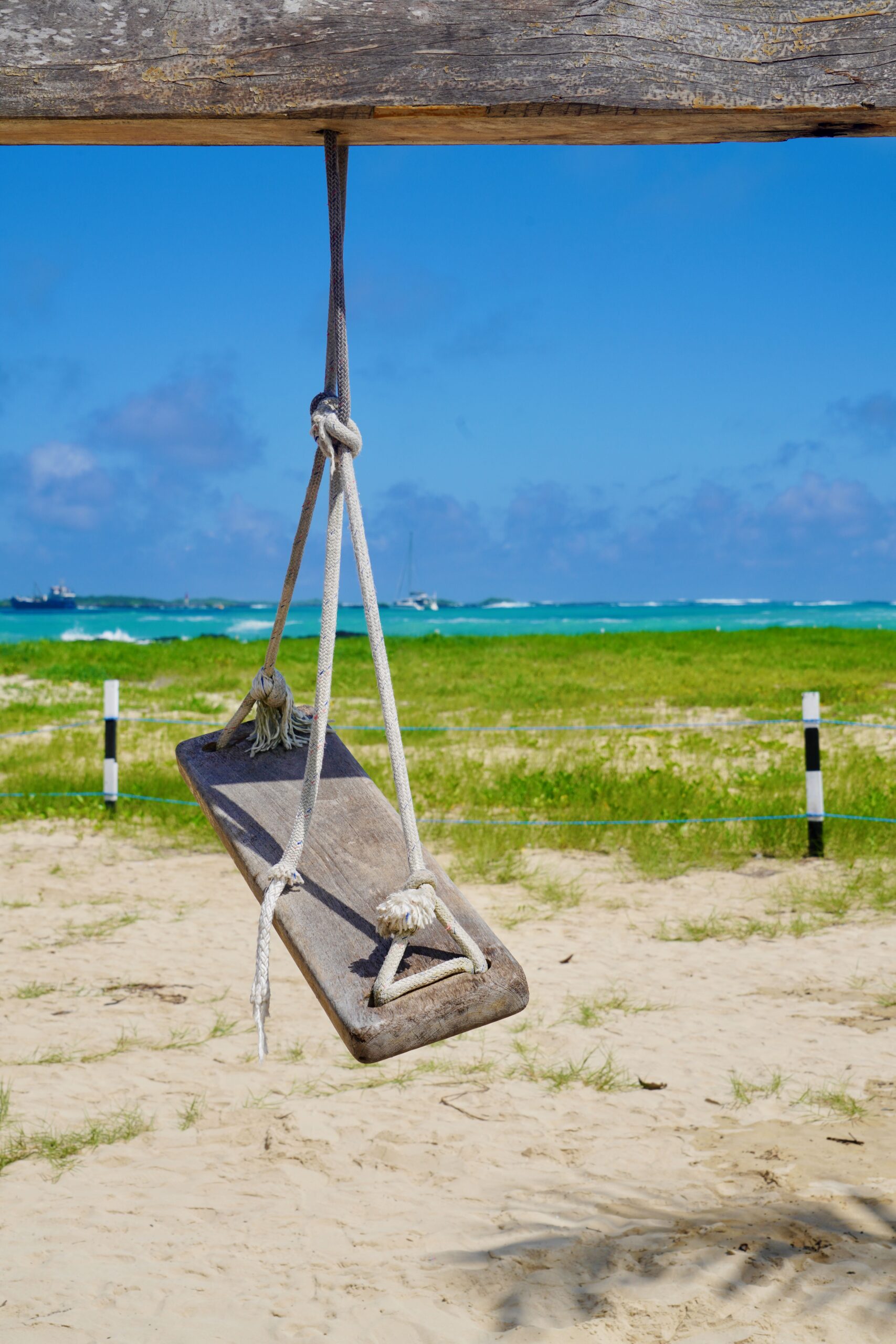
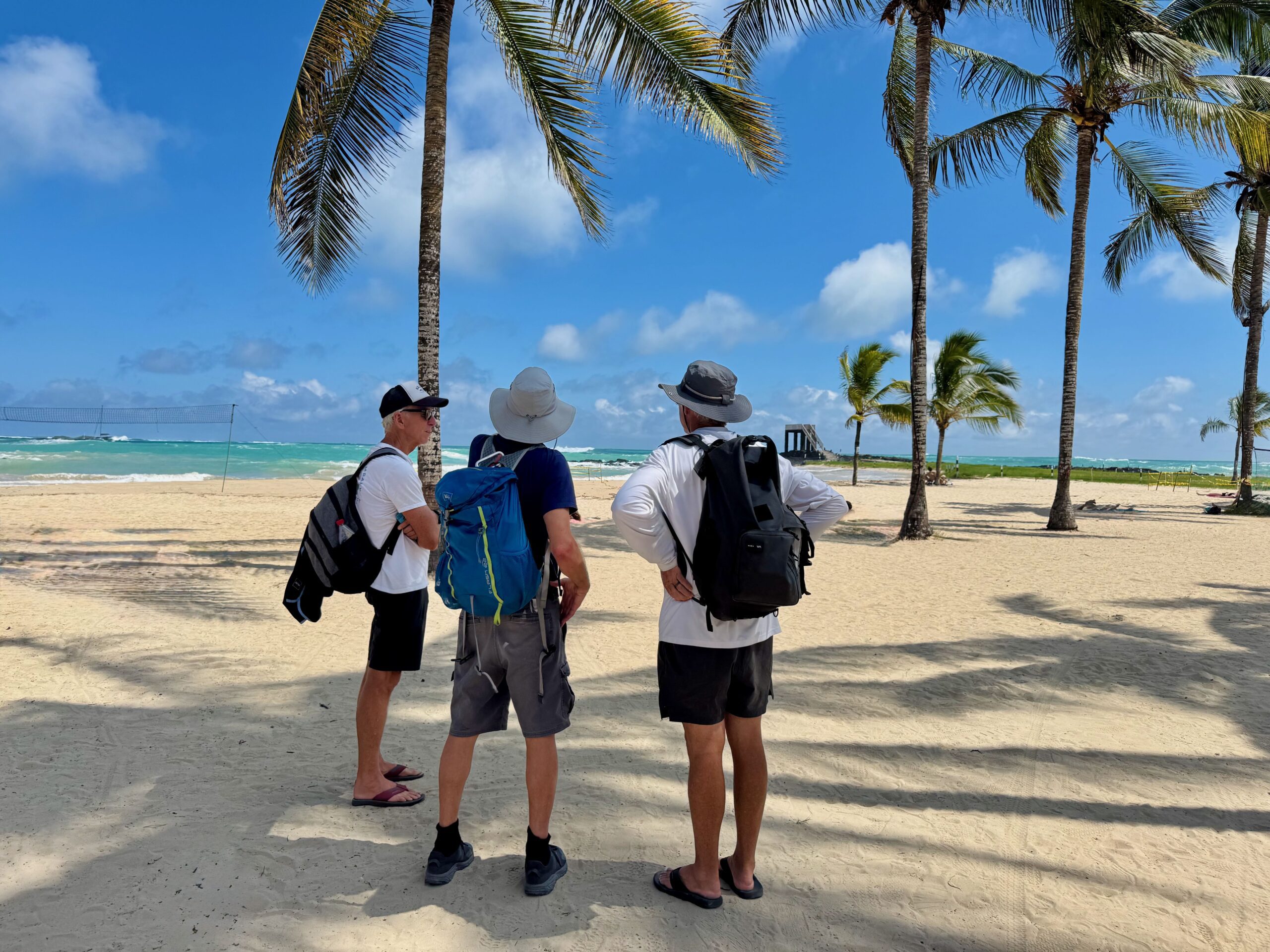
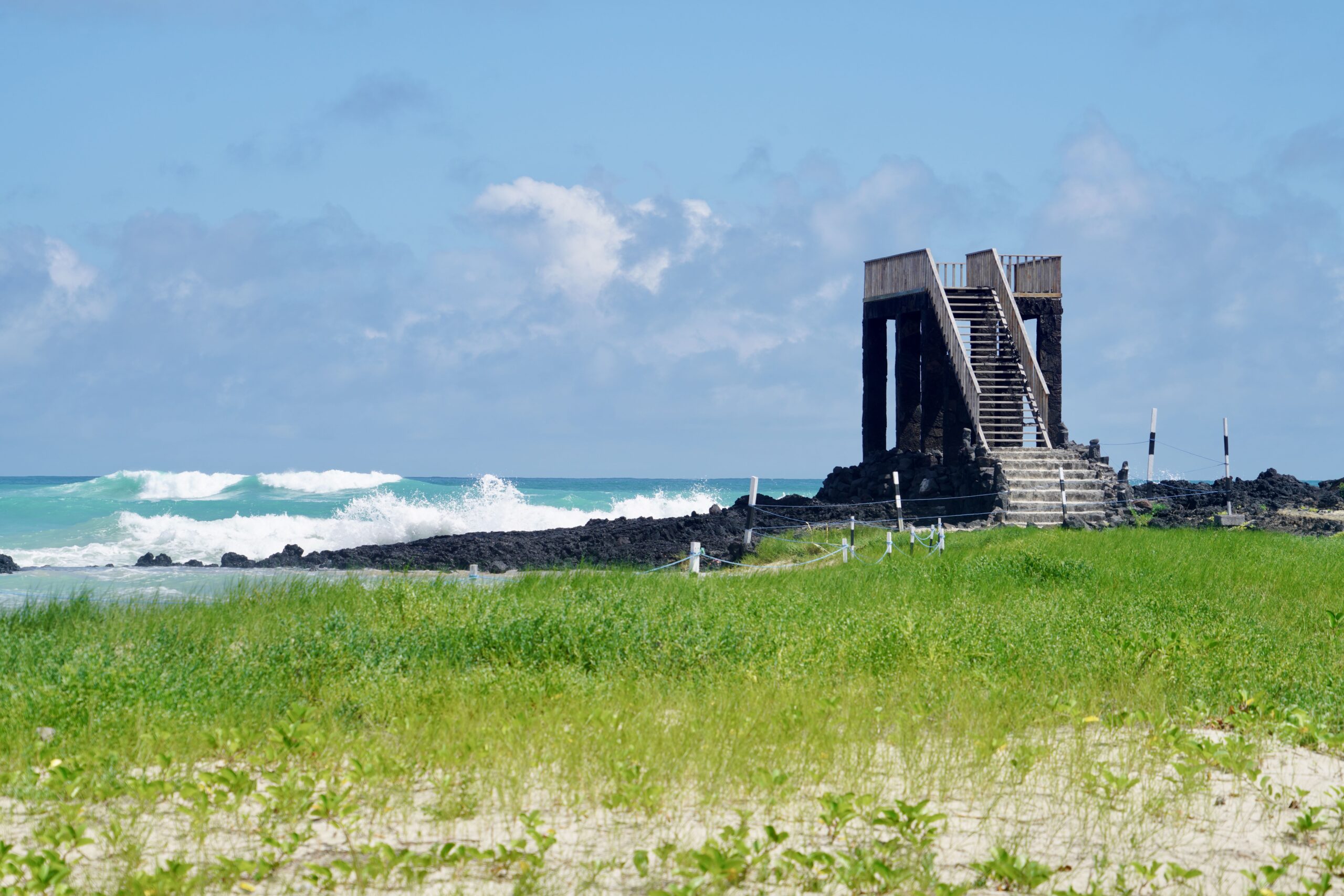
Stretching for over two and a half kilometers along the southern coast, the main beach of Puerto Villamil is one of the longest continuous beaches in the entire Galápagos archipelago.
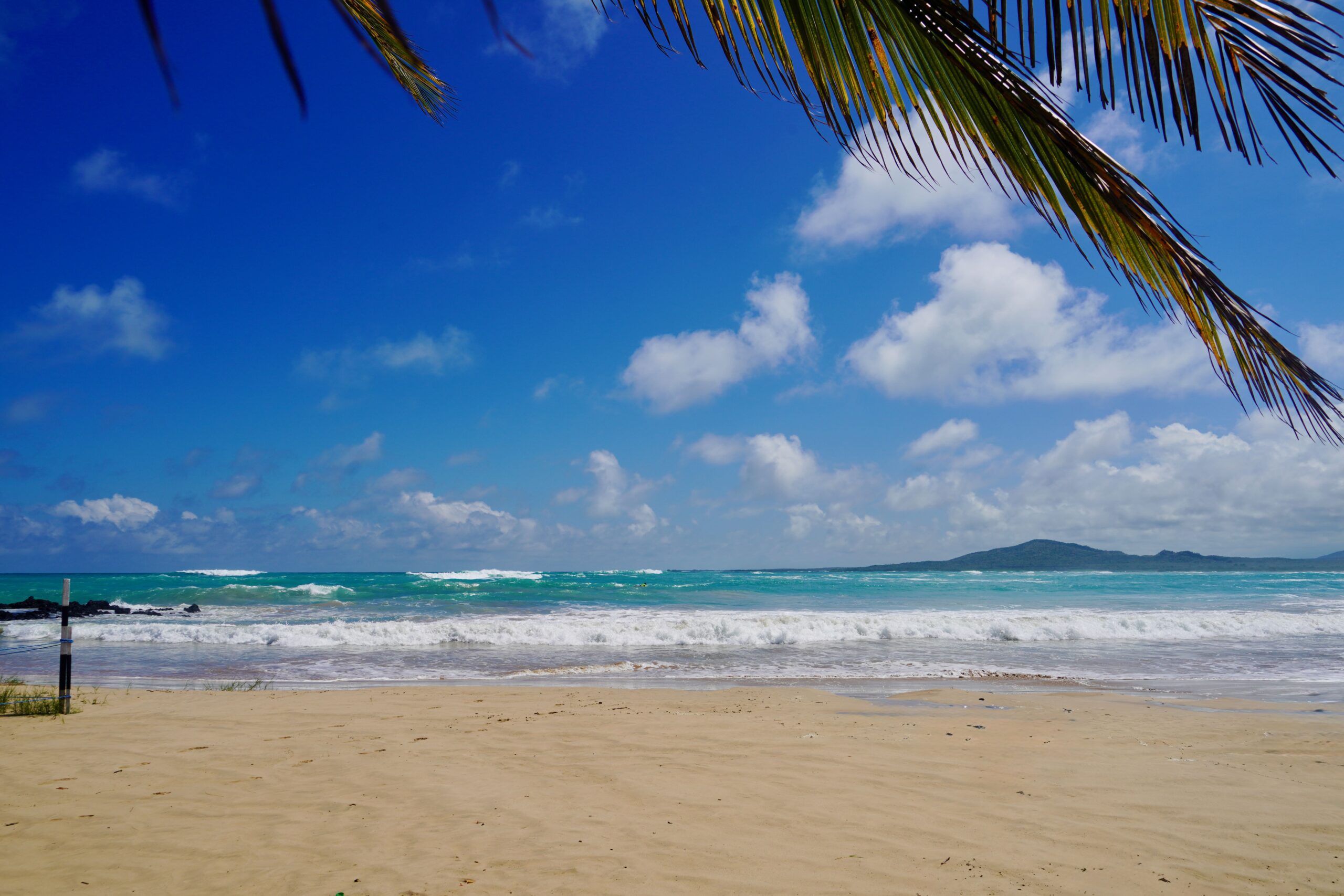
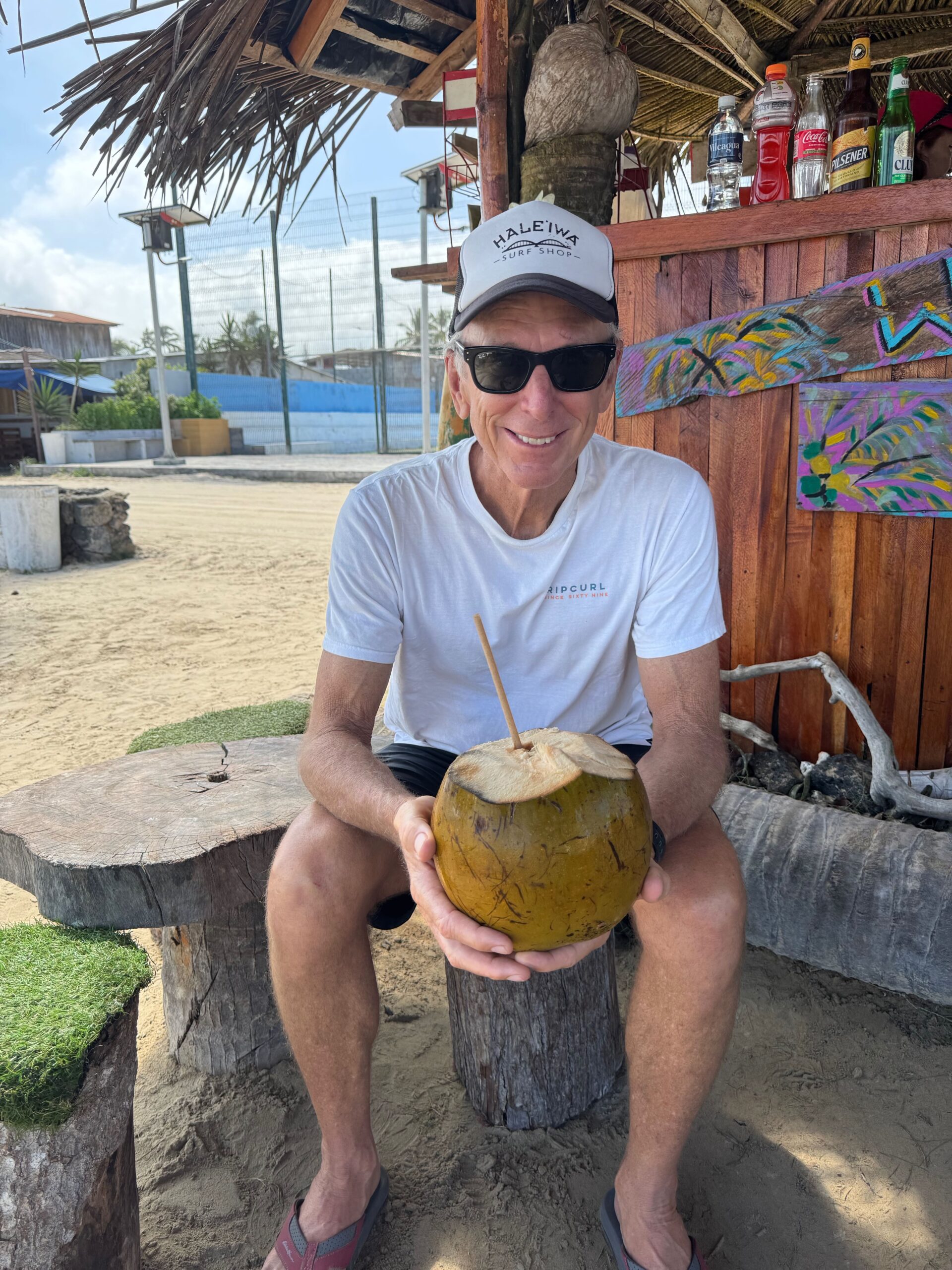
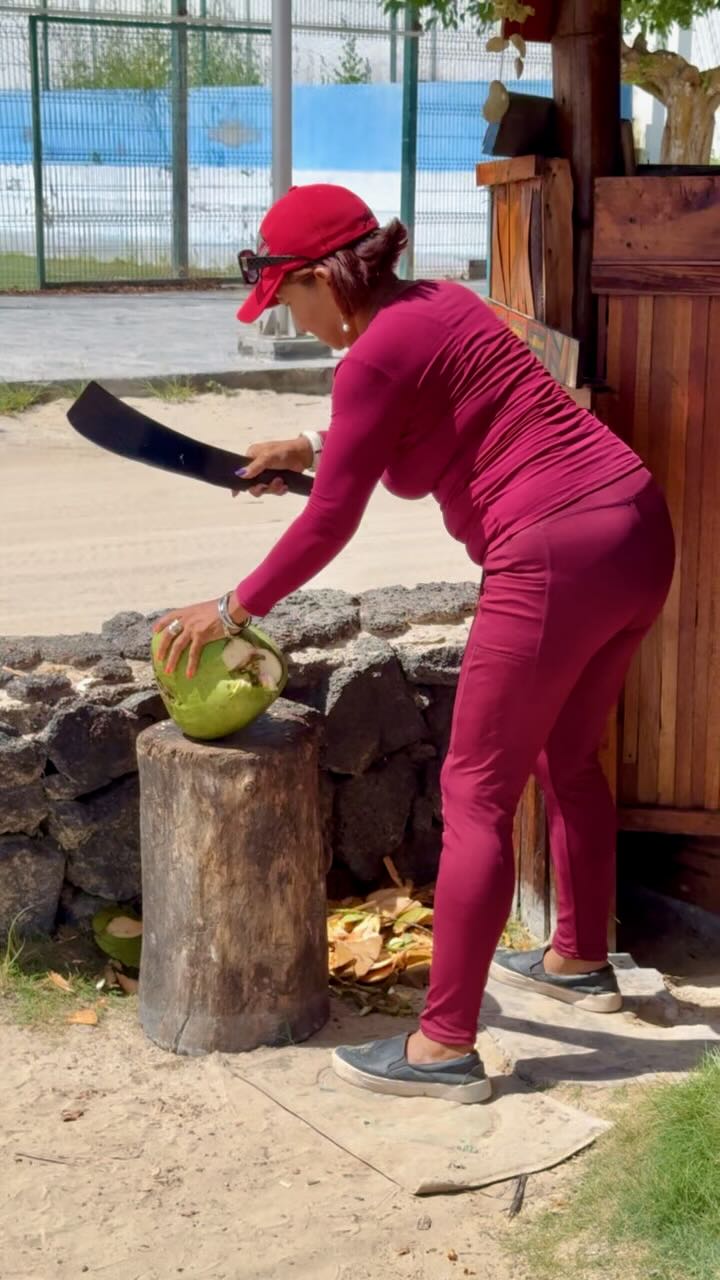
This was pretty sweet (okay, pun intended):
5. The Village of Puerto Villamil
The only settlement on Isabela Island, Puerto Villamil is a small coastal town located on the island’s southeastern edge. Founded in 1897, it supports a population of approximately 2,200 residents, making it the third-largest human settlement in the Galapagos archipelago.
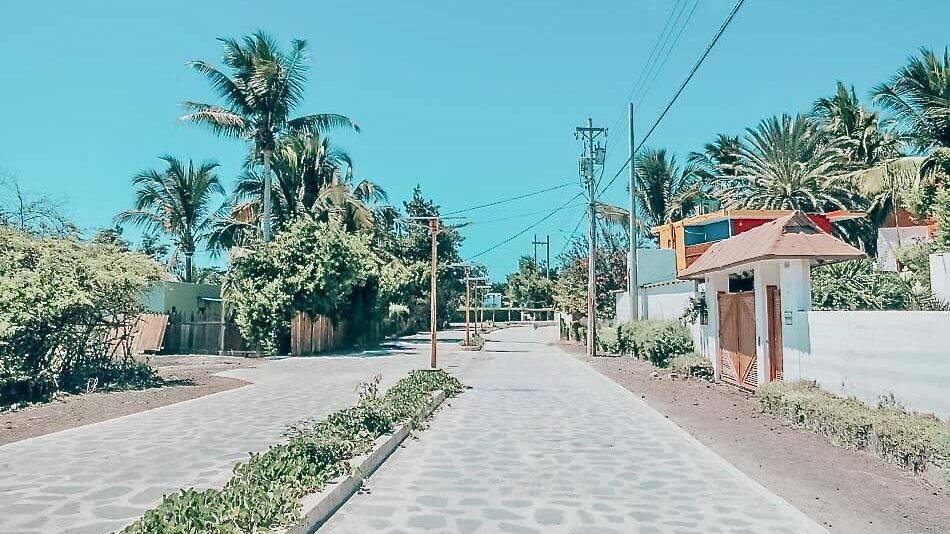
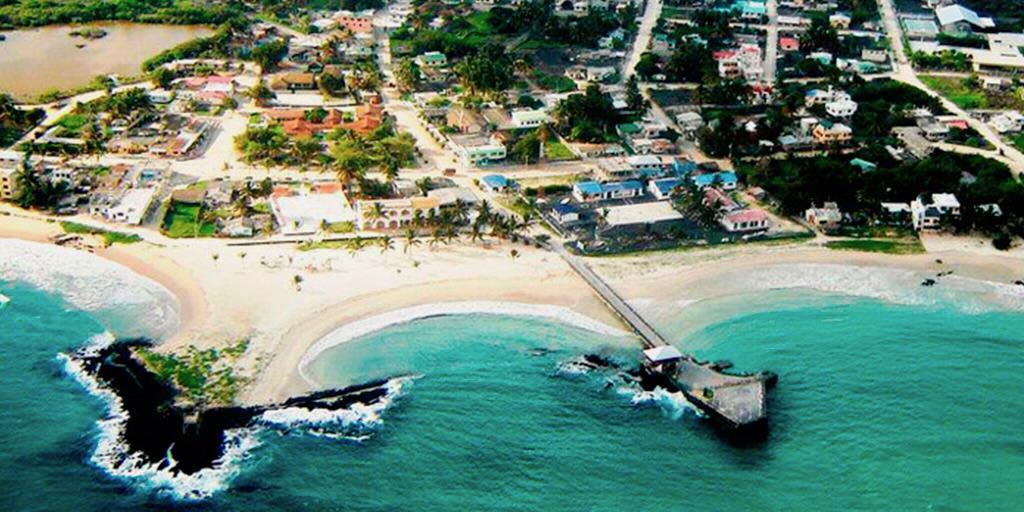
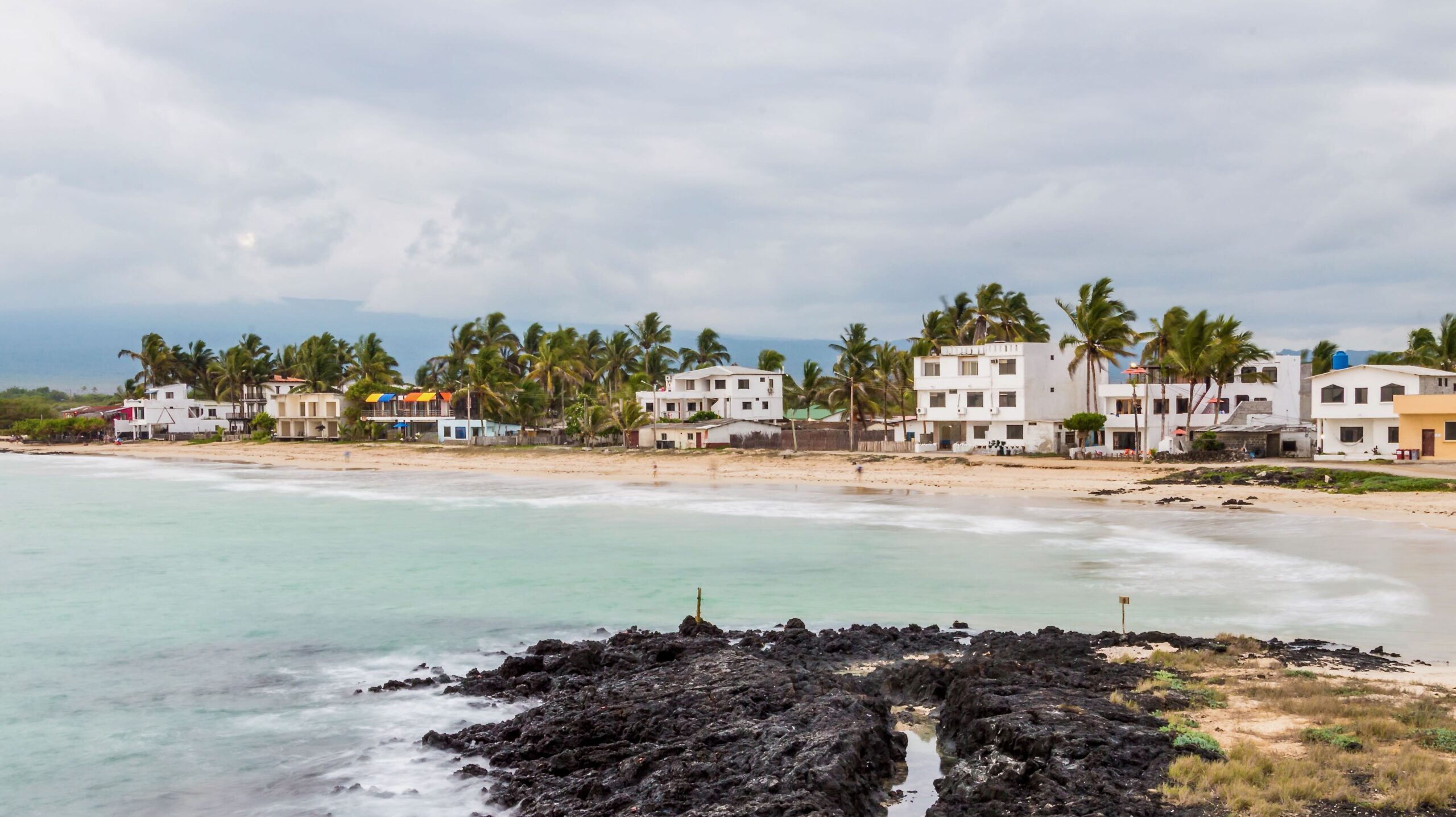
Villamil is known for its unpaved, sandy streets and relaxed atmosphere.
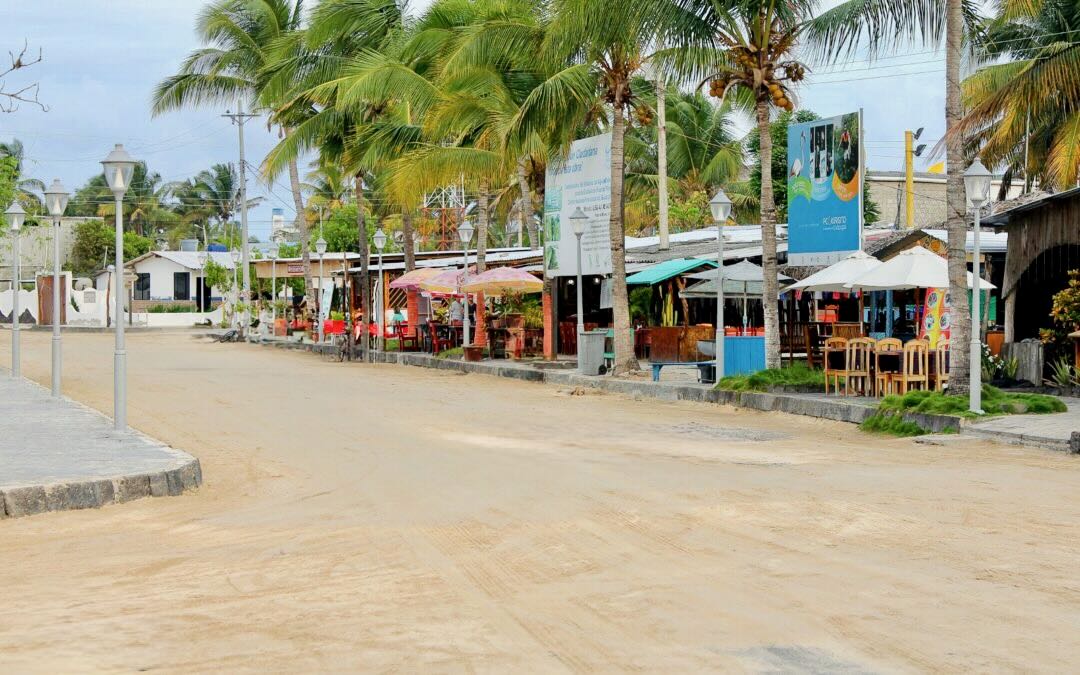
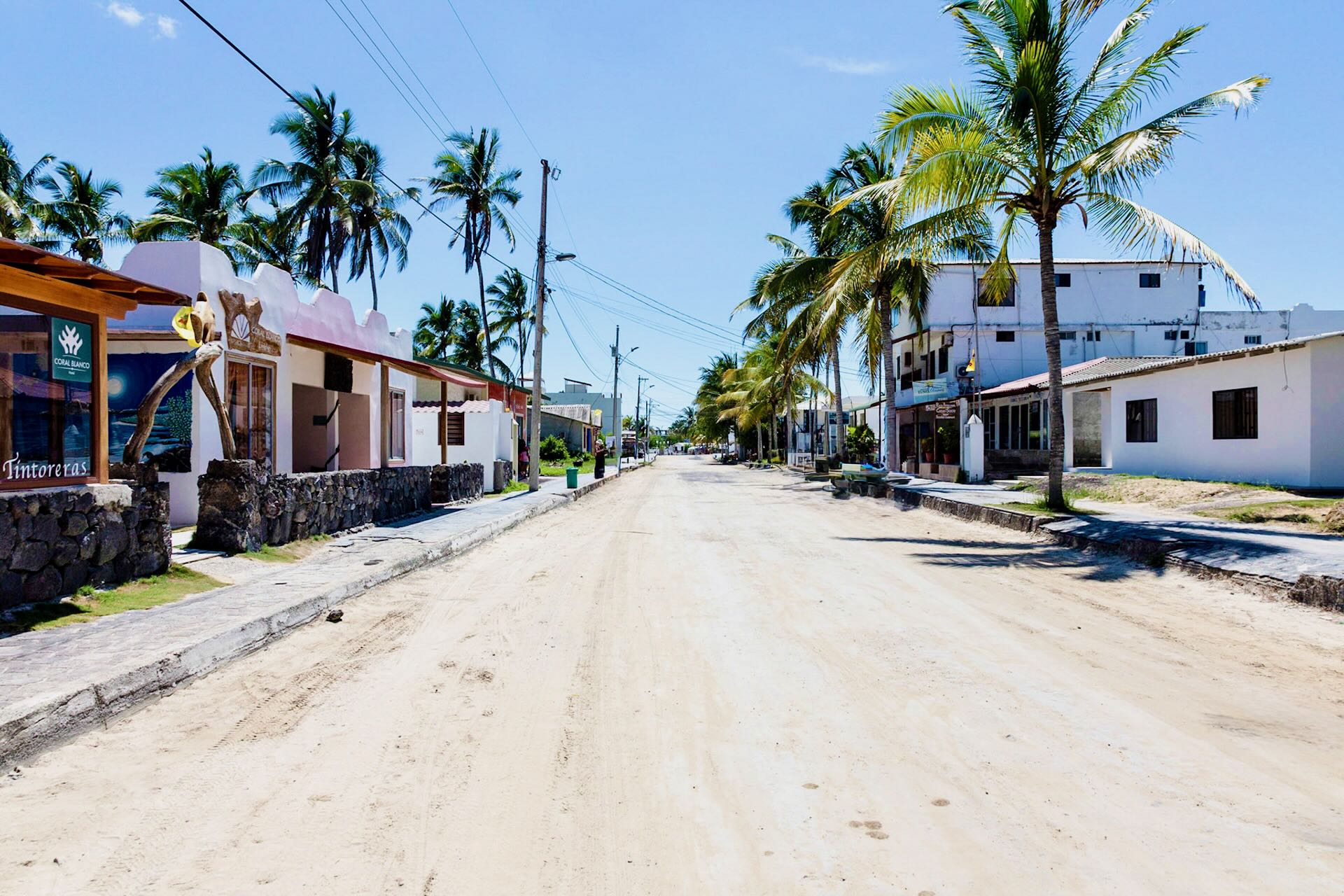
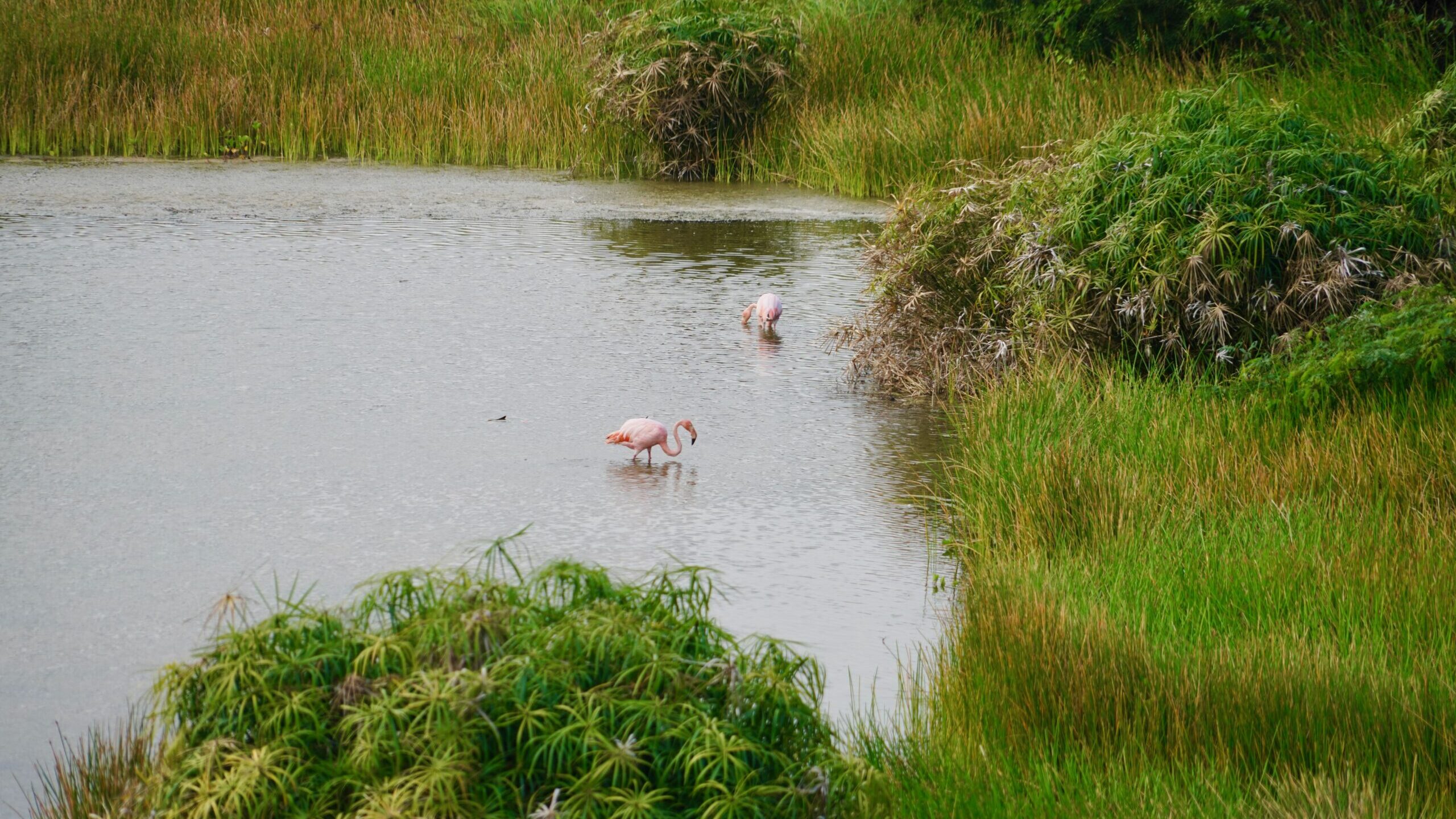
The local economy relies heavily on fishing and eco-tourism. It sits adjacent to expansive coastal wetlands, a critical habitat supporting the region’s largest concentration of American flamingos, which we saw on our hike (more about that later).
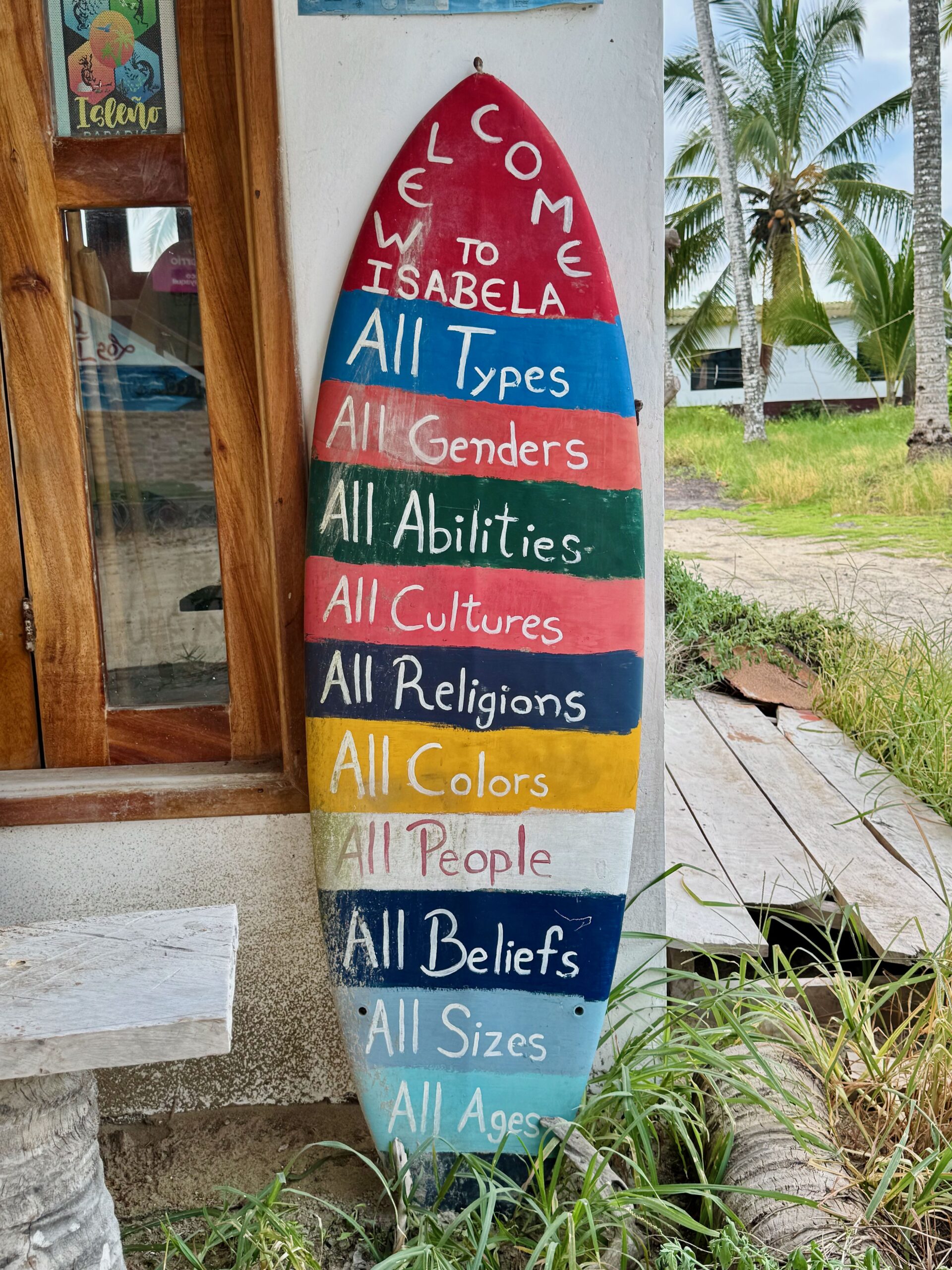
While walking through the town, we saw this:
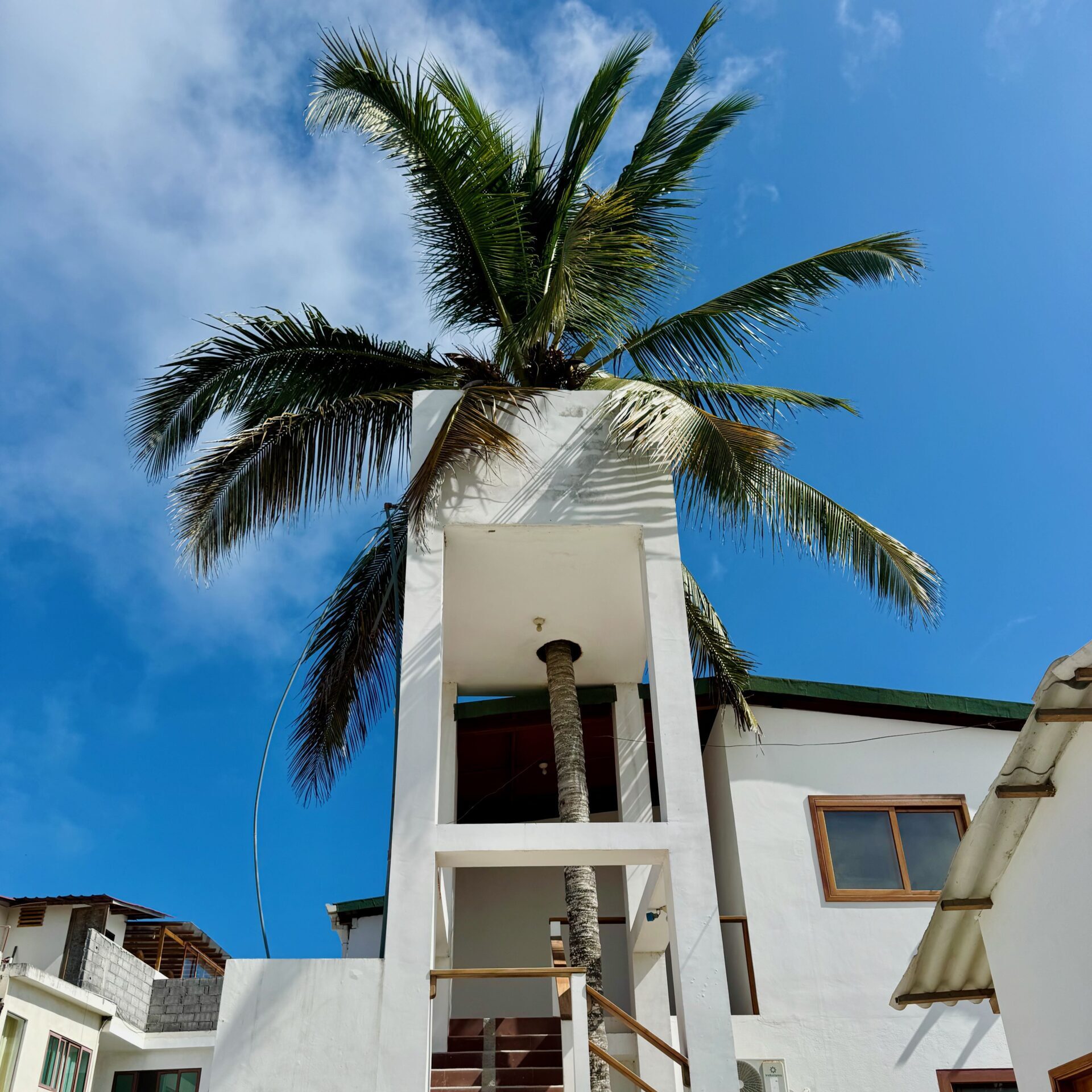
6. Hiking to Flamingos
We enjoyed a beautiful hike past town.
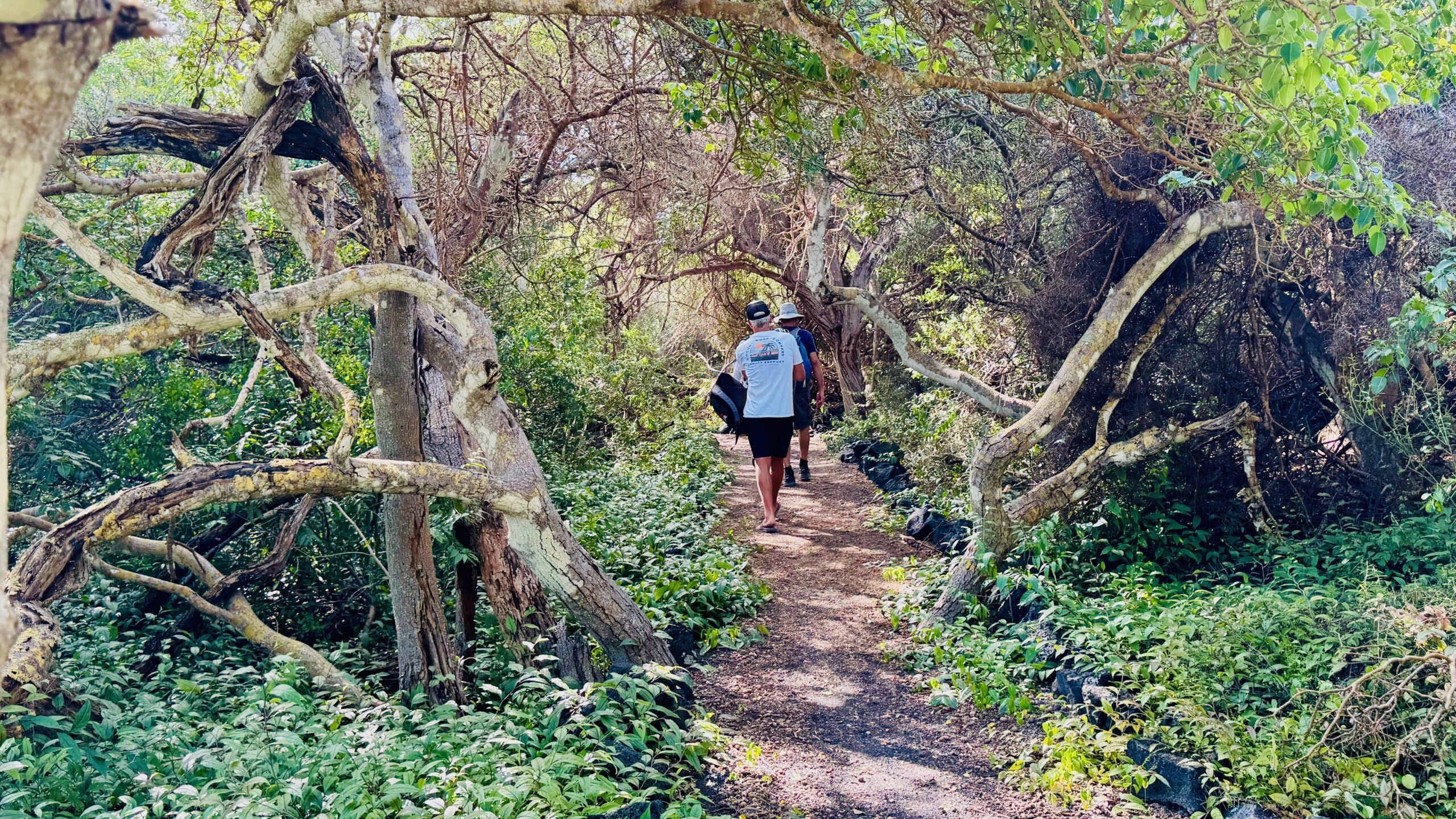
Our goal was to see the pink flamingos at Laguna Salinas.
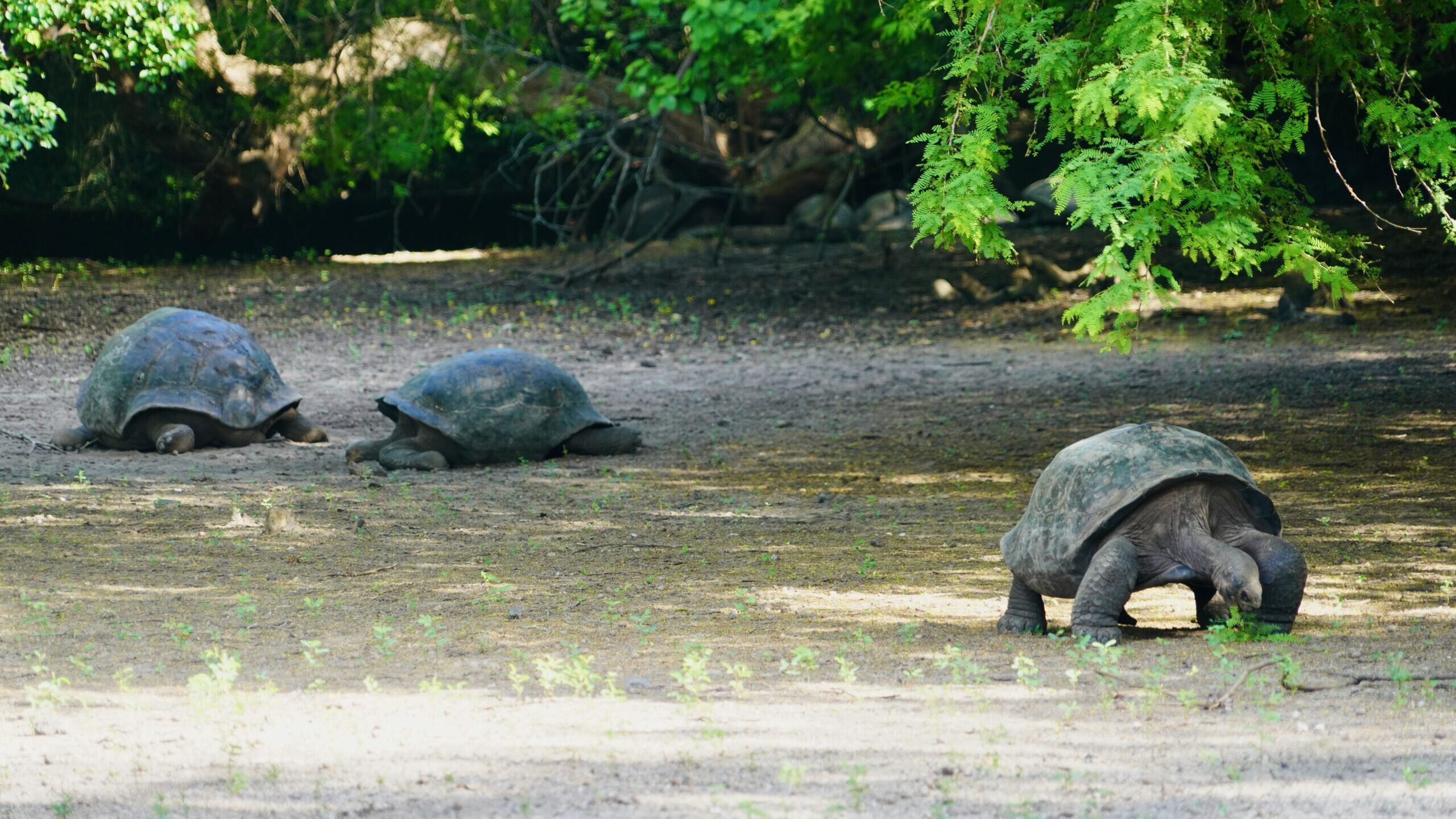
Along the way, we got to get a peak of the giant tortoises at the Arnaldo Tupiza Giant Tortoise Breeding Center.
It was an easy hour-and-a-half hike on flat trails. It was quite scenic.
7. Scores of Sea Lions
The Galápagos sea lion (Zalophus wollebaeki) is an endangered, endemic marine mammal. Comprising the world’s smallest sea lion species, they are incredibly social, often congregating in pairs or as a family.
We had never seen so many sea lions in one place before. They were all napping on the dock and weren’t the least bothered by us.
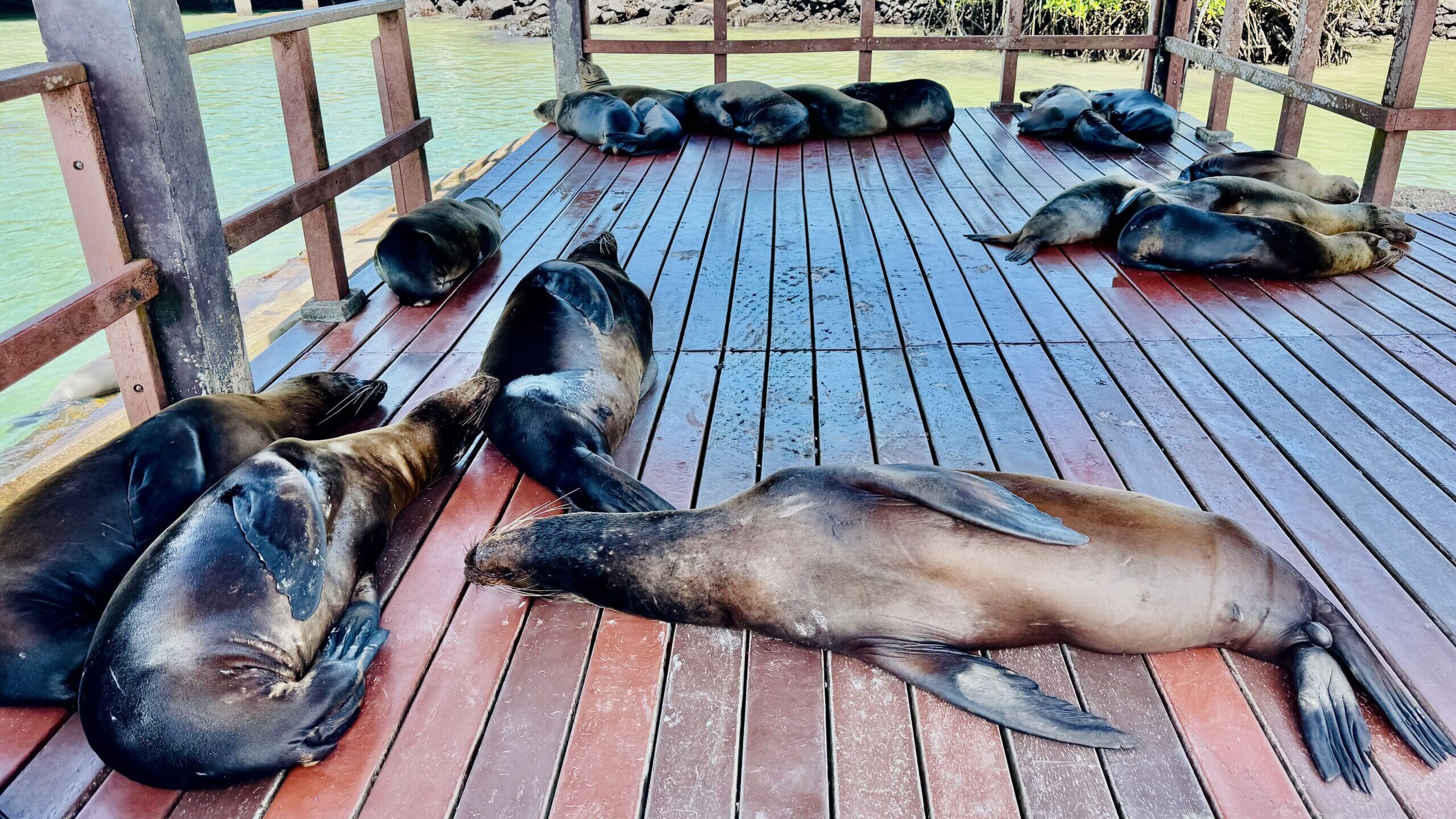
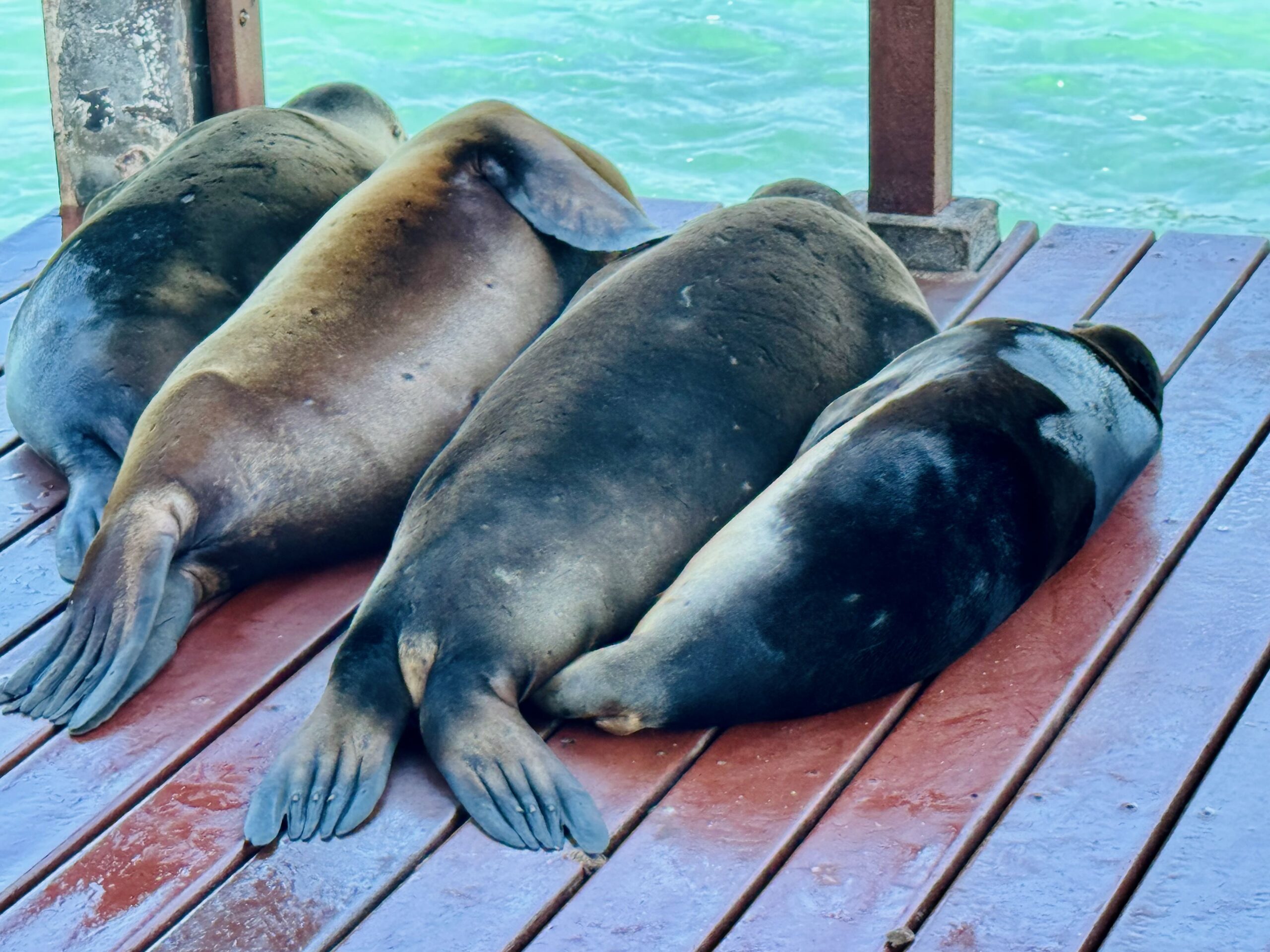
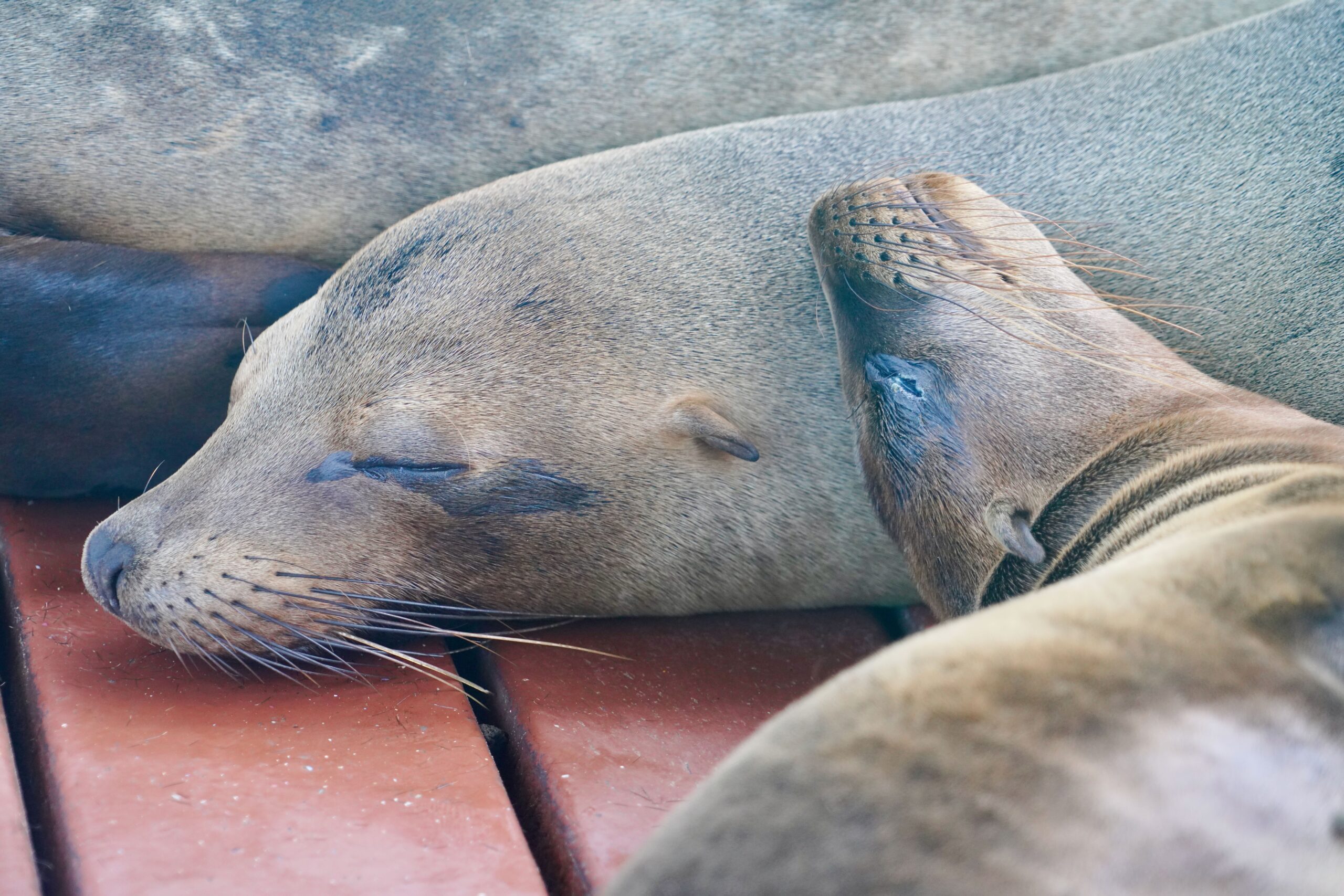
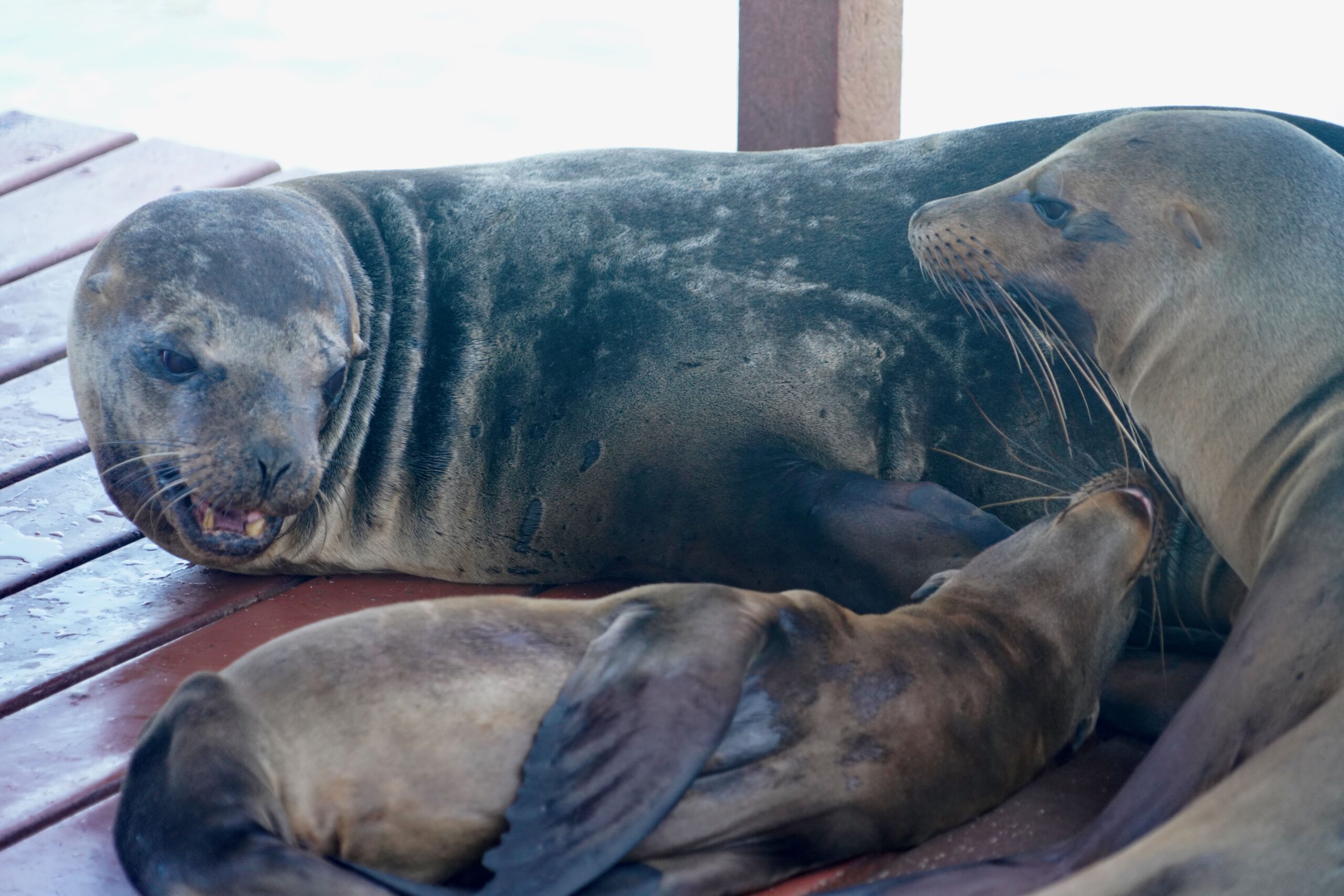
Galapagos sea lions typically give birth to one pup at a time, with females generally having one pup per year.
Where We Ate
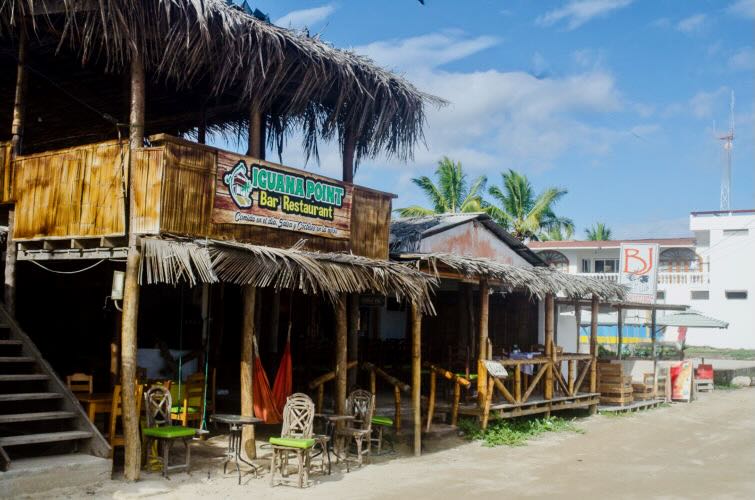
We ate lunch at Iguana Point, conveniently located on the Malecon.
The dining highlight, though, came as the sun began to set.
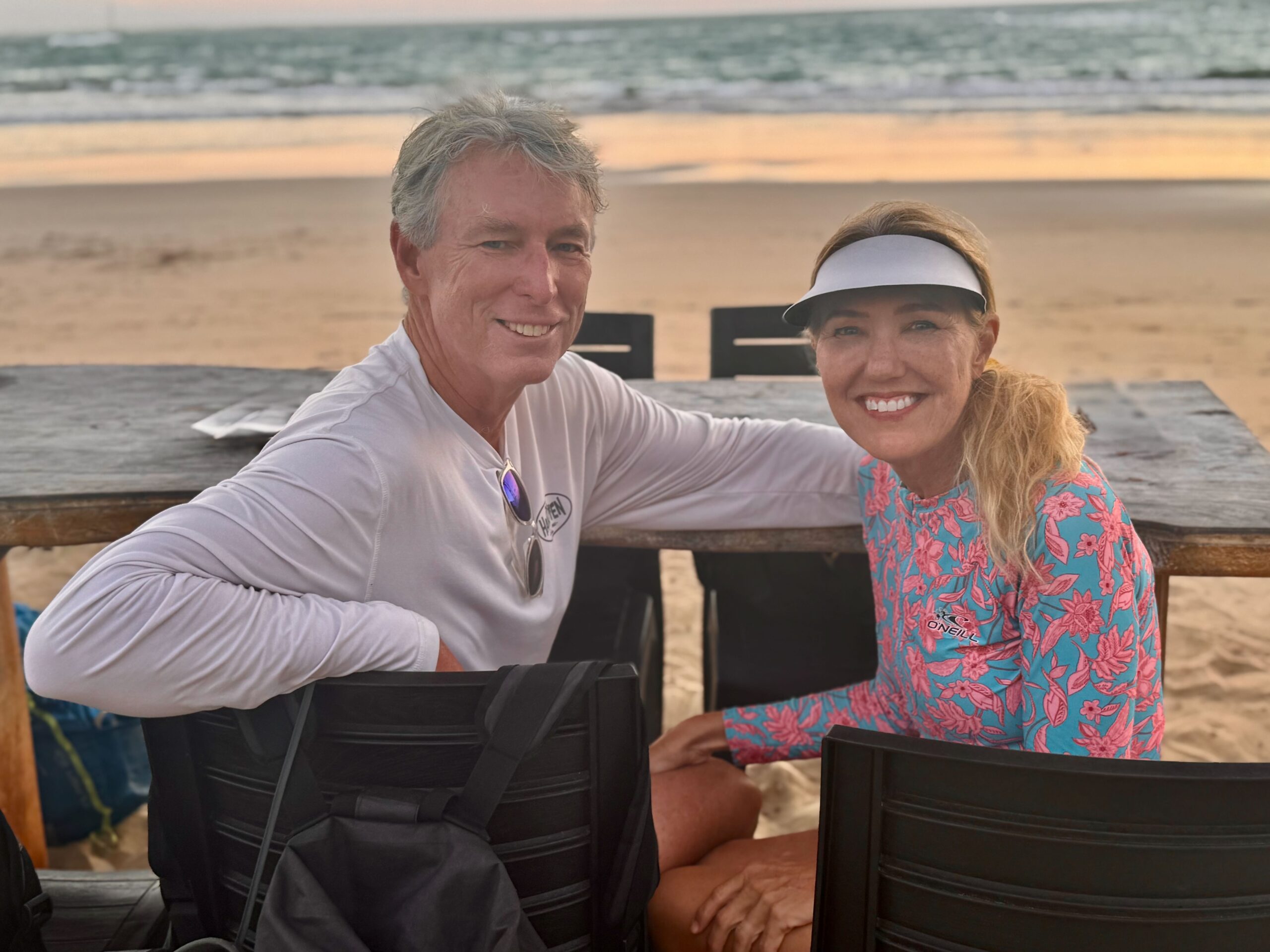
We enjoyed a magnificent dinner at Blue Summer. A table on the beach? Yes, please.
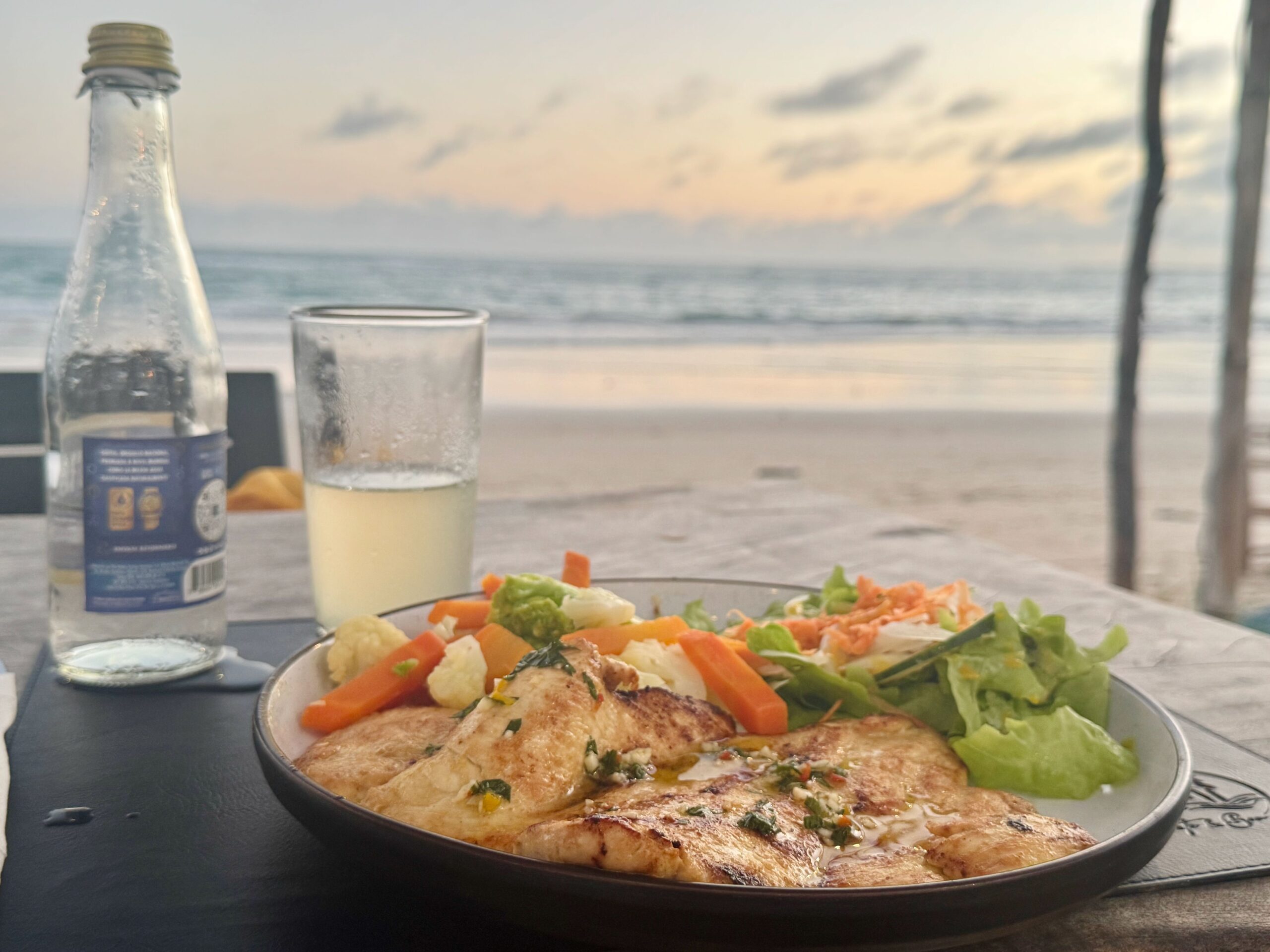
The food was delicious.
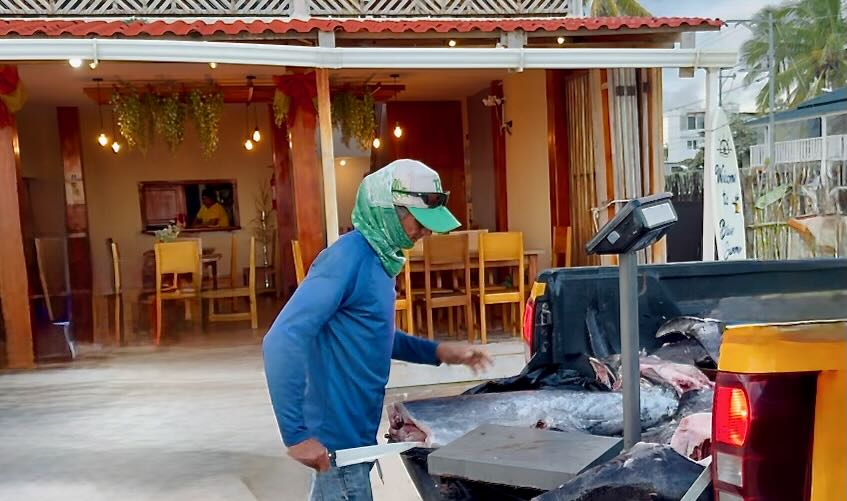
We were having such a good time that we stayed until well after dark. We weren’t rushed to leave; it was a real treat.
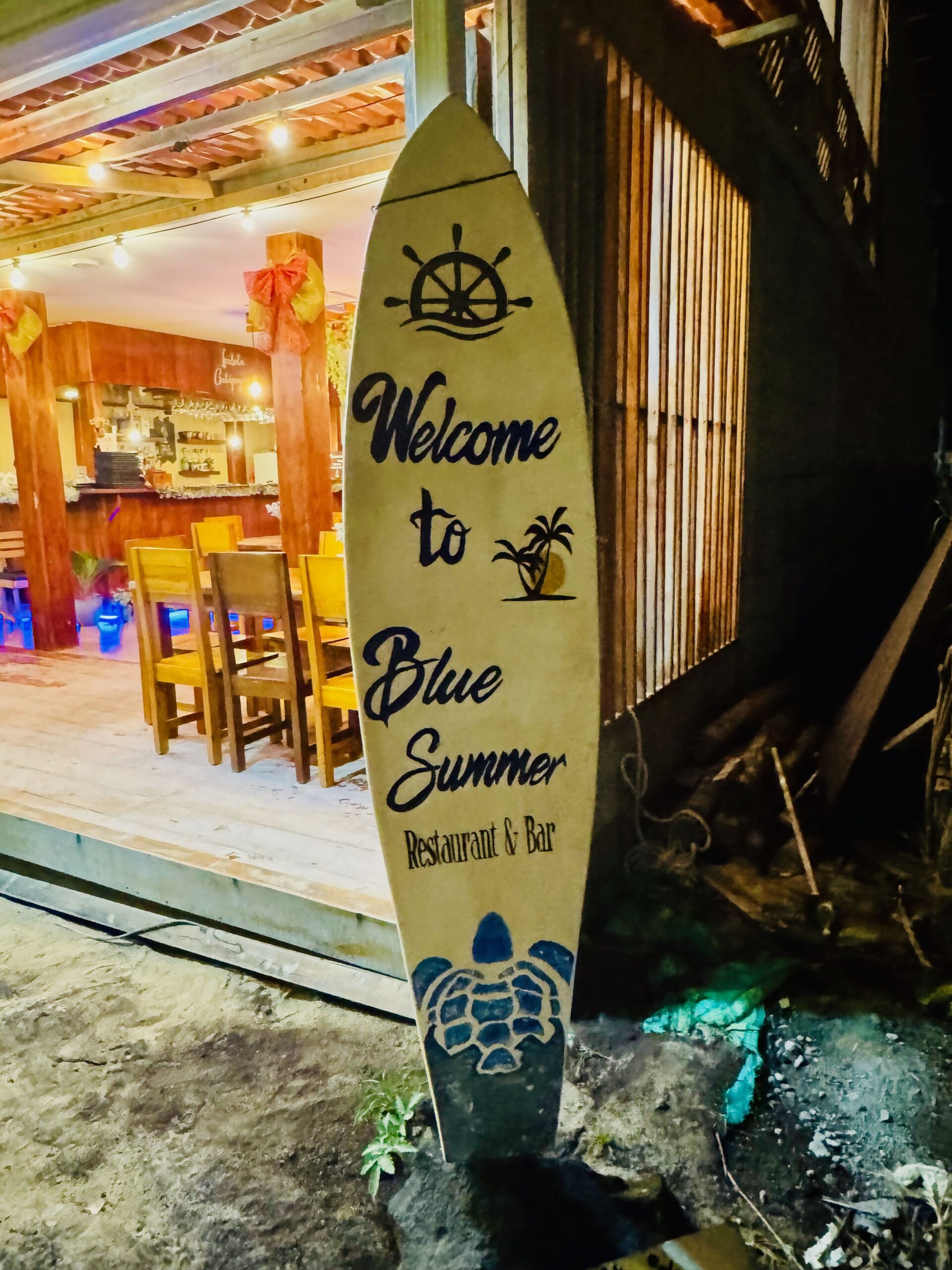
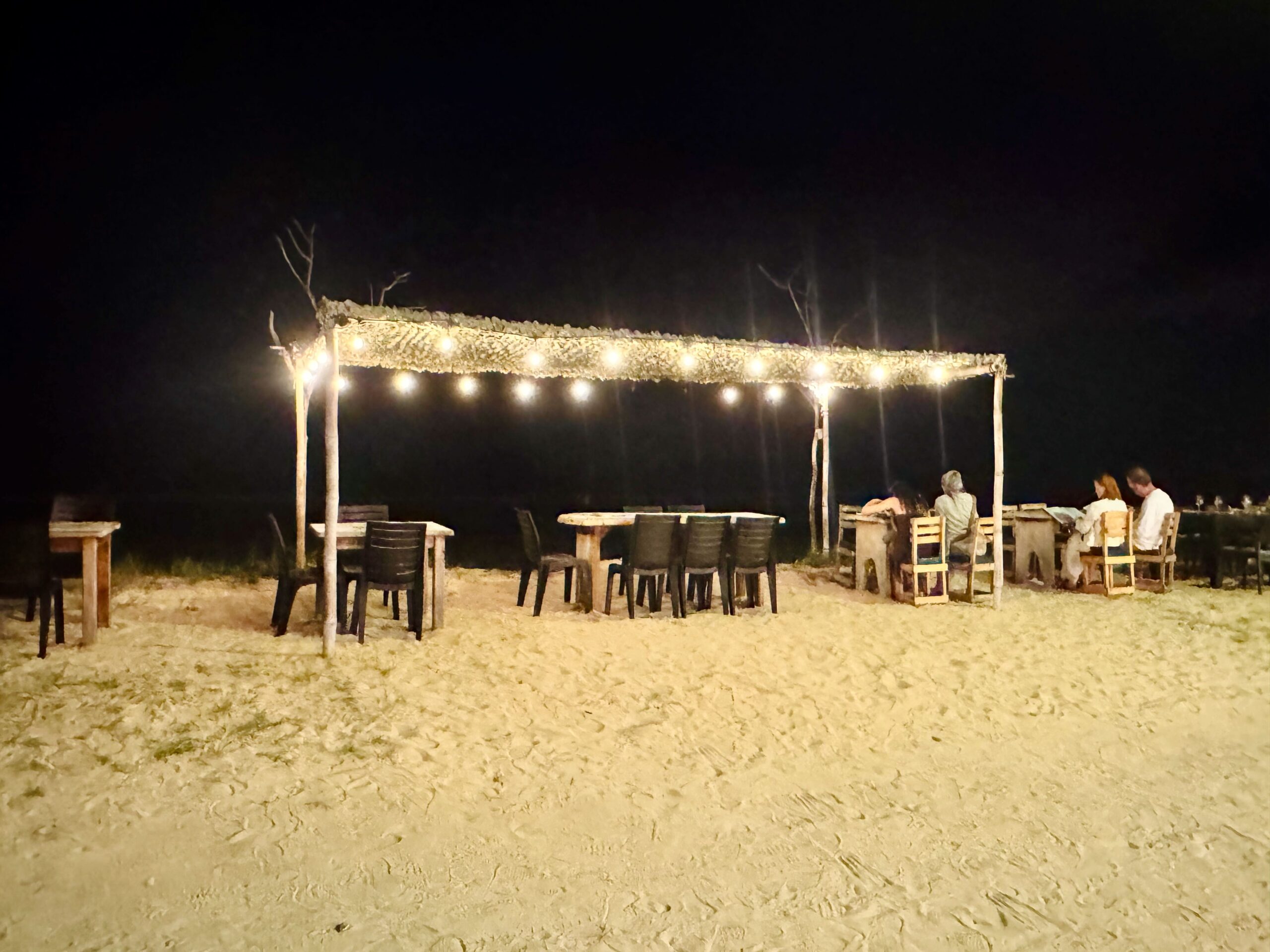
We would highly recommend Blue Summer.
Getting There
There is one small airport on Isabela Island: José de Villamil Airport (IBB), located abut ten minutes from Puerto Villamil. Operated by local airlines like Emetebe, flights typically go between Isabela, Baltra (GPS), and San Cristobal (SCY).
It is a small, local airstrip that only handles small propeller planes for inter-island flights (from Baltra or San Cristobal), not direct flights from mainland Ecuador.
You can also take a ferry to and from Santa Cruz. The ferries run twice a day, with a journey time of approximately two to three hours. Tickets cost roughly $35–$45 per person, and it is highly recommended to book in advance and arrive 45–60 minutes early for baggage control.
Getting Around
We walked everywhere, but you can sometimes find taxis (usually white pickup trucks), especially near the dock and downtown Puerto Villamil.
Final Thoughts
Ultimately, Isabela Island remains the wild, beating heart of the Galapagos. Whether you are snorkeling alongside sea turtles, watching penguins gracefully glide through a lagoon, or simply sharing a sandy boardwalk with a resting marine iguana in Puerto Villamil, every experience on Isabela Island feels uniquely untamed. It is a destination that trades bustling crowds for raw volcanic beauty and intimate, front-row wildlife encounters.
Leaving Isabela, we carried away a profound connection to one of the most untouched and remarkably prehistoric landscapes left on earth.
You can view a map of Isabela Island here.