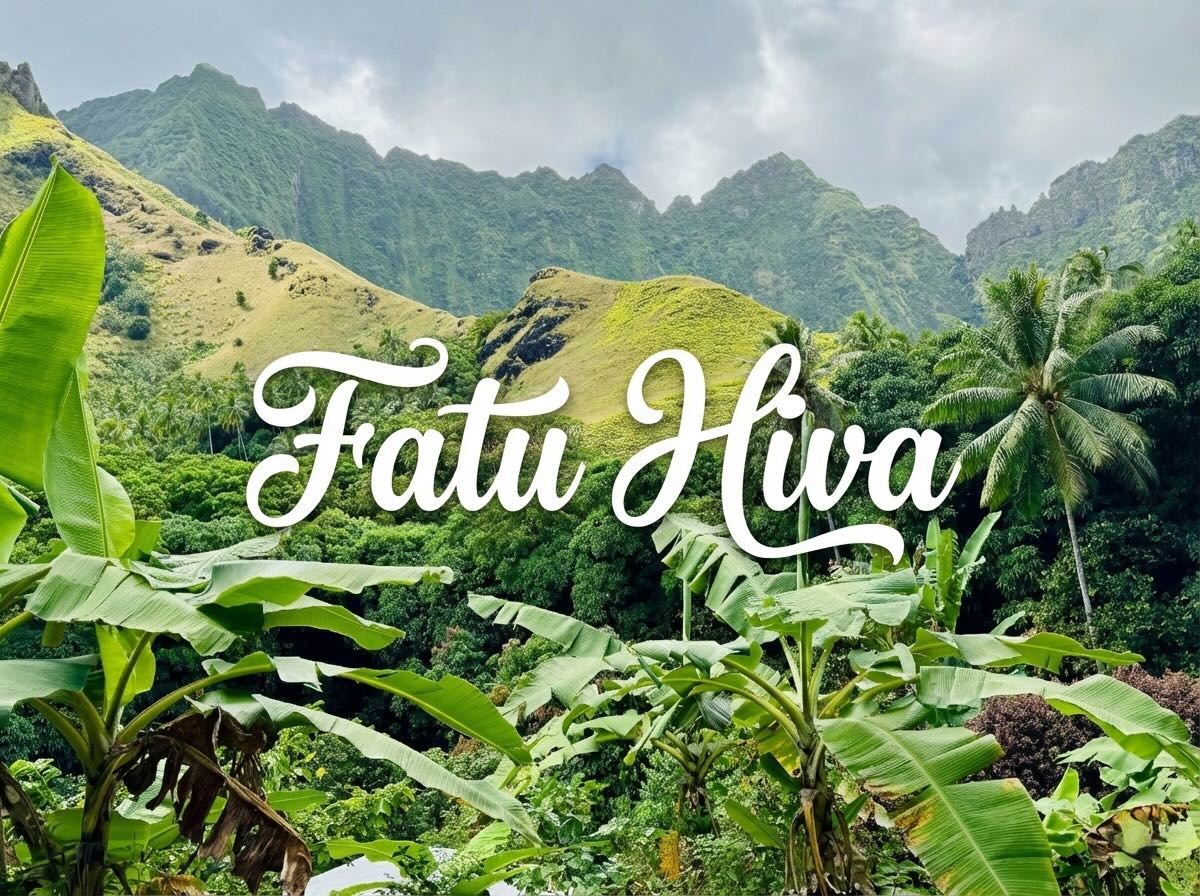
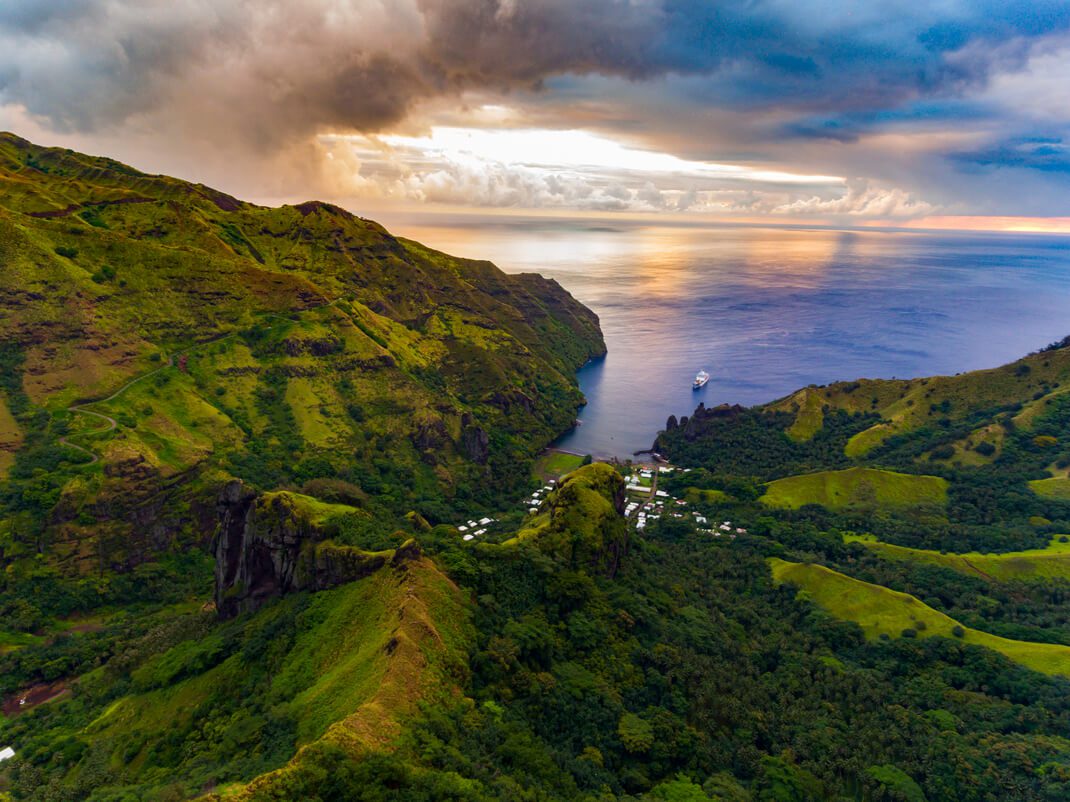
Fatu Hiva stands as a defiant definition of true remoteness. It is the southernmost island of the Marquesas archipelago in French Polynesia, and it is arguably one of the most dramatically beautiful places on Earth.
There is no airport here. No resorts. No jet skis buzzing in the harbor. To arrive in Fatu Hiva, you must come by sea. You arrive as the ancient Polynesians and explorers of old did: by boat, watching the jagged, emerald-green peaks rise violently out of the deep indigo Pacific.
A Bit of History
In 1937, a young Thor Heyerdahl and his bride, Liv, moved to the isolated island of Fatu Hiva with the radical goal of escaping civilization to live entirely off the land as a “modern Adam and Eve.”
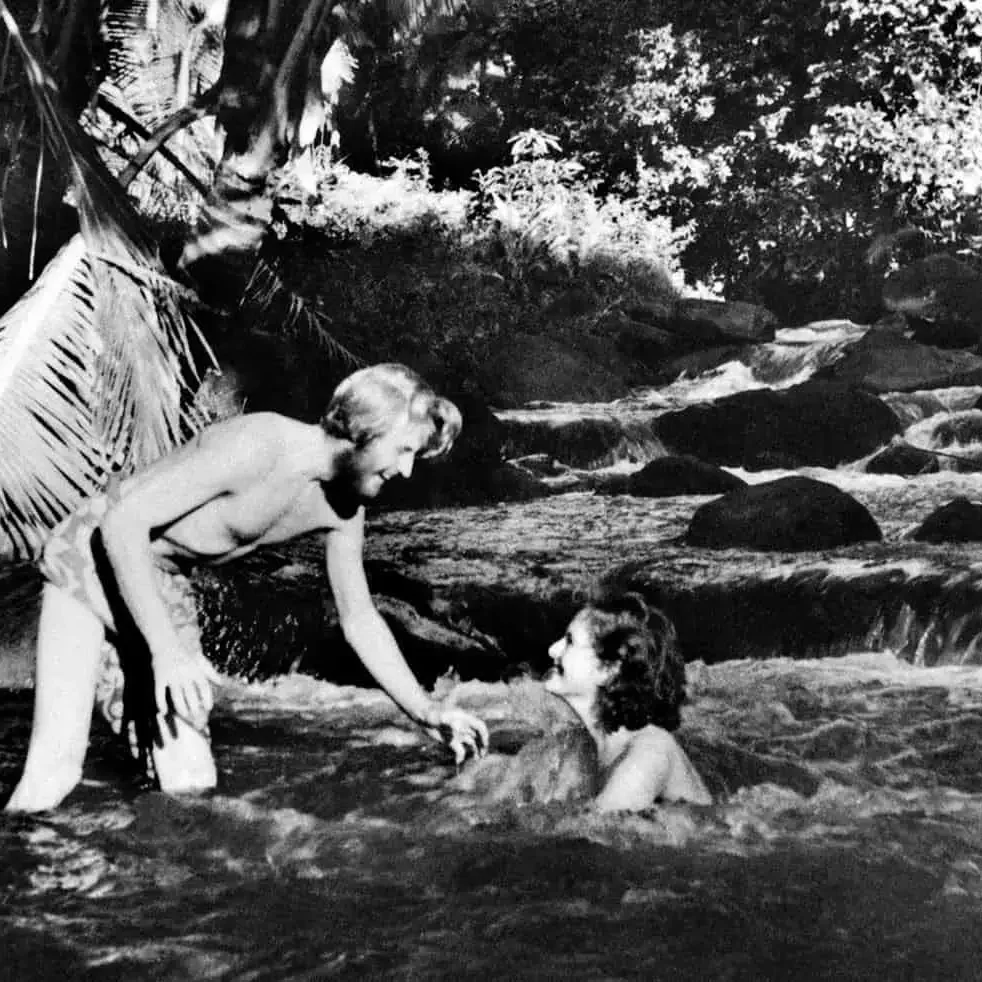
They built a simple bamboo cabin in the Omoa valley, foraging for fruit and fishing, but their initial paradise was soon plagued by tropical illnesses, relentless insects, and growing tensions with the local inhabitants.
Despite the hardships that eventually forced them to leave, this year was pivotal; it was while watching the clouds and ocean currents drift consistently from the east that Heyerdahl first formulated his theory that Polynesia could have been settled from South America, the seed of an idea that would later launch the Kon-Tiki expedition.
In his book, Fatu-Hiva – Back to Nature, Heyerdahl describes the beauty of the island as “savage.”
Our First Impressions
Bay of Virgins (Hanavave)
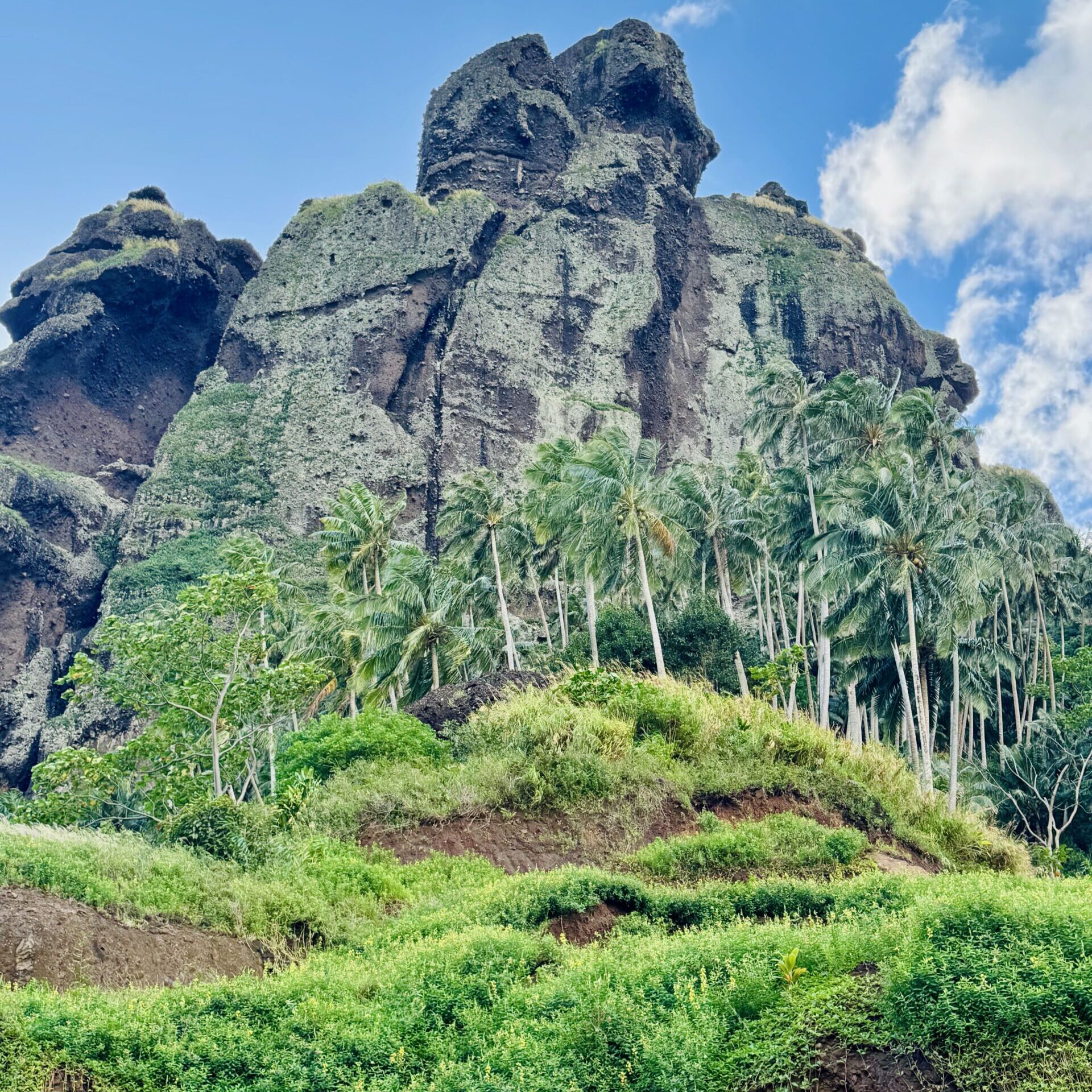
Our first view of Fatu Hiva was Hanavave Bay, universally cited as one of the most beautiful anchorages in the world. Heyerdahl was right—it is a place of savage, almost aggressive beauty.
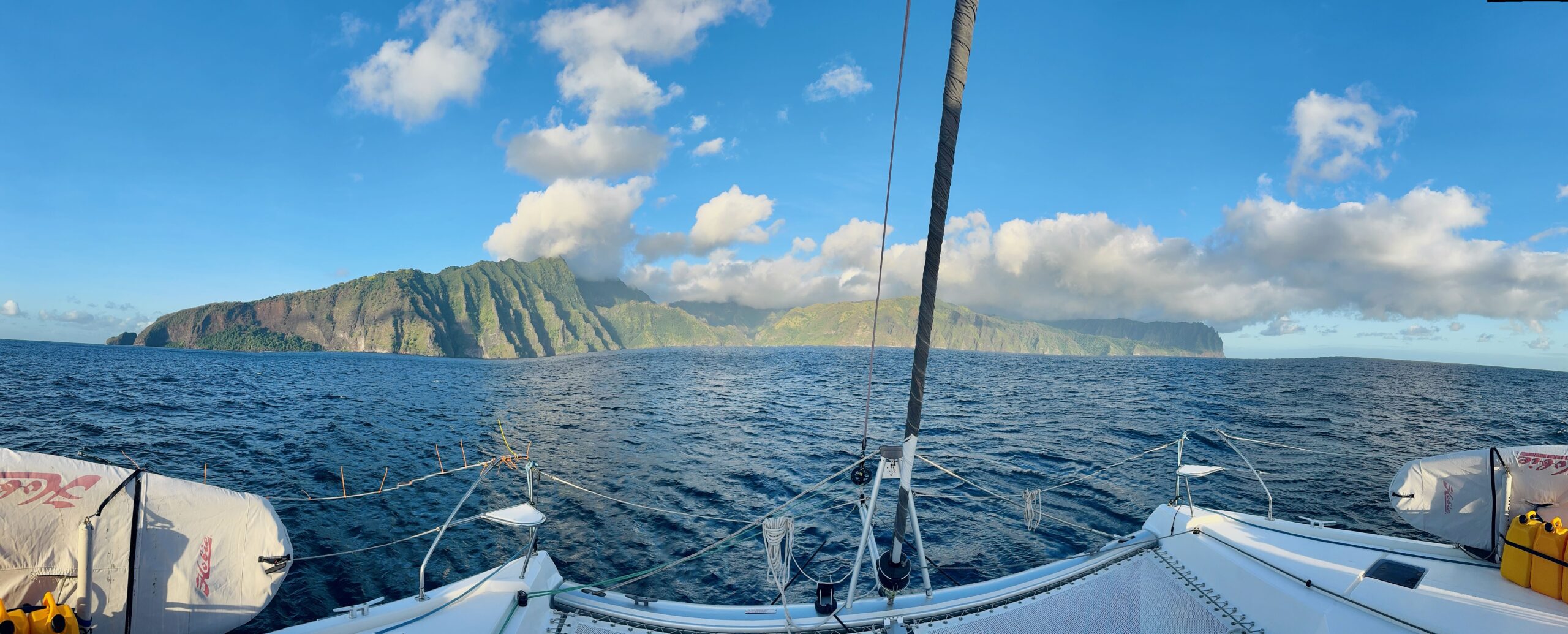
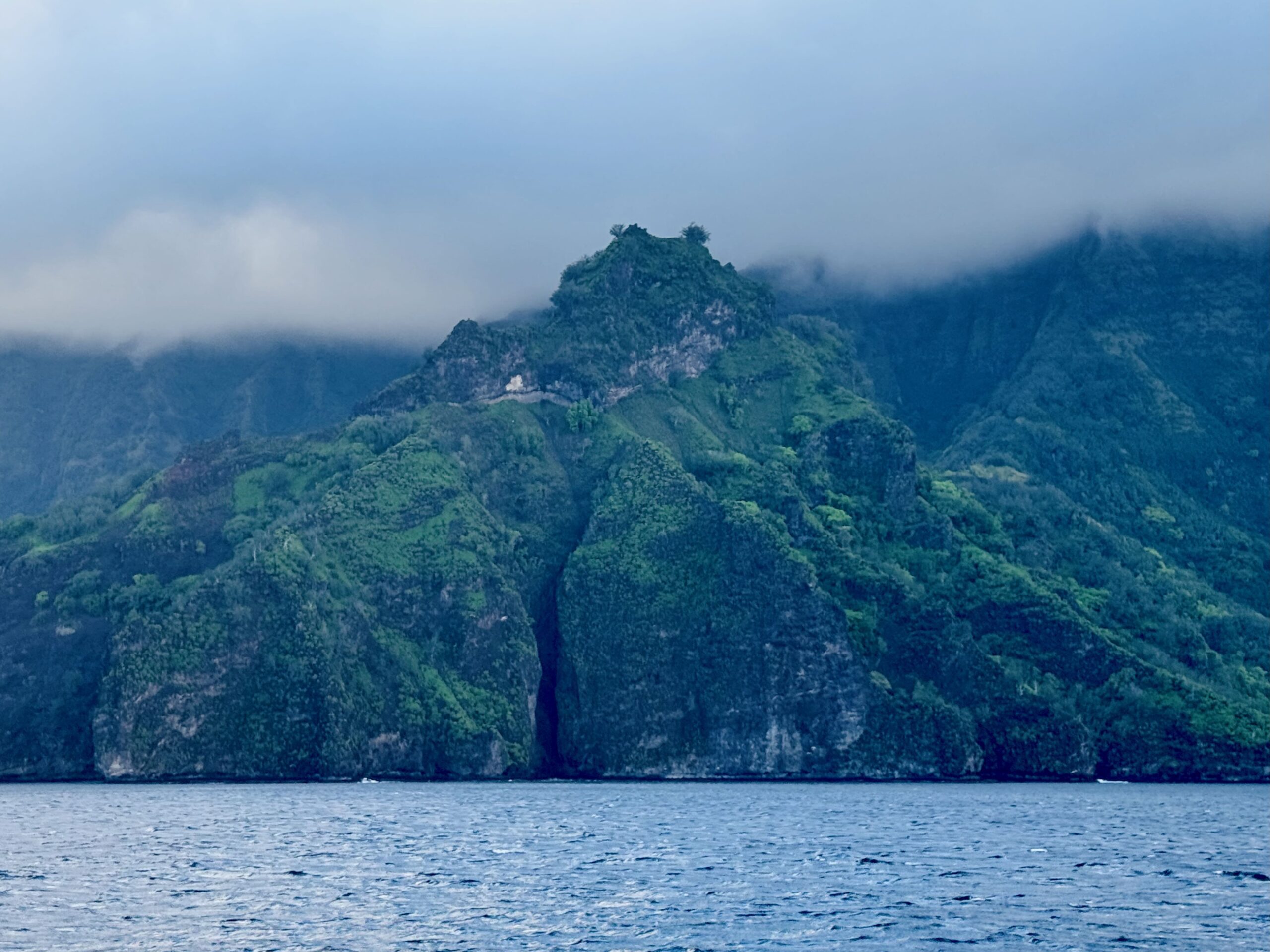
One can’t visit Hanavave without learning the amusing history of its name. Originally, French sailors, struck by the phallic shape of the towering rock pillars, named it Baie des Verges (Bay of Penises). The Catholic missionaries who arrived later were understandably mortified. By simply inserting an ‘i’, they rebranded it “Baie des Vierges” (Bay of Virgins).
Once on land, we saw various animals, as is usual on these islands.
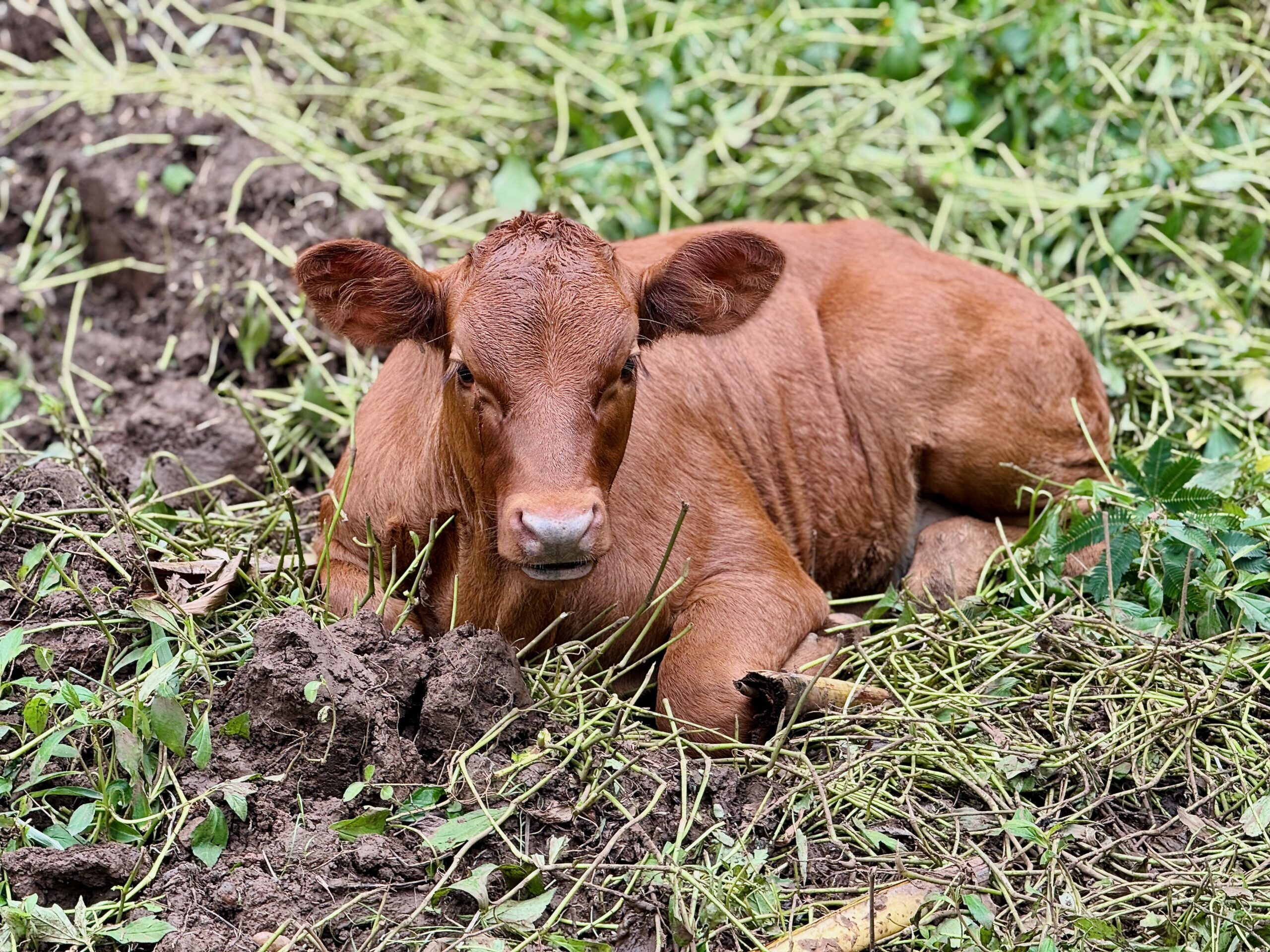
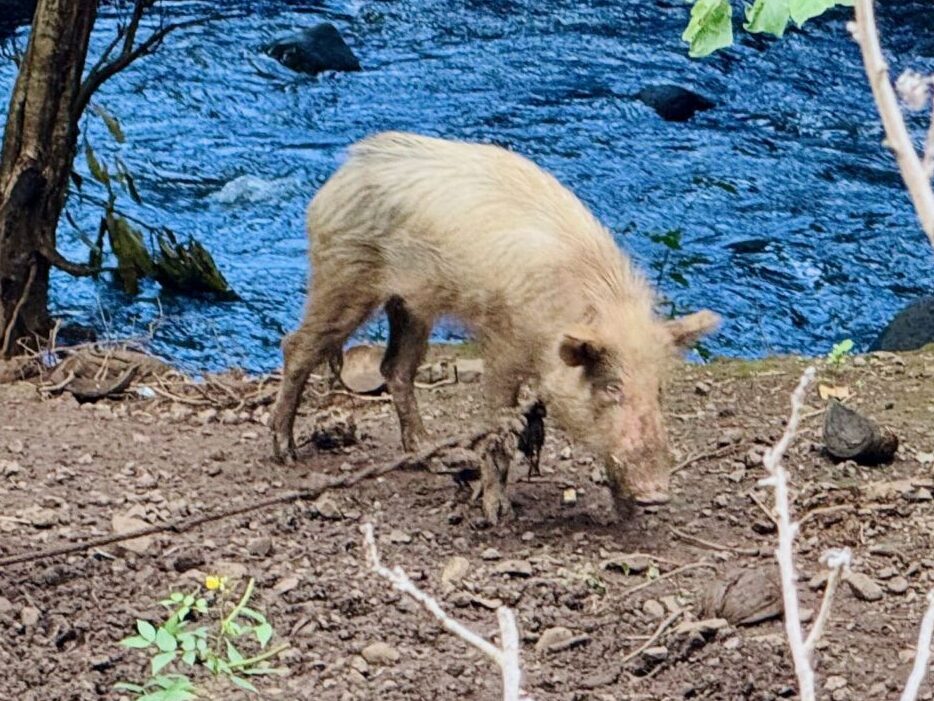
We then started walking toward our first stop, the famous waterfall.
The first (and actually only) locals we came across were several boys holding roosters.
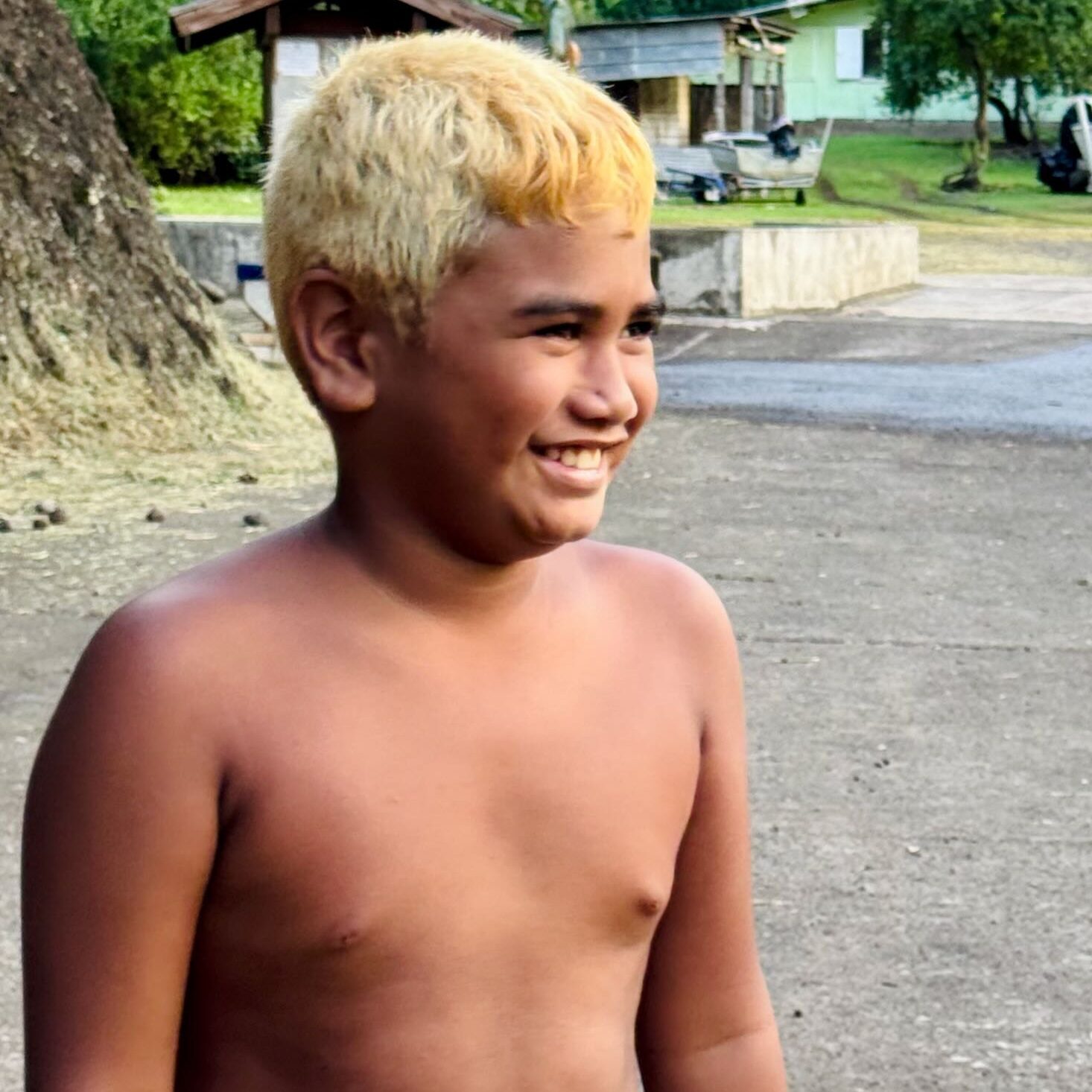
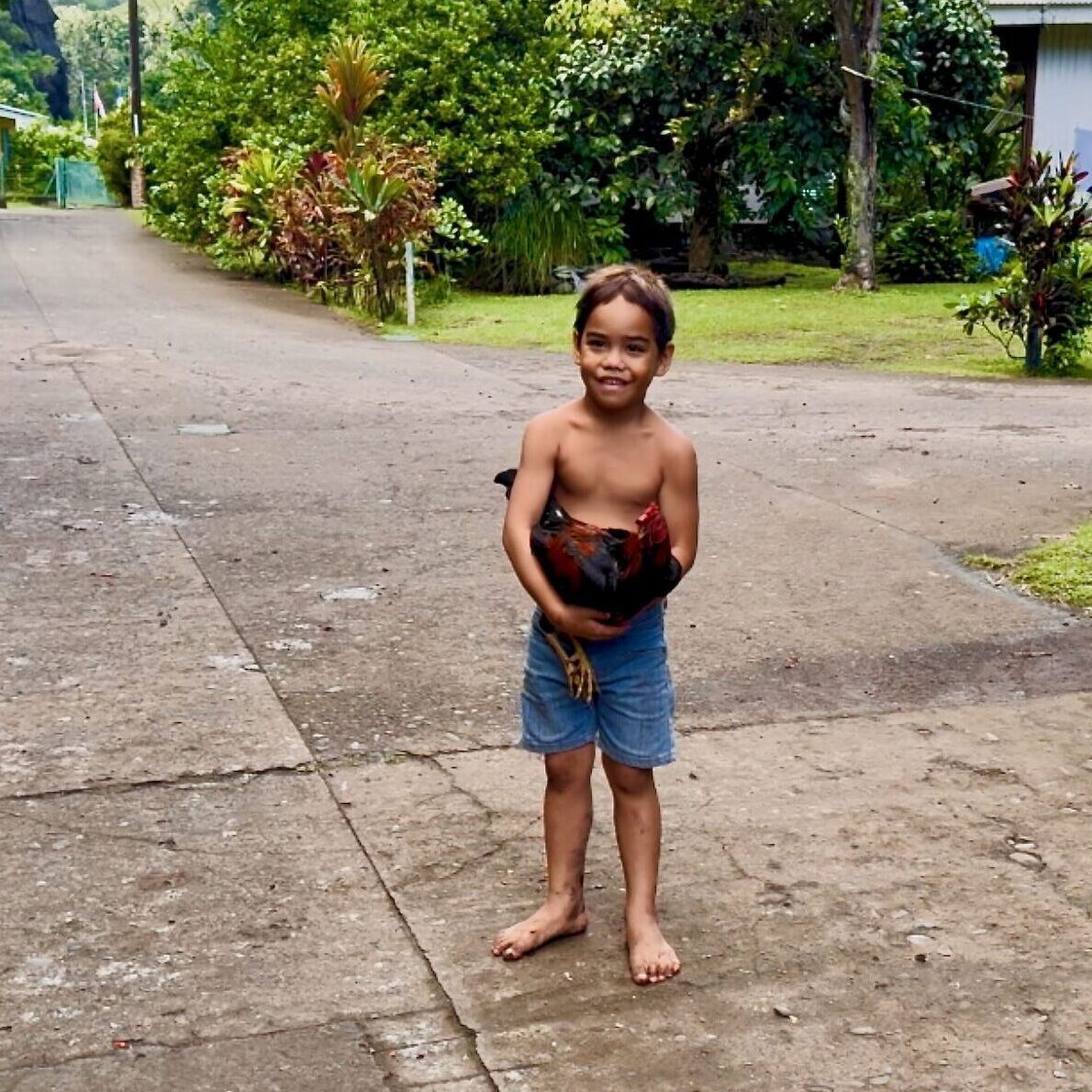
As they talked to us (sometimes quite demonstratively), they flung the roosters around like little rag dolls.
One of the boys, who clearly did not speak English, showed us his:
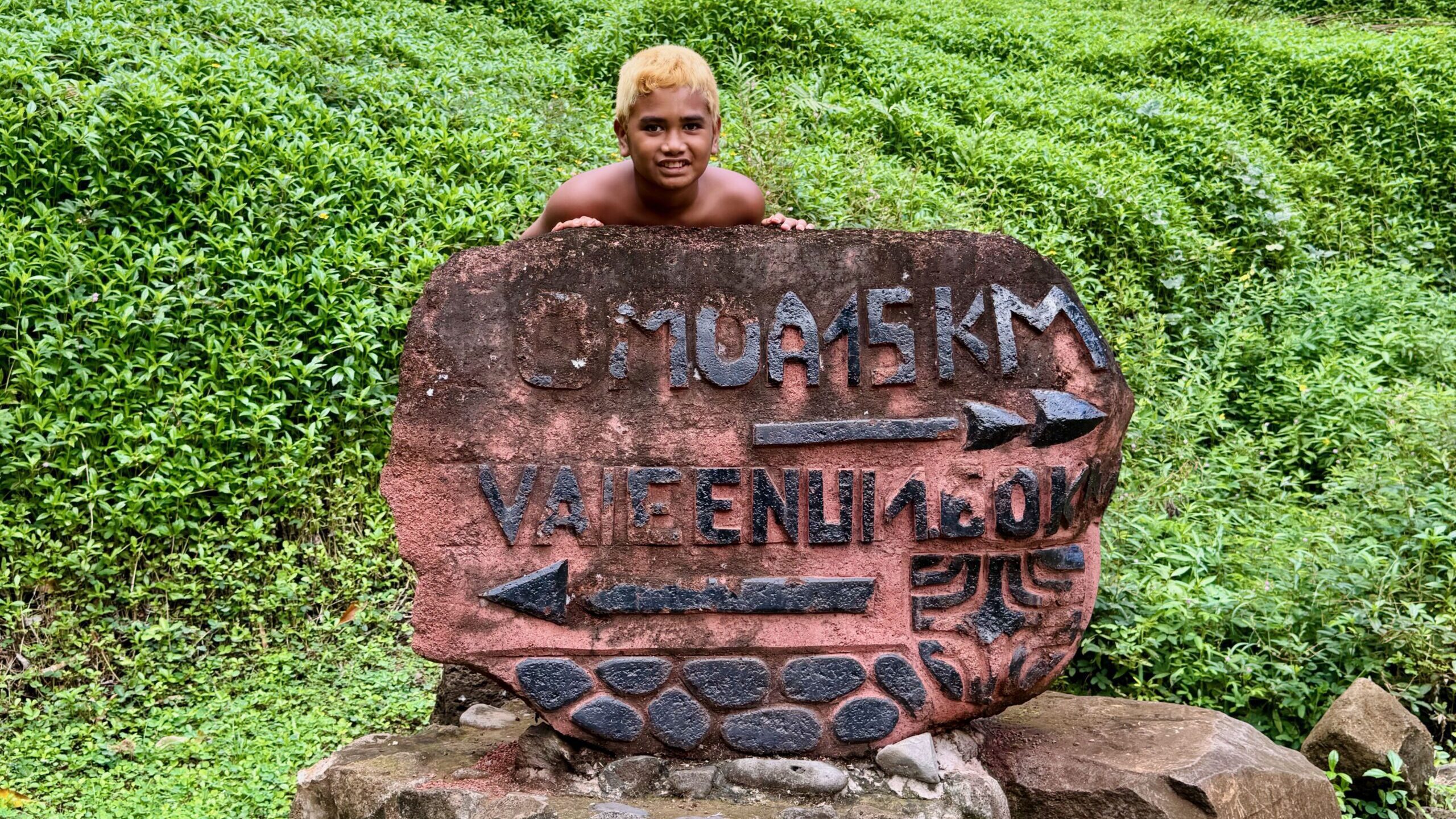
The blonde boy, Bacchi, offered to take us to the waterfall (read on).
Some Things We Loved Most About Fatu Hiva
1. Vaipo Waterfall
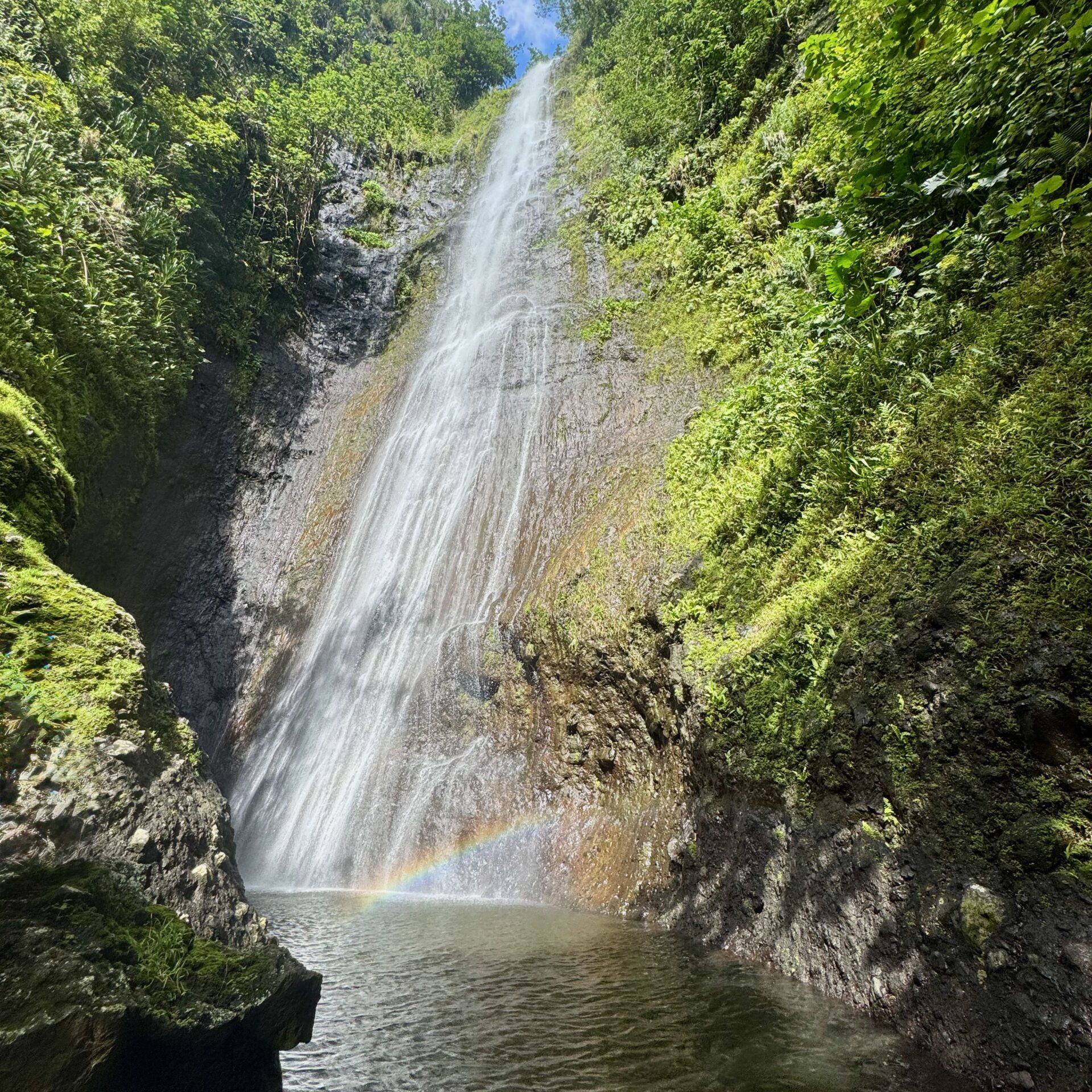
Hidden deep within the Vaipo Valley is the Vaipo Waterfall, the tallest waterfall in French Polynesia (approximately 1,150 feet). To get there, we hiked through the jungle. It’s almost imperative to have a guide with you, as the way is not well marked.
The trail began at the back of Hanavave village.
When we finally reached the base of the falls, the sight was humbling. A thin, powerful ribbon of water plummeted from a notch in the cliff, turning into mist before it hit the pool below.
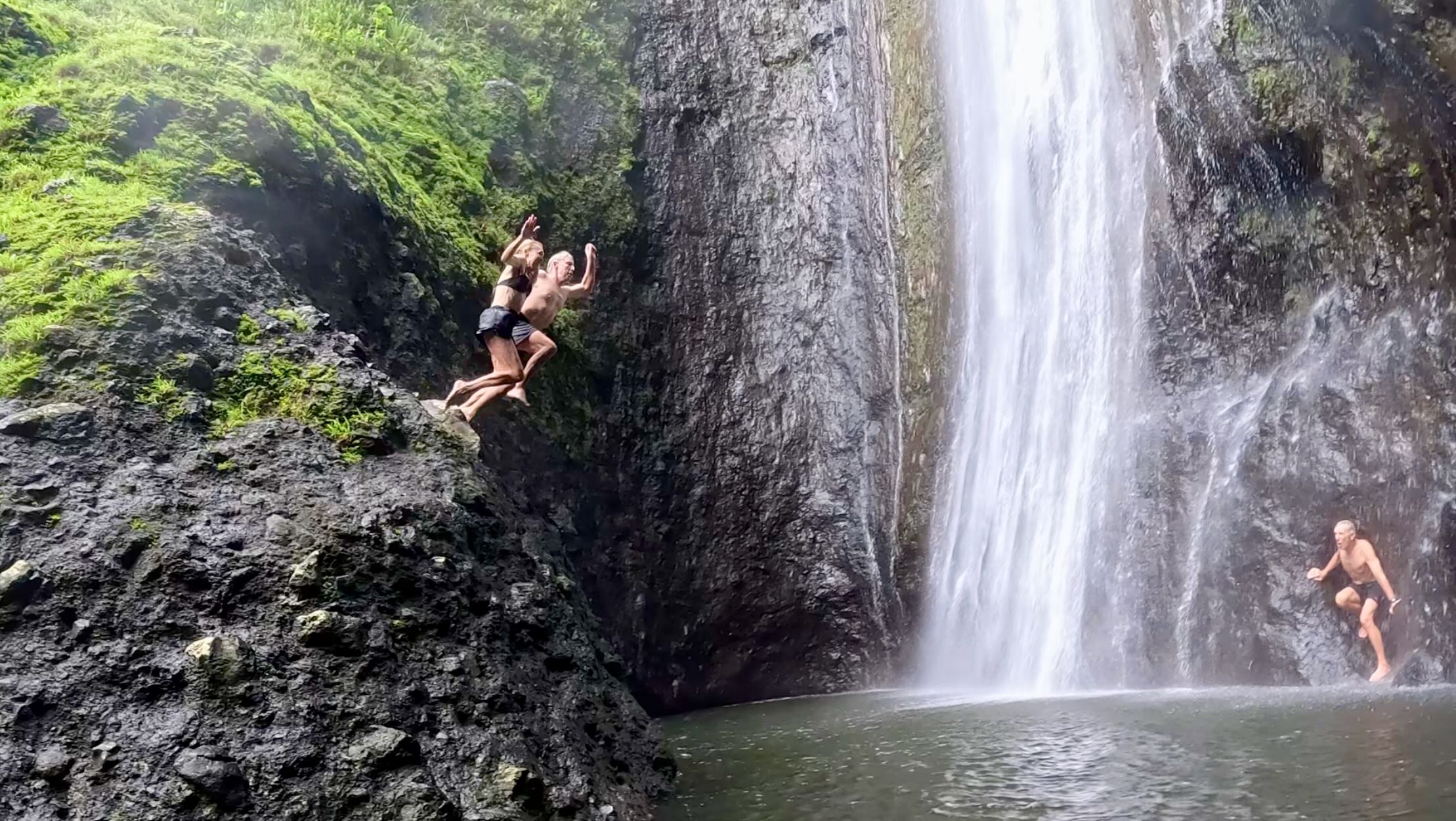
We couldn’t wait to jump in!
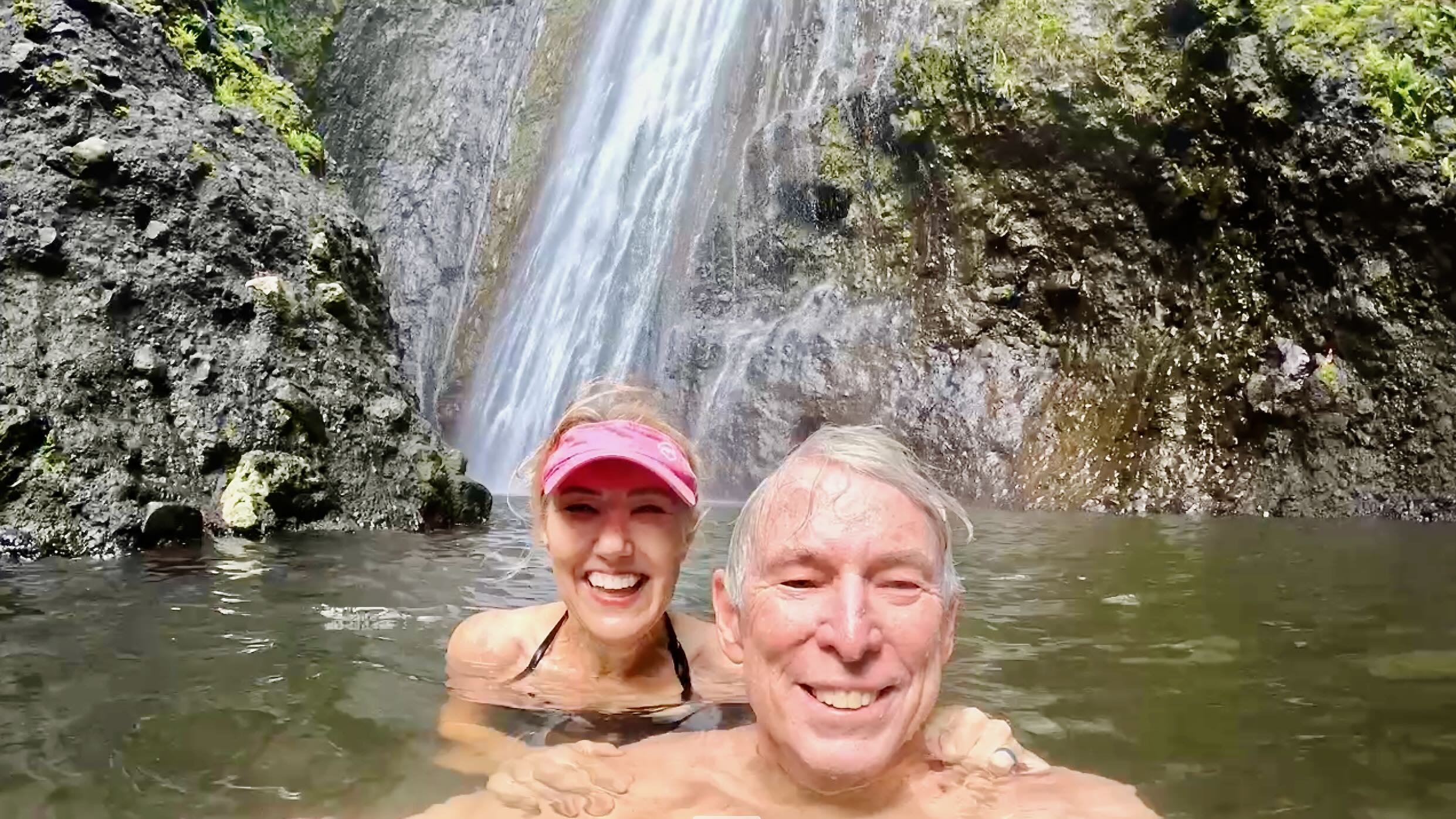
It was cool and refreshing.
We’ve experienced a lot of waterfalls, and this was one of the best.
On the way back, we picked some pamplemousse (pomelo).
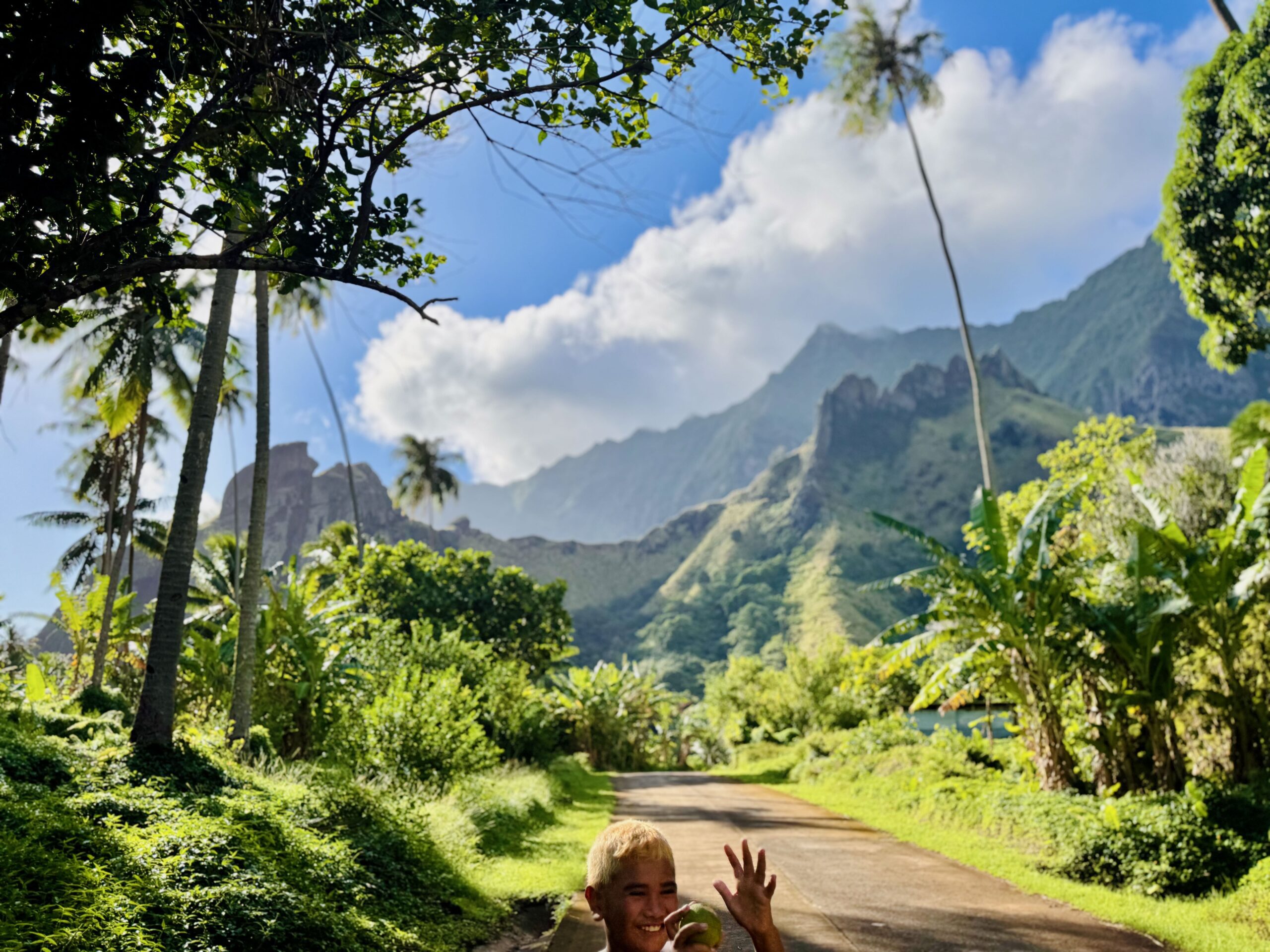
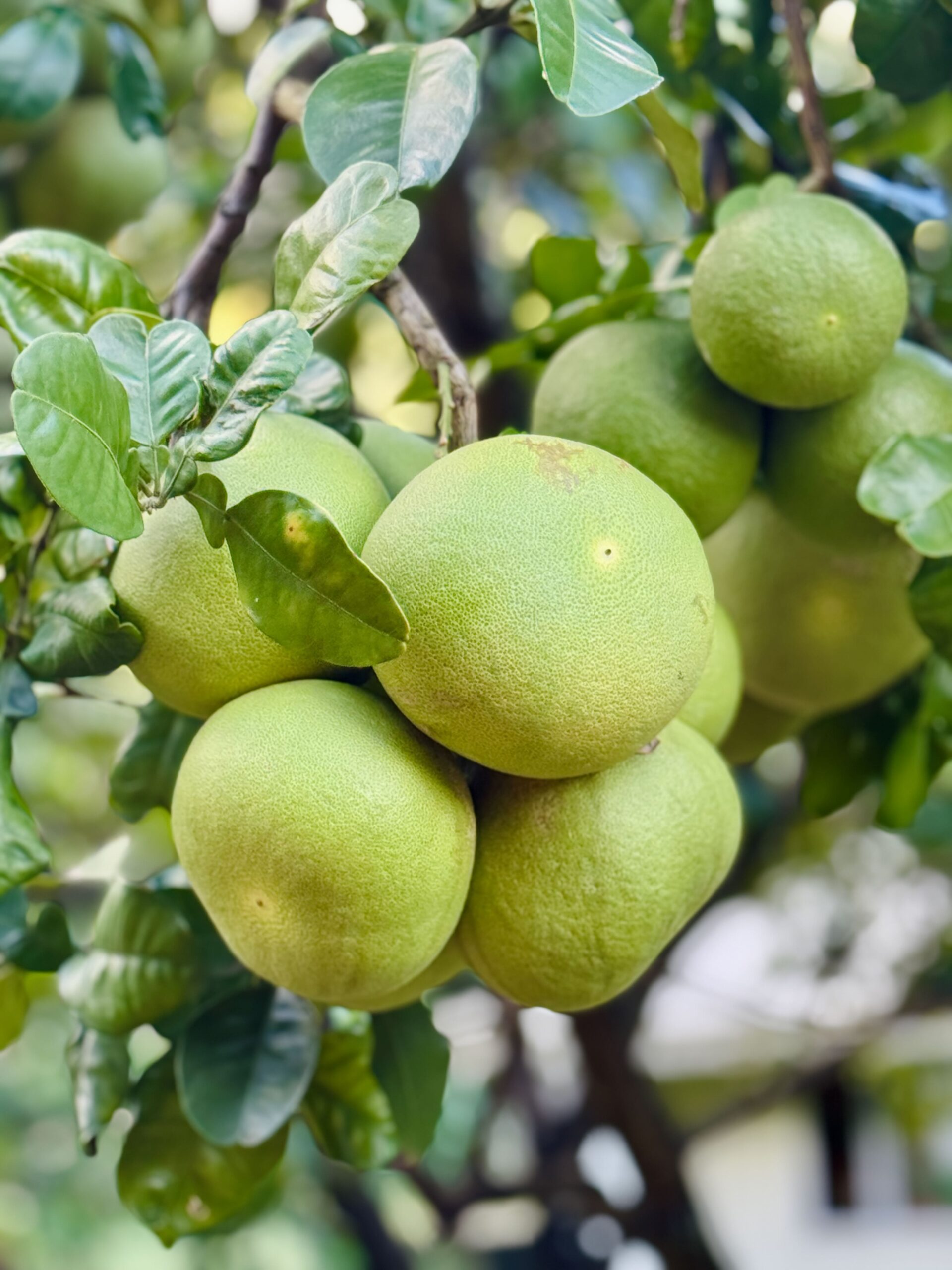
This waterfall visit was a real highlight.
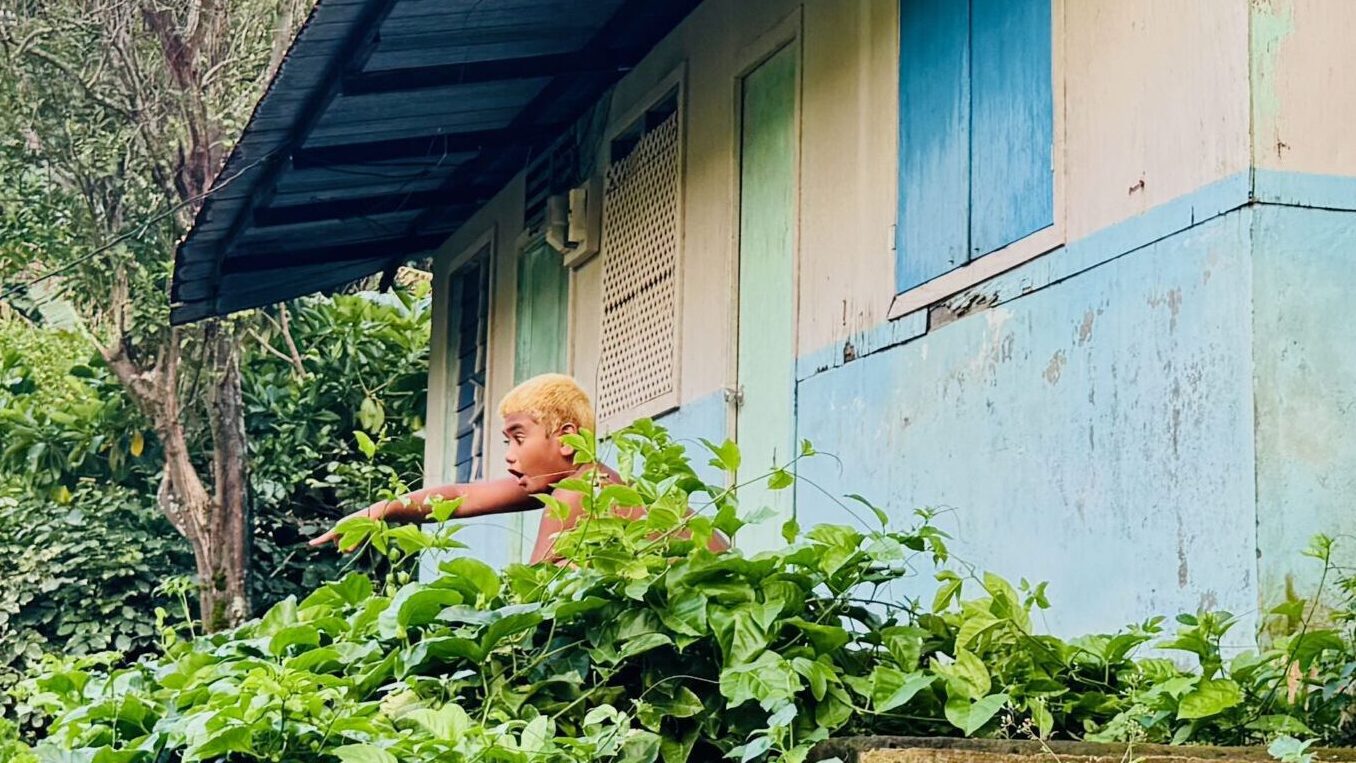
Cute side note: Bacchi walked around all day in his underwear, inside-out. For obvious reasons, I’ve cropped that out.
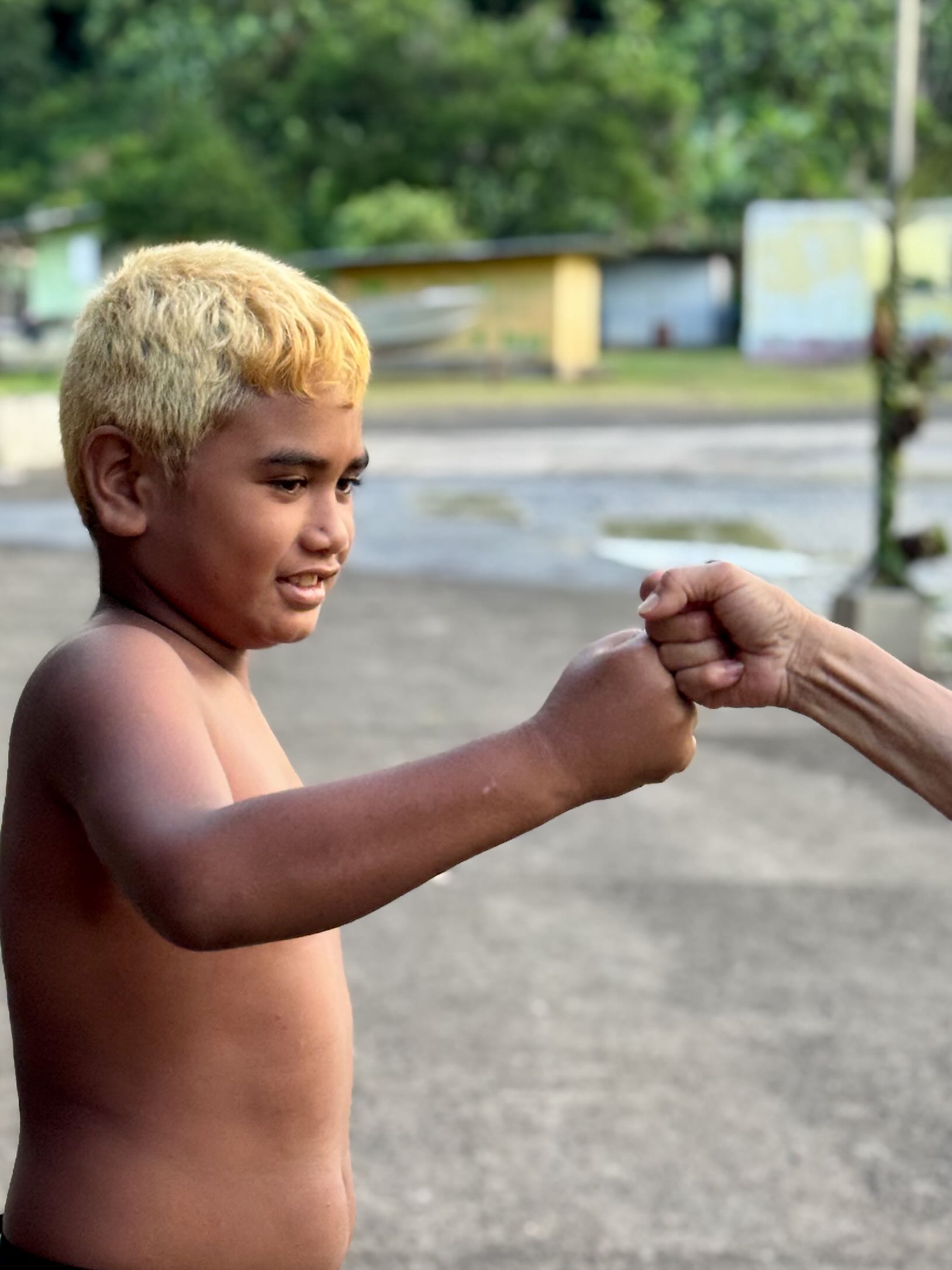
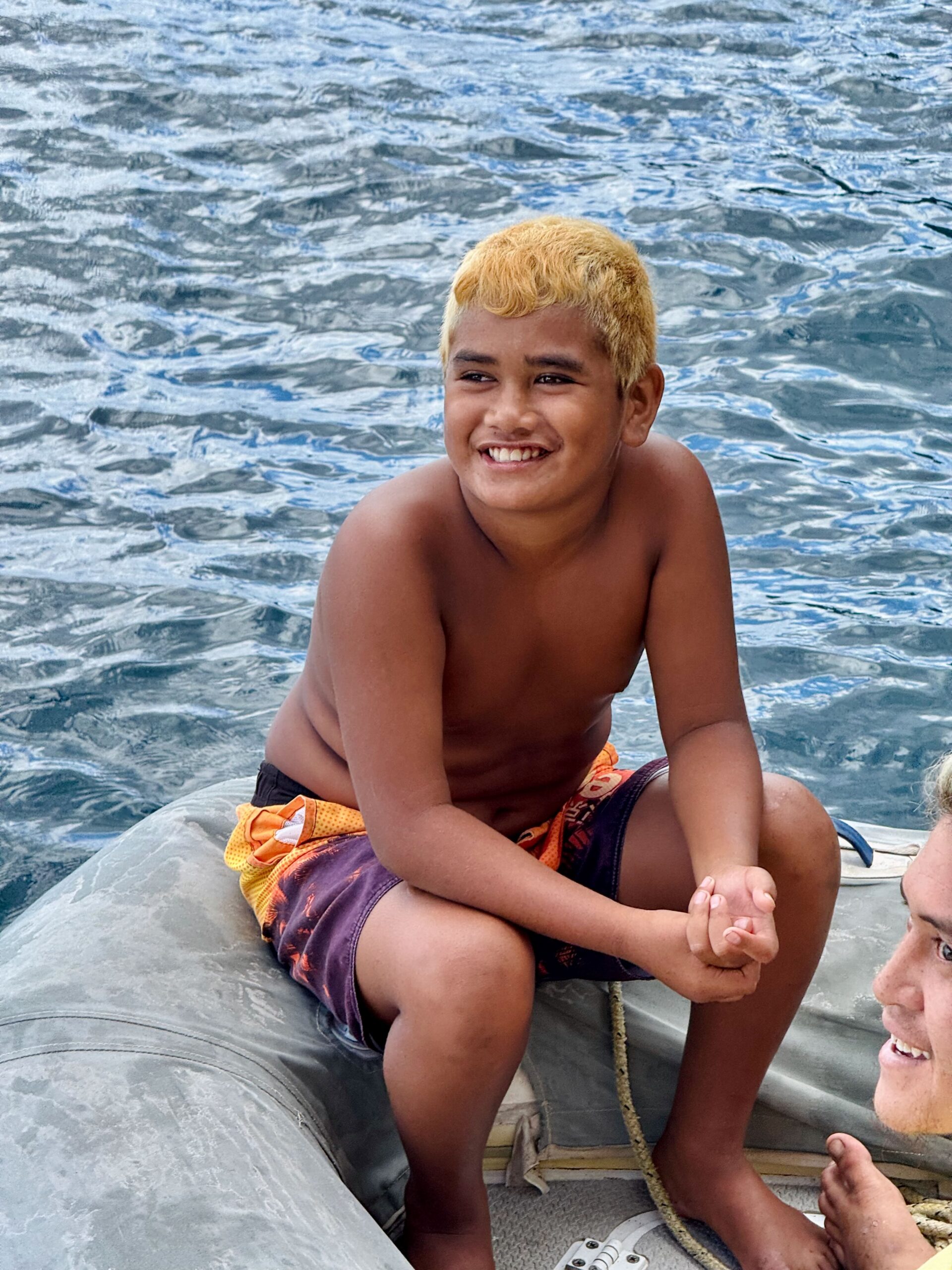
He came to our boat the next day to visit us. The whole experience was awesome.
2. The Scenery
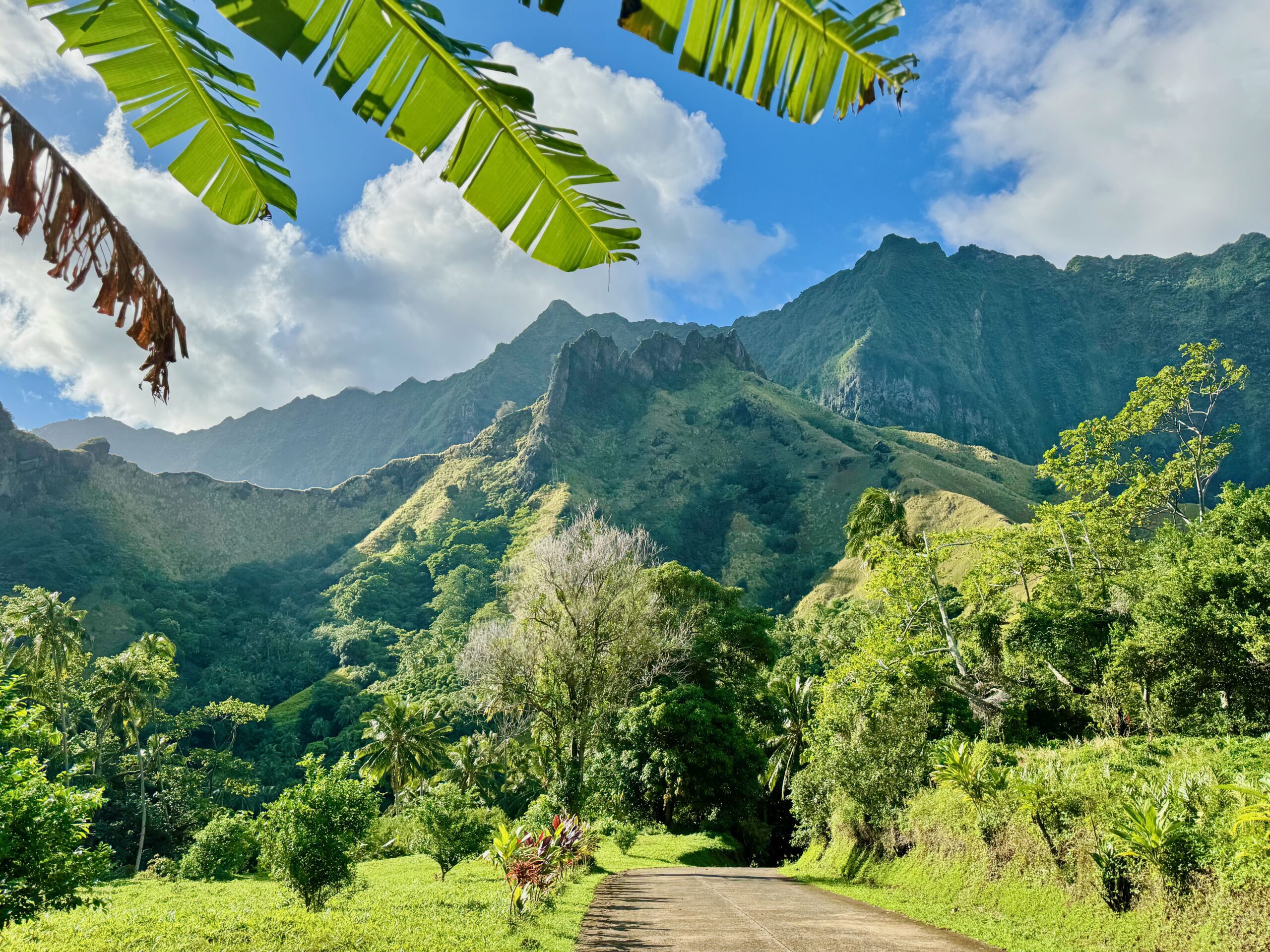
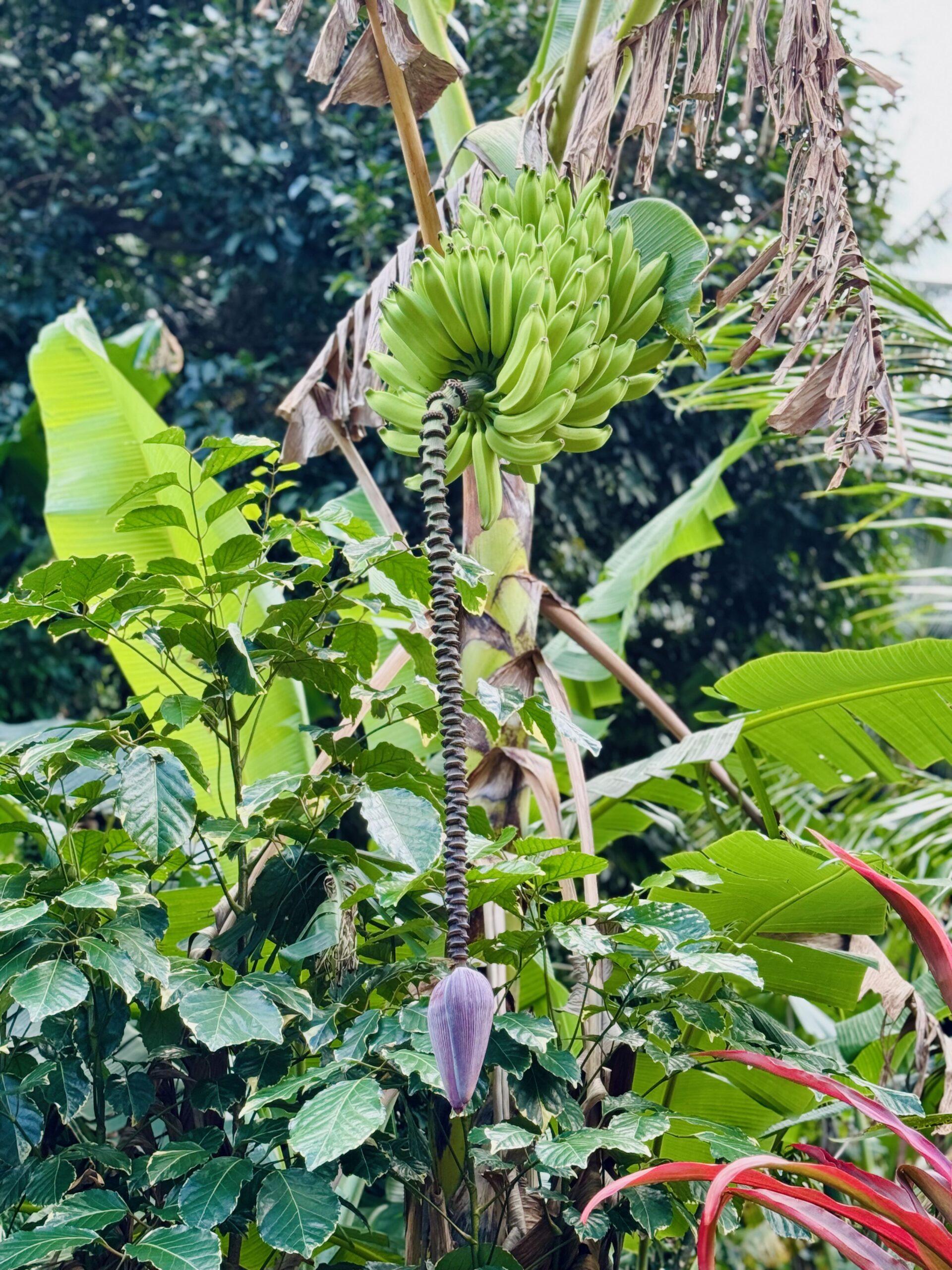
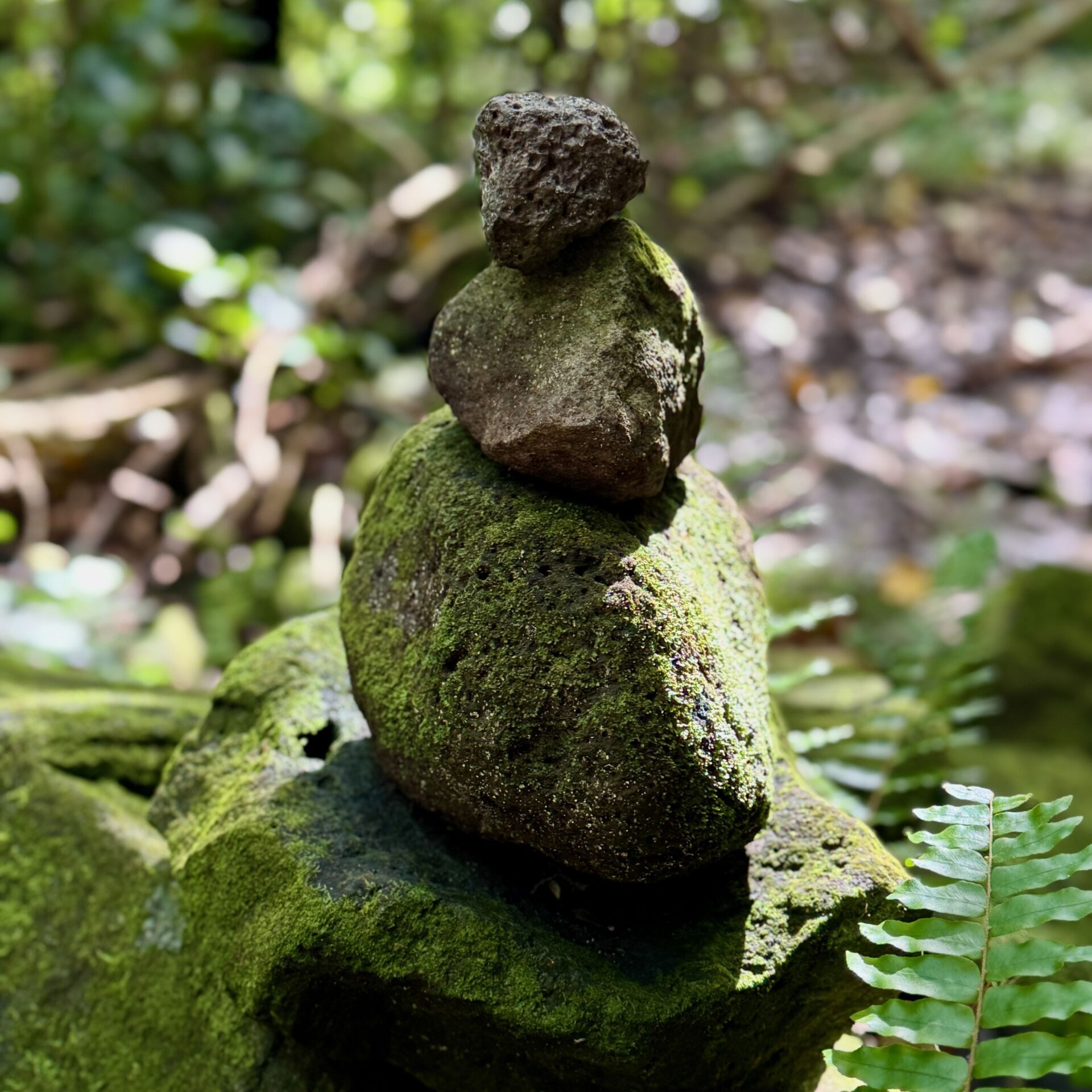
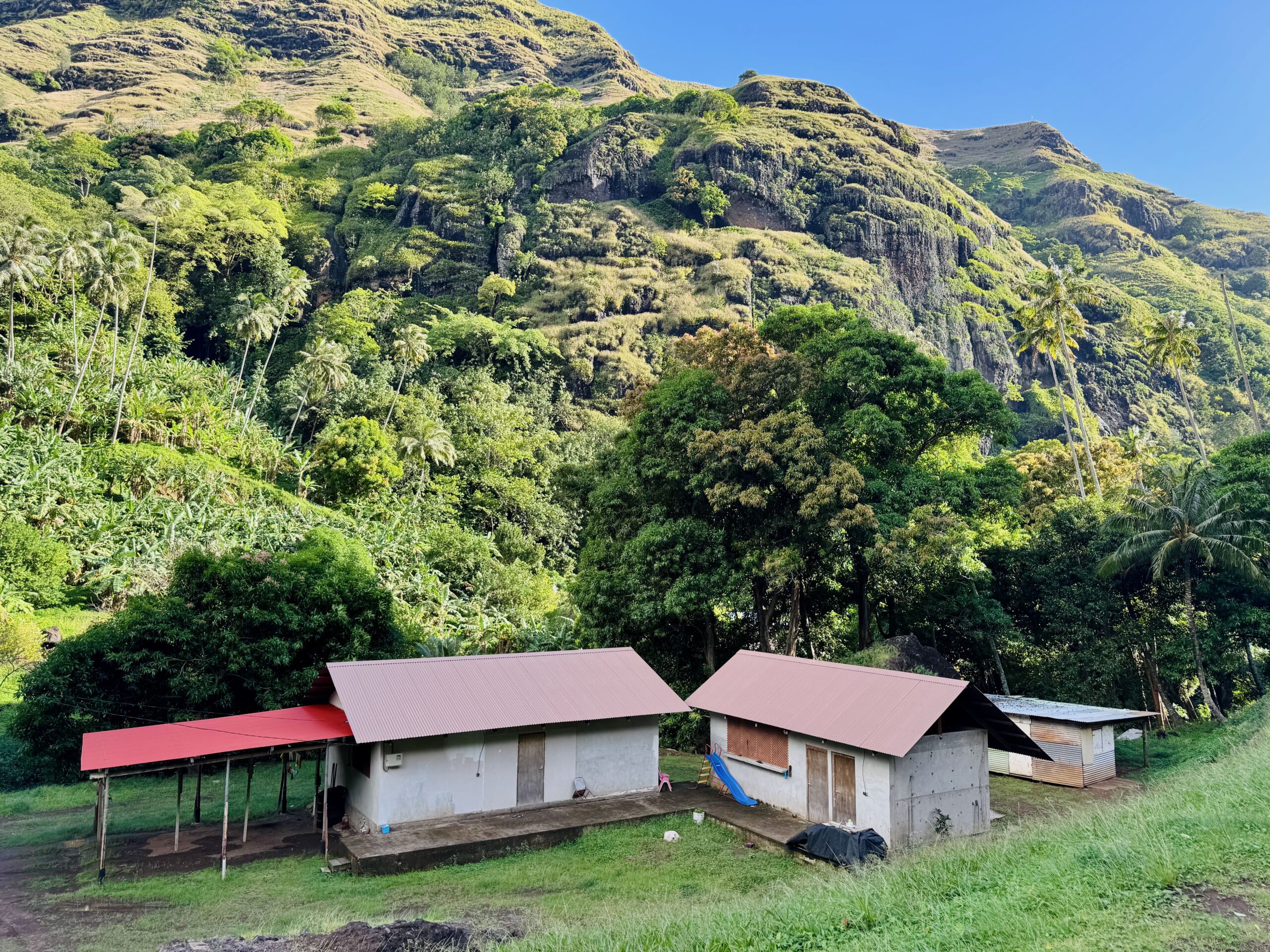
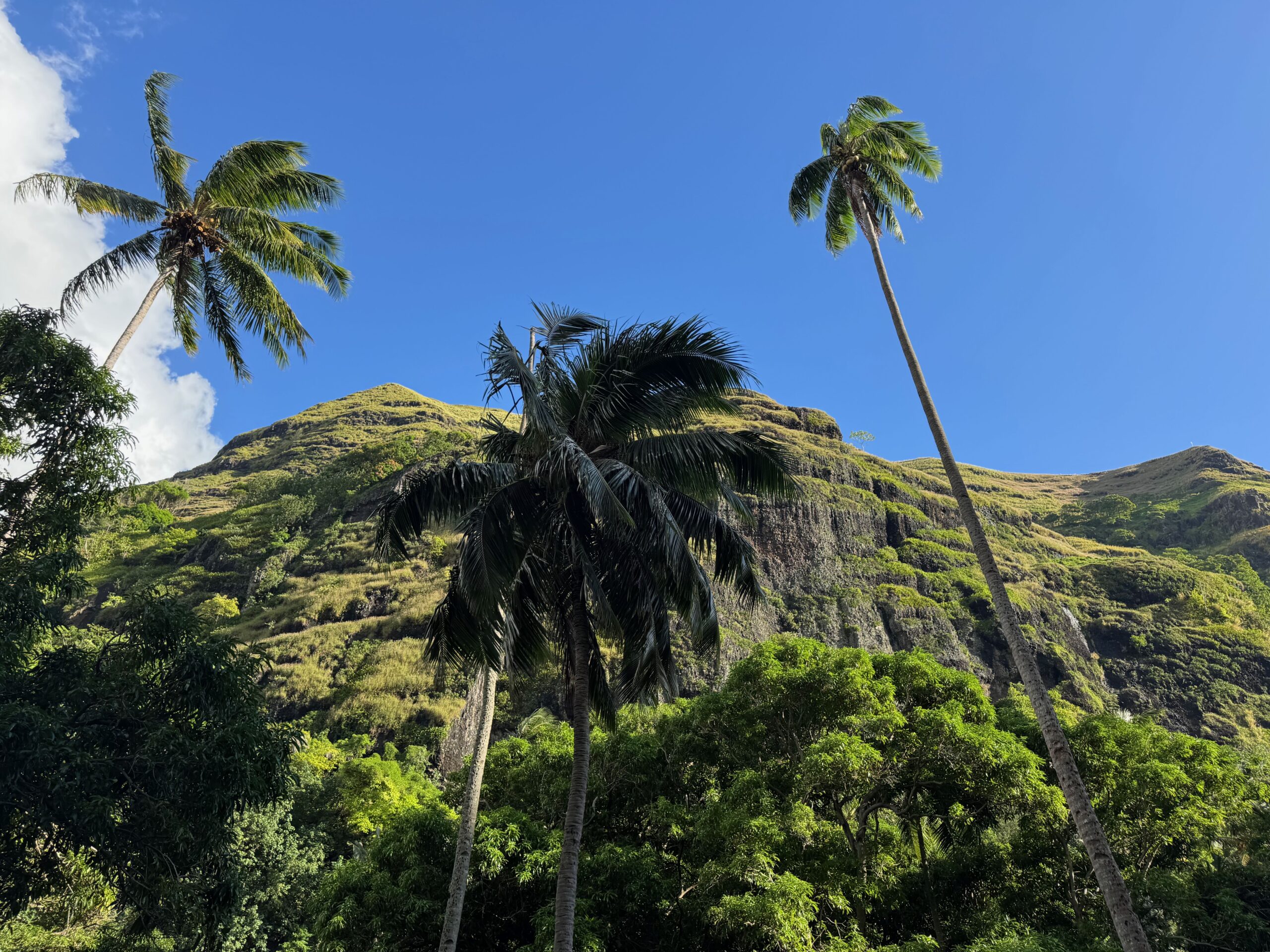
Everywhere we looked, the scenery was incredible. I’ll let the photos speak for themselves.
3. Road from Hanavave to Omoa (and Back)
We knew we wanted to see the entire island, so we booked a tour with Poi (+689 87 35 66 29). We were told that on Fatu Hiva, he’s the guy to call.
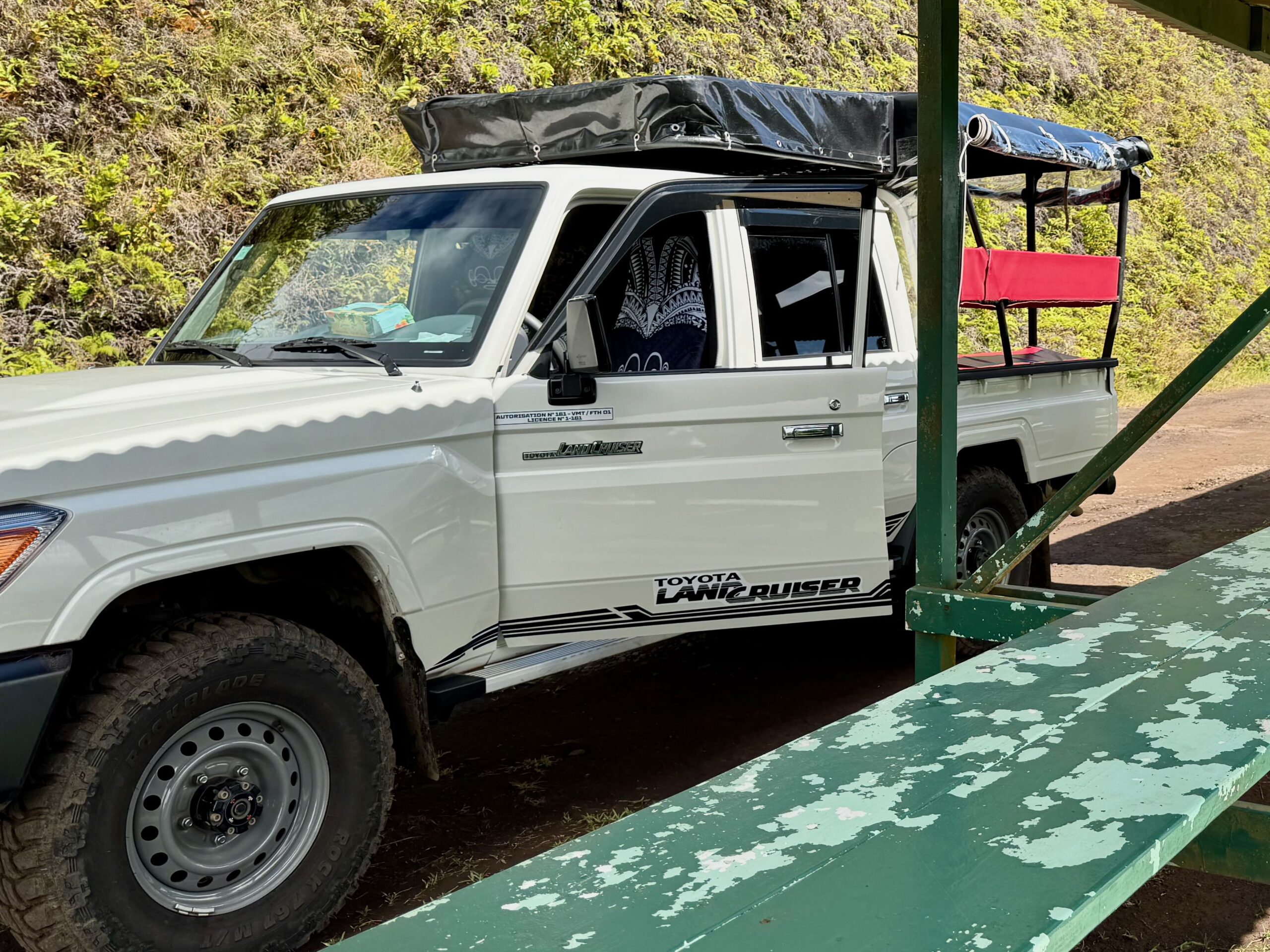
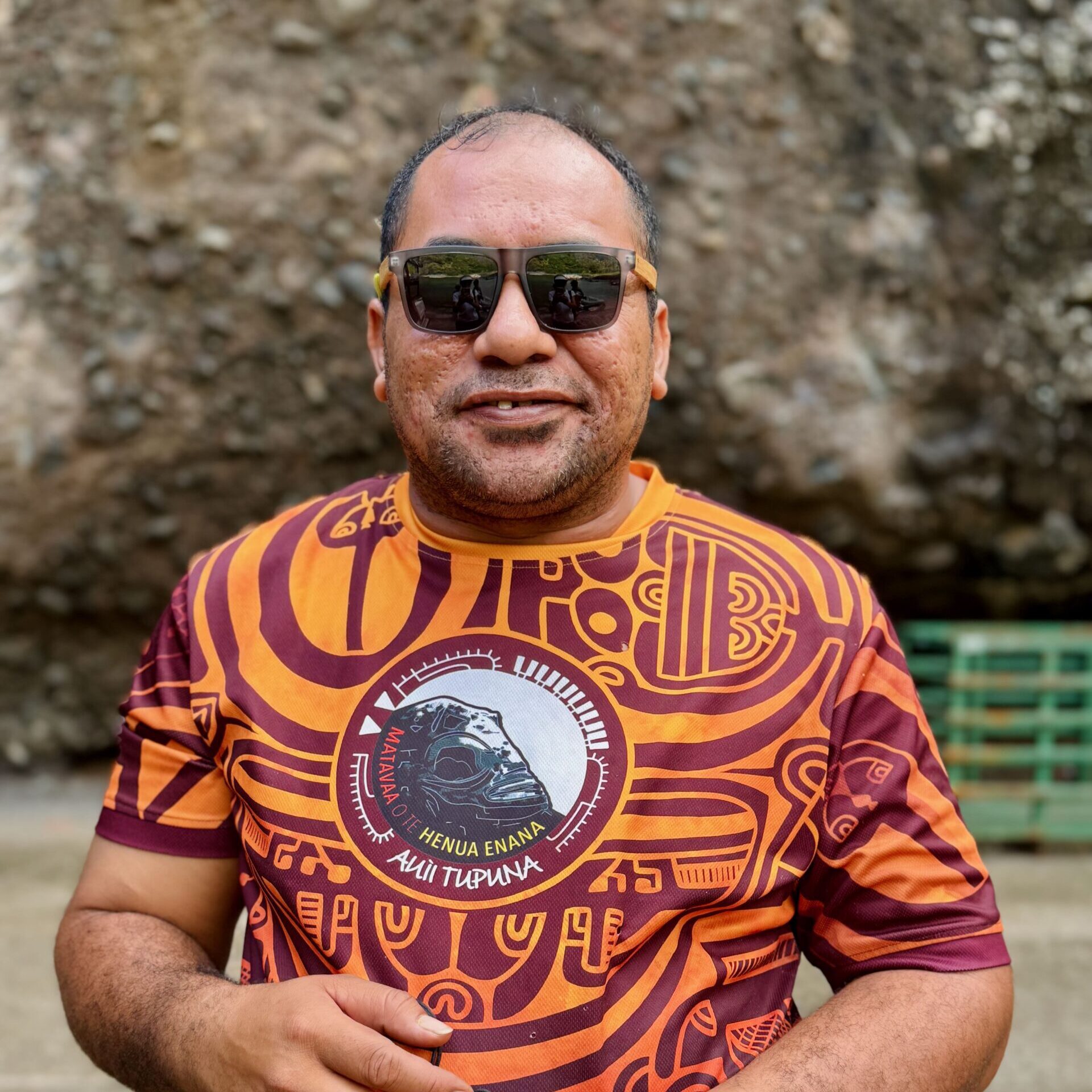
He picked us up in a 4×4 at the pier, and we headed off!
The 10.5-mile road from Hanavave to Omoa is the only connection between the island’s two villages. It was a spectacular journey through the island’s spine and wound steeply up from Hanavave, taking us from sea level into the forest at the top.
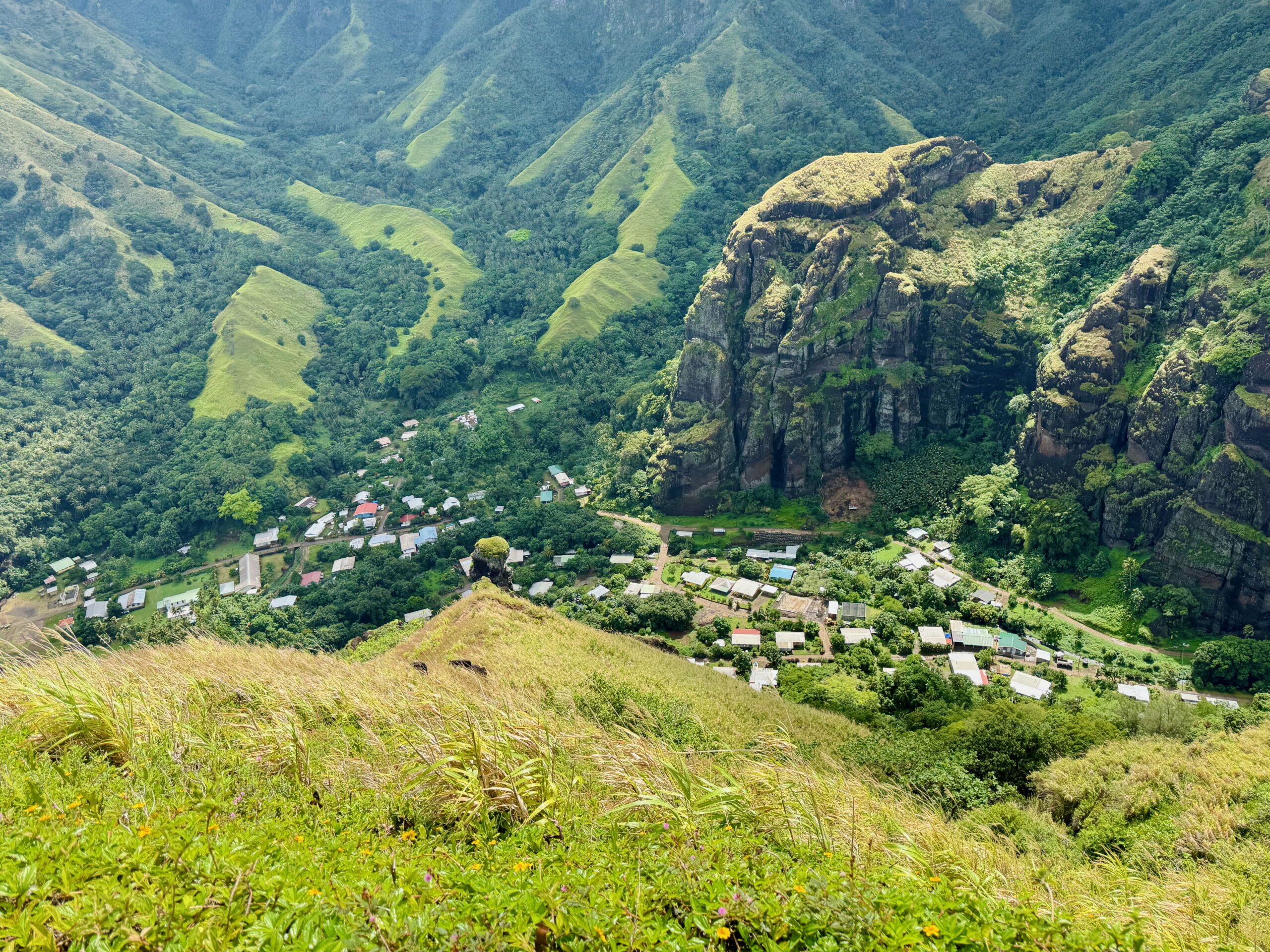
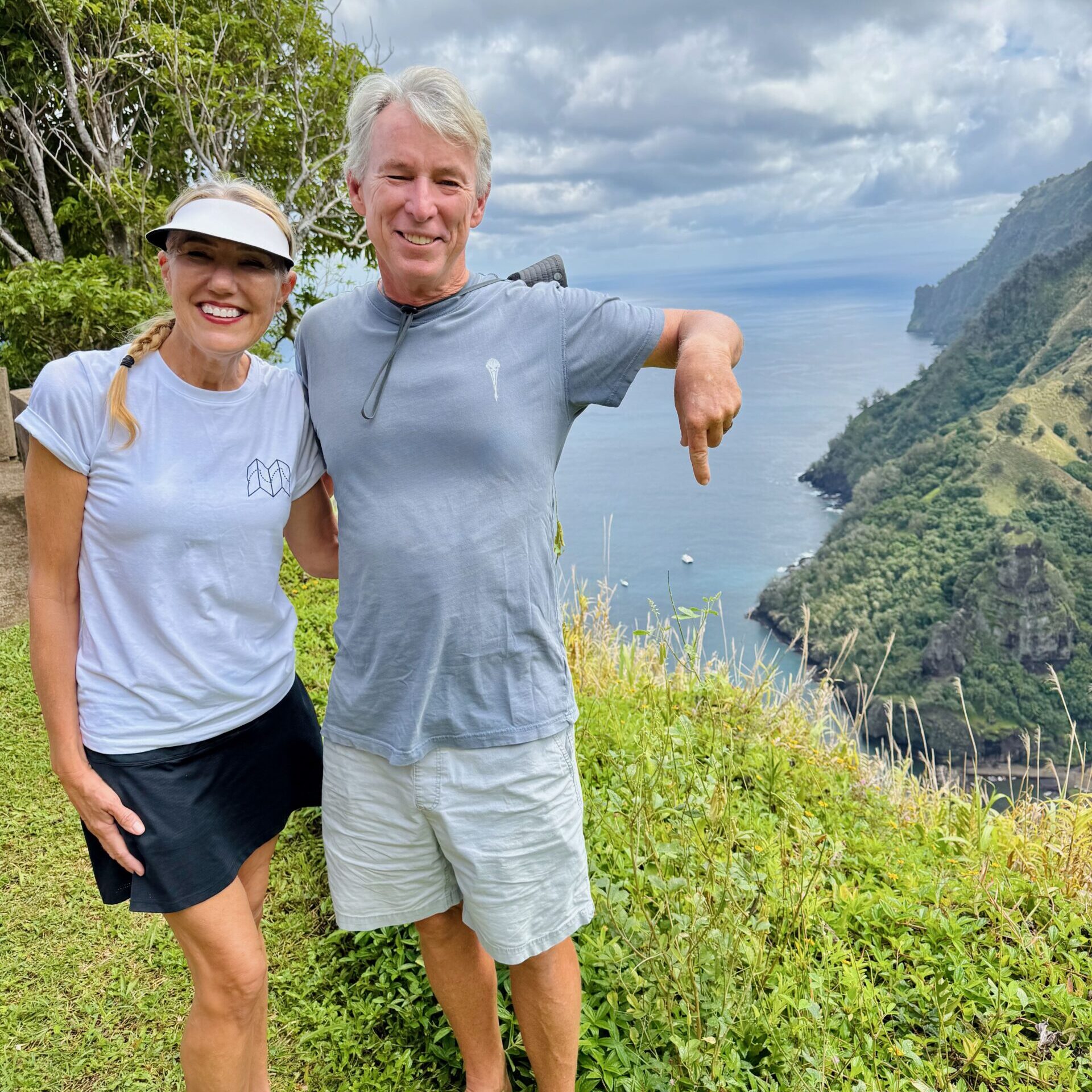
The air got cooler and fresher the higher we climbed. The road peaked at around 2,300 feet. It was a spectacular drive!
3. Tapa Making
Fatu Hiva is the undisputed capital of Tapa cloth in French Polynesia. While the art form has faded in other parts of the Pacific, here it is a thriving, daily practice, particularly among the women of Omoa.
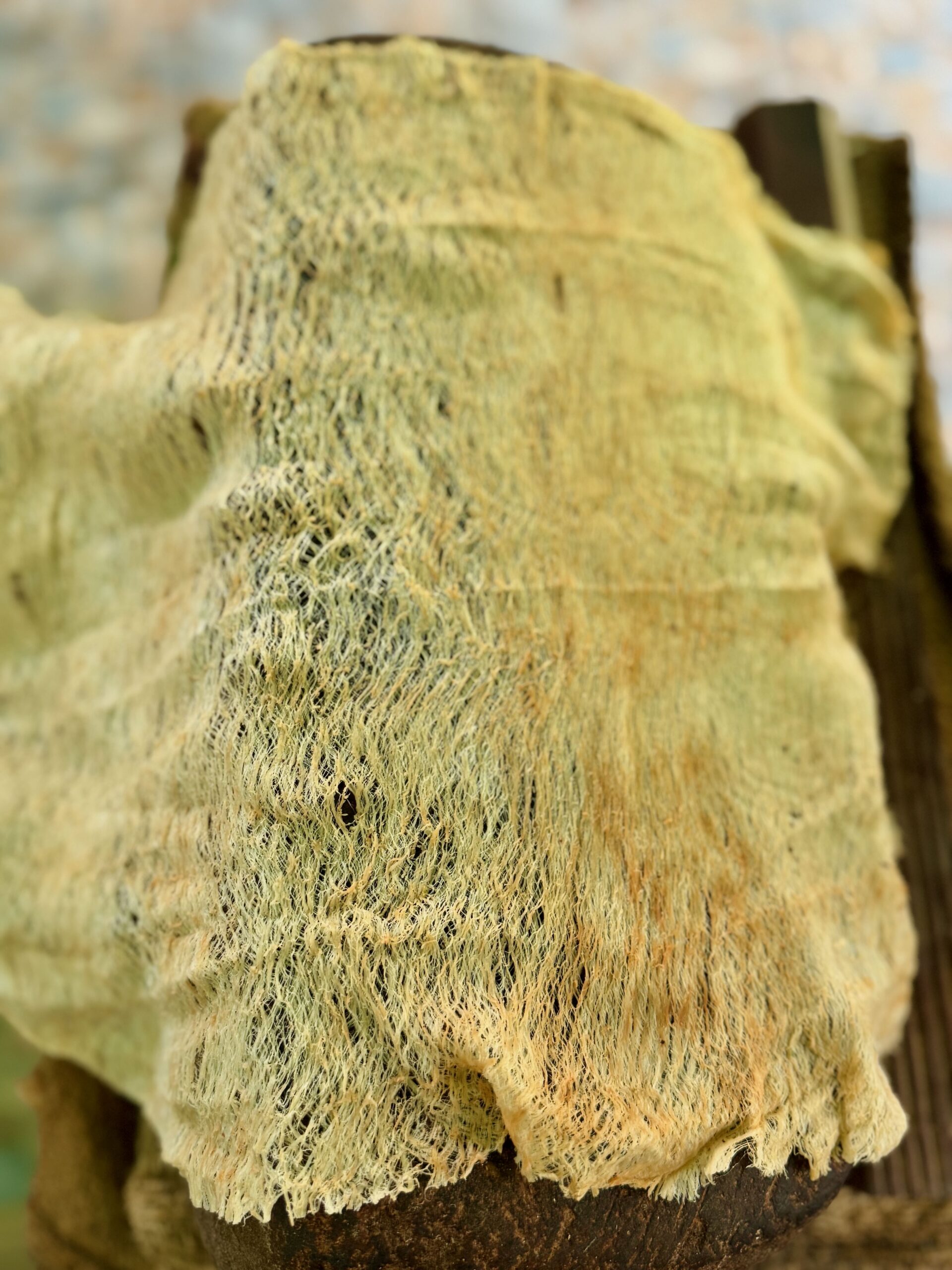
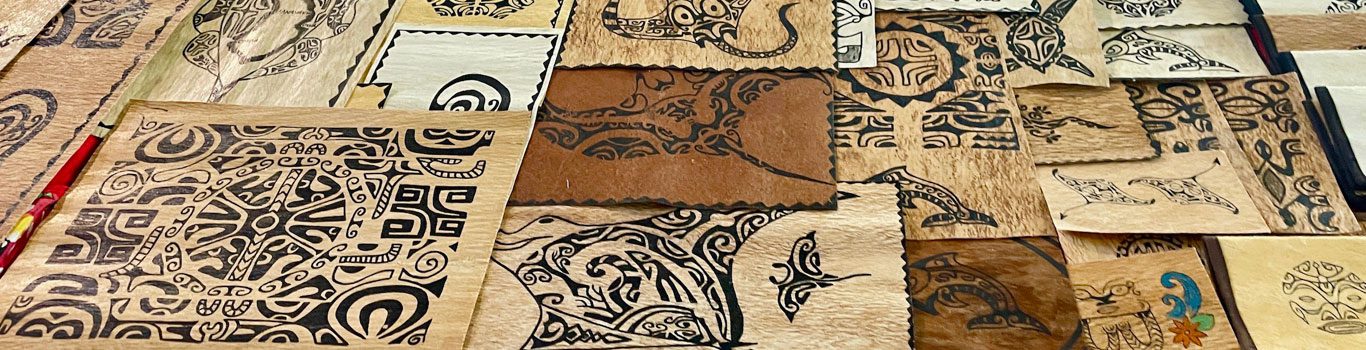
Tapa is not woven; it is beaten, made from the inner bark of the mulberry, banyan, or breadfruit tree. The process involves peeling the bark, soaking it, and beating it until the fibers fuse together into a cloth-like material.
In Omoa, we got to learn how it is done, first-hand:
Once dried, the tapa is painted with traditional Marquesan motifs—turtles, tikis, and intricate geometric patterns—using natural dyes derived from soot (candlenut), turmeric, and noni root.
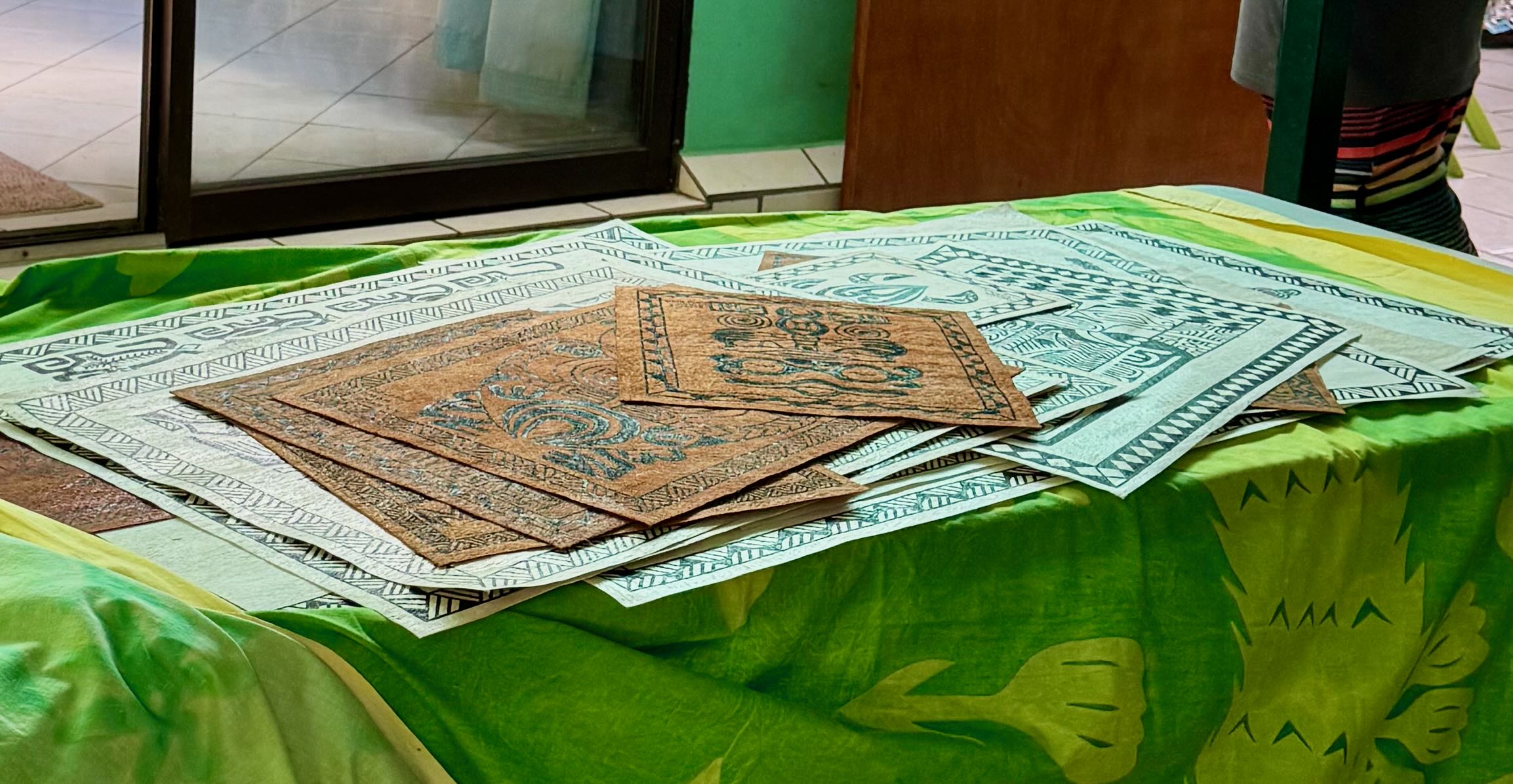
A fascinating (and exhausting) craft!
4. Village of Omoa
While Hanavave has the dramatic scenery, Omoa is the administrative center and the cultural soul. It sits in a massive, amphitheater-like valley on the southern coast.
We got to explore the Marae de OMOA sur Fatu Hiva, a nice tohua (ancient, open-air ceremonial square) with modern tikis right on the shoreline.
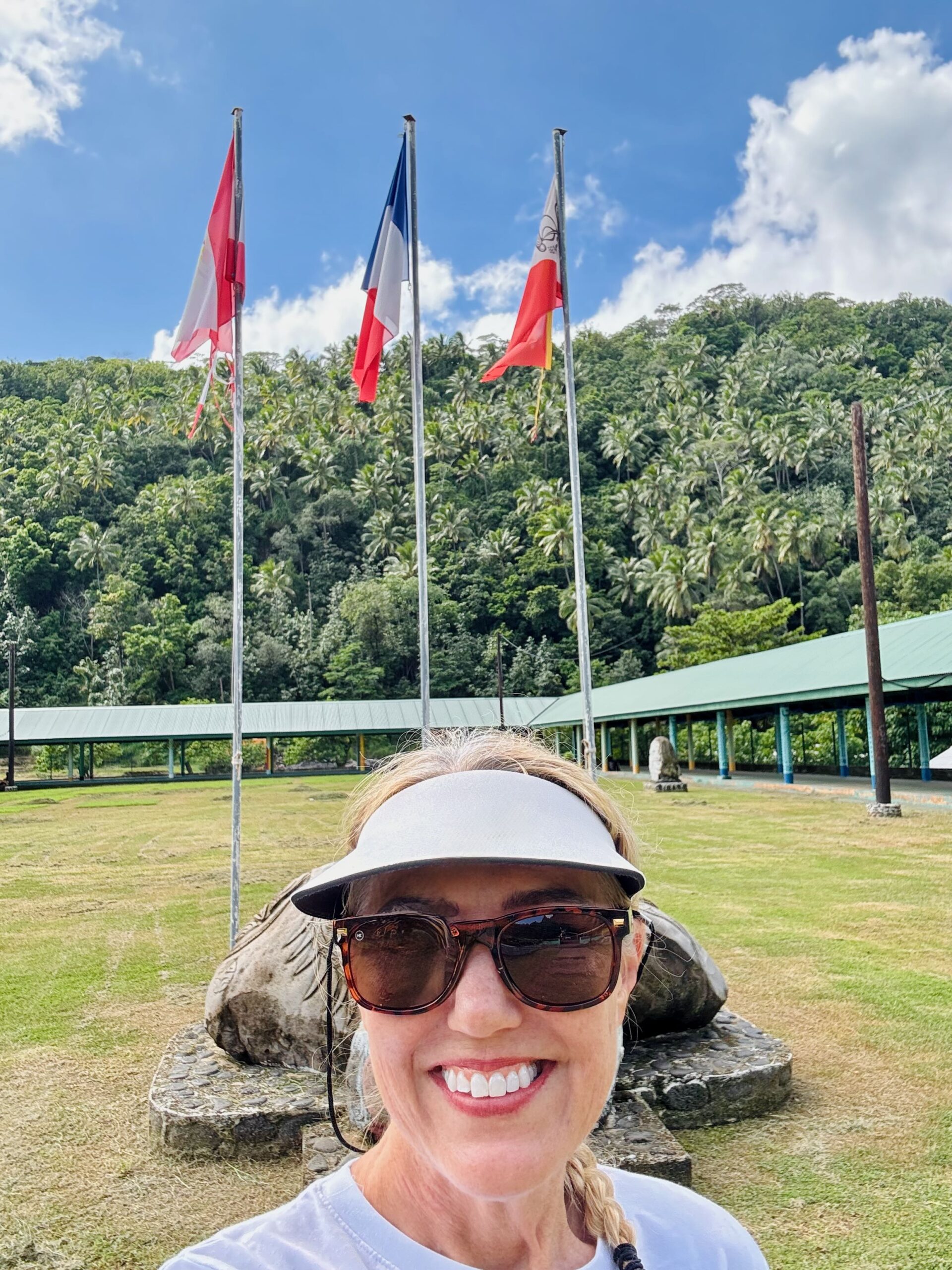
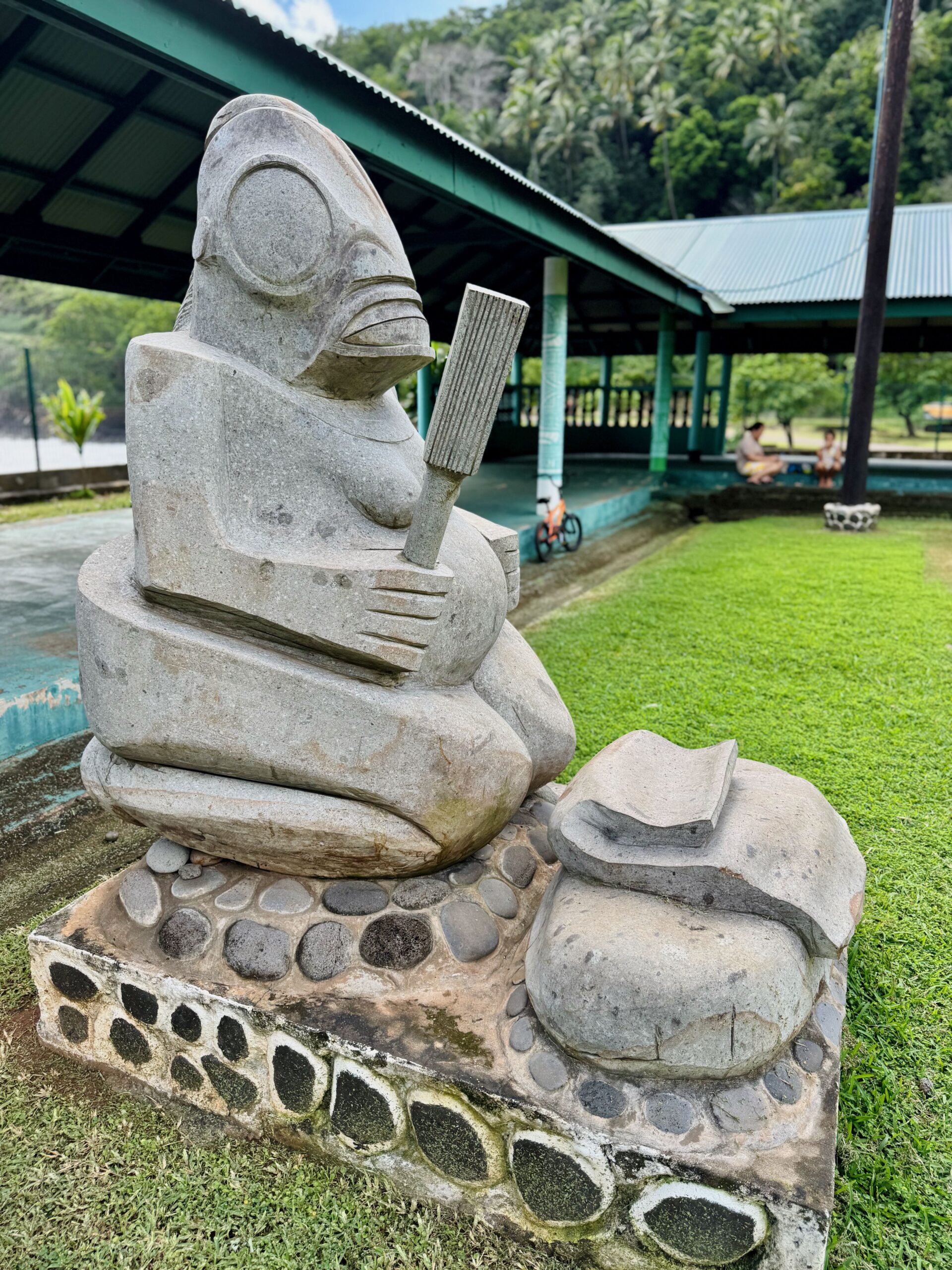
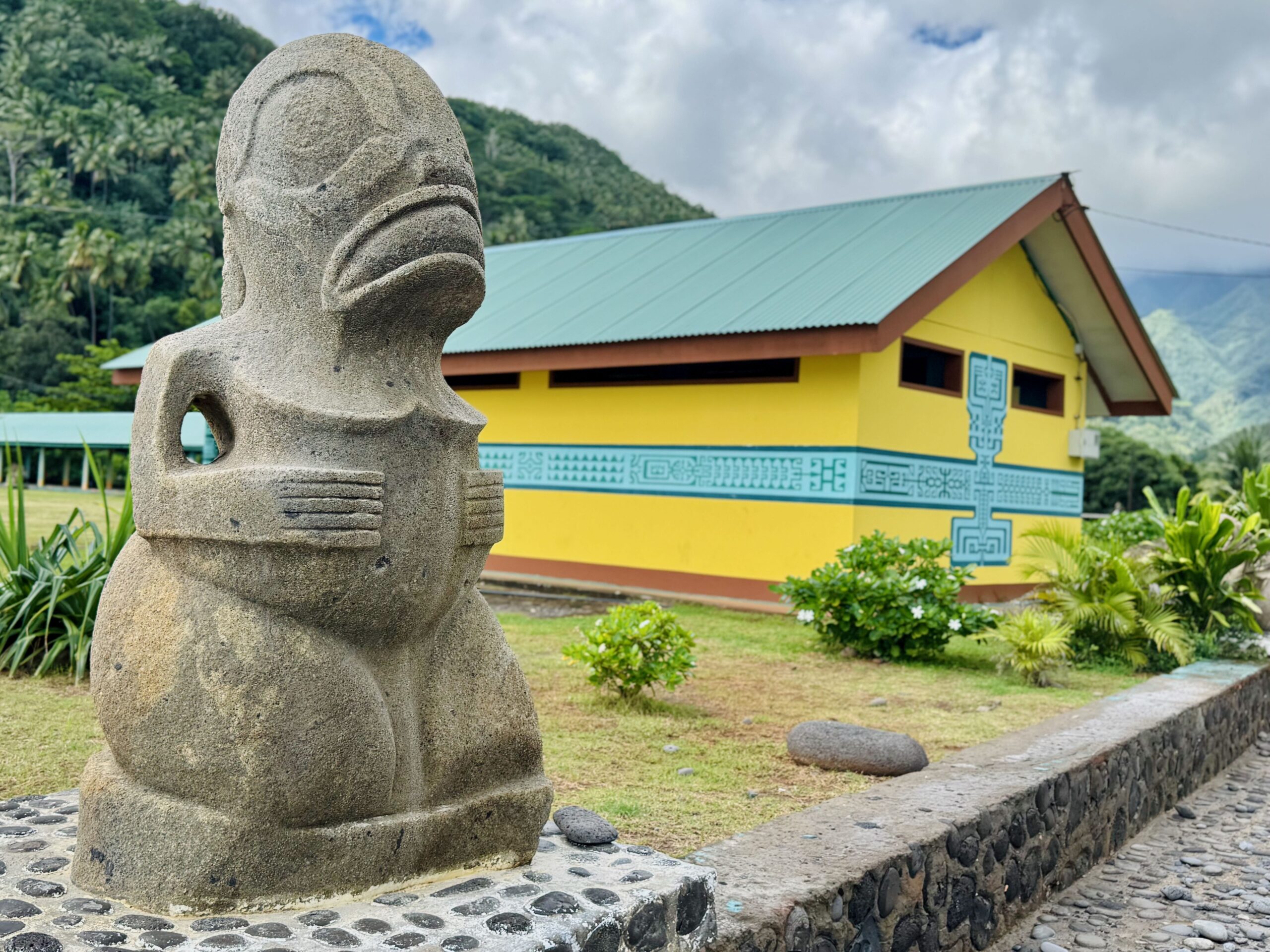
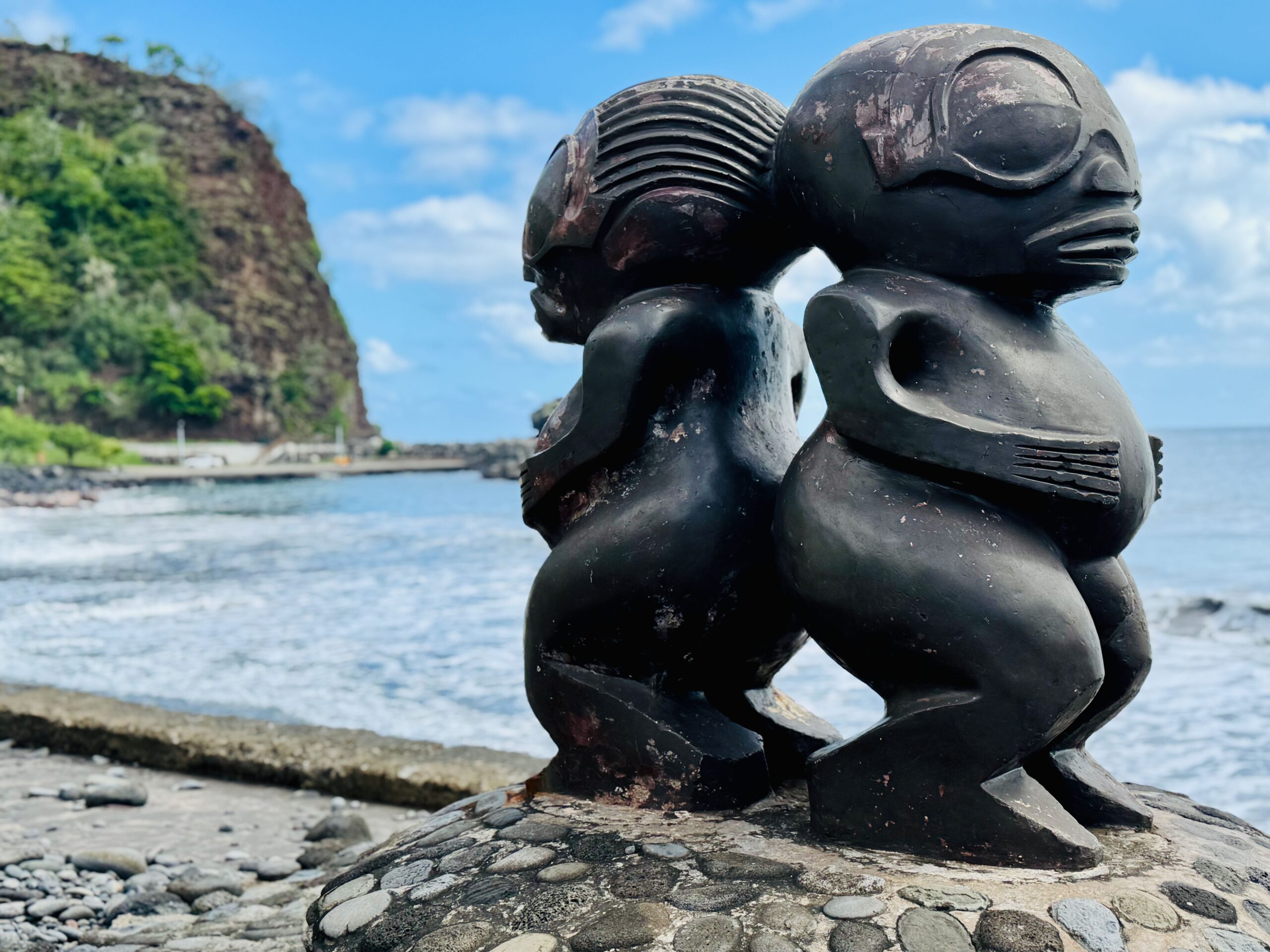
The beach at Omoa had black sand and rougher surf than Hanavave.
5. Dinner at a Local Home
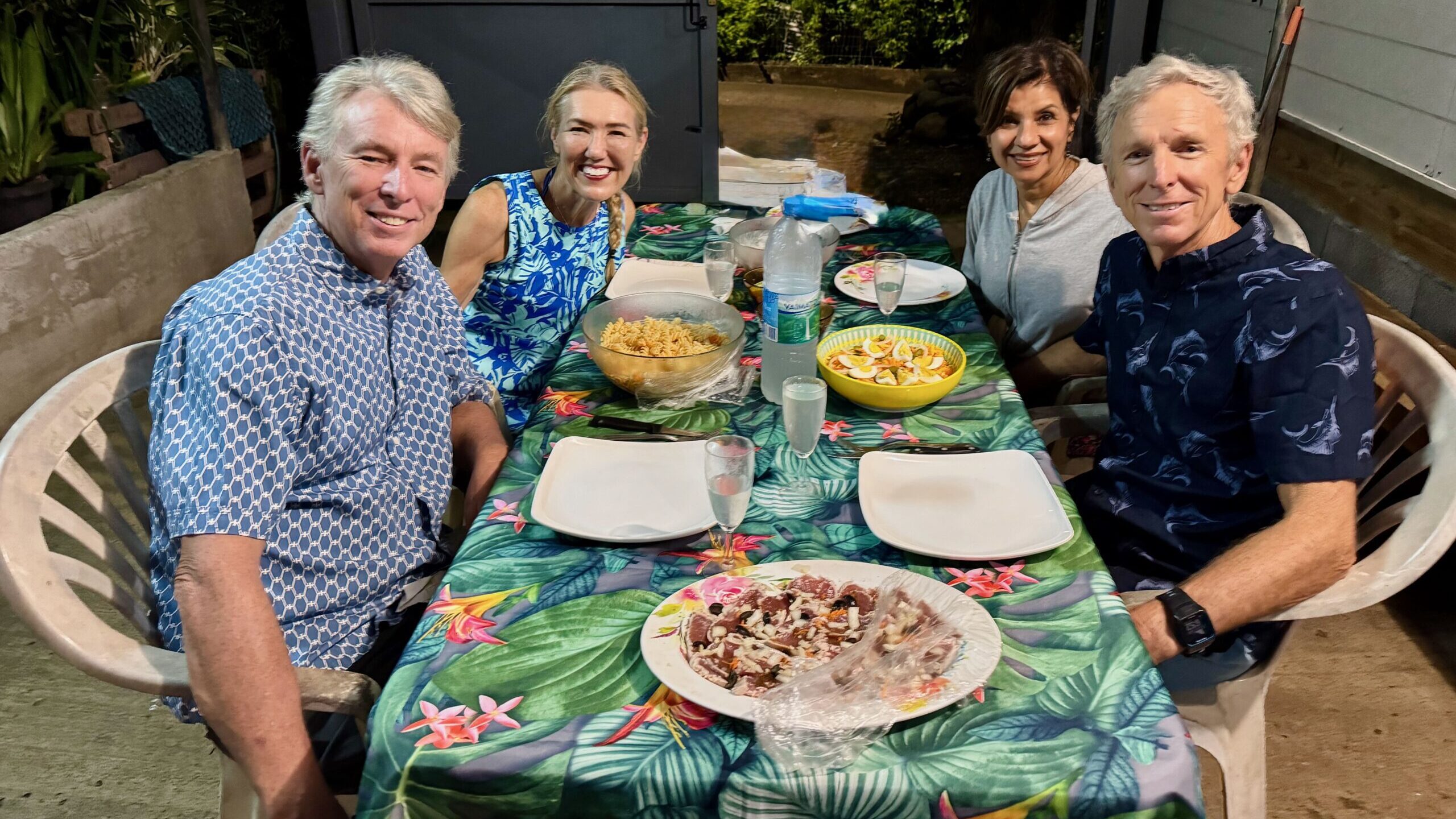
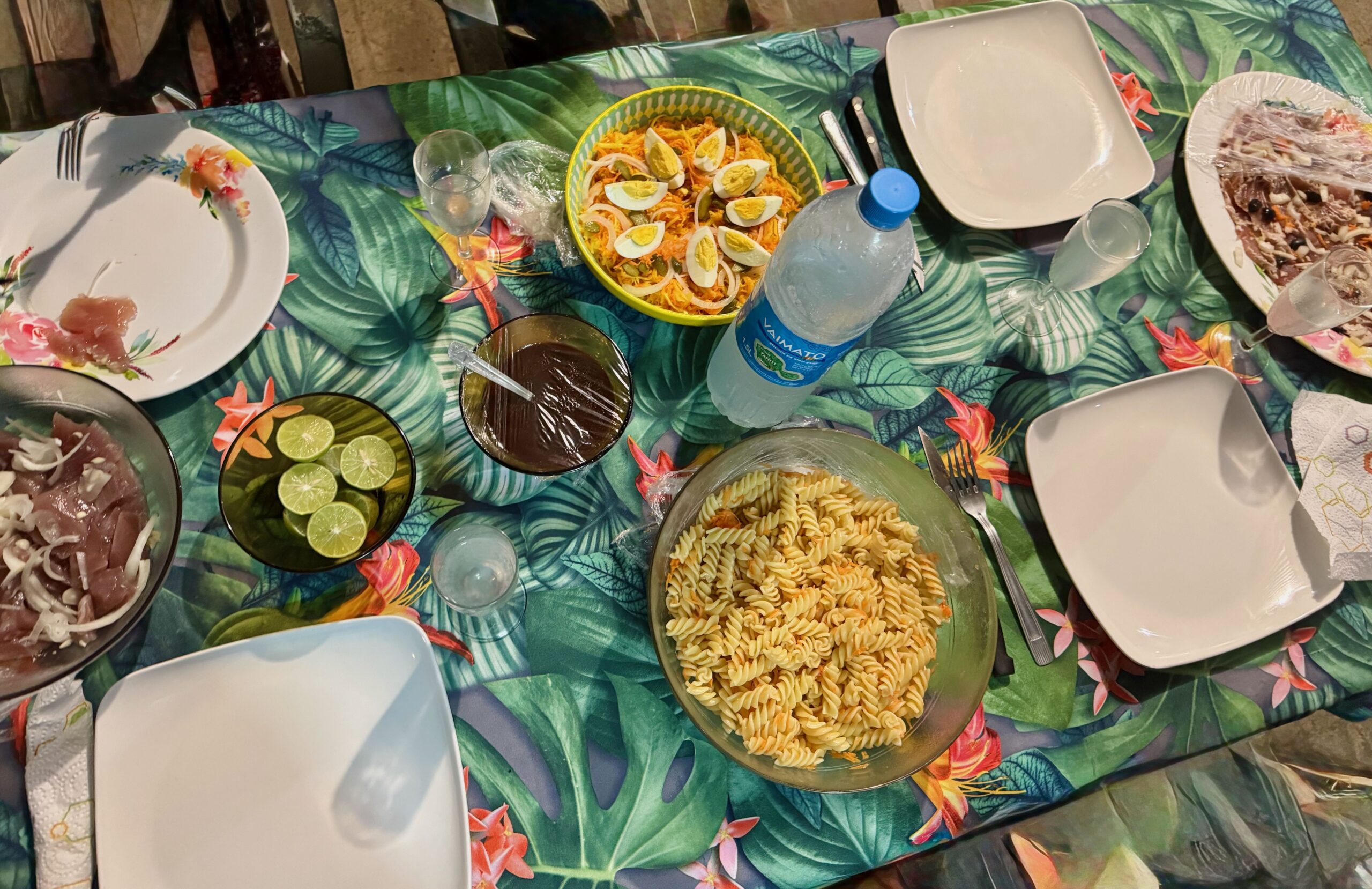
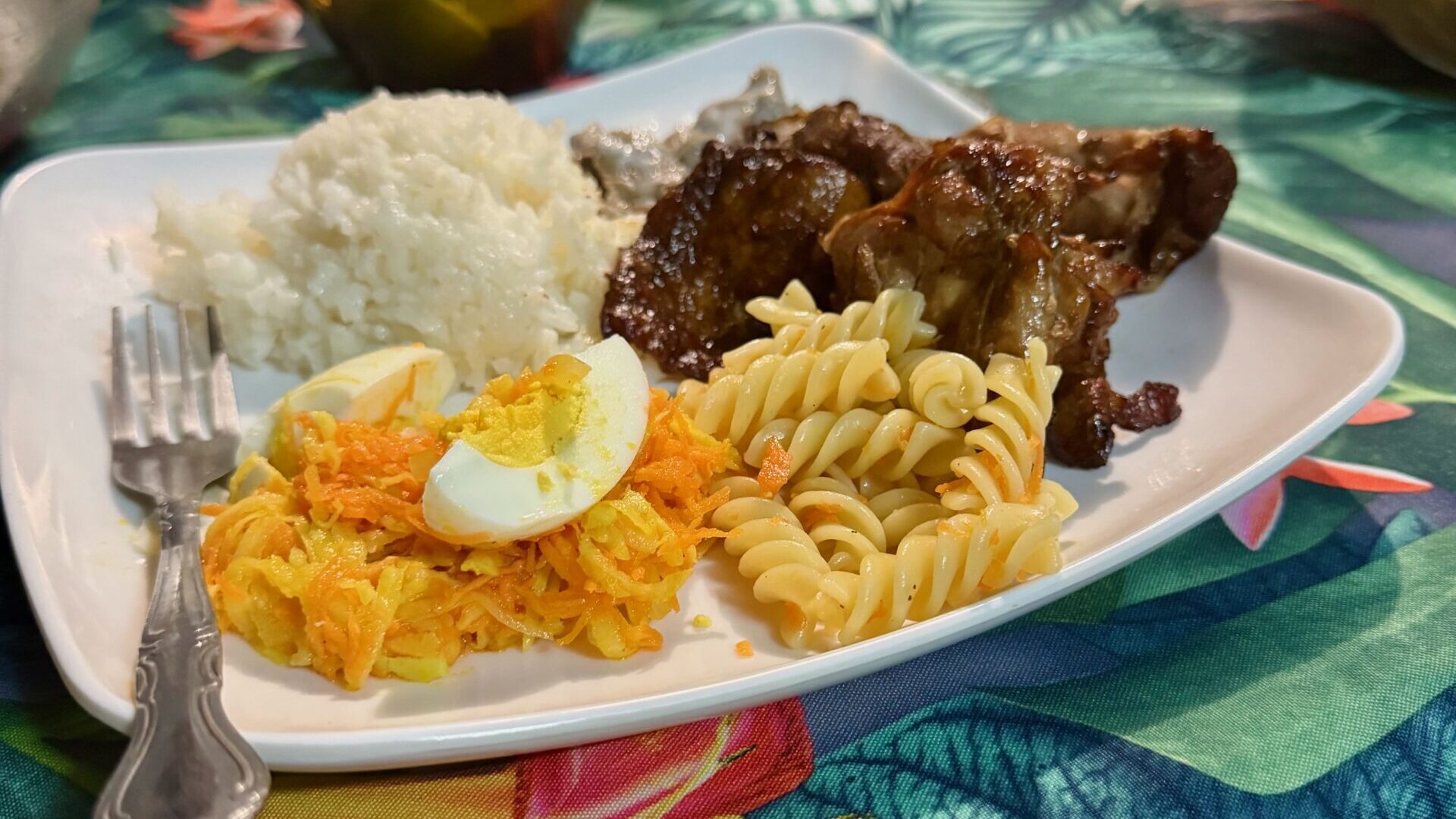
One evening, we enjoyed a lovely dinner at Poi’s home. It was fun to watch what a center of activity it was. As we ate, several neighborhood kids came and helped themselves to the meat Poi had prepared. It was a very comfortable, welcoming atmosphere.
6. Seeing How Copra is Made
Copra, the dried meat of the coconut, serves as the economic lifeblood and a cultural touchstone for the remote archipelagos of French Polynesia. Often referred to as “white gold,” copra production is more than just an agricultural industry; it is a vital mechanism that allows populations to sustain themselves where tourism infrastructure is scarce and other natural resources are non-existent. The process remains largely traditional and labor-intensive.
The cycle begins in the coconut groves, or cocoteraies, where farmers harvest mature nuts. These are split open with machetes, and the meat is left to dry on elevated wooden platforms with metal roofs to protect the harvest from frequent tropical rains.
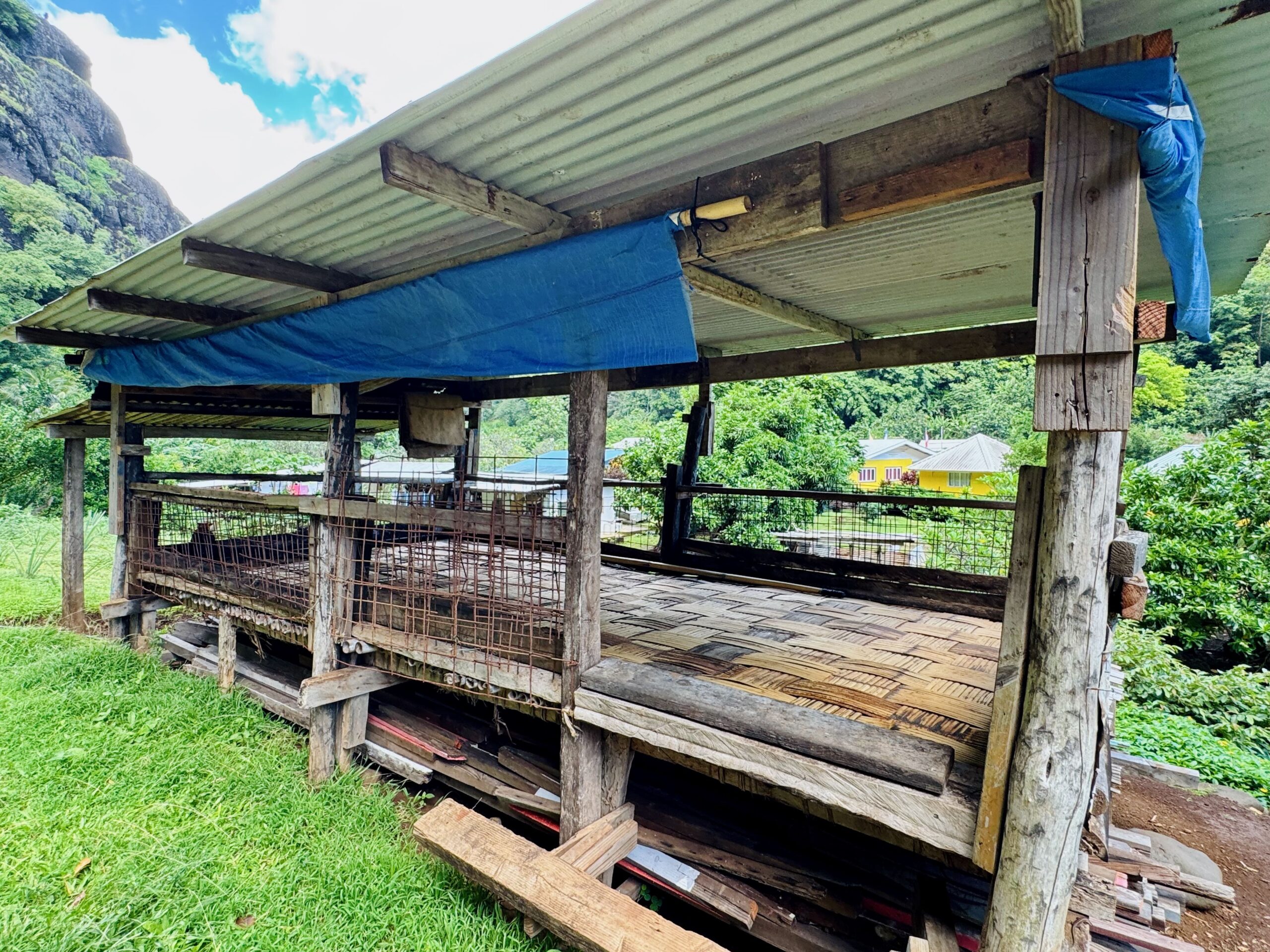
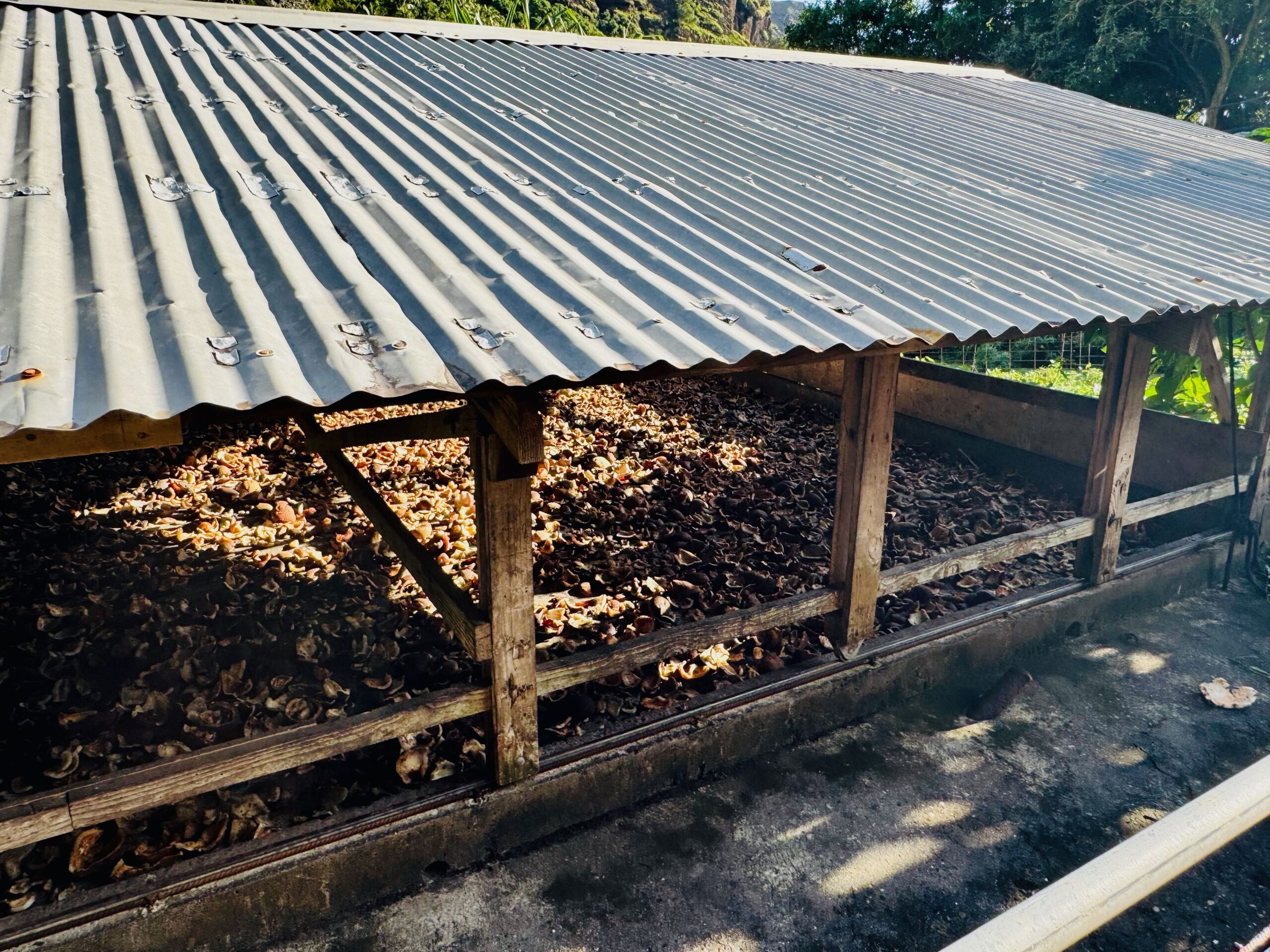
Once dried, the meat is scooped out, bagged, and shipped to the Huilerie de Tahiti in Pape’ete, Tahiti. Here, it is pressed into crude coconut oil, which is either refined for export or used as the base for the famous Monoi de Tahiti, a scented oil infused with tiare flowers.
7. The Sunsets
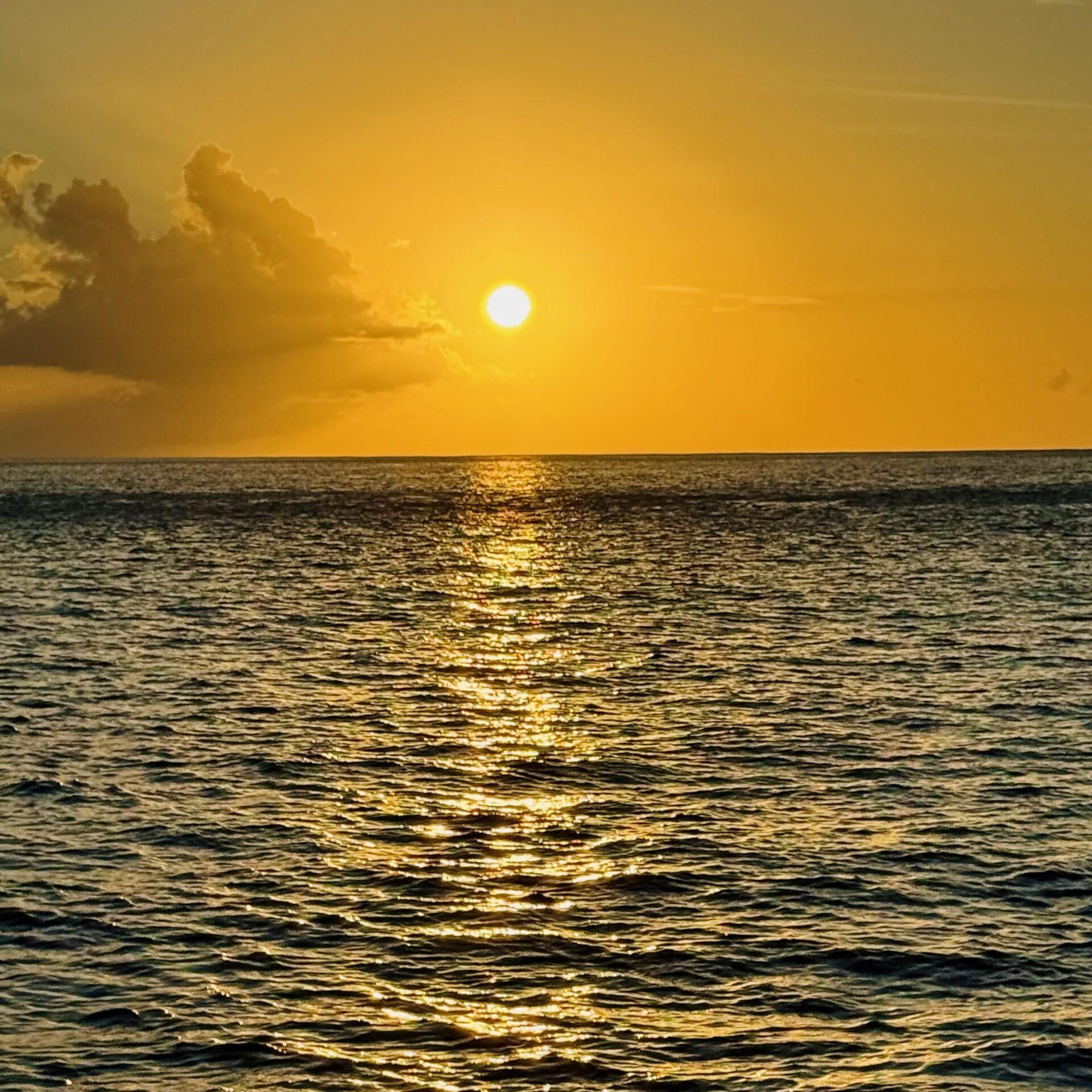
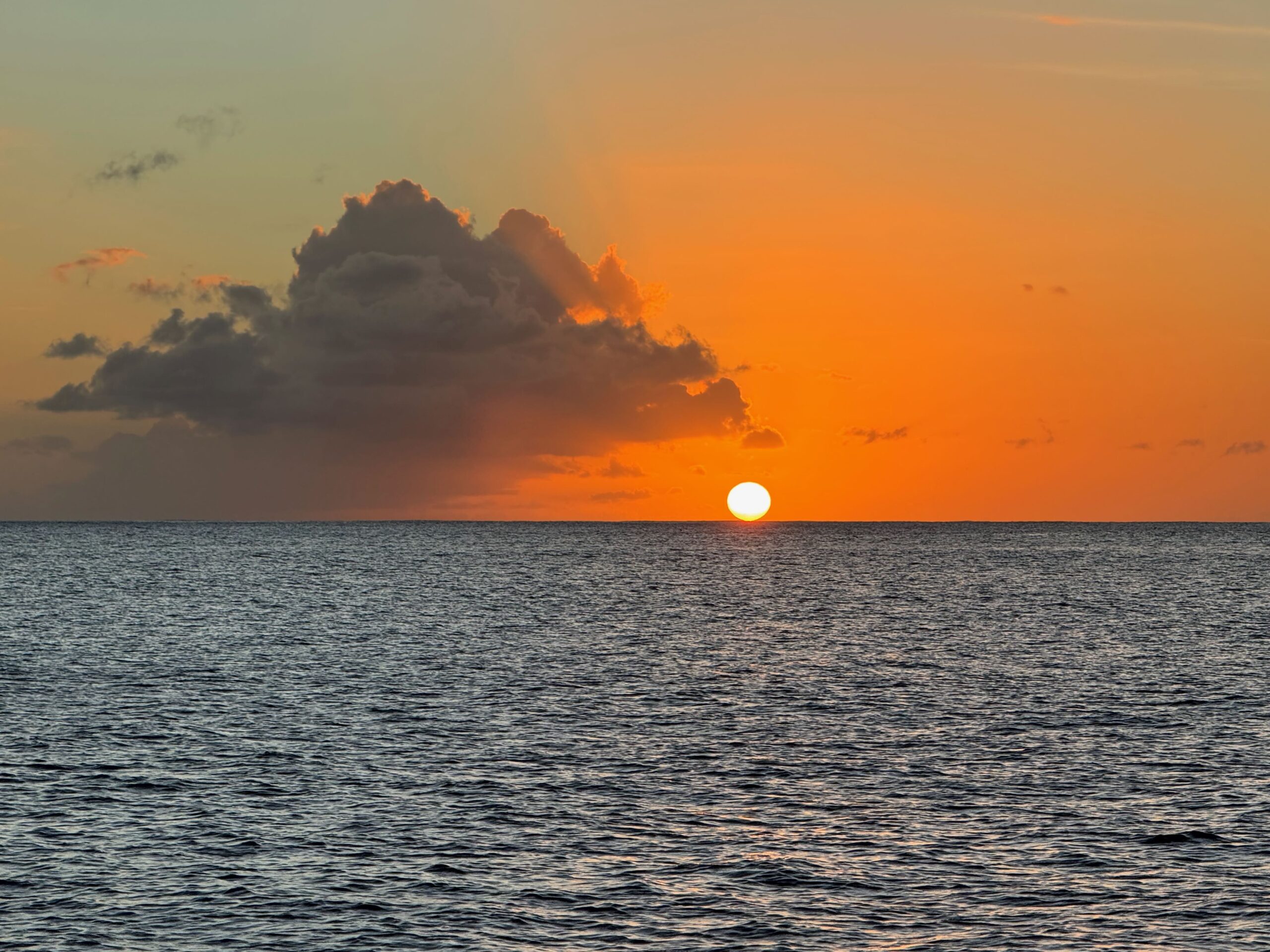
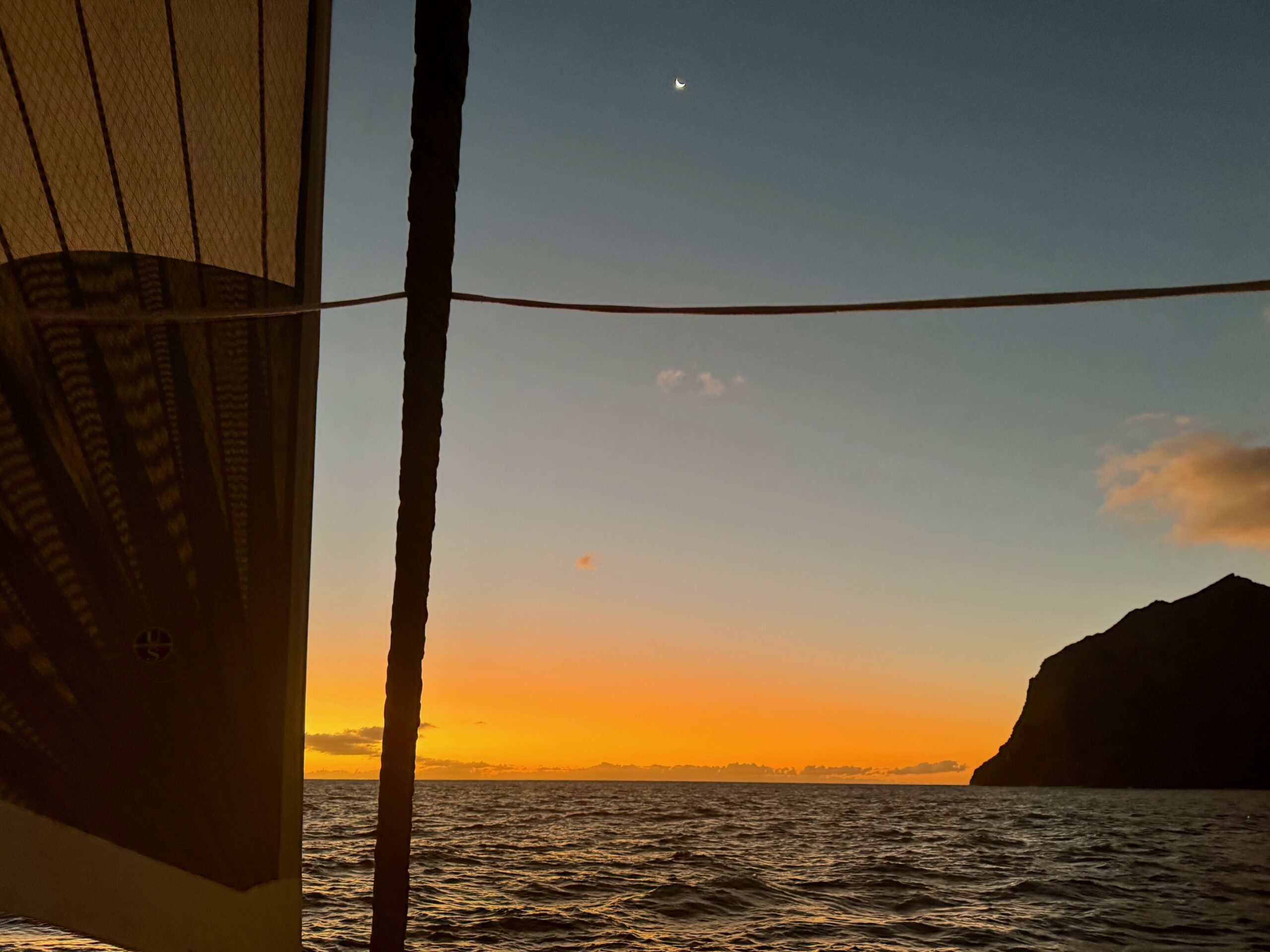
We enjoyed some amazing sunsets in the anchorage, as well as a shark feeding frenzy each evening.
Getting There
Fatu Hiva does not have an airport, relying entirely on boat access and making it one of the least-visited islands in the archipelago.
Most visitors arrive via the Aranui 5, a half-cargo, half-cruise ship. Alternatively, one can fly into Atuona on the neighboring island of Hiva Oa and arrange a transfer by local bonitier (fishing boat) or communal catamaran.
We sailed there on our own boat.
Shopping
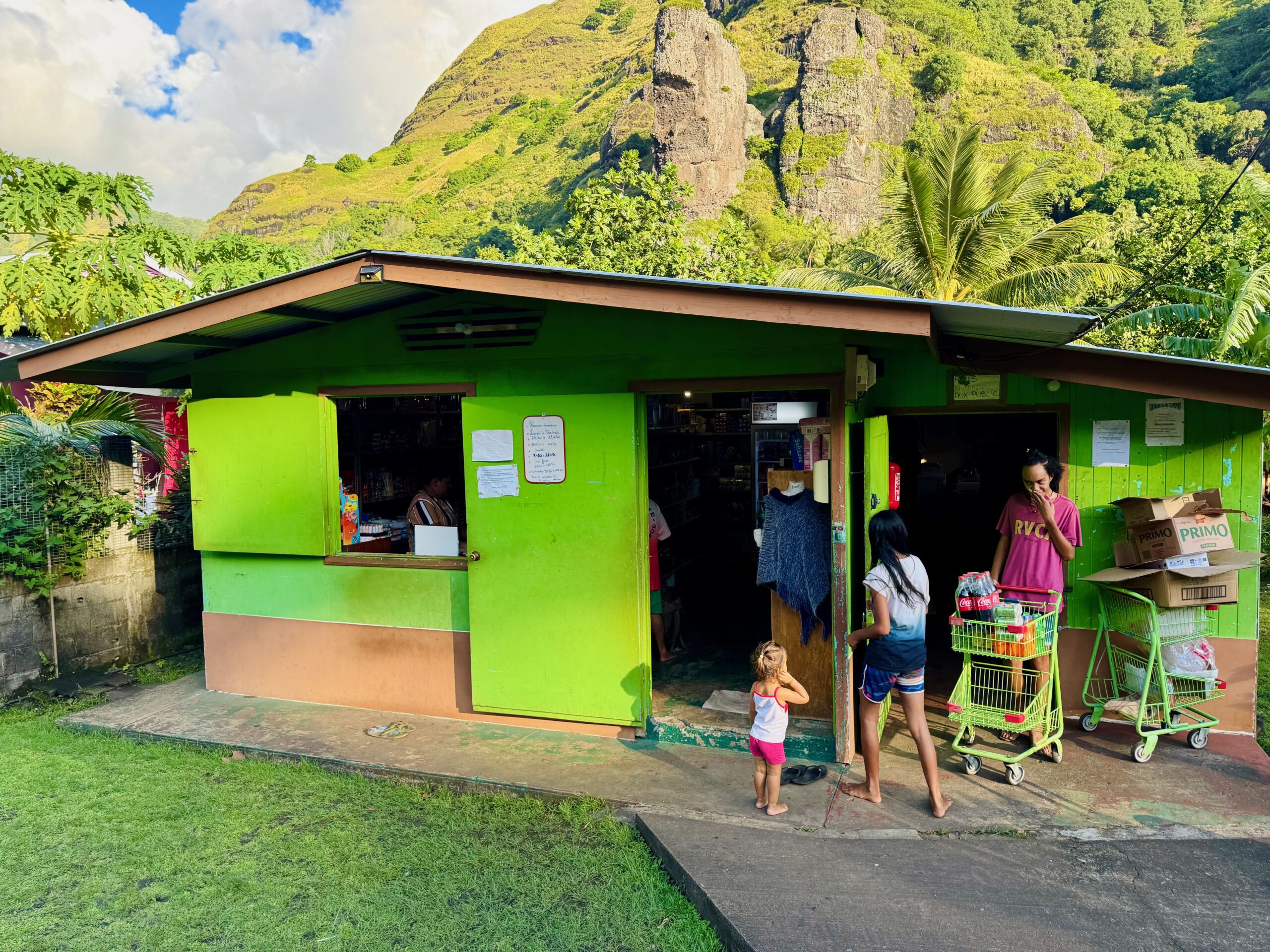
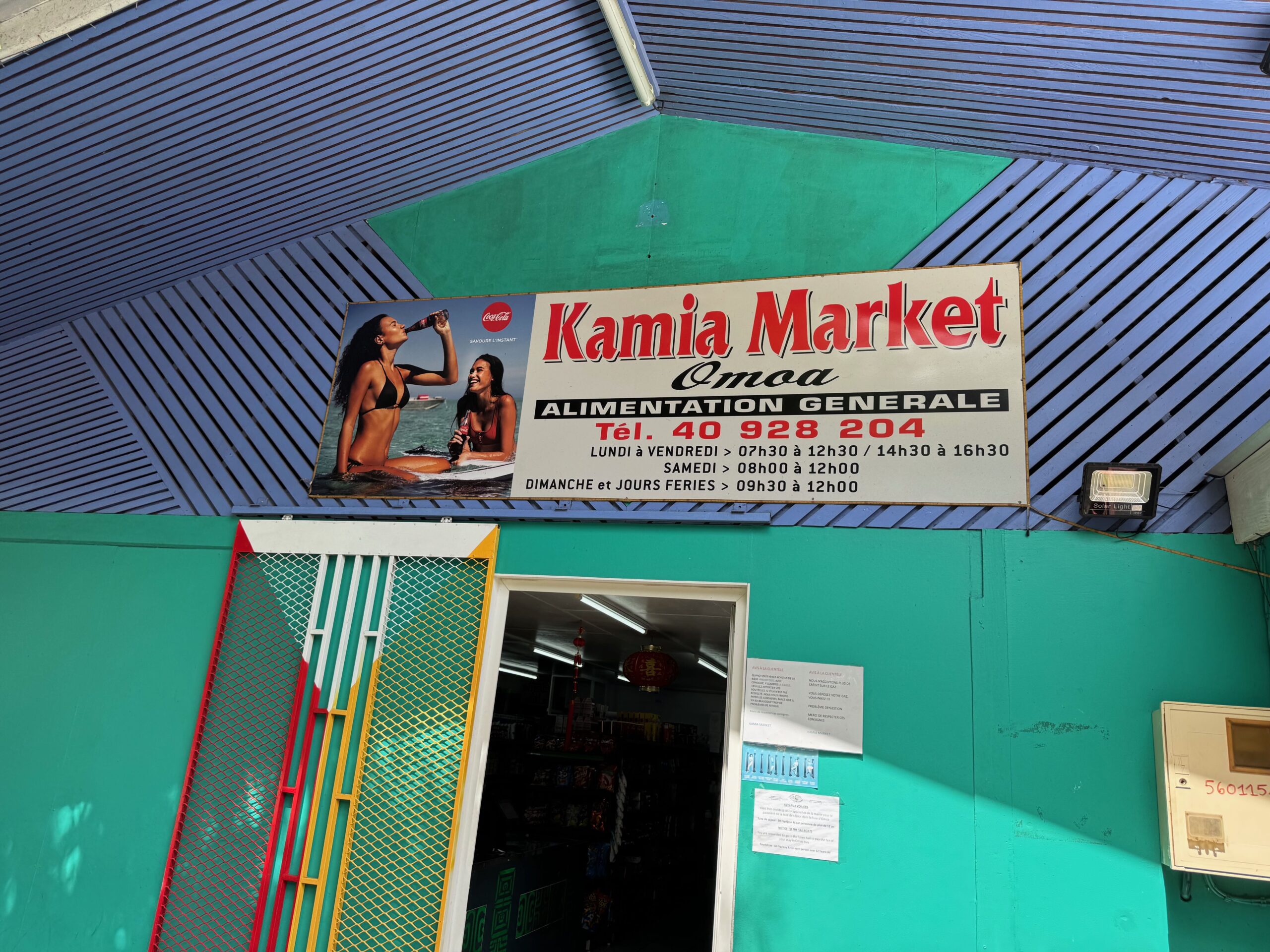
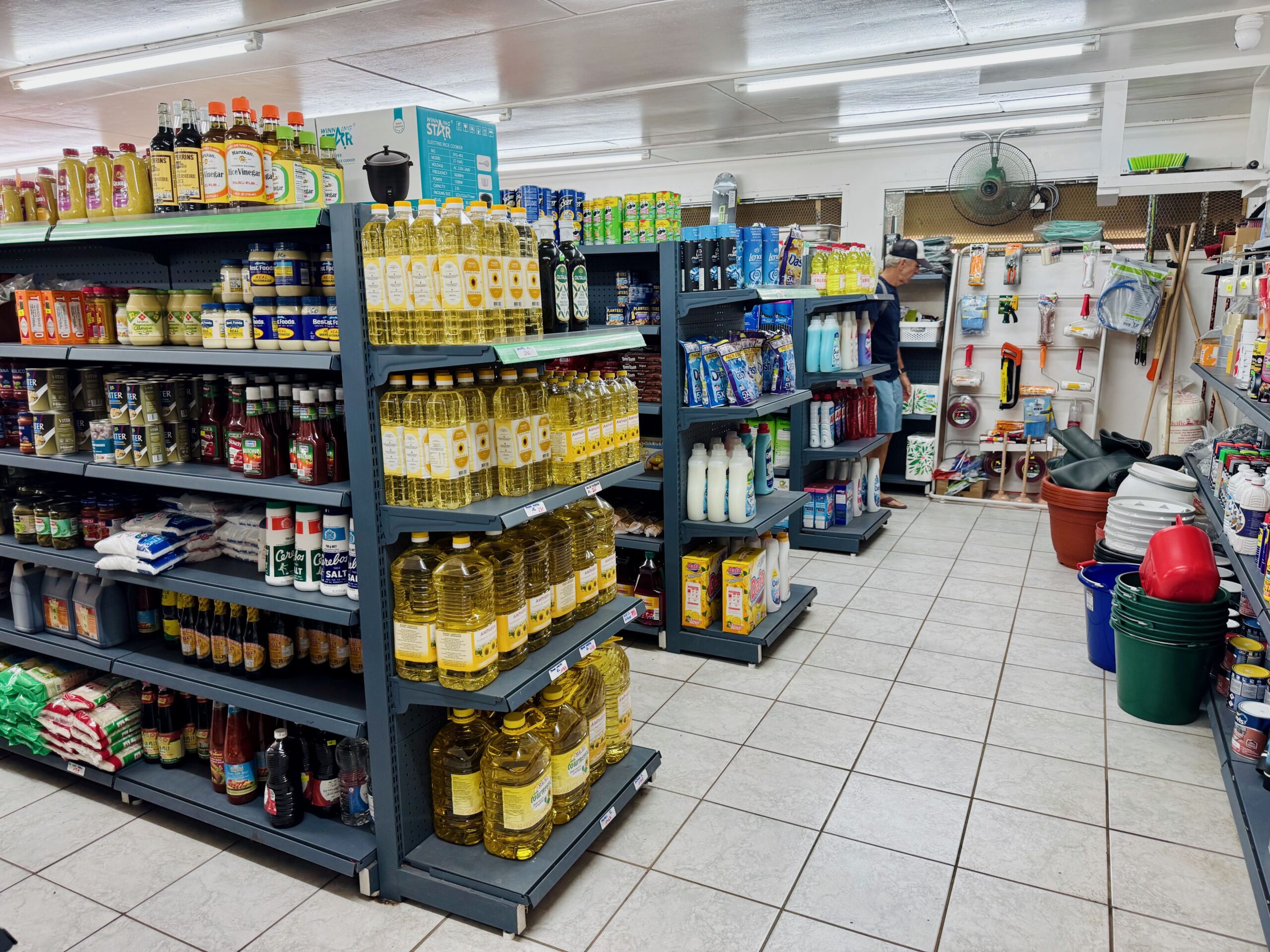
We experienced two grocery stores on Fatu Hiva: one in Hanavave and the other in Omoa. The latter was the larger of the two.
Final Thoughts
Fatu Hiva is not for everyone. It can be hot, humid, and hard to get to. But that is exactly why it remains so special.
In 1937, a young Thor Heyerdahl (famous for the Kon-Tiki expedition) came here with his wife to live “back to nature” for a year. He wrote a book about it called Fatu-Hiva: Back to Nature. While his experience was fraught with challenges, his description of the island’s savage beauty still rings true.
When you stand on the ridge between Omoa and Hanavave, looking out over the endless Pacific, you realize you are standing on one of the last true frontiers.
You can see a map of Fatu Hiva here.