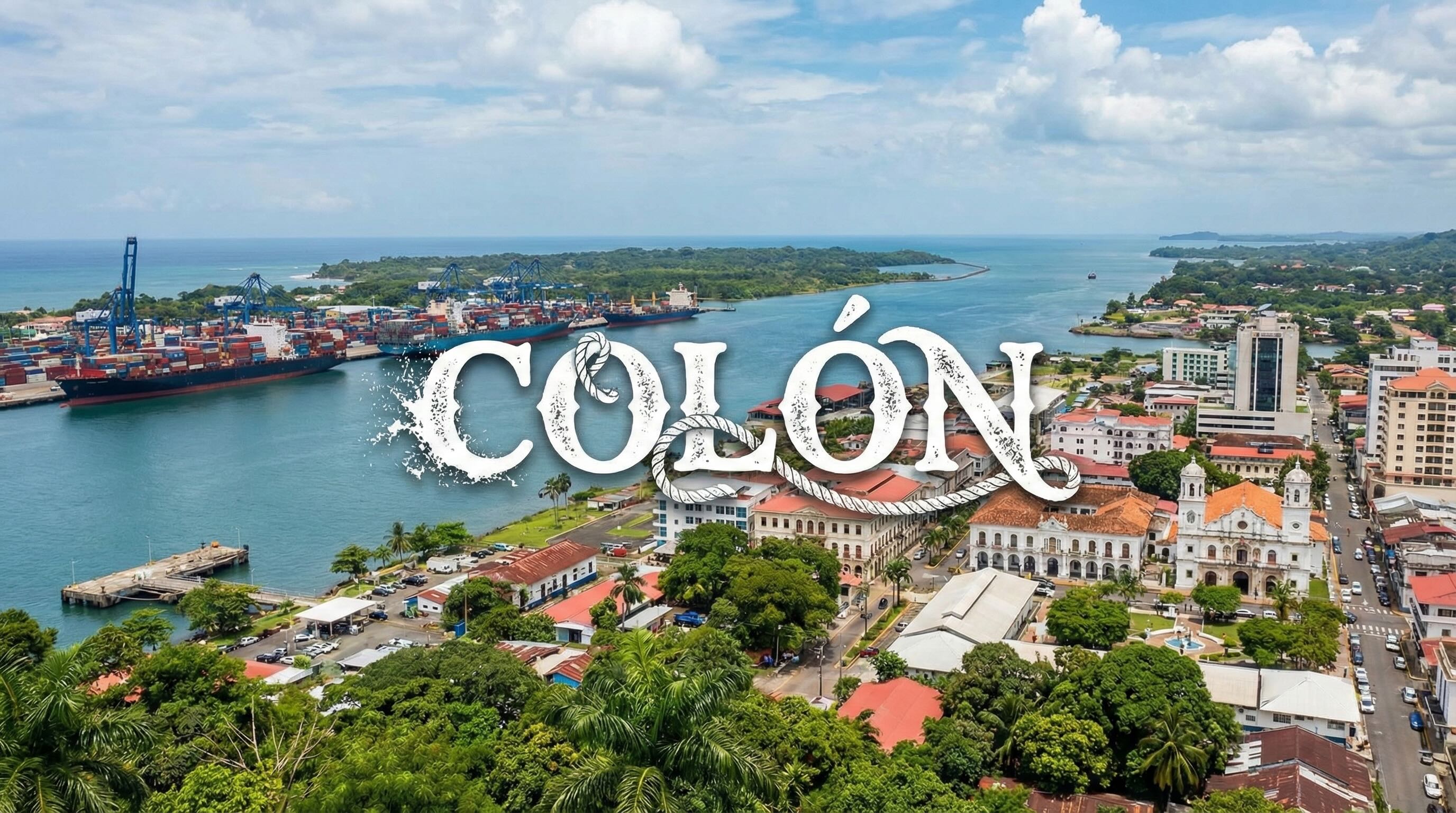
Located on the Caribbean coast of Panama, Colón was founded in 1850 during the California Gold Rush to serve as the Atlantic terminal of the Panama Railroad. Today, it stands as the gateway to and from Panama’s Caribbean side.
Most people we know who have ventured to Colón did so to transit the Panama Canal, which is why we were there. We docked at Shelter Bay Marina, a peaceful little marina.
After a seven-day passage from Bonaire, our catamaran limped into the marina on one engine. As we approached the marina, Roy contacted the dockmaster, as usual. He told the man about our engine trouble, and as we entered the marina, the man was frantically running down the dock. At the same time, we noticed that every boat in this section of the marina had people on the decks with roving fenders in anticipation of our arrival. It was a really funny sight. Roy easily slid up to the t-head, and we tied off. Easy peasy. I guess we must have panicked the dockmaster unnecessarily, but it served as a humorous first impression of Panama.
Now on to our time there.
Safety
I don’t usually start with a safety precaution, but sadly, crime defines the city of Colón.
The downtown area of Colón city struggles with high crime rates and urban decay. Travel authorities sternly advise tourists to avoid walking through the city center, especially at night. They recommend people to use Colón primarily as a transit hub, not a tourism destination.
A few weeks earlier, we had met a cruiser in Grenada who had been to Colón and had not heeded this warning. He described it as the most terrifyingly dangerous place he had ever been to. That stuck with us.
Top 5 Things We Loved About Colón
1. San Lorenzo National Park
The Colón province is blanketed by some of the most accessible and biodiverse rainforests in Central America. These protected areas are crucial not only for global biodiversity but also for maintaining the watershed that feeds the Panama Canal.
Covering 14,000-acres, San Lorenzo National Park is a biodiversity hotspot featuring howler monkeys, coatis, exotic birds, and worker ants. There’s a small section of it that adjoins Shelter Bay Marina, so marina guests have easy access to it.
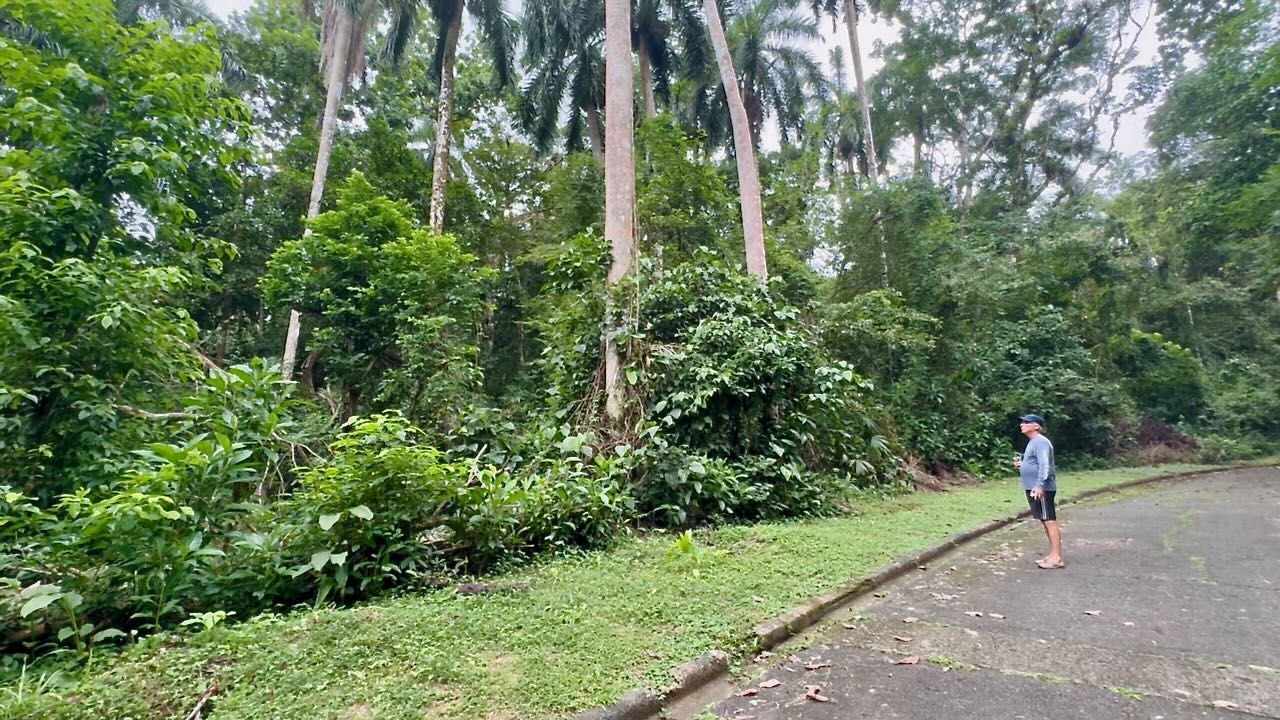
The first animals we saw were coatis. I had never seen them before.
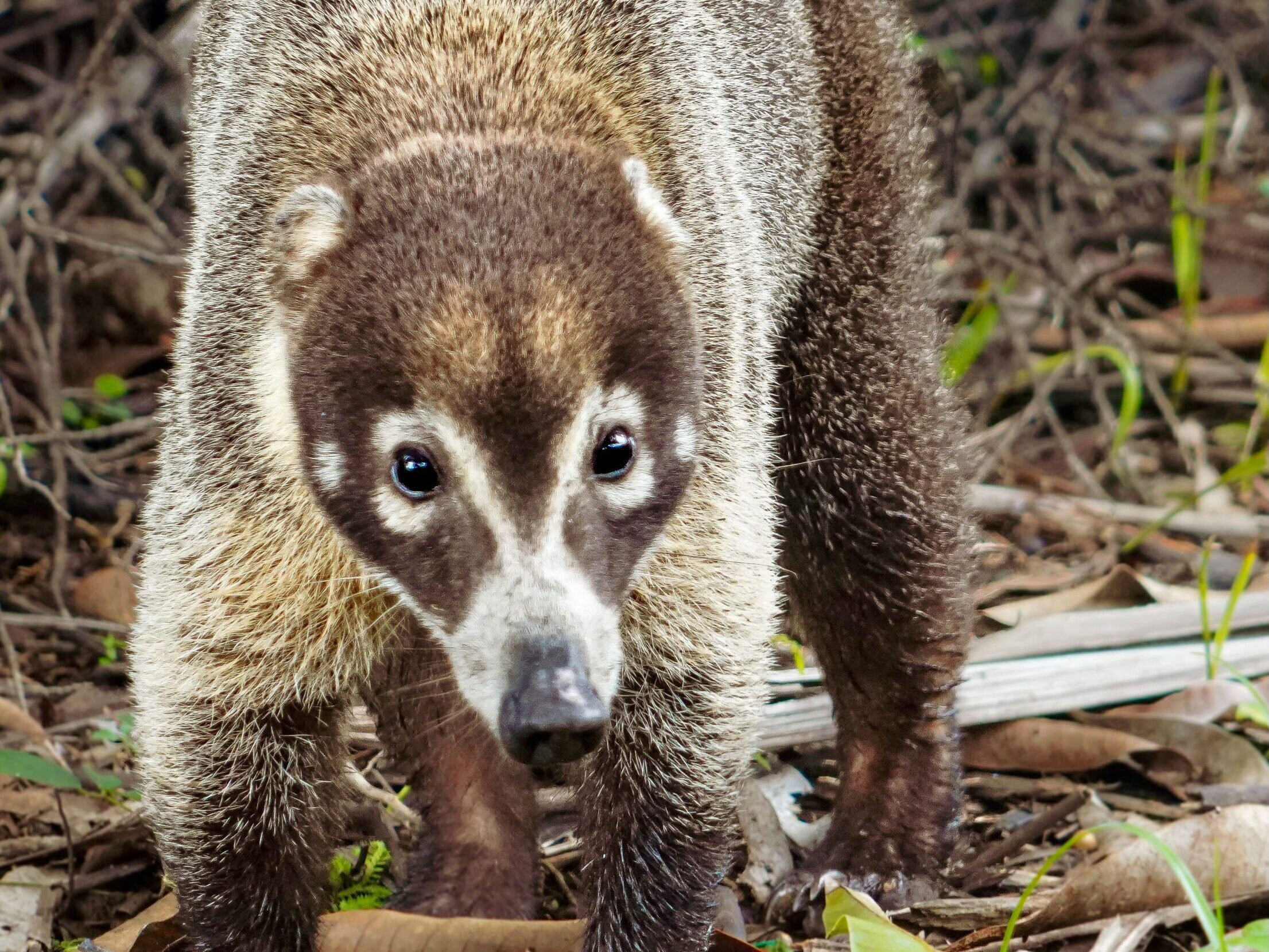
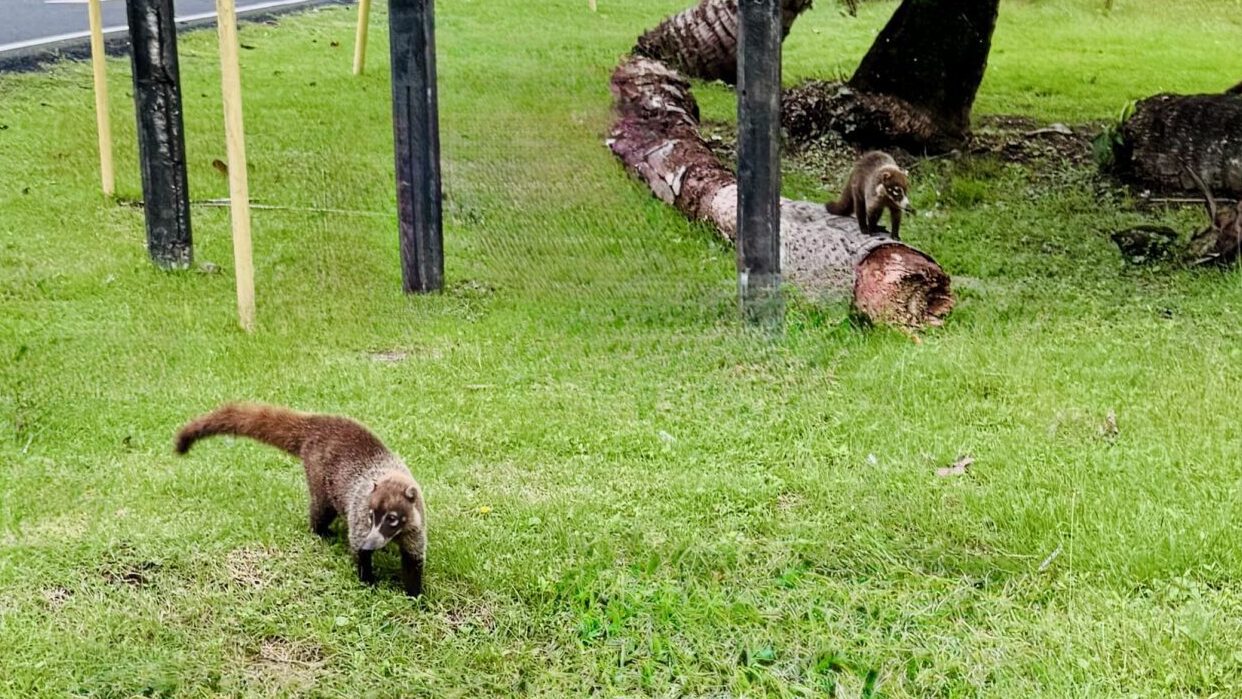
Coatis are diurnal mammals belonging to the raccoon family and are native to the Americas. Characterized by their long, flexible snouts and faintly ringed tails that are often held erect, they are highly adaptable omnivores. While adult males are typically solitary, females and their young forage together in large, active, and noisy bands.
There were a lot of them.
The animals we wanted to experience the most were the howler monkeys. We never did see them, but we heard them frequently, especially at dusk.
Click unmute to hear the howler monkeys:
We did see Capuchin monkeys, though, usually swinging through the trees.
One day, I was walking down the trail and a Capuchin started crossing my path. We must have surprised each other because we both froze in our tracks. Eventually it moved on, but we had a private moment together, eyes locked.
Next, we noticed the worker ants. We really had to watch our step because it would be easy to squash an entire section of their cheerful brigade.
We heard a lot of birds in the trees but didn’t usually see them. We did see these vultures frequently, though, fanning their wings.
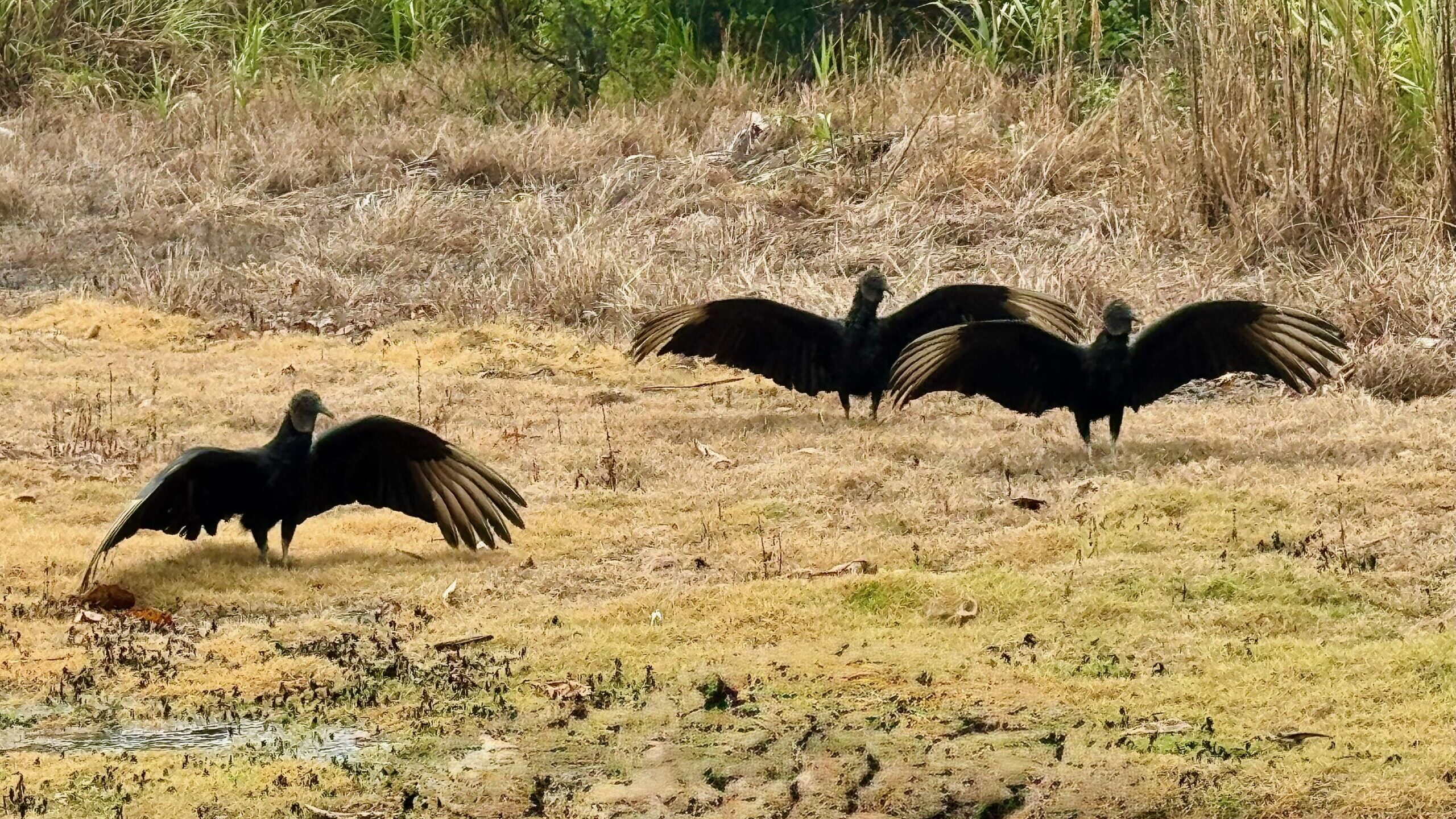
A behavior known as the “horaltic pose,” vultures primarily fan their wings to dry their feathers, regulate body temperature, and sanitize themselves using solar radiation. This sunbathing posture helps them warm up after cold nights, dry off after rain or feeding, and kill bacteria or parasites on their feathers.
We especially enjoyed walking through this small slice of the national park in the early morning or at around dusk, when the animals are most active.
2. Fort Sherman
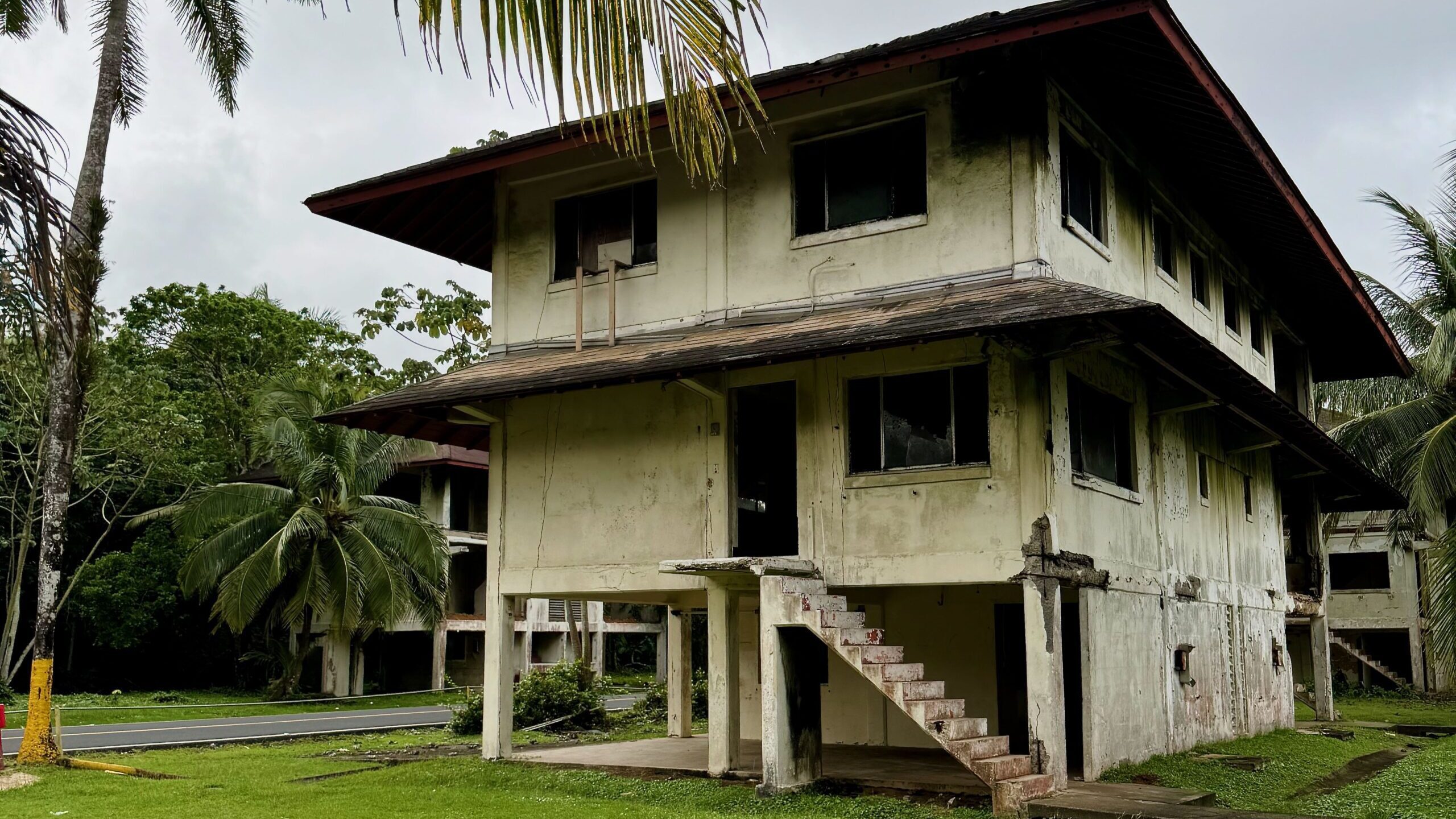
This abandoned fort is just a few minute’s walk from the marina.
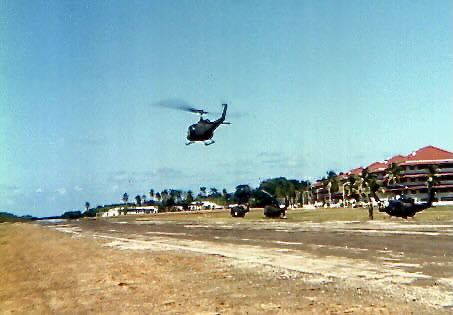
Established in 1911 as the primary United States defensive base for the Panama Canal’s northern sector, it is best known for housing the U.S. Army’s Jungle Operations Training Center, where soldiers learned to navigate dense, unforgiving tropical terrain.
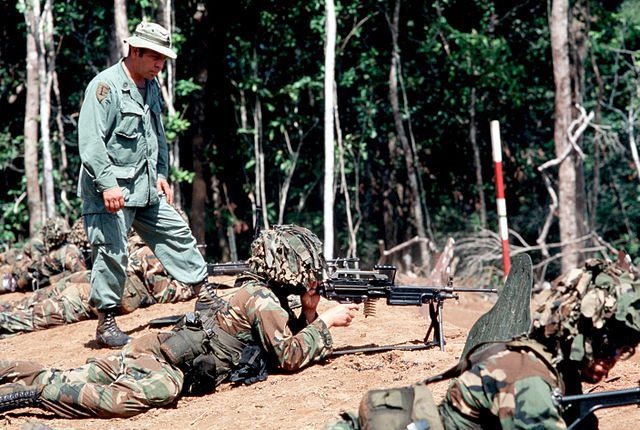
In 1999, following the Torrijos-Carter Treaties, the fort was handed over to the Panamanian government.
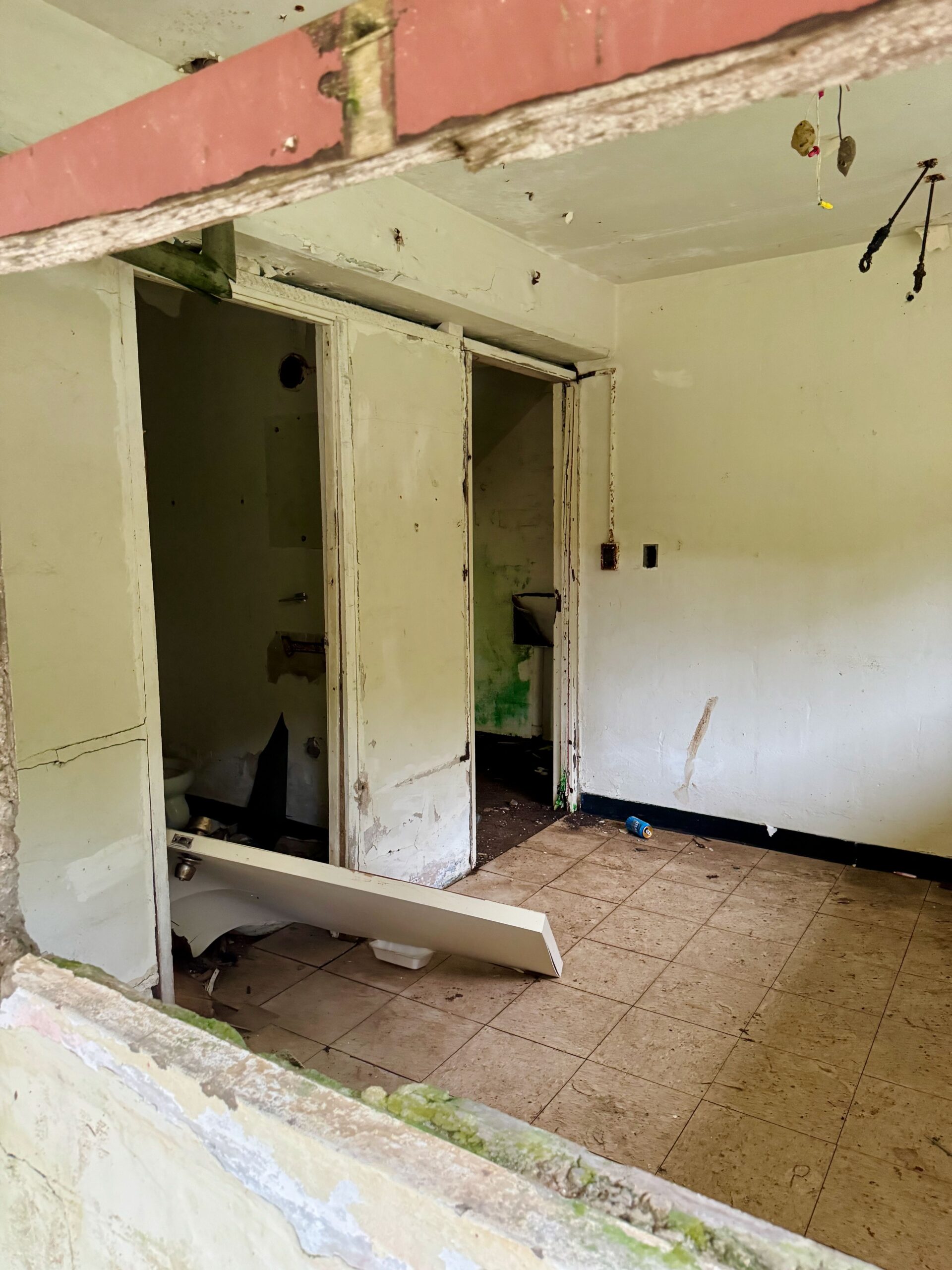
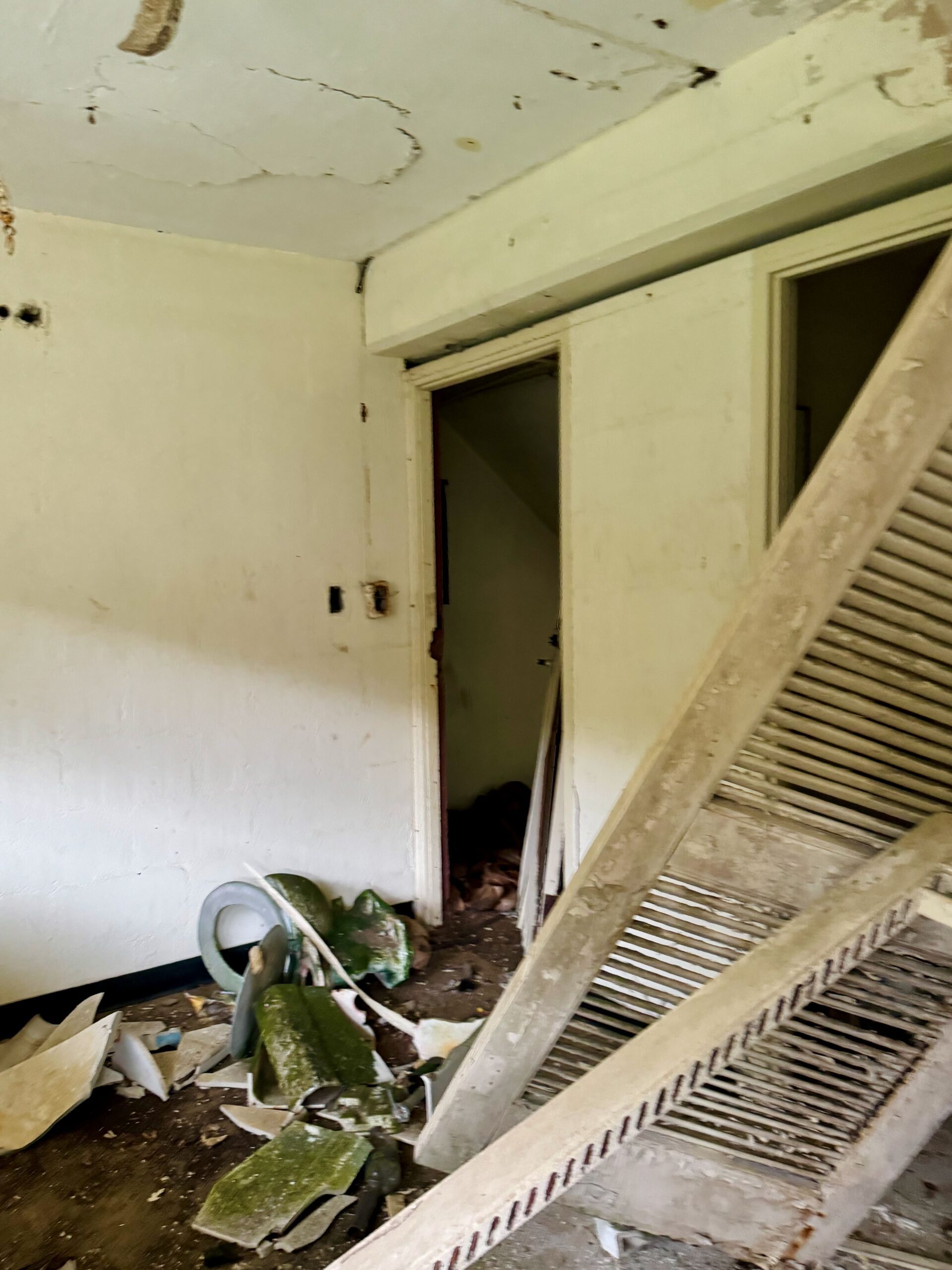
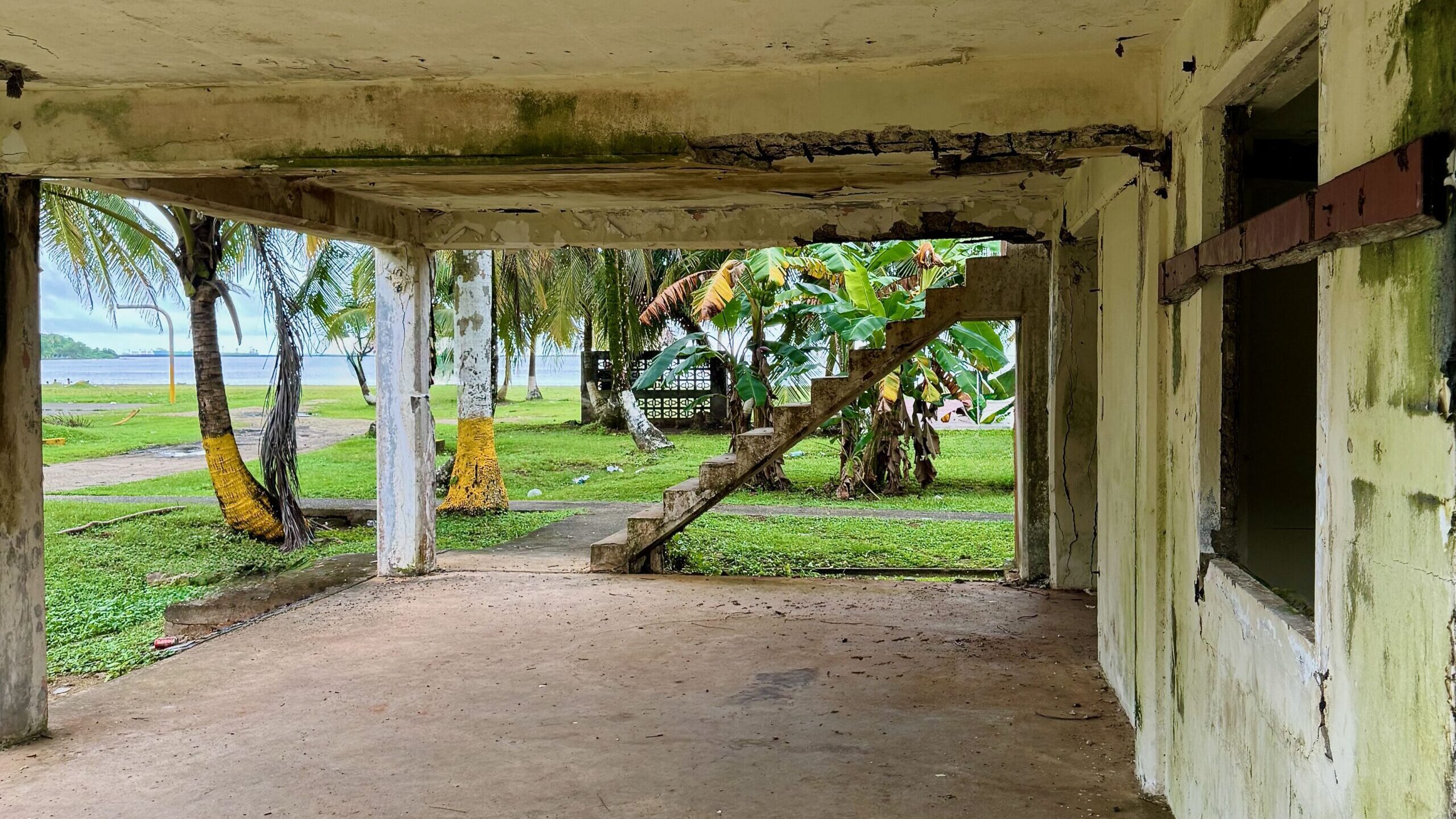
Today, the expansive site is a compelling blend of decaying concrete military batteries and rapidly encroaching rainforest. Due to obvious safety reasons, we did most of our peaking through outside windows. It was fun picturing this fort during its heyday.
Then:
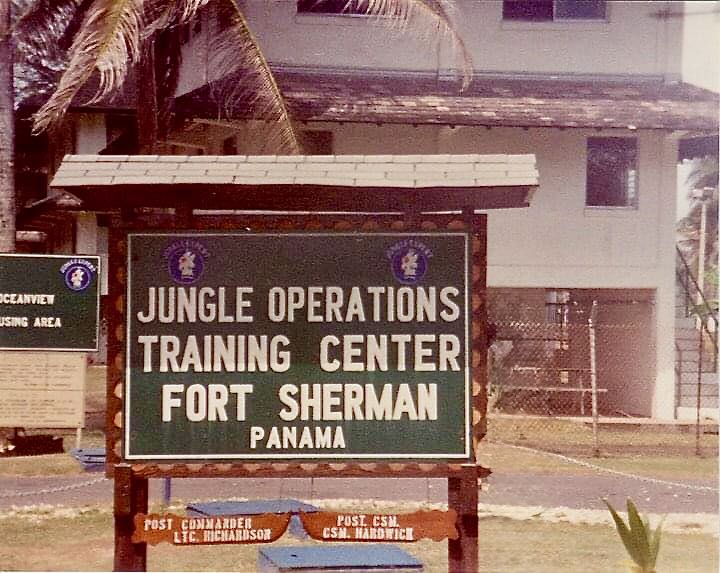
Now:
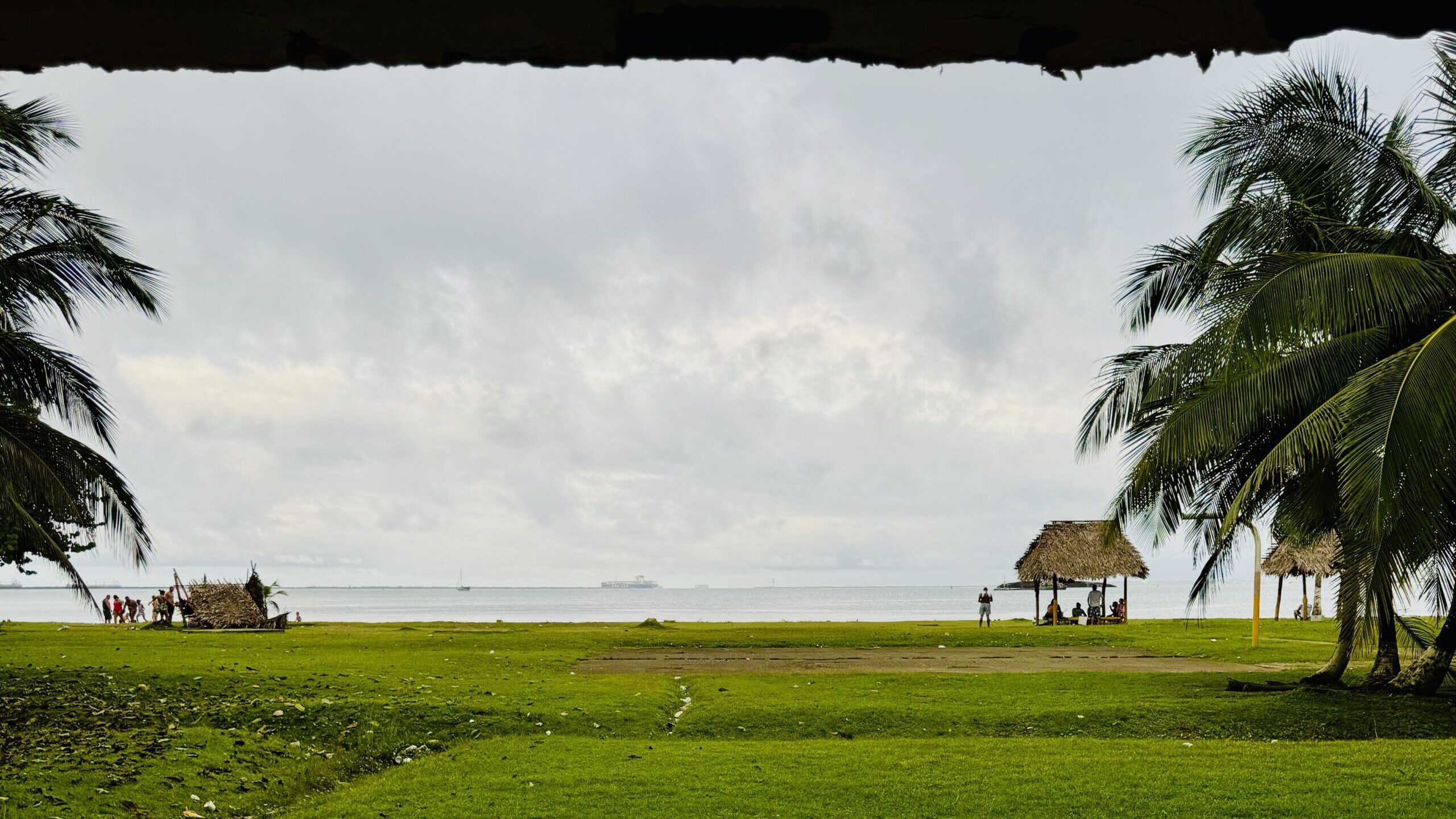
It has a beautiful location, right on the beach.
3. Playa Sherman
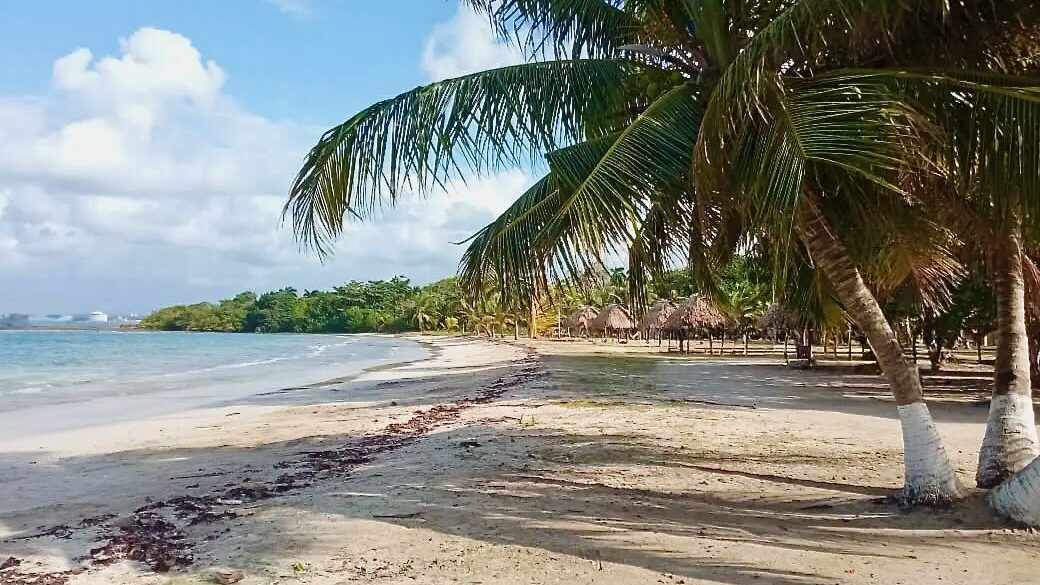
Playa Sherman is the secluded stretch of golden sand right in front of Fort Sherman. We saw locals swimming at this relatively secluded beach.
We also saw bands of female coatis here.
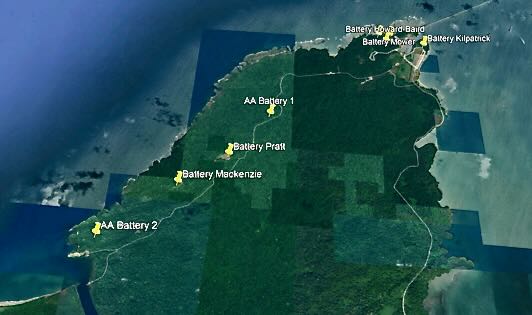
4. Abandoned Batteries
There are three abandoned bunkers a short walk from the marina. We visited this one:
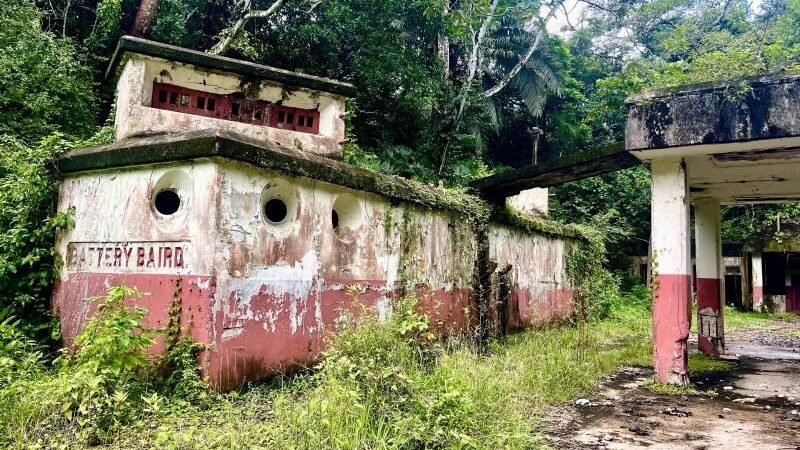
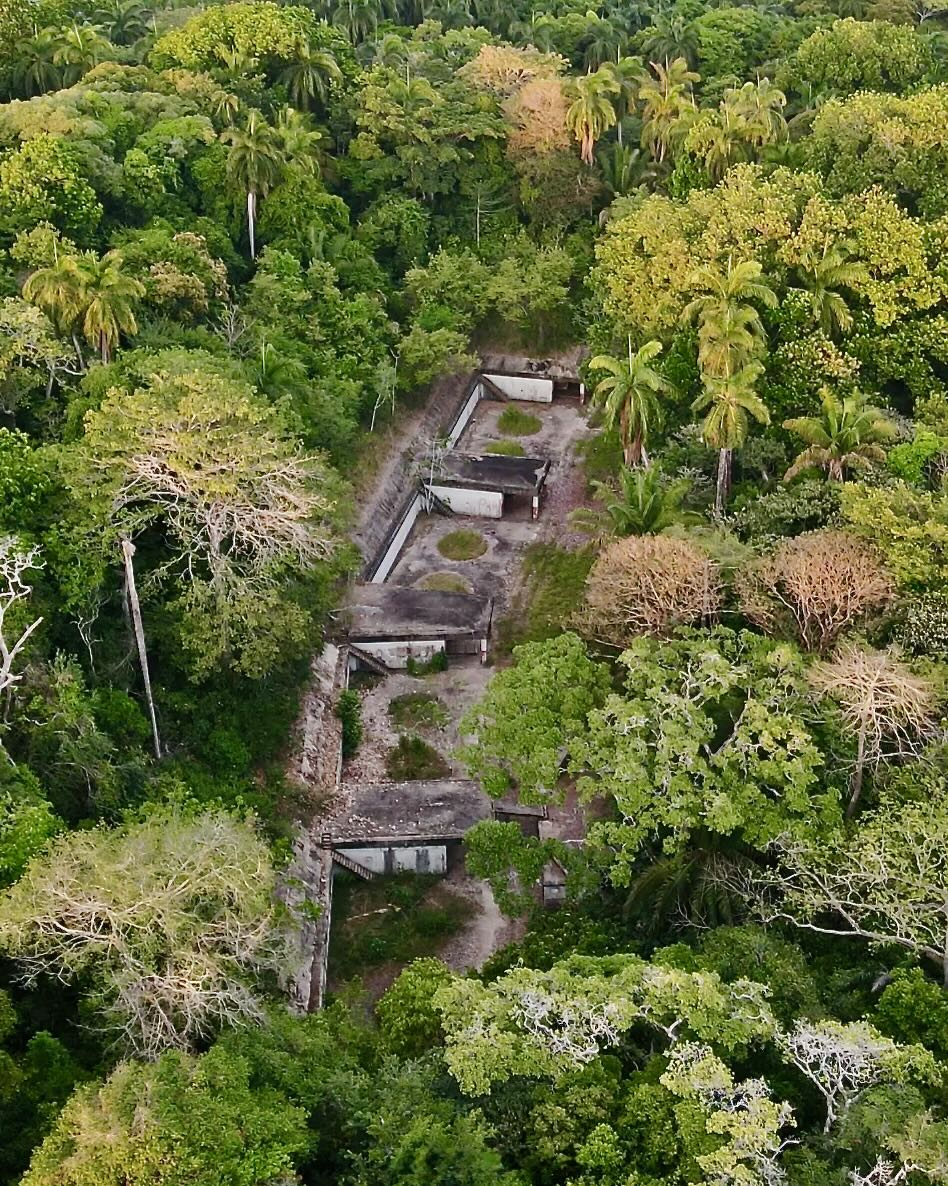
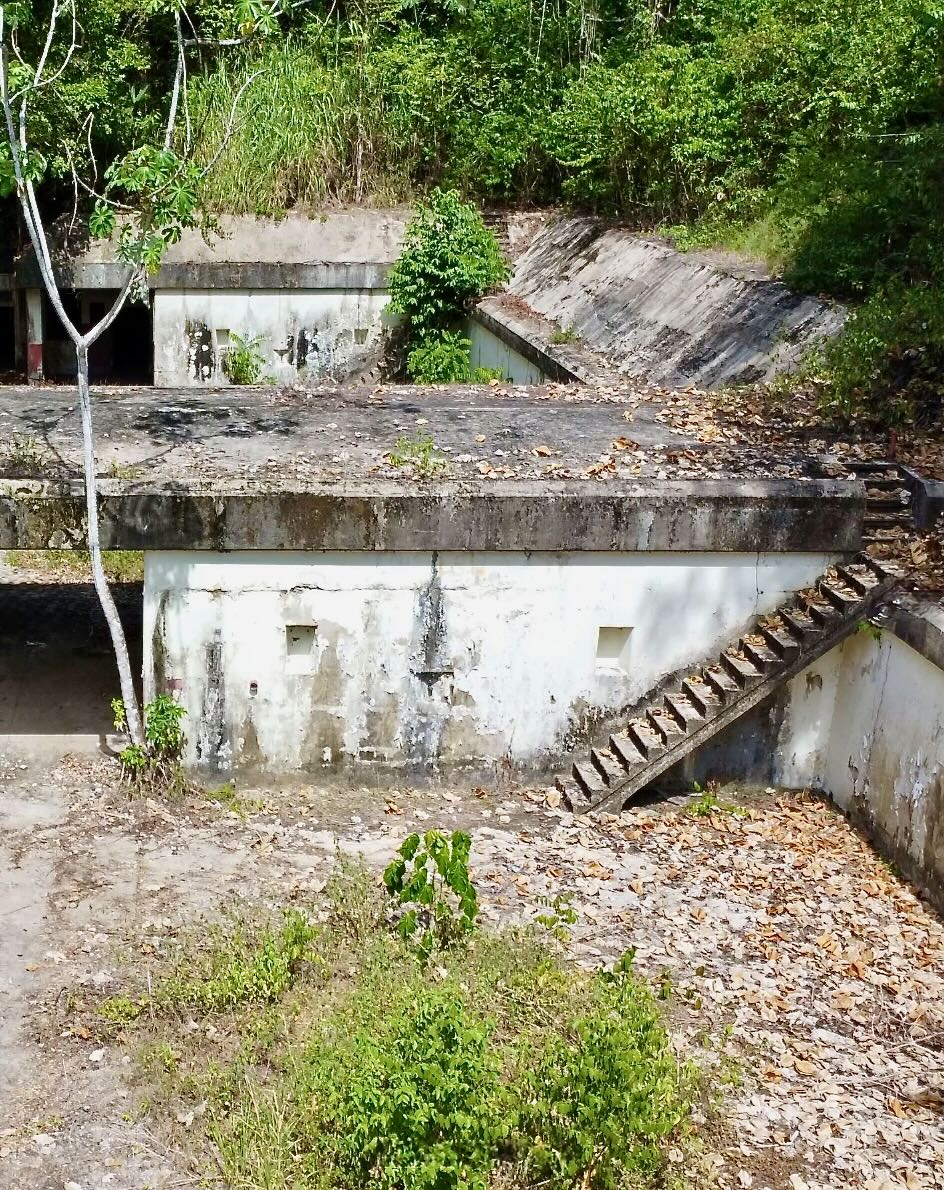
Baterias Mower and Stanley are nearby.
5. Puente Atlántico (Atlantic Bridge)
While docked at Shelter Bay Marina, we drove into Panama City on a few occasions. It’s not a quick drive: about an hour-and-a-half on a good day. Every time we did so, we crossed over this bridge, which I thought was captivating.
The Atlantic Bridge spans the Atlantic entrance to the Panama Canal. Completed in 2019, it is the third bridge over the canal after the Bridge of the Americas and the Centennial Bridge, both on the Pacific side of the canal.
Where We Ate
One day we did stop along the highway after a shopping trip, and we enjoyed a delicious brunch at Toños Café Bakery.
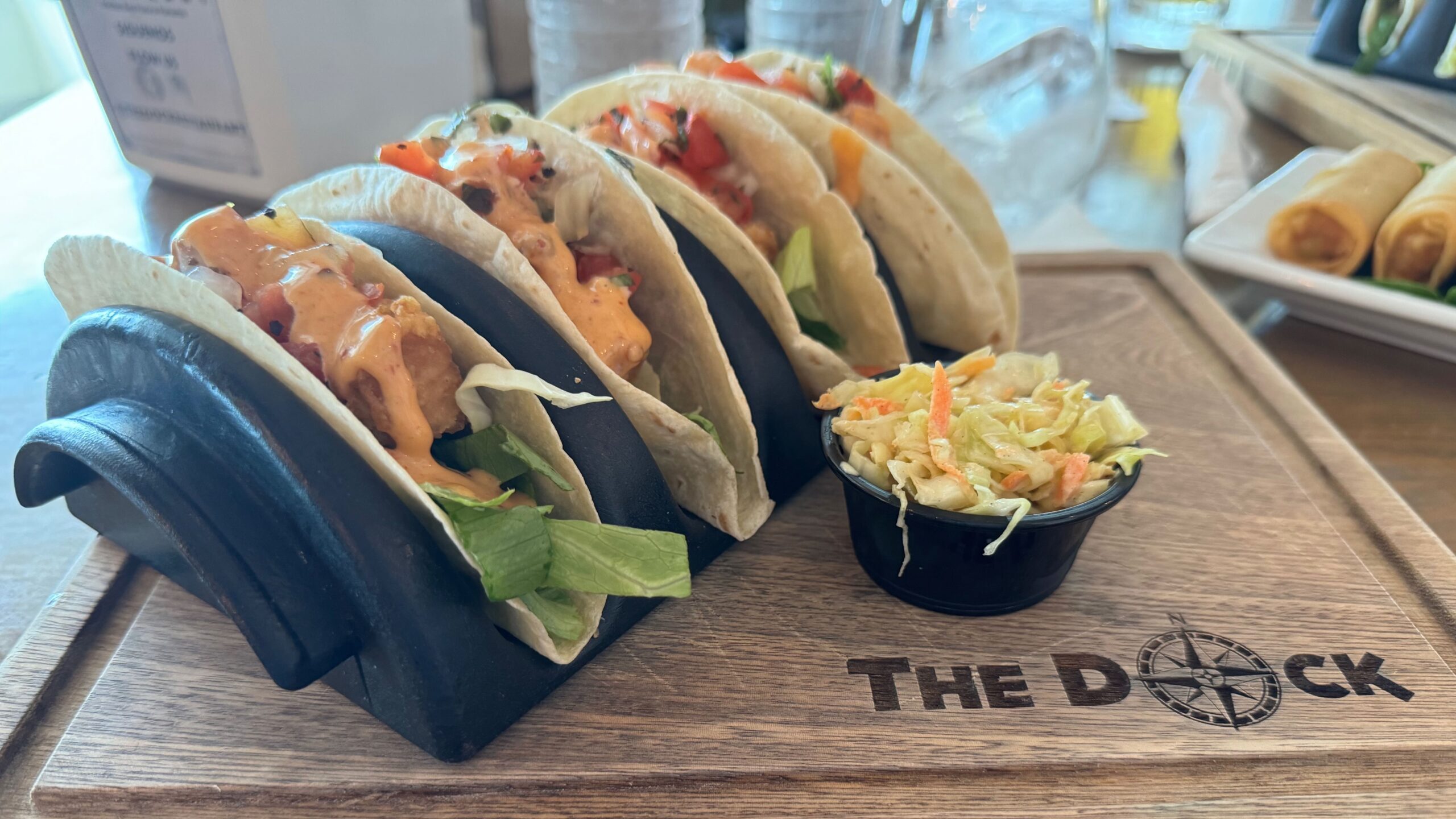
We also ate at The Dock Restaurant at Shelter Bay Marina. I think the taco dish was our favorite meal:
Shopping
There’s a small mini market within Shelter Bay Marina for basic necessities, but we did most of our provisioning at Supermercados Rey Colón 4 Altos. It’s the closest one to the marina.
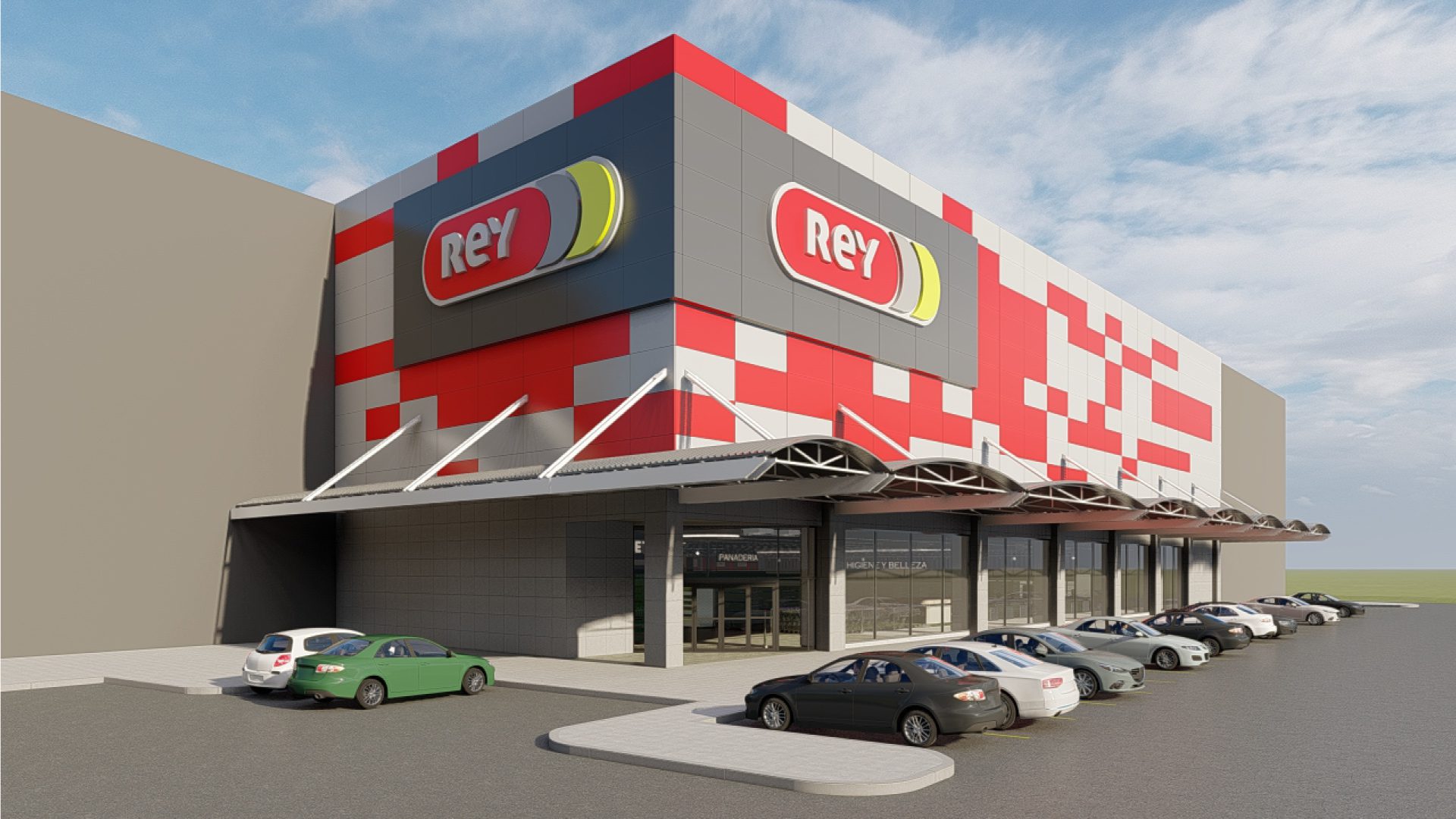

The marina offers a shuttle there, but we had rented a car, so we drove ourselves there. As of this writing, the cost for the shuttle is $12 per person, round trip. The drive takes about 30 to 40 minutes.
That entire shopping center feels quite safe, and we did visit some of the other shops, like Madison and Titán.
As we were advised, we drove directly there and straight home afterwards without straying into unfamiliar areas.
Other Things to Do in Colón
Panama Canal Railway
Isla Grande
Soberanía and Chagres National Parks
Forts San Lorenzo and Portobelo
Getting There
We sailed there, but one can also arrive via a flight into Tocumen International Airport (PTY / MPTO) or Enrique Adolfo Jiménez International Airport (ONX).
Getting Around
Hiring a private taxi for the day or booking structured tours are safe and efficient ways to navigate Colón.
As mentioned, we rented a car, which we did through the marina. We felt comfortable driving ourselves around, even though the drivers were at times pretty aggressive.
To hear a ridiculously hilarious narration, click unmute:
We did see a lot of Diablos Rojos busses in Colón, but they seemed to be used only by locals.
Final Thoughts
We had a good time in Colón. It wasn’t as scary as we thought it would be (possibly because we heeded the warnings), and it was fun exploring the abandoned military facilities. But we especially enjoyed it because of the beauty of the national park and all of the animals it houses.
For us, it was a launching point for our Panama Canal transit, and we definitely liked it more than we thought we would.
You can see a map of Colón here.