

Providenciales—affectionately known as Provo—serves as the vibrant gateway to the Turks and Caicos Islands, blending barefoot luxury with some of the most spectacular marine environments on the planet. Covering 38 square miles of striking limestone and scrubland, the island is world-renowned for Grace Bay Beach, a 12-mile stretch of powdery white sand and kaleidoscopic turquoise water frequently ranked as the best beach globally.
As we sailed toward the island, we were greeted by three playful dolphins, who ushered us in. It was like they were guiding us to safety. Priceless.
When you arrive by boat, you must know in advance that the entrance is really intense. As you can see, there’s a serious break to get past.

Once inside the reef, you have to be vigilant about dodging bommies.
This is the path we took:

Once we got in, we saw crystal-clear turquoise water. It was like a swimming pool.

We were thrilled to have arrived. Ready to check in!
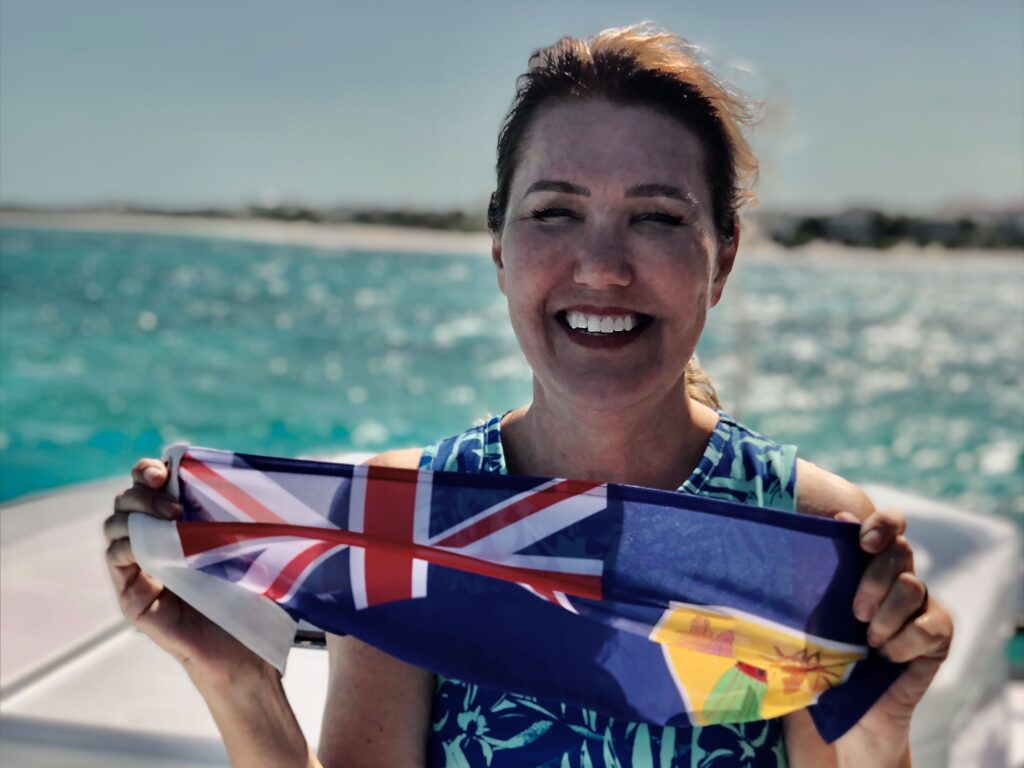
Things We Loved Most About Providenciales
1. Little Water Cay (Iguana Island)
Located just a short boat ride across the Leeward Channel from Providenciales, Little Water Cay—locally known as Iguana Island—is a protected nature reserve and one of the few remaining strongholds for the endemic Turks and Caicos Rock Iguana (Cyclura carcinata).
Once widespread across the archipelago, these iguanas saw their populations decimated by habitat loss and invasive predators, prompting the Turks and Caicos National Trust to designate this cay a critical sanctuary.
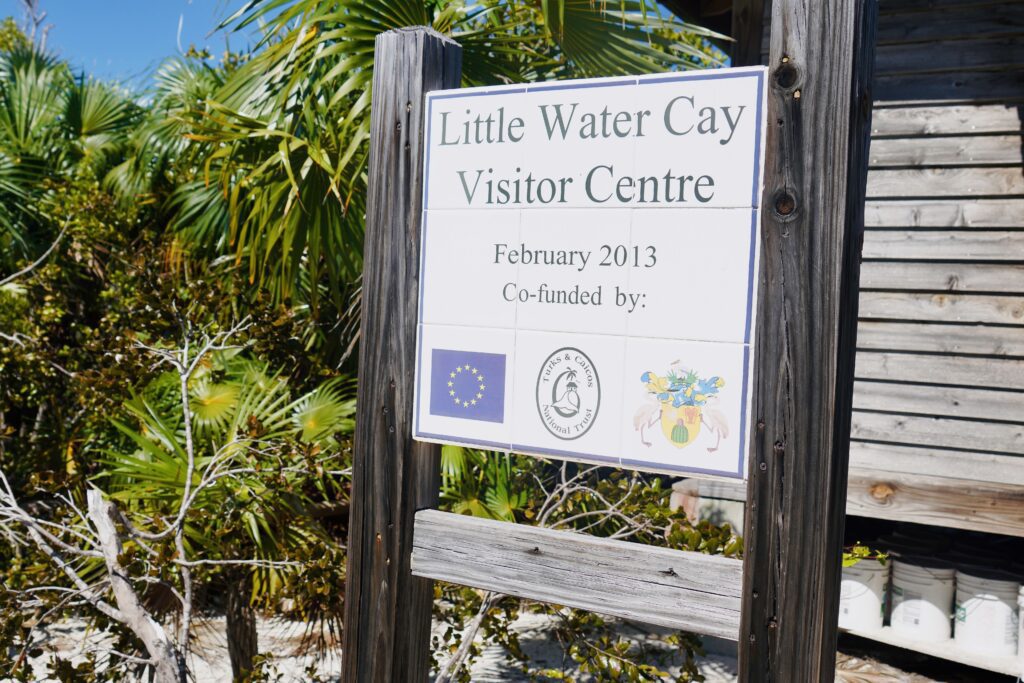
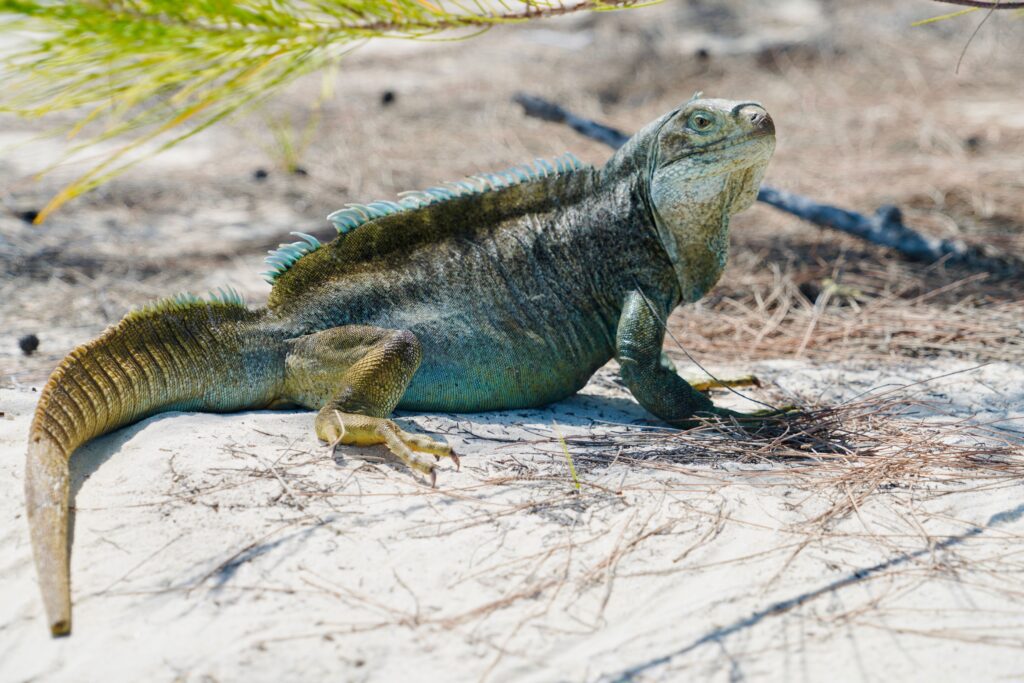
The island features two distinct sets of raised wooden boardwalks (the north and south loops) designed to allow visitors to observe the iguanas in their natural habitat without crushing their delicate underground burrows or disturbing the native flora. These lizards, which can live for more than 20 years, are often seen sunning themselves on the limestone rocks or foraging for berries among the sea grapes and casuarina trees.
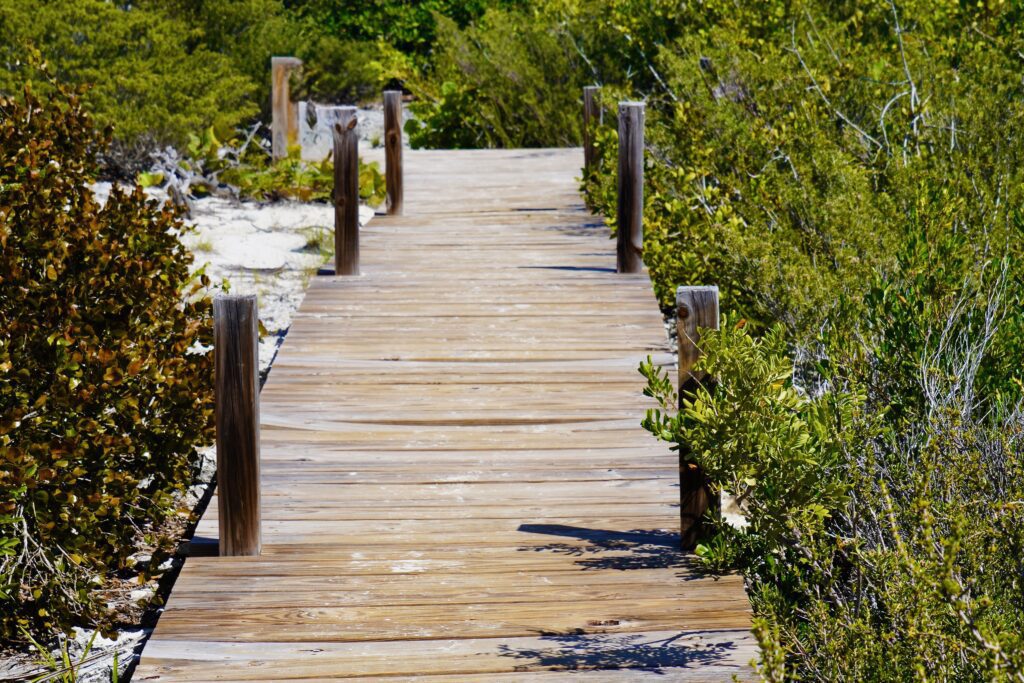
To maintain the ecological balance, you are strictly prohibited from feeding the iguanas, as human food can lead to fatal health issues for the reptiles.
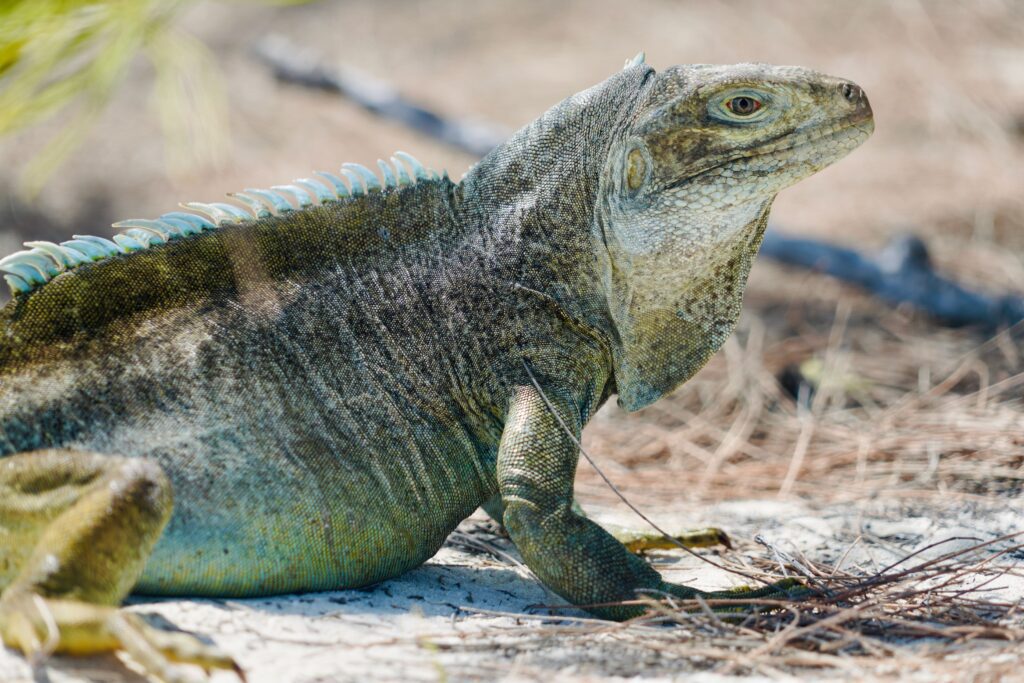
Surrounded by pristine white sand and shallow turquoise inlets, Little Water Cay serves as a premier example of successful Caribbean conservation and a must-visit for eco-conscious travelers.
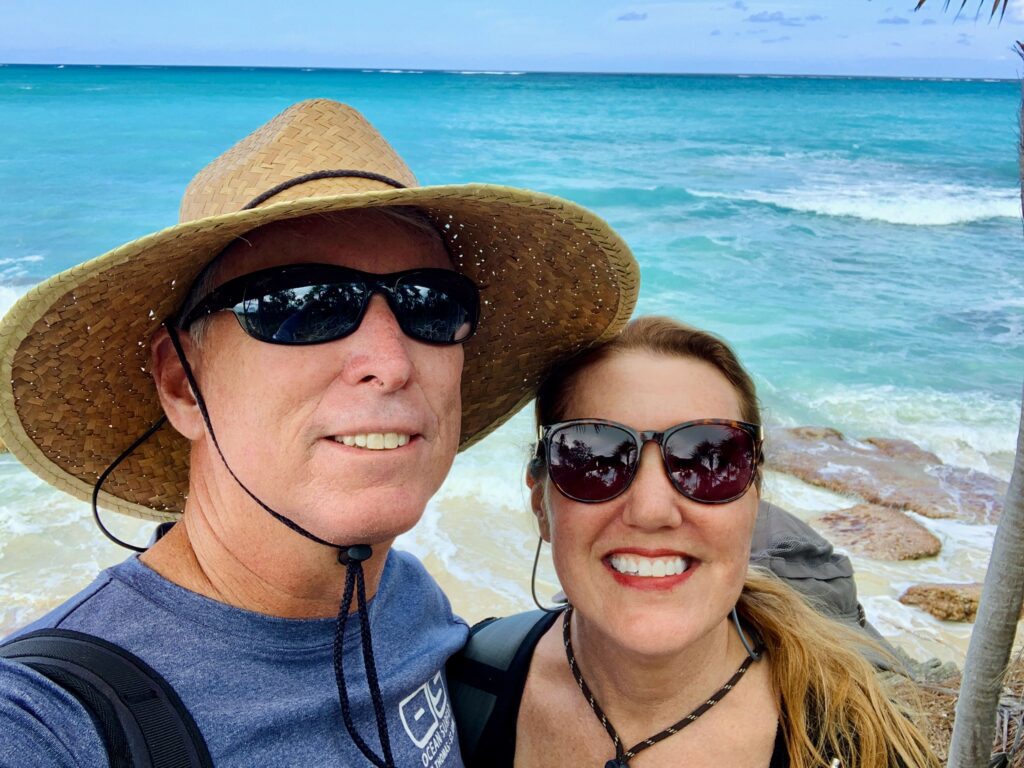
We walked the length of Iguana Ocean Beach.
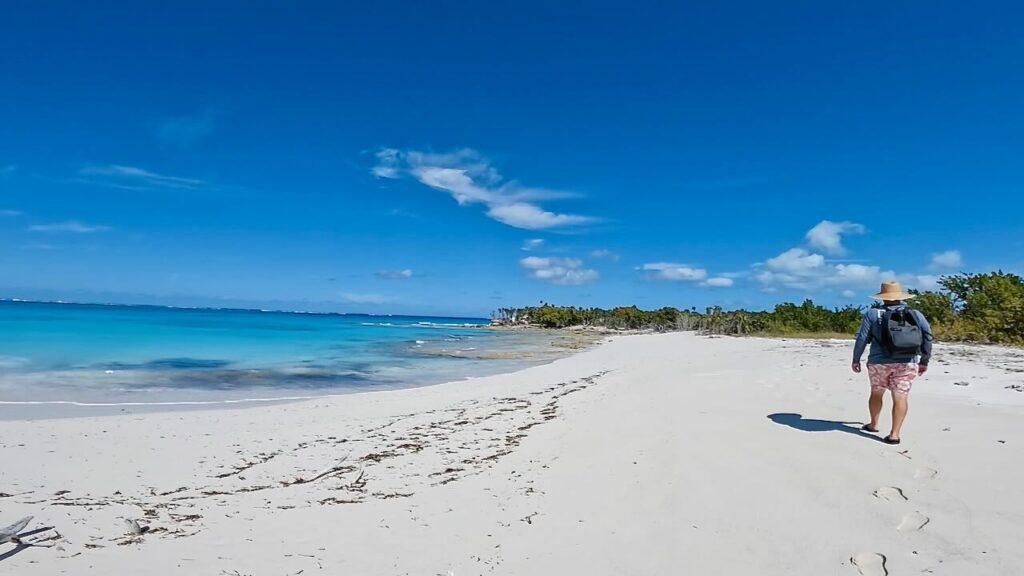
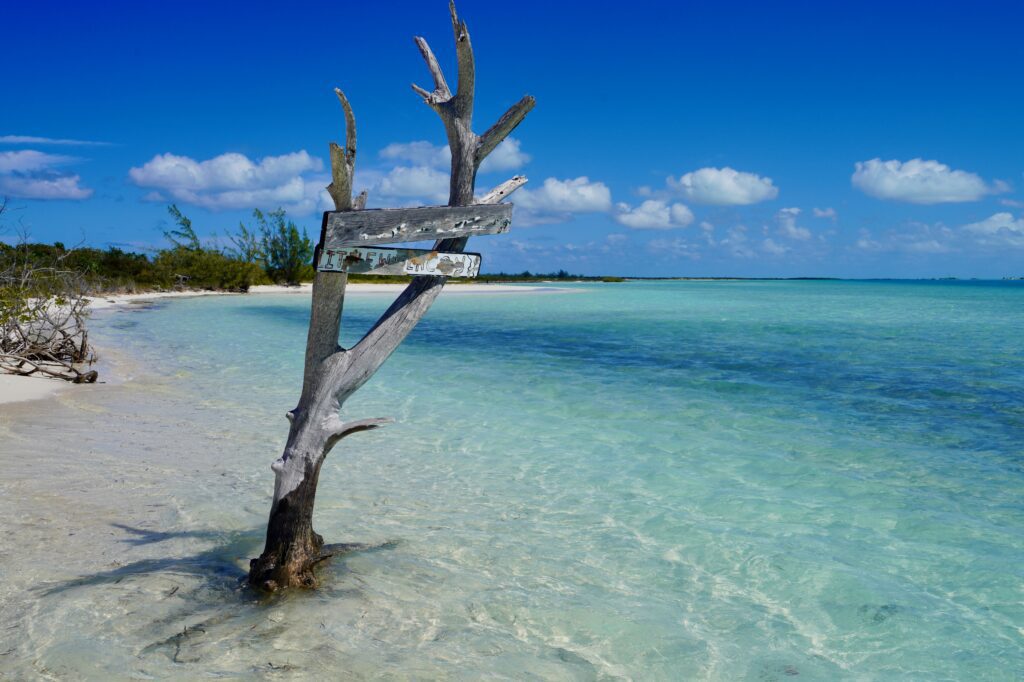
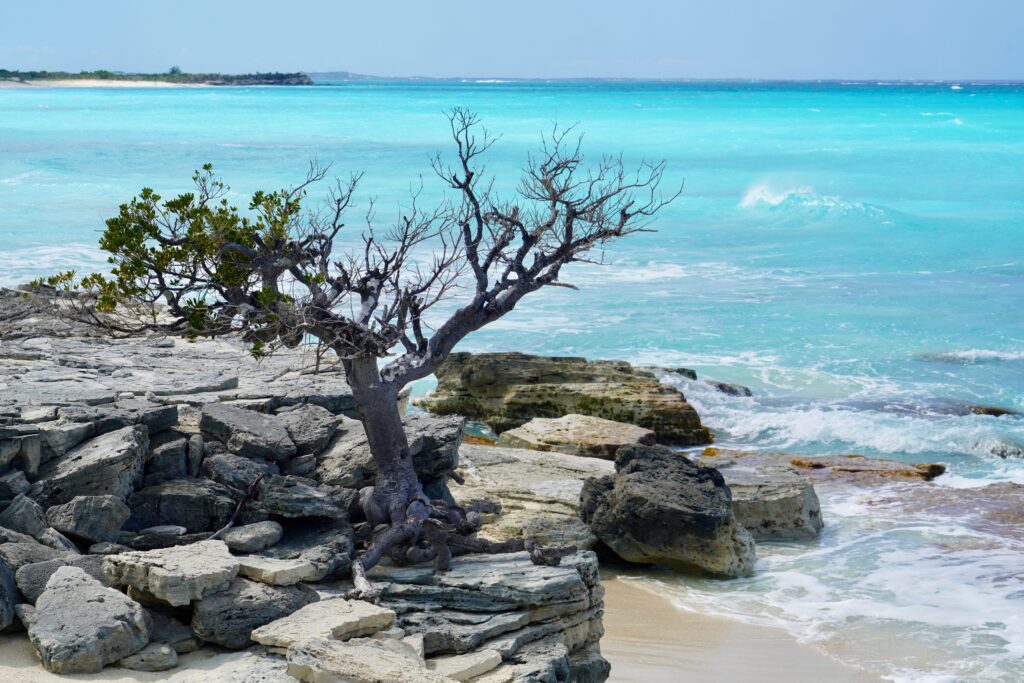
And then through the mangroves.
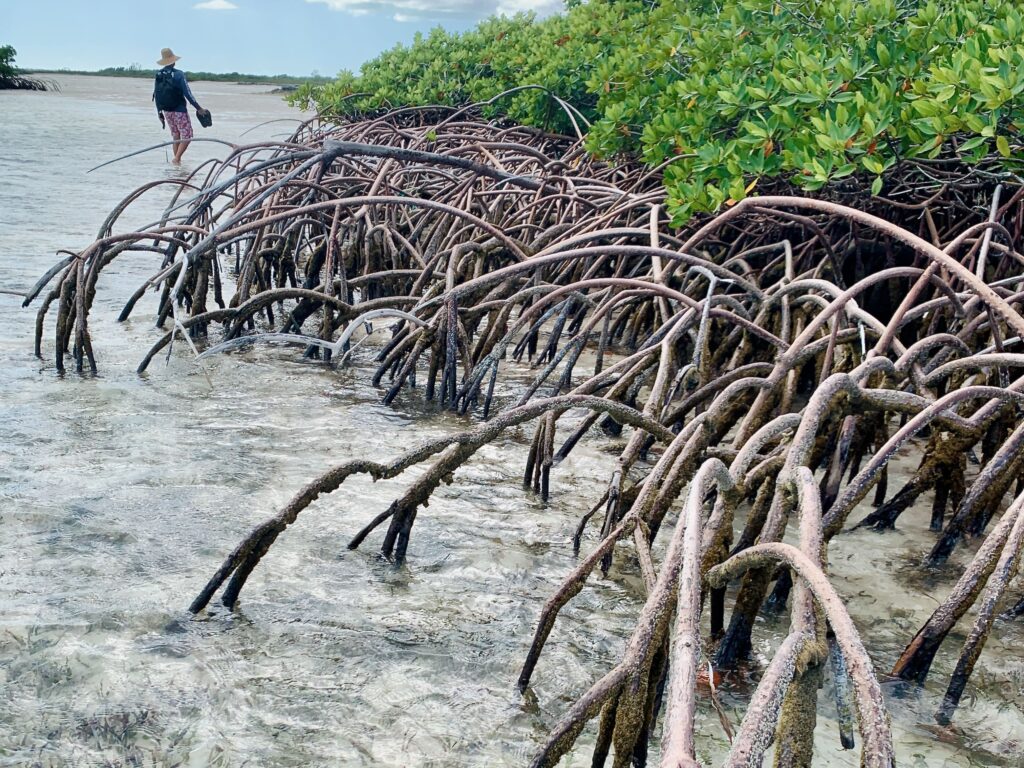
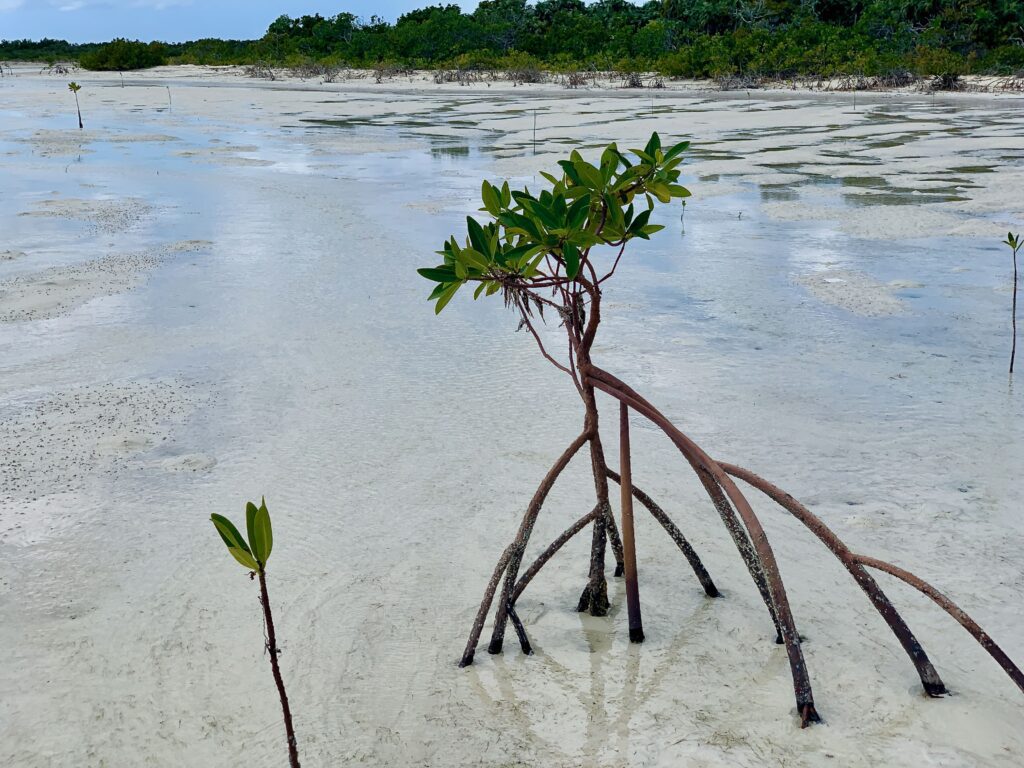
We walked all the way to Half Moon Bay and spent some time soaking it in. It was beautiful.

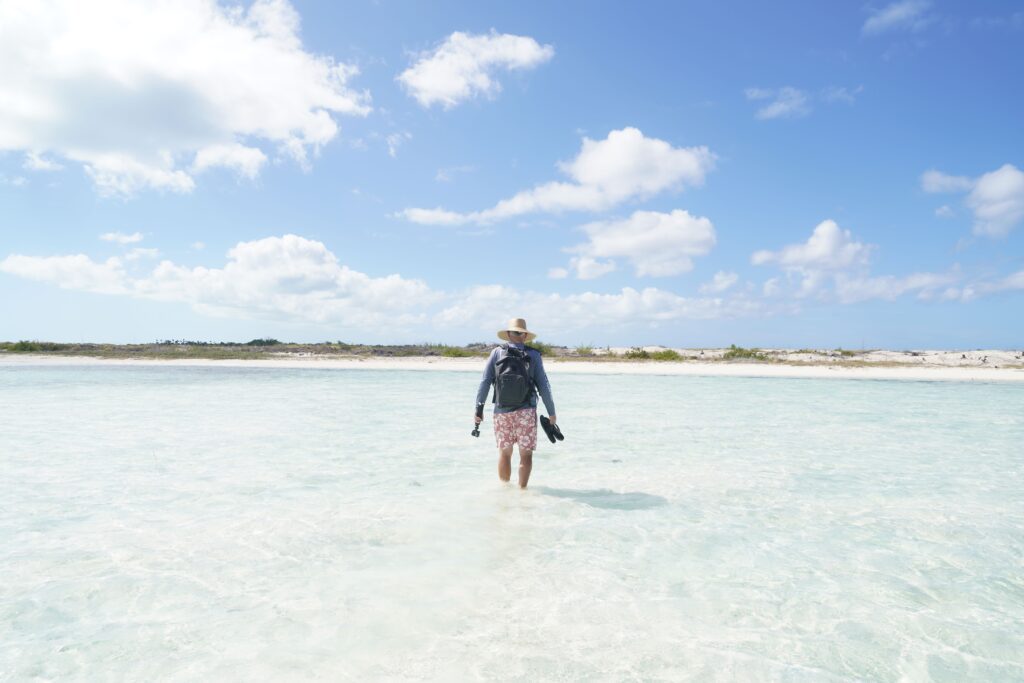
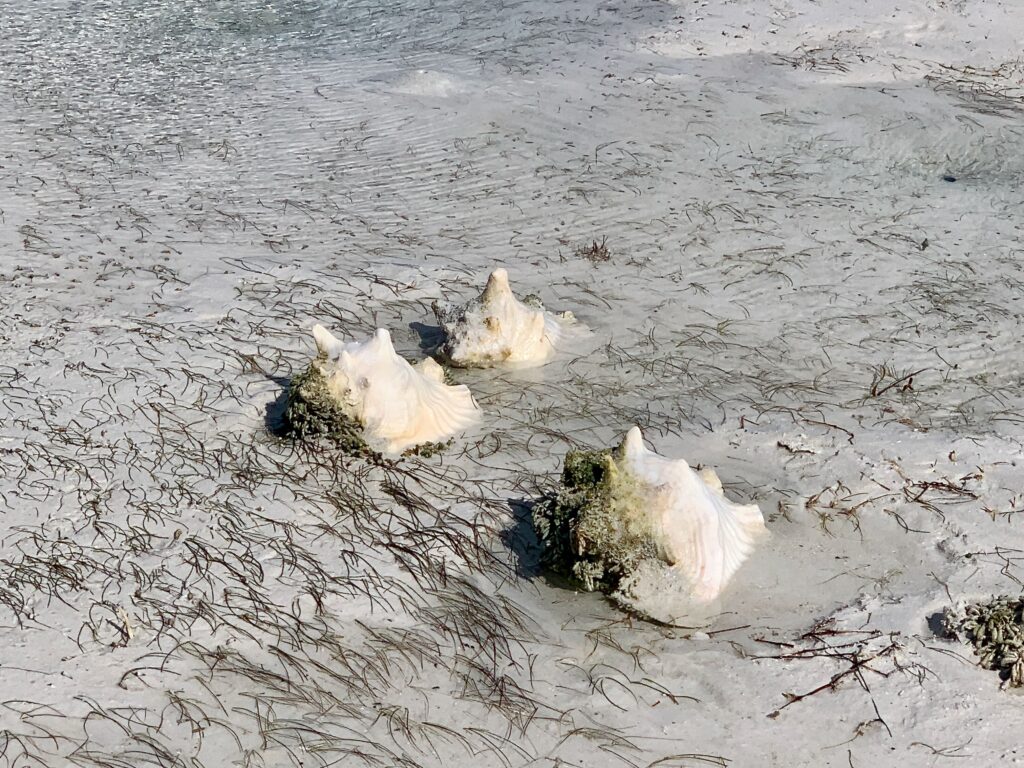
There were several conches.
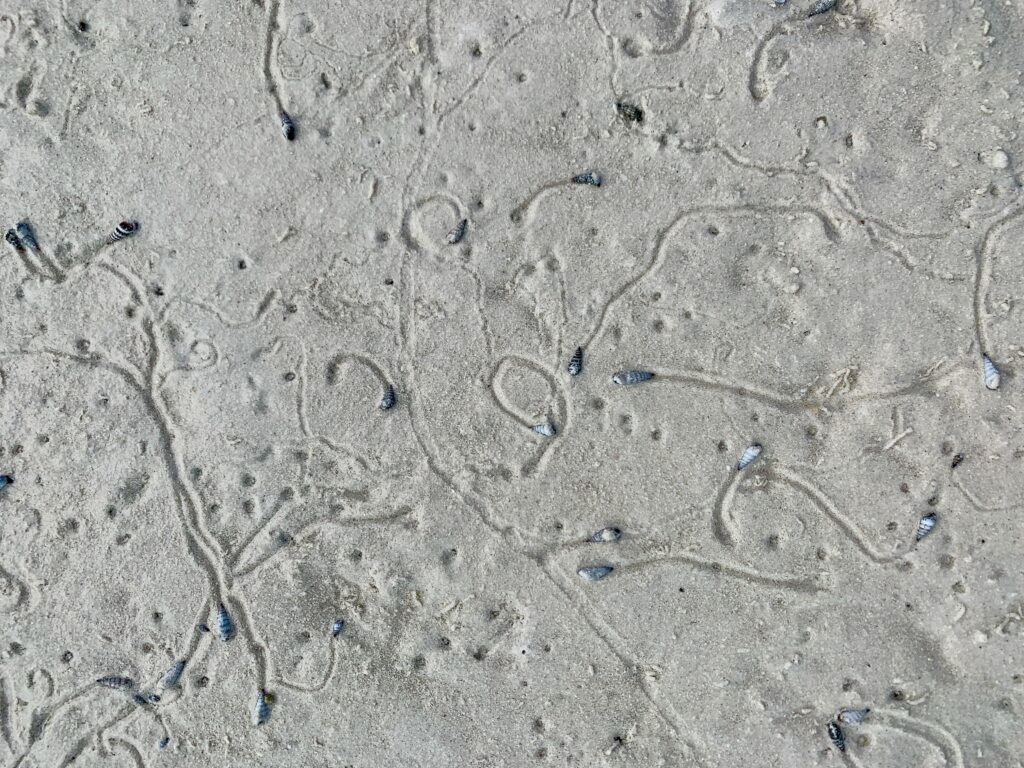
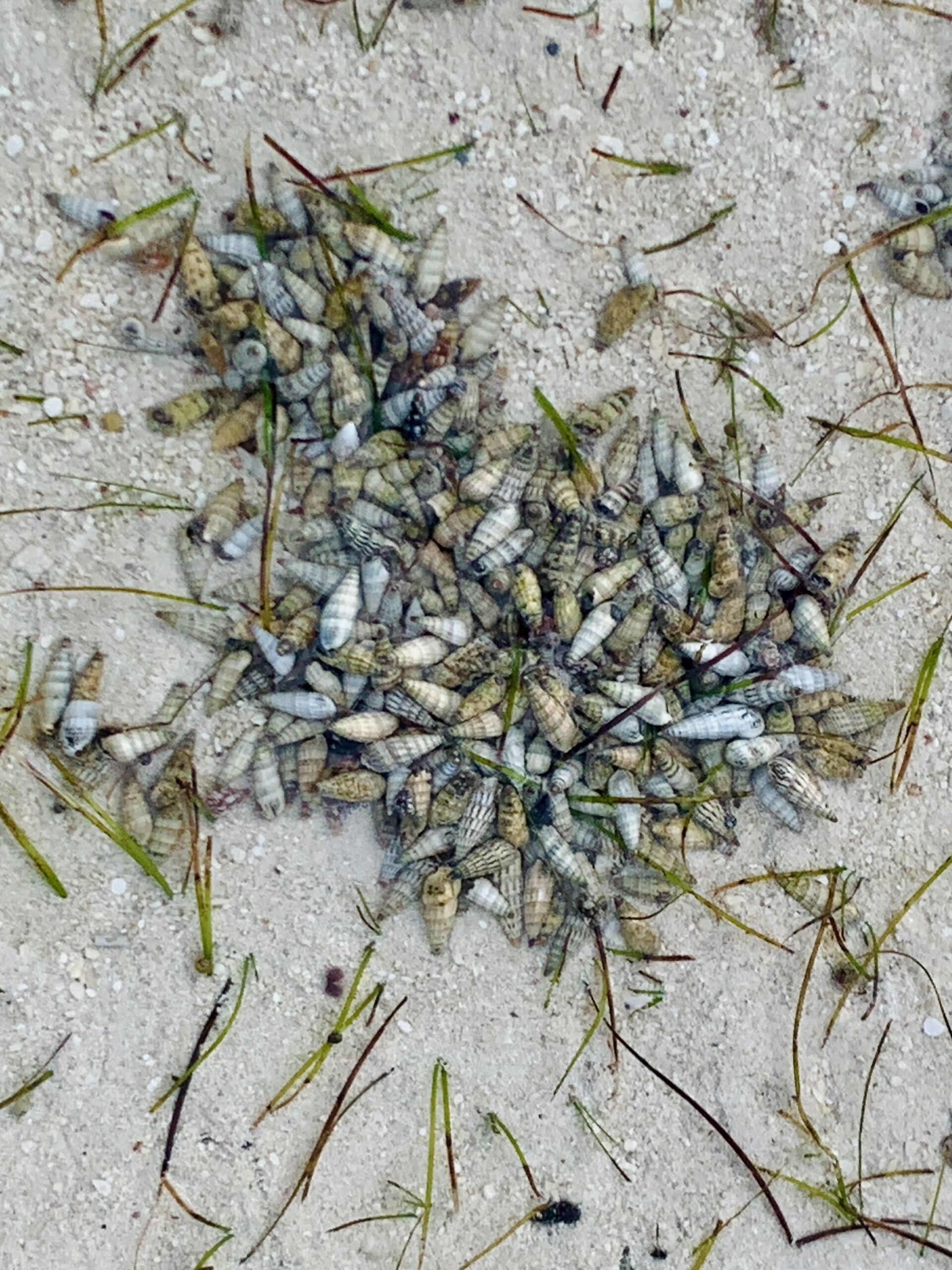
And a plethora of hermit crabs. Their paths were marked in the sand like art.
We also watched some baby nurse sharks swimming around some coral heads for a while.
2. Grace Bay Beach
Widely regarded as the hallmark of Caribbean luxury, Grace Bay Beach is a pristine 12-mile crescent of powdery white sand located on the northeast coast of the island. As part of the Princess Alexandra National Park, the beach is strictly protected, ensuring that the marine life remains abundant and the sands stay remarkably clean.
While the shoreline is home to the island’s most prestigious resorts and world-class dining, the beach remains public, allowing anyone to walk its full length.
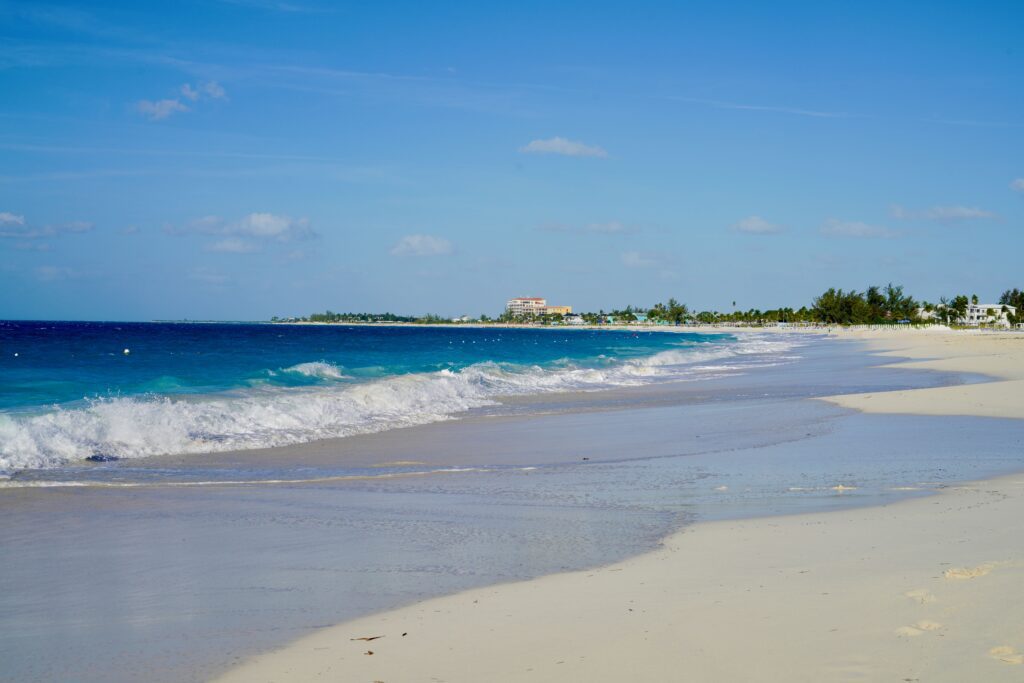
We had the pleasure of watching several kite surfers there one day.
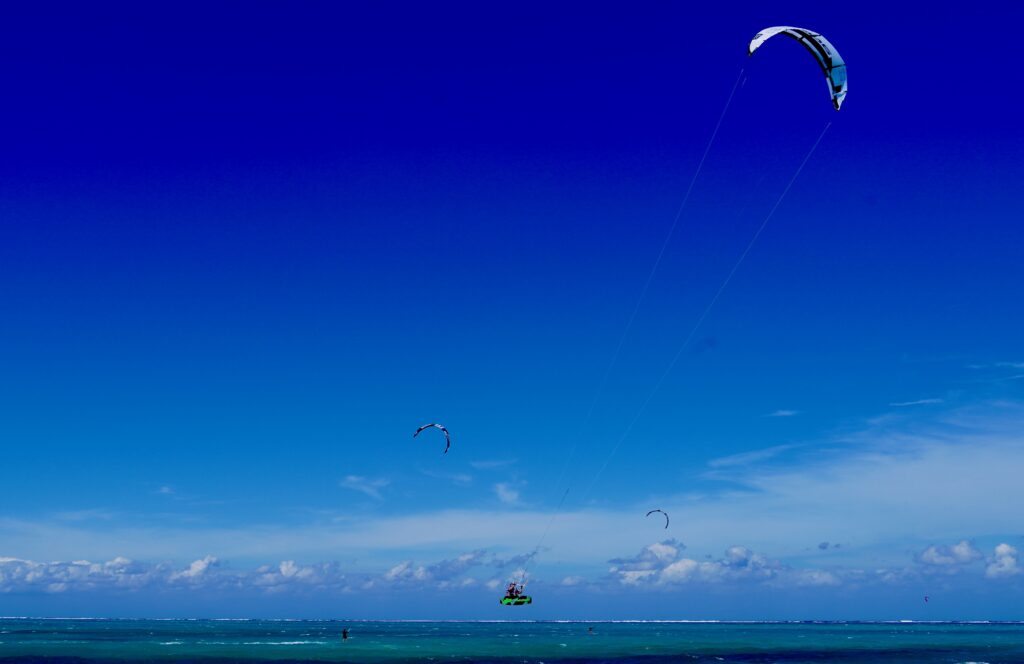
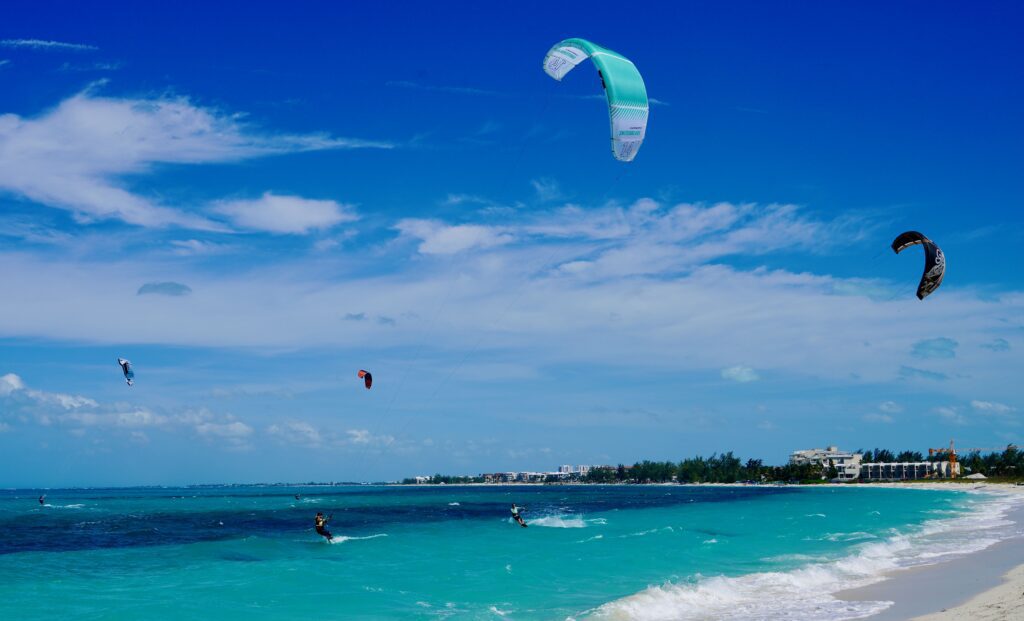
Another big kite surfing spot—actually the main one—is Long Bay, on the south side of the island.
3. Thursday Night Fish Fry
Every Thursday from 5:30 PM to 9:30 PM, the Island Fish Fry transforms Stubbs Diamond Plaza in the Bight neighborhood into the cultural heart of Providenciales. This weekly community festival is a vibrant open-air market where locals and visitors converge to celebrate “all things TCI.” The air is thick with the aroma of authentic Caribbean cuisine, as over a dozen local vendors serve up island staples such as cracked conch, lobster mac ‘n cheese, and the event’s namesake—freshly fried local snapper and grouper.
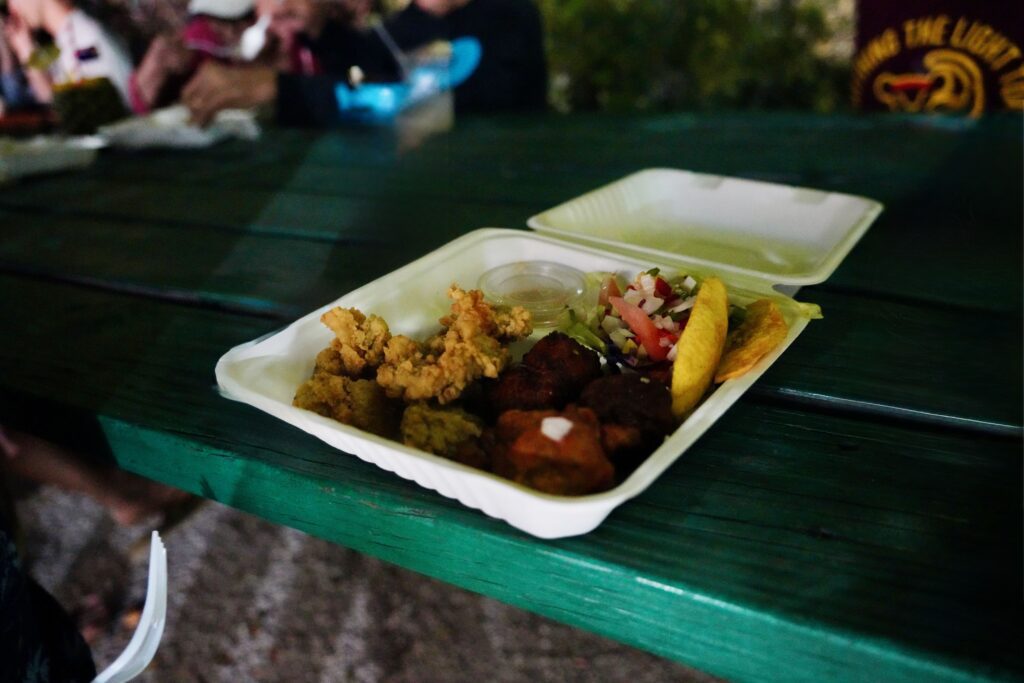
Beyond the food, the Fish Fry is a showcase for the island’s artistic and musical heritage. Local artisans display handmade jewelry, conch shell art, and paintings, while live bands perform traditional Rake ‘n’ Scrape and ripsaw music.
Admission is free, though bringing cash is highly recommended for the various food stalls and the Turk’s Head Brewery mobile taphouse.
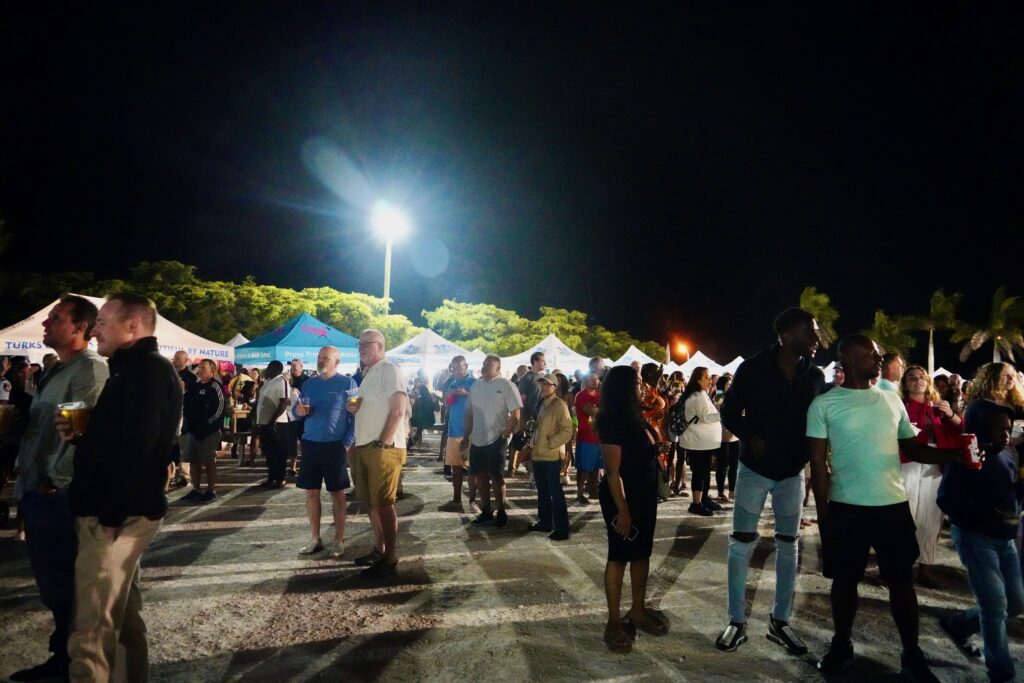
It was kitschy, but fun.
4. Snorkeling Smith’s Reef
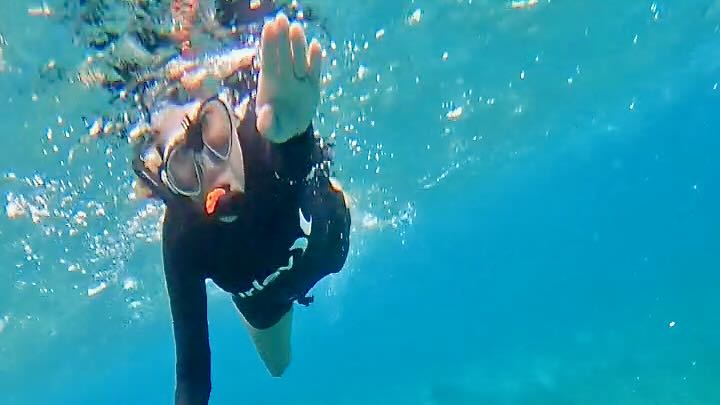
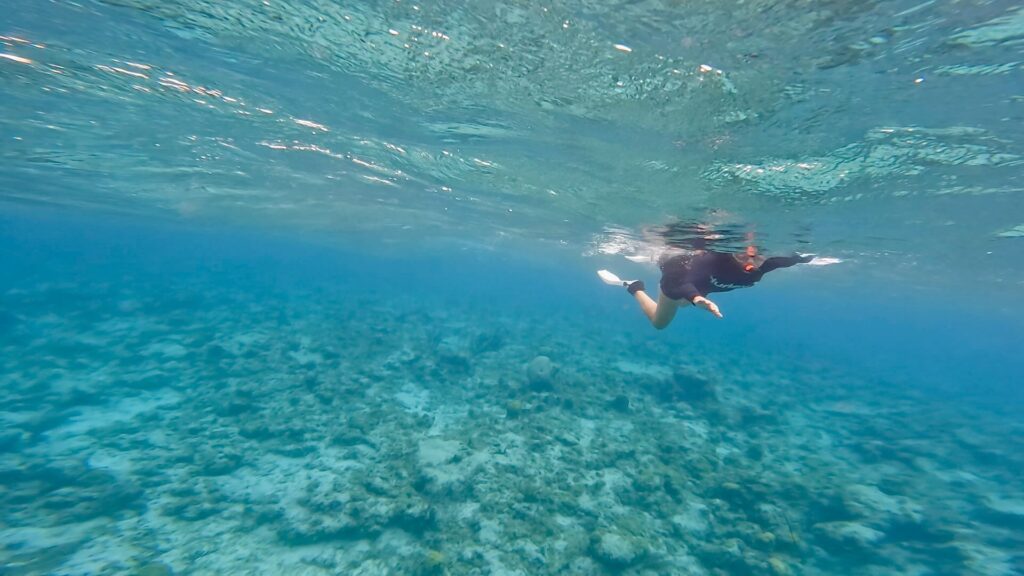
Situated near Turtle Cove on the north shore of Providenciales, Smith’s Reef is widely considered the best shore-accessible snorkeling site on the island. Unlike many reefs that require a boat, this expansive coral system is easily reached by walking directly into the water from several public access points. The reef is part of Princess Alexandra National Park, which means the marine life is protected and remarkably diverse.

The underwater topography consists of multiple distinct coral heads scattered across a sandy floor, ranging from shallow depths of 3 to 5 feet to deeper outer edges reaching 15 to 20 feet.
Because the reef is spread out, it is less crowded than the nearby Bight Reef, though it is subject to stronger currents. We recommend snorkeling in the morning for the best visibility.
5. Feral Goats
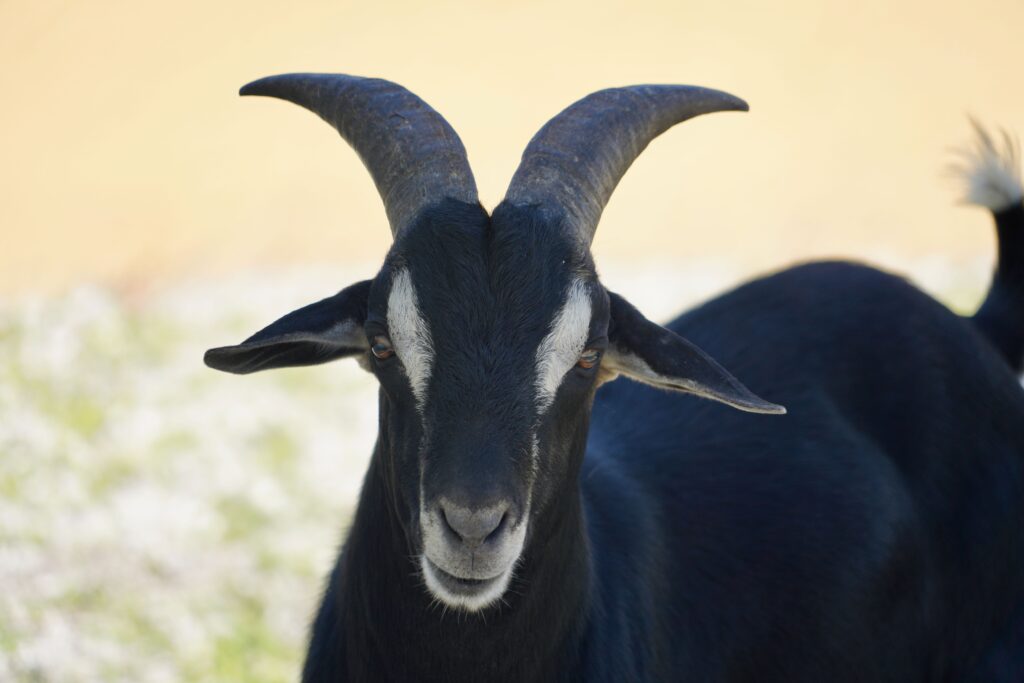
Providenciales is home to a unique and resilient population of feral goats that serve as a living link to the island’s colonial history. These animals are the descendants of domestic stock—likely Spanish or Mediterranean breeds—brought to the archipelago by European settlers and explorers as early as the 16th century to serve as a self-sustaining food source for sailors and salt rakers.
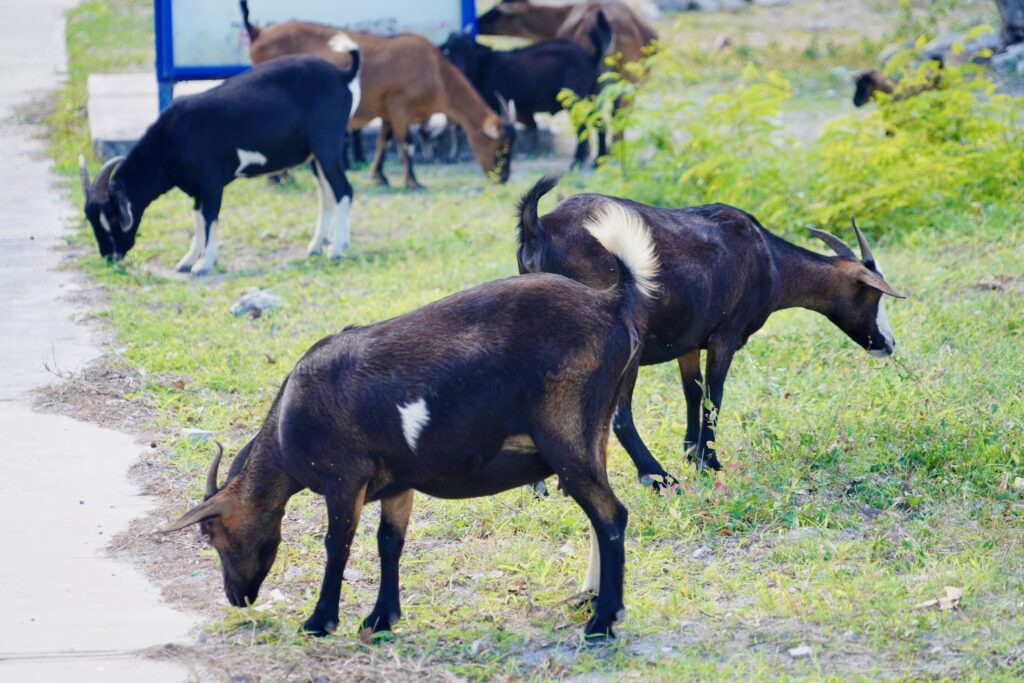
They have adapted remarkably well to the island’s arid climate, subsisting on hardy coastal vegetation and moisture from native shrubs. The feral goats remain a fascinating, albeit unintended, part of the island’s heritage, often spotted by hikers and others exploring the island.
We even saw a sweet little baby goat.
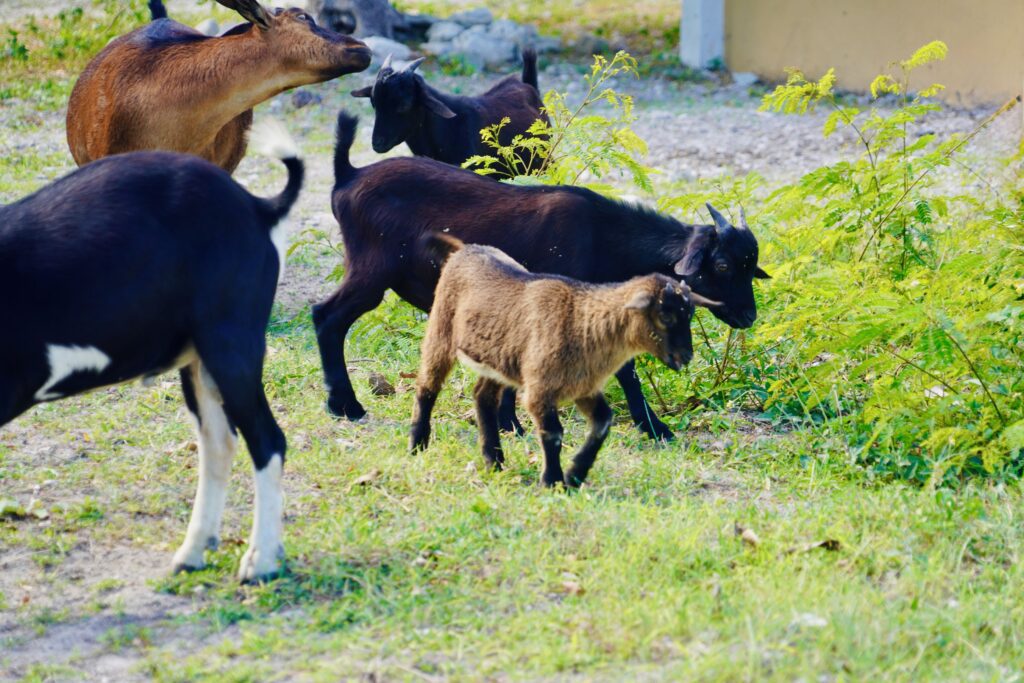
We were told this particular herd belongs to a nearby local man who wrangles them in at night.
6. The Canals at Turtle Cove Marina
The Turtle Cove Marina Canal serves as the primary gateway between the north shore of Providenciales and the deeper waters of the Atlantic. Originally dredged in the 1970s to facilitate the island’s first major marina development, this man-made channel cuts through the limestone shoreline to provide sheltered access for yachts, sportfishing boats, and excursion charters.
Because Providenciales is surrounded by shallow reefs and shifting sandbanks, the canal is a critical piece of maritime infrastructure that requires careful navigation—especially for vessels with a deep draft.
The canal is famous for its remarkably clear, flowing water, which changes direction with the tides. It has become an accidental hotspot for marine life; green and hawksbill turtles are frequently spotted surfacing along the canal’s rock-lined banks, giving the area its namesake. It was a short ride but very serene.
7. The Hole
Located in the Long Bay region of Providenciales, The Hole is one of the island’s most striking and mysterious natural geological features. It is a massive, naturally occurring limestone sinkhole, or cenote, created over millennia as slightly acidic rainwater dissolved the soft carbonate bedrock, eventually causing the ceiling of an underground cavern to collapse. The opening is approximately 50 feet across, with a sheer, vertical drop of roughly 80 feet to the bottom, where a pool of brackish, tidal water sits in the shadows

Because the water at the base is connected to the ocean through subterranean conduits, the pool’s level rises and falls with the tides of the nearby Caicos Bank. While it is a popular stop for curious travelers and hikers, the site remains entirely wild and unimproved; there are no railings, fences, or safety barriers along the perimeter, so extreme caution is required when approaching the edge. Historically, local legends have long surrounded The Hole, with some tales suggesting it was once used as a source of fresh water or even a site for hidden treasures. Today, it stands as a raw reminder of the “Swiss cheese” limestone topography that defines the Turks and Caicos archipelago.
Other Memories
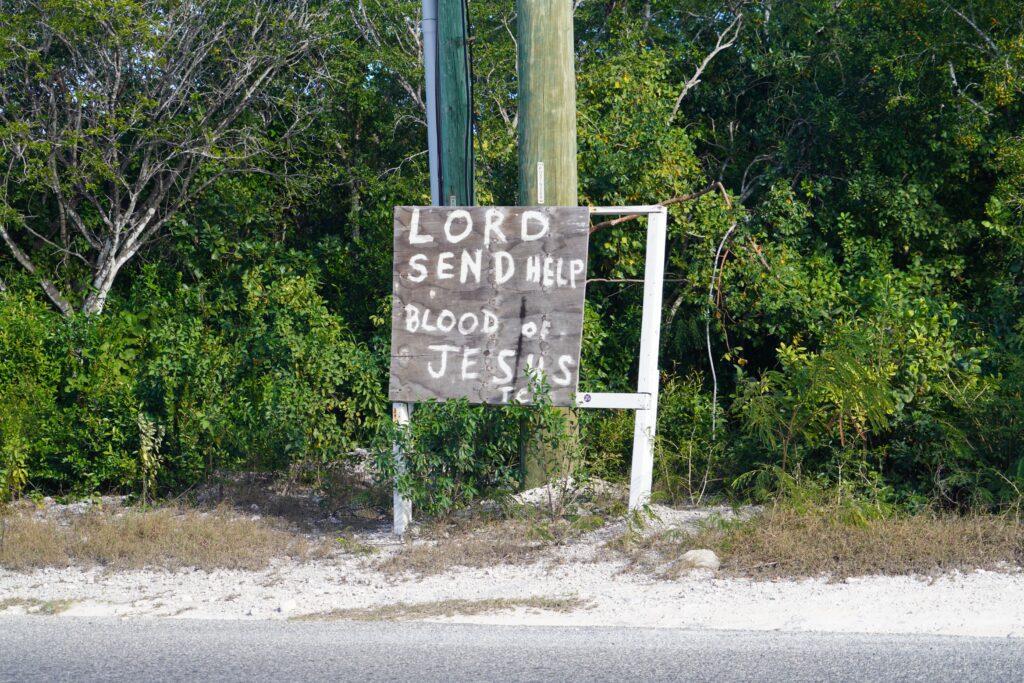
Hurricane Irma (2017) is widely considered the biggest modern natural disaster in the Turks and Caicos Islands, causing catastrophic damage as a Category 5 storm. It caused island-wide blackouts, destroyed homes, and severely impacted infrastructure. Other major disasters include Hurricane Fiona (2022) and Hurricane Ike (2008).
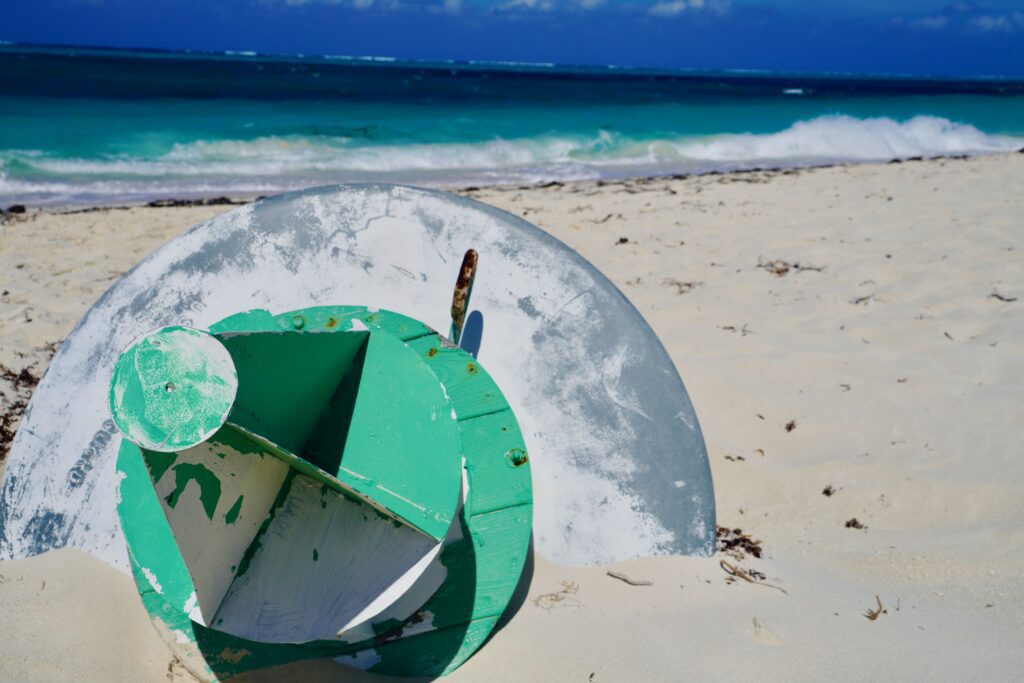
We saw this heartbreaking reminder:
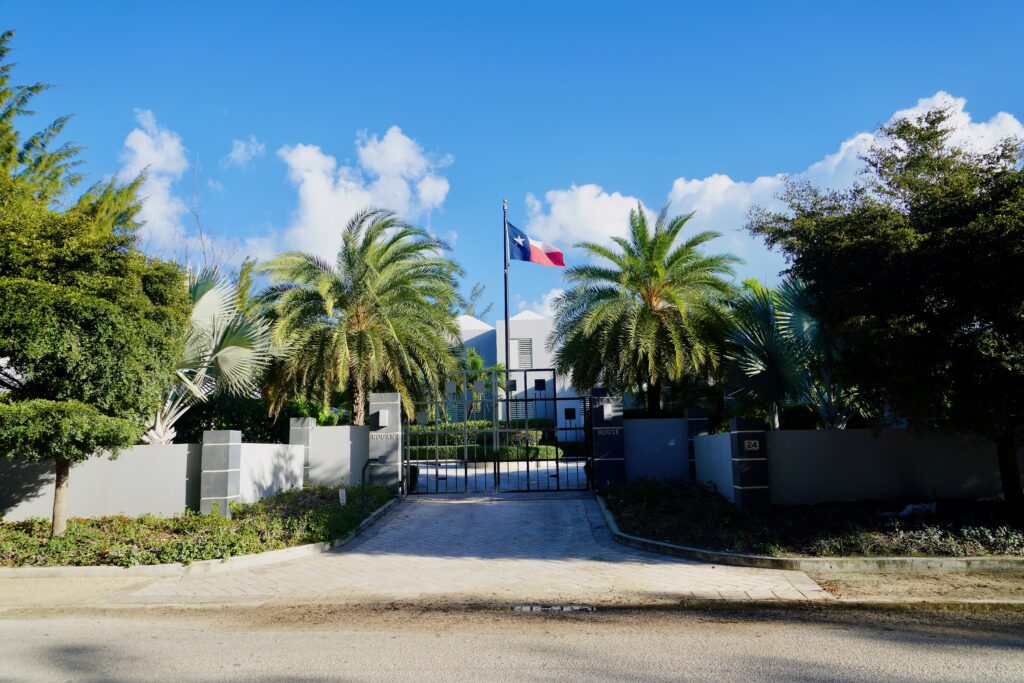
We also saw this:
And this:
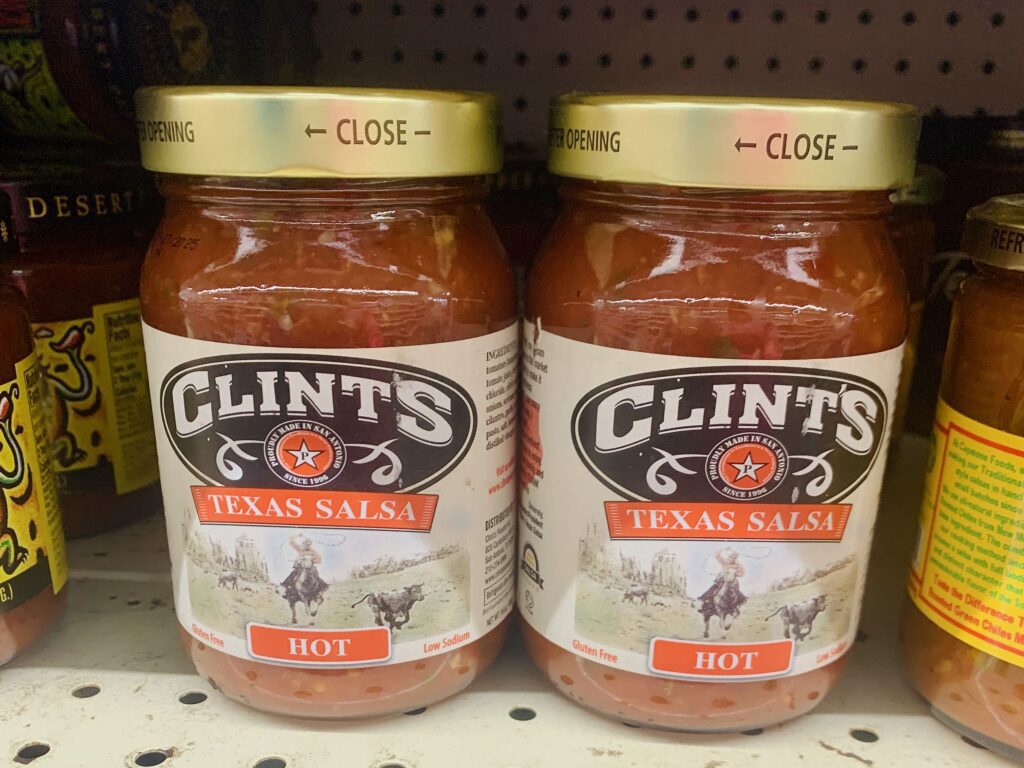
Other Things to Do in Provo, Caicos
Cheshire Hall Plantation
Potcake Place K9 Rescue
Long Bay Beach
The La Famille Express Shipwreck
A Glow Worm Cruise
Sapodilla Bay and Taylor Bay
Where We Ate
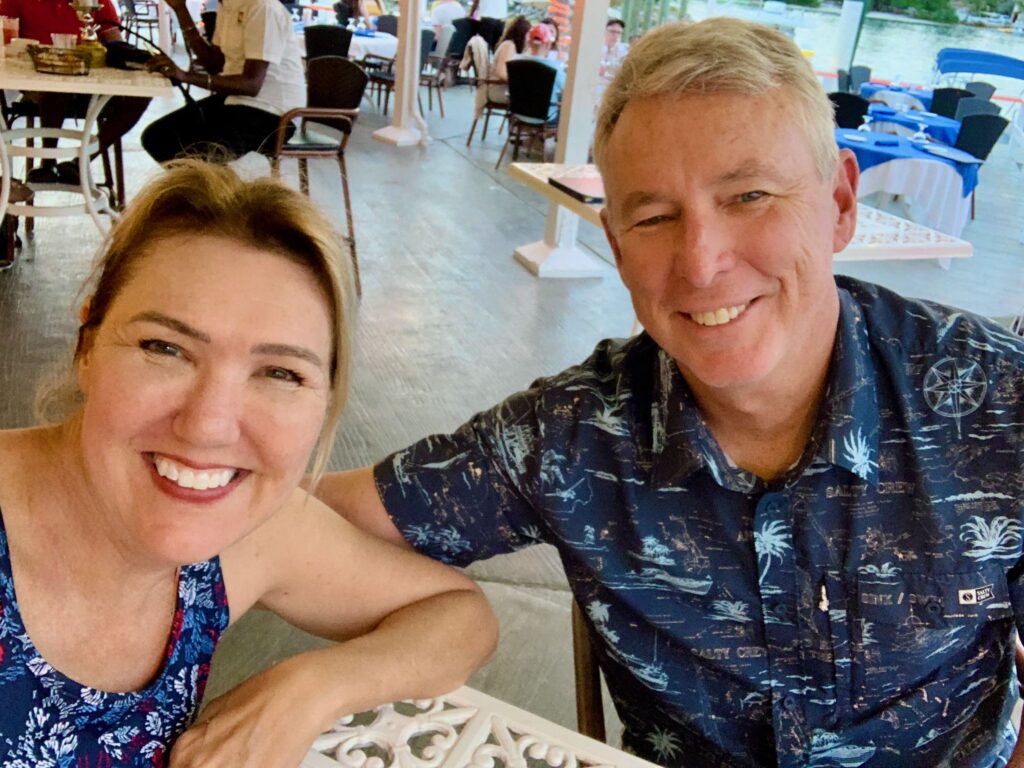
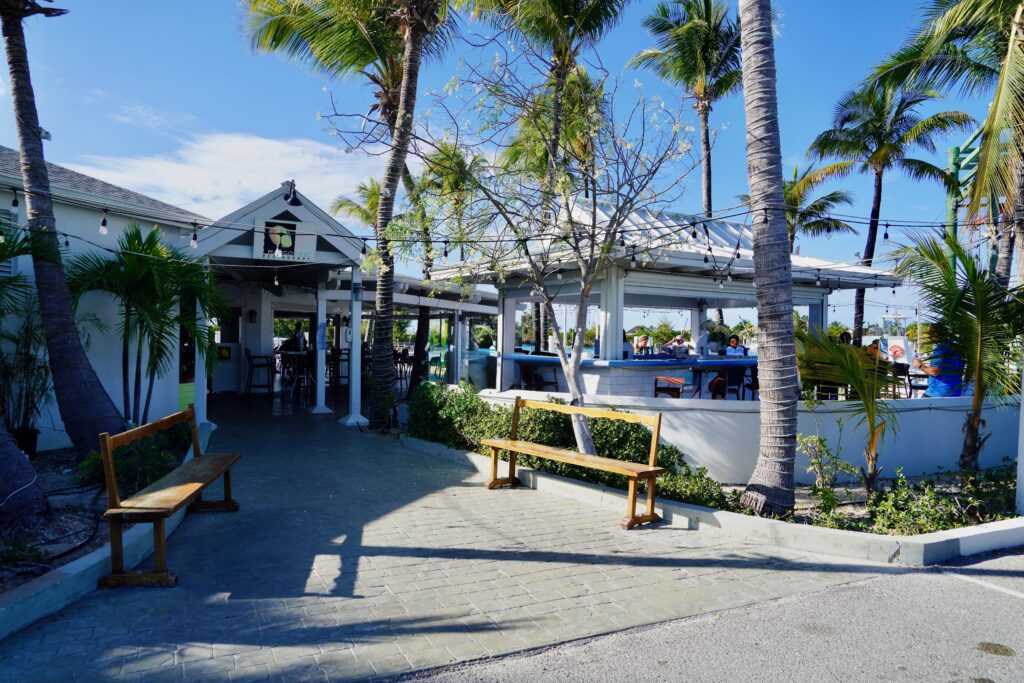
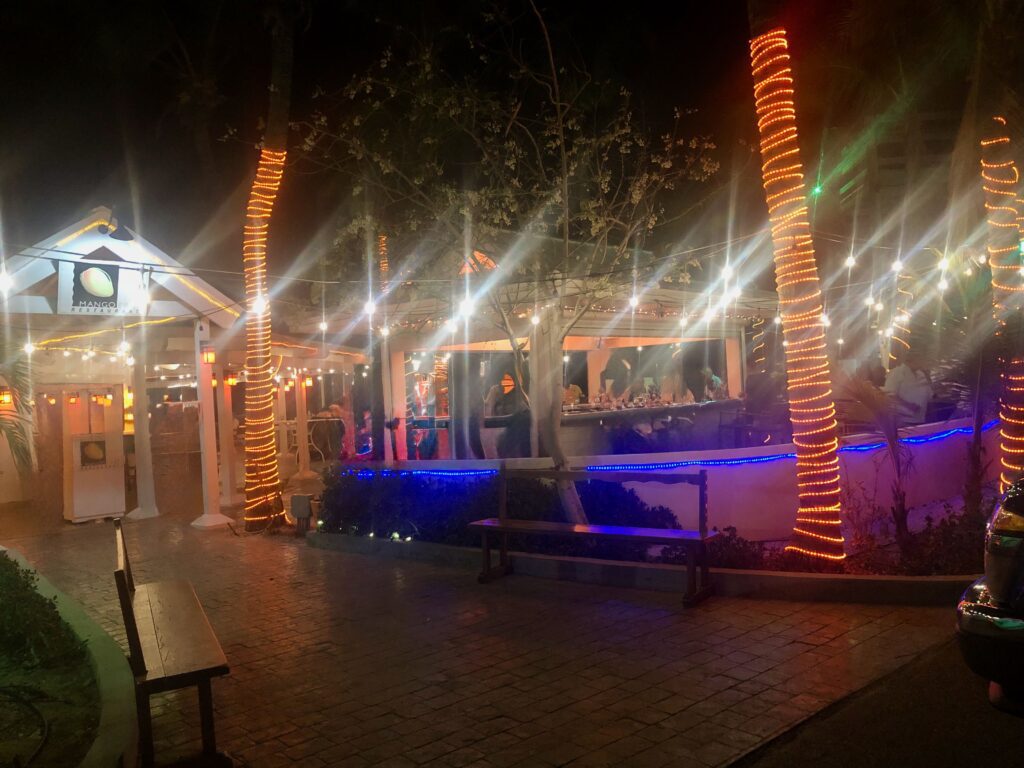
Mango Reef Restaurant
This was in the marina right next to our anchorage, so we ate here a lot. We liked it.
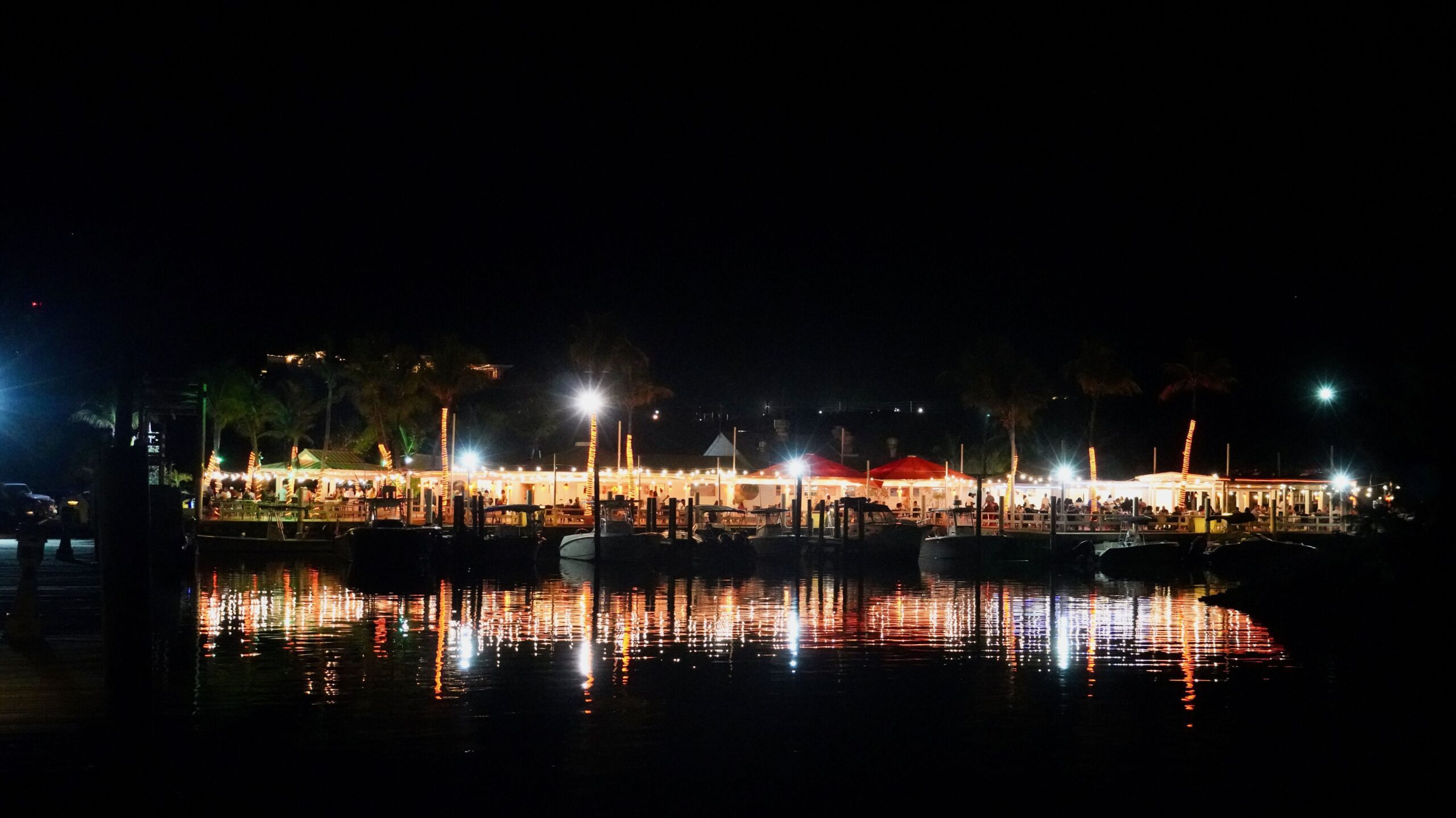
Sharkbite Cafe
A table by the water? Yes, please!

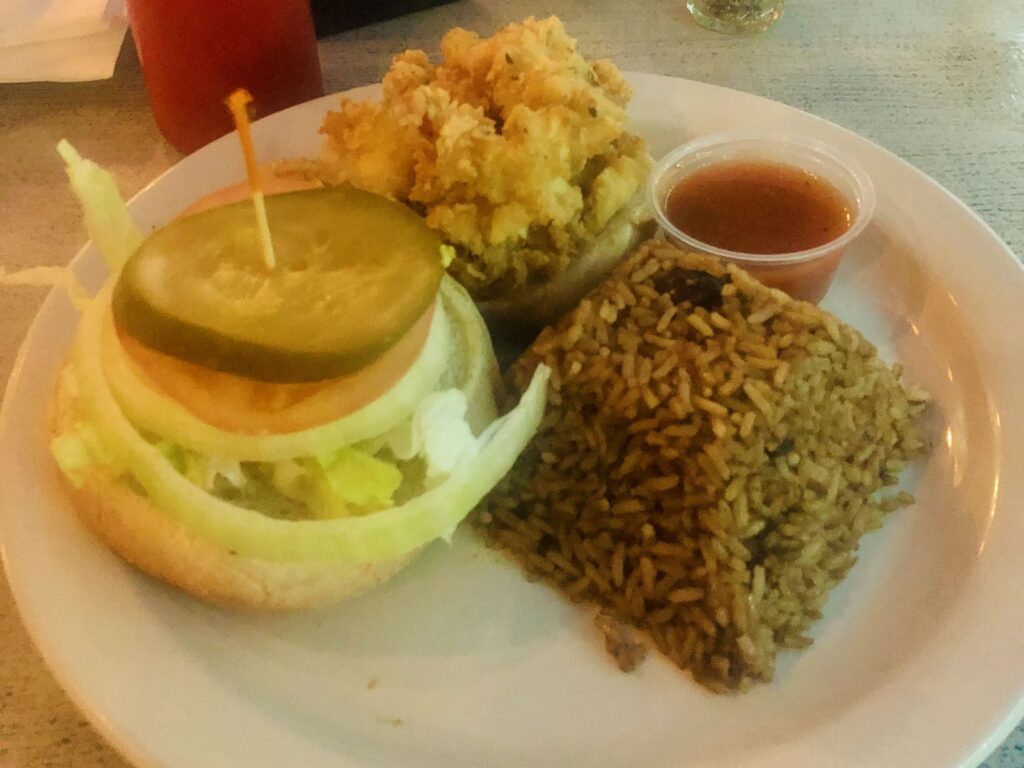
This roof-dweller fascinated us during one of our dinners.
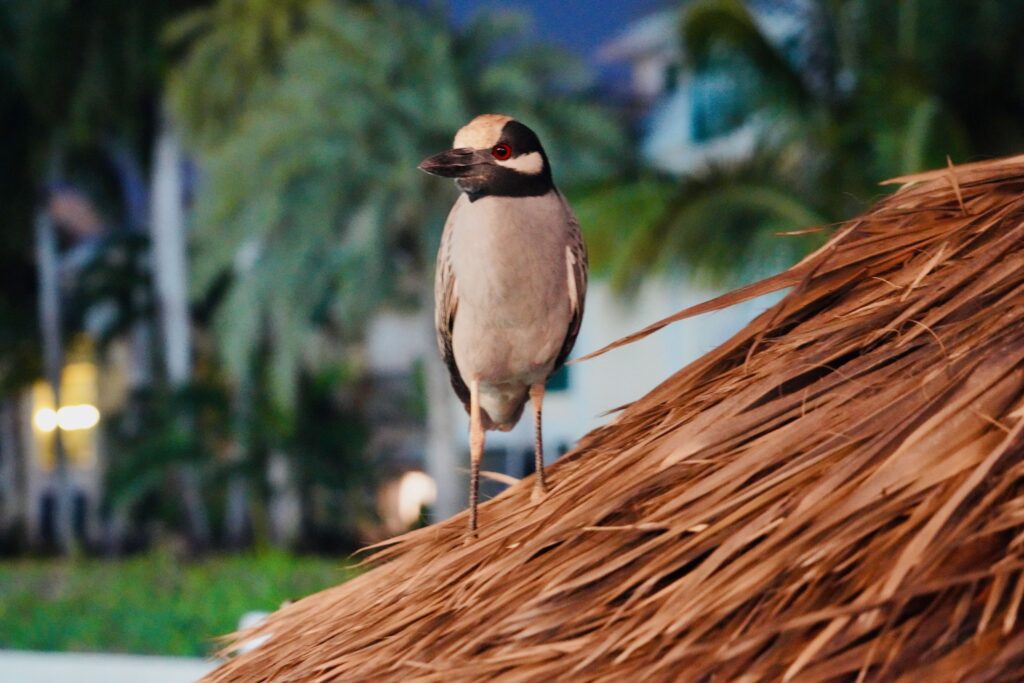
One time, we dropped something in the water.
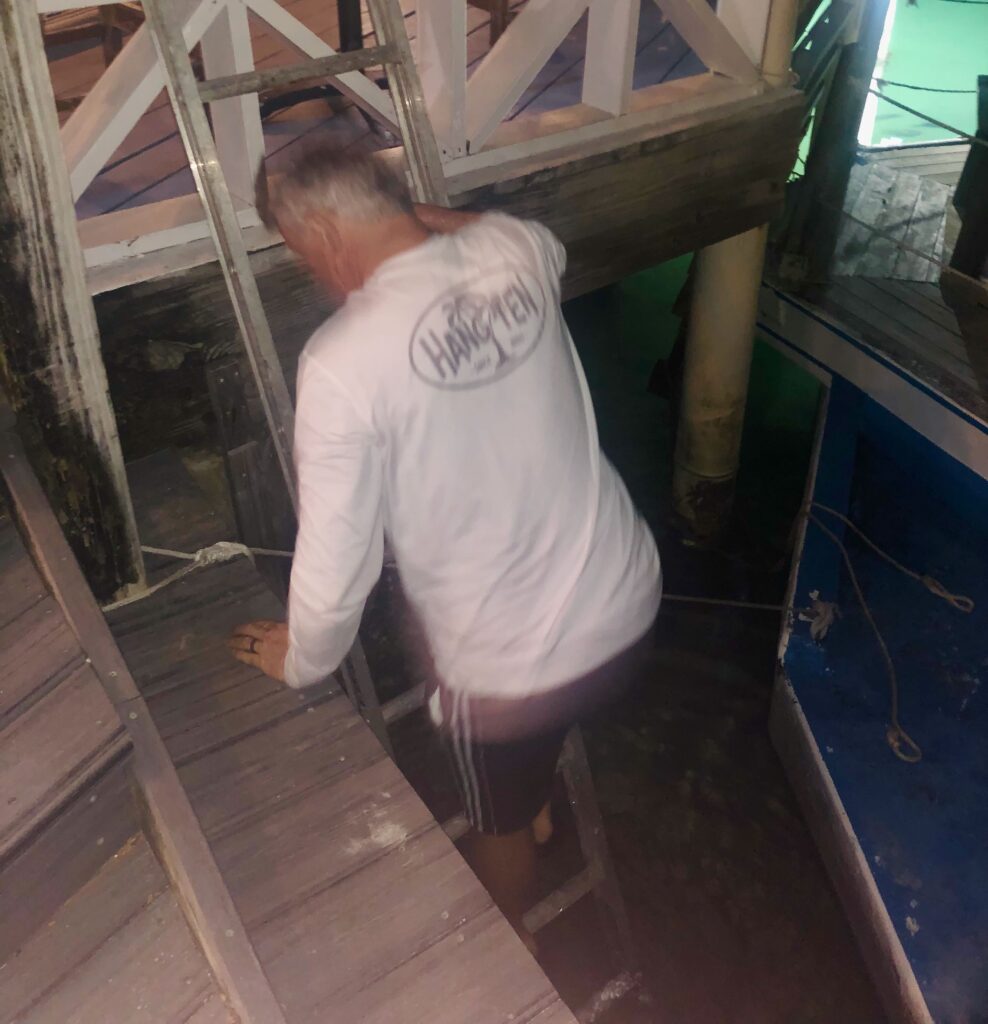
Everyone rallied with us as Roy climbed down a ladder into the water. Luckily, we were able to retrieve it.
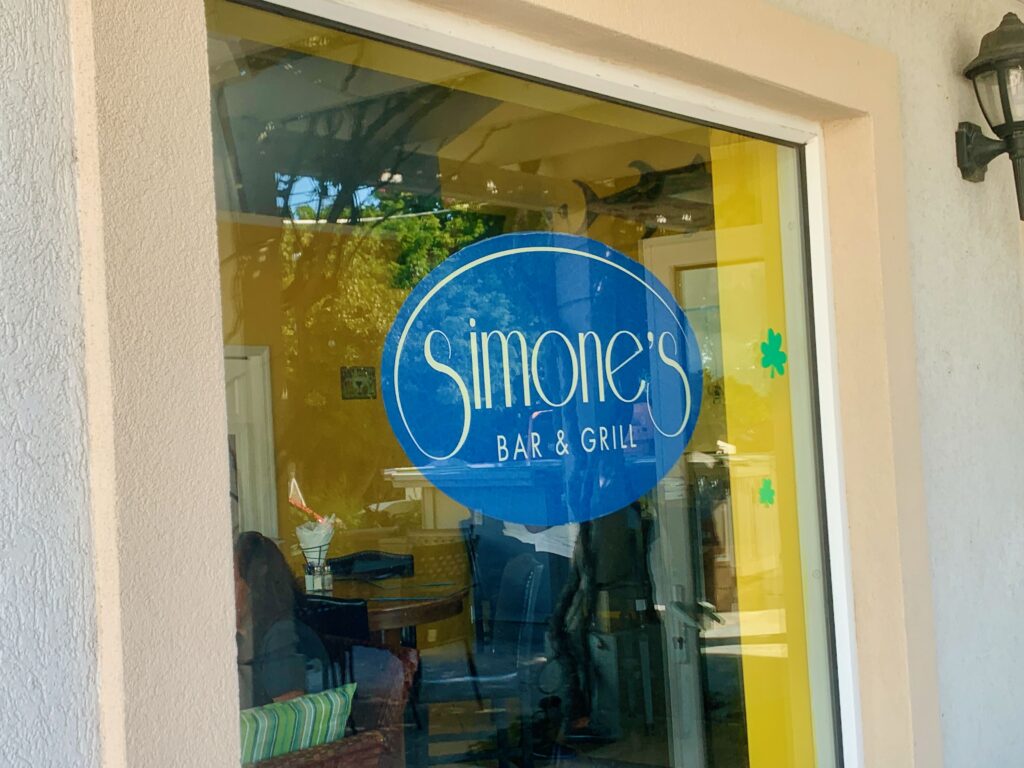
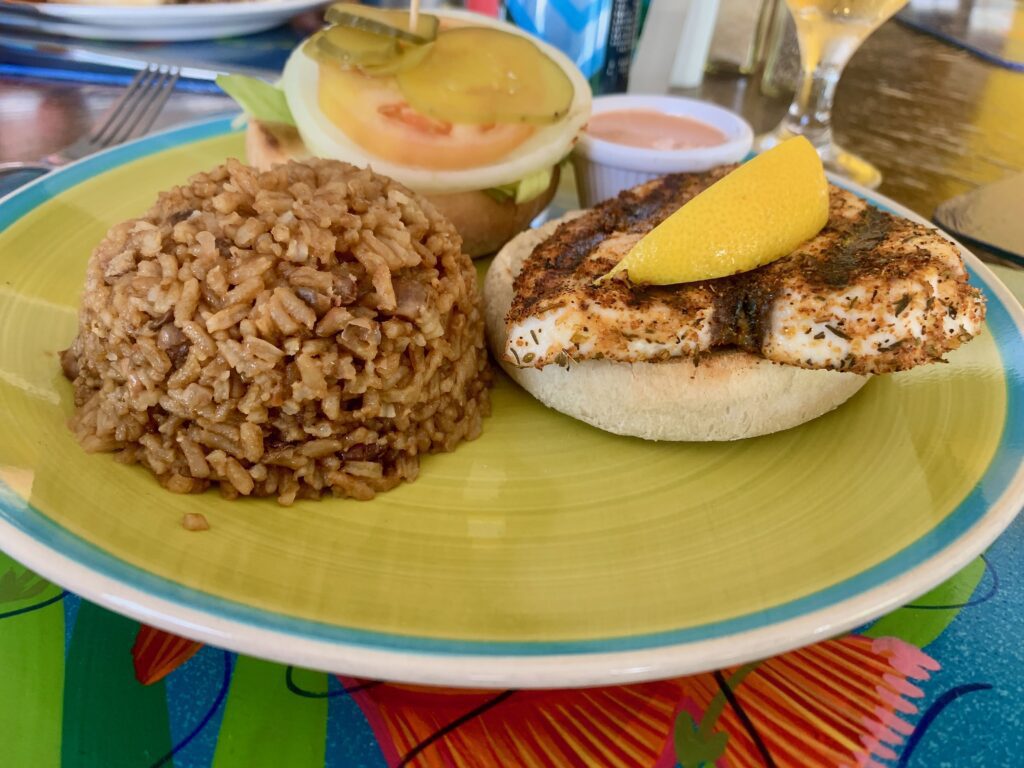
Simone’s Bar & Grill
Simple, casual, delicious.
Shopping
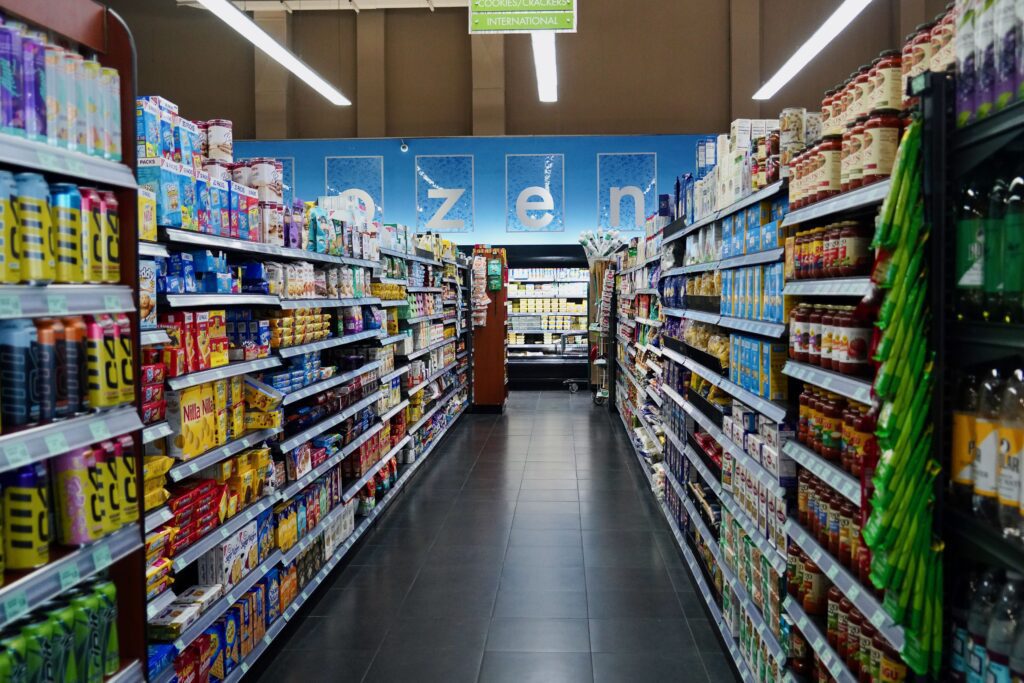
Groceries
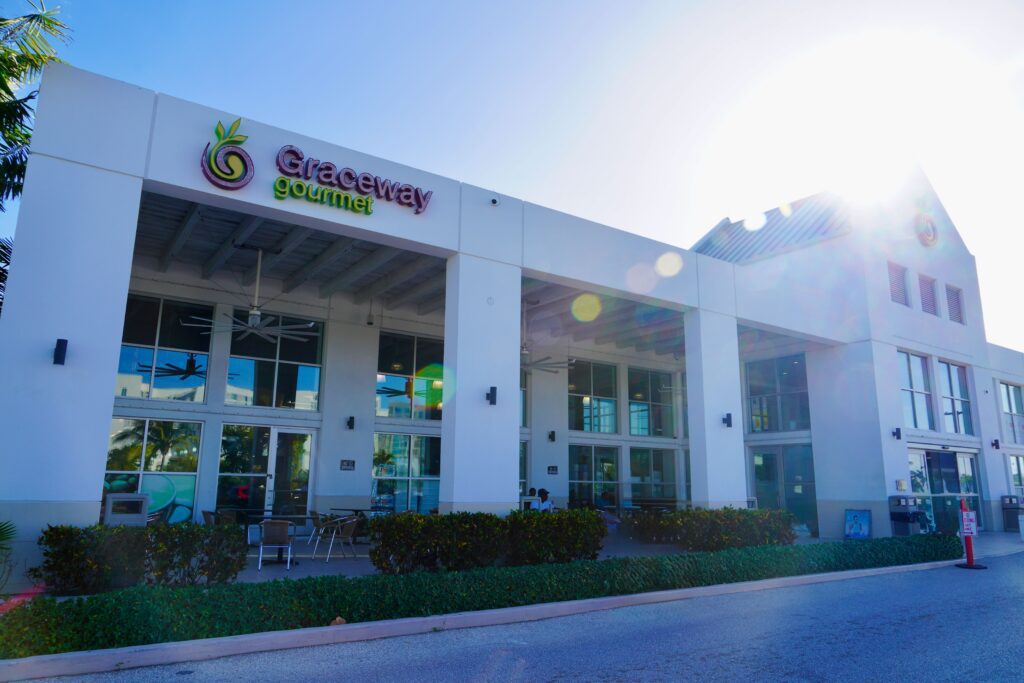
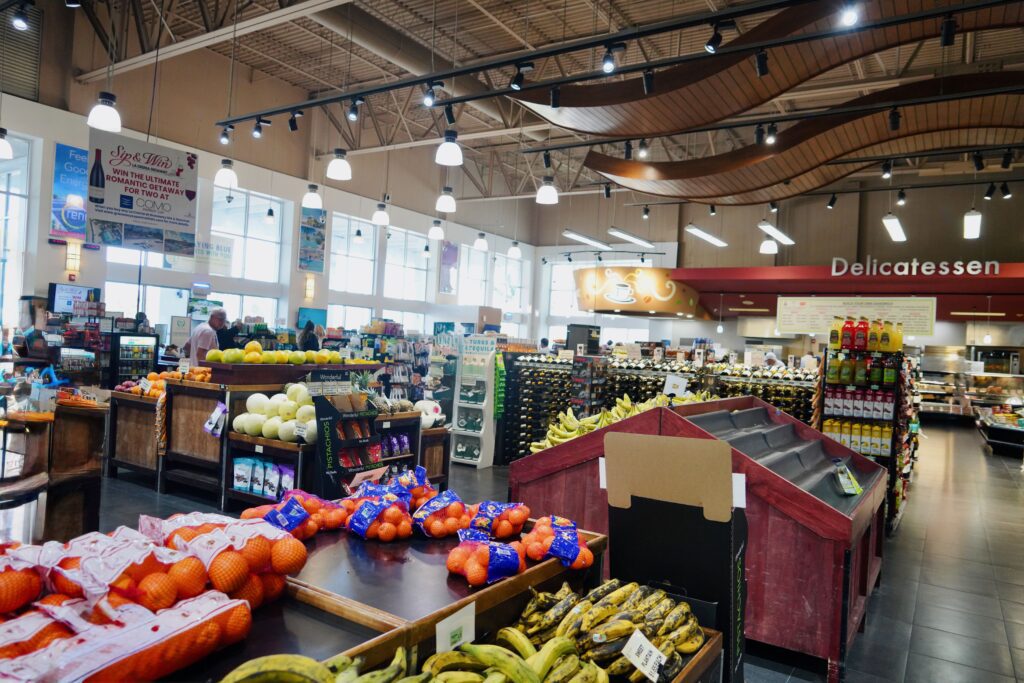
Graceway always had everything we needed. There are three main Graceway supermarket locations on the island: IGA Graceway Supermarket (Leeward Highway), Graceway Gourmet (Grace Bay), and Graceway Smart Supermarket (downtown Provo).
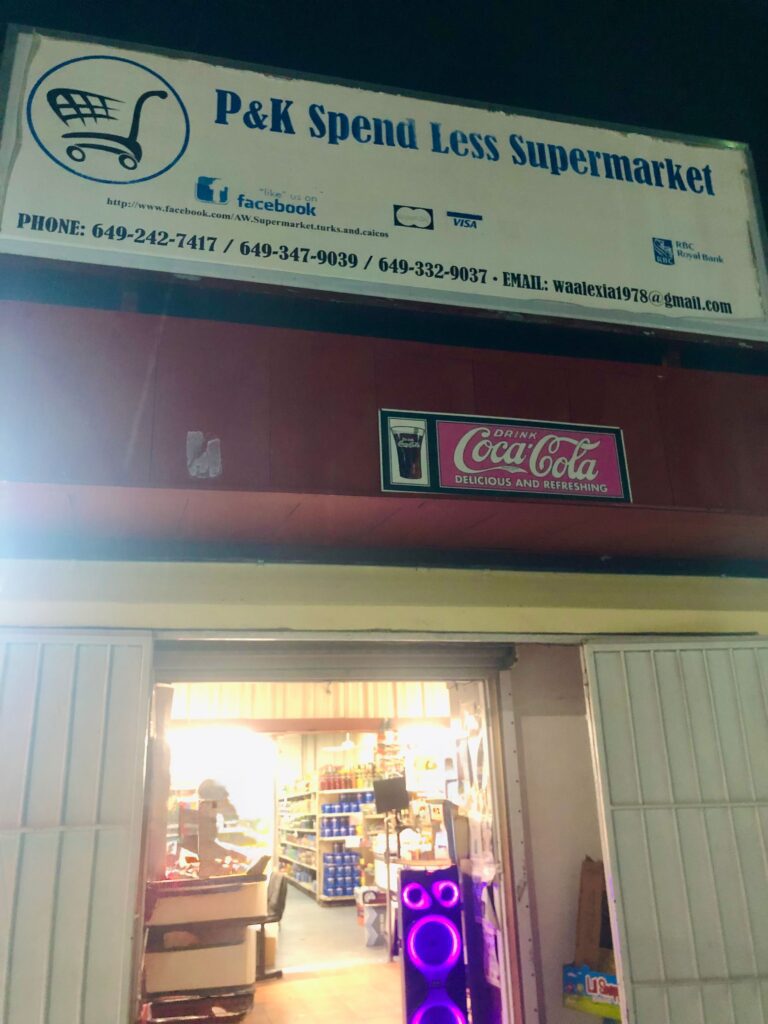
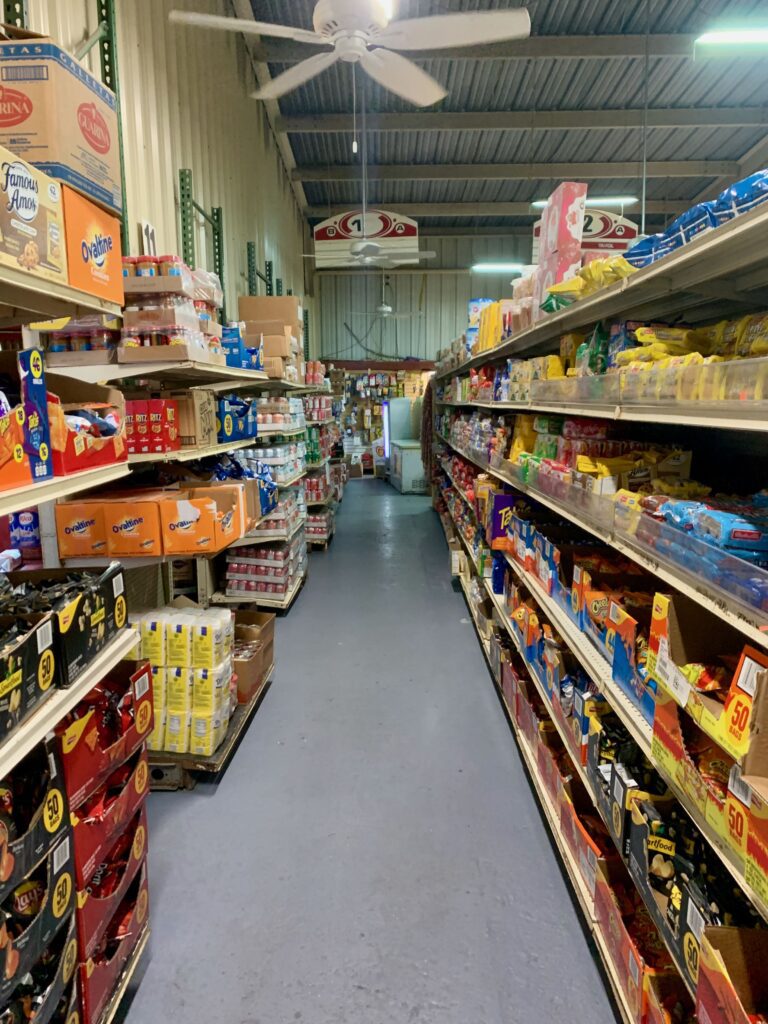
One time, we ended up at the P&K Spend Less Supermarket. It was a bit of a walk from our anchorage. There, a local seemed very concerned about us, as if we shouldn’t have been there. He helped us arrange a cab home.
Sam’s Club
We didn’t go there. Apparently, it’s not the same chain as in the U.S., but it is a similar bulk retailer that carries many Member’s Mark products.
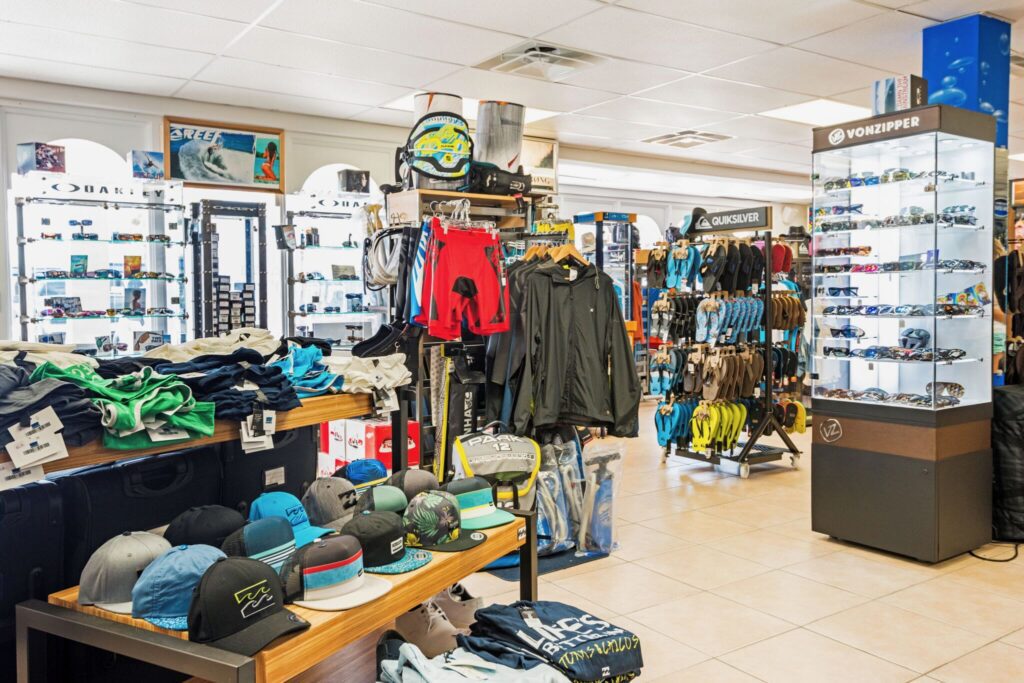
The Salt Mills—An Upscale Plaza with a Variety of Stores

Roy was able to buy a nice dry bag backpack at this surf shop:
Do it Center
A well-stocked big box hardware store. We went there multiple times and were never disappointed.

Marine-related stores
- Walkin Marine (Downtown): A, family-run store offering marine hardware, fishing gear, lubricants, epoxy resins, and safety equipment, as mentioned on the Visit TCI website.
- The Yacht Shop (South Bank Marina): Stocks marine paint (Seahawk, Interlux), oils, batteries, and cleaning supplies, with ordering options for non-stock items, say South Bank Marina.
- South Bank Marina & Boatyard: Offers extensive services including Yamaha/Honda repairs, fiberglass work, and haul-out services, according to the Visit TCI website.
Accommodations
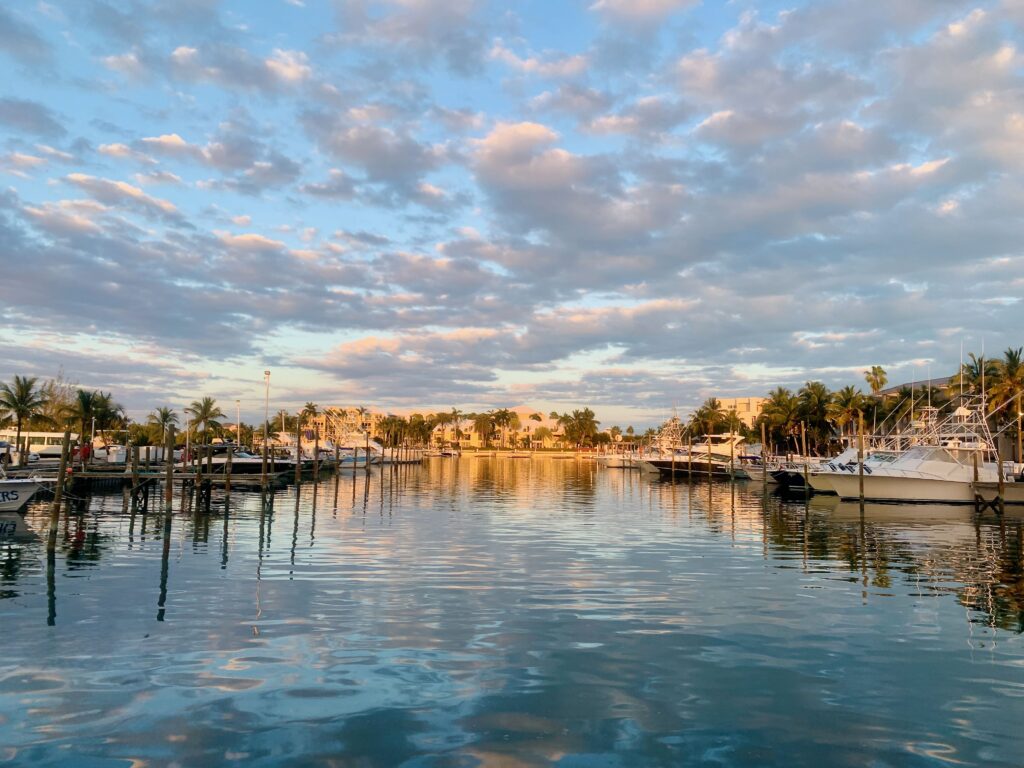
At first, we anchored at the Sirus Cove.
The anchorage was beautiful. We had easy access to Turtle Cove Marina, which is where we checked in with Customs & Immigration.
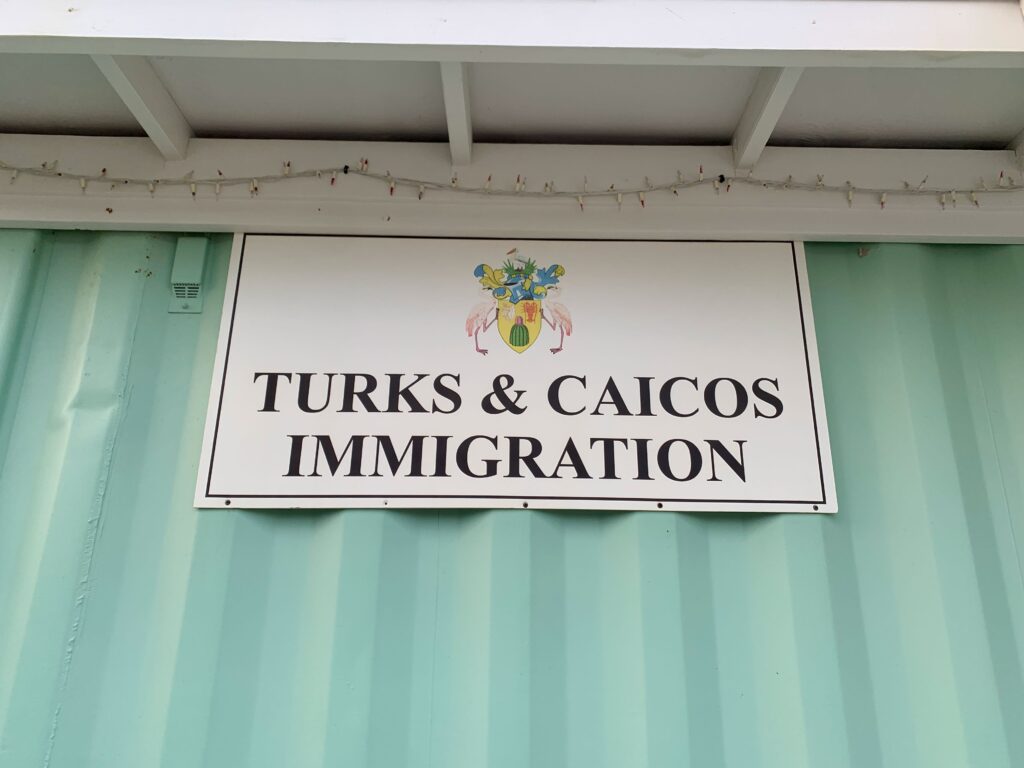
They let us use their dinghy dock, but it was an under-the-table-type courtesy. They were very nice, and we enjoyed our time at this anchorage.
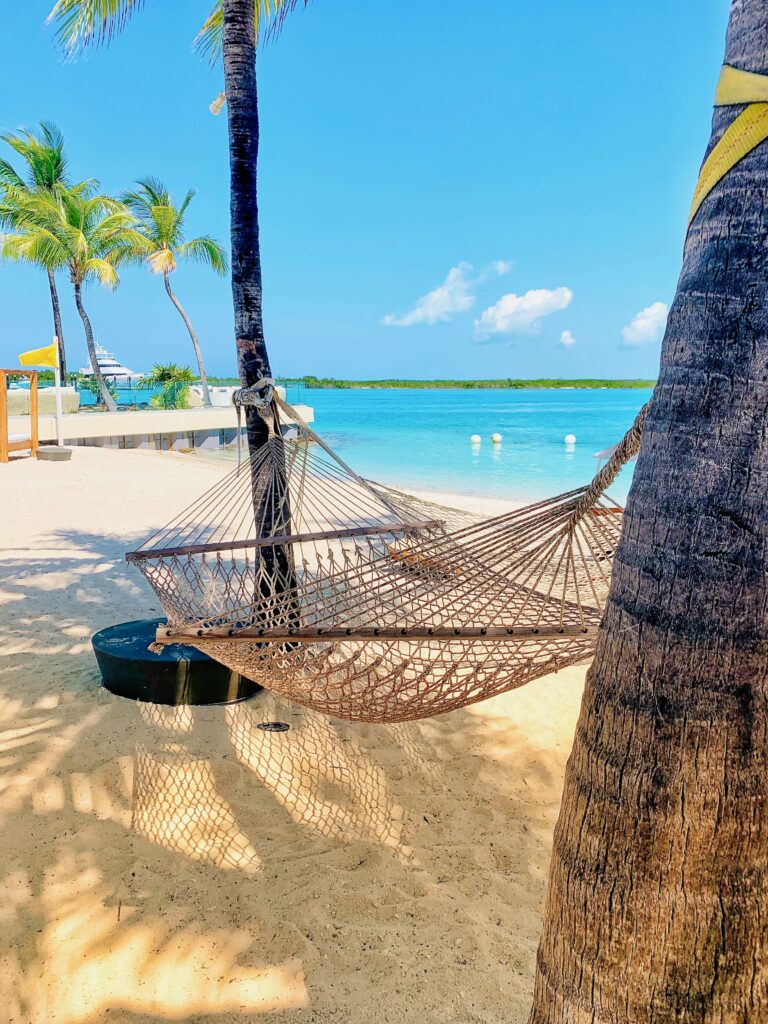
About a week later, we moved to a slip at Blue Haven Marina. To this day, this is by far the best marina experience we have ever had, anywhere in the world.

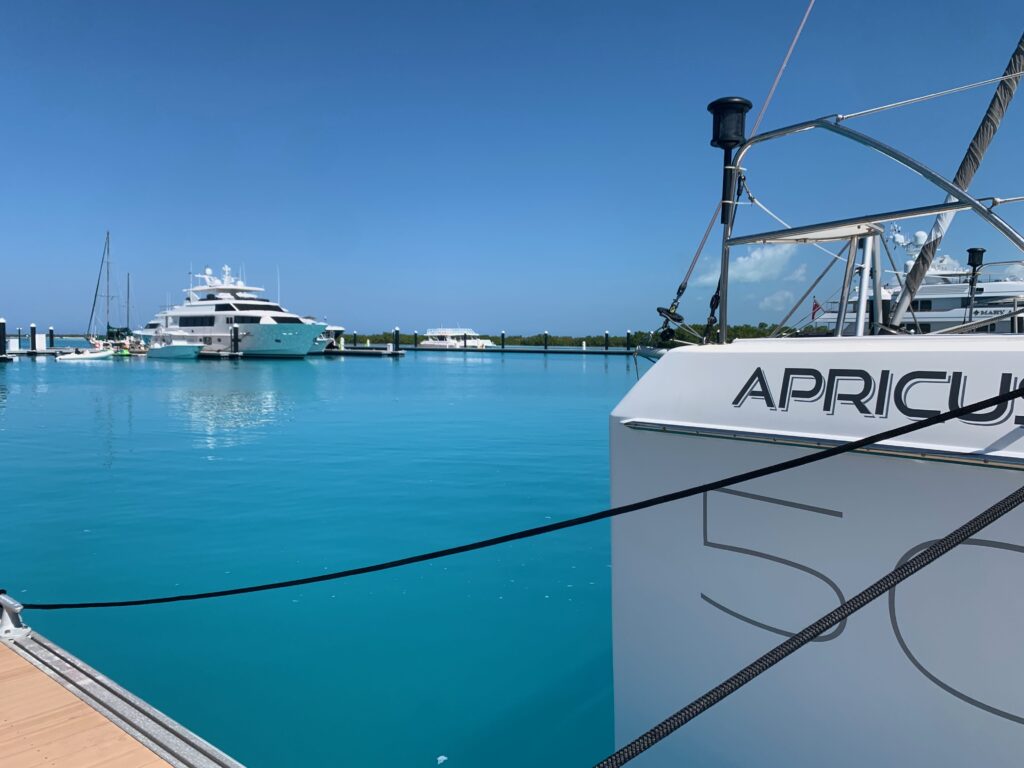
The marina was nice, and as marina guests, we had access to virtually all of the resort’s amenities.
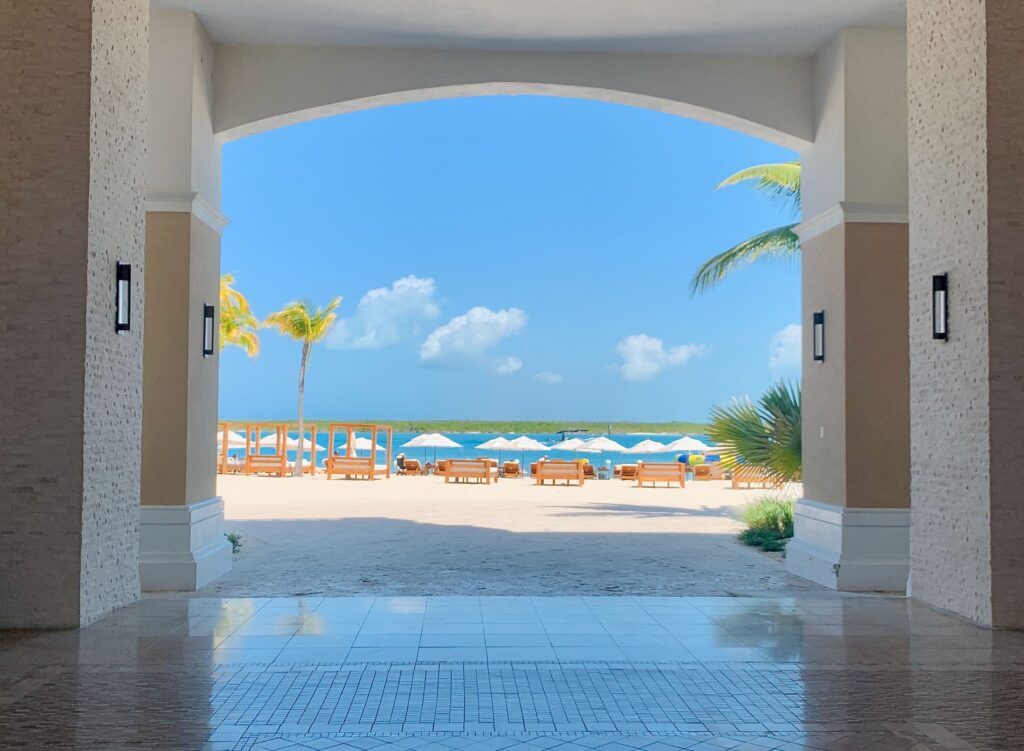
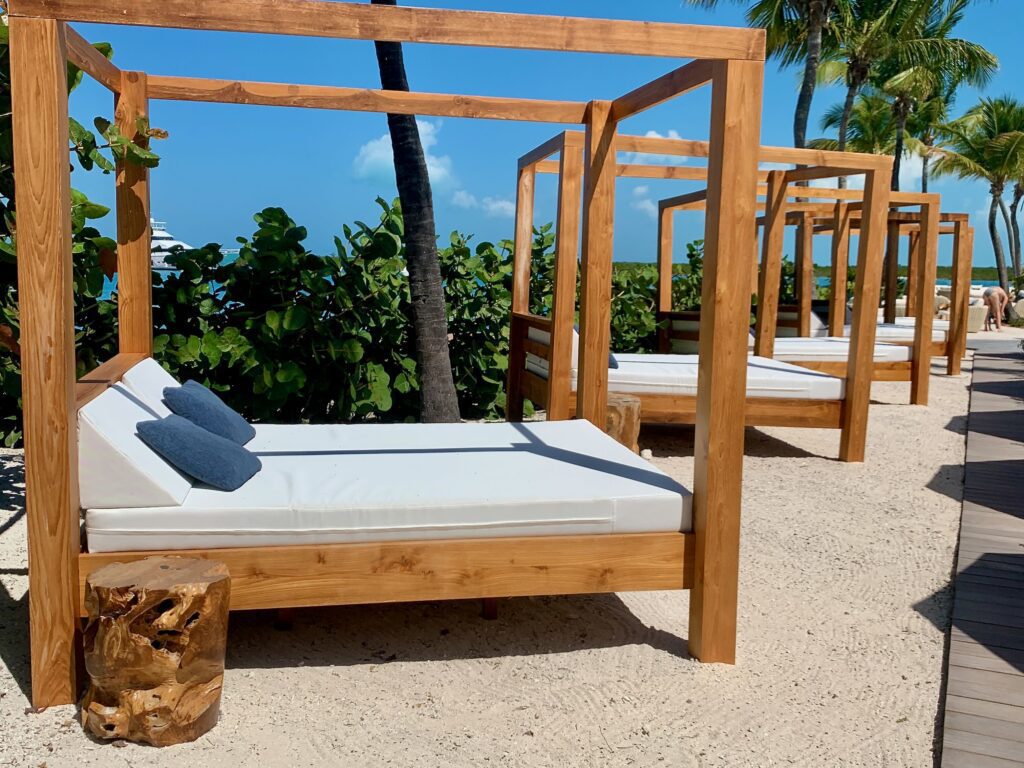
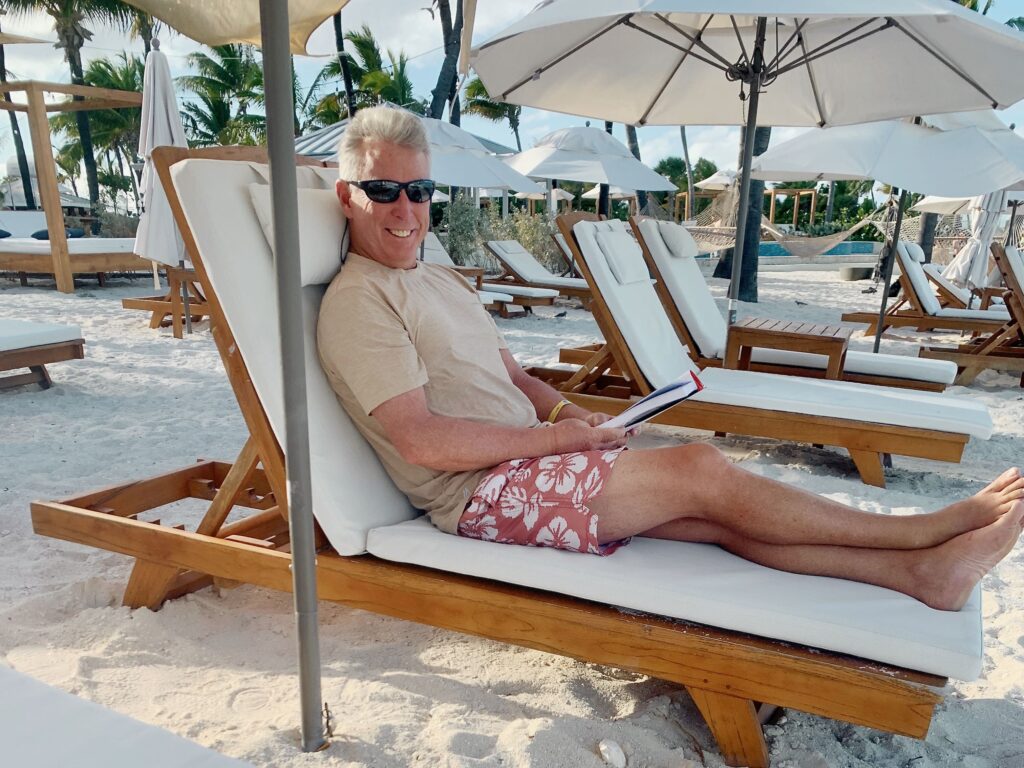
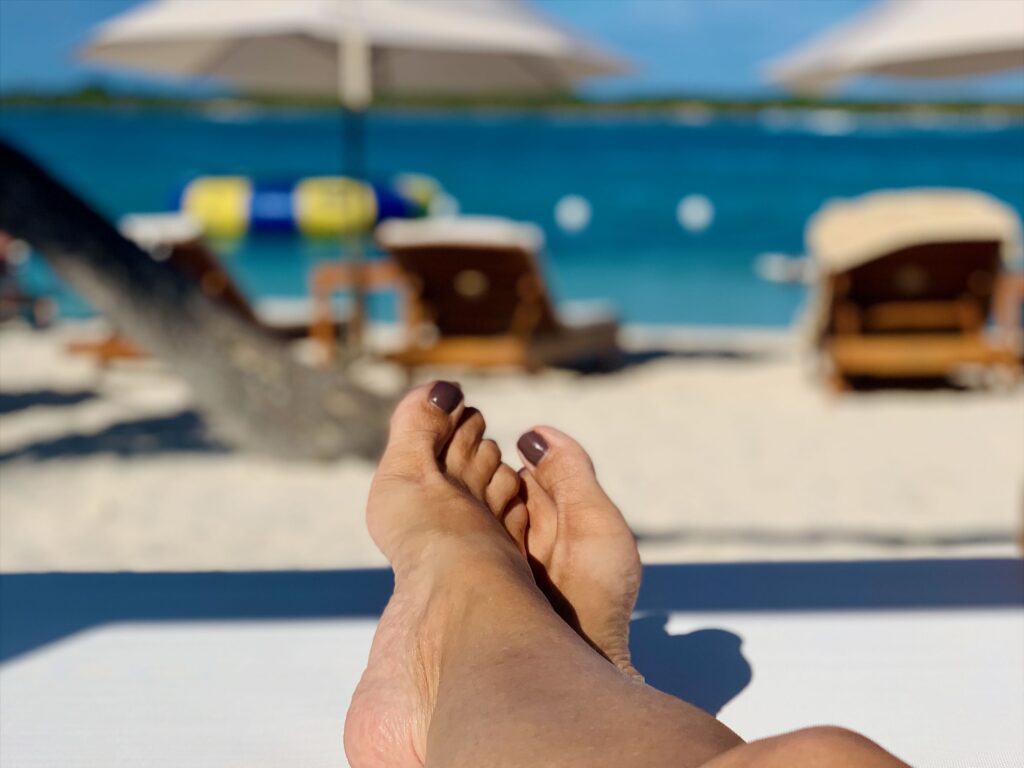
We took the shuttle to the other resort and shops.
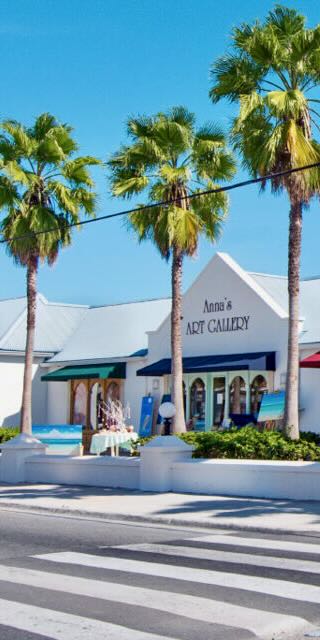
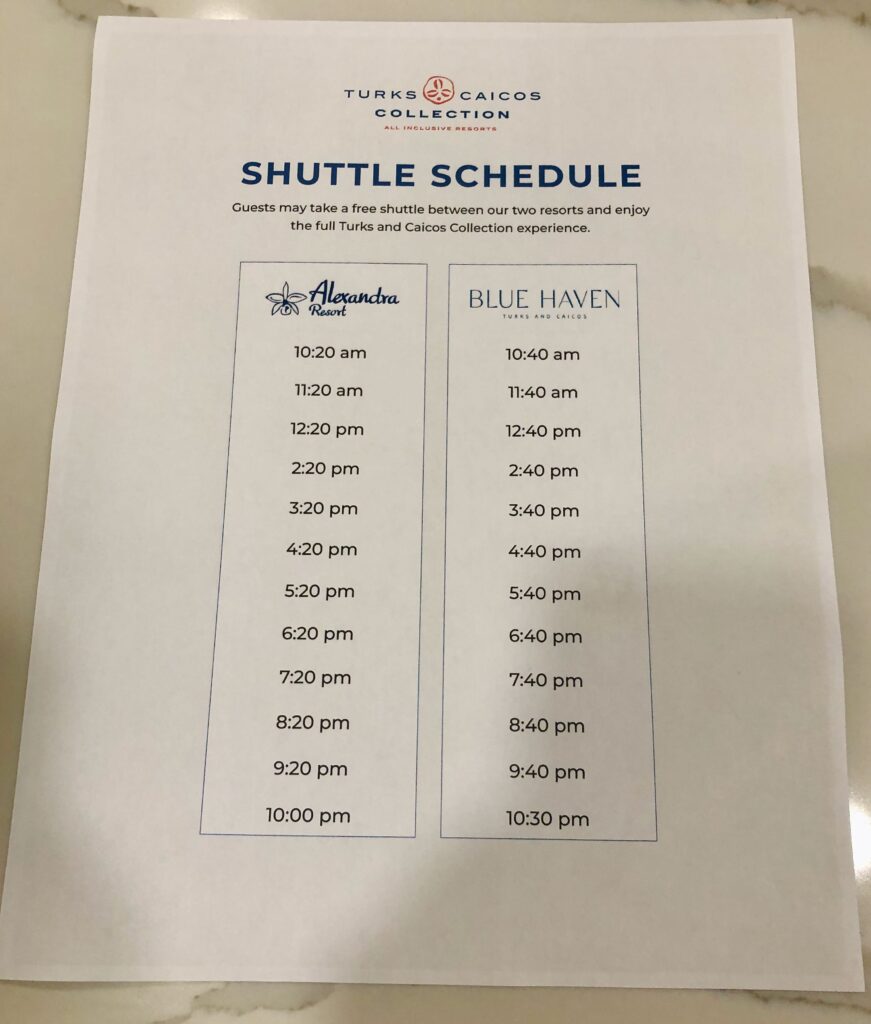
We loved our time at Blue Haven Marina.
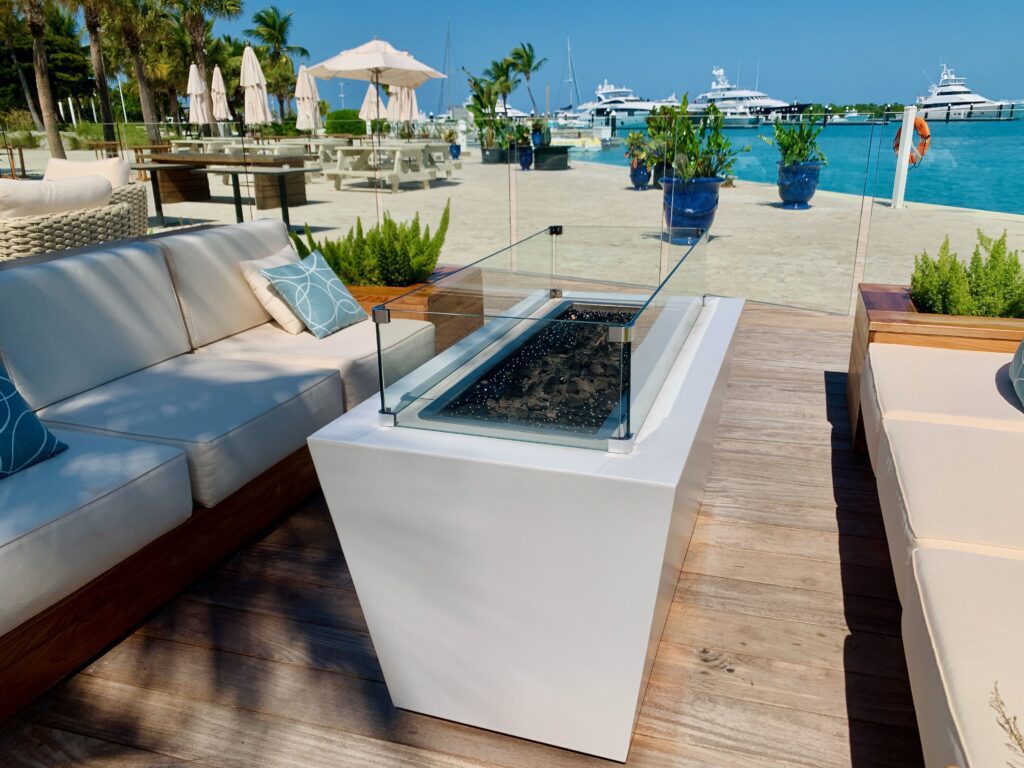
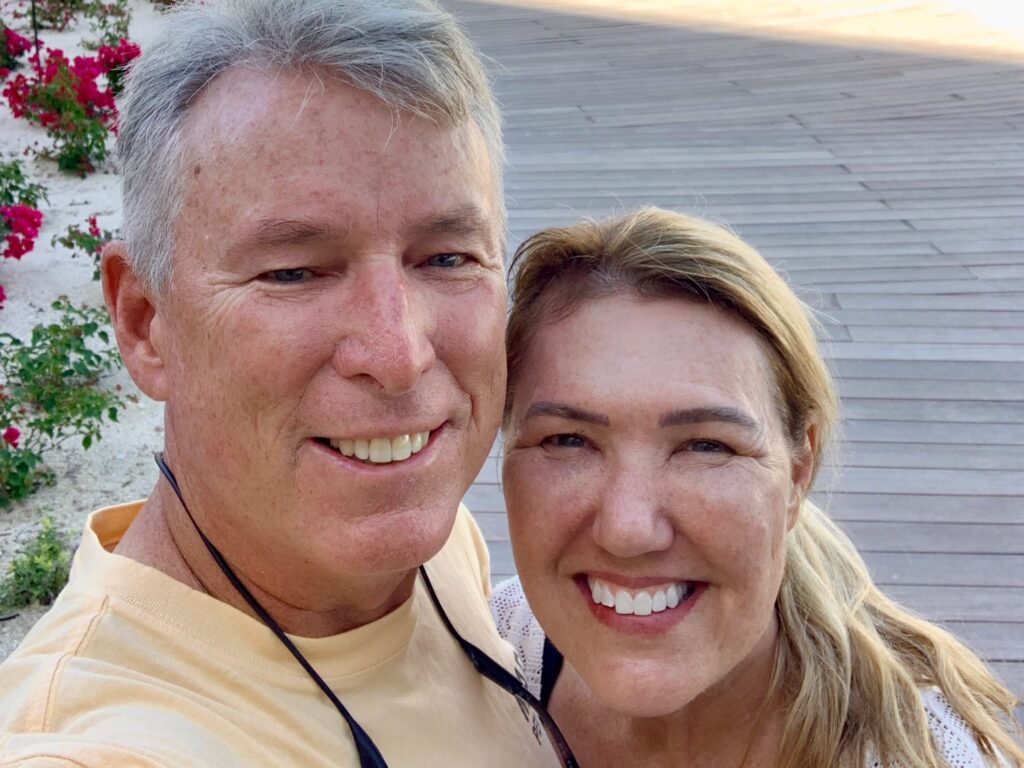
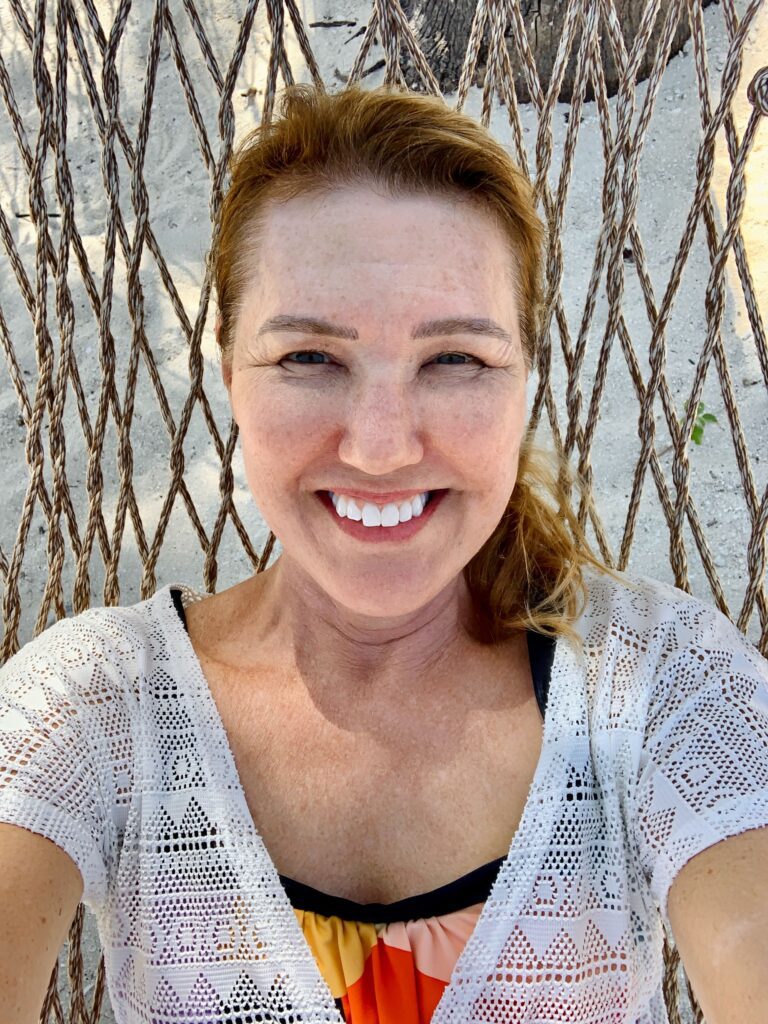
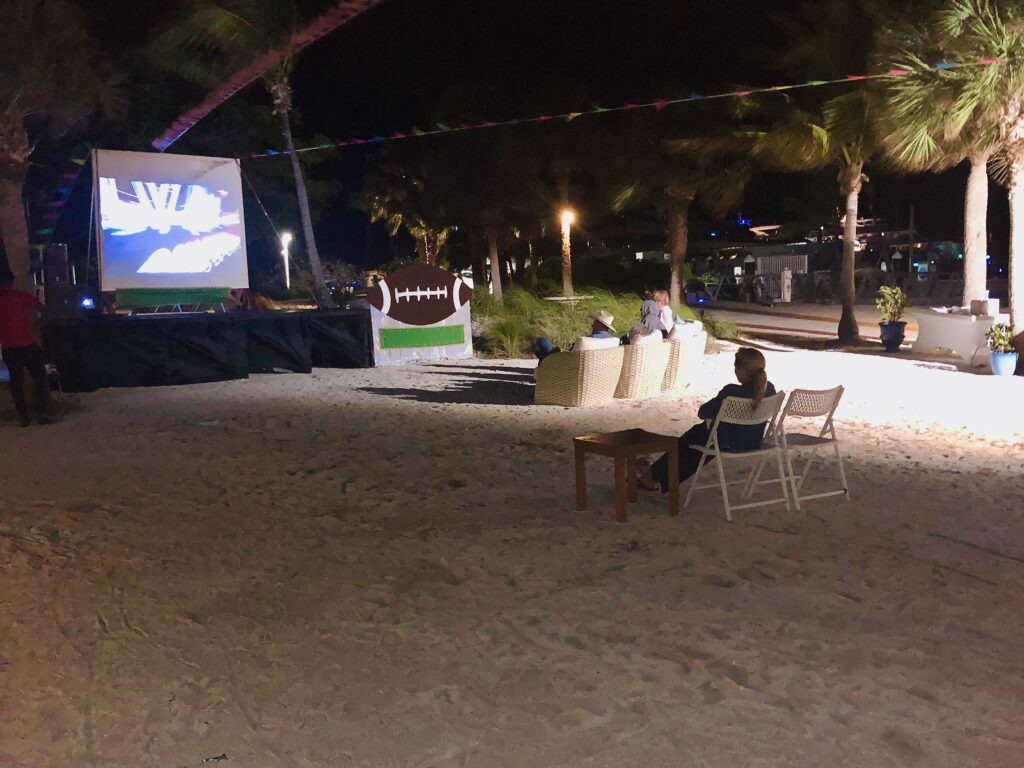
We were there for the Super Bowl. They staged a nice all-inclusive event for football fans. At first, there were several rows of chairs. Every seat was taken.

Little by little, the resort employees cleared away empty chairs as the crowd thinned.
By the end, there was one other family there and us. I guess the cowboy hat should have been a clue that they and we were the only Americans there.
Getting There
Reaching Providenciales is primarily by air, with Providenciales International Airport (PLS) serving as the sole gateway for scheduled international flights. In 2026, the island remains highly accessible from North America, with major carriers such as American, Delta, United, and JetBlue offering daily direct service from hubs including Miami, Charlotte, New York (JFK and Newark), and Atlanta. For travelers arriving from Europe, British Airways operates a twice-weekly flight from London Heathrow (via Nassau), while interCaribbean and Caicos Express provide vital regional links to neighboring islands like the Bahamas, Jamaica, and the Dominican Republic.
Upon arrival at PLS, transport to the major resort areas of Grace Bay or Leeward typically involves a 15- to 20-minute taxi ride or a pre-arranged car rental.
We sailed there on our catamaran.
Getting Around
While there are taxis, they can be expensive as they charge per person. Renting a car is the most cost-effective way to see the island. There are several rental car options on the island. Remember: they drive on the left side of the road.
We walked everywhere.
Final Thoughts
Providenciales (Provo) continues to define the pinnacle of Caribbean travel by seamlessly blending high-end sophistication with a deep-rooted commitment to environmental preservation.
As the island evolves with new sustainable initiatives, it remains a sanctuary where the “Exuma Blue” water is matched only by the warmth of its people. Providenciales is not just a destination to be seen, but a place to be felt, offering a restorative pace that stays with you long after you’ve departed Provo.
We adored it, especially the turquoise water and our time at Little Water Cay and Blue Haven Marina.
You can see a map of Provo here.
Originally experienced in February 2024; content refreshed in March 2026.
