
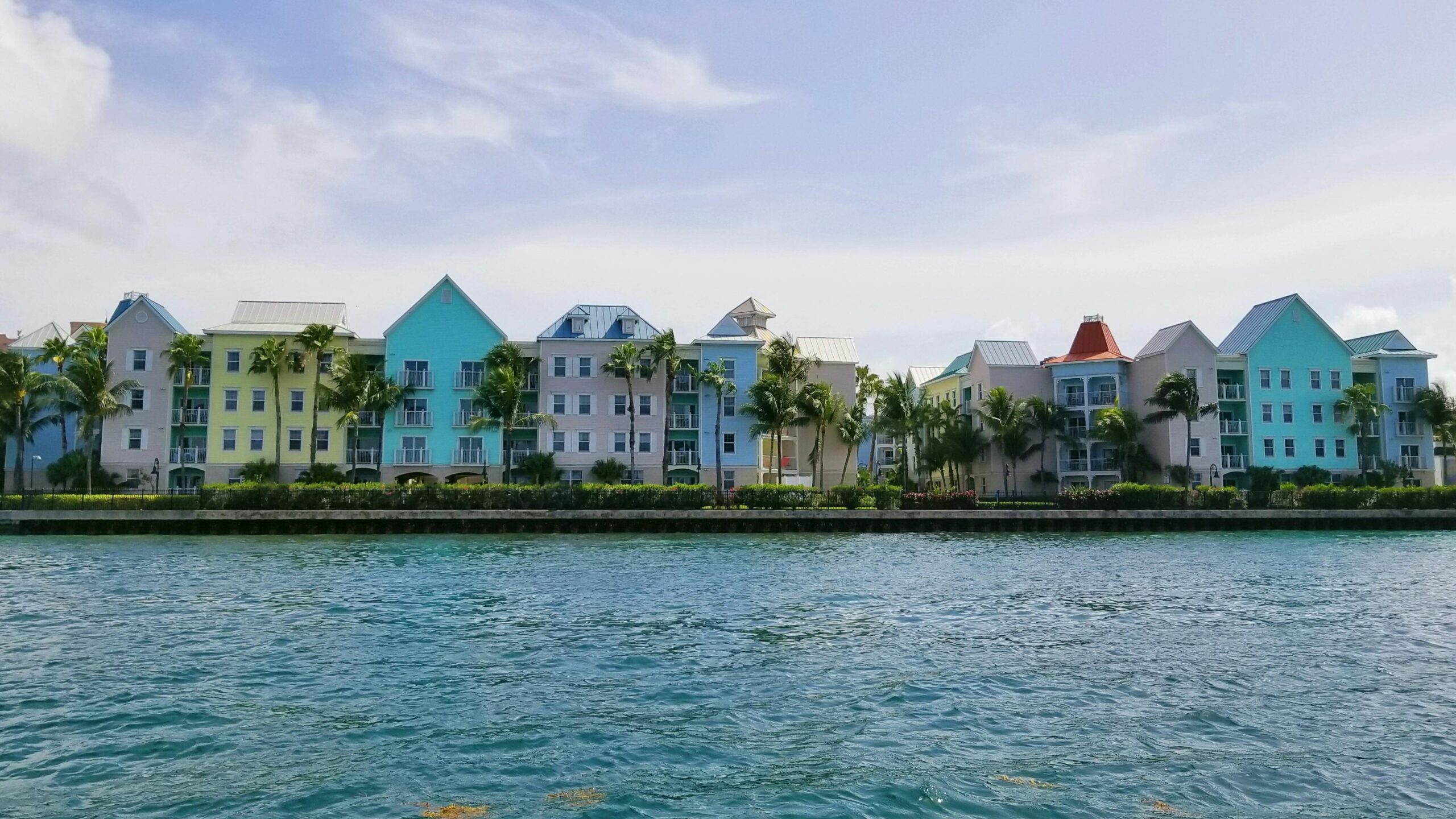
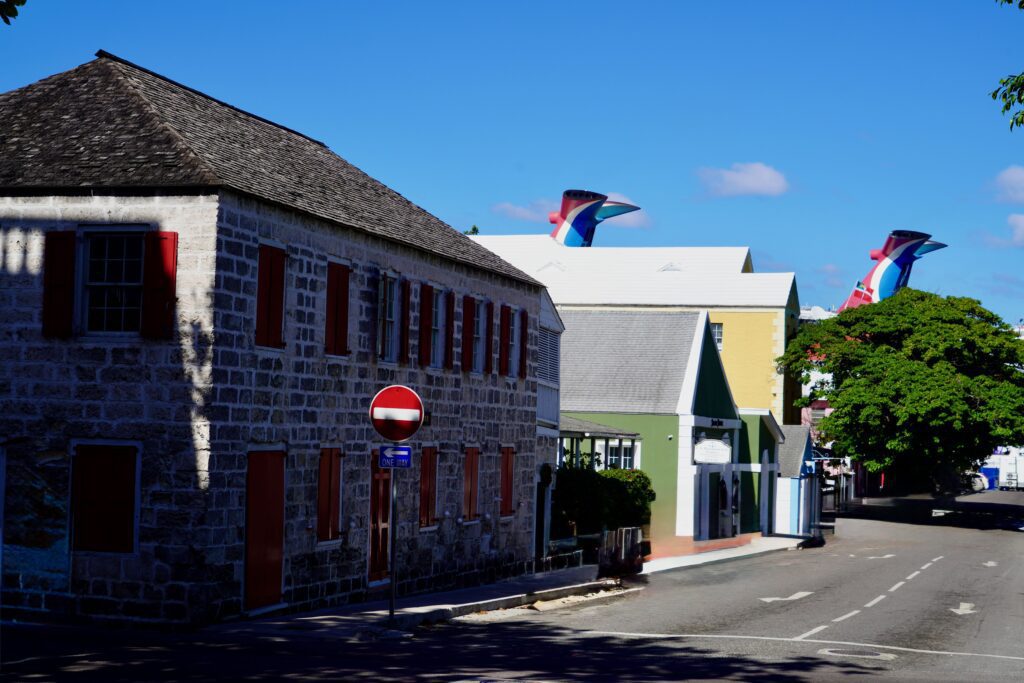
The vibrant capital of the Bahamas, Nassau has a rich history that spans five centuries. Situated on the northeast coast of New Providence Island, the city is known for its colonial architecture, painted in a signature palette of “conch-shell” pastel pinks, greens, blues, and yellows.
Walking through downtown, you encounter landmarks that speak to the island’s complex past—from the Golden Age of Piracy to the era of British Loyalist settlements. Sites like the Queen’s Staircase, hand-carved by enslaved people out of solid limestone, and the nearby Fort Fincastle, which stands like a silent sentinel atop Bennet’s Hill, provide a tangible connection to the past that shaped the modern Bahamas.
Beyond the stone walls and history, Nassau is defined by its relationship with the water. The surrounding sea—dubbed baja mar or “shallow sea” by early explorers—is world-renowned for its clarity, shifting from pale turquoise to deep sapphire in a single glance.
This was the second stop on our journey through the Bahamas, and—given its focus on tourism—we thought we wouldn’t like it. But we were wrong.
Things We Loved Most About Nassau
1. The Queen’s Staircase
The Queen’s Staircase, commonly referred to as “the 60 steps,” is one of Nassau’s most significant historical landmarks.
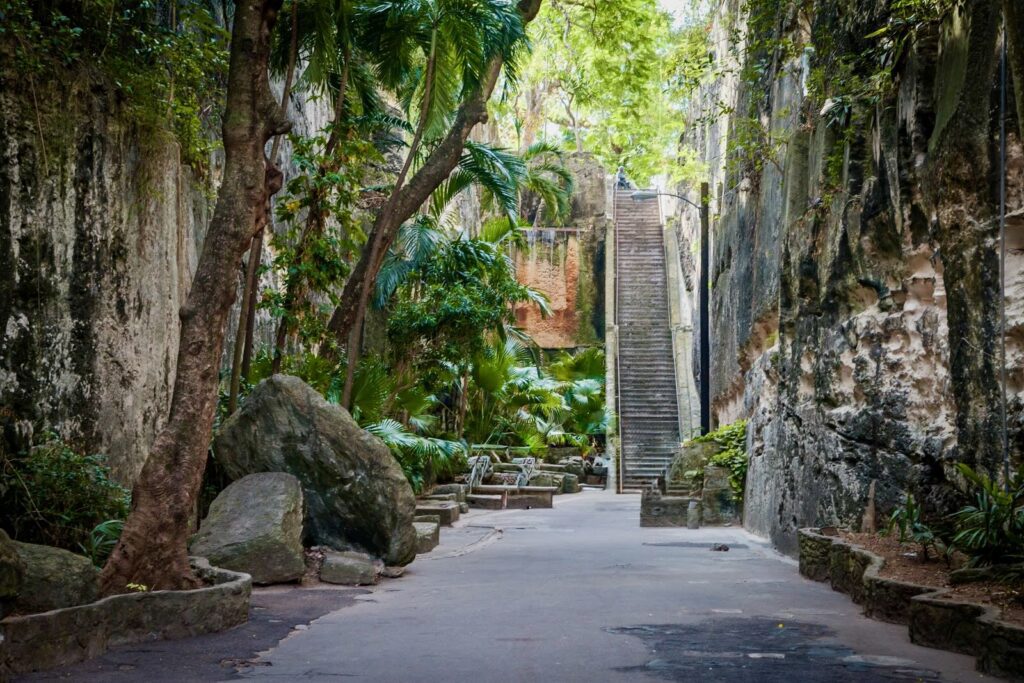
Located within the Fort Fincastle Historic Complex, this 102-foot structure was hand-carved out of solid limestone by approximately 600 enslaved people between 1793 and 1794. The construction provided a direct shortcut from Fort Fincastle to the city of Nassau, allowing British troops to move quickly in the event of an invasion.
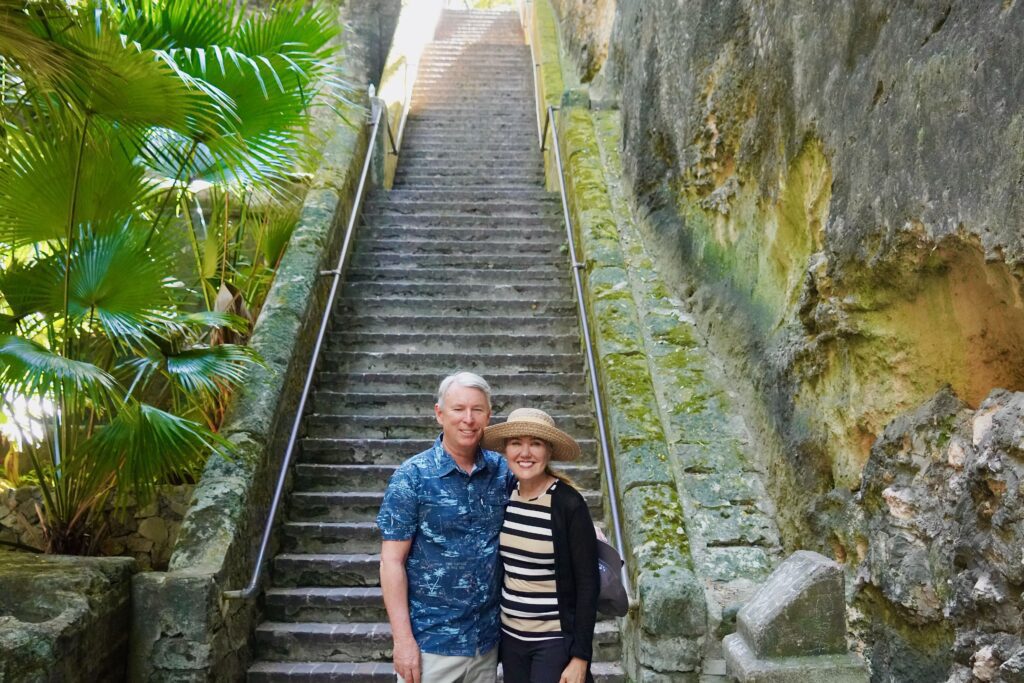
The staircase was later named in honor of Queen Victoria, who reigned for 64 years and is credited with abolishing slavery in the Bahamas in 1837. Although there are technically 66 steps, the bottom steps were buried during paving, and many locals still refer to the original count.
While I hate the fact that 600 slaves had to work on this laborious project, it was interesting seeing it, and I love the fact that the site stands as a profound monument to the labor and craftsmanship of the enslaved Bahamians and the eventual path toward emancipation.
2. Fort Fincastle
Constructed in 1793, Fort Fincastle is a historic defensive structure perched atop Bennet’s Hill, the highest point on New Providence Island.

It was commissioned by Lord Dunmore, the Royal Governor of the Bahamas, to protect the city of Nassau and its harbor from pirates and potential French or Spanish invasions. The fort is architecturally distinct for its unique shape, which resembles the prow of a paddle-wheel steamship (or a “ship’s bow”), designed to provide a 360-degree vantage point over the island and the turquoise waters below.

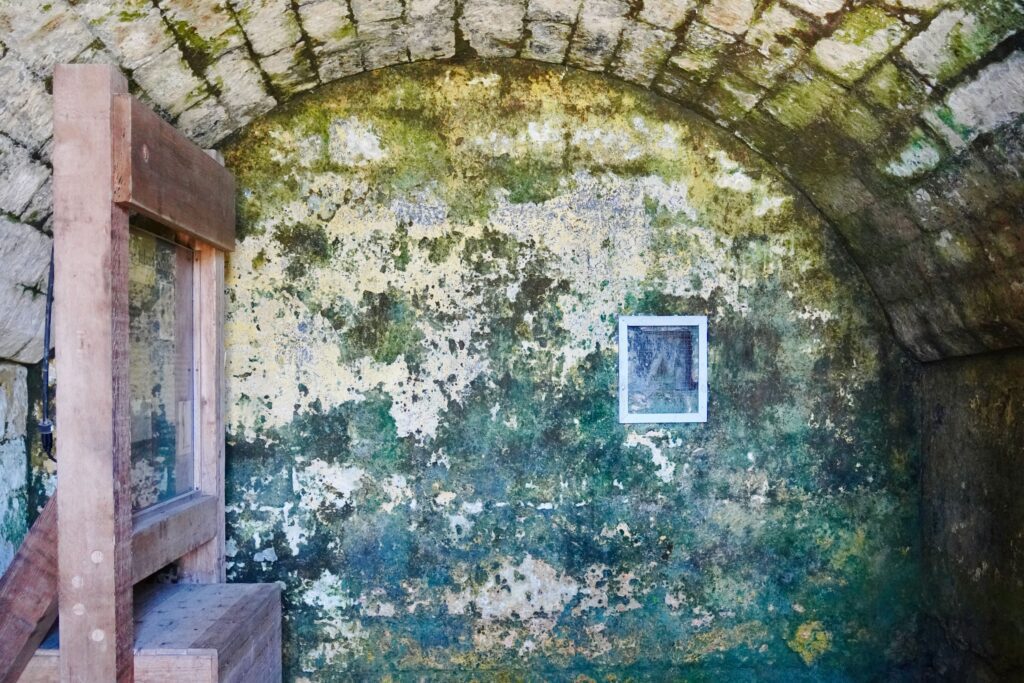
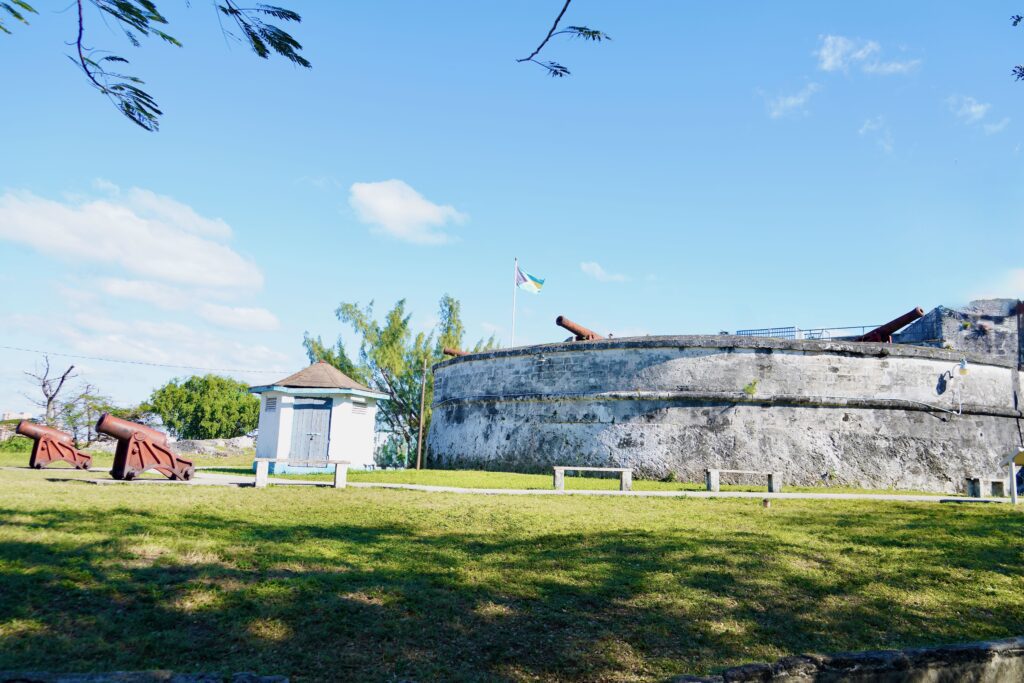
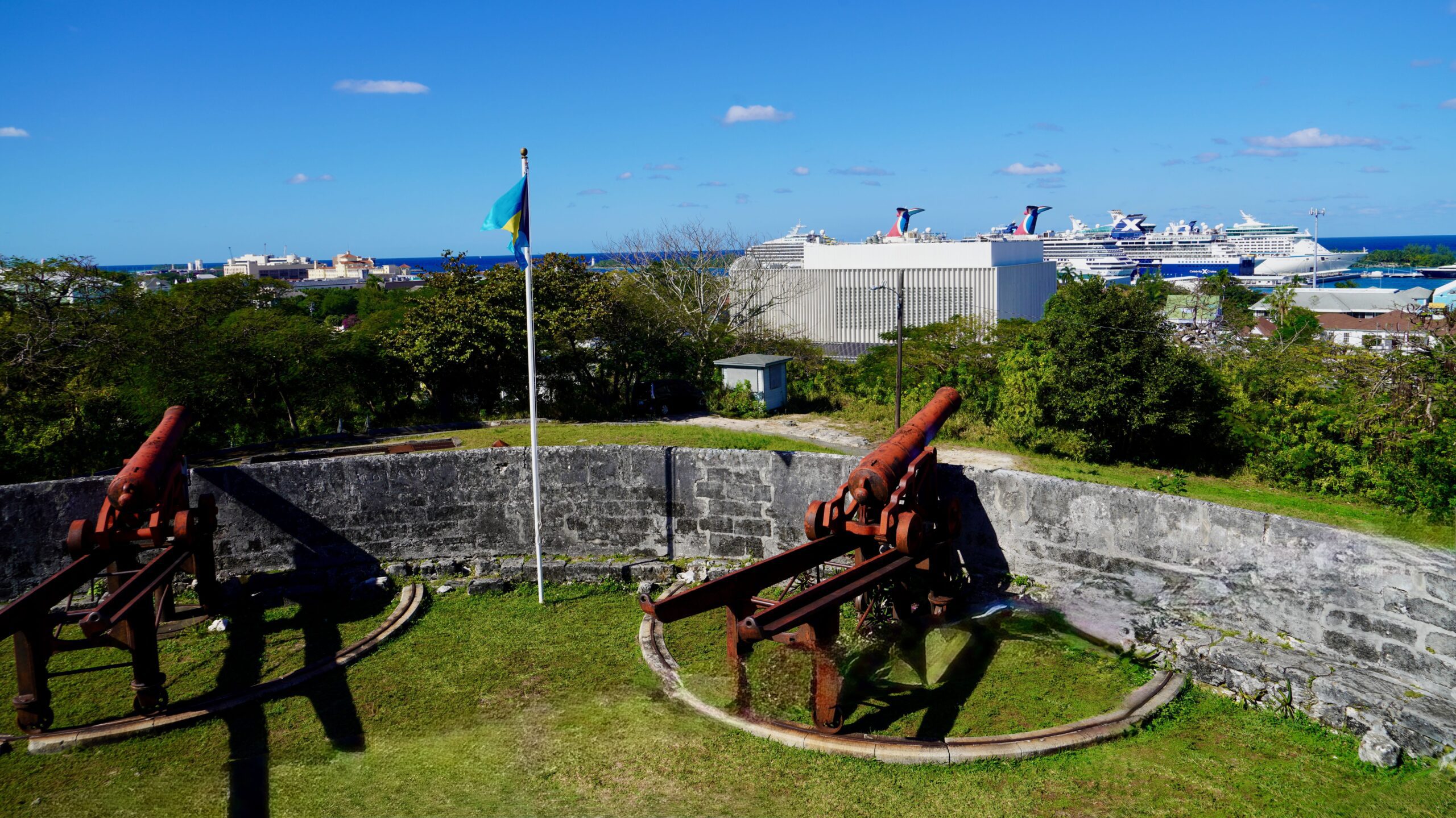
Despite its formidable appearance and strategic location, Fort Fincastle never saw actual combat. Its massive limestone walls originally housed several cannons, including two 24-pounders and two 32-pounders, which remained silent throughout the fort’s military history. In later years, the structure served as a lighthouse until 1817 and eventually functioned as a signal station.
We enjoyed seeing the original cannons and exploring the views from the ramparts.
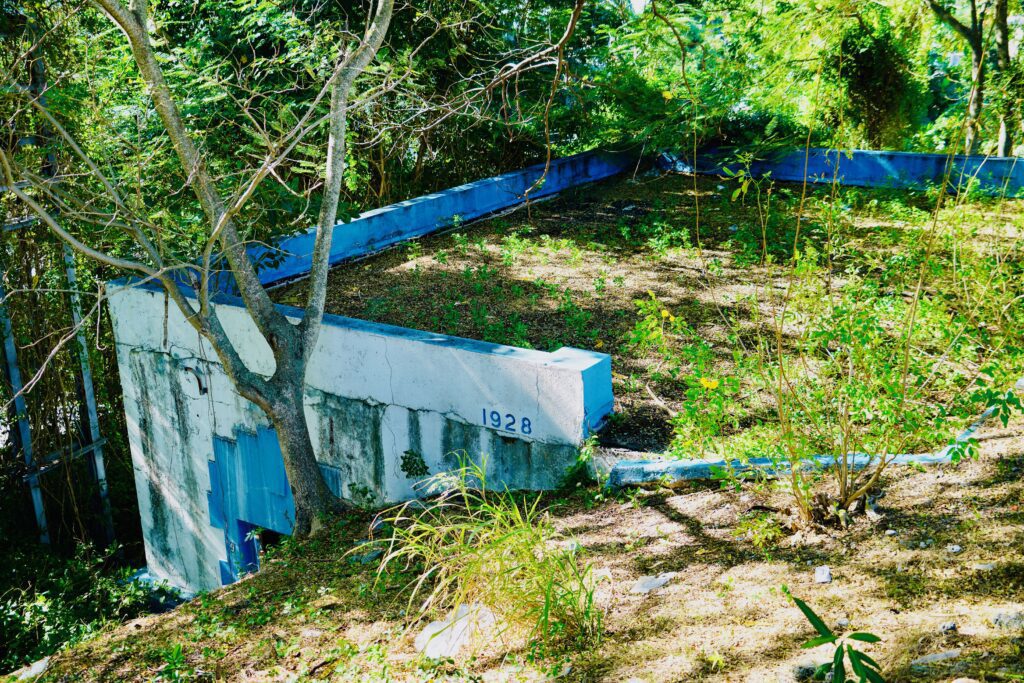
Adjacent to Fort Fincastle atop Bennet’s Hill stands the Nassau Water Tower, the tallest structure on New Providence Island. Built in 1928 to maintain water pressure throughout the city, the tower is a massive concrete cylinder reaching a height of approximately 126 feet (38 meters). A winding staircase of 216 steps leads to an observation deck at the summit, which sits 216 feet above sea level.
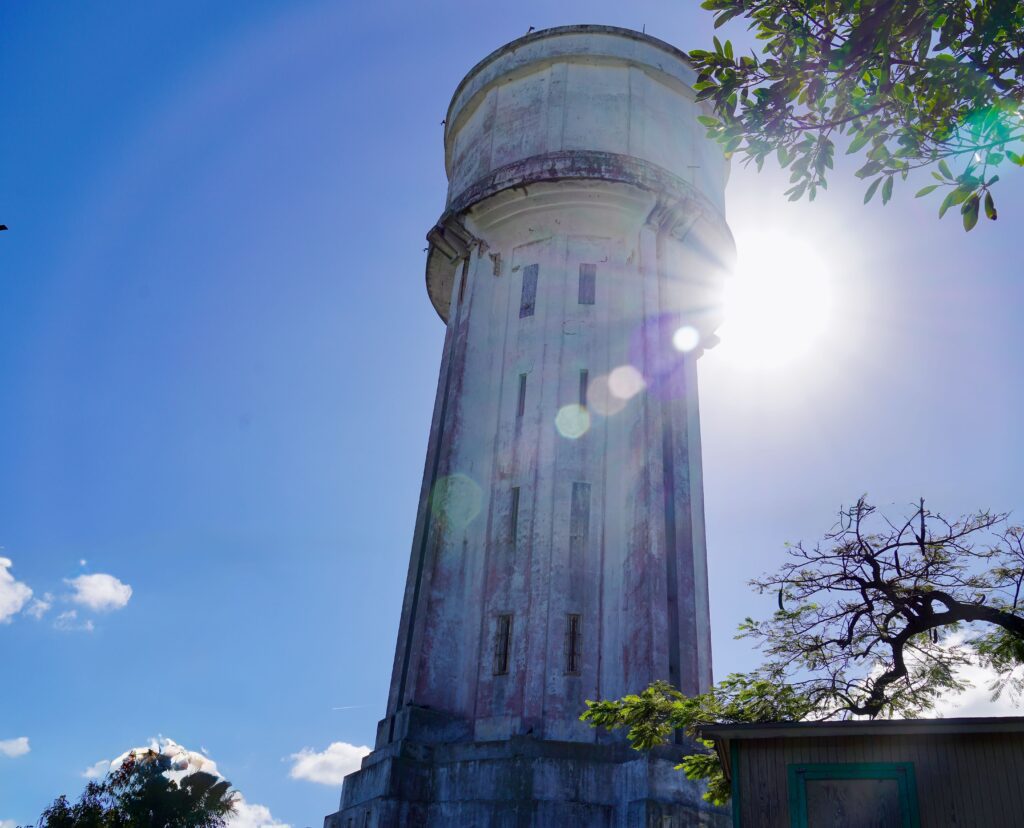
Though its primary function was utilitarian, it has become a major tourist attraction due to its unrivaled panoramic views of Nassau Harbor and the Atlantic Ocean. While the interior is often closed to the public for preservation, the tower remains a dominant landmark of the Nassau skyline and a testament to early 20th-century Bahamian infrastructure.
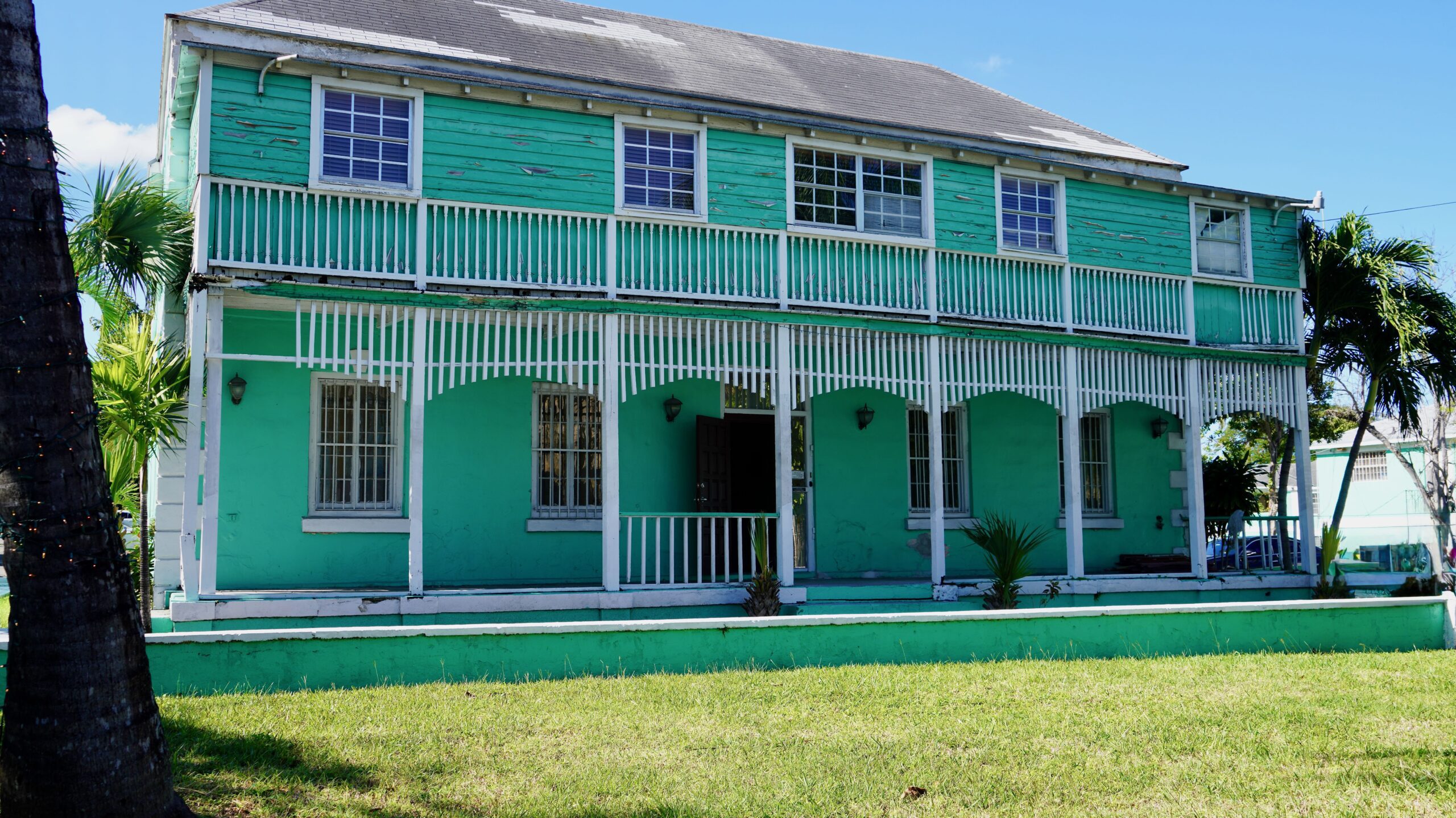
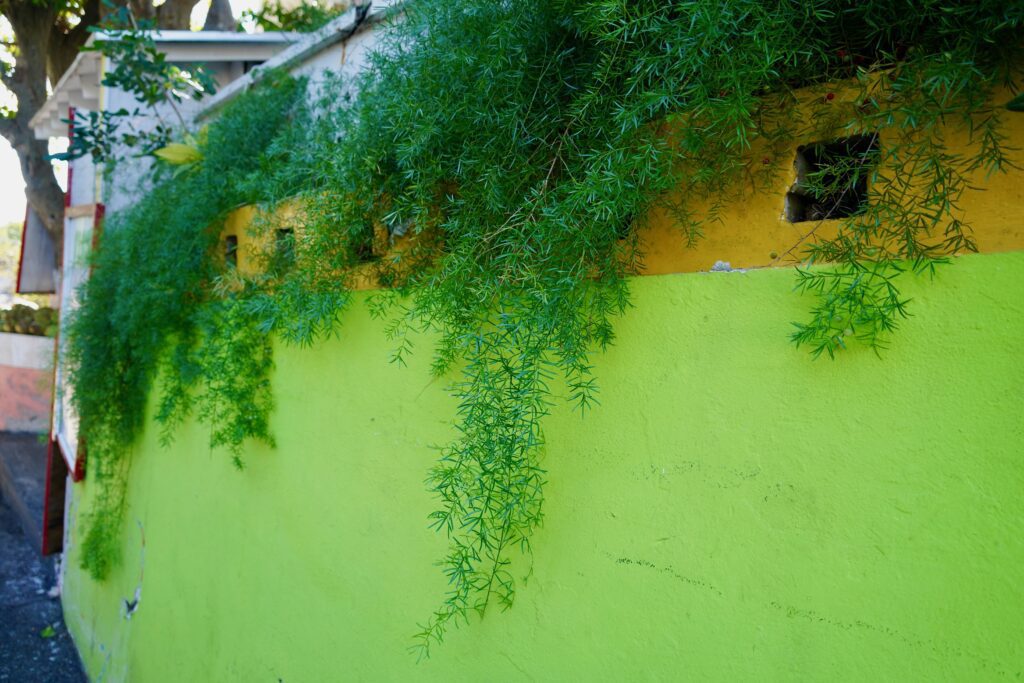
3. Colorful Buildings
Practicality plays a major role in the color choices. Bright, light colors have a higher albedo, meaning they reflect a significant portion of the sun’s thermal radiation. In a tropical climate like the Bahamas, these colors help keep the interiors of limestone and wood-frame buildings naturally cooler.
The colors are also a nod to Nassau’s historically British Colonial architecture.

4. Bay Street
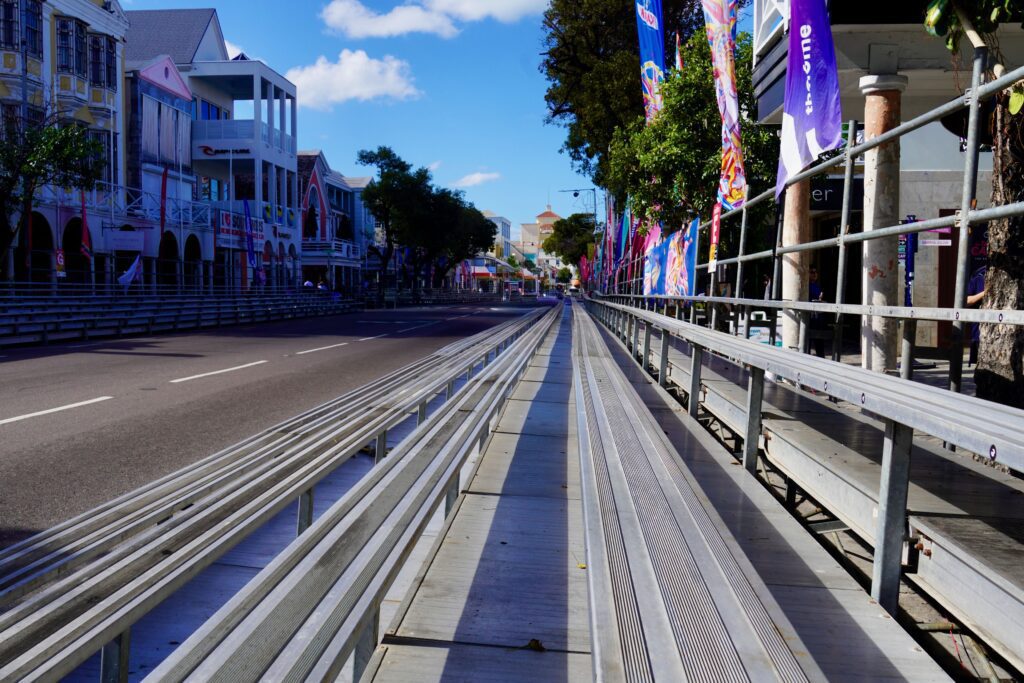
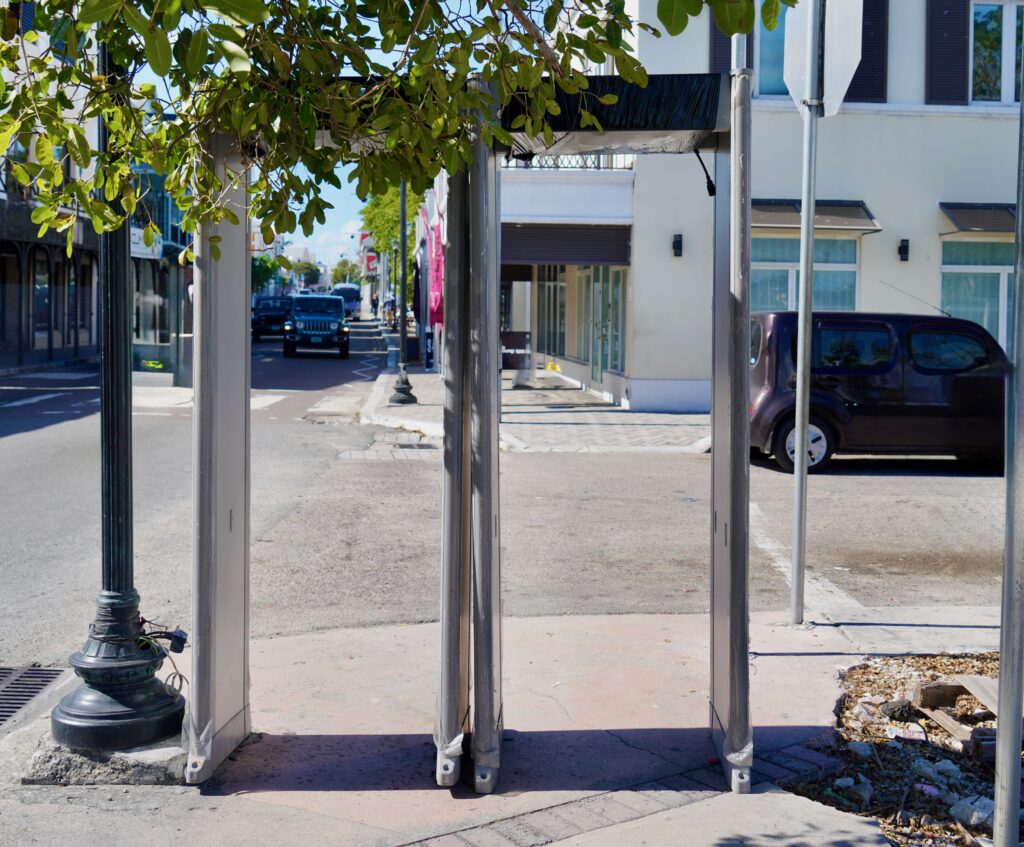
Speaking of Bay Street, it’s the vibrant, historic artery of Nassau, serving as the city’s primary commercial and tourism hub. Stretching along the northern waterfront of New Providence Island, the street is lined with brightly colored pastel buildings featuring traditional Bahamian architecture, including wooden shutters and second-story verandas.
Each year, the street transforms into a spectacular stage for Junkanoo, the iconic Bahamian street parade held on Boxing Day and New Year’s Day. During this time, the pavement is filled with thousands of costumed performers, the rhythm of goatskin drums, and the clanging of cowbells, solidifying Bay Street’s status as the cultural heart of the nation.
We were there when they were preparing for it.

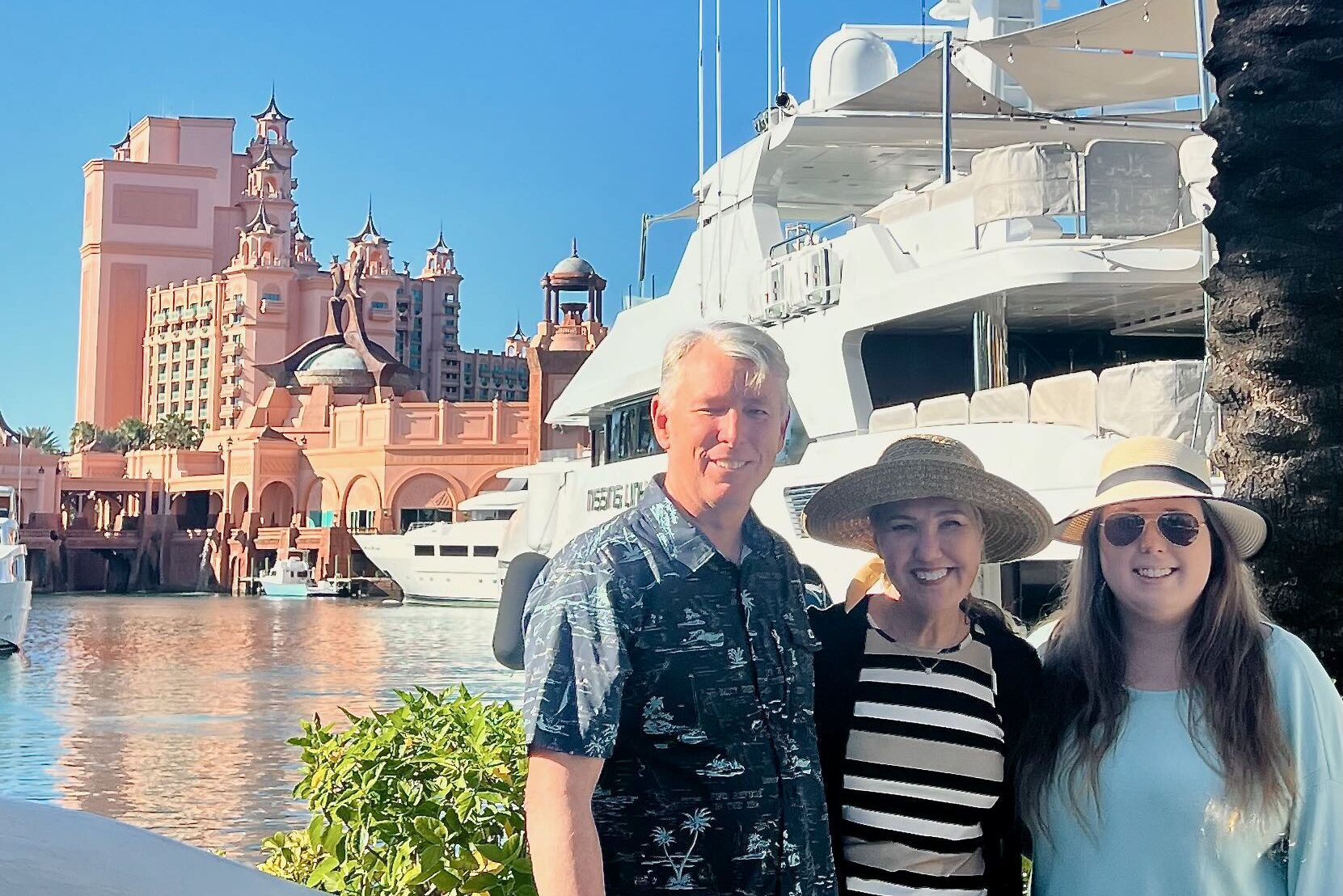
5. Atlantis Paradise Island
Opened in 1998, Atlantis Paradise Island is one of the world’s most famous mega-resorts, themed around the myth of the lost continent. Its most recognizable feature is the Royal Towers, connected by a “Bridge Suite” that has historically been one of the most expensive hotel rooms in the world.

The resort is home to Aquaventure, a massive 141-acre water park featuring the “Leap of Faith,” a near-vertical slide that shoots riders through a transparent tunnel submerged in a shark-filled lagoon.

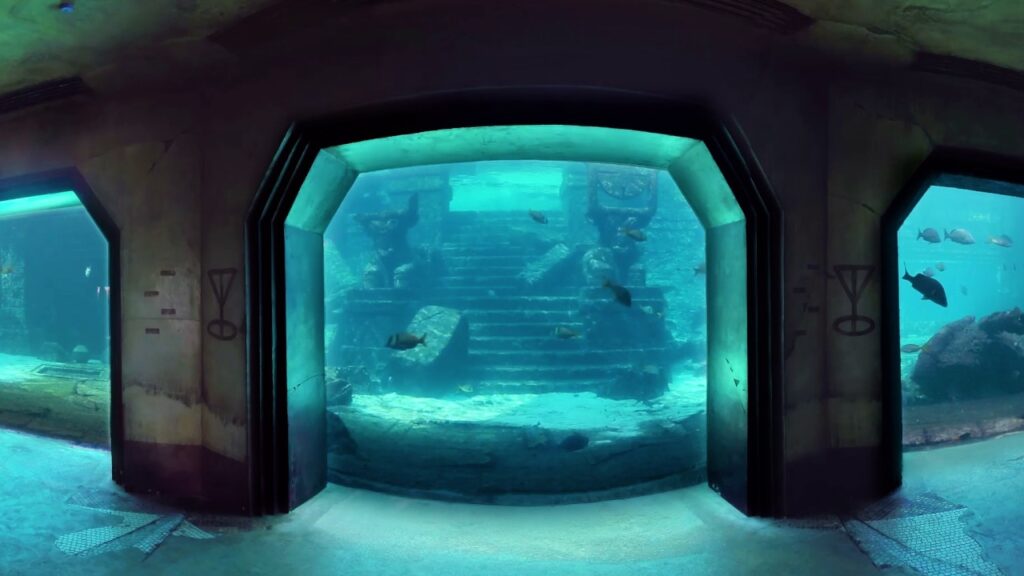
Atlantis also houses the world’s largest open-air marine habitat, containing more than 50,000 animals across 14 lagoons. This includes The Dig, an elaborate series of tunnels designed to look like the ruins of the lost city, filled with jellyfish, piranhas, and rays.
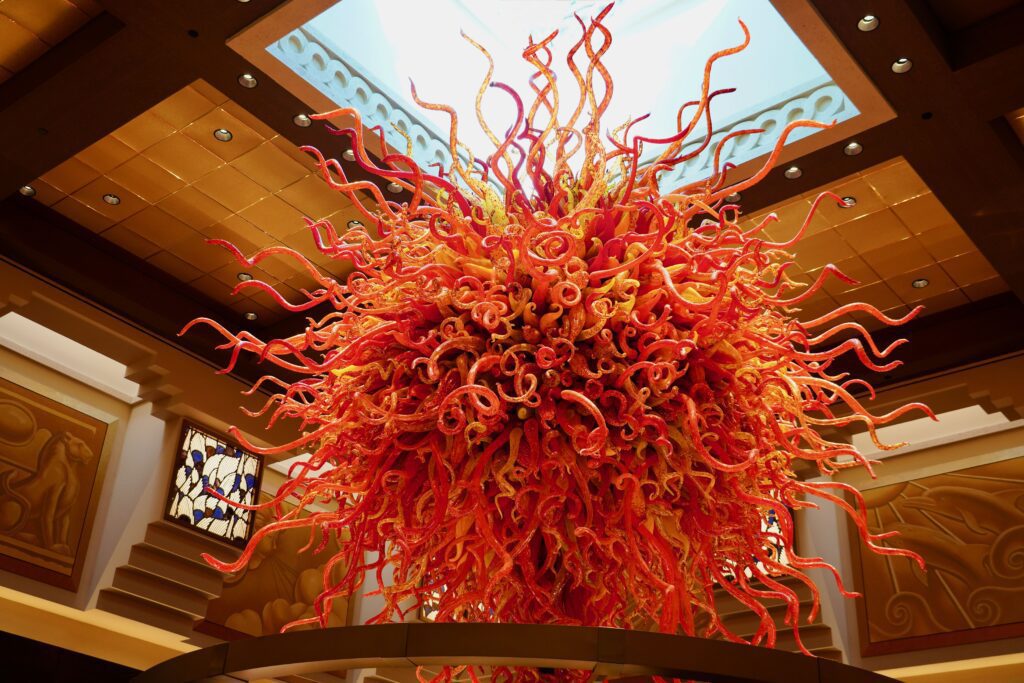
As a major economic engine for the Bahamas, the complex also features a casino, a deep-water marina, and several luxury sub-hotels, including The Cove and The Reef.
6. Atlantis Fireworks
Speaking of the Atlantis, they put on a pretty nice New Year’s Eve fireworks show.

7. Structures Built Into Limestone Hills
This is for temperature moderation, I presume.

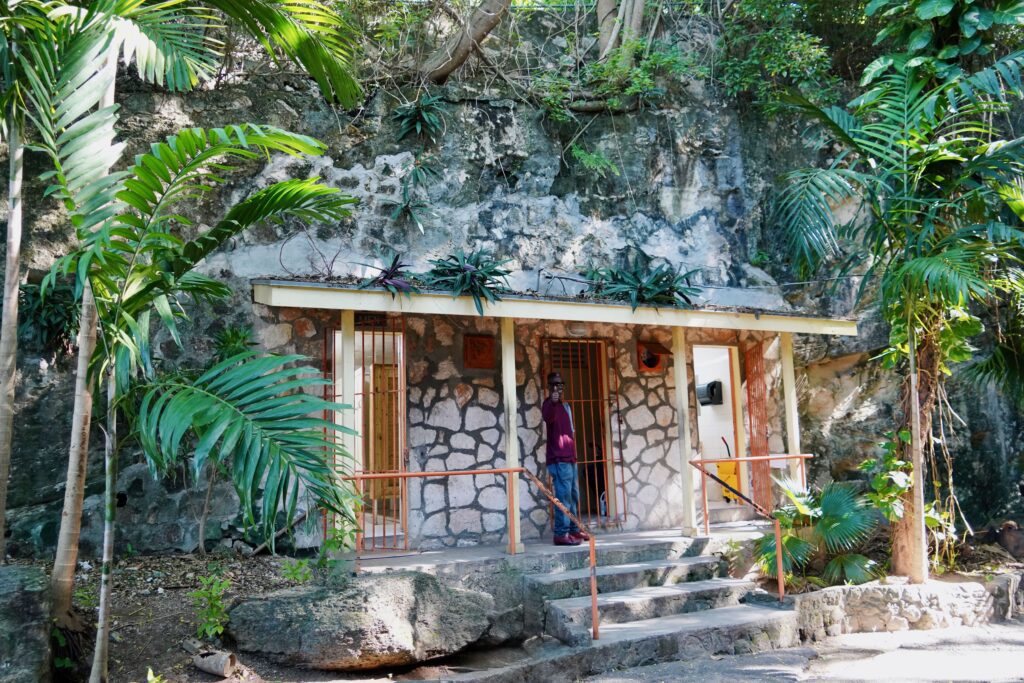
I love the thumbs-up I got from the guy there.
8. Common Ground
Religion in Nassau is a cornerstone of Bahamian society, characterized by deep-seated faith and a remarkably high density of houses of worship. The nation is predominantly Christian, with over 90% of the population professing a religious affiliation. Protestantism is the largest branch, within which the Baptist denomination is the most prominent, accounting for roughly 35% of the population. Other major Protestant groups include Anglicans (14%) and Pentecostals (9%), while Roman Catholics constitute about 12% of the religious landscape. This diversity is a legacy of the islands’ colonial history, blending British and Spanish influences with the spiritual traditions of the African diaspora.
Religious life in Nassau extends far beyond Sunday services; churches are central hubs for community social life, education, and political discourse.
Other Things to Do in Nassau
the Government House
the Blue Holes
The Straw Market
Clifton Heritage National Park
Cable Beach
Where We Ate
We ate at Carmine’s within the Atlantis Resort and thought it was pretty good.
Accommodations
There are numerous hotels and resorts in Nassau, ranging from budget-friendly options to luxury mega-resorts. In the downtown and beach areas alone, there are dozens of established hotels, including well-known brands and boutique suites.
We stayed on our boat at two different anchorages in Nassau: Clifton Bay and Old Fort Bay.
Getting There
Getting to Nassau is easy, thanks to its status as a major international hub. The most common route is via Lynden Pindling International Airport (NAS), located about 10 miles west of downtown Nassau. As the largest airport in the country, it receives daily non-stop flights from major global cities, including London, New York, Miami, Toronto, and Atlanta. For those traveling from the United States, the flight from Miami is remarkably short, typically taking less than an hour.
Alternatively, many visitors arrive by sea. Nassau is one of the busiest cruise ports in the world; ships dock at Prince George Wharf, located in the heart of downtown, allowing passengers to step directly into the city’s historic district.
We sailed there on our catamaran.
Getting Around
The most affordable and authentic way to get around Nassau is by jitney, local minibuses that operate on various routes across New Providence.
And while Uber and Lyft aren’t available there, there are several local ride-hailing services that are. These apps—such as Bahamas Ride, HOP Bahamas, Tribur, and 1Ride—connect you with licensed local taxi drivers and offer similar features like upfront pricing and real-time tracking.
We took taxis and never had a problem hailing one. We had one particularly demonstrative taxi driver who spent the entire ride chastizing a family member over the phone. It was pretty entertaining.
Final Thoughts
Nassau offers a multifaceted island experience that seamlessly blends high-energy adventure with deep historical resonance. For those seeking thrills, the Aquaventure water park at Atlantis Paradise Island remains a premier attraction, featuring near-vertical slides and the world’s largest open-air marine habitat. Meanwhile, history enthusiasts can explore the Fort Fincastle Historic Complex, which includes the iconic Queen’s Staircase, a 66-step limestone passage hand-carved by enslaved people in the late 18th century.
If we were to return, we would focus more on nature, primarily through diving and snorkeling.
During our time in Nassau, however, we did enjoy strolling around the city and soaking in its history and charm.

Originally experienced December 2023; content refreshed March 2026.