
Some places resist discovery simply because they’re hard to reach. Ogea is one of them.
Tucked into the far southern reaches of Fiji’s Lau archipelago, this pair of raised coral islands—Ogea Levu and Ogea Driki—sits closer to Tonga than to Suva. Even within Fiji, Ogea is among the most remote outer islands.
The scenery is a bit unworldly. We couldn’t wait to launch our drone to fully appreciate the view:
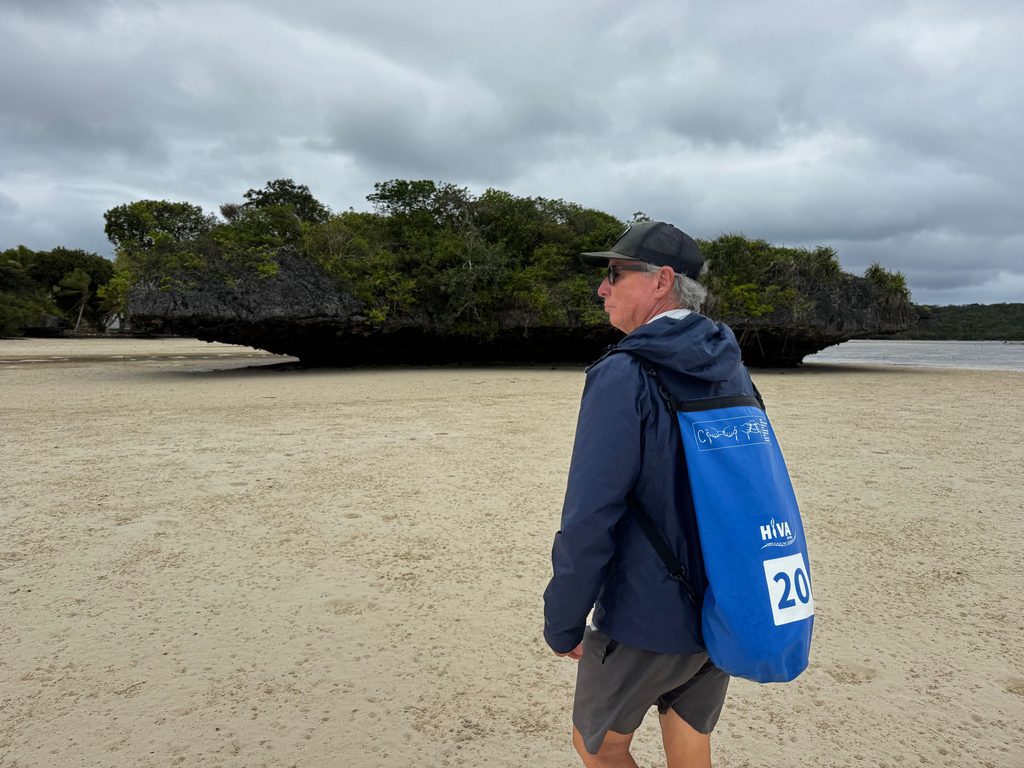
Here, mushroom-shaped limestone islands dot the lagoons and rise out of the water like a prehistoric backdrop.
Ogea’s dense rainforests are also home to wildlife found nowhere else on Earth. Chief among them is the Ogea Monarch, a small, shy fly-catching bird. The entire global population of this near-threatened species is confined to Ogea Levu and Ogea Driki.
This magical place is a fascinating destination by any standard.
Like all of the remote Fijian villages we have visited, Ogea Levu Village sits on the water’s edge. Home to just 106 people, the village is rarely visited. A supply ship comes once a month, and during our entire visit, we didn’t see a single cell phone.
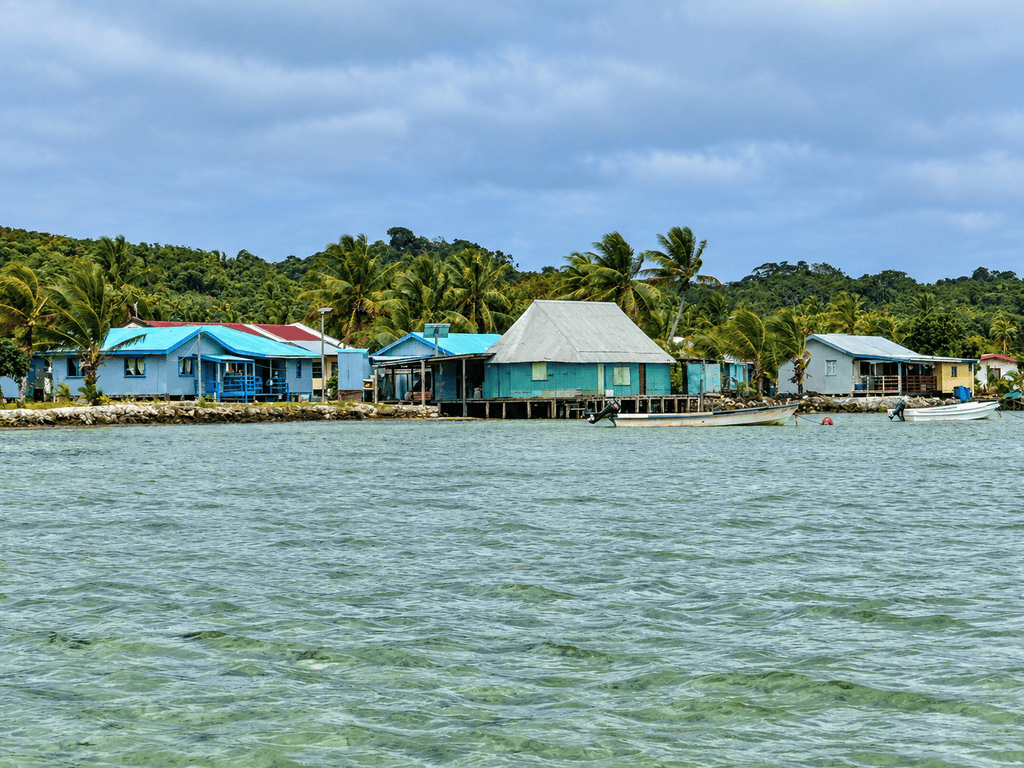
Unfortunately, this tiny village is in crisis: wildly varying tide levels threaten its very existence. Every cyclone season (November – April), saltwater floods the village, killing crops, contaminating freshwater supplies, and eroding the land.
It’s getting worse every year.
As we approached the village, a woman with two young boys came up to us. She introduced herself as Aba—”A-B-A” (pronounced “Abby”)—and offered to take us to the chief for sevusevu, the traditional Fijian welcome ritual.
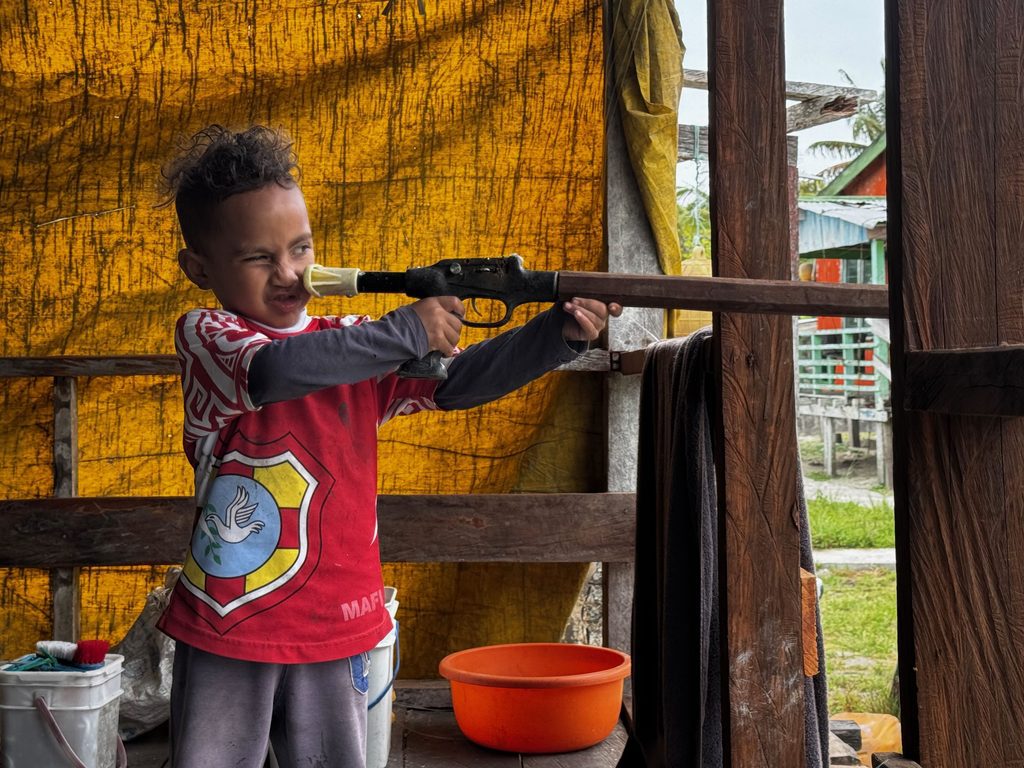
I suppose the younger of the two boys was the self-appointed security patrol, because he was busy shooting at us with his toy rifle. Aba loudly scolded the boys as we walked toward the village.

We were also accompanied by Aba’s puppy, Shadow, who, along with another dog, barked loudly and vigorously jumped up on us. With this came more yelling.
Our first impressions of the town were certainly memorable.
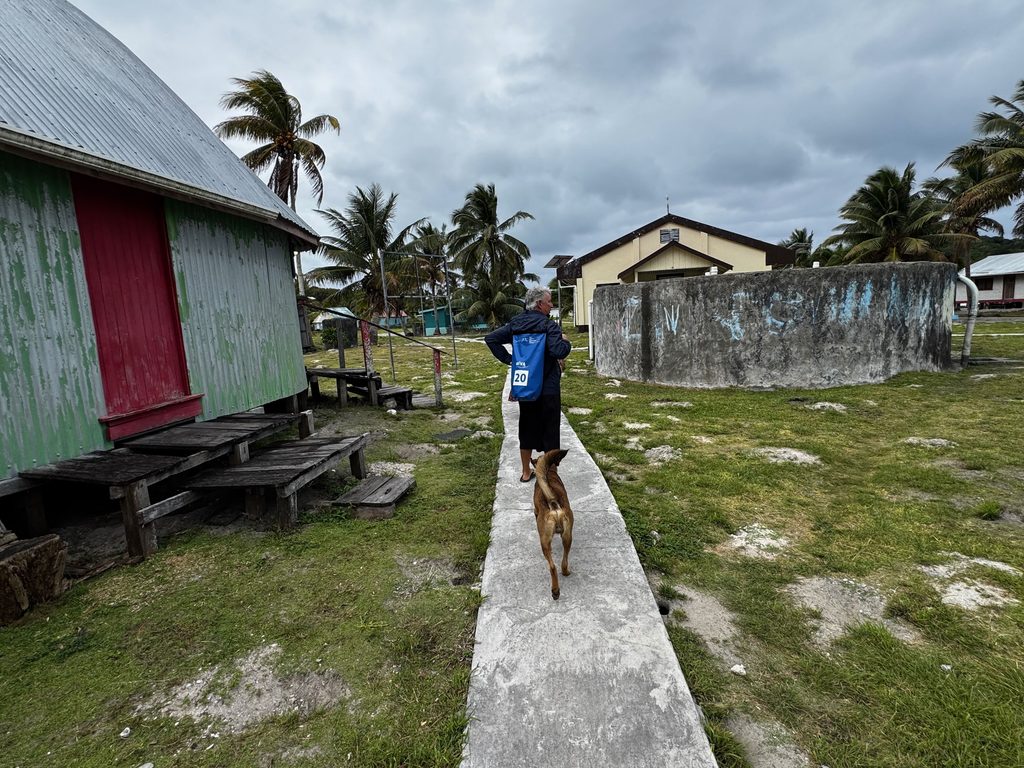
As we walked through the village, we noted how eerily quiet it was. Every house was tightly closed up, and not a single other person was in sight. It felt a bit dystopian.
When we arrived at Chief David’s home, he was napping. But as we approached, he quickly gathered his wife and three of his children for the ceremony, which took place on his front porch.
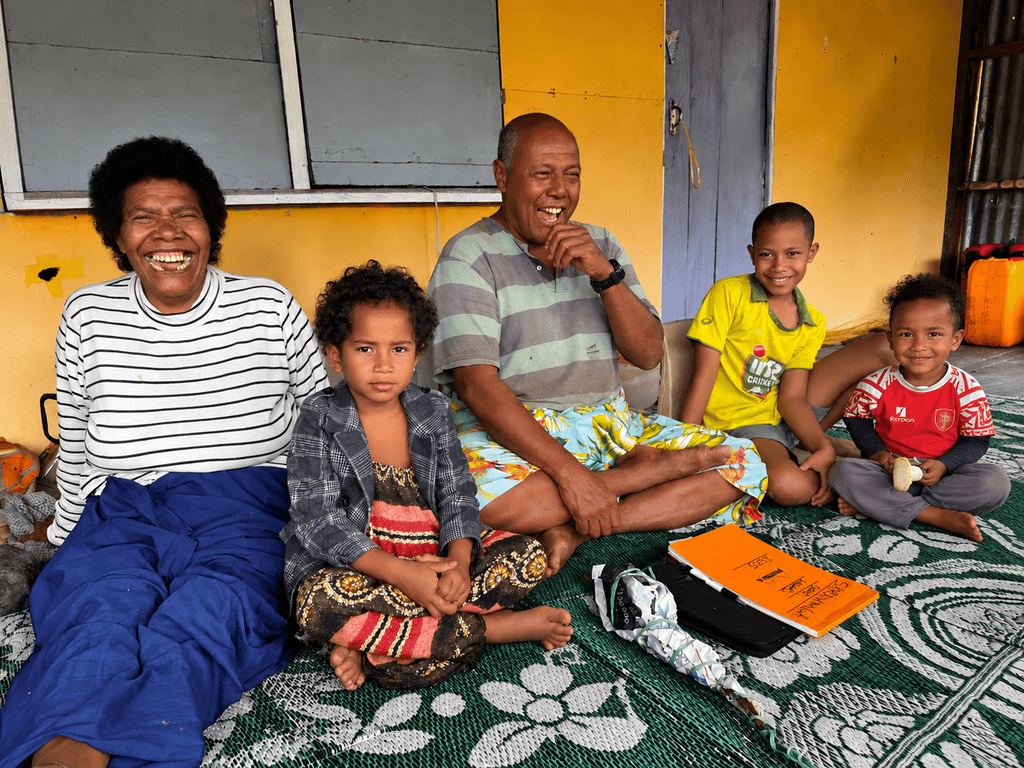
During the ceremony, he invited us to take his “second wife” (Aba) to live with us. They thought that was hilarious.
There was laughing and a lot of yelling in Fijian. We sincerely couldn’t discern fact from fiction.
David happily agreed when asked if we could film the ceremony.
Click here for a version of the video with sound.
David’s wife commented that they have five sons together, none of whom live in the village. Aba subsequently confirmed that the three children who sat in front of us were hers, plus a third son, whom we met later.
The encounter was confusing and amusing all at the same time. But they were very nice to us, and in the end they welcomed us into their village.
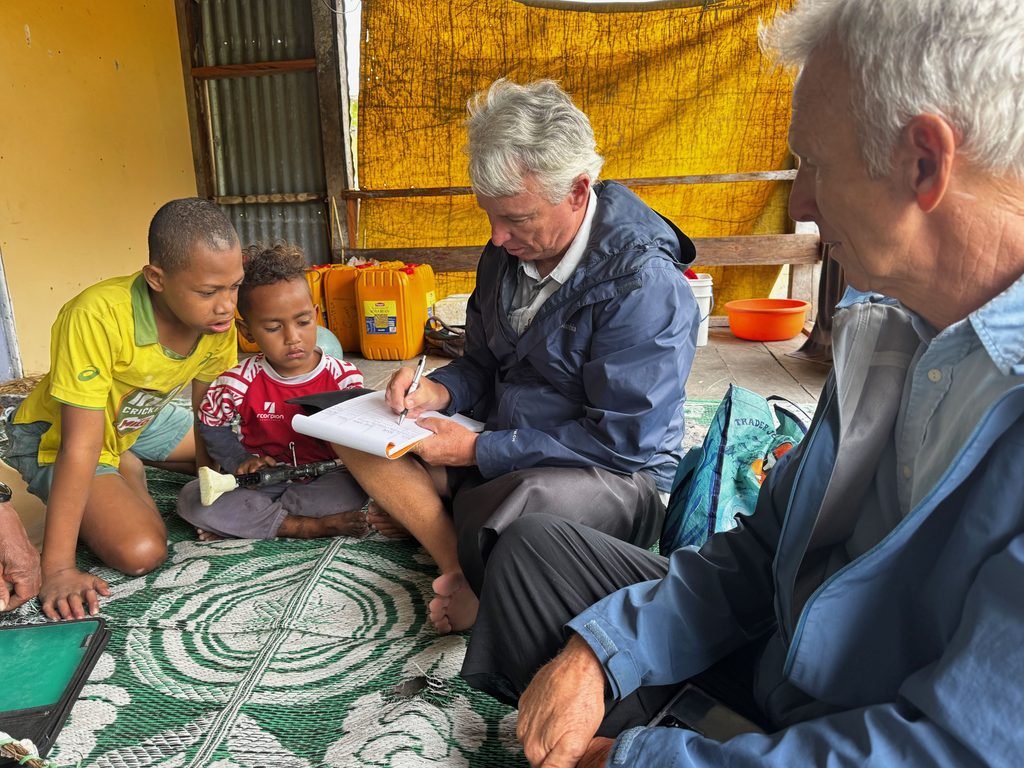
while two of Aba’s sons look on.


After the ceremony, we were free to roam around the village.
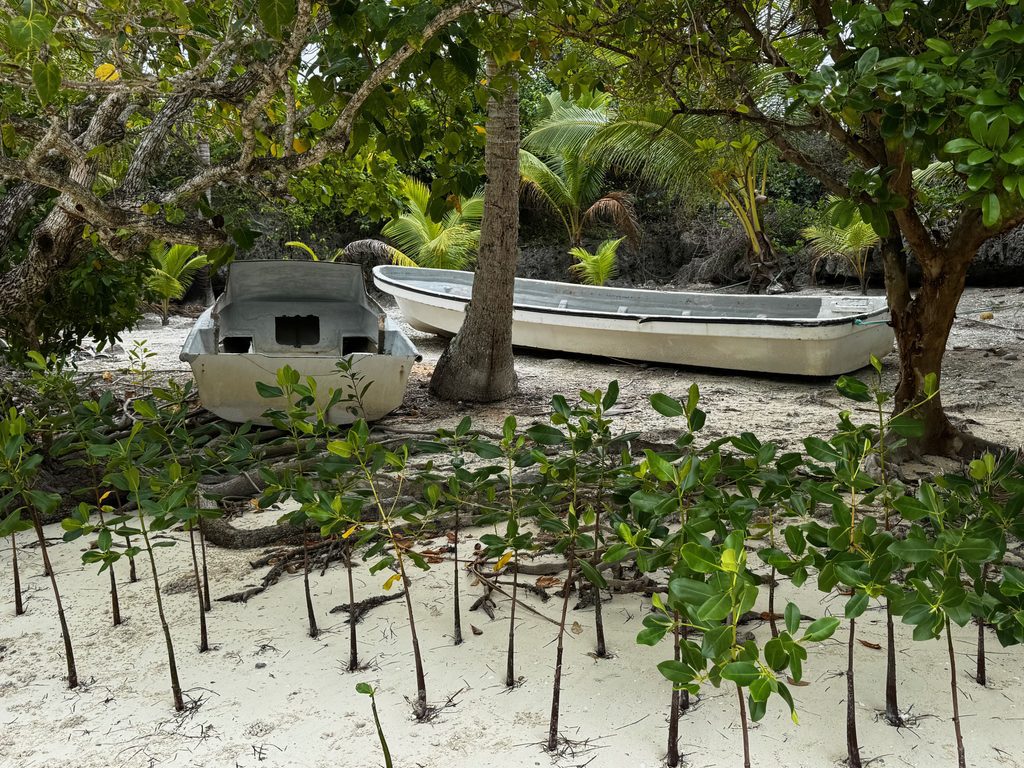


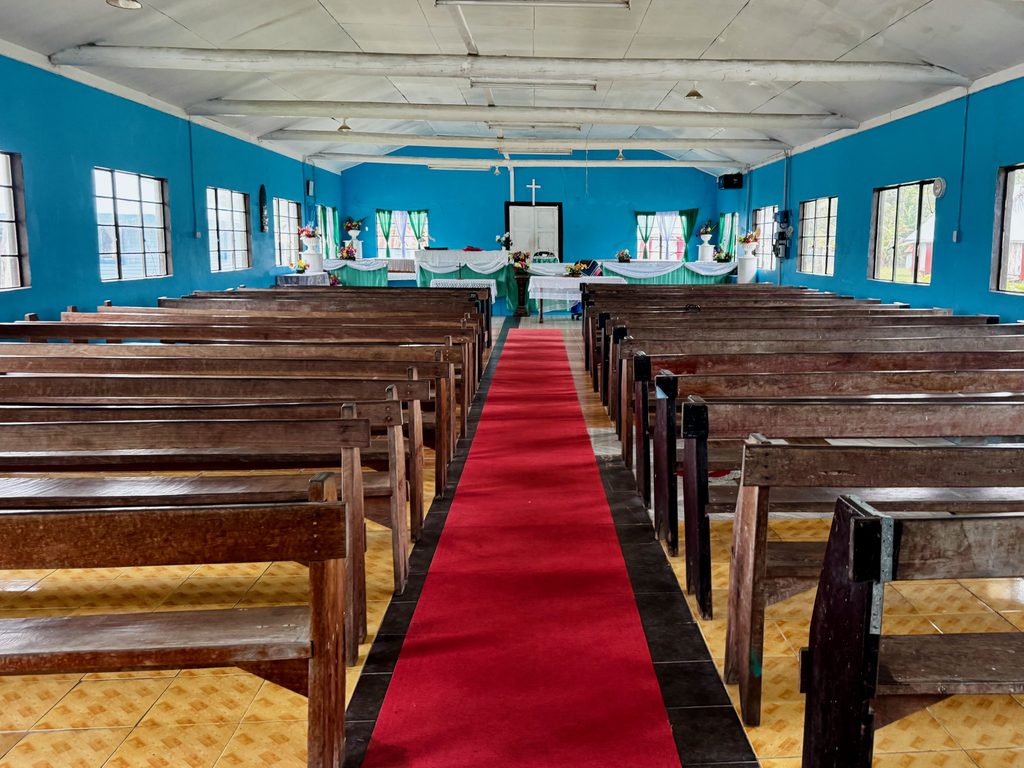


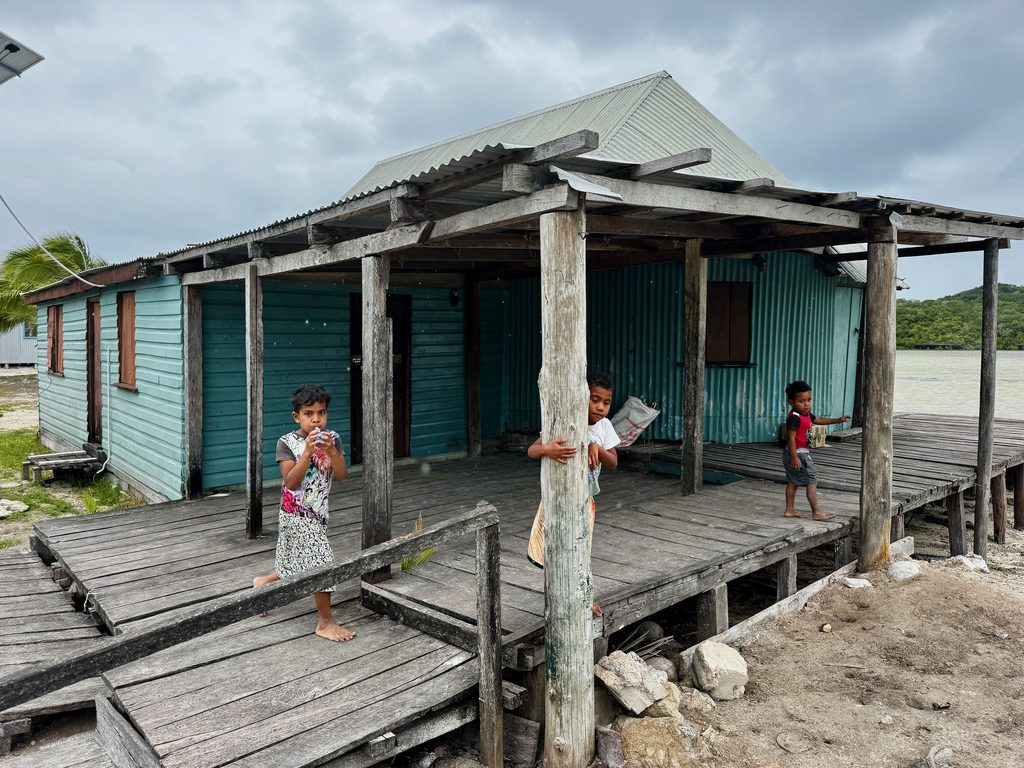

Aba took us to their village store, which is run by a woman named Sulu. The latter was napping when we arrived, but she got up and opened the shop for us.

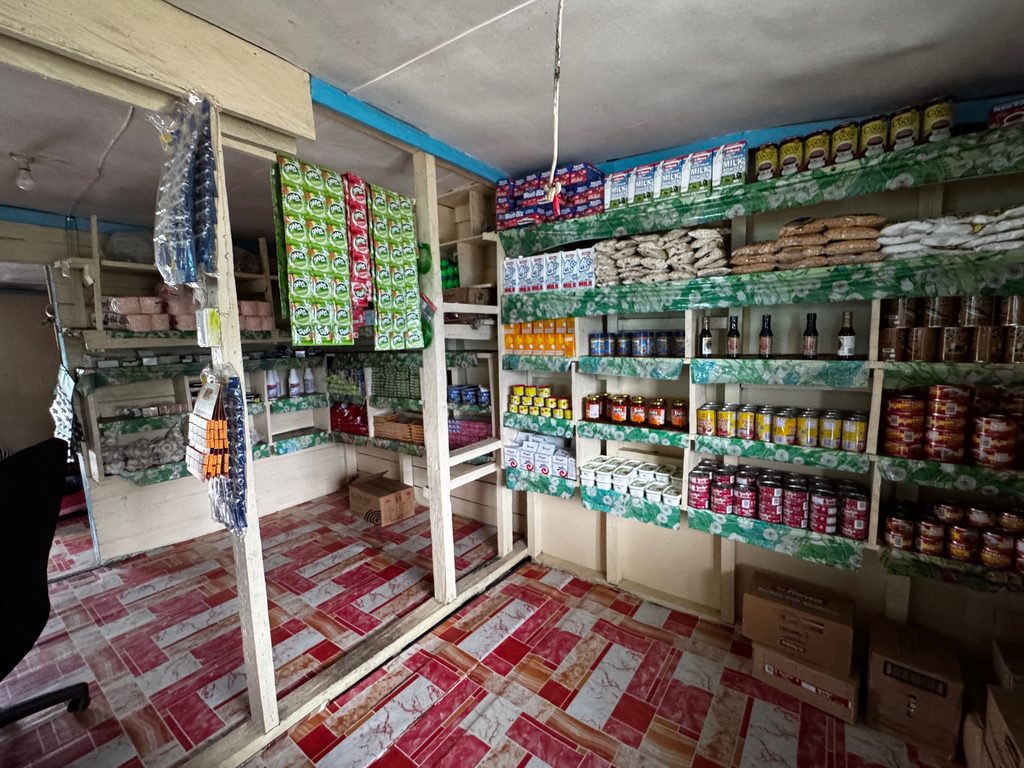
We bought a tray of eggs and some cookies.

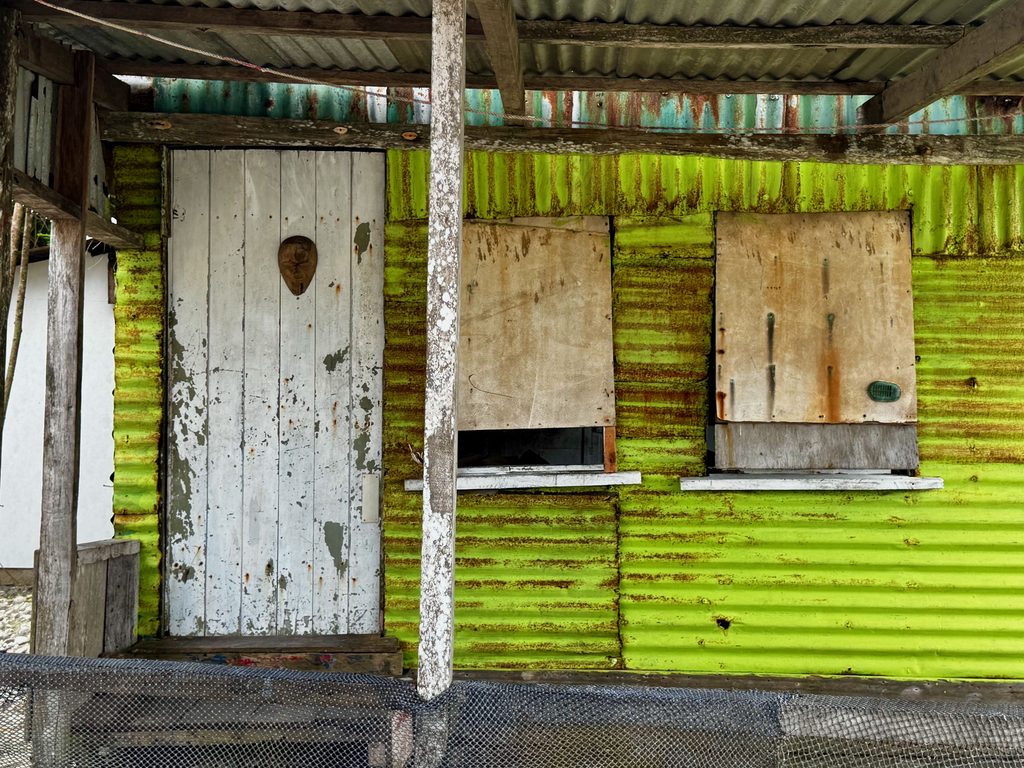
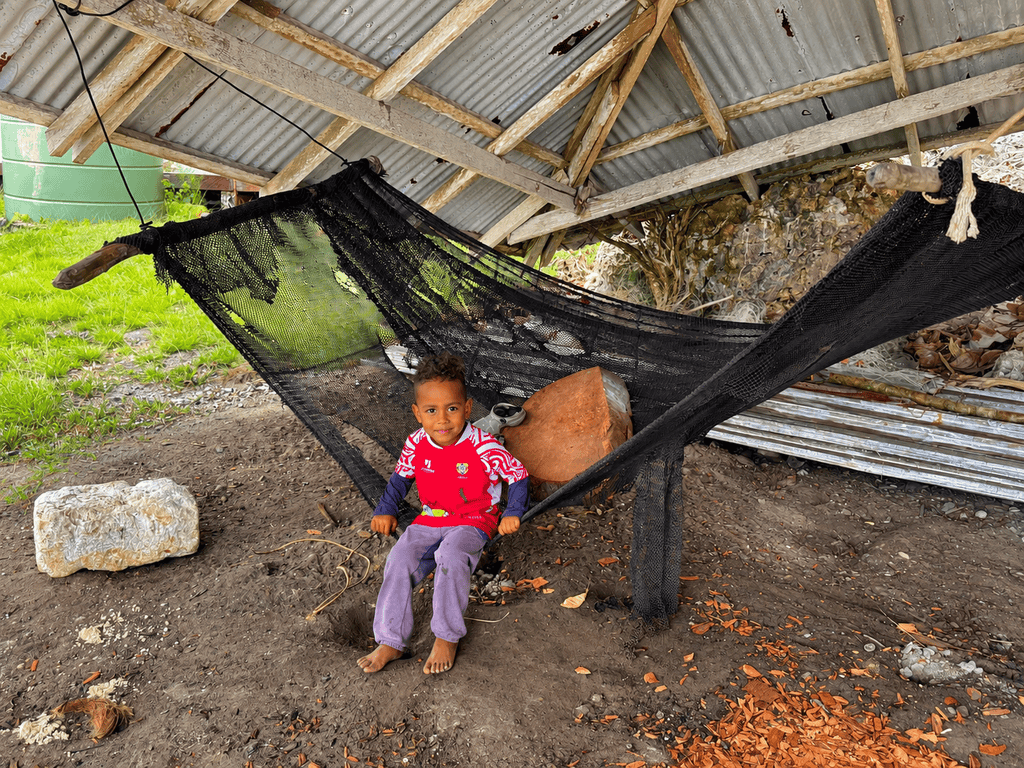
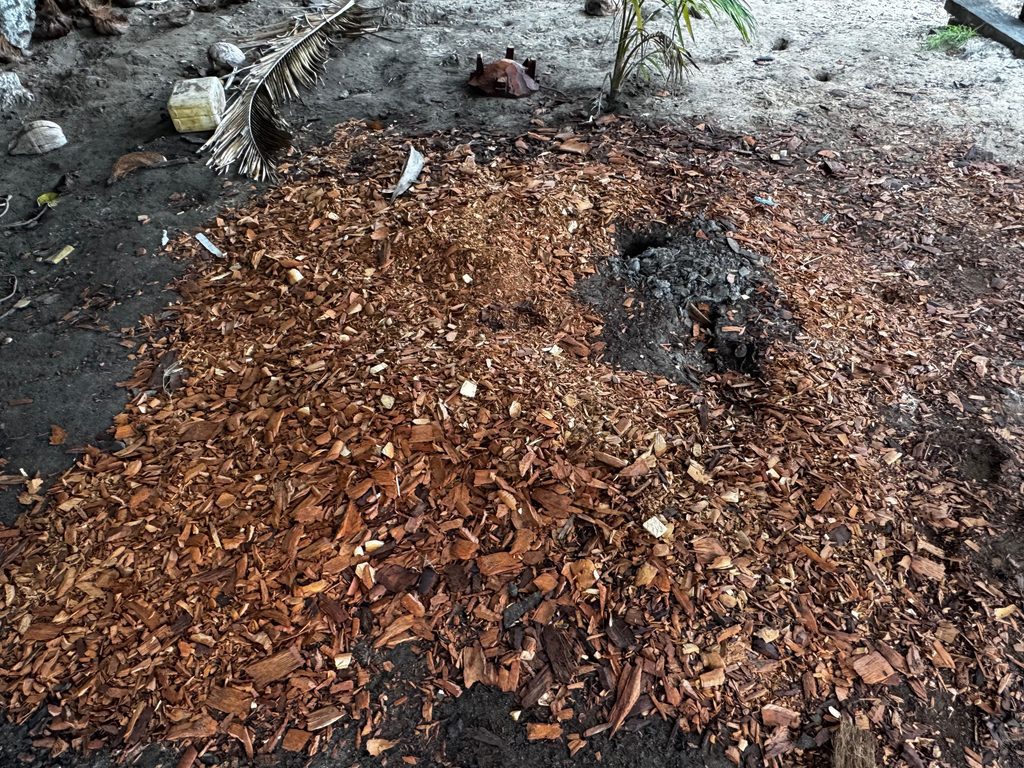


Throughout our visit, there was a lot of yelling and reprimanding of children.
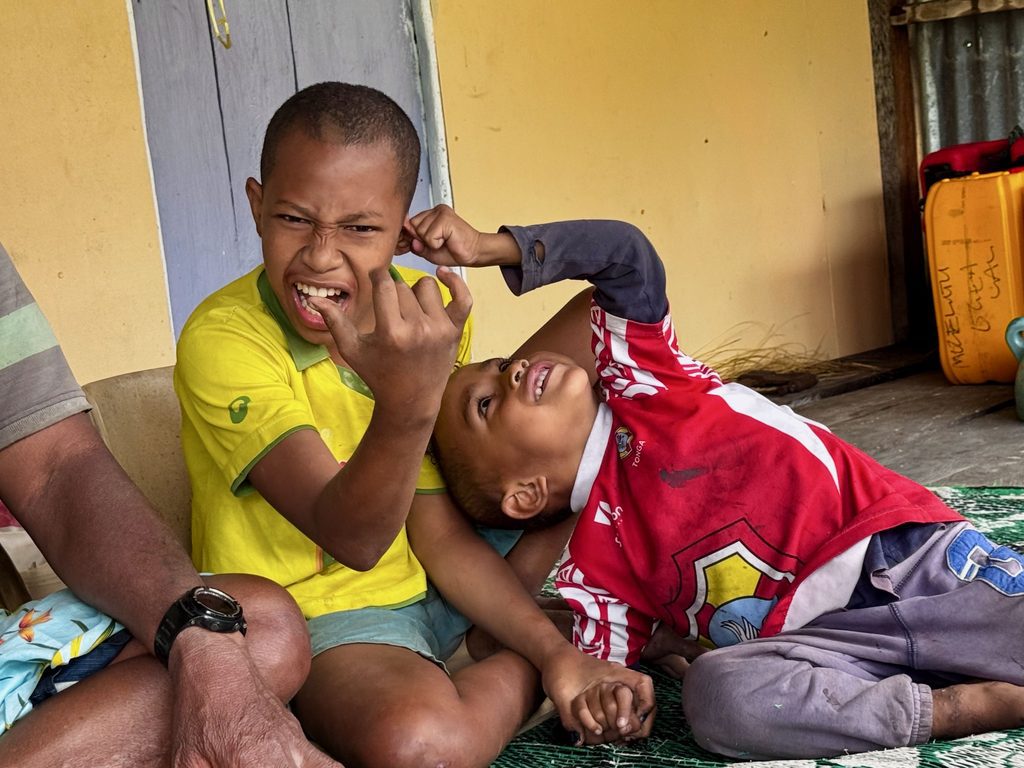
Aba’s puppy, Shadow, was especially energetic.
Since tides are such a massive problem in this village, Aba insisted we hurry up and leave, and convinced us that she needed to ferry us back to our dinghy using one of their pangas.
She left to get her husband, but she returned alone.
She then peeked into her house to see if anyone was there to help.
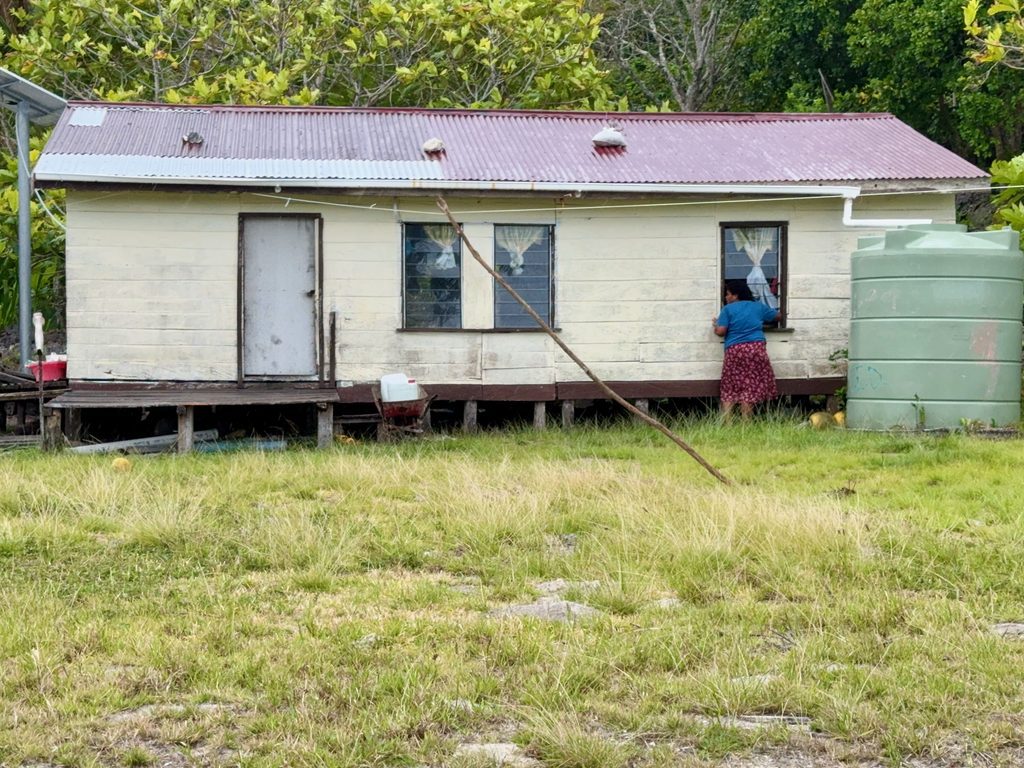
Then more shouting.
Eventually, Aba’s sister-in-law begrudgingly came out of the next-door house to help.
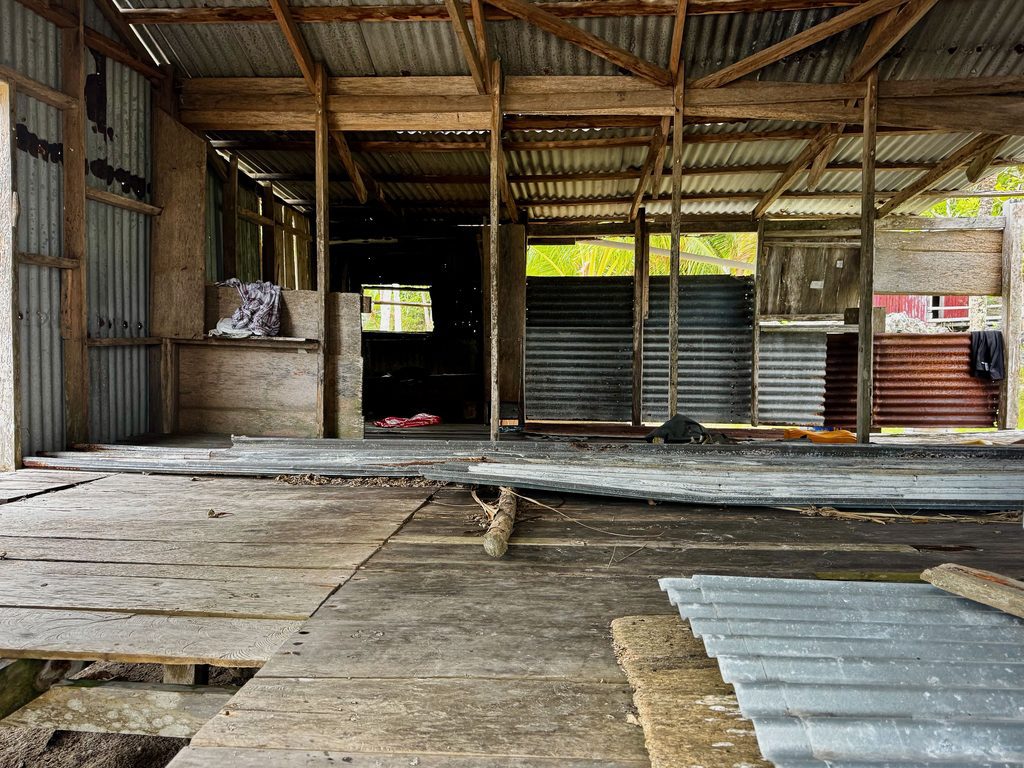
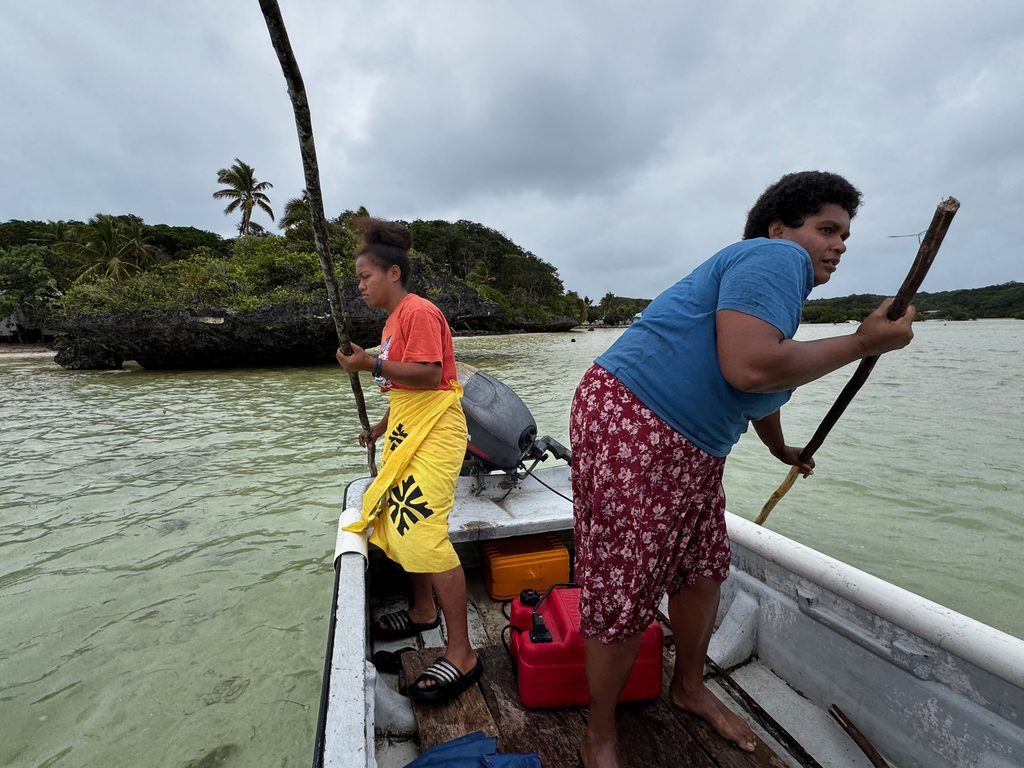

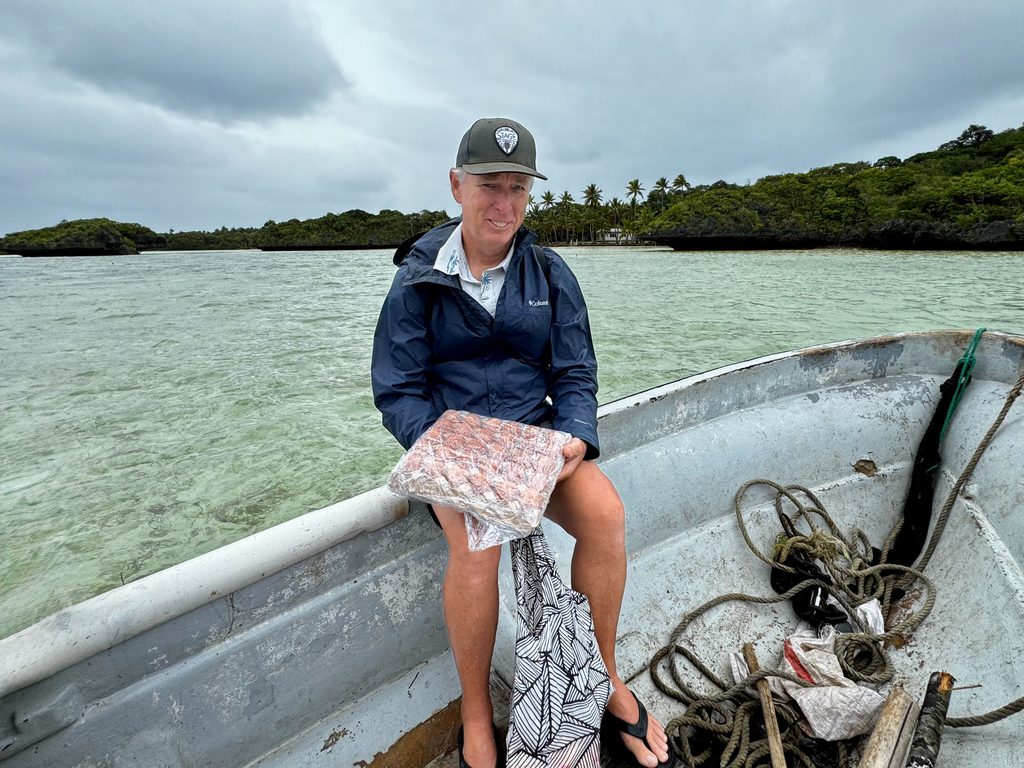
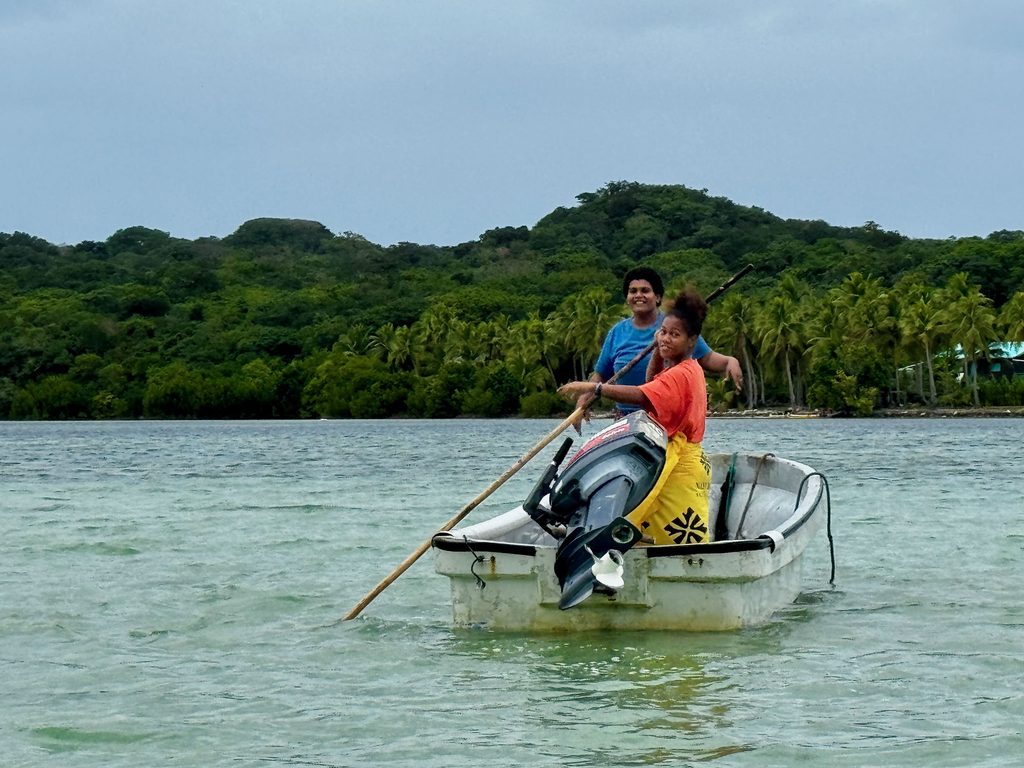
It was by far the most unique village visit we have experienced to date.
Reef Waterfalls
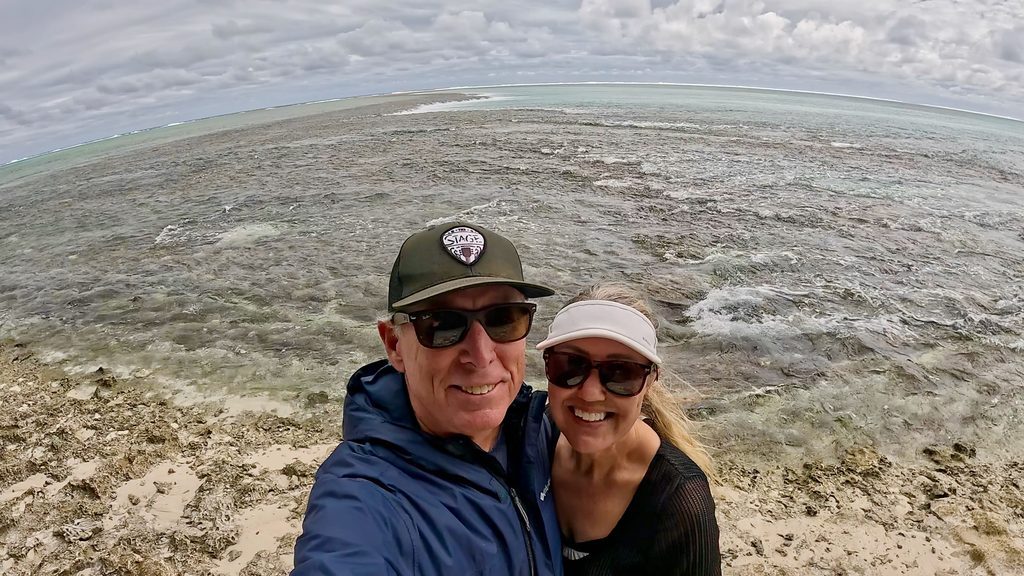
Some footage from our drone:
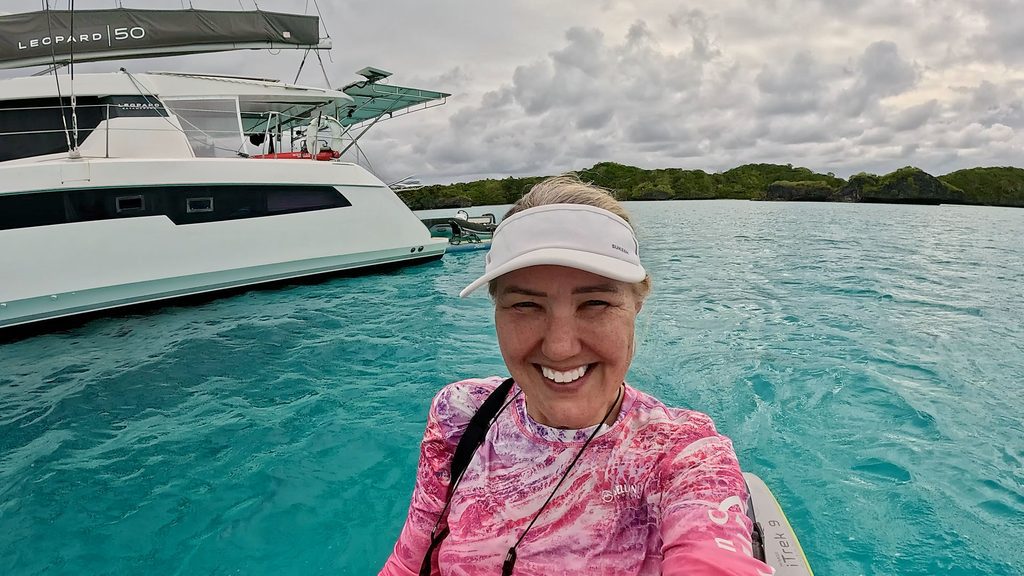
Kayaking in Ogea Driki Bay
We take our kayaks out whenever we can, and this was a fantastic place to do so.
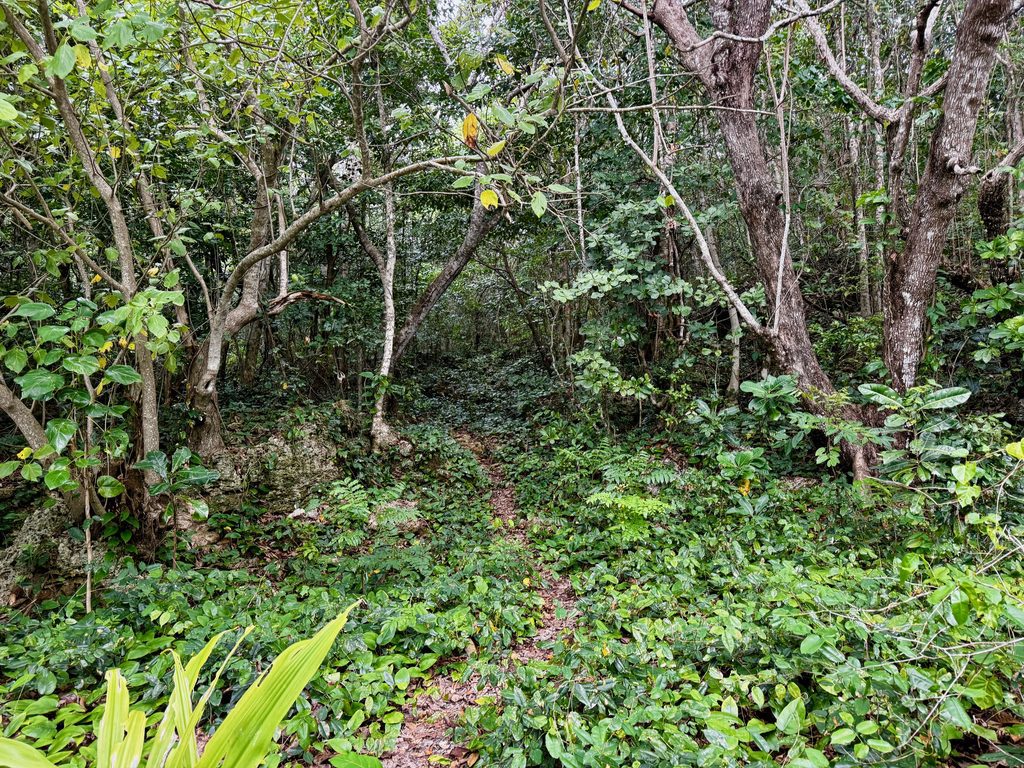
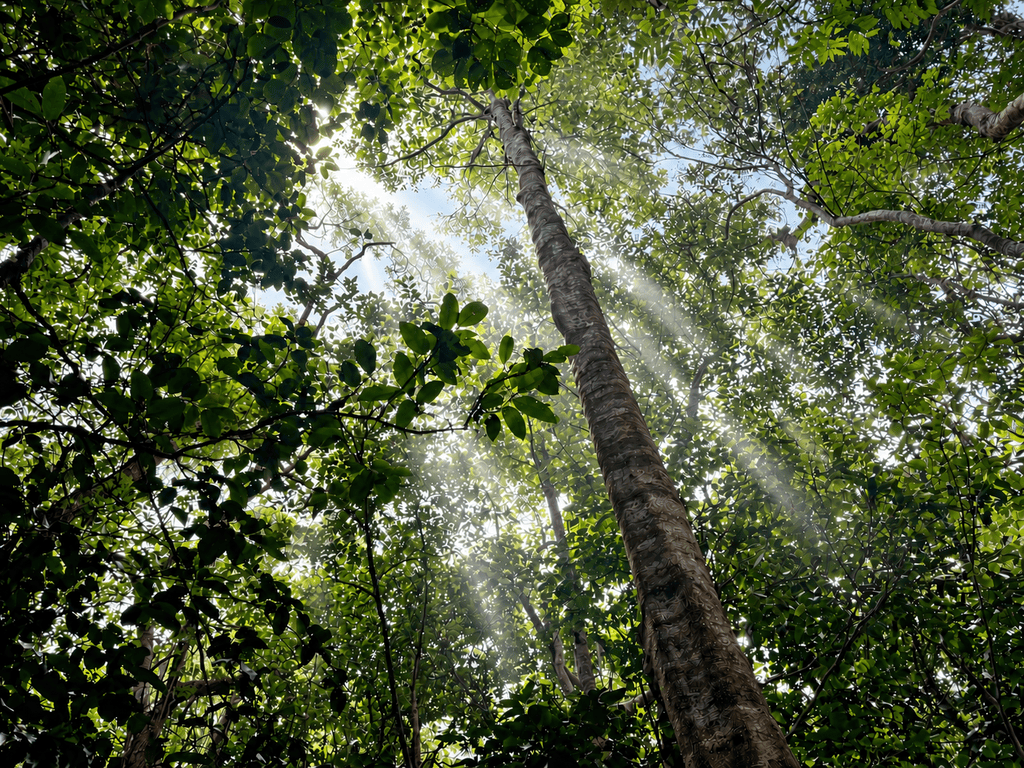
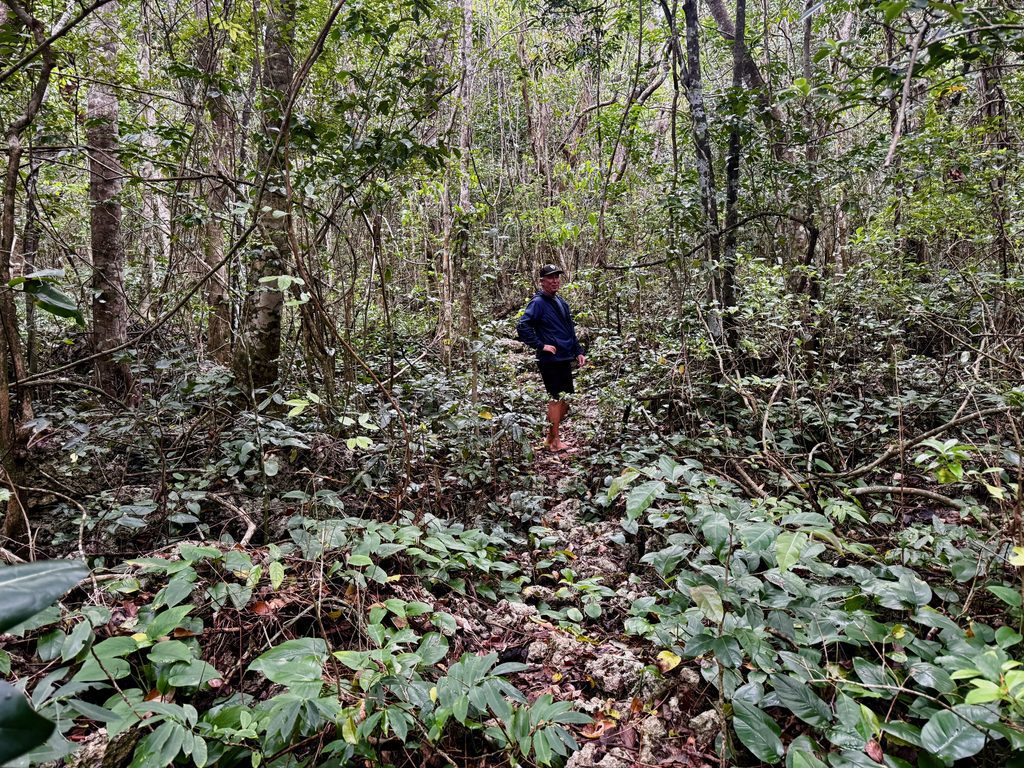
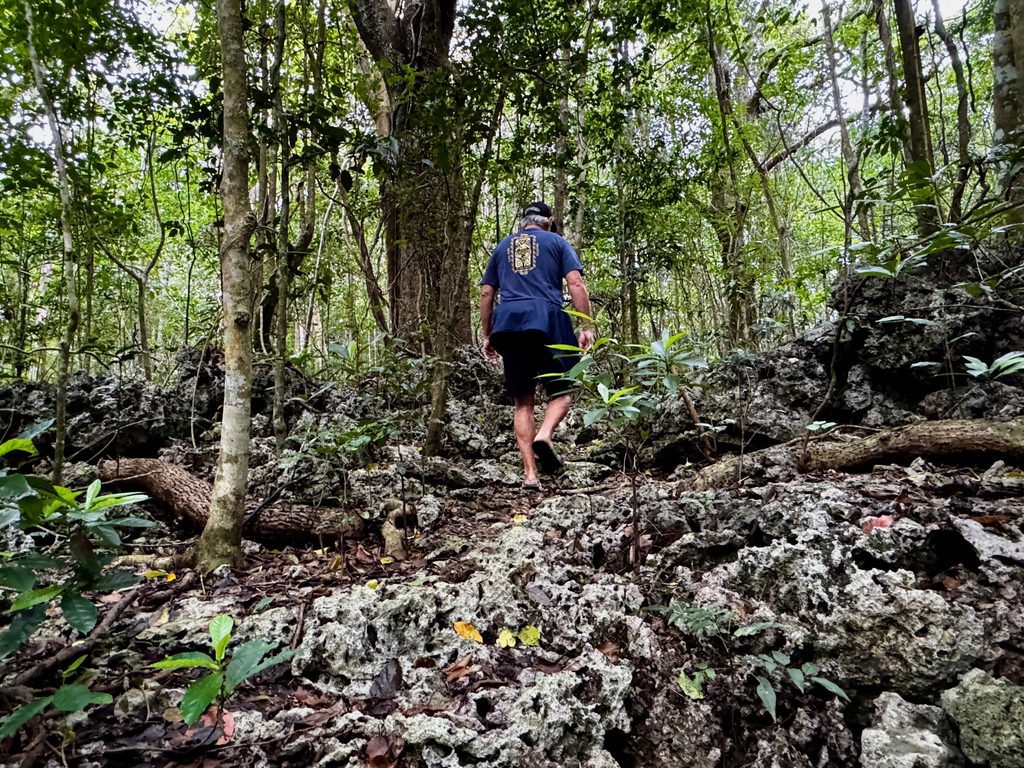
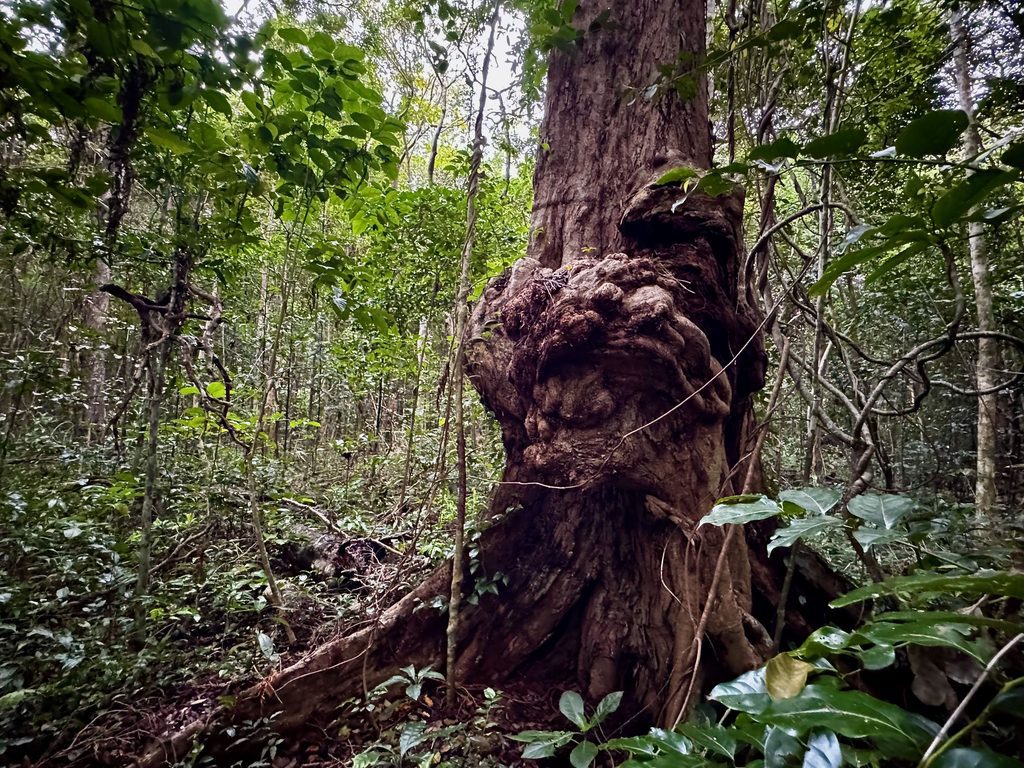
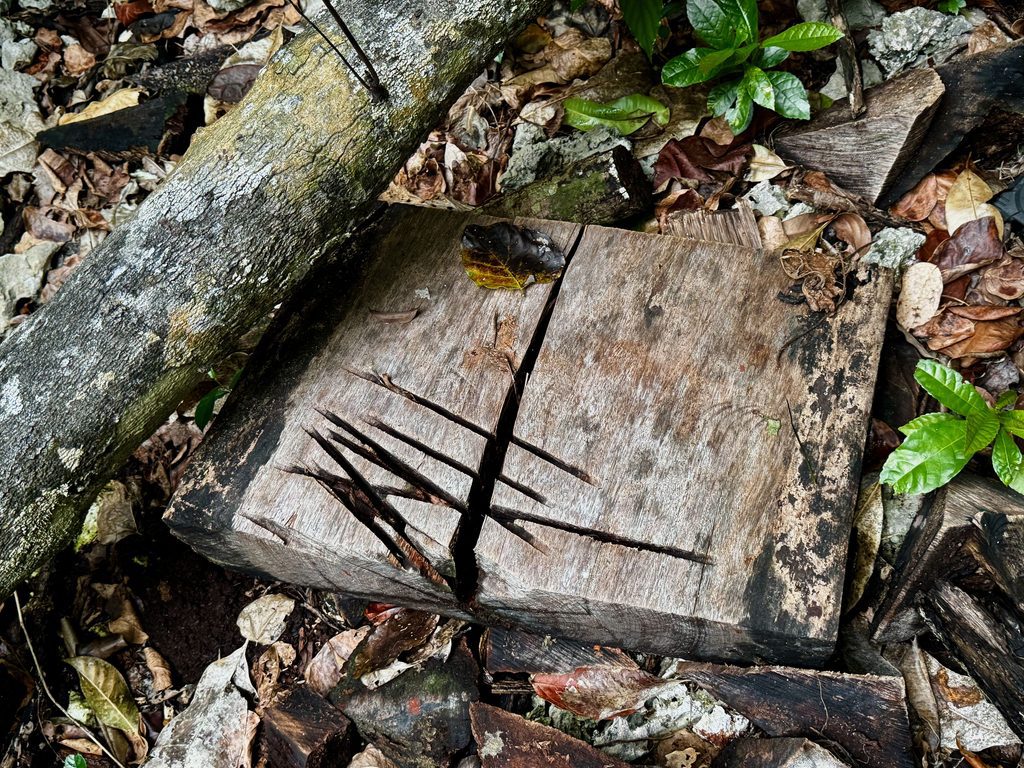
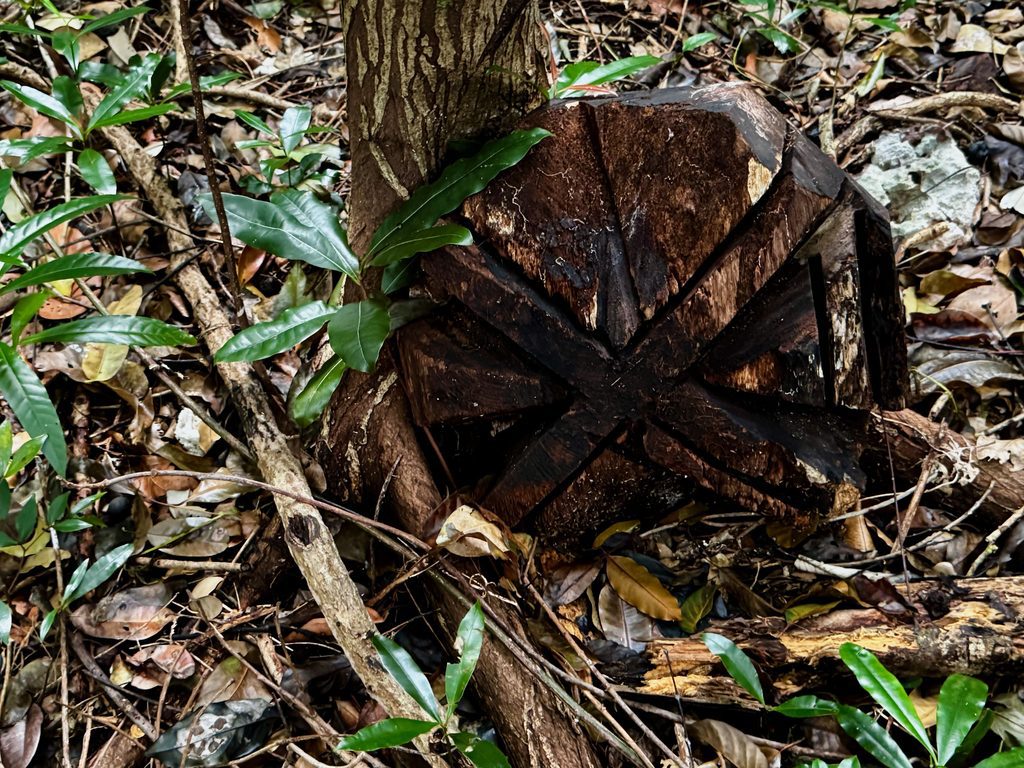
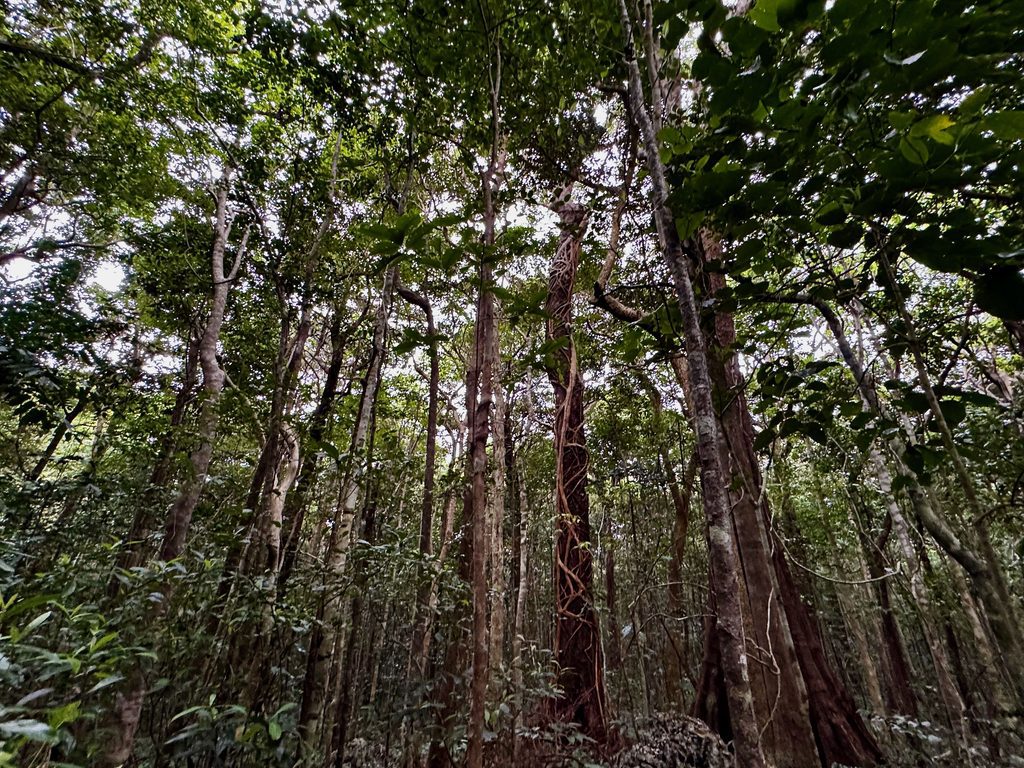
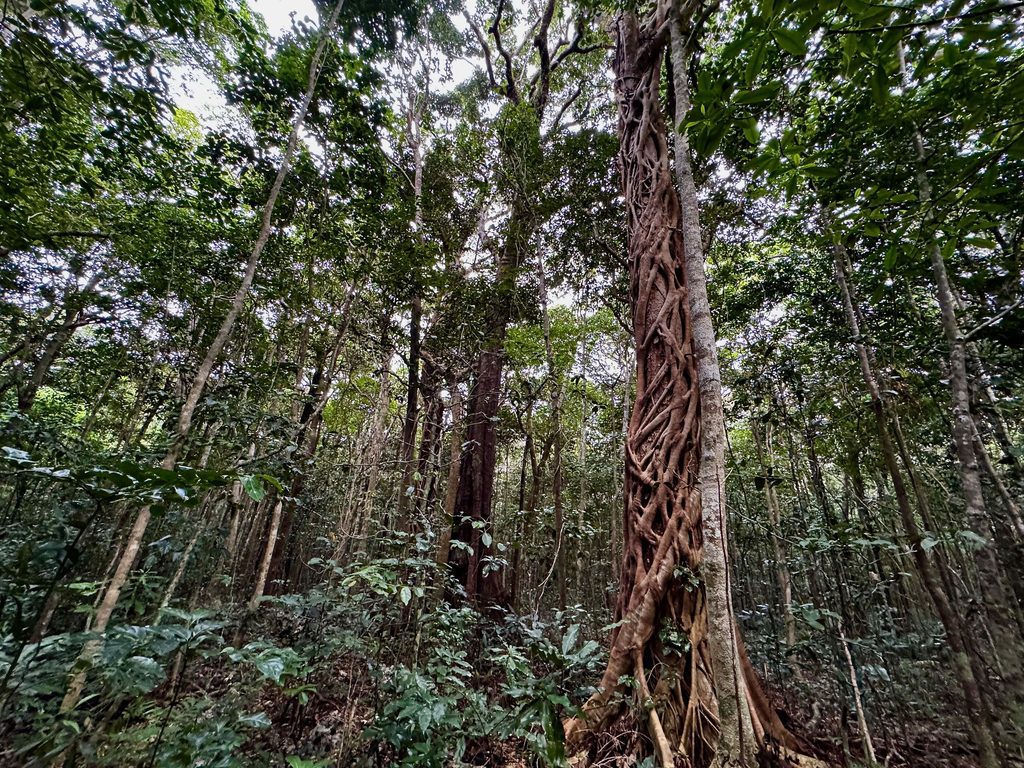
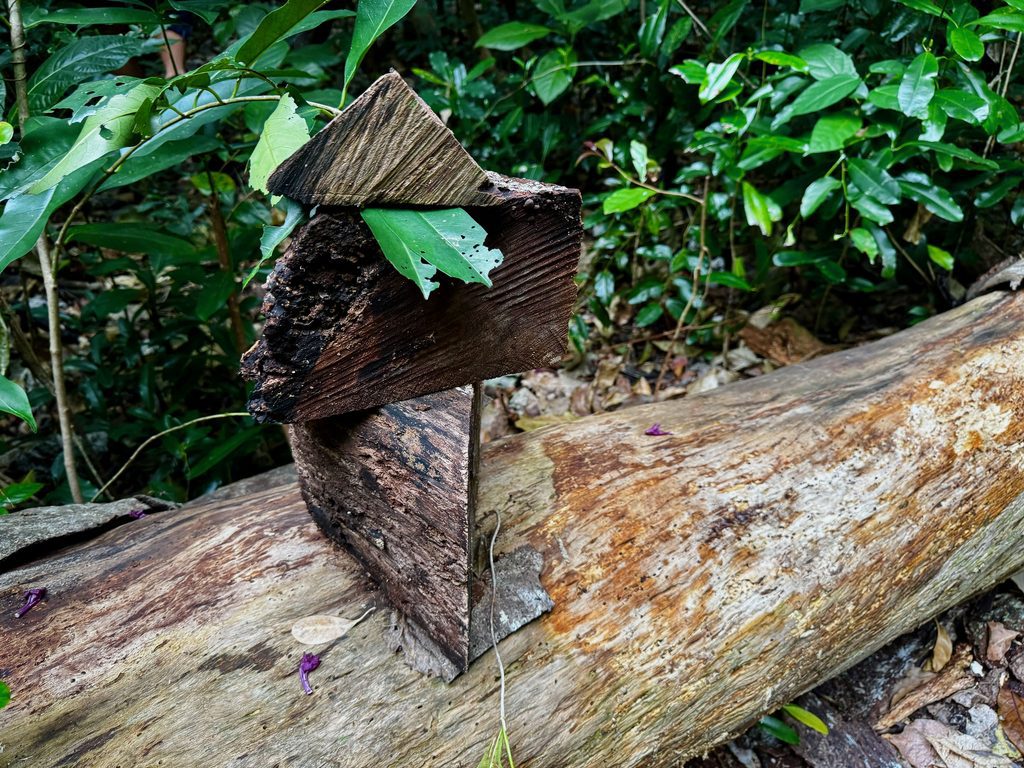
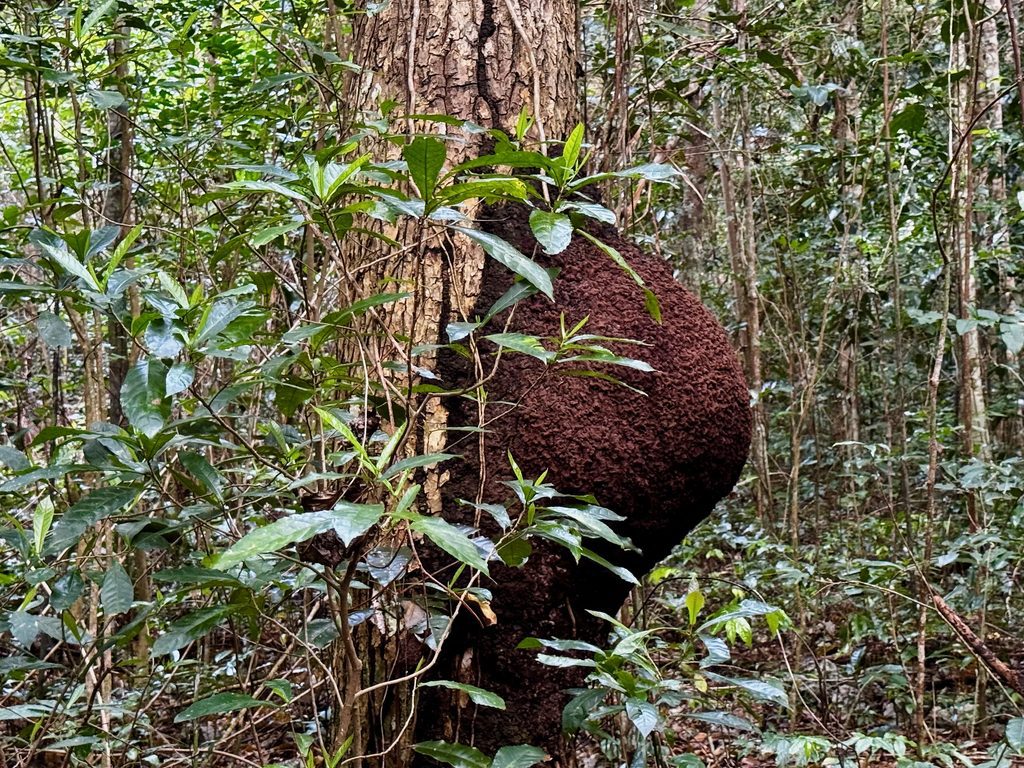
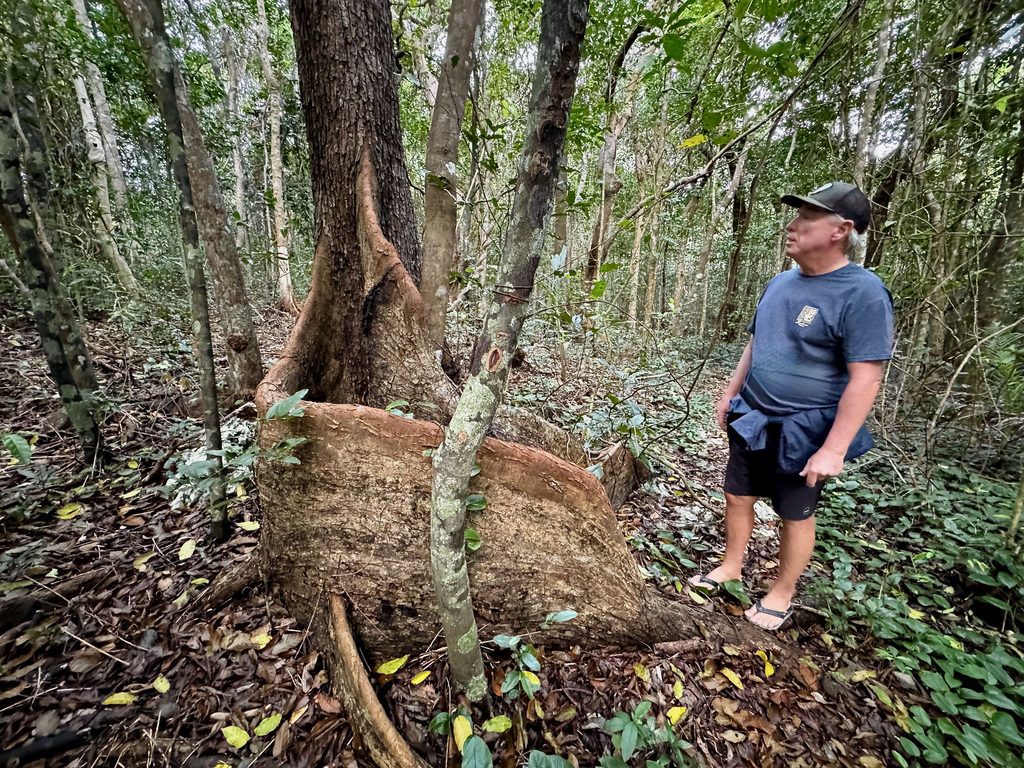
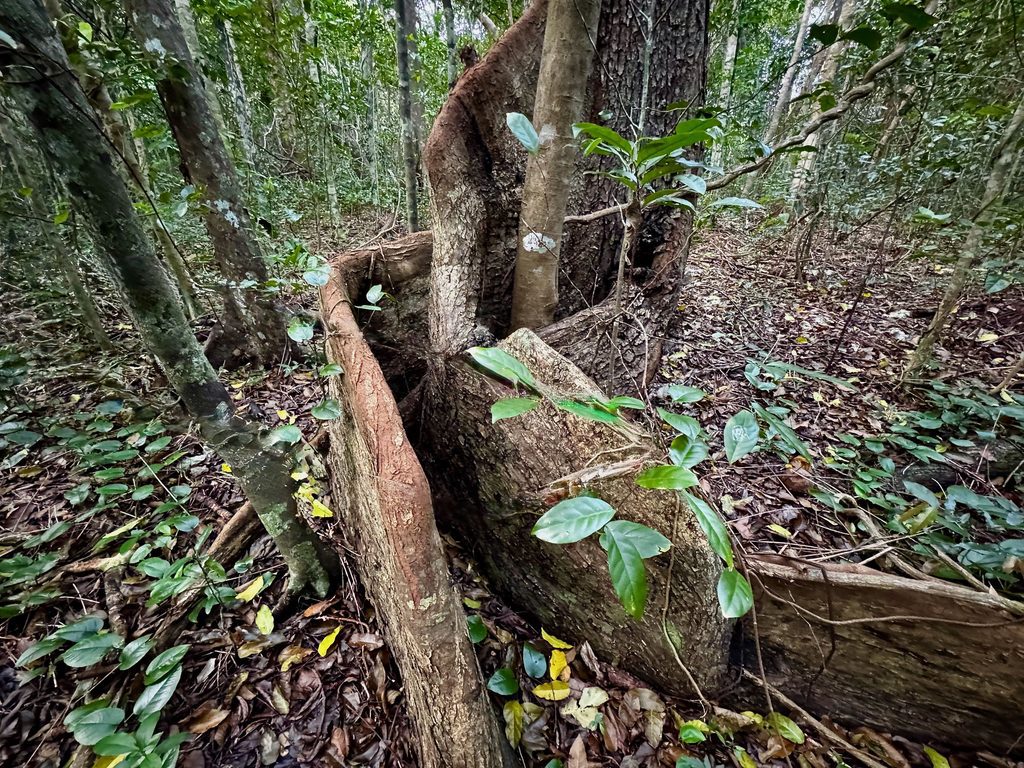
Hiking on Ogea Driki
There is a great hiking trail on Ogea Driki, one that reminds you how
Dining and Accommodations
There are no restaurants or hotels on Ogea. We stayed on our catamaran in the Ogea Driki Anchorage.
Getting Here
Ogea has no roads or airstrips. The only way to get to Ogea is by private or chartered boat, after which all transportation is on foot.
We sailed here on our catamaran.
Final Thoughts


Leave a Reply