
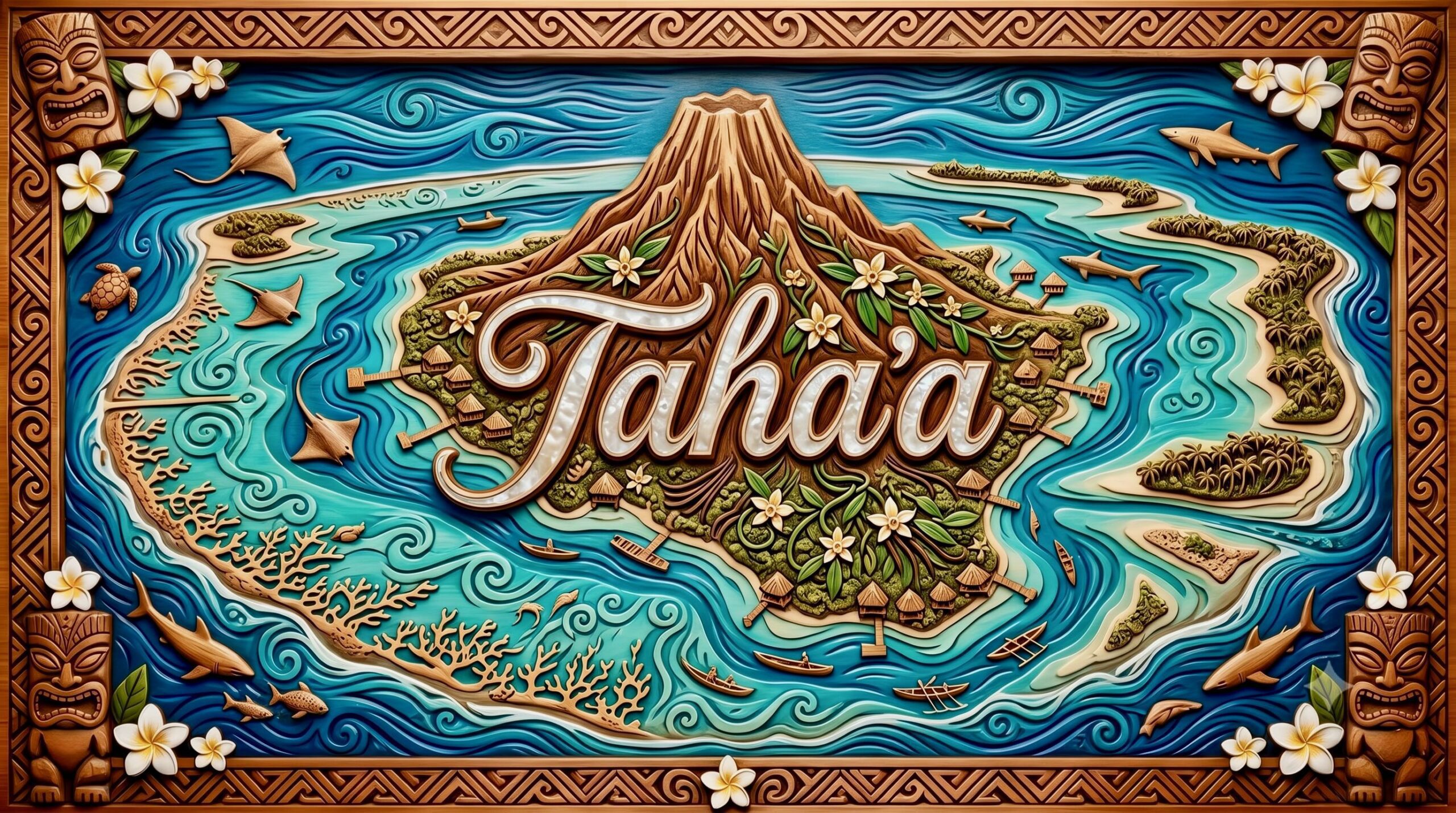
Taha’a is one of the most authentic and peaceful islands in French Polynesia, offering an opportunity to experience the South Pacific at a slower pace. Located in the Society Islands, Taha’a shares a beautiful lagoon with its larger sister island, Raiatea, yet it has maintained a distinctly rural character.
Unlike some of the region’s better-known destinations, Taha’a has no airport and is reached only by boat, helping preserve the island’s tranquil atmosphere and traditional way of life.
Its population is relatively small: only about 5,234 people live here.
People on Taha’a, like most of French Polynesia, are deeply religious. The vast majority practice Christianity, predominantly belonging to the Protestant Maohi Church. Faith is central to village life, with pastors playing active roles in the community, and Sunday services are celebrated with vibrant hymn singing that blends European and Polynesian styles.

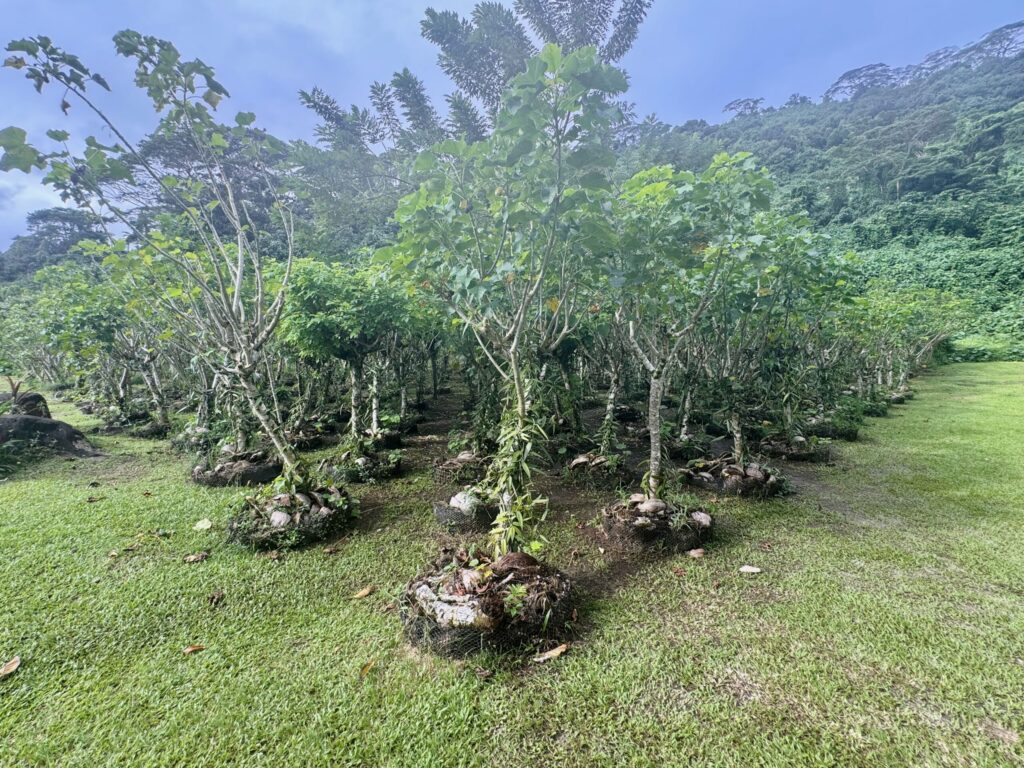
Often called the “Vanilla Island,” Taha’a is renowned for producing some of the world’s finest vanilla. The island’s fertile volcanic soil, warm tropical climate, and careful cultivation methods create ideal growing conditions for Vanilla tahitensis, a prized variety known for its rich aroma and complex flavor.
Vanilla plantations are scattered throughout the island, and many family-owned farms welcome visitors to learn about the painstaking process of pollination, harvesting, curing, and drying the beans. Along with vanilla, Taha’a is also known for growing black pearls, coconuts, and tropical fruits, all of which contribute to the island’s local economy.

The lagoon surrounding Taha’a is one of its greatest natural treasures. Crystal-clear waters, vibrant coral gardens, and abundant marine life make it an exceptional destination for snorkeling, diving, kayaking, and paddleboarding.

Taha’a Highlights
1. Drift Snorkeling the Motu Tautau Coral Gardens
Drift snorkeling through the Coral Garden is one of Taha’a’s signature experiences. Located in a shallow channel between two motus, these coral gardens make for an amazing snorkeling experience.
We walked to the far end, and from there we let the current push us through a maze of vibrant coral formations. We saw butterflyfish, clownfish, wrasse, giant clams, and other tropical marine life through exceptionally clear water.
Add to that the exhilaration of the strong current, and this became one of our favorite snorkel experiences ever. We loved it so much that we did it multiple times.


We also spotted a large school of cornetfish. These long, slender predators usually swim alone, so seeing them in a group is something very special. They follow small fish around, and when close, they suck them into their tubelike mouths.
Their mouths can expand quite a bit, so they can swallow fish as wide as their bodies.


2. Vanilla Plantation Tour
Taha’a produces nearly 80% of all Tahitian vanilla. Unlike the more common bourbon vanilla, the island’s vanilla tahitensis is prized by world-class chefs for its floral, anise-like aroma. source.
We saw a number of vanilla farms all around the island.
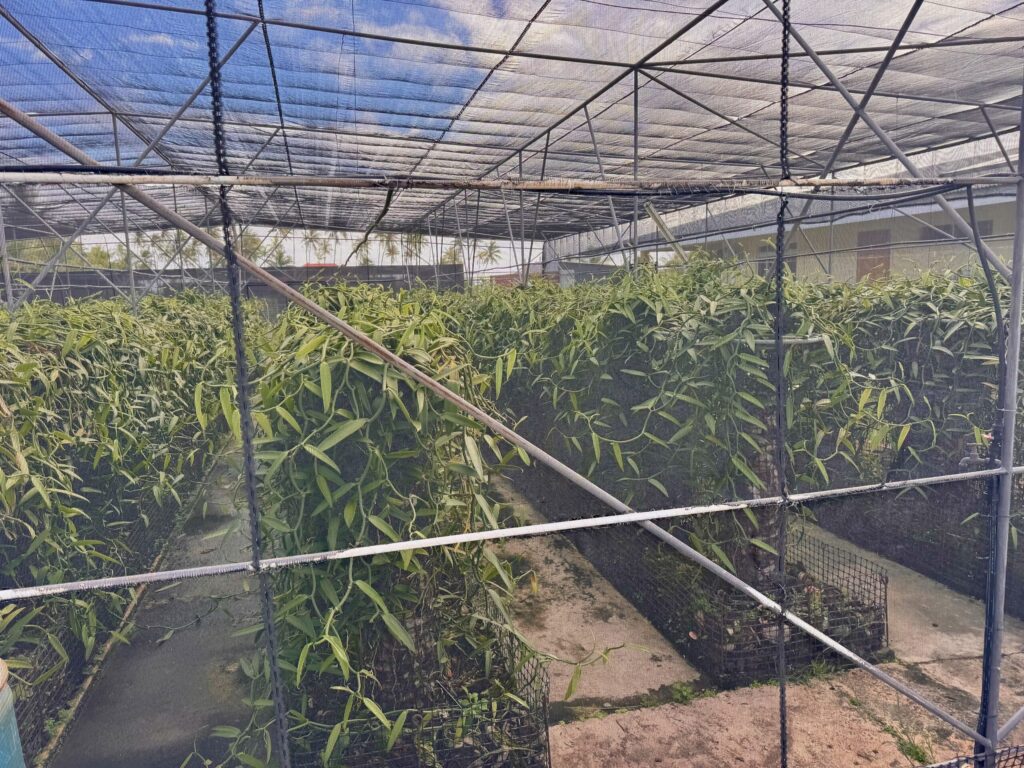
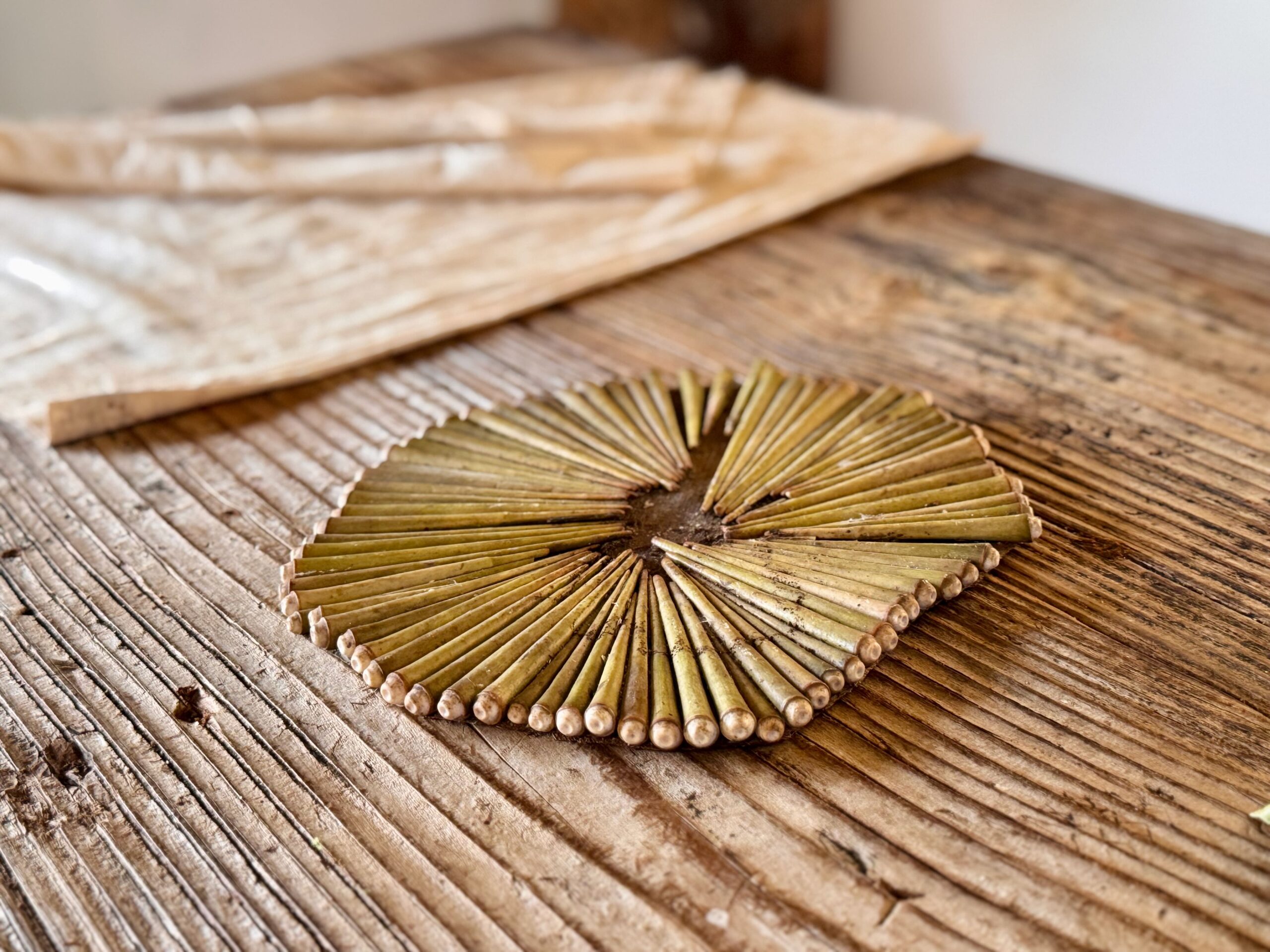
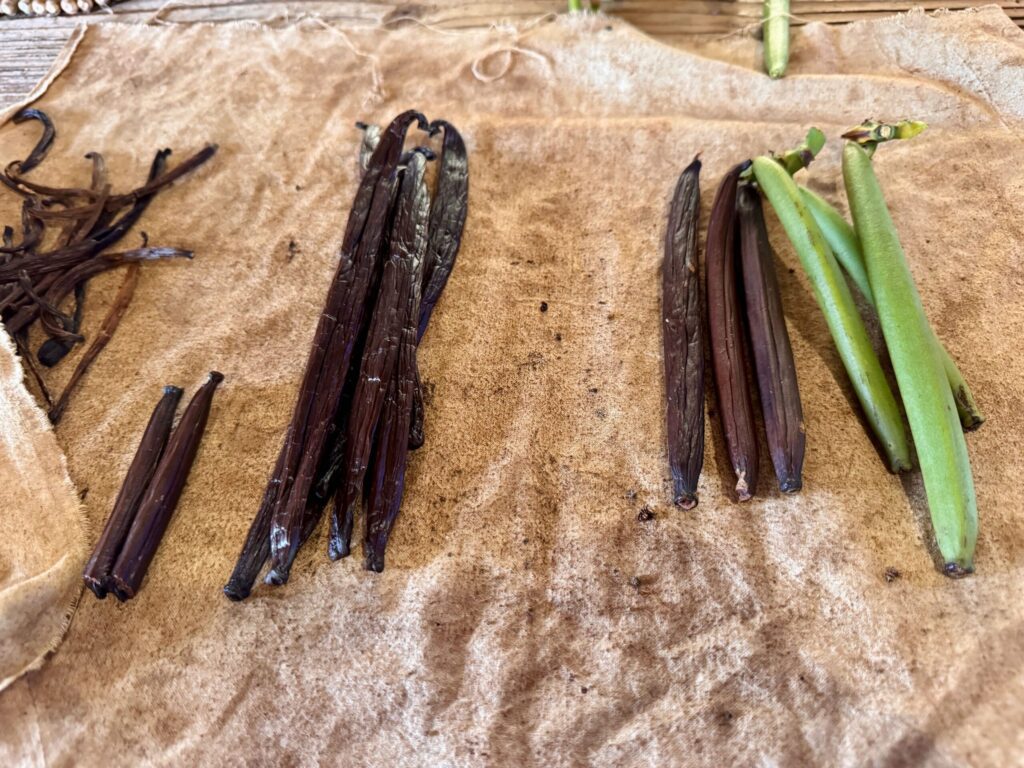
We chose to go on a tour at Fare Vanira. There, we learned about the plantation’s cultivation and processing practices. Because there are no natural pollinators for vanilla in French Polynesia, every flower must be pollinated by hand during its brief blooming period.
After harvest, the beans are carefully cured and dried over several months to develop their distinctive floral aroma and rich flavor.
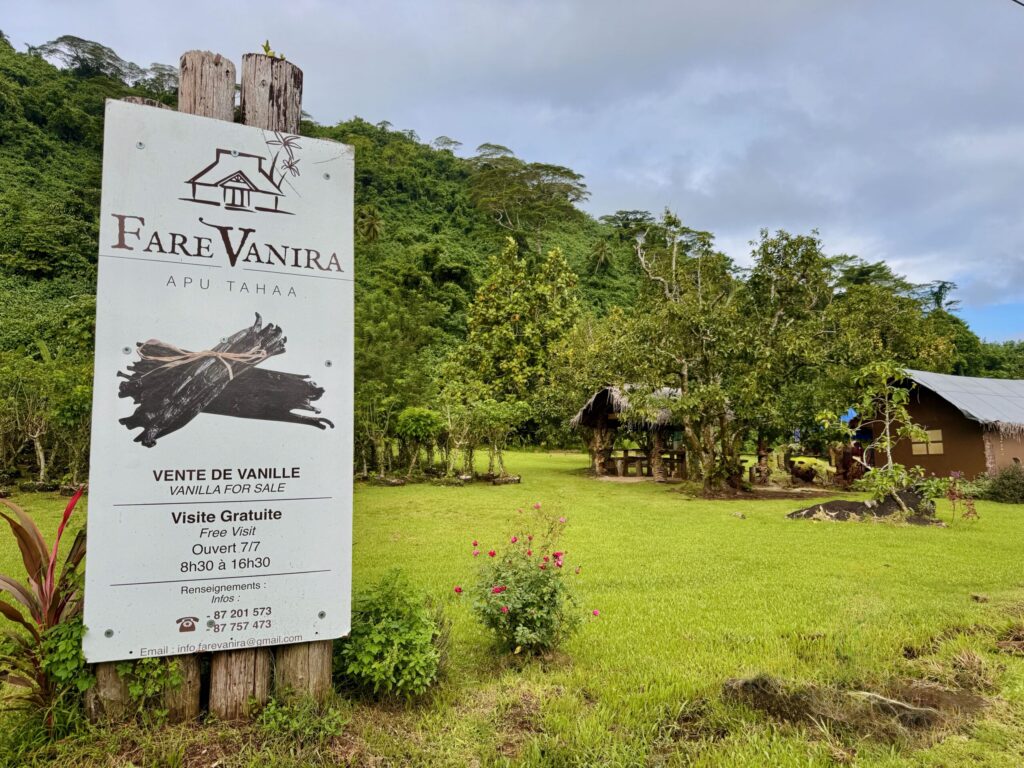
The plantation also has a small shop where we purchased some vanilla beans. The employees of this family-run business were all very friendly.
3. Rum Distillery Tour
We’re not big fans of rum, but we simply had to do this. Due to its convenient location near the ferry dock, Rhumerie Mana’o was our tour of choice.
The distillery specializes in agricultural rum (rhum agricole), which is made from fresh sugarcane juice, rather than molasses.
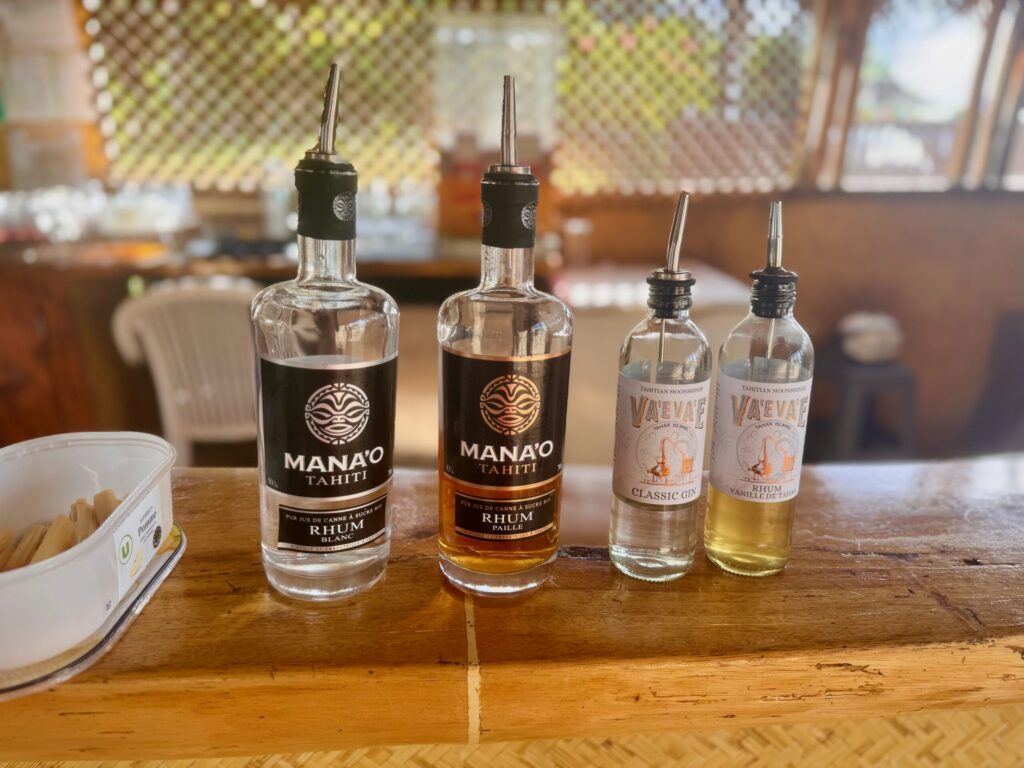
The name “Mana’o” means “to think” or “to remember” in Tahitian. It reflects the distillery’s mission of preserving French Polynesia’s historic O’Tahiti sugarcane, a traditional variety that once played an important role throughout the Pacific. Mana’o was also the first rum producer in French Polynesia to earn organic certification for its sugarcane.
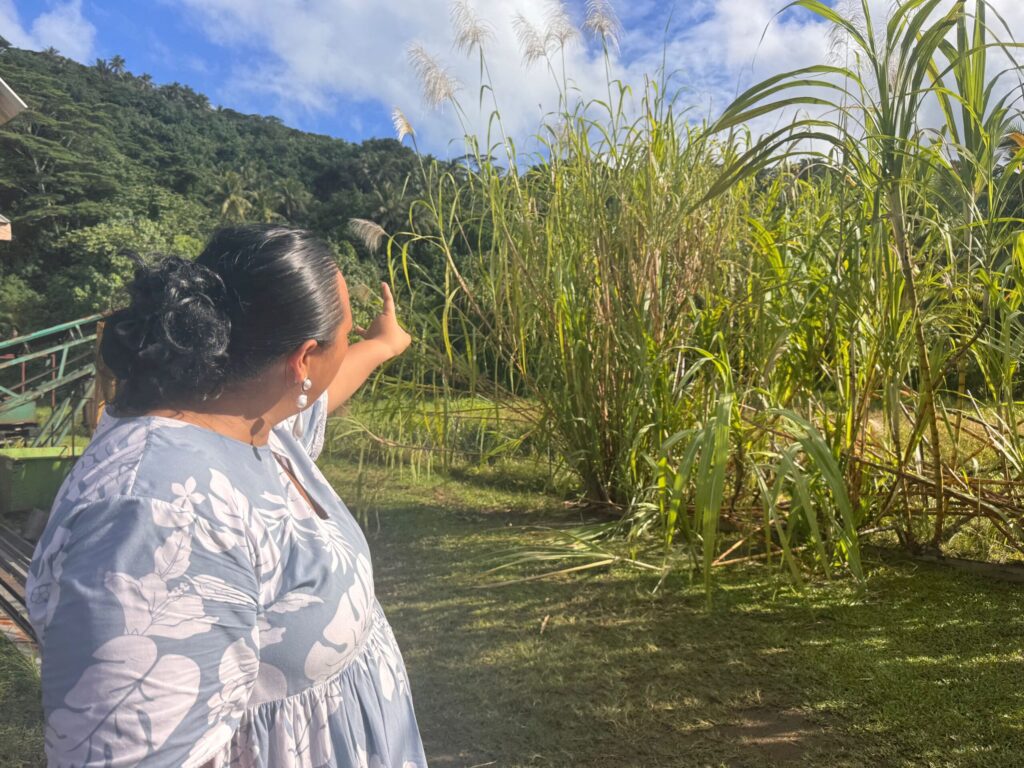
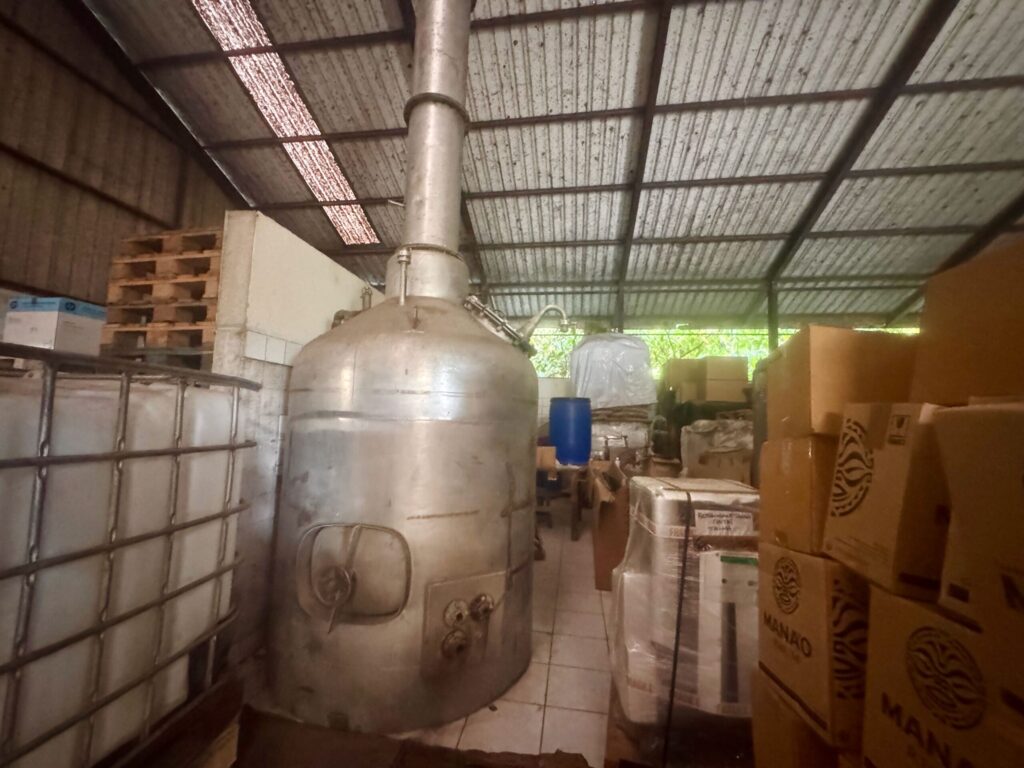
The operation in Taha’a is quite small, as almost all of the production is handled in Tahiti. I think if we were to do this over, we would choose a tour from the Domaine Pari Pari Rhum Distillerie.
4. Exploring the Motus by Boat
Taha’a is surrounded by dozens of small coral islets, known as motus. Although we had to dodge quite a few bommies, we were able to explore some of these small islands on our dinghy.


Almost all of them are uninhabited.
5. The Tapuamu Valley Trail
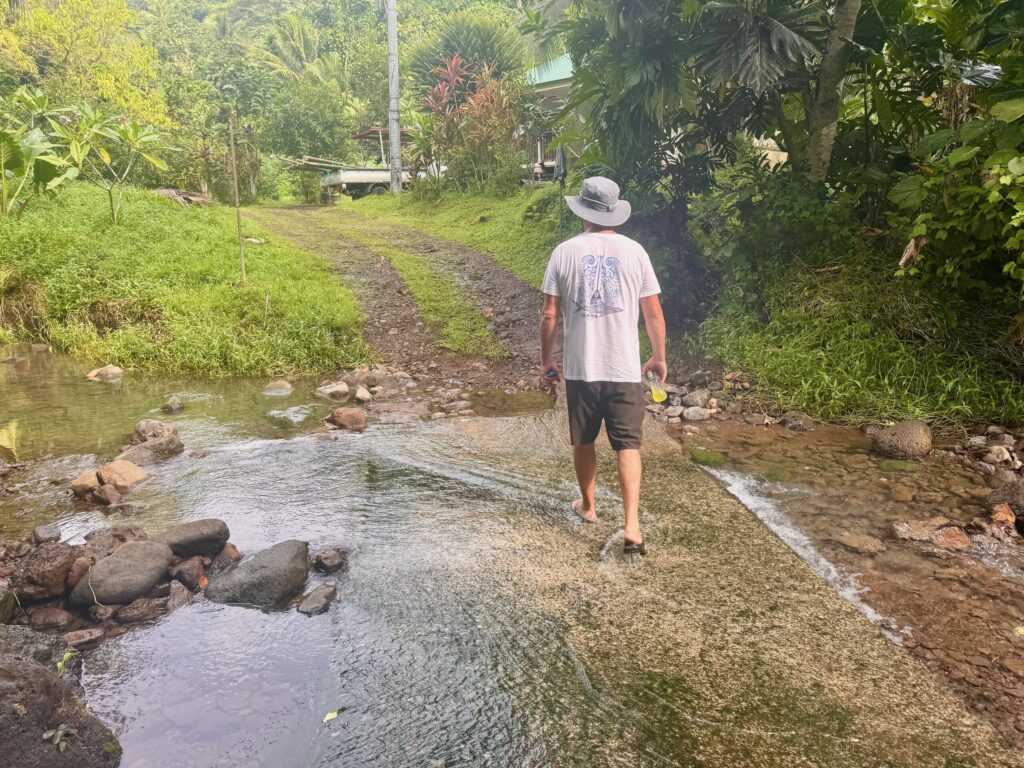
The Tapuamu Valley is one of Taha’a’s most fertile and picturesque regions, located on the island’s northwestern coast near the village of Tapuamu. Surrounded by lush volcanic hills, the valley is known for its rich agricultural land, where vanilla, bananas, coconuts, breadfruit, and other tropical crops thrive in the island’s warm, humid climate.
The trail is not well marked, but it is an easy walk from the ferry dock.

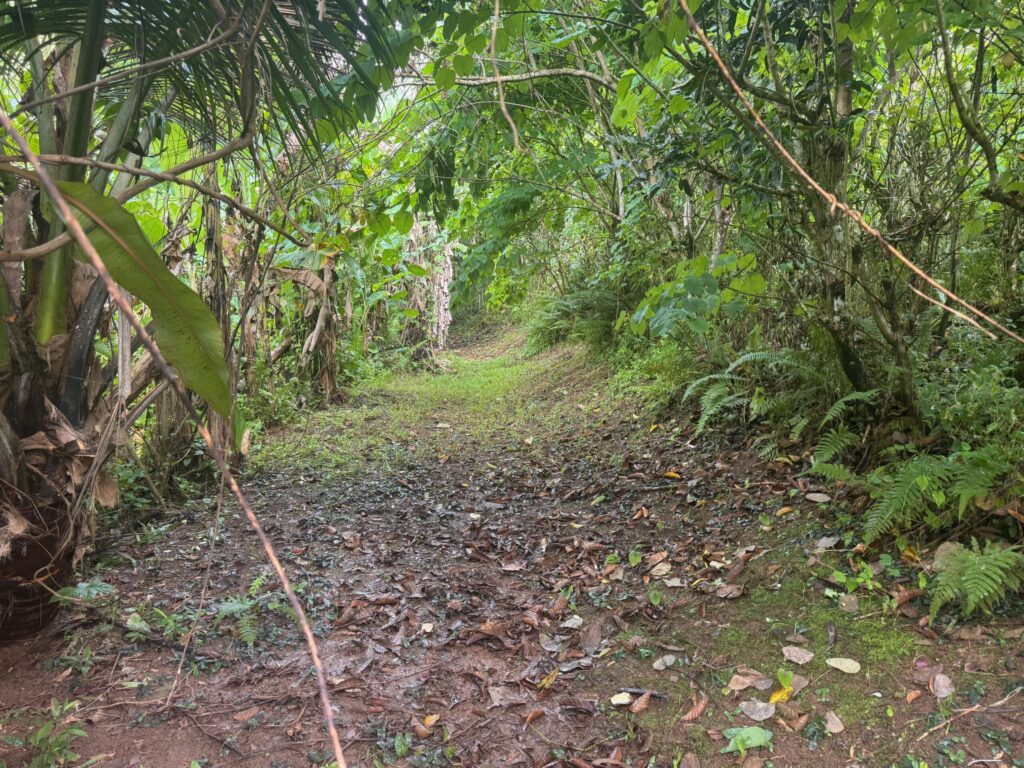
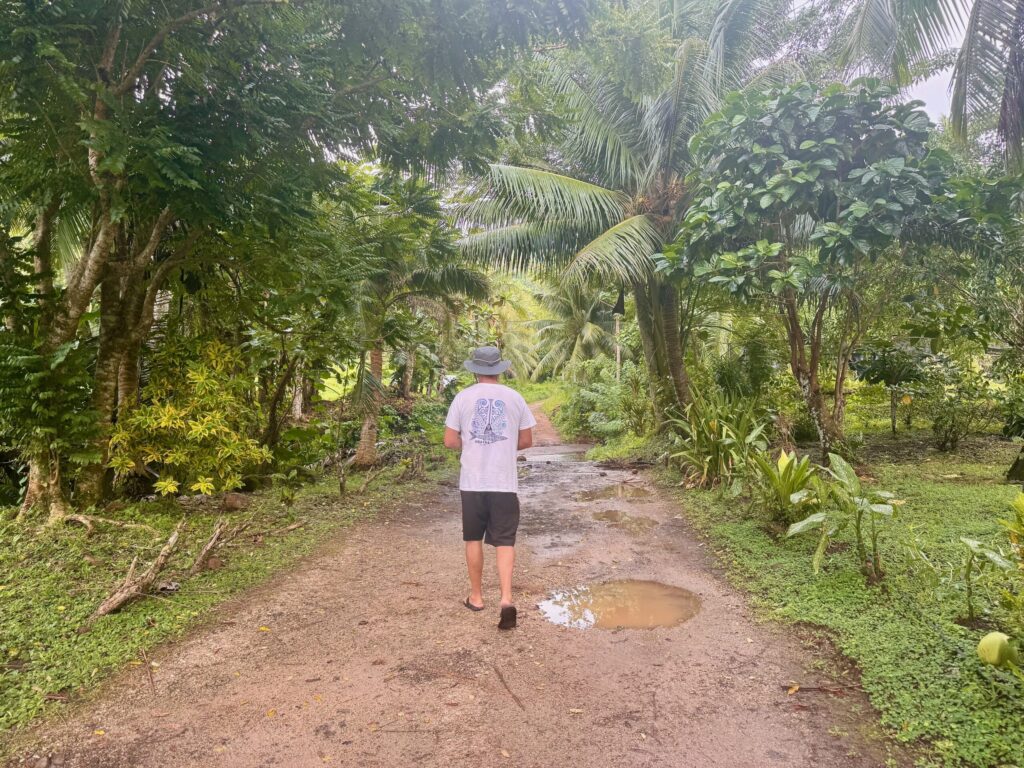
Here, narrow roads wind through tropical vegetation, small family farms, and traditional homes, offering a glimpse of everyday life on an island where agriculture remains an important part of the local economy.


This ginger flower has an interesting story. Here you can see that it is exhibiting an evolutionary trait known as vivipary, in which new vegetative plantlets develop directly from the maturing flower head. As these offshoots grow, their increasing weight pulls the flexible stem downward into a drooping curve toward the earth, allowing the young plantlets to touch the soil, take root, and propagate naturally.
We admired vegetation like this throughout the walk and took the trail as far as we could.
It’s an easy path, and it made for a pleasant afternoon.
Other Memories
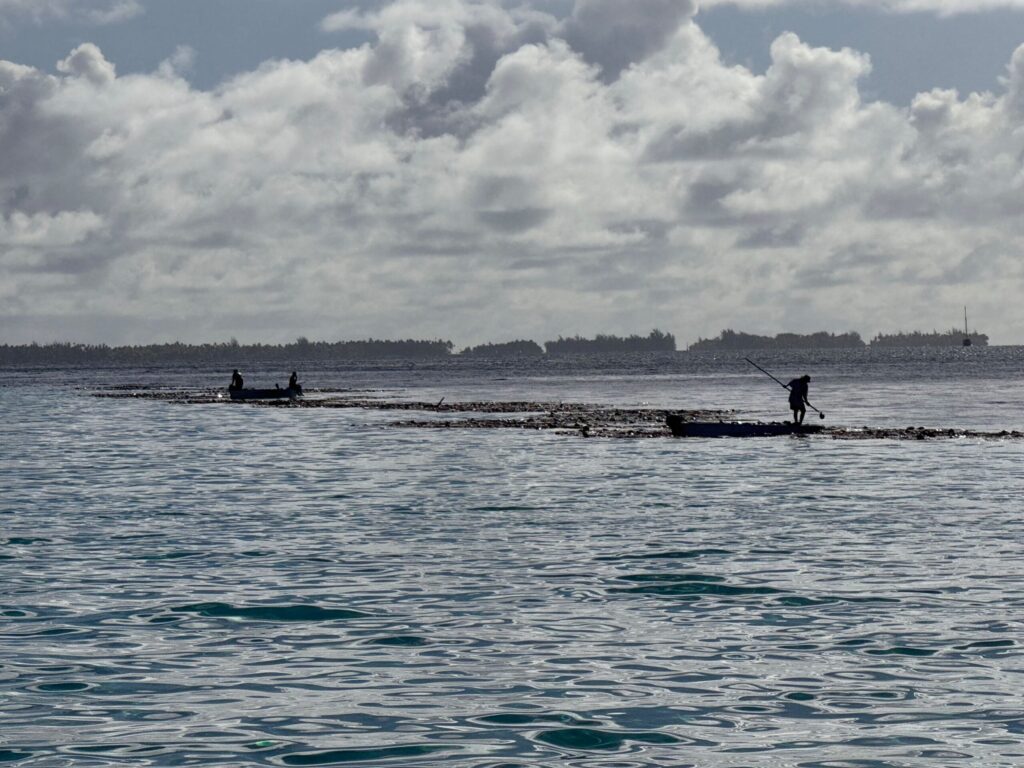
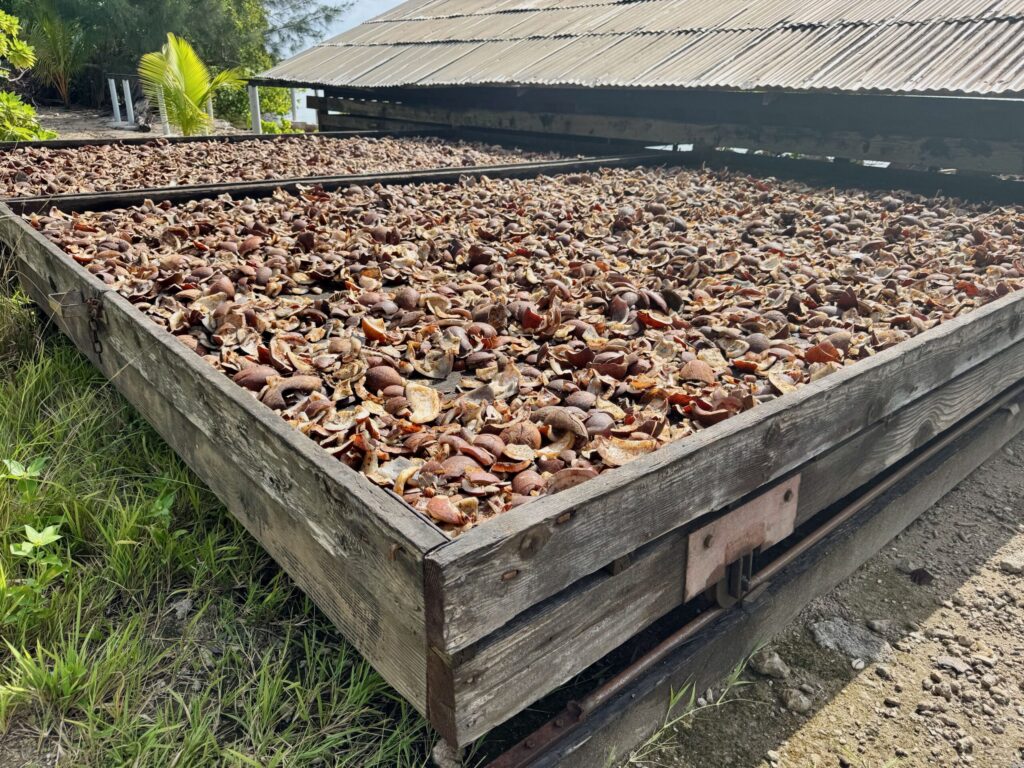
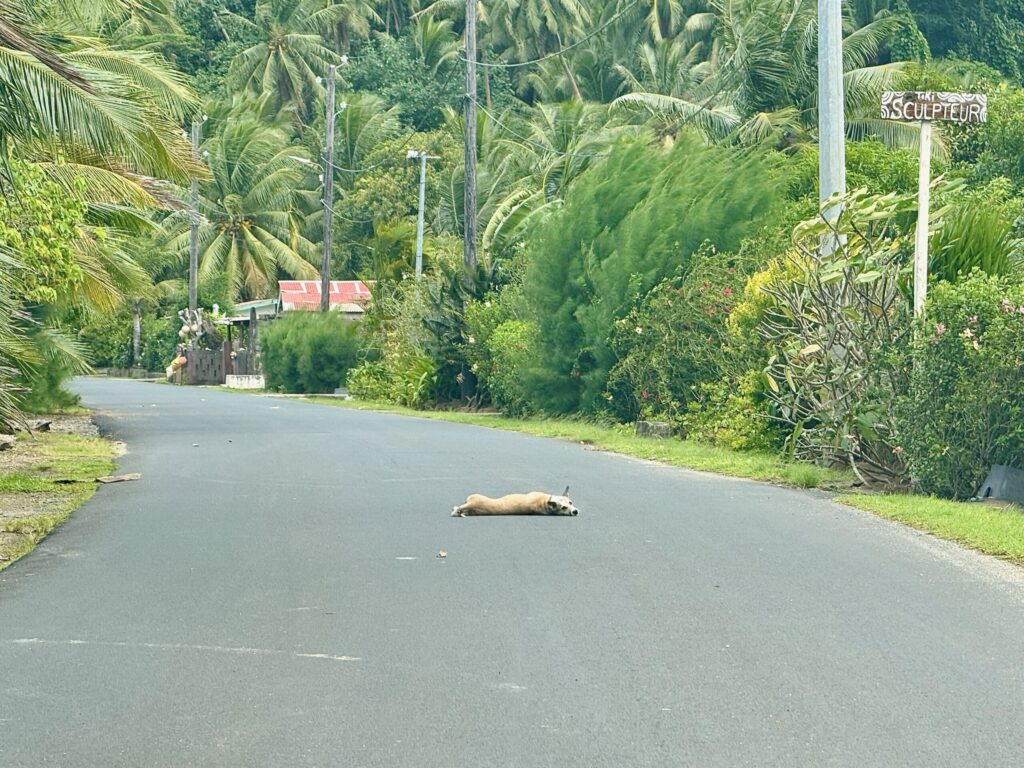
We see this situation several times, on different islands.
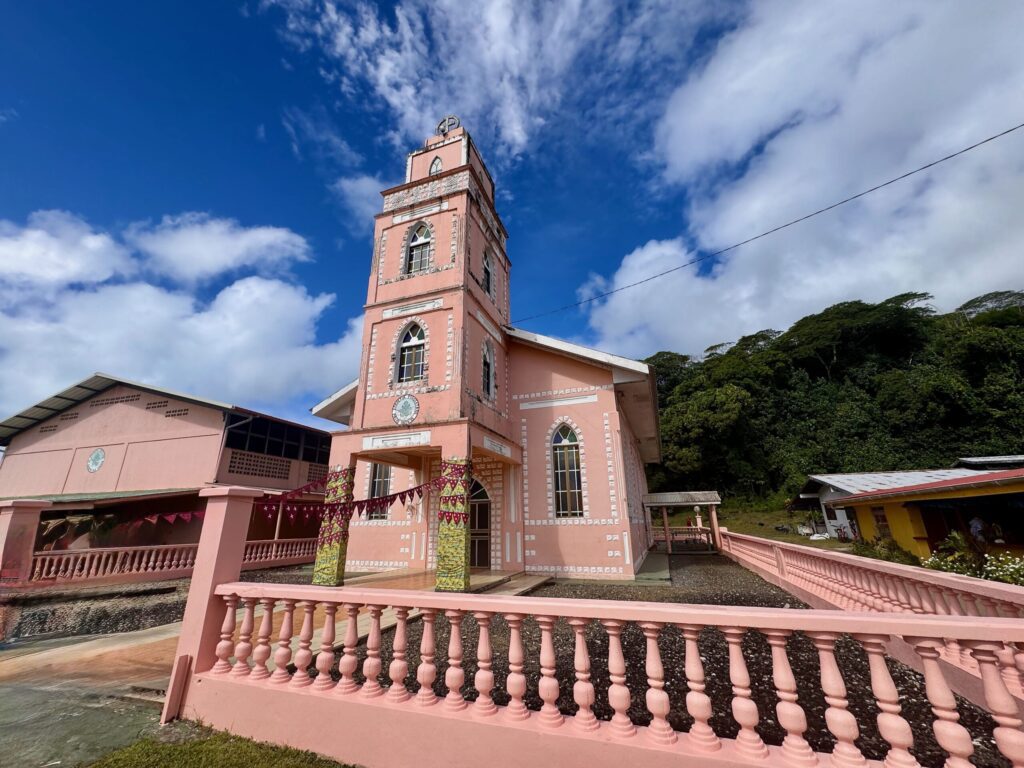
At the time, this church, along with several others, was decorated for an annual celebration known as Mê (or Aufaura’a Mê). Dating back to May 1818, this historic Maohi Protestant Church tradition is a major cultural festival of thanksgiving and community giving. Parishes decorate church buildings with vibrant fabrics and intricate woven leaf wraps to host the festivities, which bring local congregation members together to present their annual offerings, dressed in festive attire and singing traditional polyphonic Himene songs.
Where We Ate
Taha’a Kebab
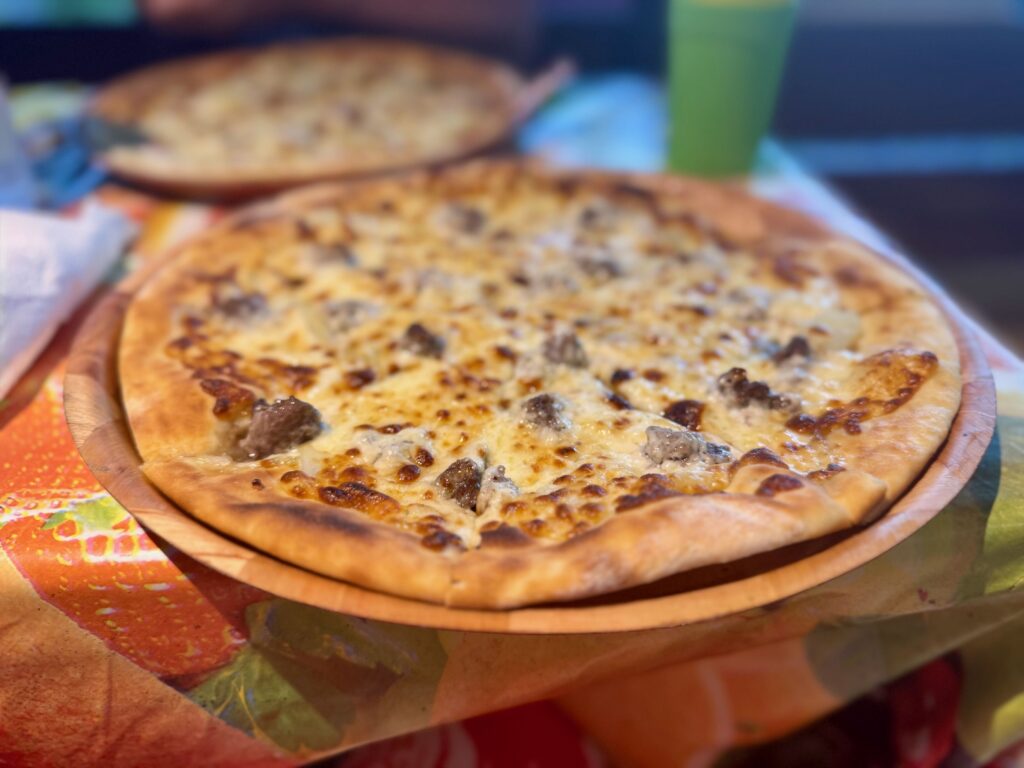
We ate here multiple times because it was within walking distance of the dinghy dock. Their pizza was delicious!
Fare Miti
This rhum and tapas bar, which is located on a vintage boat, is situated across from the Domaine Pari Pari distillery.
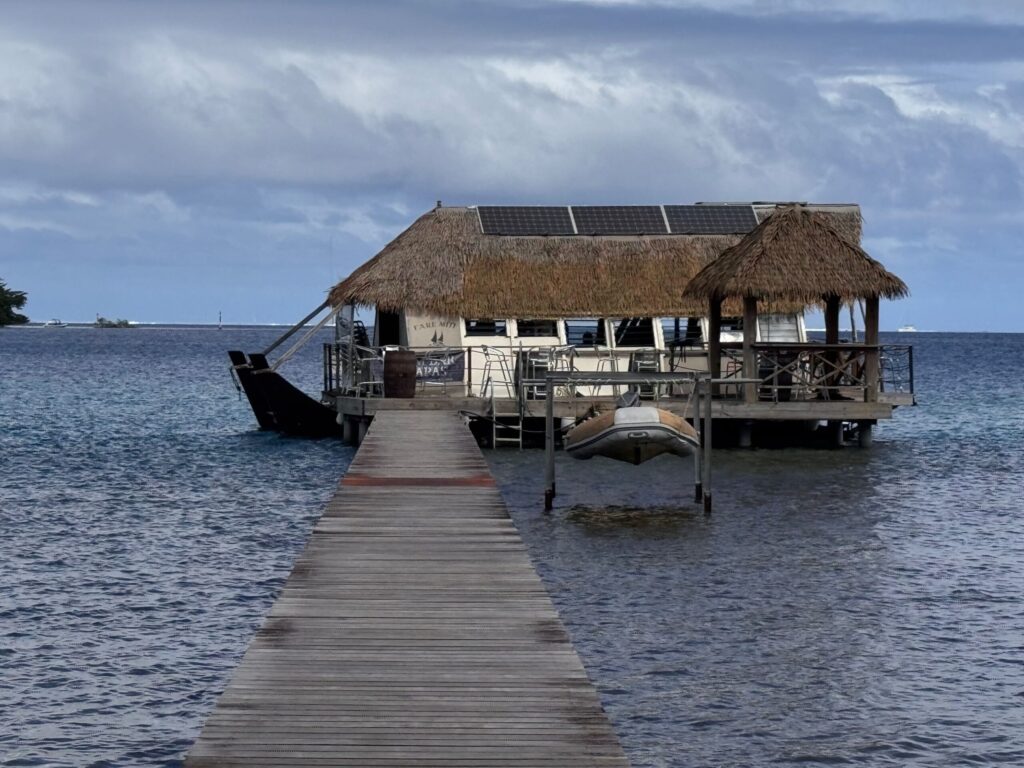


It was casual and fun.
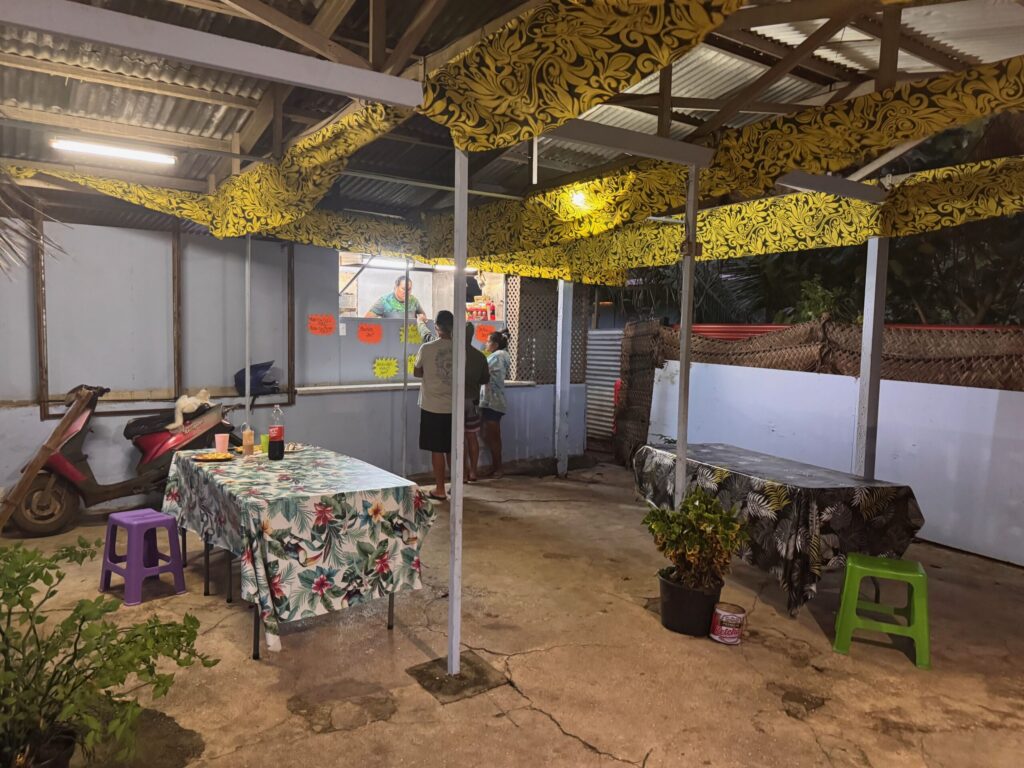
An Unnamed Roulette
This roulette is located at the start of the Tapuamu Valley Trail (see above).
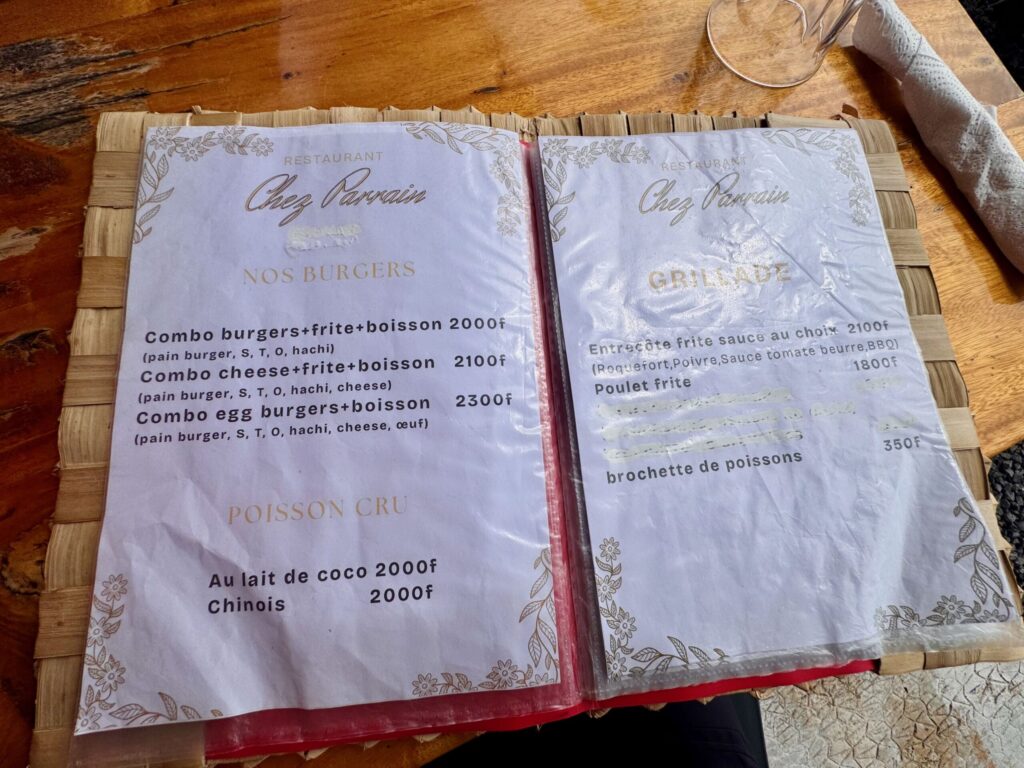
They offer hamburgers, chicken or steak with fries, fish, crepes, and other local fare. We ordered chicken and fries for takeaway.
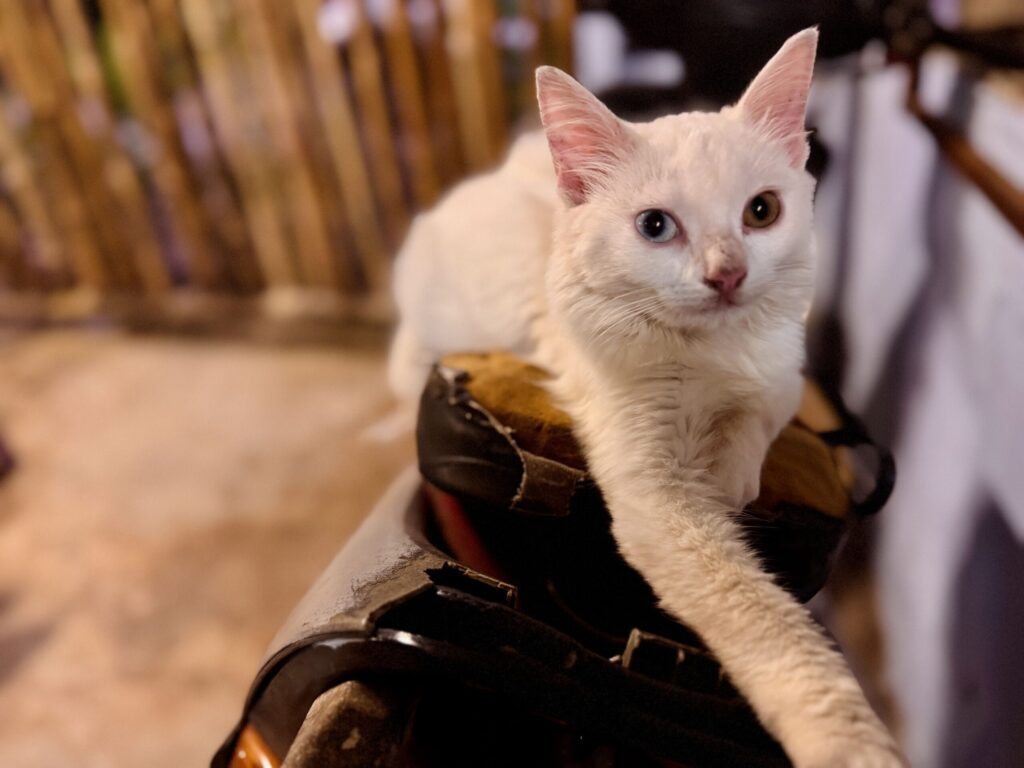
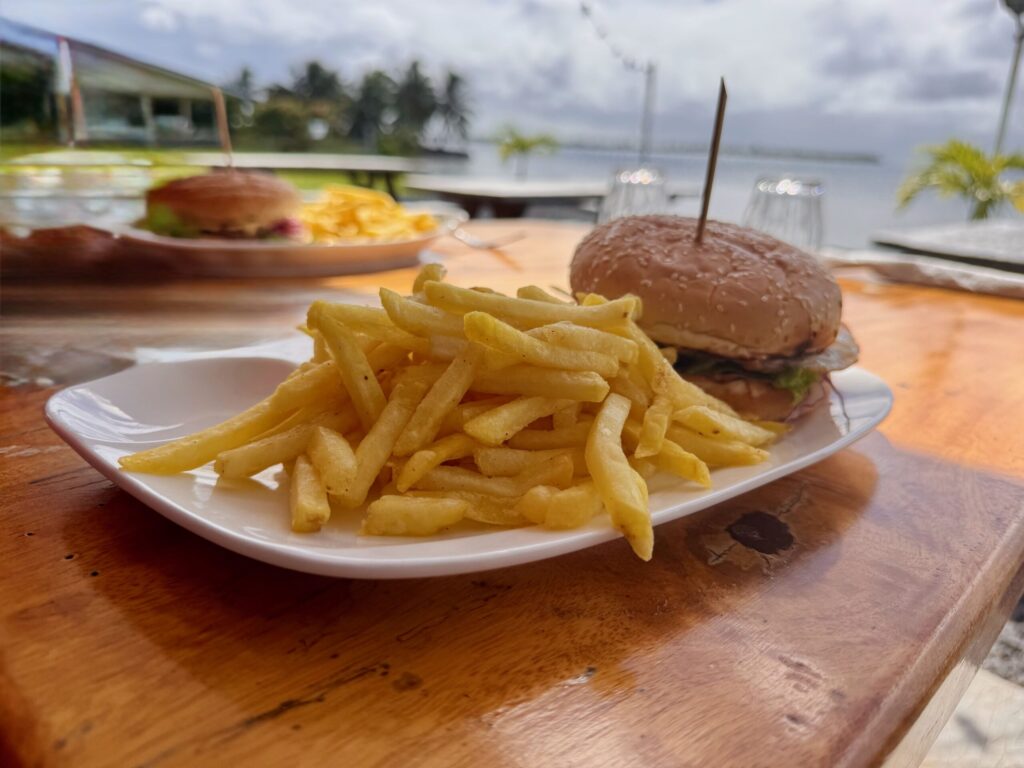
Chez Parrain
We were excited to dine here, based on some excellent online reviews. Unfortunately, though, there were a few large groups dining there that day, so the food service must have been slower than usual.

Shopping
Magasin Enota
This small grocery store is the main one on the island.

It is surprisingly well-stocked, so it met our needs perfectly.

Iaorana Pearl Farm
We had previously gone on a pearl farm tour in Rangiroa, so we stopped by this shop just for fun.
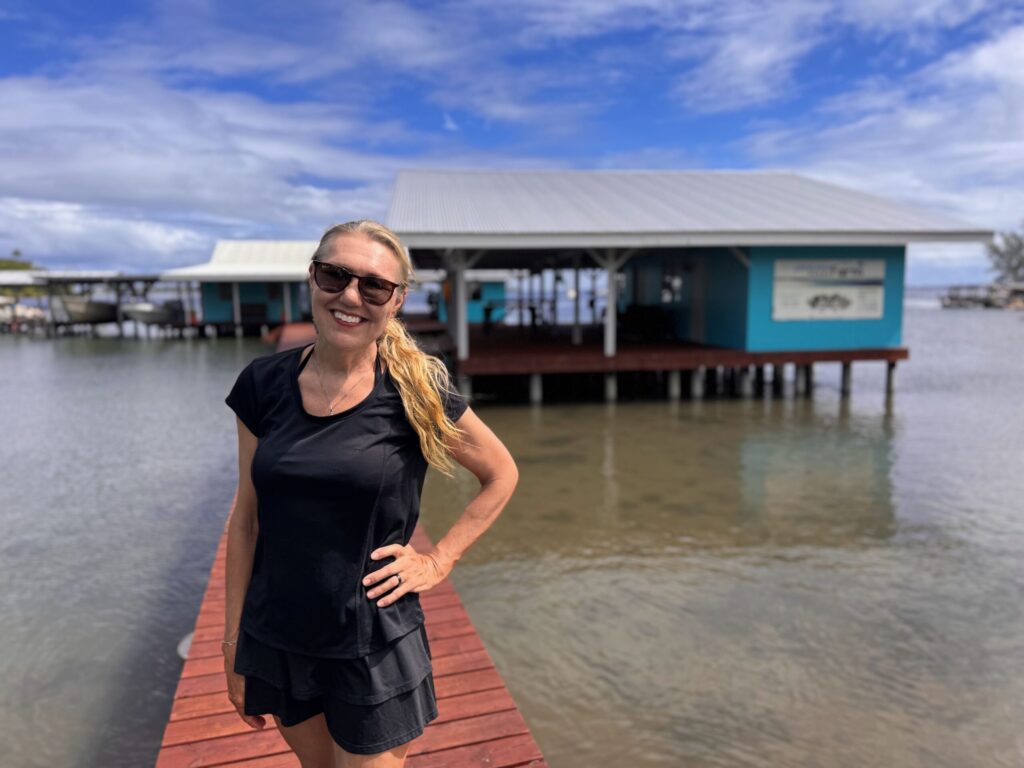
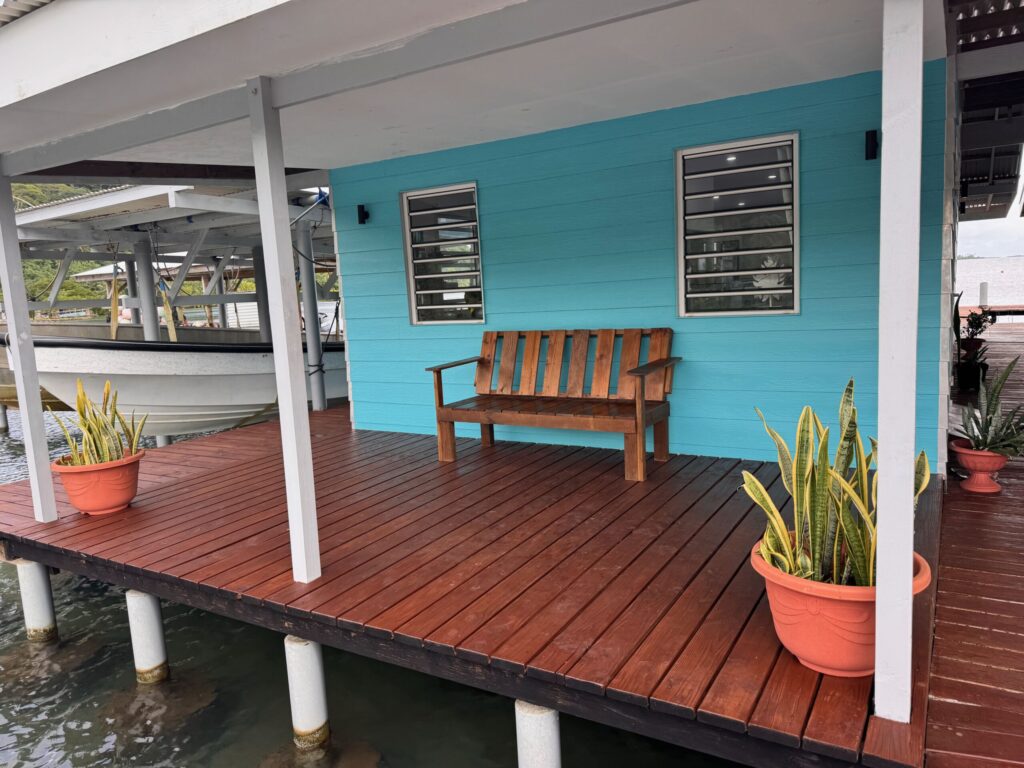
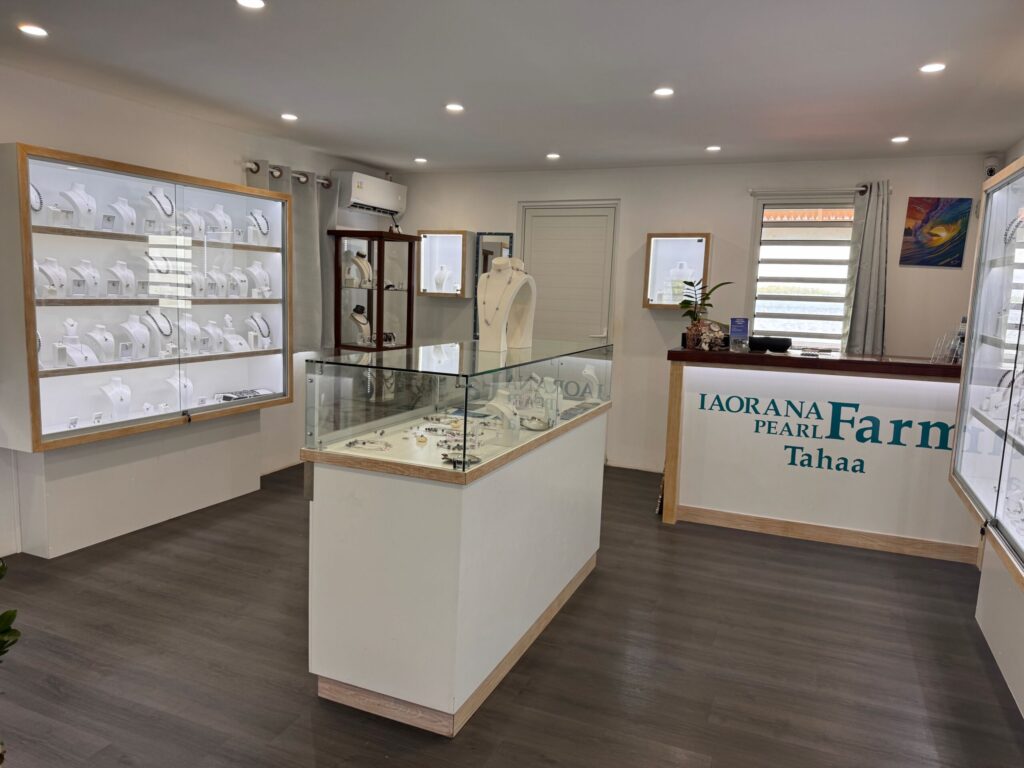
It is a pretty shop, and the employees were nice.
Love Here Pearl Farm
As we passed by this pearl farm shop, we thought it would be a fun, quick stop, since we had just visited the Iaorana Pearl Farm’s shop just moments earlier.
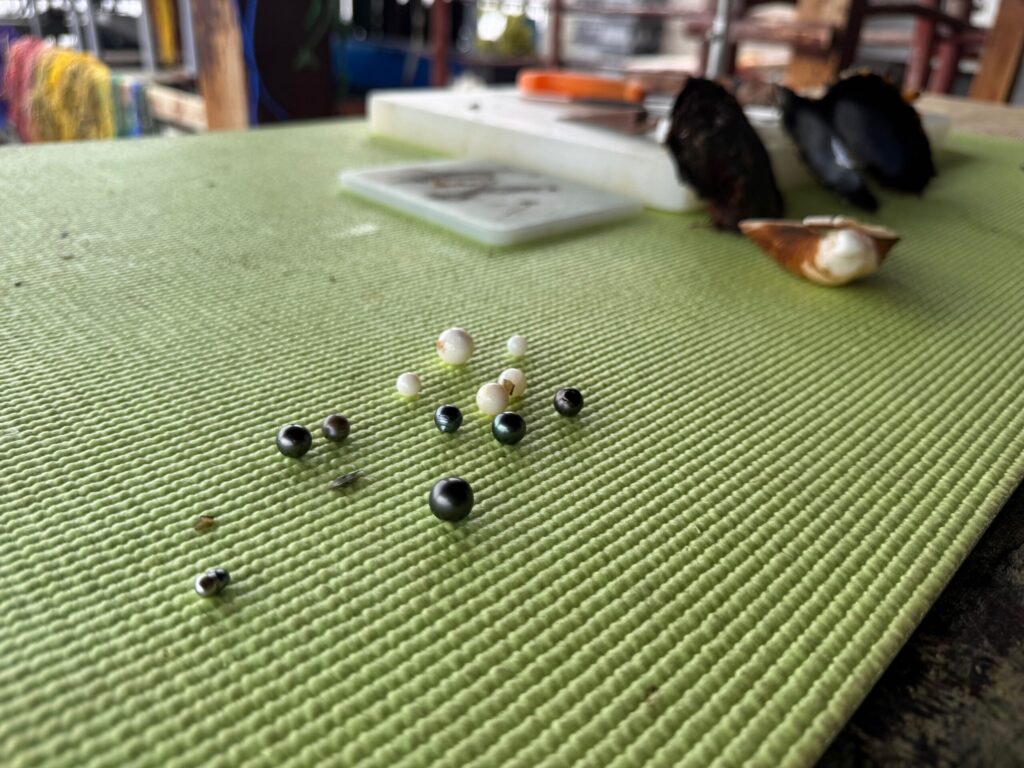
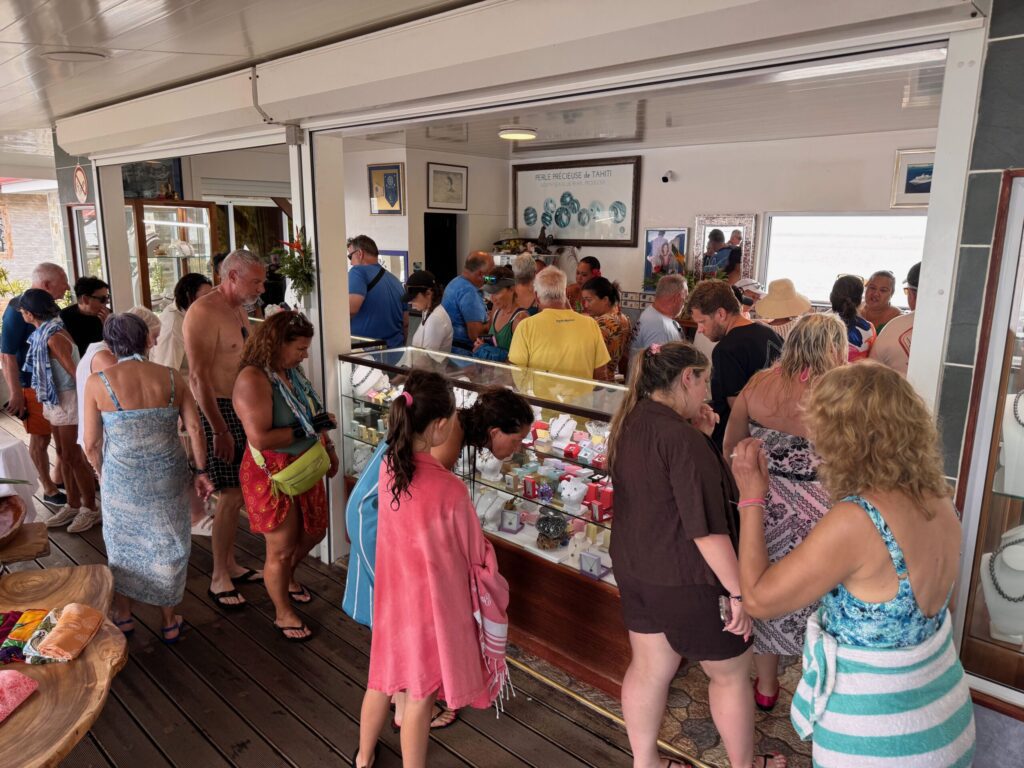
What a difference! While we were there, a cruise ship excursion group came. It was quite the zoo.
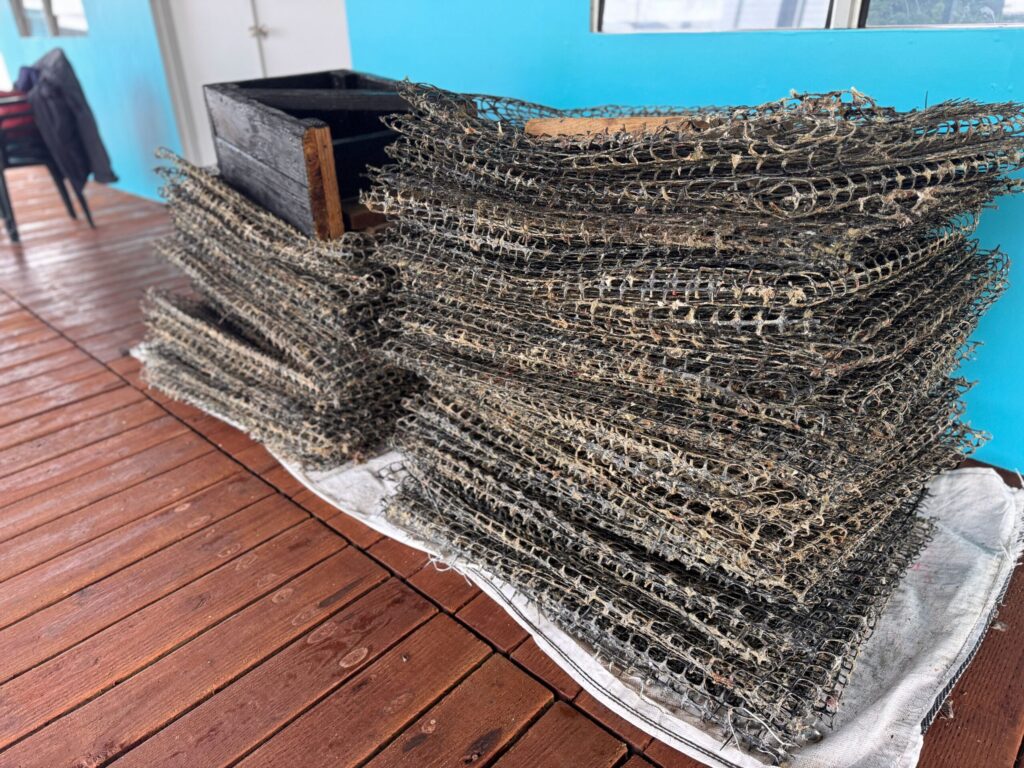
I did enjoy seeing these neatly organized spat collectors, though.
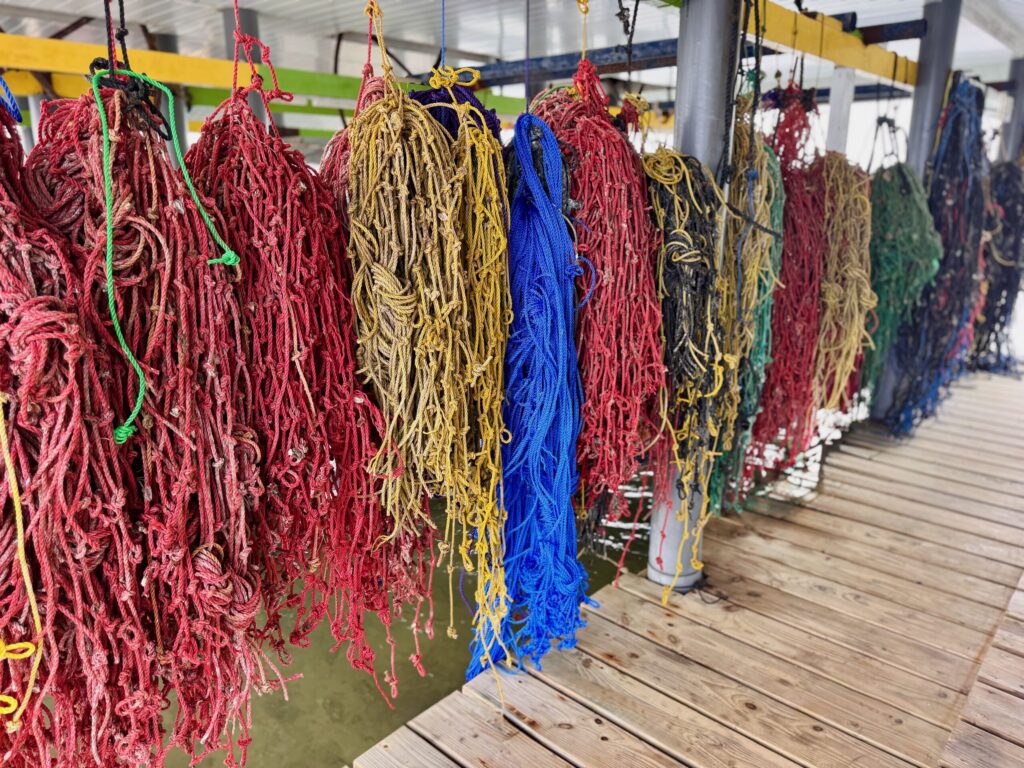
These specialized frayed rope systems are used in pearl farming to capture wild oyster larvae (spat) floating in the lagoon. The fibrous, textured netting provides an ideal surface for microscopic larvae to securely attach and grow into juvenile oysters, while safely protecting them from predators.
Farmers use distinct color variations to track different batches, deployment dates, or underwater locations. The oysters remain on these nursery lines for roughly 12 to 24 months until they reach a size suitable for harvesting and transitioning into the individual grafting phase.
Accommodations
There are two main resorts on Tah’a: Le Taha’a by Pearl Resorts and Vahine Private Island.

We stayed in the anchorage on our catamaran.
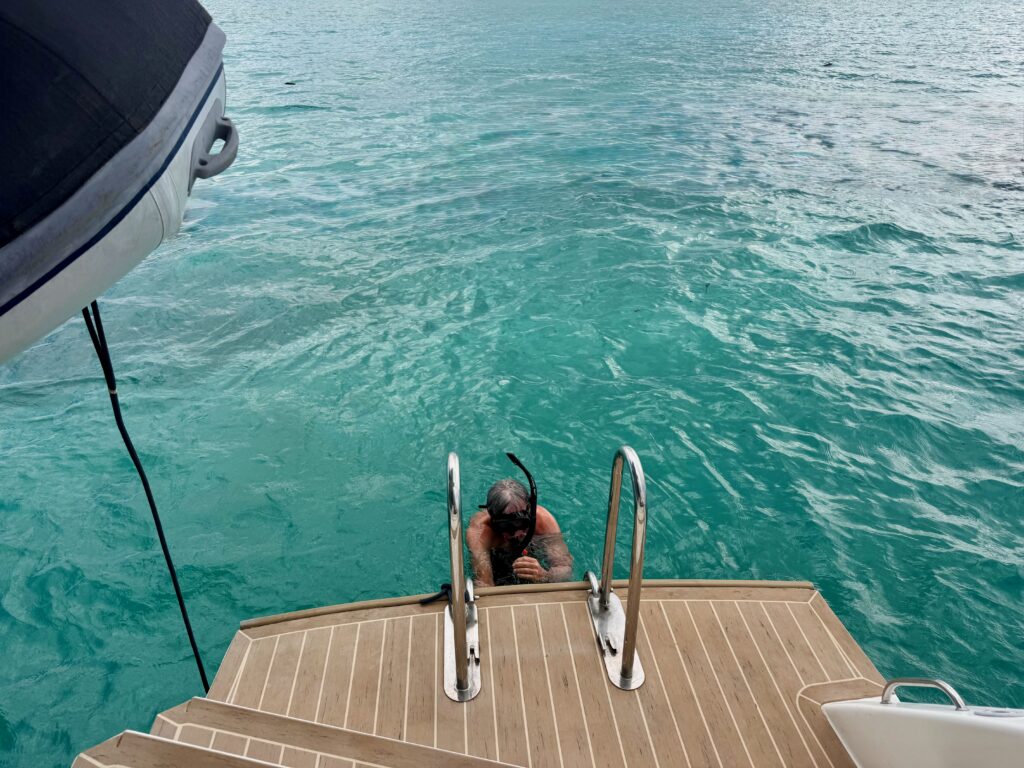
Every day, we saw lots of stingrays in the anchorage. This was the scene underneath our boat:
Getting Here
Because Taha’a has no commercial airport, traveling here requires a classic two-step island transit. You first fly into the neighboring island of Raiatea and then cross the shared lagoon by boat.
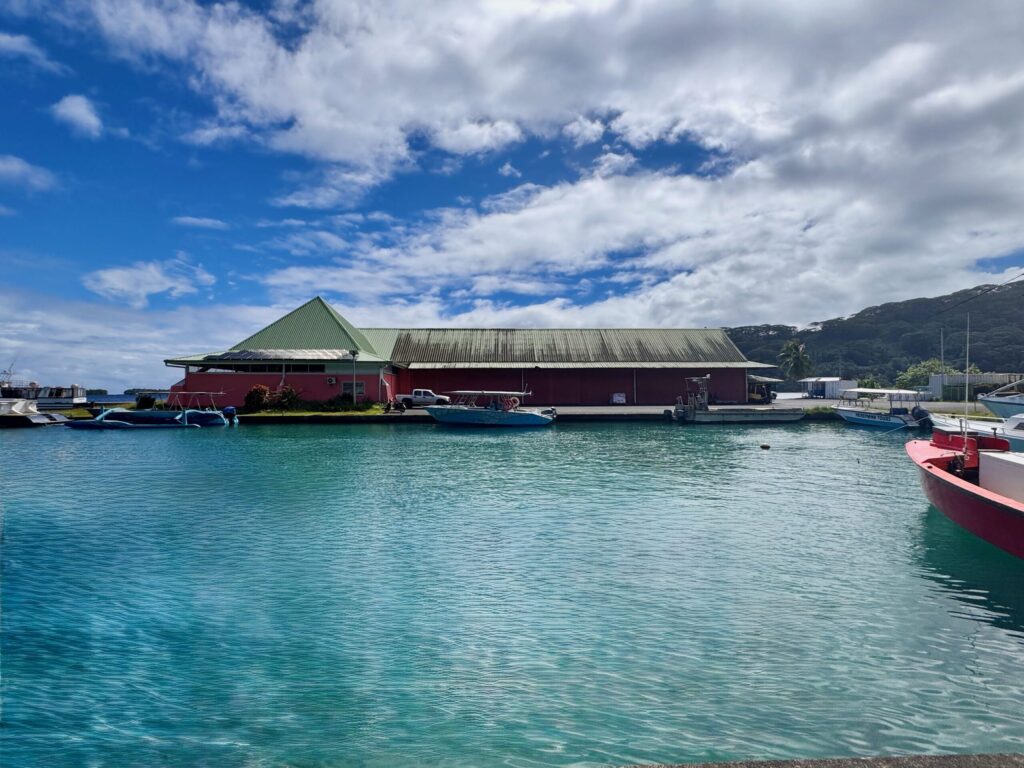
We sailed here on our catamaran.
Getting Around
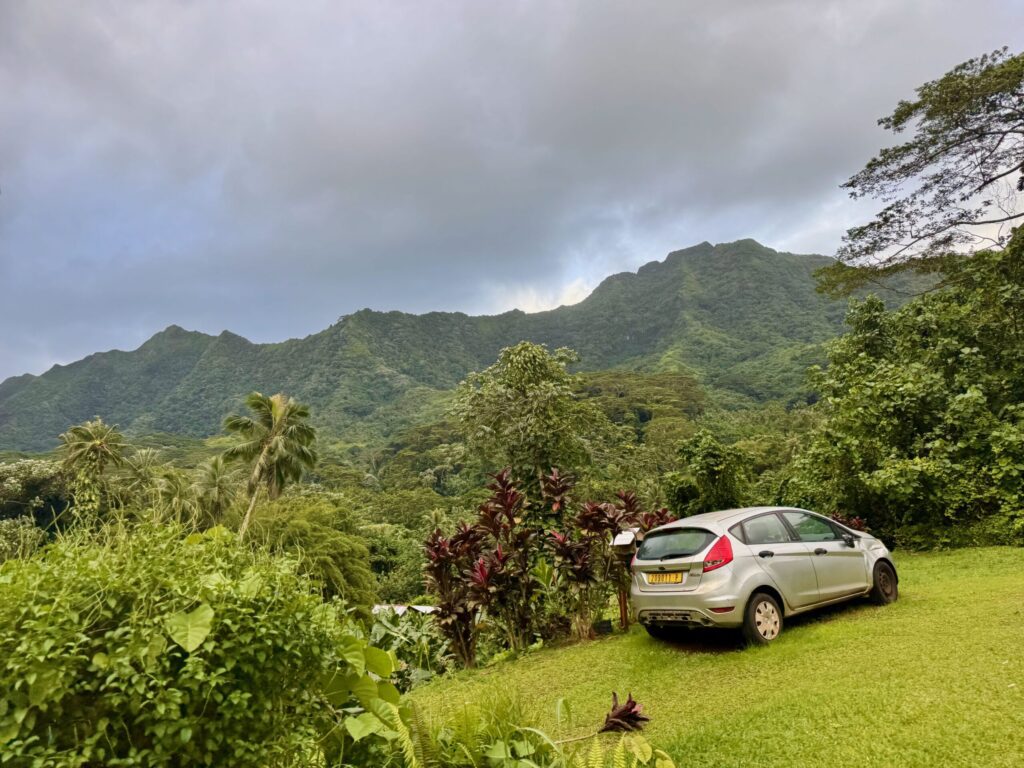
Every time we visit an island, we try to rent a car or scooter so we can experience everything it has to offer. On Taha’a, we rented a car through Mantaha’a Location. They delivered the car to us at the ferry terminal and were very flexible with drop-off times.

Final Thoughts
Taha’a is not a place of high-octane nightlife or bustling shopping districts. It is a place of subtle luxury and raw nature. Whether you are drifting through a coral garden, smelling the sun-warmed vanilla beans, or watching the sunset turn the lagoon into a sheet of gold, Taha’a offers a rare opportunity to see the South Pacific as it has been for centuries: quiet, fragrant, and profoundly beautiful.
We really loved it.



Leave a Reply