
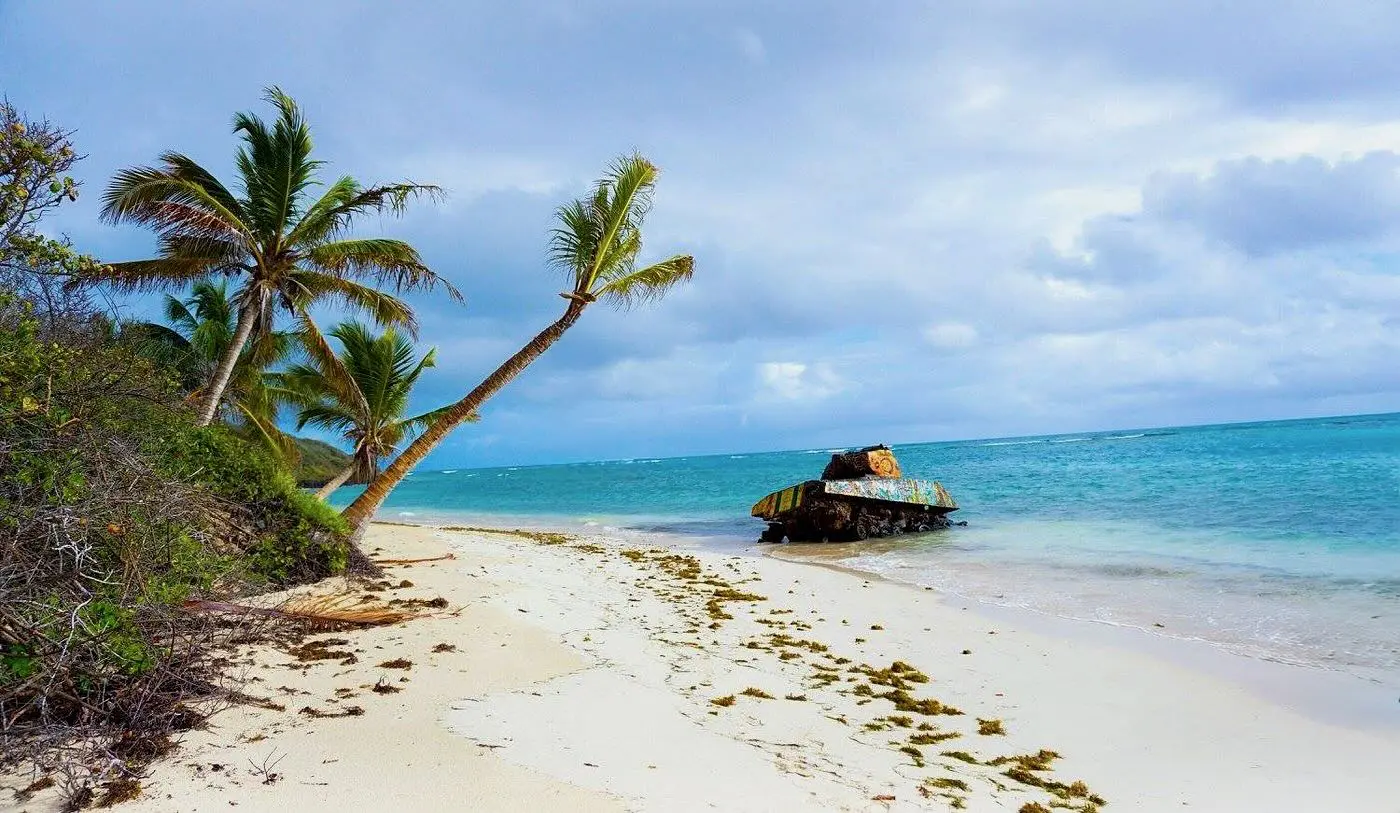
Culebra, a tranquil archipelago situated roughly 17 miles east of mainland Puerto Rico, represents the “unspoiled” Caribbean. Often referred to as Isla Chiquita (Little Island) or the “Last Virgin,” Culebra offers a stark contrast to the bustling energy of San Juan. Spanning just seven by three miles, the island is characterized by its arid tropical landscape, dramatic rolling hills, and a coastline that consistently ranks among the world’s most beautiful.
Historically, Culebra served as a naval gunnery range for the U.S. Navy until 1975, a legacy still visible today through the iconic, rusted tanks resting on the sands of Flamenco Beach. Today, however, the island is a bastion of conservation. Over one-third of its land is designated as the Culebra National Wildlife Refuge, providing a critical sanctuary for endangered sea turtles and over 50,000 seabirds. Life here centers around the sleepy main town of Dewey, where the pace is dictated by ferry arrivals and trade winds.
We enjoyed its beautiful scenery and laid-back vibe.
Top 5 Things We Loved About Isla de Culebra
1. Flamenco Beach
No visit to Culebra—or Puerto Rico, for that matter—is complete without spending a day at Playa Flamenco. Consistently ranked among the top ten beaches in the world, Flamenco is a horseshoe-shaped bay of white sand and water so clear it looks like a swimming pool.

We were there on a weekend in March, and although there were other people there, they were respectful and quiet.
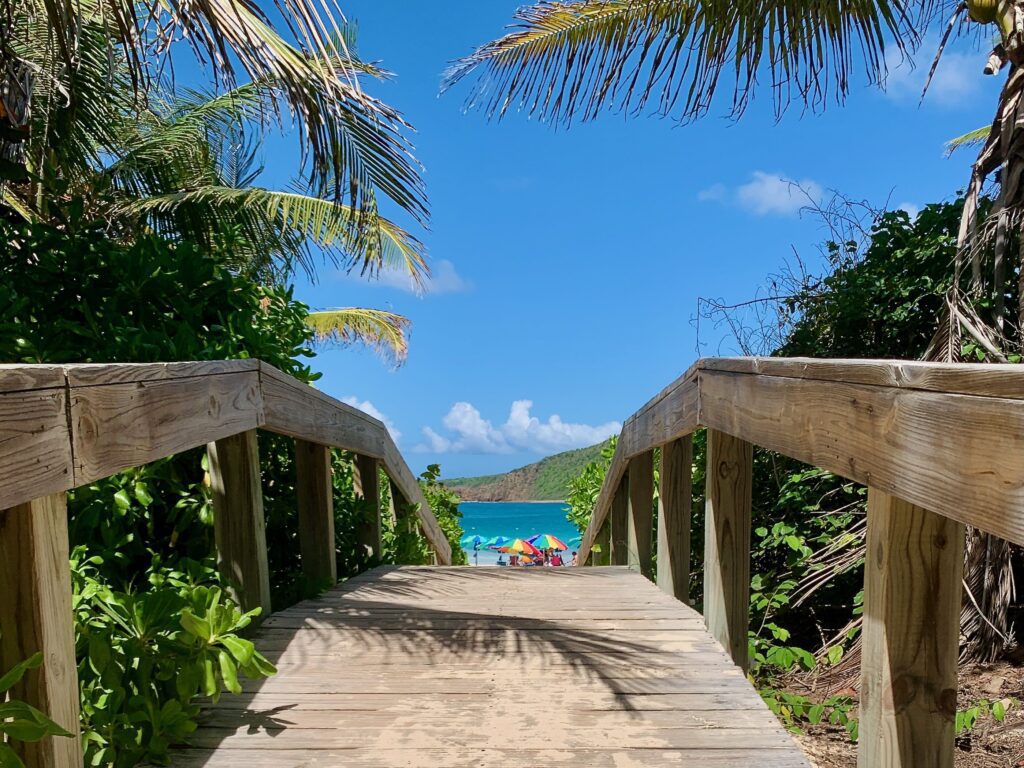
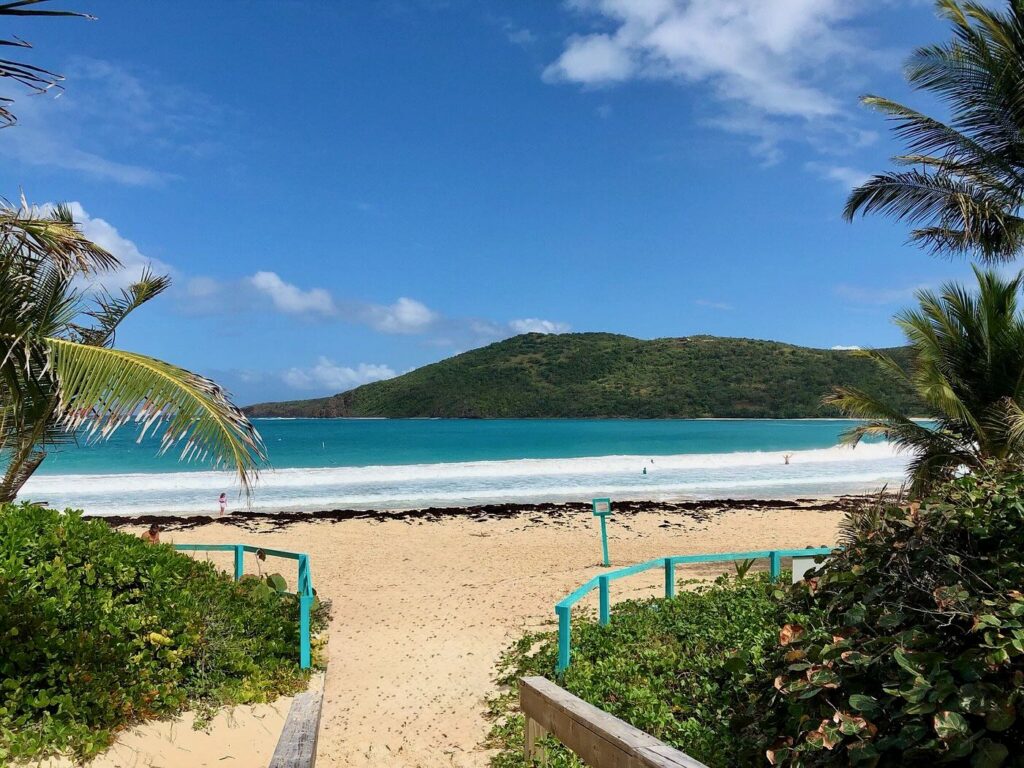
We swam for a while and relaxed on the beach. It was lovely.

2. The Iconic Tanks
One of the most photographed spots on the island is the rusted, graffiti-covered M4 Sherman tanks left behind from U.S. Navy training exercises decades ago. They serve as a striking, colorful monument to the island’s history.

The U.S. Navy’s presence on Culebra began in 1901 when President Theodore Roosevelt placed the island under the jurisdiction of the Navy Department. Due to its strategic location between the Atlantic and the Caribbean, it became a vital site for military exercises. By the mid-20th century, the Navy utilized Culebra and its surrounding cays as a primary gunnery and bombing range. This intensified during the 1960s, as the island became a central training ground for Atlantic Fleet maneuvers and ship-to-shore bombardment practice, causing significant distress to the local population.
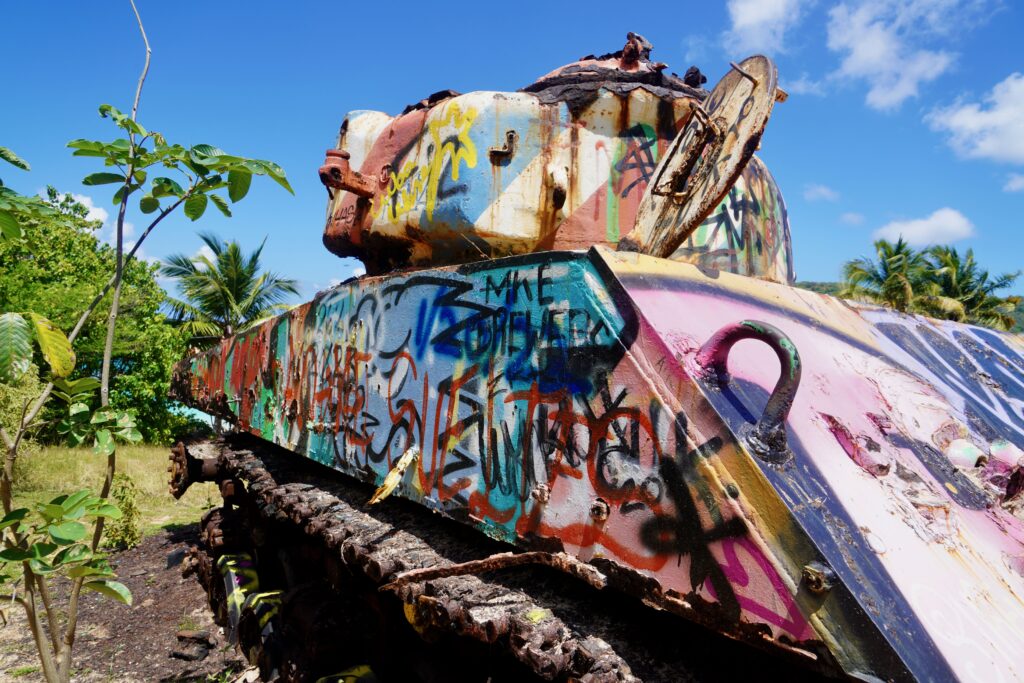
The military occupation sparked a historic civil disobedience movement in 1970, led by local residents and political activists who protested the environmental damage and safety risks posed by live fire. These protests gained international attention and pressured the federal government to reconsider the island’s use. In 1975, President Gerald Ford officially ordered the Navy to cease all operations on Culebra. The withdrawal was considered a major triumph for the local community.
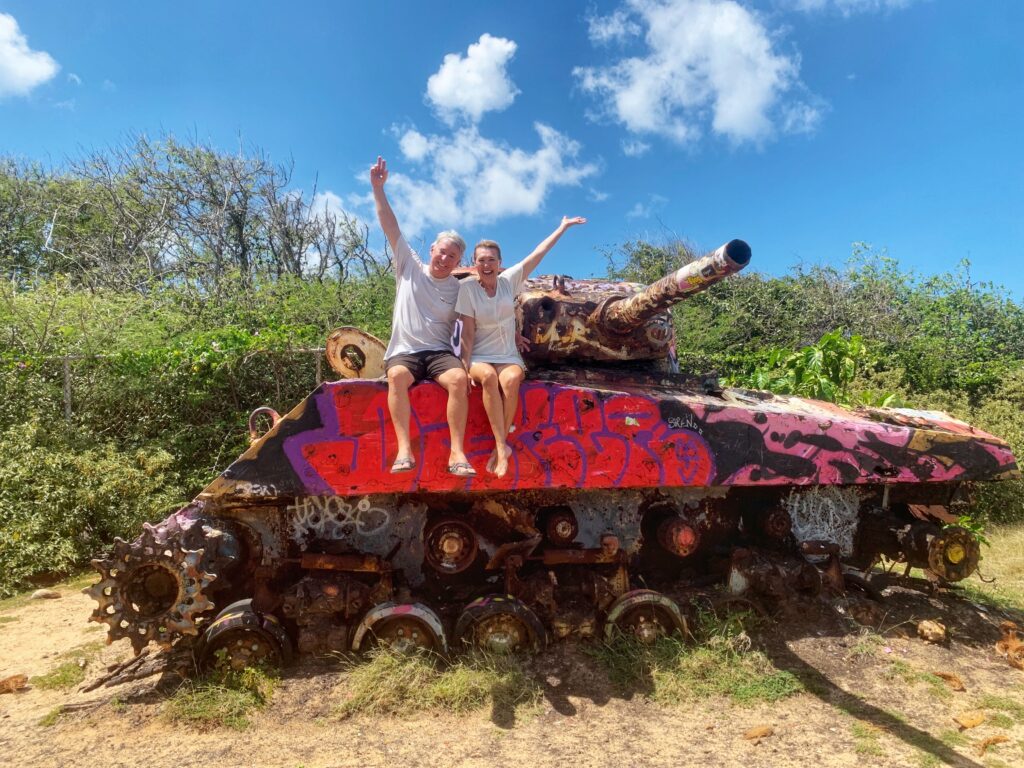
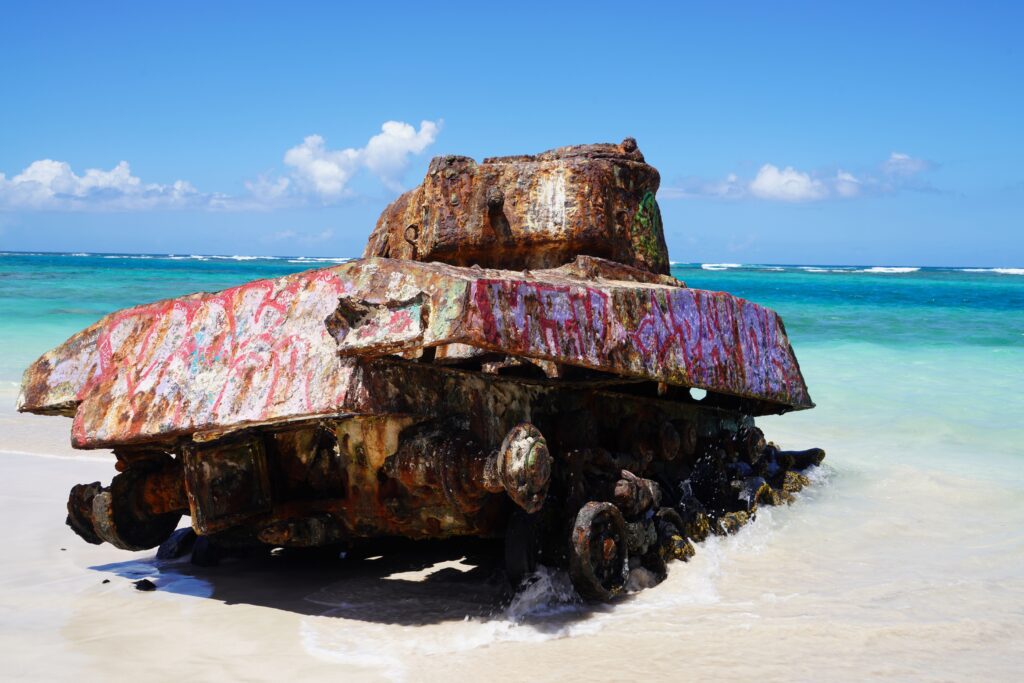
Today, much of the former military land has been transferred to the Culebra National Wildlife Refuge, though the ongoing removal of unexploded ordnance remains a long-term challenge for the island.
3. Sea Turtle Breeding Grounds
We saw several protected sea turtle nesting areas.
The island is a vital nesting site for three main species of sea turtles: the endangered Leatherback, the Hawksbill, and the Green turtle. These turtles nest on beaches here between February and August.
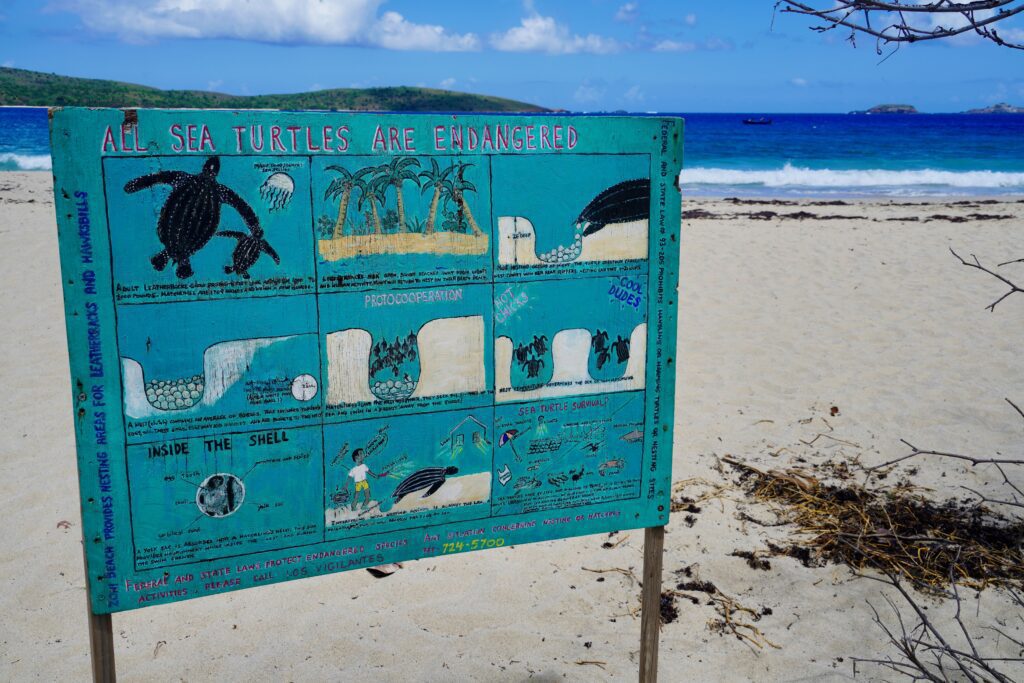
We love turtles, so we thought this was pretty interesting to see.
4. Other Animals
We always see animals on the islands we visit; Isla de Culebra was no different. Feral horses in the Caribbean, including those in the Spanish Virgin Islands like Culebra, are descendants of horses introduced by Spanish colonizers, with the first arrivals in the 1500s. While less populous than its neighboring island, Vieques, Culebra’s free-roaming horses are often described as locally owned animals left to roam.
We passed this one while we were tooling around on our golf cart.
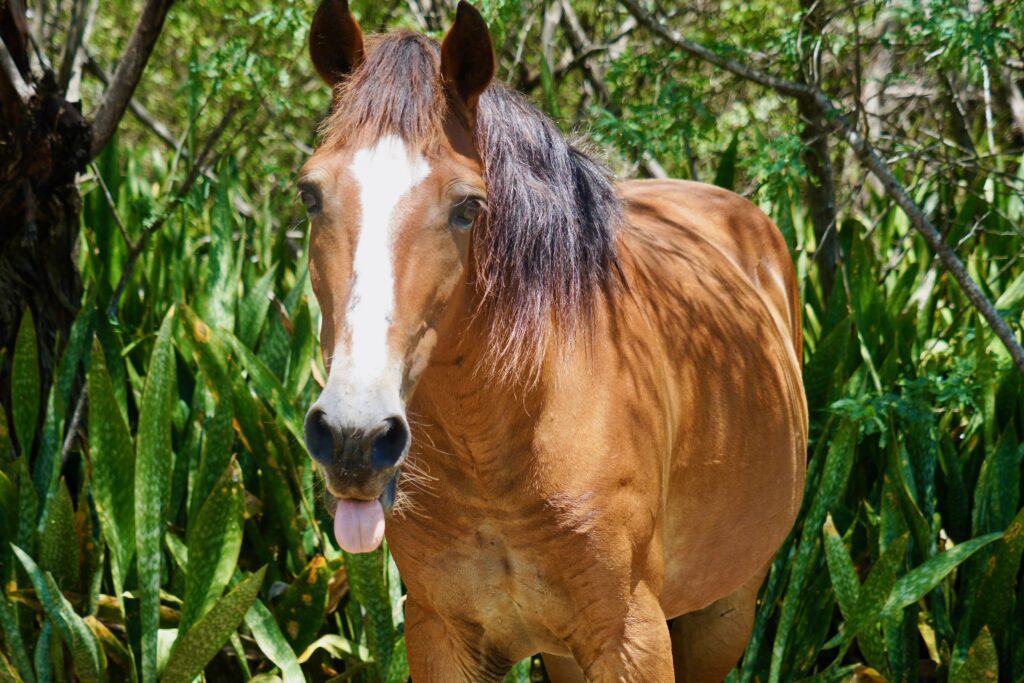
Well, that’s not very nice!
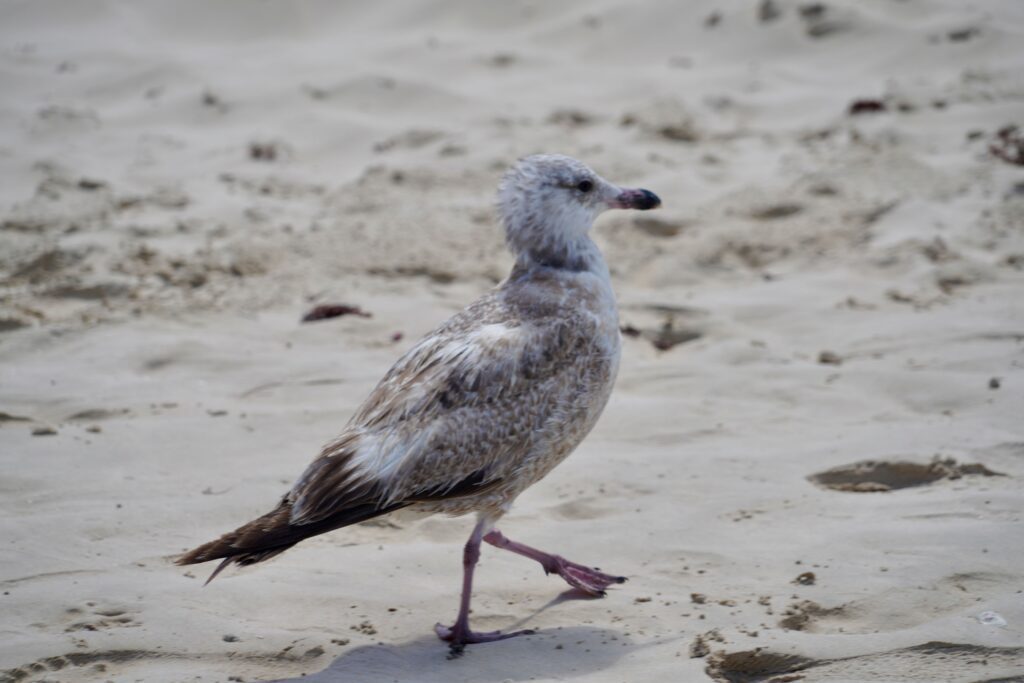
The island is a haven for seabirds and migratory species, particularly within the Culebra National Wildlife Refuge. Common sightings include Laughing Gulls, Blue-winged Teals, White-winged Doves, Zenaida Doves, and the rare Bridled Quail-Dove. The island’s coastal areas also host various terns and shorebirds, such as this American Herring Gull:
5. Local Pride
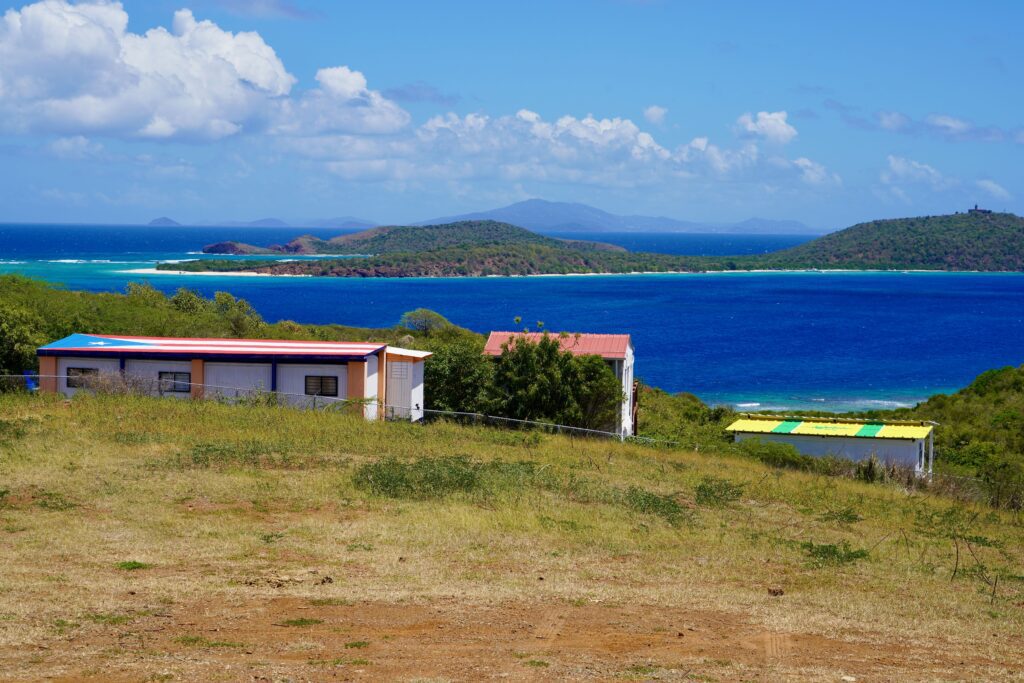
Culebrenses (people from Culebra) share a strong sense of pride in their island, often defined by a resilient community spirit despite historical, environmental, and infrastructure challenges. This pride is rooted in a deep connection to their unique, untainted, natural environment, and it was clear to us that they treat their island home with a healthy respect.
We appreciated flags painted on rooftops:
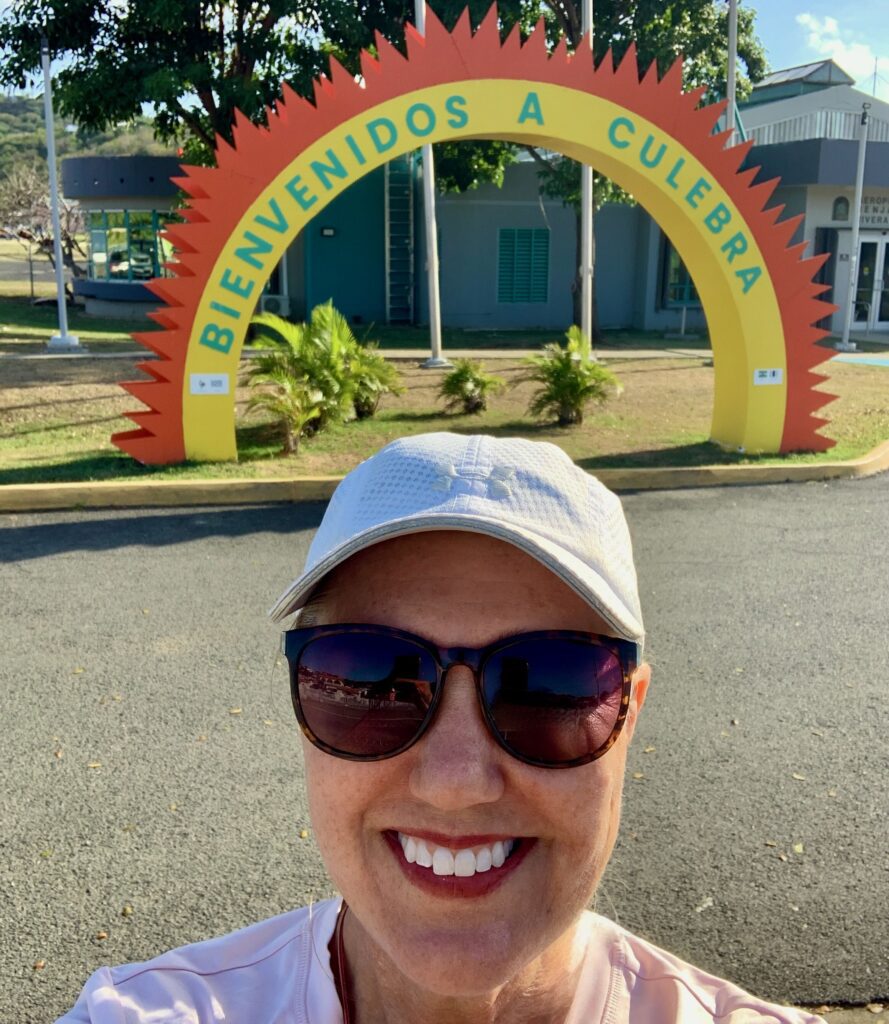
…the vibrant sign at the small airport:
…and a tribute to the late boxer Pedro Morales, who hailed from Isla de Culbra:

Morales was a two-time holder of the WWA World Championship and the first triple-crown winner in WWF history. He was born on Isla de Culebra.
It seemed that the locals feel fortunate to live here, and rightly so.
Other Things to Do in Isla de Culebra
Museo Histórico de Culebra
Snorkeling with Sea Turtles at Melones and Tamarindo
Playa Resaca and Playa Brava
Shopping
You won’t find malls or chain retailers here; instead, the island offers eclectic boutiques and small local markets. For souvenirs, the Culebra Local Brands Gift Shop and the Cooperativa Artesanal de Culebra showcase handmade jewelry, island-inspired apparel, and artwork crafted by local “Culebrenses.” Other shops, like La Cava and Culebra Bluewater Sports, provide beachwear and snorkel gear.
For daily essentials, there are two small grocery stores: Supermercado Costa del Sol and Colmado Milka. We went to the latter.
Many small shops have limited afternoon hours, and while most businesses now accept cards, carrying some cash is recommended for smaller vendors.
Accommodations
Accommodations on Culebra consist of intimate guesthouses and private villas rather than large commercial resorts. If you want to be in the heart of the action, Mamacita’s Guest House and El Navegante de Culebra offer colorful, comfortable lodging right in Culebra Pueblo (Dewey), just a short walk from the ferry terminal. If you want a more secluded boutique experience, however, you may prefer Club Seabourne, which provides a tranquil hilltop retreat overlooking Fulladoza Bay, complete with a pool and tropical gardens.
There are also independent vacation rentals, such as the Island Charm Culebra studios or the Costa Bonita villas, which often provide fully equipped kitchens and private balconies with ocean views. For a truly unique stay, you can even find “off-grid” cottages that utilize solar power and rainwater harvesting, blending seamlessly into the island’s rugged landscape.
We stayed on our catamaran in the Ensenada Honda anchorage.
Travel Tips
- Pack In, Pack Out: Many of Culebra’s beaches have no trash cans. Bring a bag to take your litter back to town.
- Reef-Safe Sunscreen: Protect the vibrant coral reefs by using only mineral-based, reef-safe sunscreens.
- Water Conservation: Fresh water is a precious resource on the island. Be mindful of your usage.
- Cash is King: While many places now take cards, some smaller shops and water taxis are cash-only.
Getting Here
- Ferry: Ferries leave from the town of Ceiba, Puerto Rico. There are passenger and cargo ferries (the latter also carry passengers). It is highly recommended to buy tickets online in advance, as they sell out quickly, especially on weekends.
- Small Plane: Flights depart from San Juan (SIG or SJU) and Ceiba (RVR). This is the faster, more scenic, and more reliable way to reach the island, though it is more expensive than the ferry.
- Private Yacht: That’s what we did.
Getting Around
Culebra is small, but the terrain is hilly, and the sun is hot. It is not possible to walk it and see very much.
- Golf Carts: This was our choice.
- Jeeps: Recommended if you plan on visiting the more remote parts of the island, where the roads are unpaved or steep.
- Public Vans (Públicos): These run regularly between the ferry terminal and Flamenco Beach for a few dollars per person.
We rented our golf cart from Carlos Jeep Rental. In retrospect, I would have reserved a Jeep, so we could have gone to more remote places, but this is all they had.
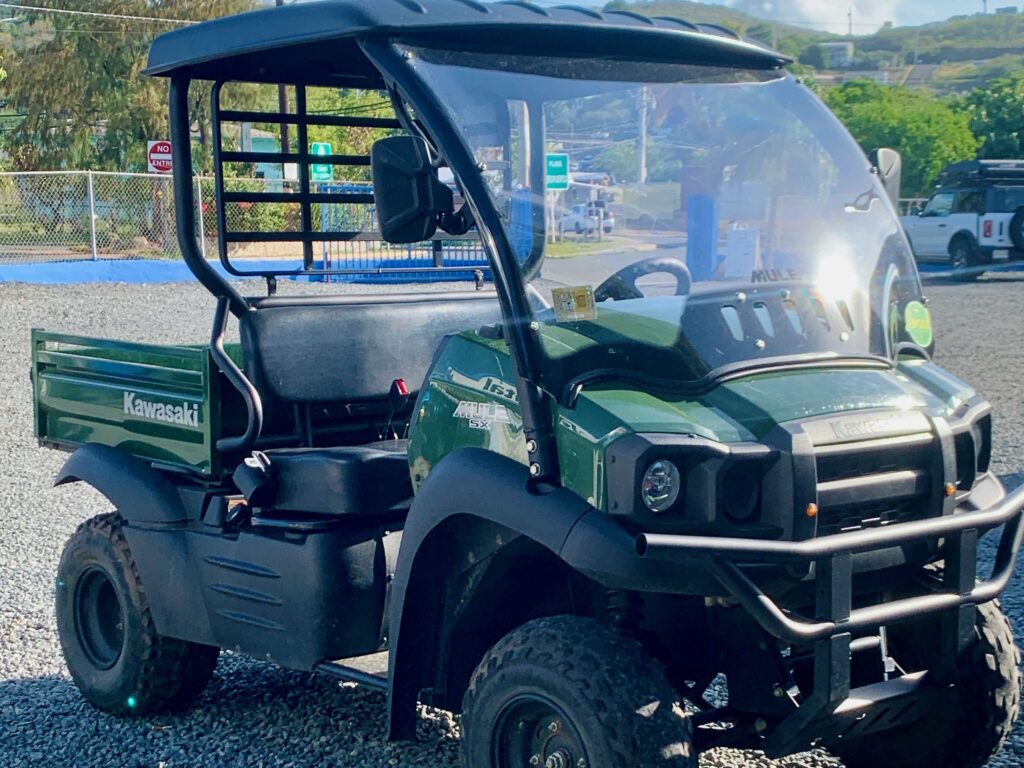
Since we booked it at the last minute, we got a gas-powered cart, which was fine for us. It was fun and convenient.

Final Thoughts
The island’s charm lies in its “off-the-grid” nature; there are no luxury resorts or bustling malls here—only the rhythmic lull of the Caribbean Sea and the vibrant village of Dewey. We especially loved spending time on Flamenco Beach and witnessing the ironic, awkwardly out-of-place military tanks.
If you are visiting during the high season—typically December through April—be sure to book your ferry or small-plane tickets well in advance, as they sell out quickly. Similarly, accommodations are limited, so we recommend you make your reservations early.
This was our first time in the Spanish Virgin Islands, and we really loved it here.
Travel Notes
We stayed on our catamaran in this anchorage.
Originally experienced in March of 2024; content refreshed in April of 2026.
