

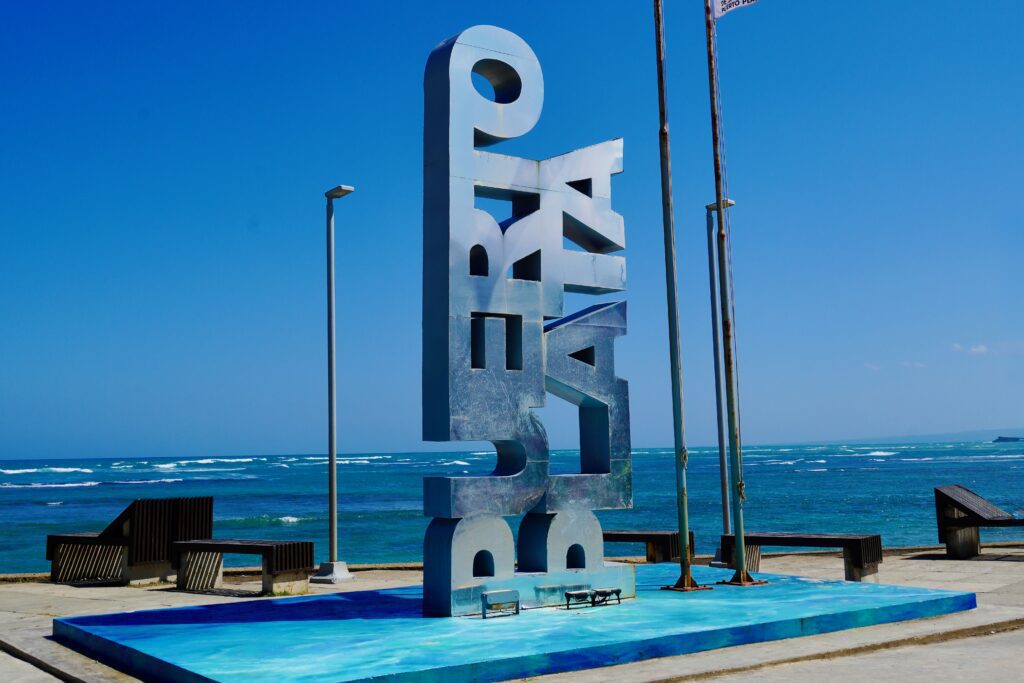
Puerto Plata, situated on the Dominican Republic’s scenic North Coast, is a premier destination known for its diverse blend of historical landmarks and ecological wonders.
The city’s skyline is dominated by Mount Isabel de Torres. Accessible via the Caribbean’s only aerial tramway, the summit features a botanical garden and a replica of the Christ the Redeemer statue. For history enthusiasts, the 16th-century Fortaleza San Felipe offers a glimpse into the colonial-era defenses against piracy.
Adventure seekers frequently head to the 27 Waterfalls of Damajagua, a natural limestone canyon system perfect for hiking and sliding. Meanwhile, the coastal areas of Playa Dorada and Cofresí offer world-class beach resorts and marine parks, such as Ocean World. In the historic center, the Victorian architecture of Independence Square and the vibrant Paseo de Doña Blanca reflect the city’s rich cultural heritage.
This was our first time visiting the Dominican Republic, and we couldn’t wait to explore it. We sailed to Ocean World Marina & Boatyard and checked in with Customs and Immigration, which were located right on site. It was very convenient.
With that out of the way, it was time to adventure!
Things We Loved Most About Puerto Plata
1. Waterfalls of Damajagua (27 Charcos)
The 27 Waterfalls of Damajagua (27 Charcos), located in the municipality of Imbert, just 30 minutes from Puerto Plata, represent one of the Dominican Republic’s most significant natural geological attractions. Carved over millennia by the Damajagua River into the Northern Mountain Range, these limestone canyons feature a series of cascading waterfalls, deep turquoise pools, and smooth natural waterslides.
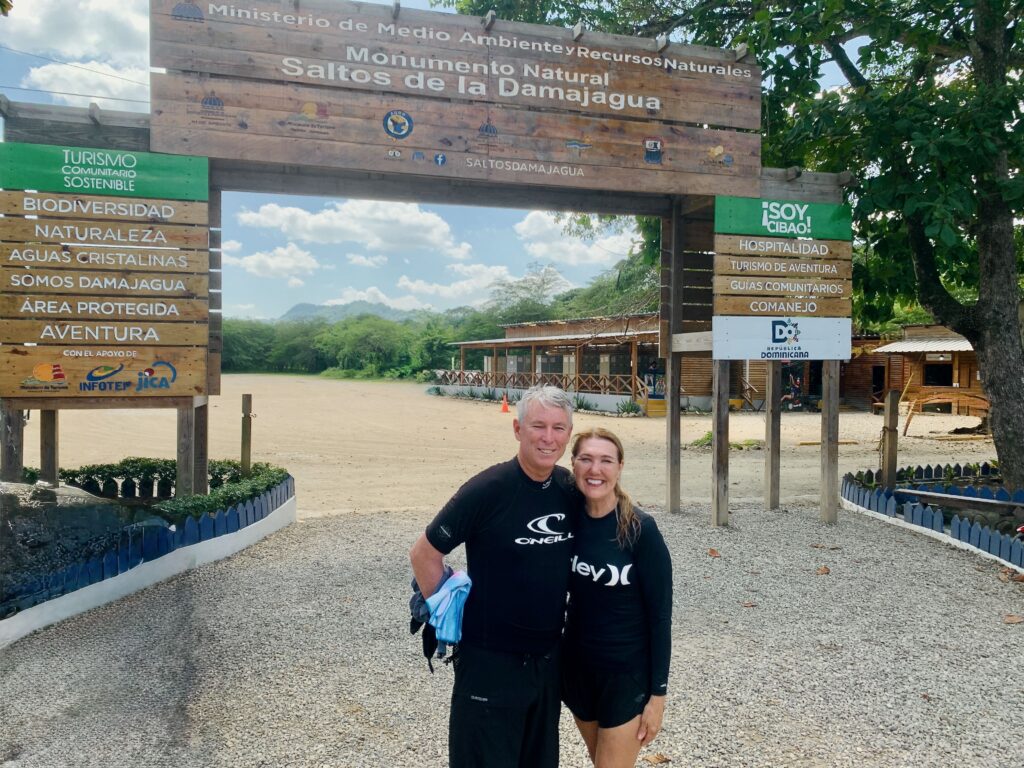
All participants are required to wear life jackets and helmets provided by the local guides. Beyond the beauty of the waterfalls, the area is an ecological corridor rich in endemic flora and fauna, making it a critical site for both adventure tourism and conservation on the Amber Coast.
Due to the conditions and season, we were offered only one choice: 7 waterfalls.
Touristy? Yes, but fun. We would do it all over again.
2. Teleférico to Mount Isabel de Torres
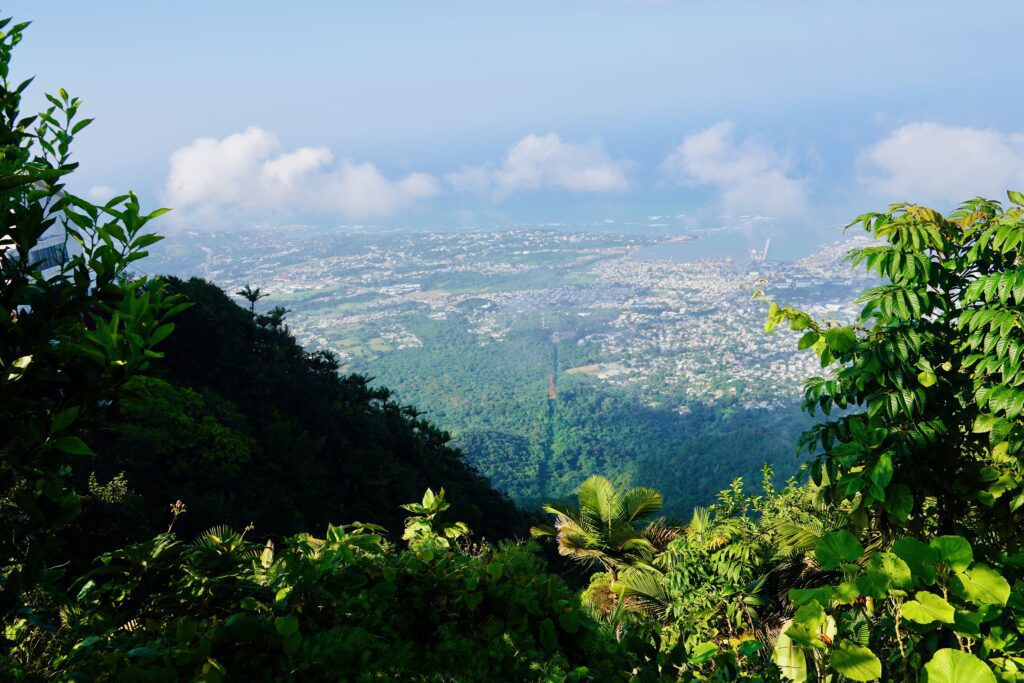
The Teleférico Puerto Plata is the only aerial tramway in the Caribbean, transporting visitors from the city’s base to the summit of Mount Isabel de Torres. Rising approximately 2,600 feet above sea level, the mountain is a protected scientific reserve characterized by its lush subtropical cloud forest and a remarkably cooler microclimate compared to the coastal plains below.
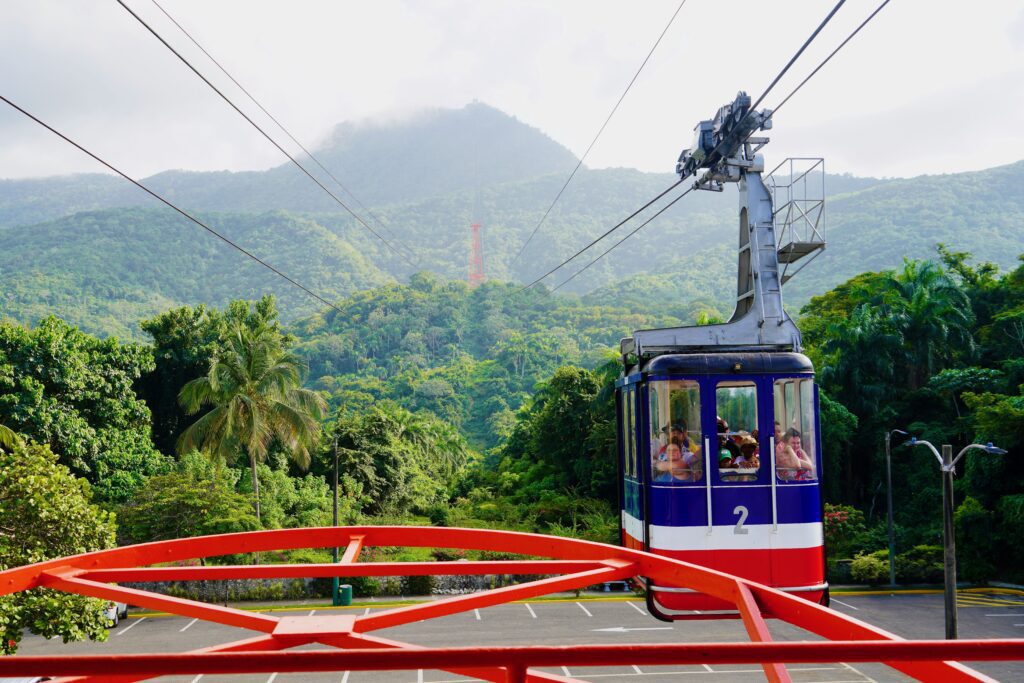
The cable car system, originally constructed by the Italian company Ceretti & Tanfani and inaugurated in 1975, offers a ten-minute ascent with panoramic views of the Atlantic coastline and the “Silver City.” At the summit, the most prominent landmark is a massive bronze replica of Christ the Redeemer (Cristo Redentor), situated atop a white dome that was originally a military fortress.

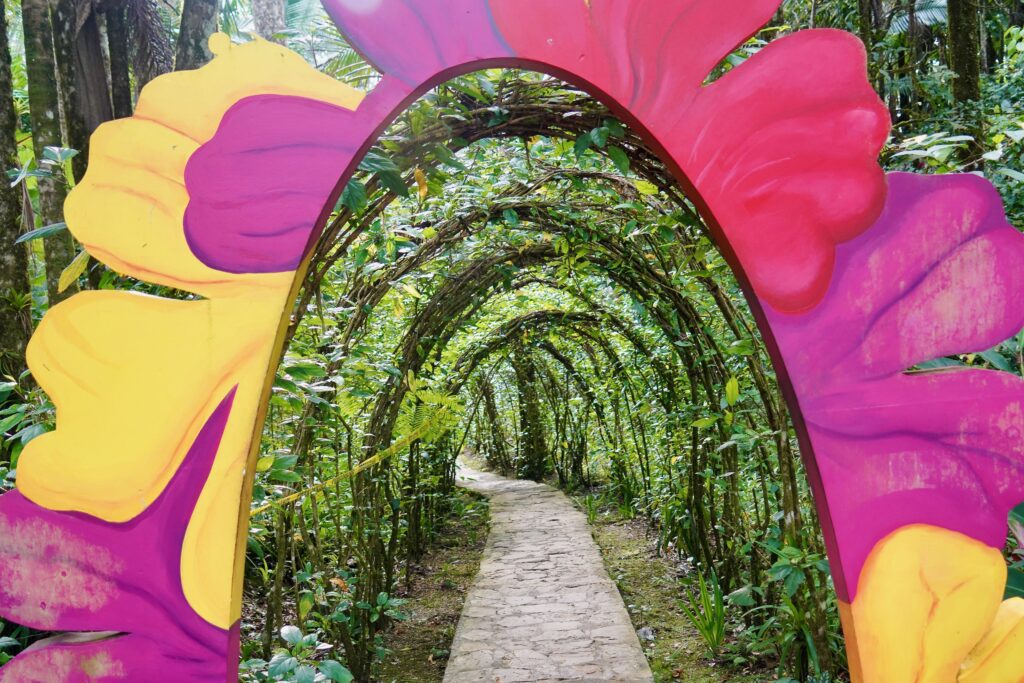
The peak is also home to a sprawling botanical garden featuring endemic flora, including mahogany trees, orchids, and ferns, crisscrossed by stone pathways and streams.

Due to its elevation, the mountain is frequently shrouded in mist, which supports its unique biodiversity. It is recommended that you go early in the morning, as tropical cloud cover often obscures the coastal views by midday.
We were literally in the clouds.
3. Fortaleza San Felipe
The Fortaleza San Felipe is a historic Spanish fortress situated on a headland overlooking the Atlantic Ocean in Puerto Plata. Commissioned by King Felipe II of Spain and completed in 1577, it remains one of the most significant colonial military structures in the Caribbean. Its primary purpose was to defend the strategic “Silver Port” from the persistent threat of English and French pirates and privateers seeking to disrupt Spanish trade routes.
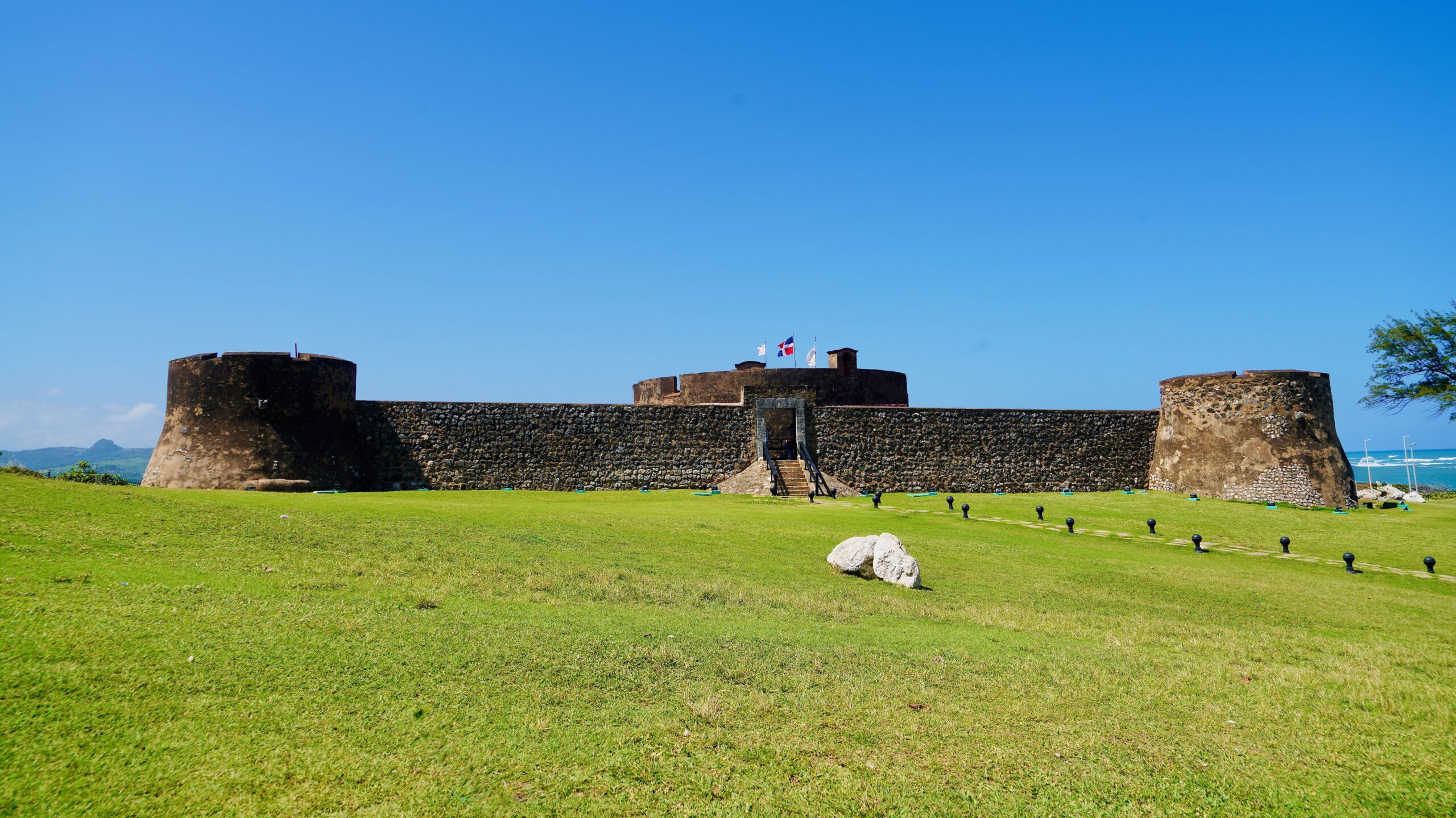
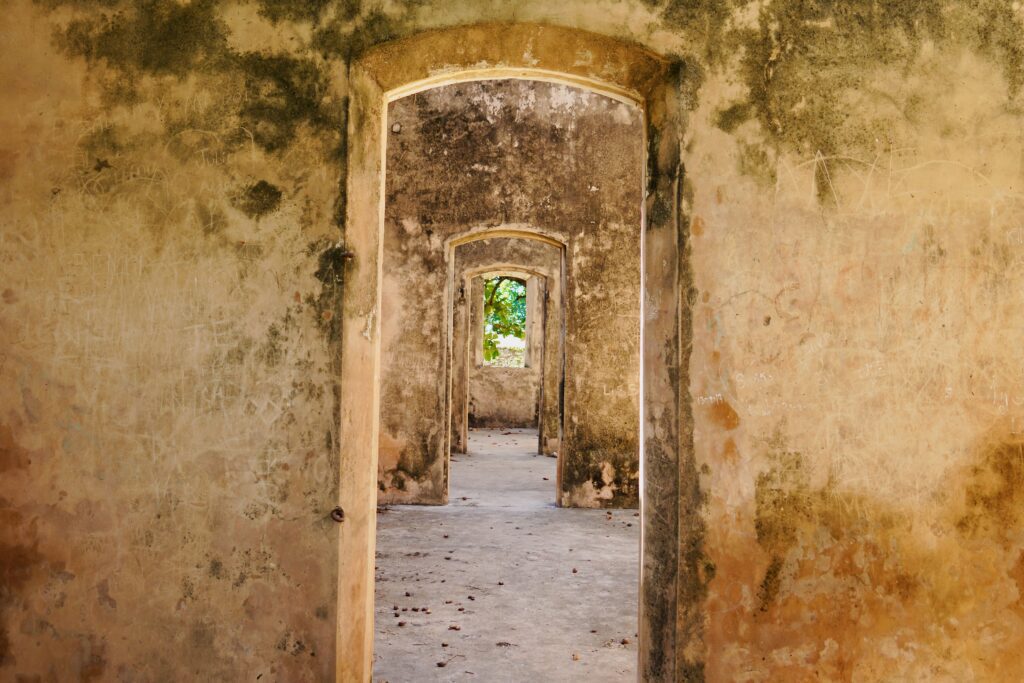
Built with massive stone walls designed to withstand naval artillery, the fort features a central courtyard, several sentry boxes (garitas), and a small museum housing 18th- and 19th-century military artifacts, including original cannons and muskets. Throughout its nearly 450-year history, the structure has served various roles, transitioning from a frontline defensive bastion to a high-security prison during the dictatorship of Rafael Trujillo in the 20th century.
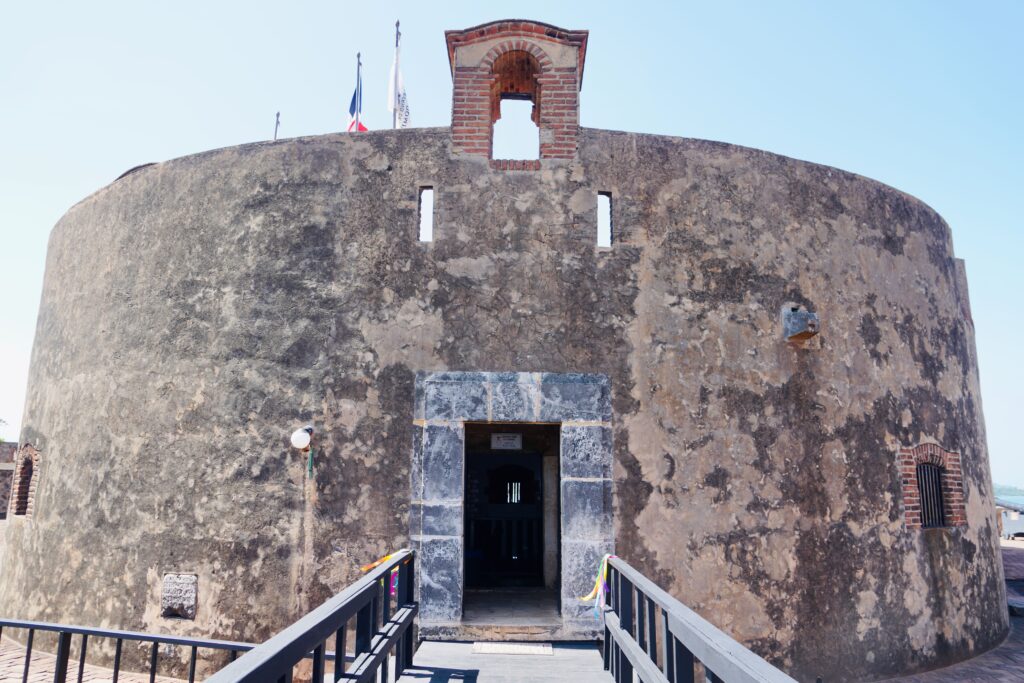
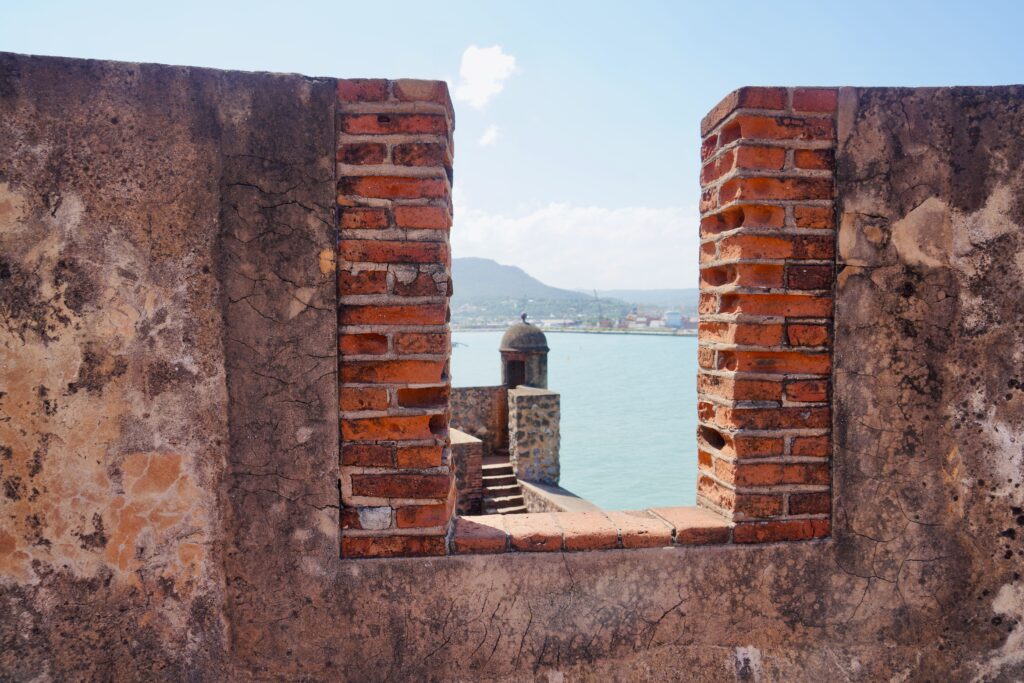
We did an audio tour.
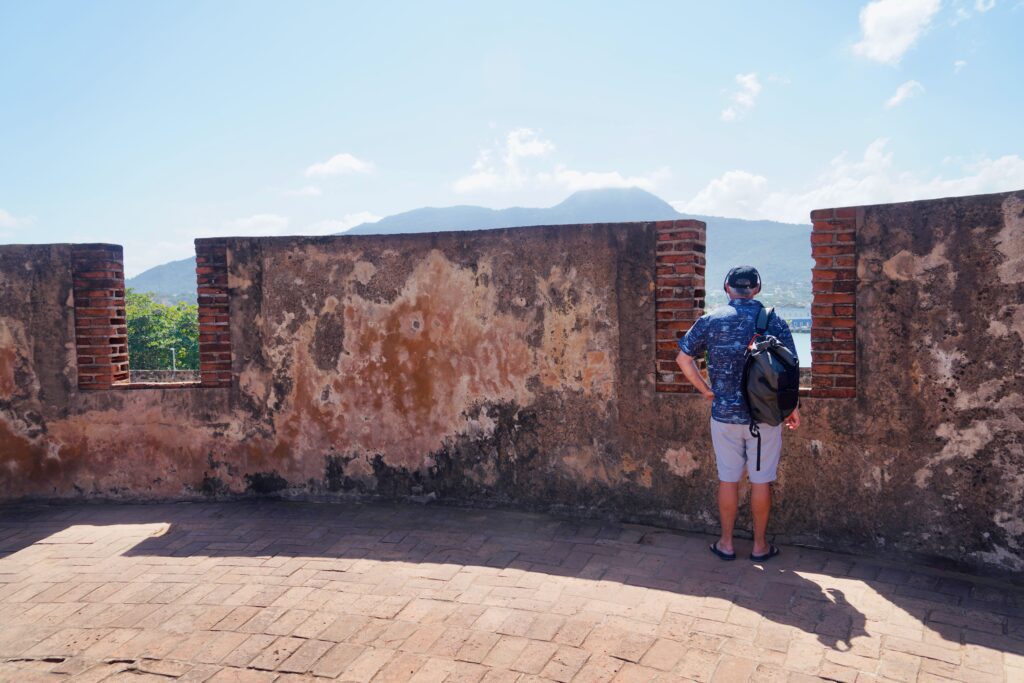
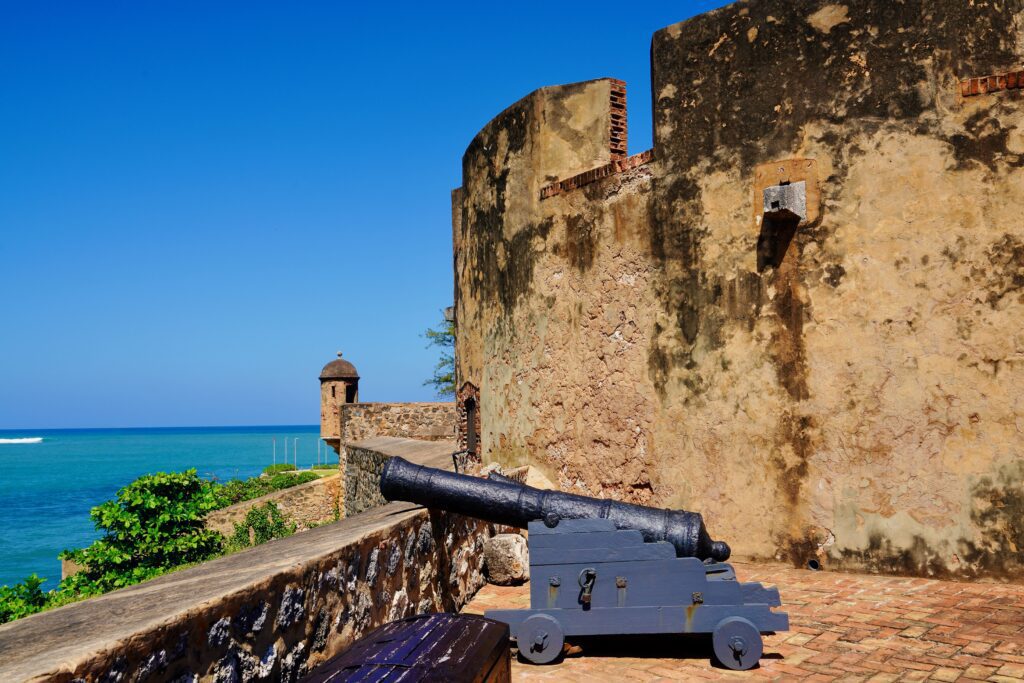
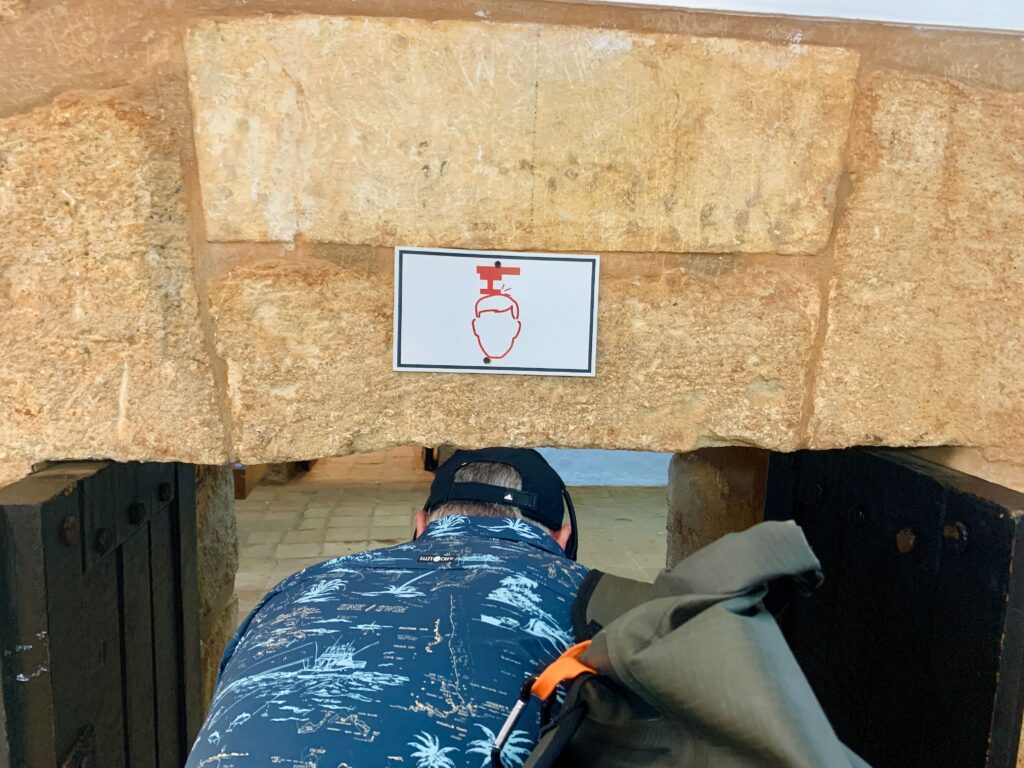
Sometimes we had to duck quite low to enter some of the interior rooms.
Today, the fort is a national monument and a centerpiece of the La Puntilla park area. It is particularly noted for its panoramic views of the Puerto Plata bay and its proximity to the city’s modern amphitheater. We recommend you go at sunset, when the views from the ramparts are especially amazing.
4. Independence Square (Parque Central)
Independence Square, also known as Parque Central, serves as the social and historical heart of Puerto Plata. Established in 1872 during the presidency of Ignacio María González, the square is a quintessential example of Victorian-era urban planning in the Caribbean. It is characterized by its symmetrical layout, manicured gardens, and a central two-story Victorian gazebo (glorieta) that frequently hosts local brass bands and community events.
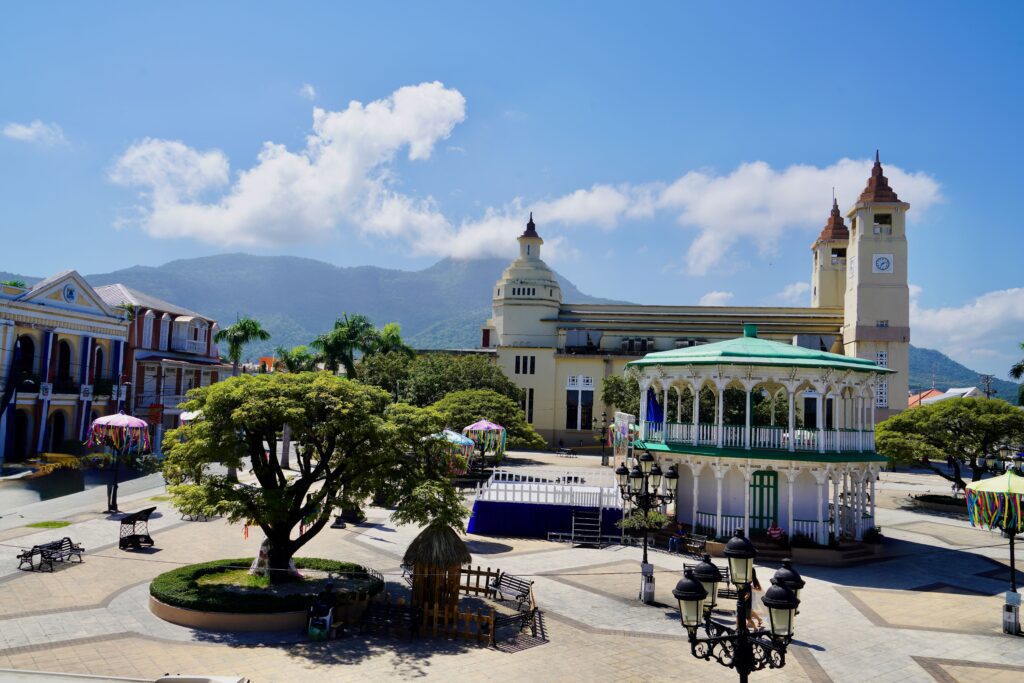
The square is flanked by some of the city’s most significant architectural landmarks, most notably the Cathedral of St. Philip the Apostle (Catedral San Felipe Apóstol).

This Art Deco-style structure, rebuilt in the 1930s following a fire, features towering bell towers and intricate stained-glass windows. Surrounding the park are pastel-colored gingerbread-style buildings that house government offices, cafes, and cultural centers, reflecting the wealth of the city’s 19th-century tobacco and silver trade.
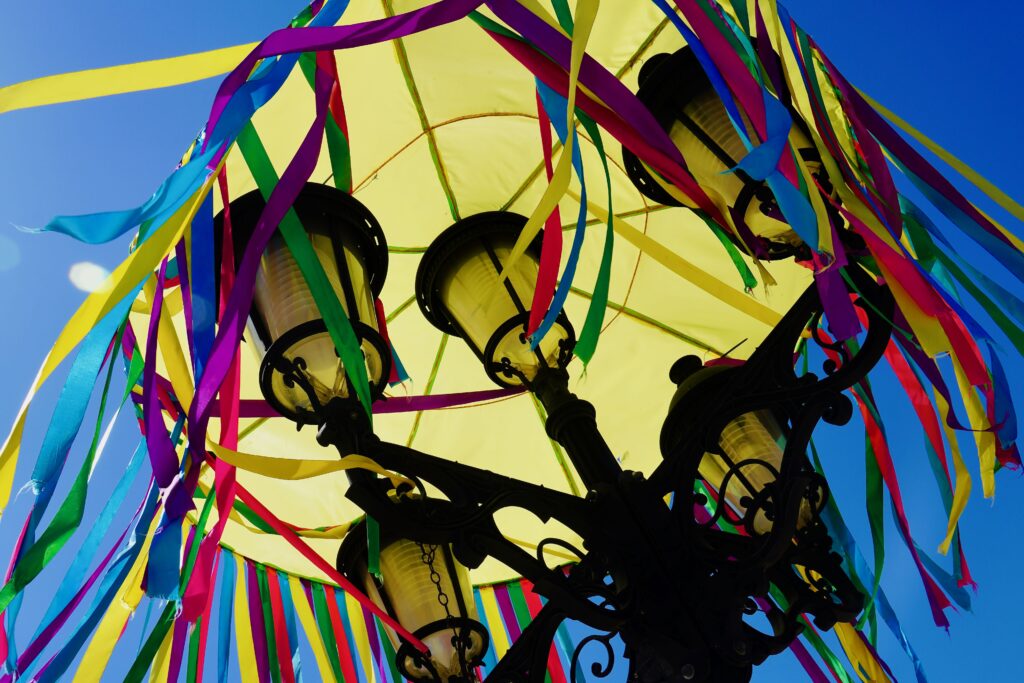
As a National Heritage site, Independence Square is a focal point for civic life, where locals gather under the shade of ancient palm and almond trees. Its proximity to Calle de las Sombrillas and Paseo de Doña Blanca makes it the primary starting point for walking tours of the historic district.
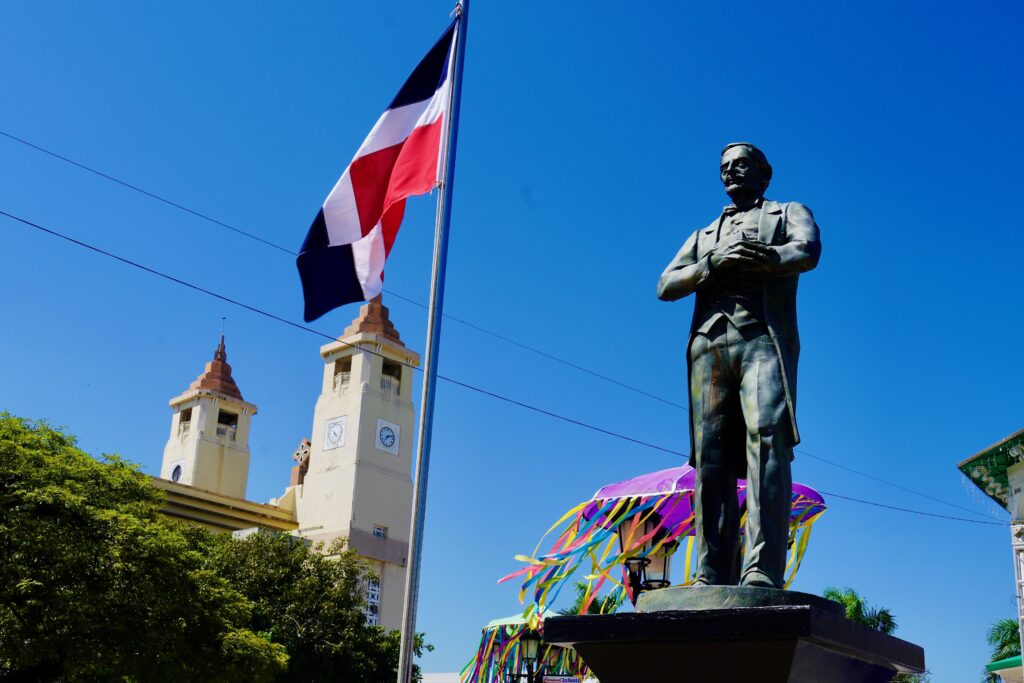
5. Umbrella Street (Calle de las Sombrillas)
Calle de las Sombrillas, or Umbrella Street, is one of the most recognized pedestrian thoroughfares in the historic center of Puerto Plata. Located on Calle San Felipe, just a short walk from Independence Square, this vibrant installation features hundreds of colorful umbrellas suspended over the narrow street.
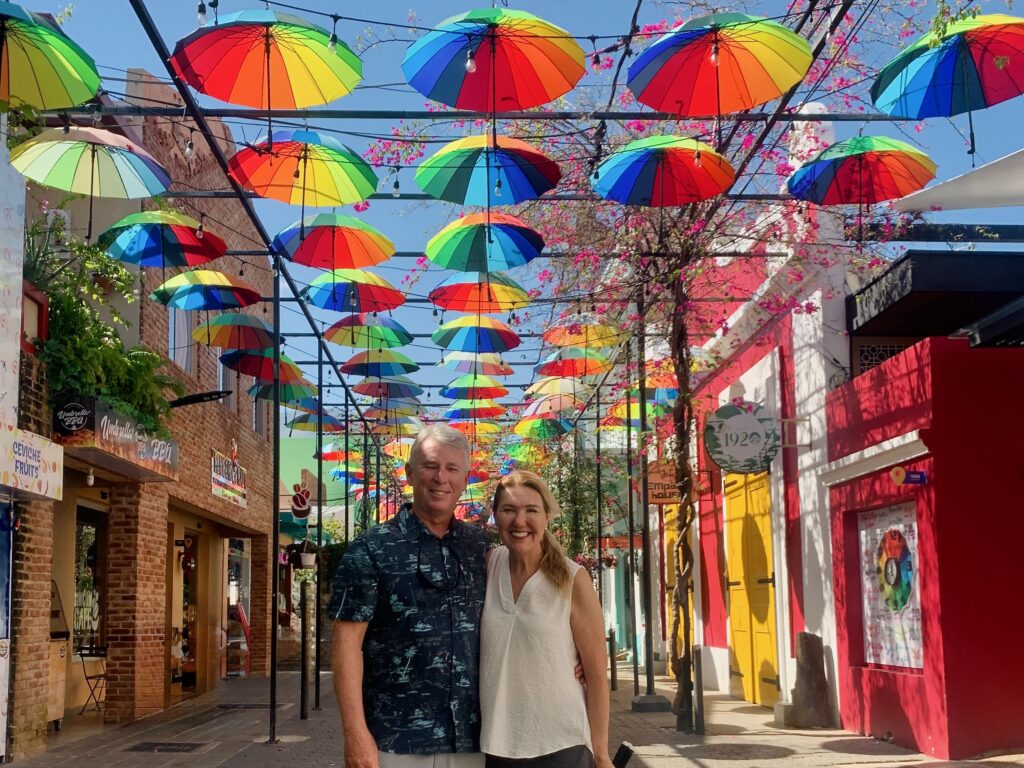
Originally inspired by the “Umbrella Sky Project” in Portugal, the street was transformed as part of a municipal effort to revitalize the city’s colonial district and promote local tourism. Beyond their visual appeal, the umbrellas provide effective shade cover. The street is lined with specialized coffee shops, such as El Rincón del Café, as well as artisanal boutiques and ice cream parlors.
The area also often serves as a venue for live music, street performers, and cultural festivals.
6. Paseo de Doña Blanca (The Pink Alley)
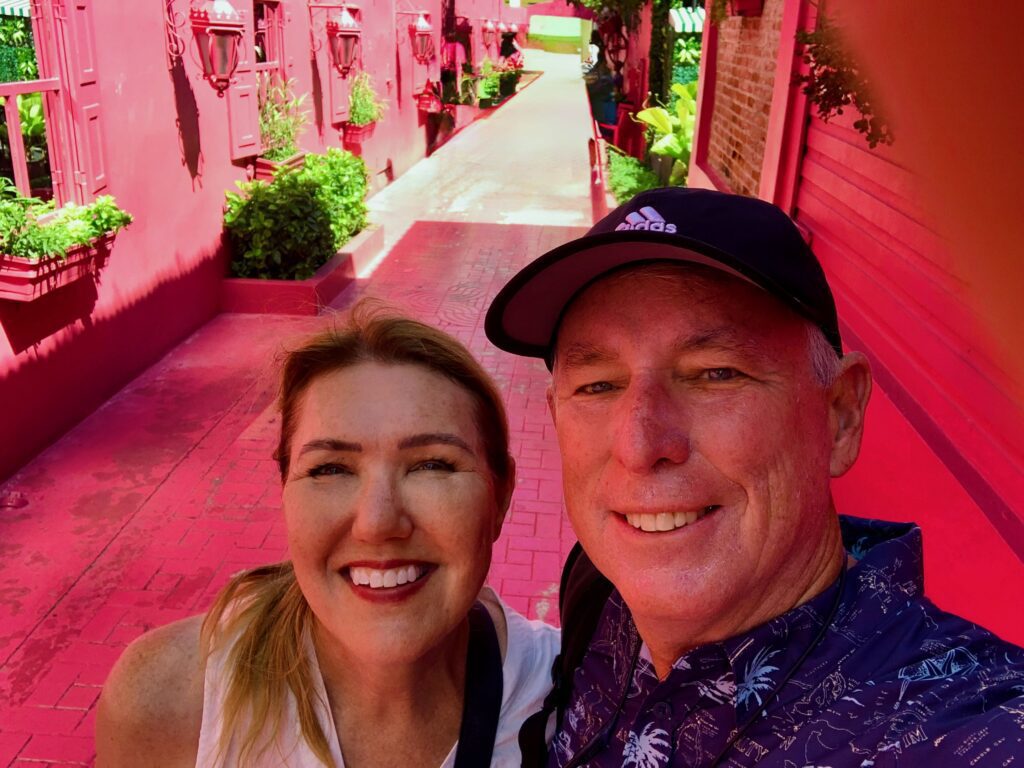
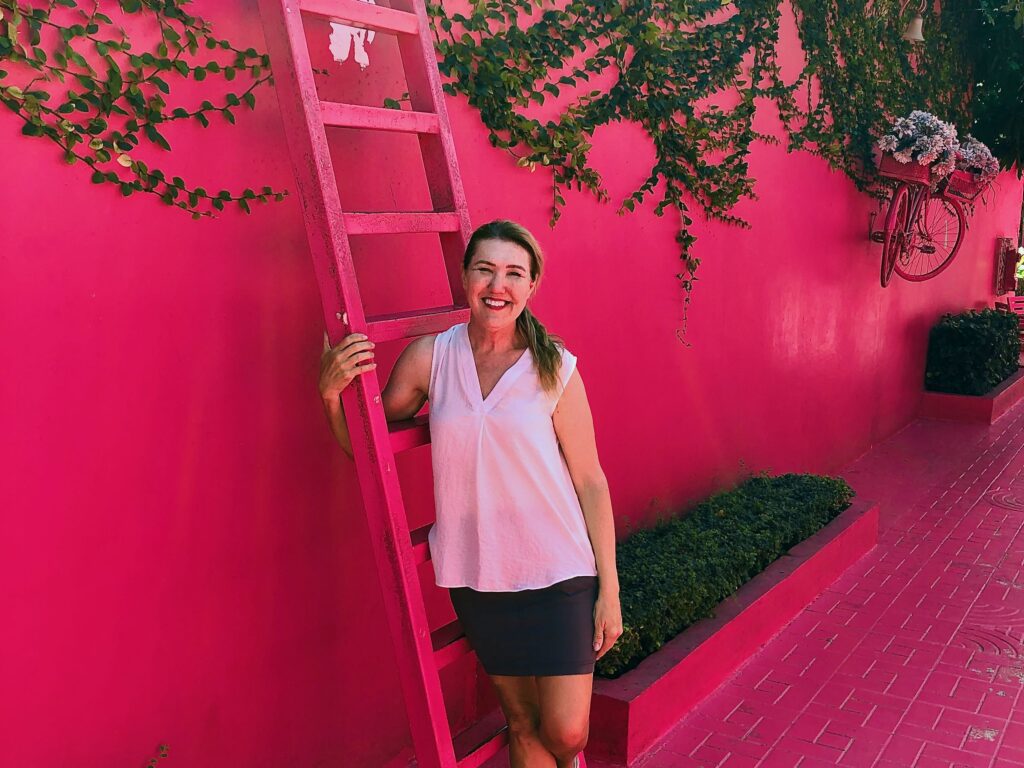
Paseo de Doña Blanca, widely known as the Pink Alley, is situated on Calle Beller, just a short walk from Independence Square. When they say it’s pink, they’re not kidding. Every element within the passage—including the walls, floor tiles, benches, window frames, and decorative flowers—is painted in a vibrant shade of pink, creating a striking visual contrast with the surrounding colonial architecture.
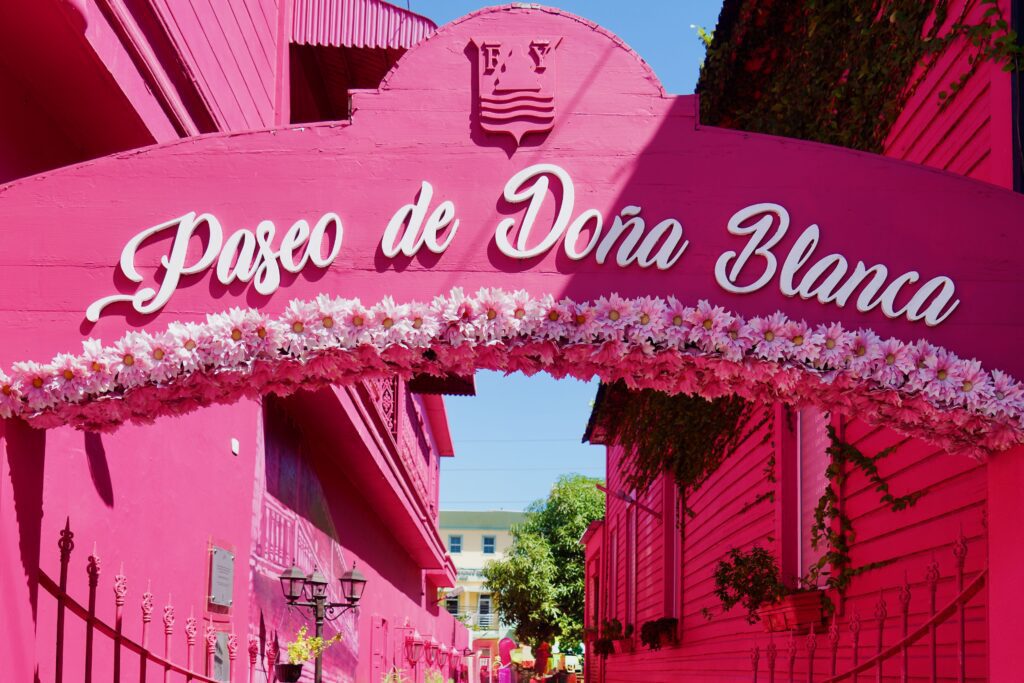
The passage was created as a tribute to Bianca Franceschini, an Italian pioneer who arrived in Puerto Plata in 1898 with her husband, Isidoro Rainieri. The couple is credited with founding the Hotel del Comercio, one of the city’s first hospitality establishments, which laid the groundwork for the region’s modern tourism industry. The alley symbolizes the elegance and historical influence of the Rainieri family on the North Coast.
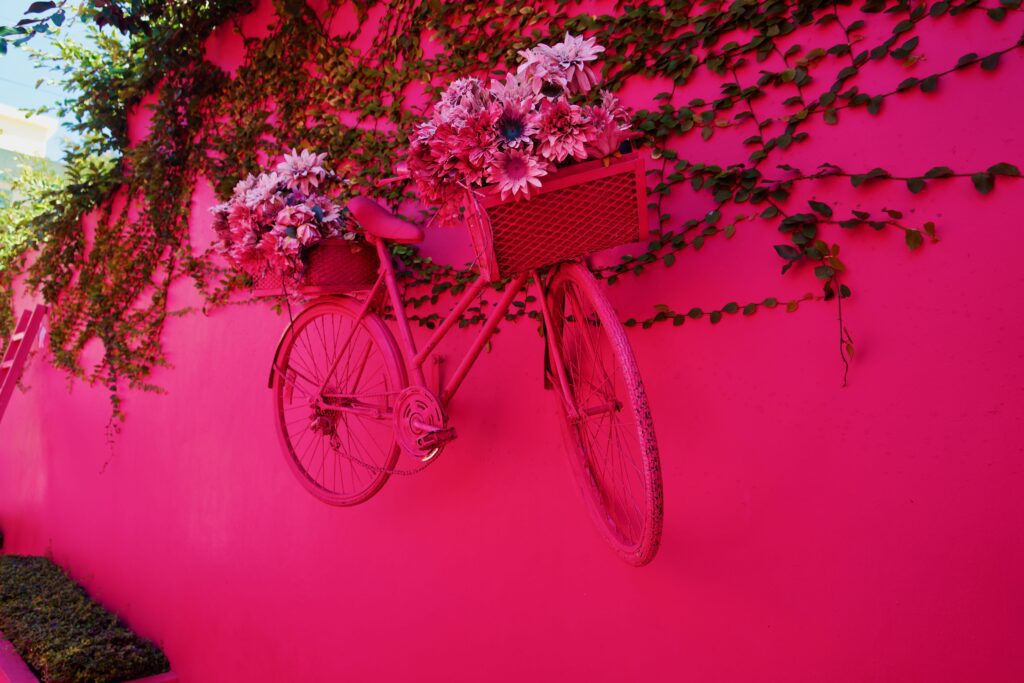
The Pink Alley serves as a functional pedestrian link within the city’s heritage zone. It is frequently visited alongside nearby landmarks like Calle de las Sombrillas (#5 above), offering a modern, artistic interpretation of the city’s late 19th-century history.
7. Kite Street
Calle de las Chichiguas, commonly known as Kite Street, is one of the newest urban corridors in the historic center of Puerto Plata. Following the success of local landmarks such as Umbrella Street and the Pink Alley, this pedestrian passage was inaugurated as part of a broader municipal effort to revitalize the city’s colonial district and to provide visitors with organized cultural routes.
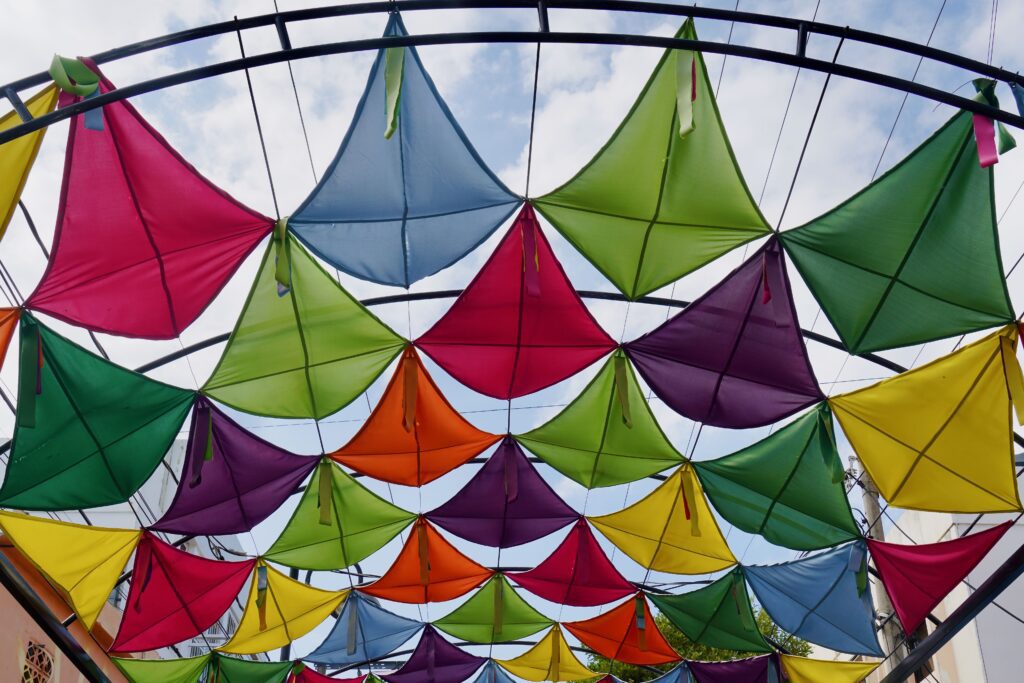
The street is characterized by dozens of colorful kites (chichiguas) suspended between the buildings, creating a vibrant canopy that celebrates a traditional Dominican pastime. In Dominican culture, kite flying is a popular seasonal activity, particularly during the windy months of Lent and Easter. By incorporating this theme, the street serves as a tribute to local craftsmanship and childhood traditions.

8. Ocean World Adventure Park
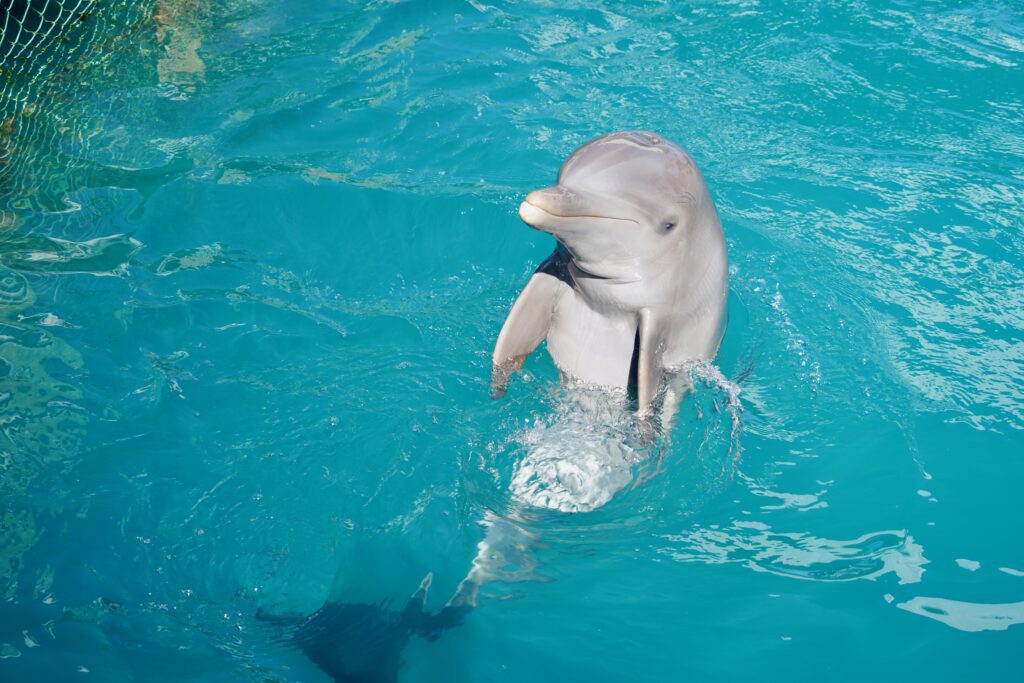
Opened in 2004, Ocean World Adventure Park is renowned for housing the world’s largest man-made dolphin habitat, a massive 12-million-gallon lagoon that allows for deep-water and shallow-water encounters. The park has earned the “Humane Certified™” seal from the American Humane Conservation program, a first for any institution in the region.
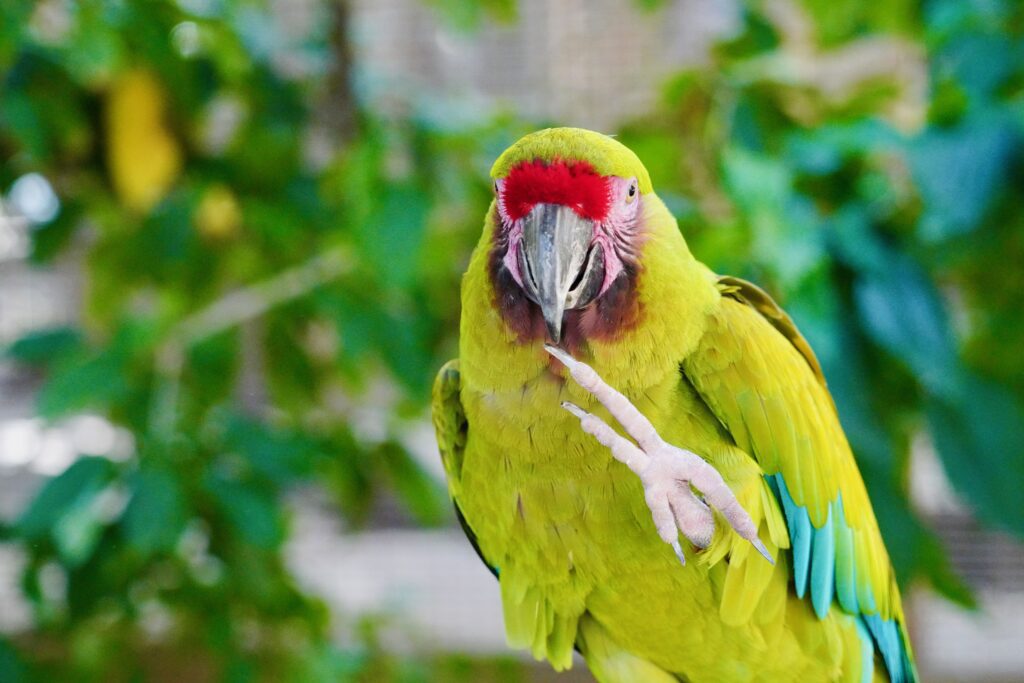
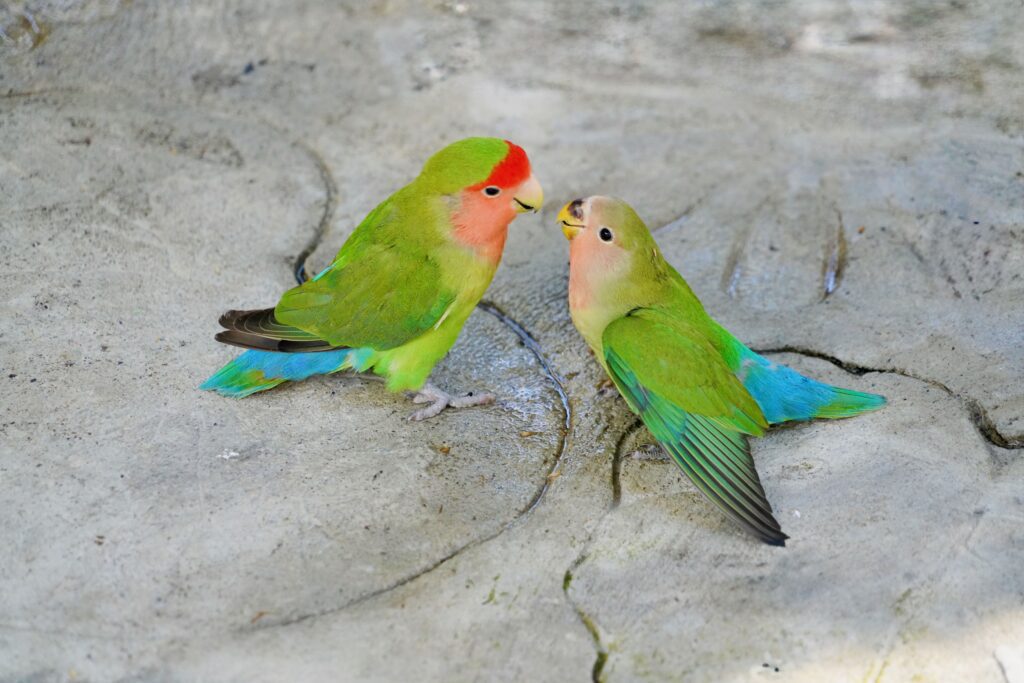
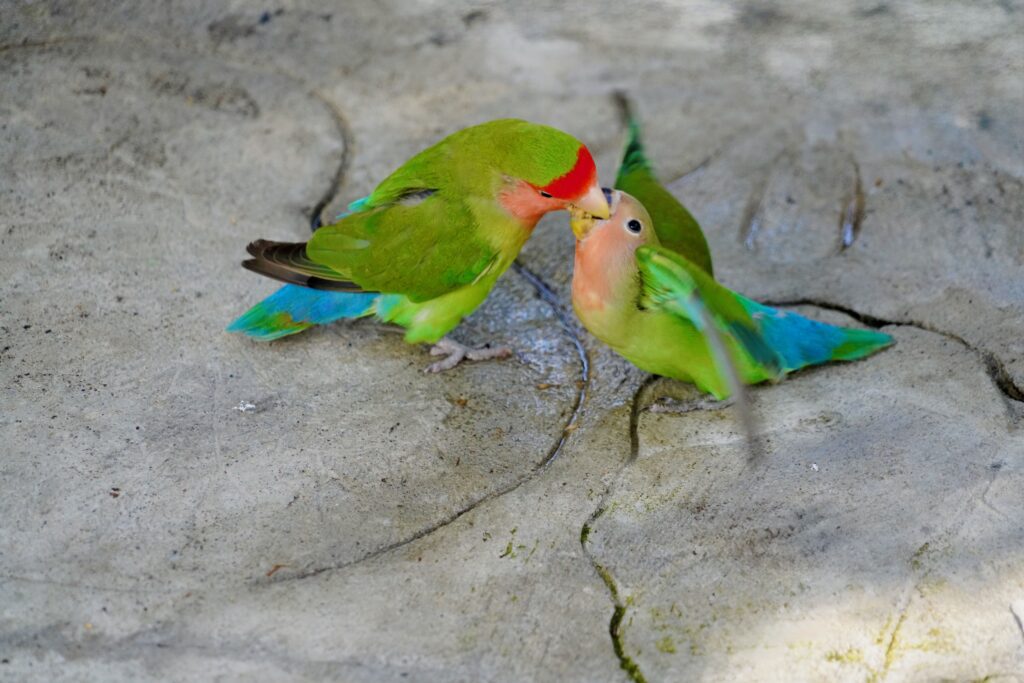
A day pass at Ocean World provides access to a variety of marine life shows featuring dolphins, Patagonian sea lions, sharks, and tropical birds. Beyond the performances, you can snorkel in a Tropical Reef Aquarium stocked with thousands of exotic fish, walk through a simulated rainforest to feed lovebirds and observe flamingos, or relax at Dolphin Beach.
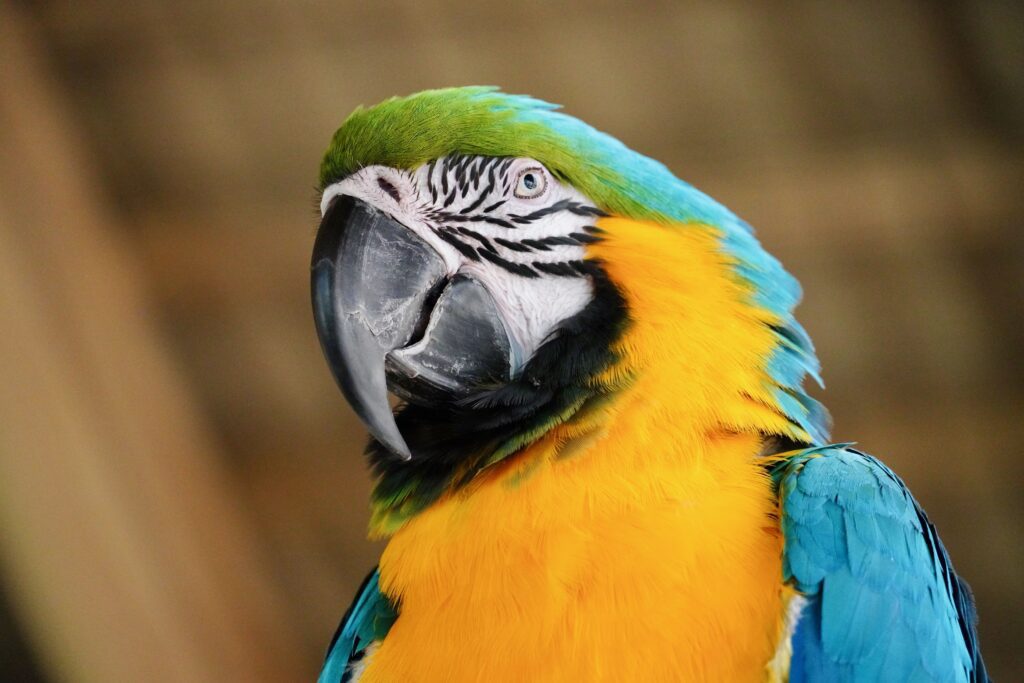
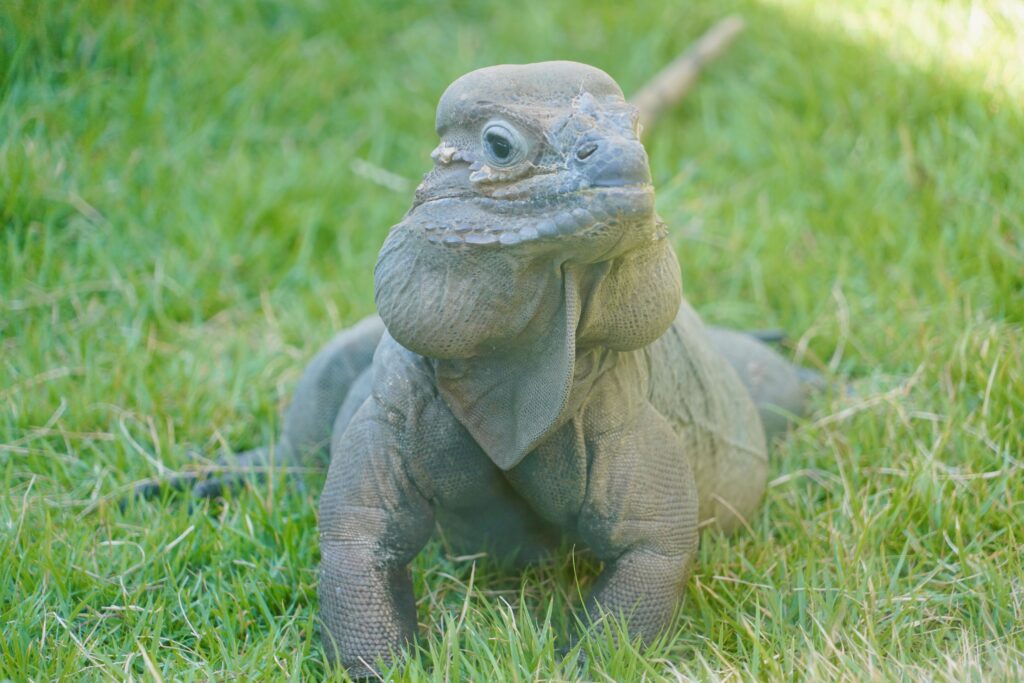
We are not usually fans of seeing animals in captivity, but we got a free day pass with our slip at the marina, so we figured we’d check it out. We saw a variety of birds, iguanas, and, of course, dolphins.

9. Parque de la Puntilla (San Felipe Park)
Parque de la Puntilla, commonly known as San Felipe Park, is a sprawling recreational and cultural complex situated on the edge of the Puerto Plata peninsula. The park serves as the historical and geographical anchor of the city, surrounding the 16th-century Fortaleza San Felipe. In 2016, the area underwent a massive $10 million renovation, transforming it into a modern urban destination that bridges the city’s colonial past with contemporary leisure.
The park’s most striking modern feature is the Puerto Plata Amphitheater, a 4,000-person capacity open-air venue designed by architect Sarah García. Set against the dramatic backdrop of the Atlantic Ocean, the theater hosts major international and local concerts, particularly during the “Live in Puerto Plata” series.
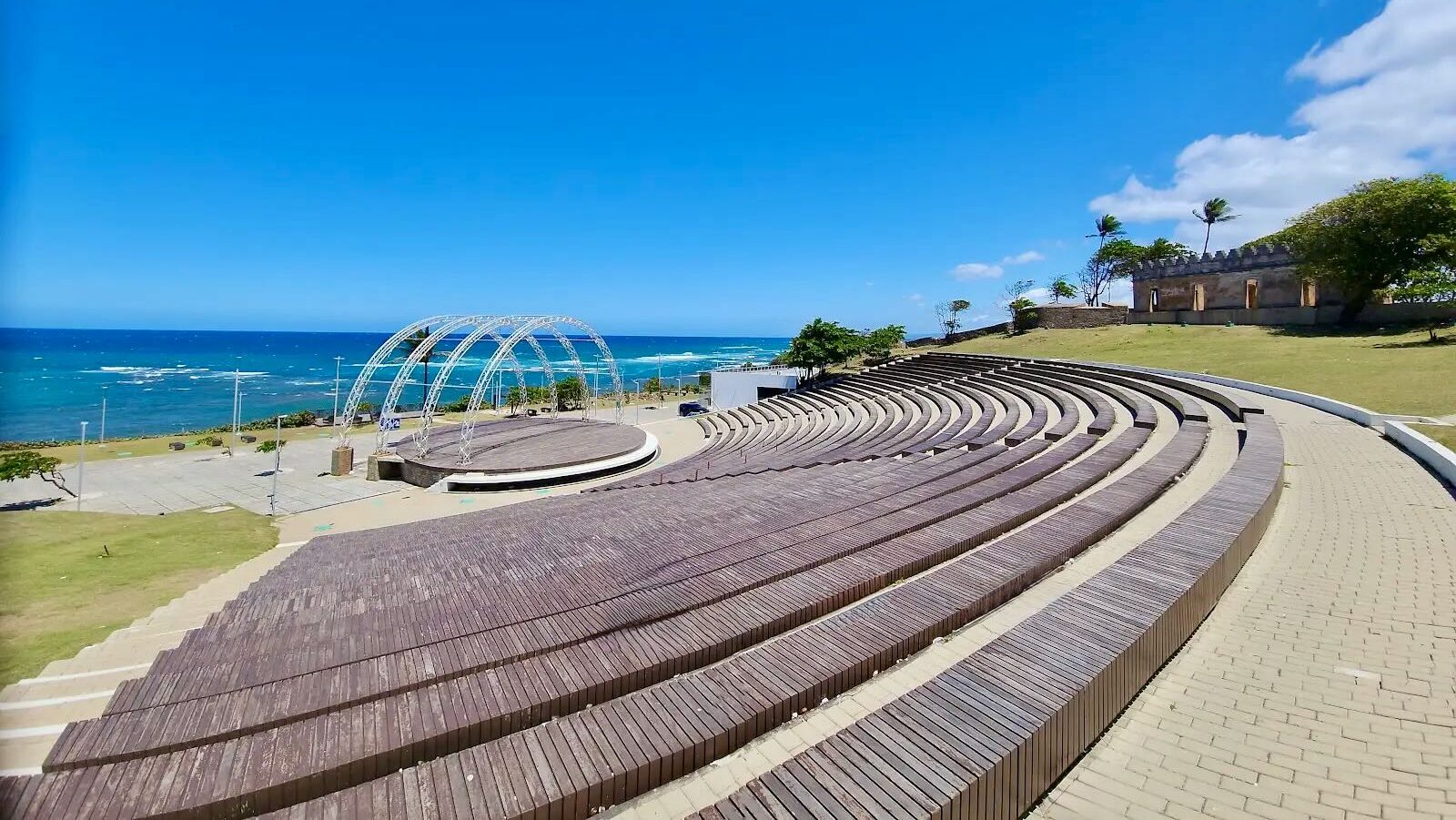
The surrounding grounds feature wide, paved walking paths, manicured lawns, and a series of “miradores” (lookout points) that offer 360-degree views of the coastline and Mount Isabel de Torres.
The park is also home to a prominent statue of General Gregorio Luperón, a national hero of the Dominican Restoration War.
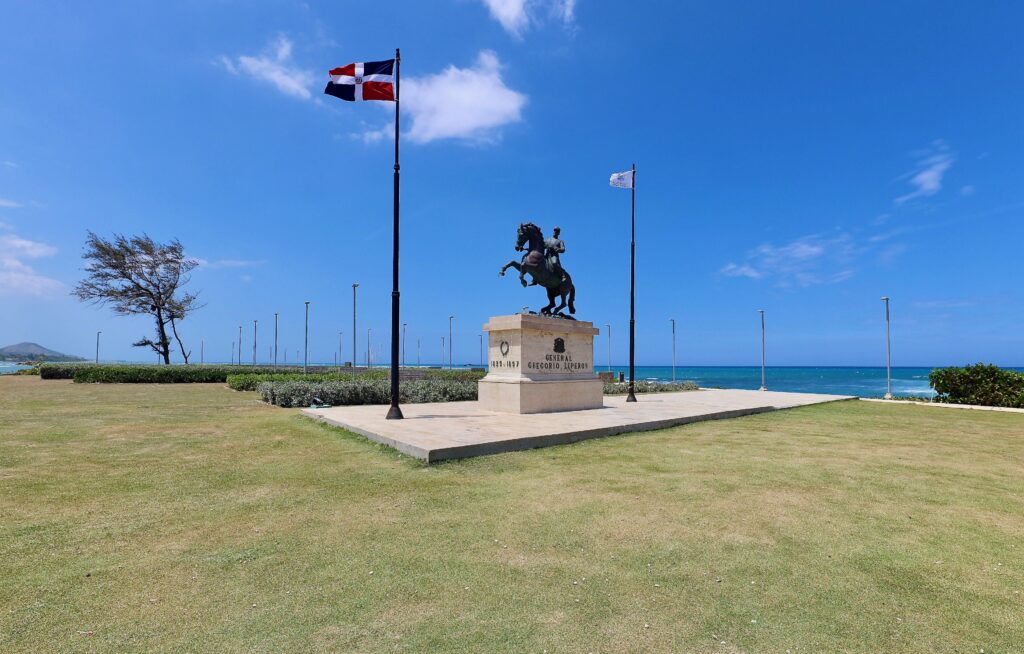
As a designated “Blue Flag” area, the park’s seaside promenade is a popular spot for exercising and strolling at sunset.
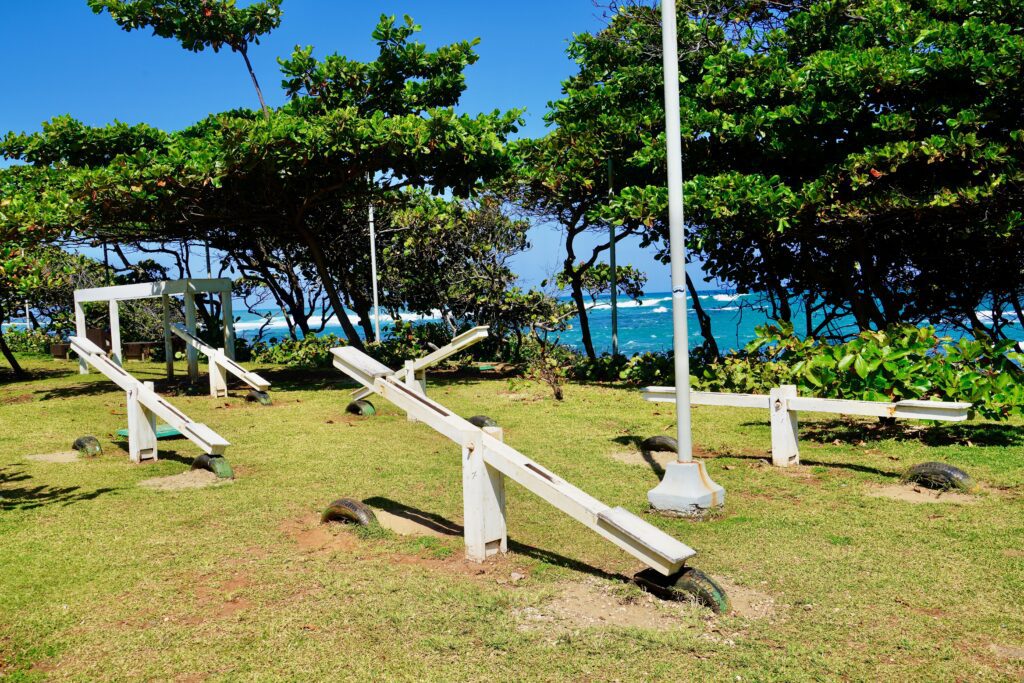
We thought the wooden teeter-totters and other equipment at the playground were uncharacteristically rustic for such a modern park.

Other Memories
Other Things to Do in Puerto Plata
The Amber Museum
Beaches
Where We Ate
Ocean World Terrace Restaurant (multiple times)

Chris & Mady’s
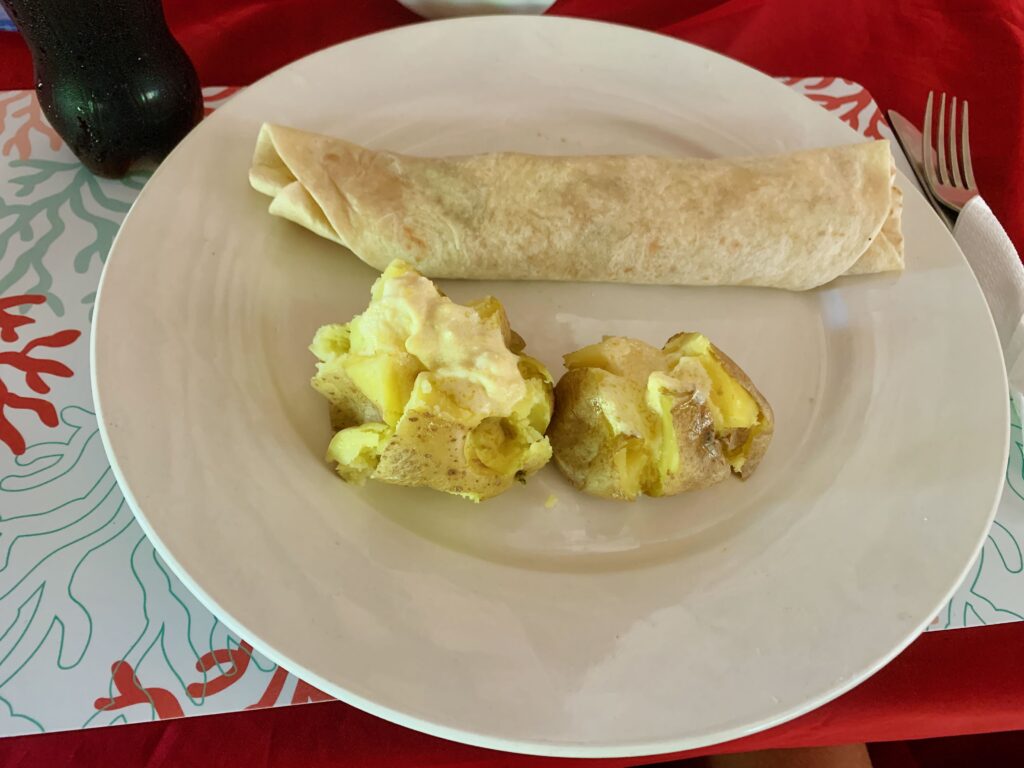
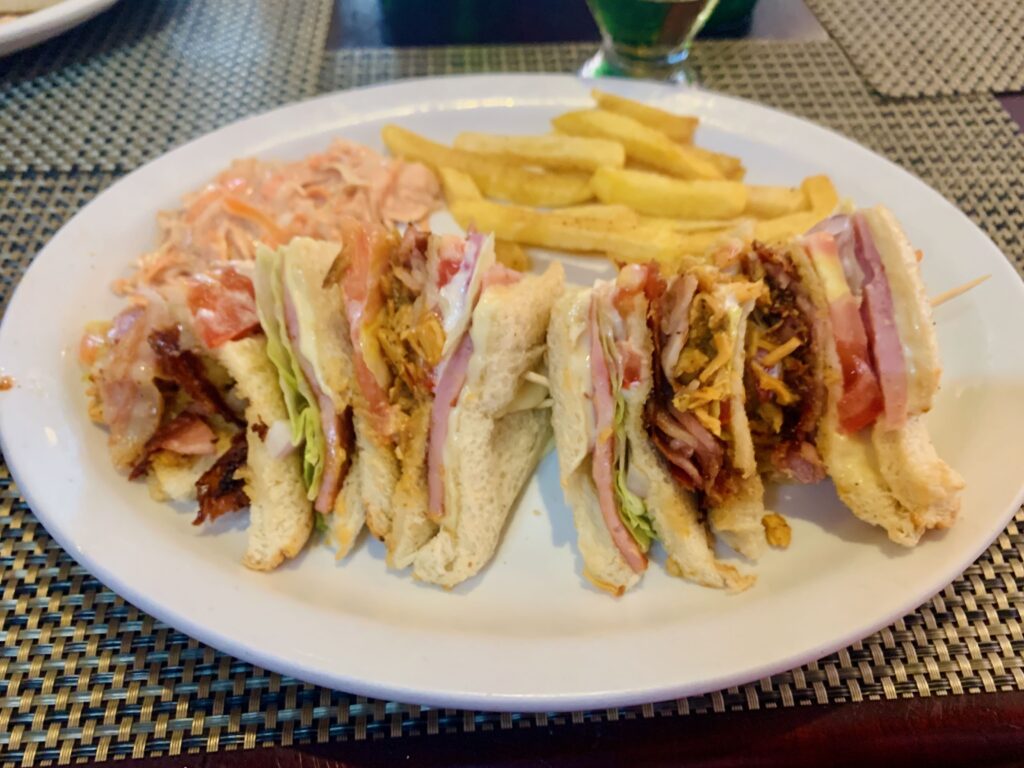
La Ponderosa del Mar
Shopping
From Ocean World, it’s about an hour walk to get to the nearest grocery store, Jenny’s Market.
Accommodations
Accommodations in Puerto Plata, Dominican Republic, are defined by a diverse inventory that spans three primary zones: Playa Dorada, Cofresí, and Bahía de Maimón. As of 2026, the region is undergoing a significant expansion in luxury offerings, spearheaded by the Punta Bergantín project. This government-backed initiative is introducing over 6,000 new rooms to the North Coast, including high-profile 5-star developments such as the 400-room Meliá Bergantín Beach Hotel and planned properties from Hyatt and Westin.
Playa Dorada remains the city’s premier resort hub, home to established all-inclusive staples such as Iberostar Waves Costa Dorada and Emotions by Hodelpa. To the west, the Cofresí area is dominated by the Lifestyle Holidays Vacation Resort complex, which offers a mix of villa-style residences and suites. For those arriving via cruise, Bahía de Maimón features the upscale Senator Puerto Plata Spa Resort, strategically located near the Amber Cove terminal.
Beyond traditional resorts, Puerto Plata’s lodging market has evolved to include boutique hotels and a robust Airbnb sector, particularly in the gated communities of Costambar and Torre Alta. These areas have benefited from recent infrastructure upgrades, including high-speed fiber internet, making them popular for digital nomads seeking an authentic alternative to the all-inclusive experience.
We stayed at the Ocean World Marina on our boat and loved it.
Getting There
Reaching Puerto Plata is highly efficient due to its well-developed air, sea, and land infrastructure. The primary gateway is the Gregorio Luperón International Airport (POP), located just 20 minutes from the main resort areas of Playa Dorada and Sosúa. As of 2026, the airport maintains robust connectivity with direct flights from major hubs including New York (JFK/EWR), Miami (MIA), and Toronto (YYZ), serviced by carriers such as American Airlines, JetBlue, and Delta. For travelers unable to find direct POP flights, Cibao International Airport (STI) in Santiago offers a viable alternative, located approximately 1.5 hours away by road.
Puerto Plata is also a leading maritime destination, featuring two state-of-the-art cruise terminals: Amber Cove, located in Maimón, and Taino Bay, situated directly adjacent to the historic city center. These ports welcome over 60 ship arrivals each month from major lines such as Carnival, Royal Caribbean, and Virgin Voyages. Overland travel is facilitated by the Autopista Duarte, which connects the North Coast to the capital, Santo Domingo, in approximately 3.5 hours. Reliable intercity bus services, such as Metro ST and Caribe Tours, offer frequent, air-conditioned departures from major cities, making Puerto Plata easily accessible for both international and domestic visitors.
We sailed there on our catamaran.
Getting Around
While “Motoconchos” (motorcycle taxis) are cheap and everywhere, for longer distances or safety, use Uber (available in the city) or official tourist taxis.
For the waterfall adventure, we took a taxi arranged by Ocean World Marina. Other than that, we walked everywhere.
Final Thoughts
Ultimately, Puerto Plata is a destination that successfully balances its deep colonial roots with a modern, high-energy tourism model. The city has solidified its status as a premier Caribbean cruise hub, with the record-breaking arrival of over 60 cruise ships per month at Taino Bay and Amber Cove. This influx of international visitors has spurred significant local investment, resulting in vibrant, pedestrian-friendly streets in the historic center and the revitalization of public spaces such as Parque de la Puntilla.
Beyond the ports, the region is leading the way in sustainable and specialized travel. Initiatives like the Punta Bergantín project and a new focus on sports tourism demonstrate a commitment to diversifying the visitor experience. Whether you are descending the limestone chutes of Damajagua, riding the Teleférico into the cool mists of Mount Isabel de Torres, or capturing photos in the fuchsia-toned Pink Alley, the “Silver City” offers a sense of authenticity often lost in more commercialized resort zones. As the Dominican Republic’s North Coast continues to evolve, Puerto Plata remains the essential starting point for travelers seeking a profound connection to the history, culture, and natural beauty of the Amber Coast.
Travel Notes
We stayed on our catamaran in this marina.
Originally experienced in February 2024; content refreshed in March 2026.
