

Rising from the depths of the Pacific Ocean like a fortress of the gods, Ua Pou is the third largest of the Marquesas Islands in French Polynesia. The island’s silhouette is unmistakable: a cluster of twelve basalt pinnacles soaring nearly 4,000 feet into the sky. These spires, which locals liken to the pillars of a great cathedral, give the island its nickname, the “cathedral island.”

The Legend of the Pinnacles
To understand Ua Pou, you must understand its geography through the eyes of its people. According to legend, the islands of the Marquesas were built by the god Oatea for his wife, Atanua. Ua Pou represents the pillars of their great house.
The highest peak, Mont Oave (4,040 ft), is the tallest in the Marquesas. The spires are technically phonolite volcanic plugs—hardened magma that remained after the softer surrounding rock eroded away. But to the locals, they are the warriors of the legend. The most famous pinnacle, Poumaka, is said to be a warrior who defeated the champion of Hiva Oa.
Author Robert Louis Stevenson was captivated by the “strange and jagged” profile of these pillars. He wrote about the island in his book In the South Seas, where he described the “needles of Ua-pu” rising in the morning.
He was right. The first thing we immediately noticed about Ua Pou was how stunning the anchorage was, with the pillars in the background.
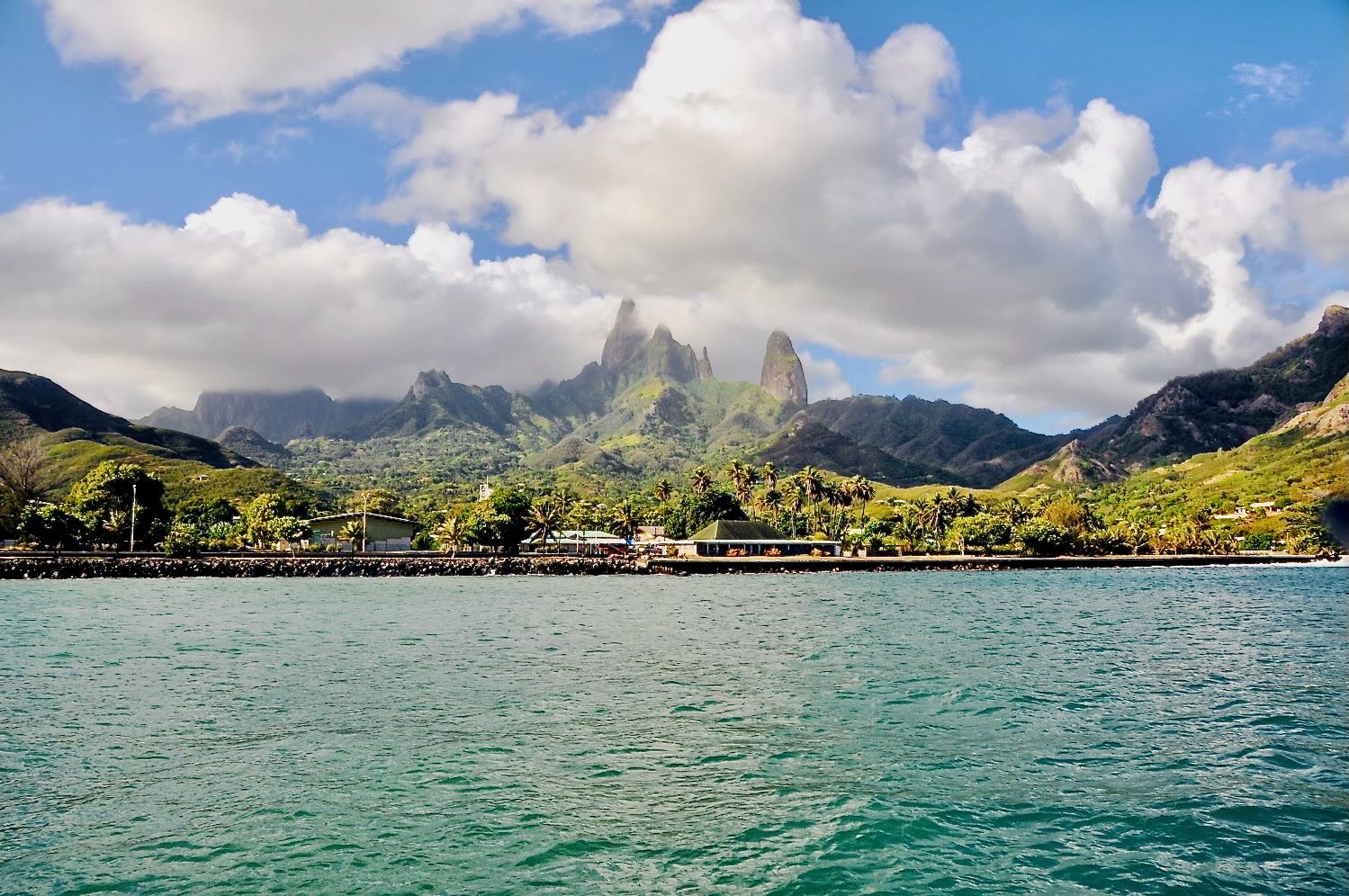
It was one of the prettiest anchorages we’d ever seen and reminded us of the other Marquesan islands we’d visited.
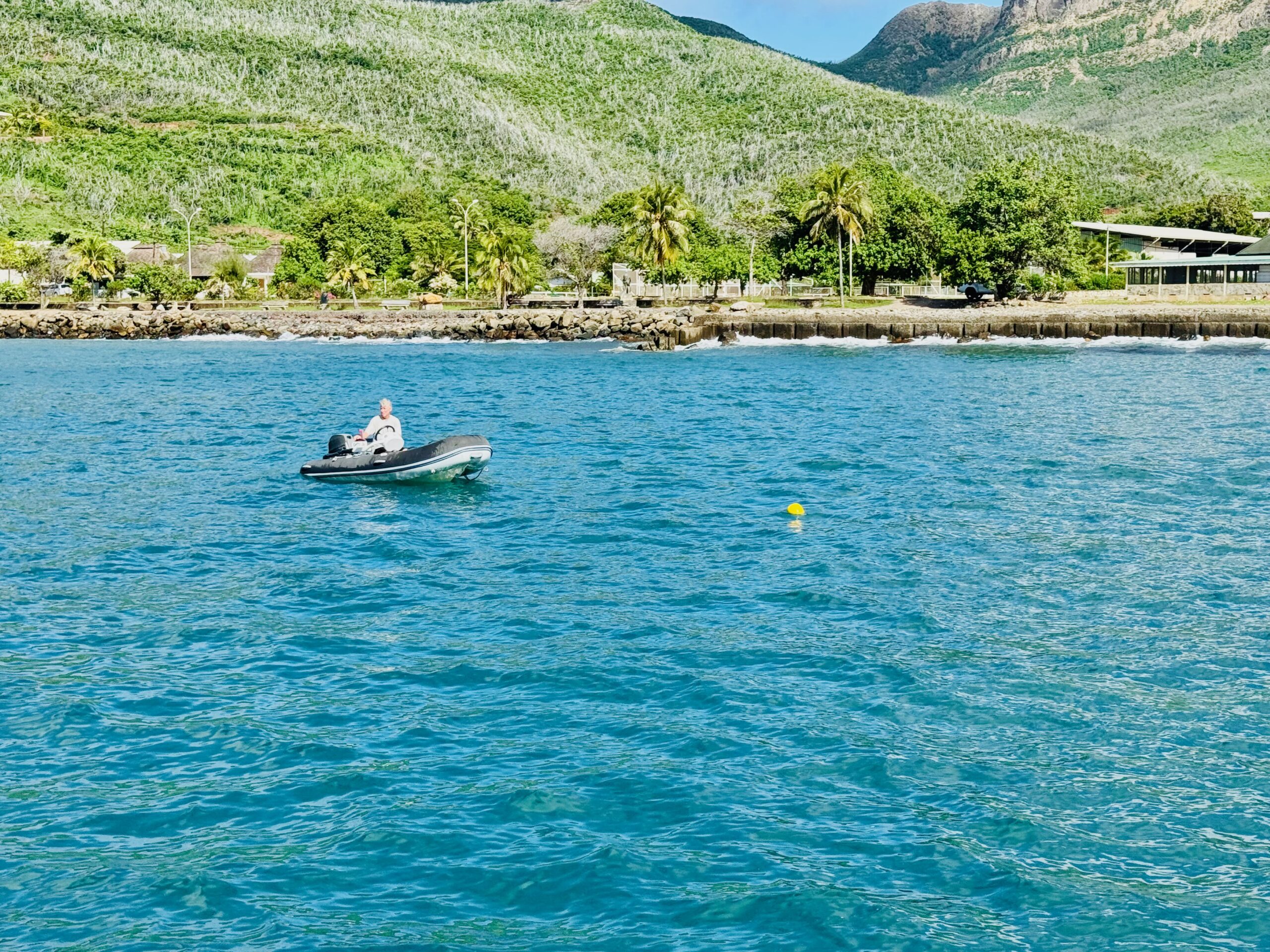
Some Things We Loved About Ua Pou
1. The Heart of the Island: Hakahau
Life on Ua Pou revolves around the main village of Hakahau. Nestled in a sheltered bay on the northeast coast, it is a charming and sleepy.
2. Focus on Environmental Protection
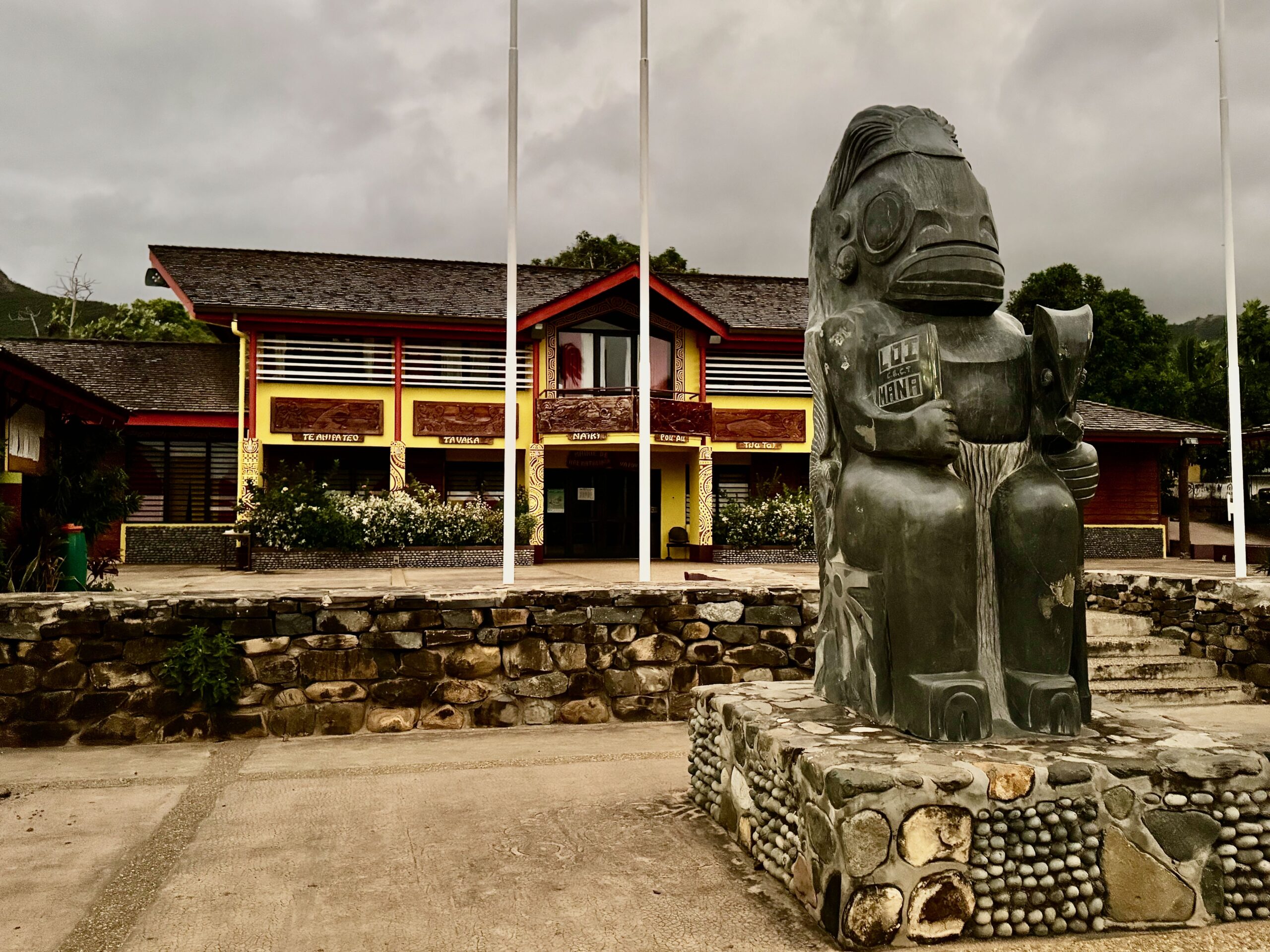
When you land in Hakahau Harbor, one of the first things you notice is a large middle school, Collège “Terre des Hommes” Ua Pou, that dominates the village and sits right on the beach.
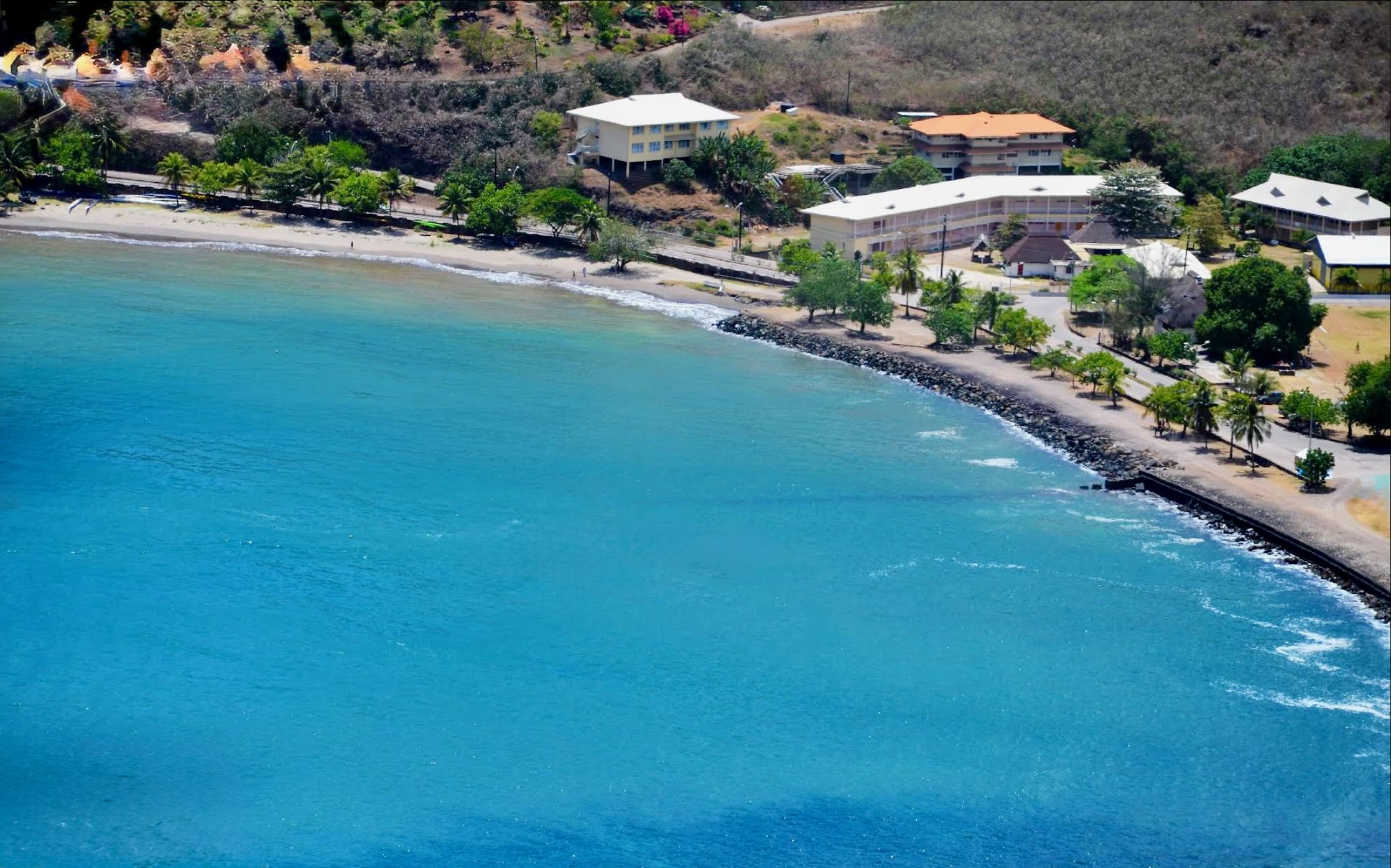

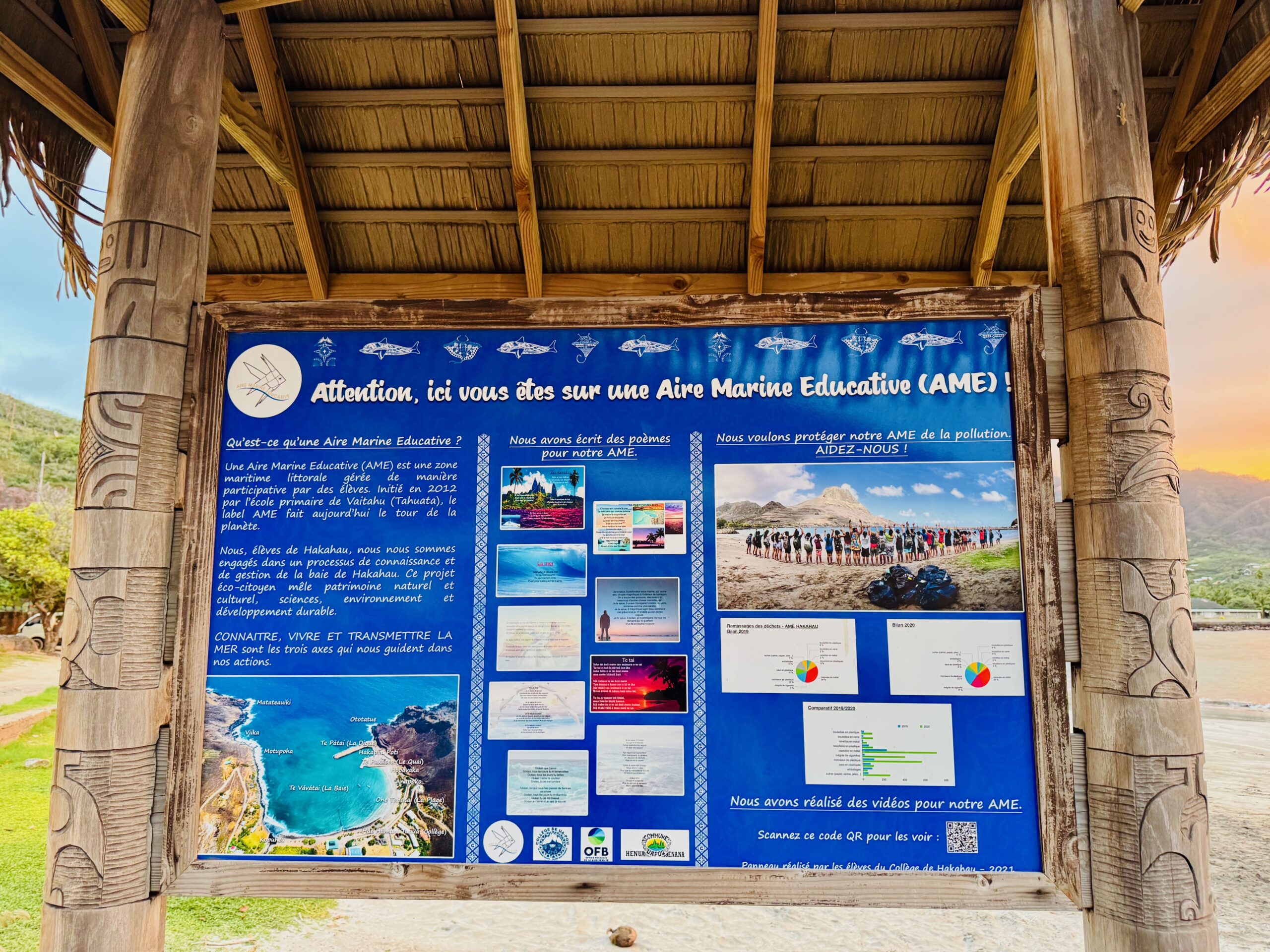
At this school (and another in Hakahetau), the Aire Marine Educative (AME) is a program that connects youth to the ocean. This initiative allows students to officially claim and manage a small coastal zone. Through “sea councils,” the children, acting as true decision-makers, debate and vote on concrete actions: monitoring the health of coral reefs, cleaning beaches, and running awareness campaigns for adults.
Elders are invited to share local legends, traditional fishing techniques, and the vernacular names of marine wildlife. By becoming guardians of their lagoon, the students develop active eco-citizenship.
3. Hakahau Beach
The village is fronted by a wide, crescent-shaped beach of black volcanic sand. It is the social center of the island, especially in the late afternoon. It is also one of the few places on the island where swimming is generally safe and calm, protected by the bay.
We watched men play pétanque there.
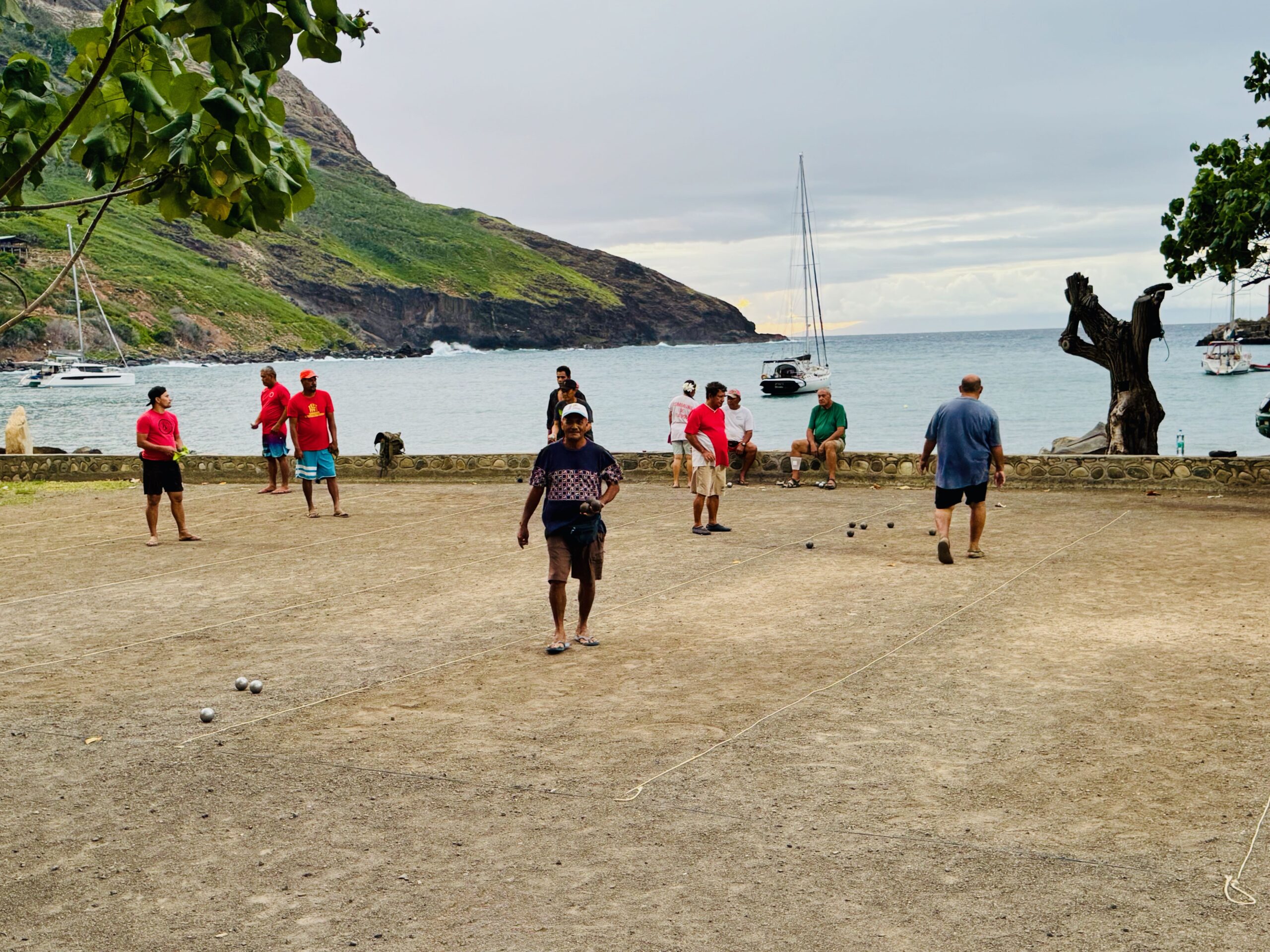
It was a pretty, peaceful place.
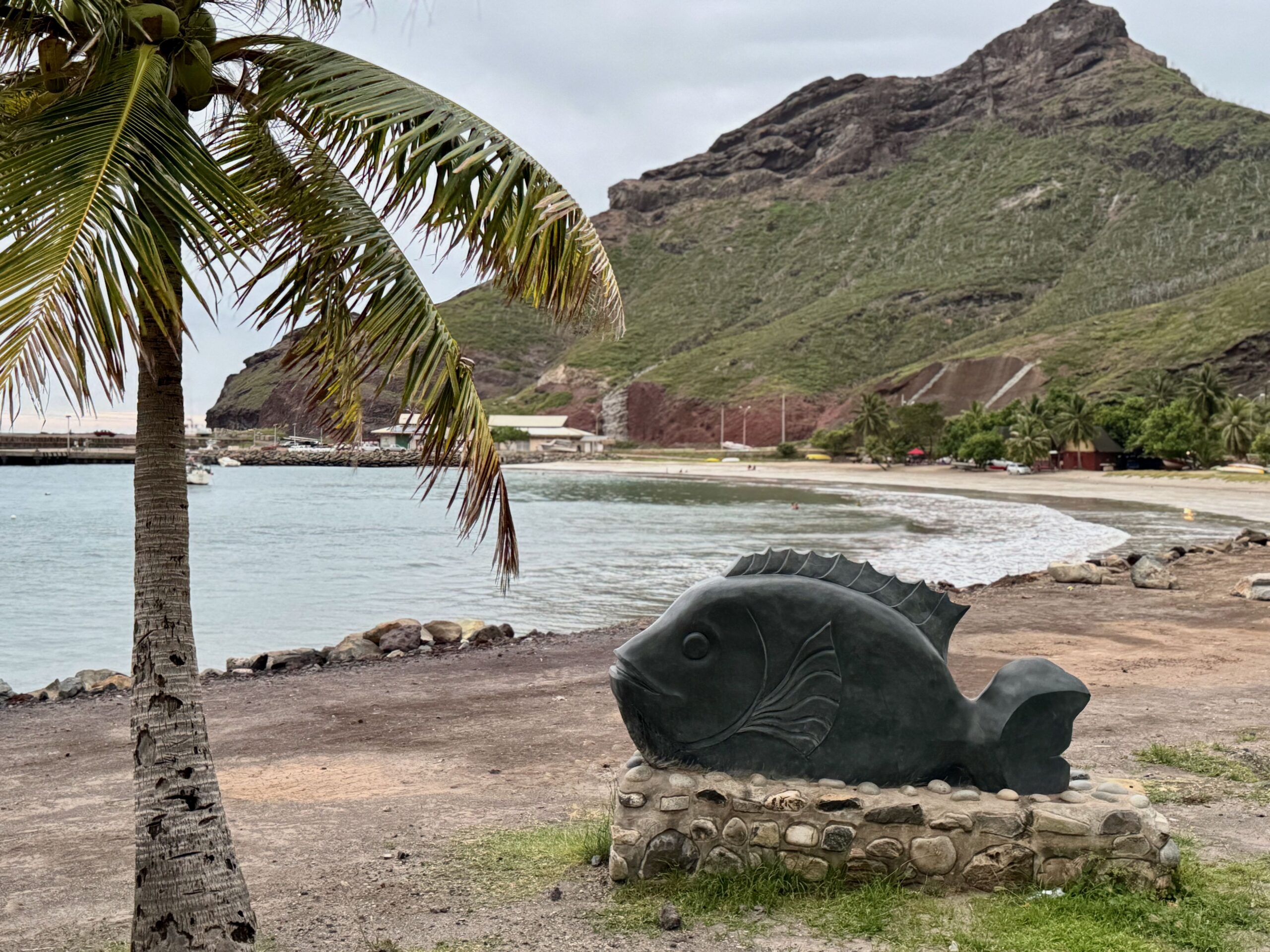
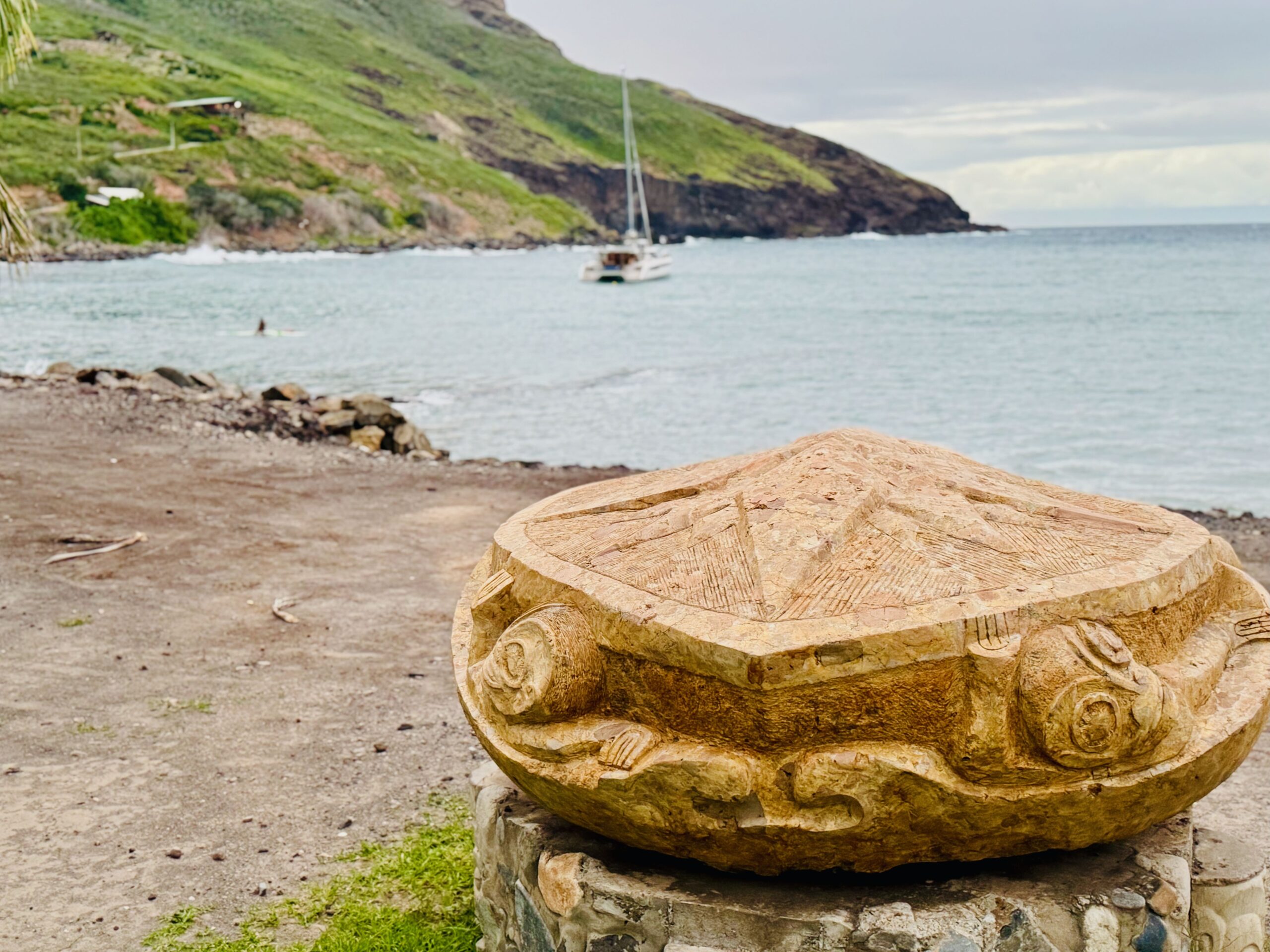
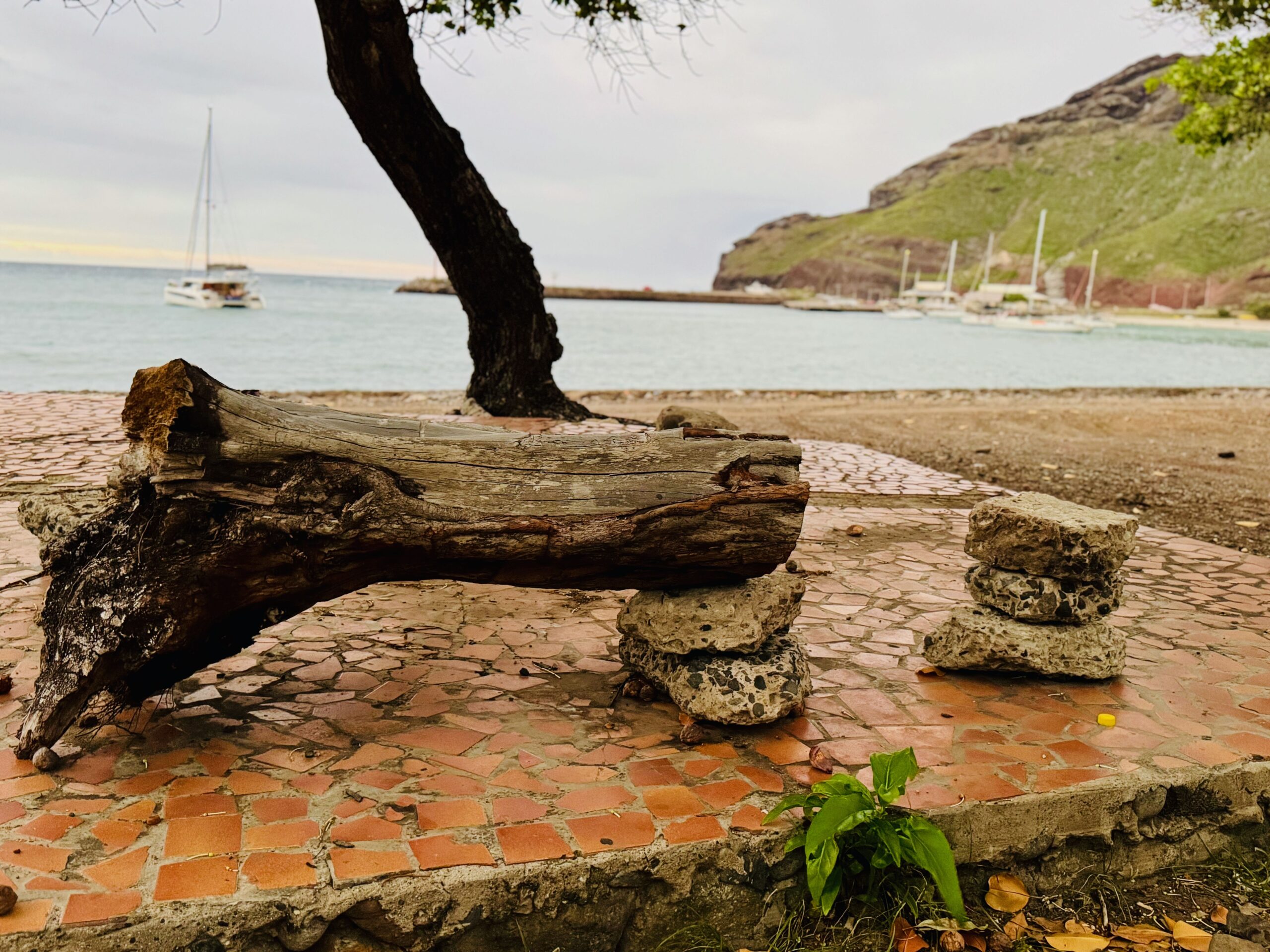
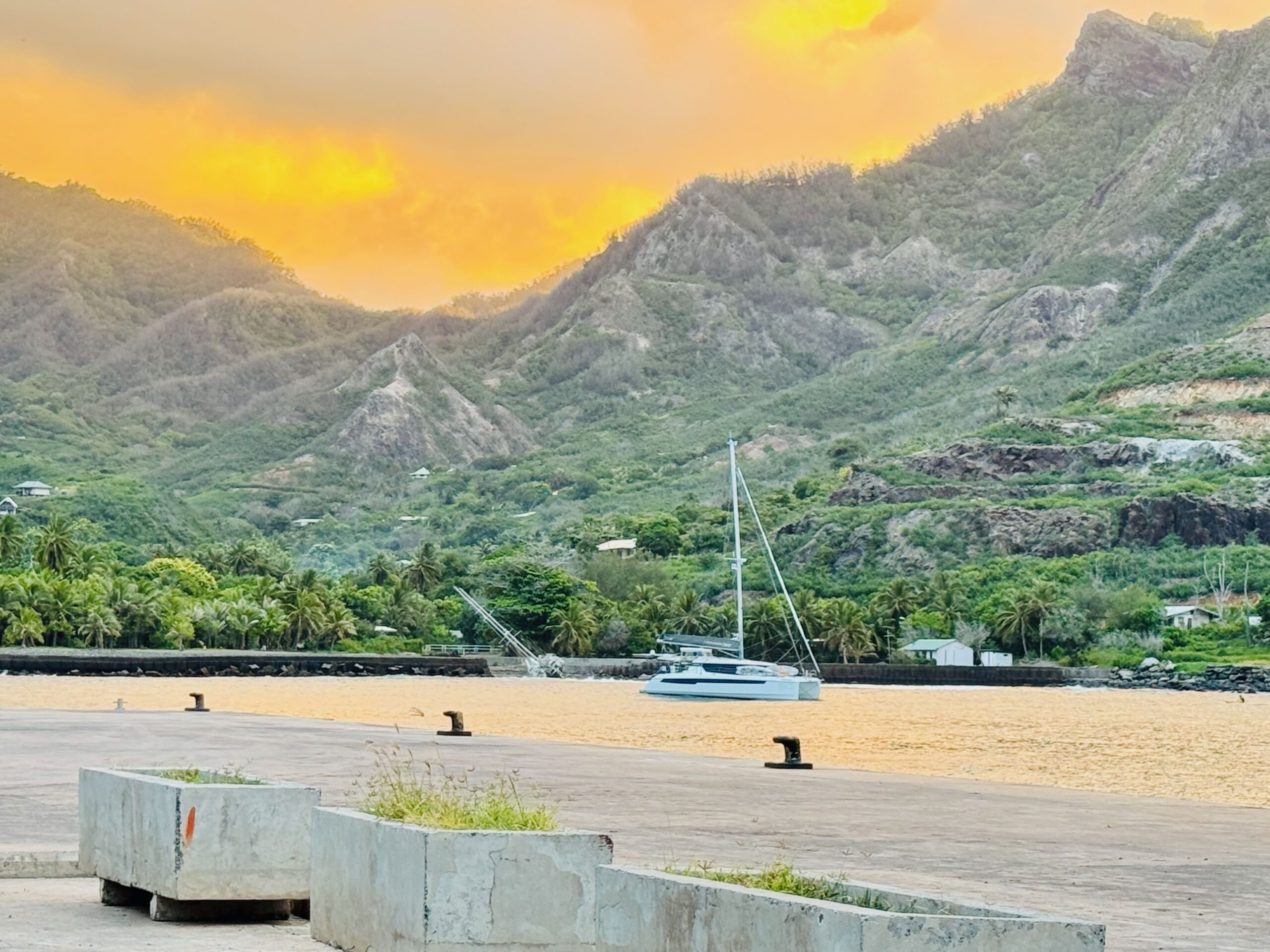
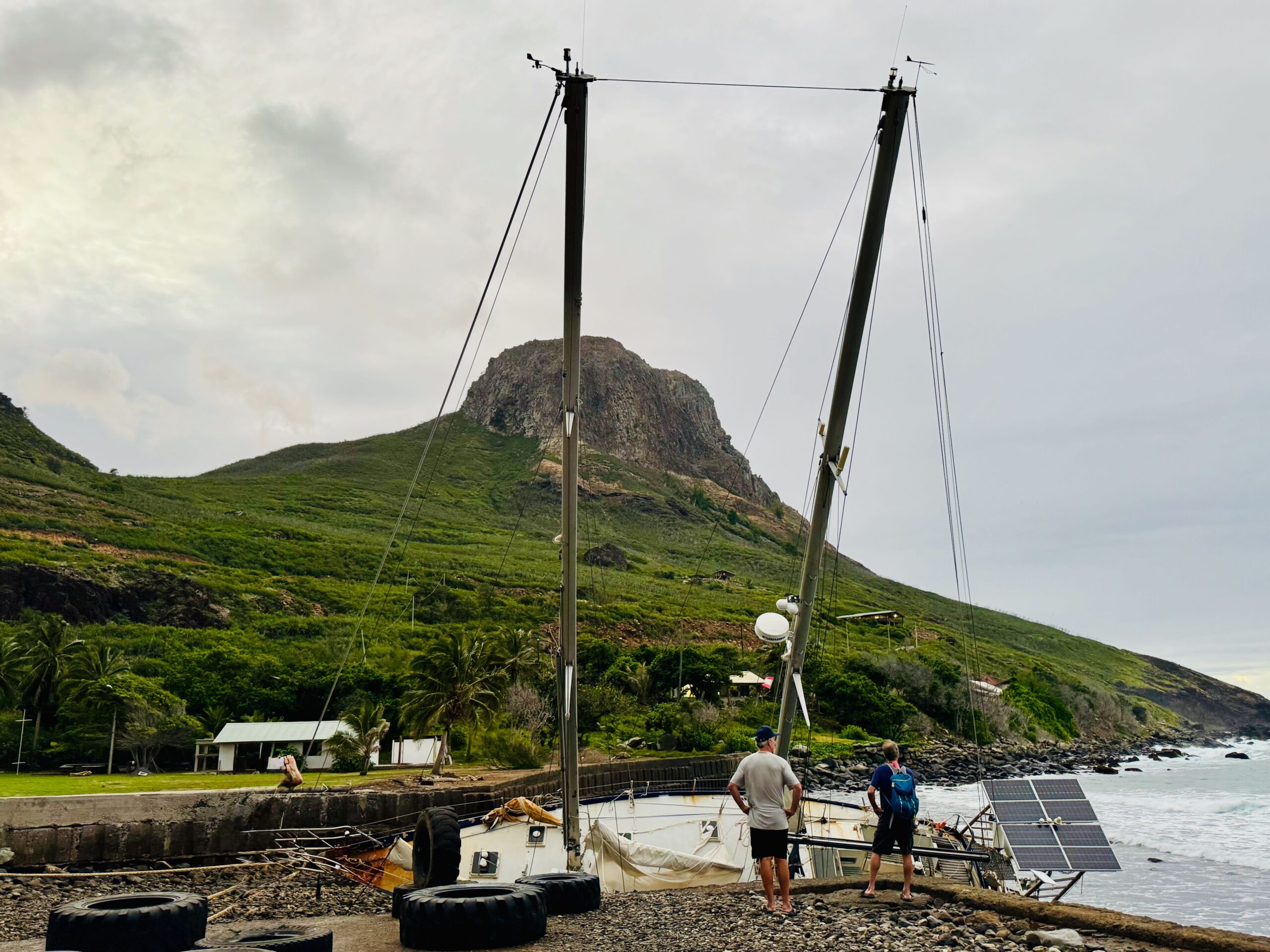
Sadly, there’s a wreck on the western end:
4. The Church of Saint Etienne

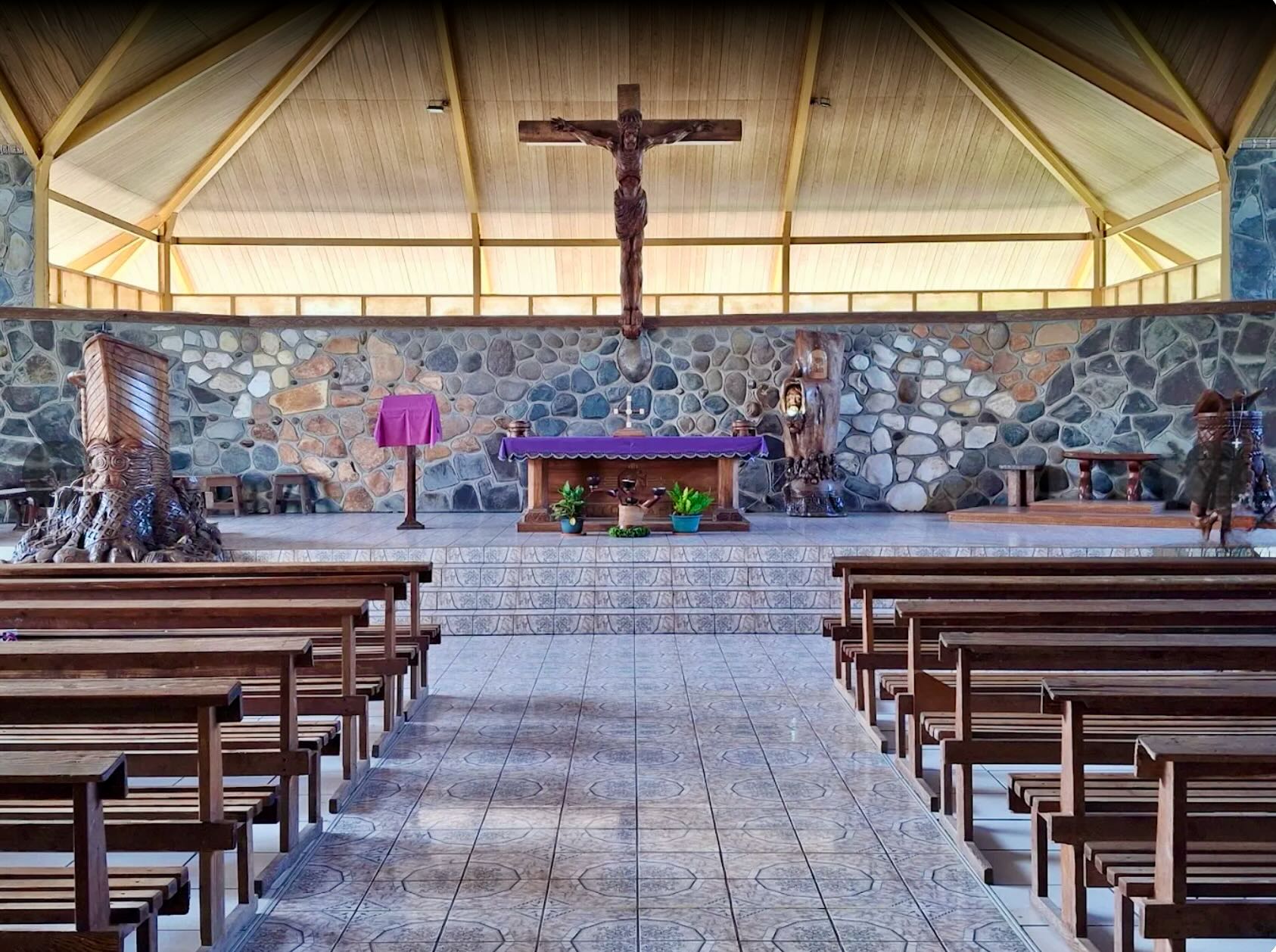
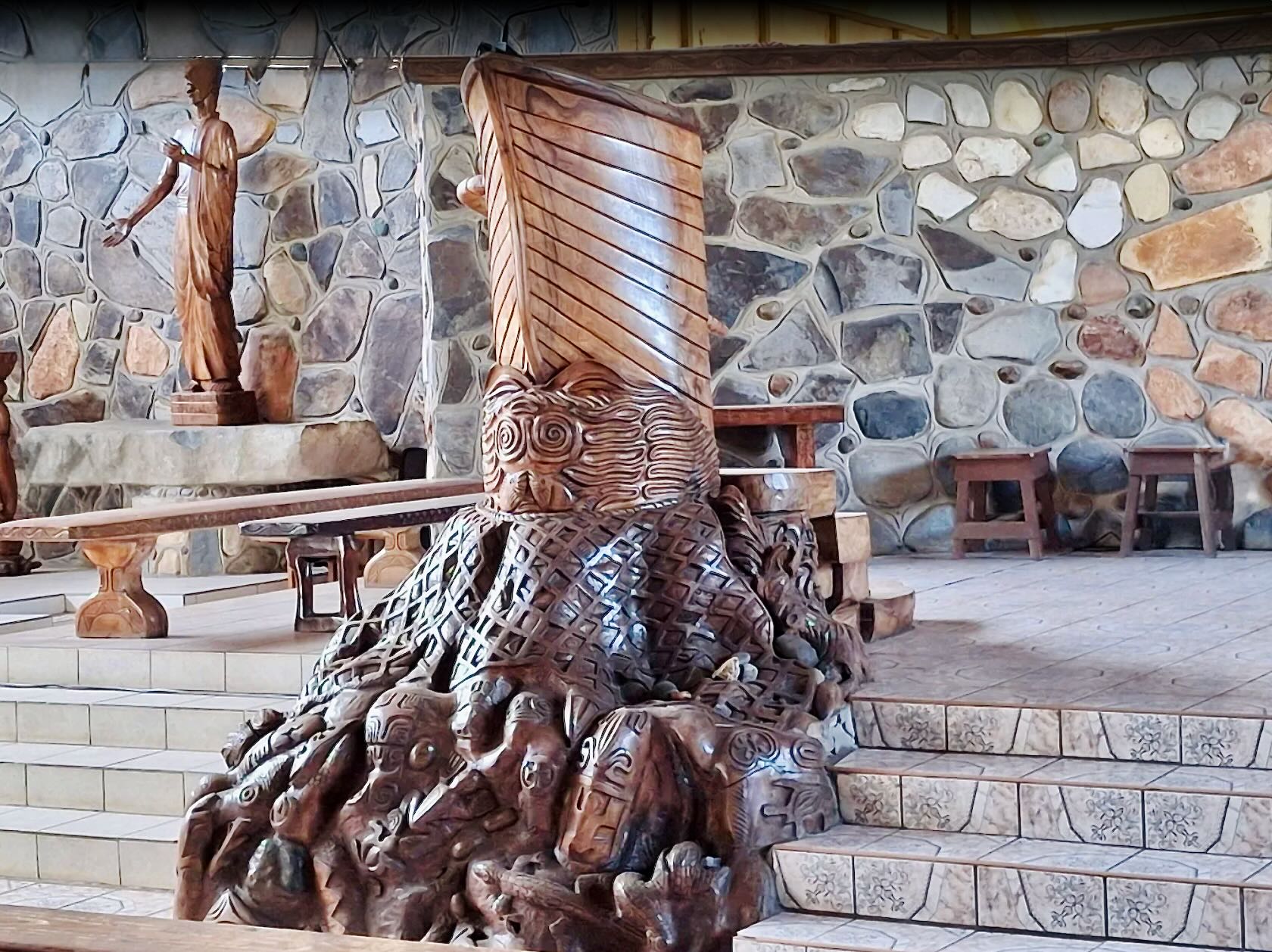
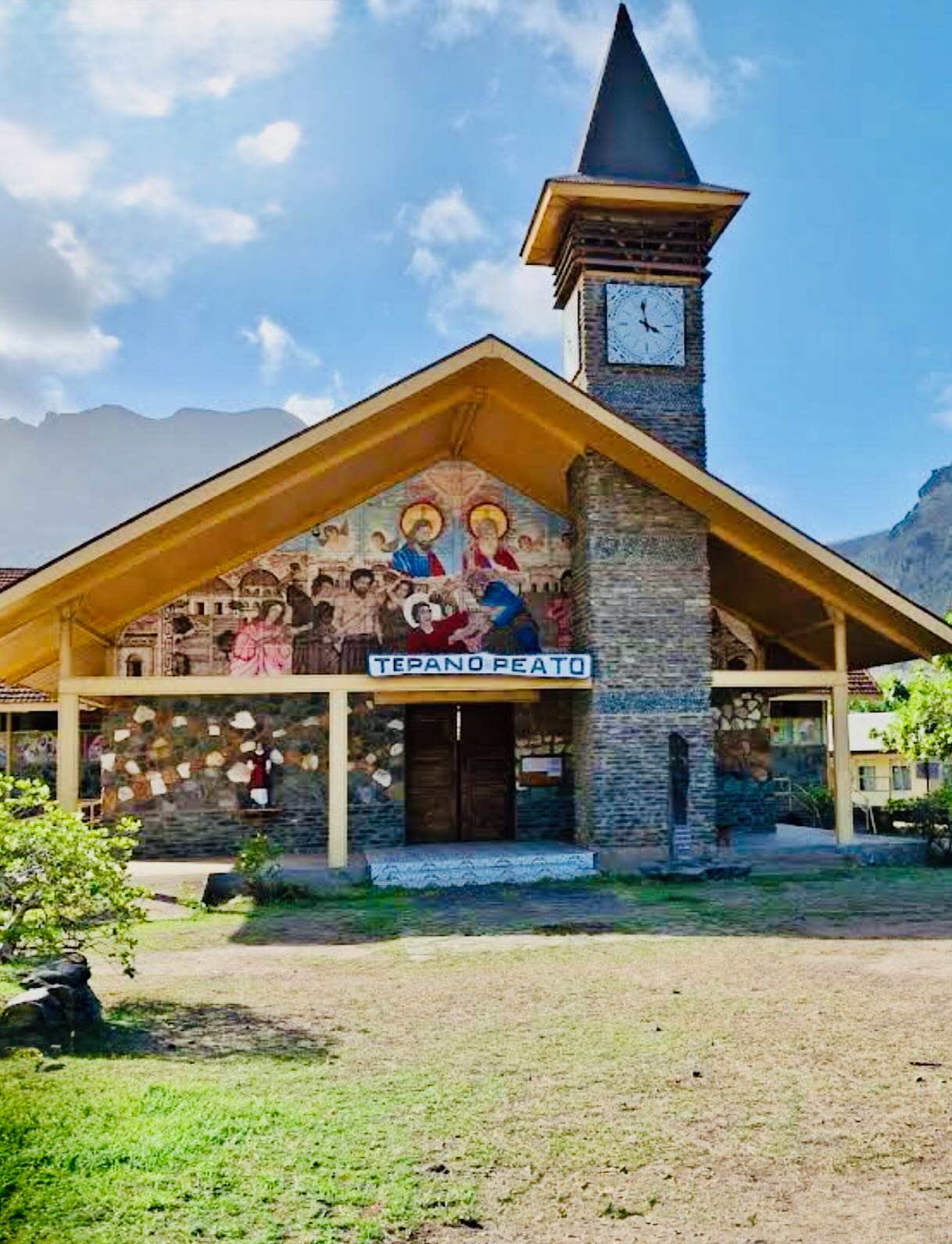
When walking through the village, you can’t miss the Catholic Church of Saint Etienne. Built from local stone and wood, it is a masterpiece of Marquesan craftsmanship.
The pulpit is carved from a single stump of a tropical tree and shaped to resemble the prow of a canoe. The altar and cross are also intricate.
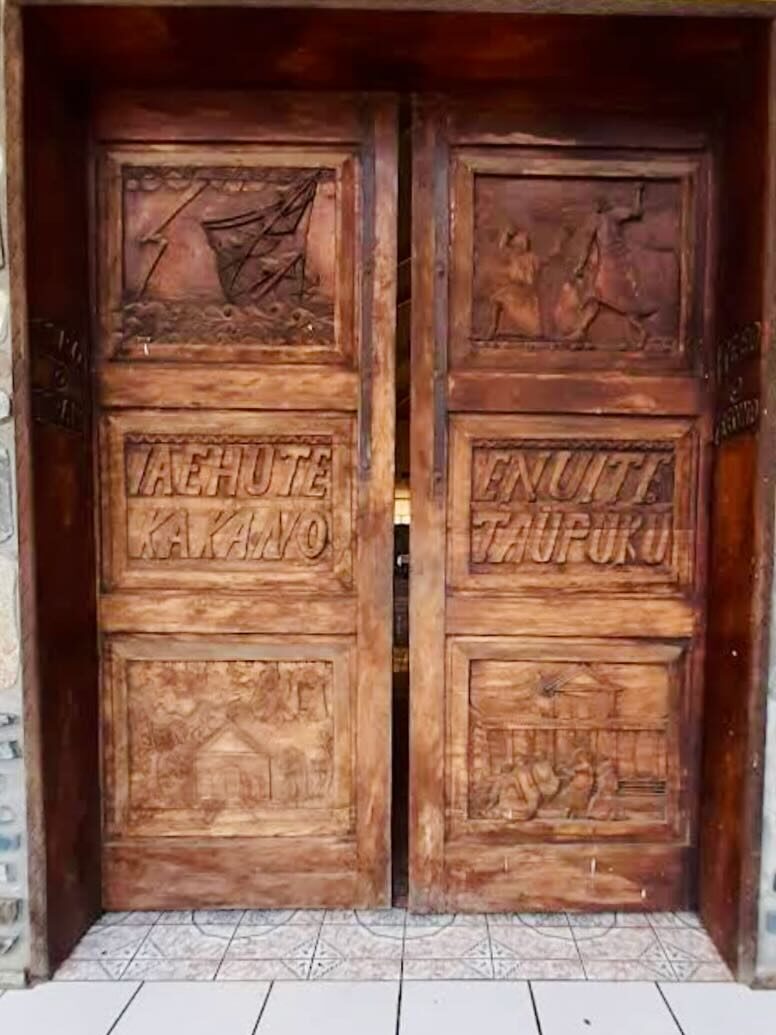
This is what the front doors look like:
Where We Ate
We enjoyed a lovely meal at Roulotte Chez Doudou. It was packed with locals (always a good sign).
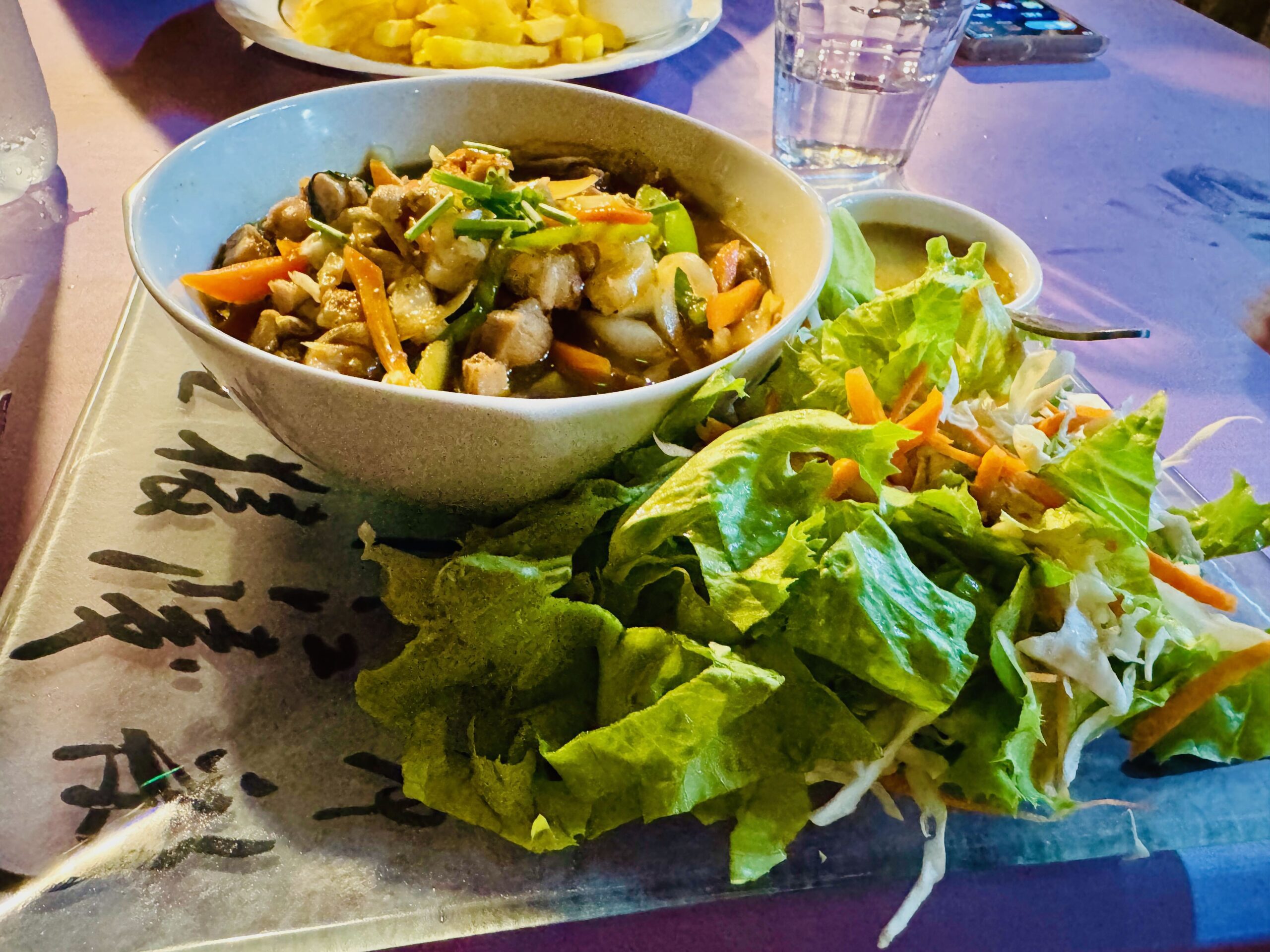
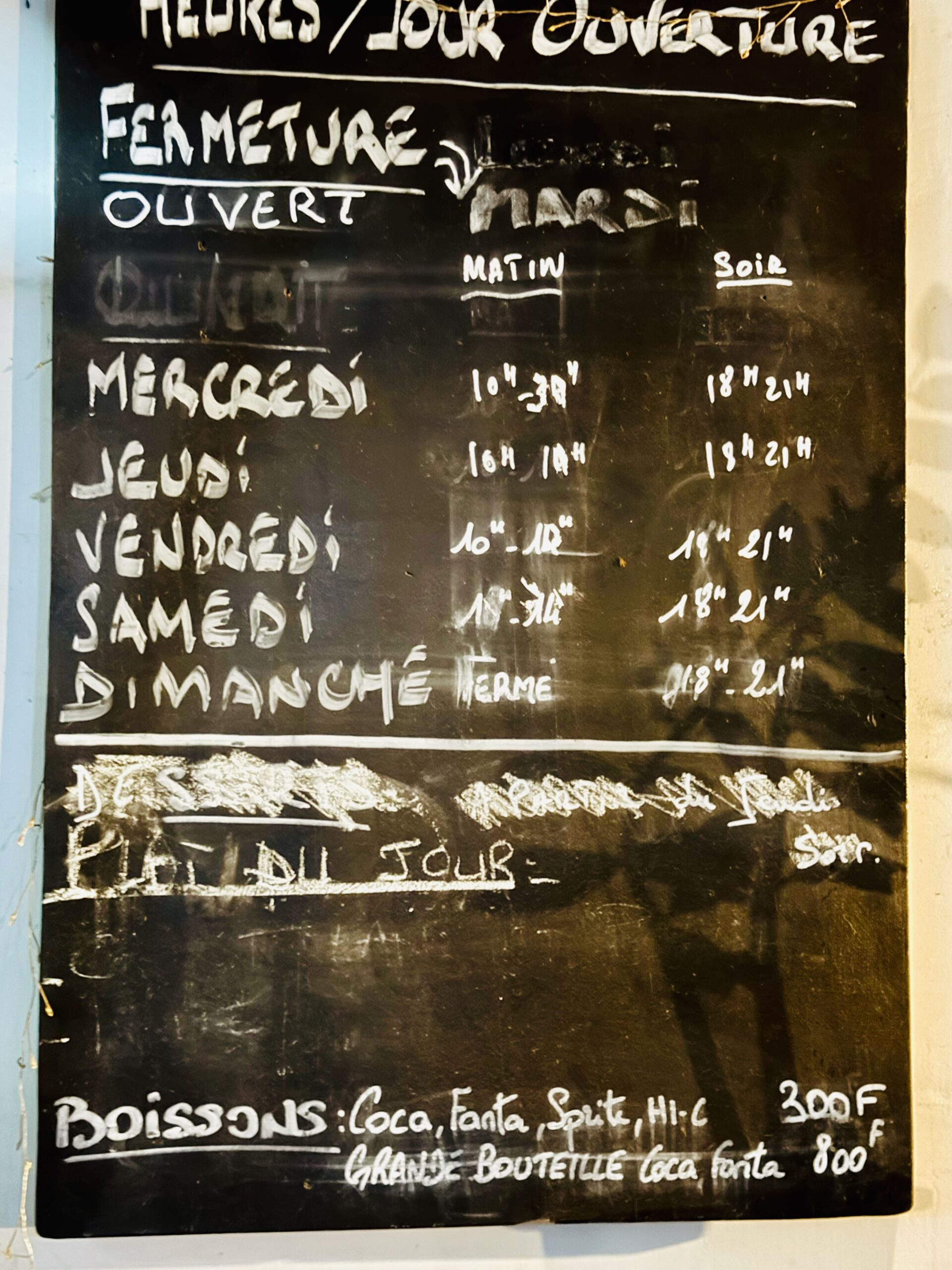
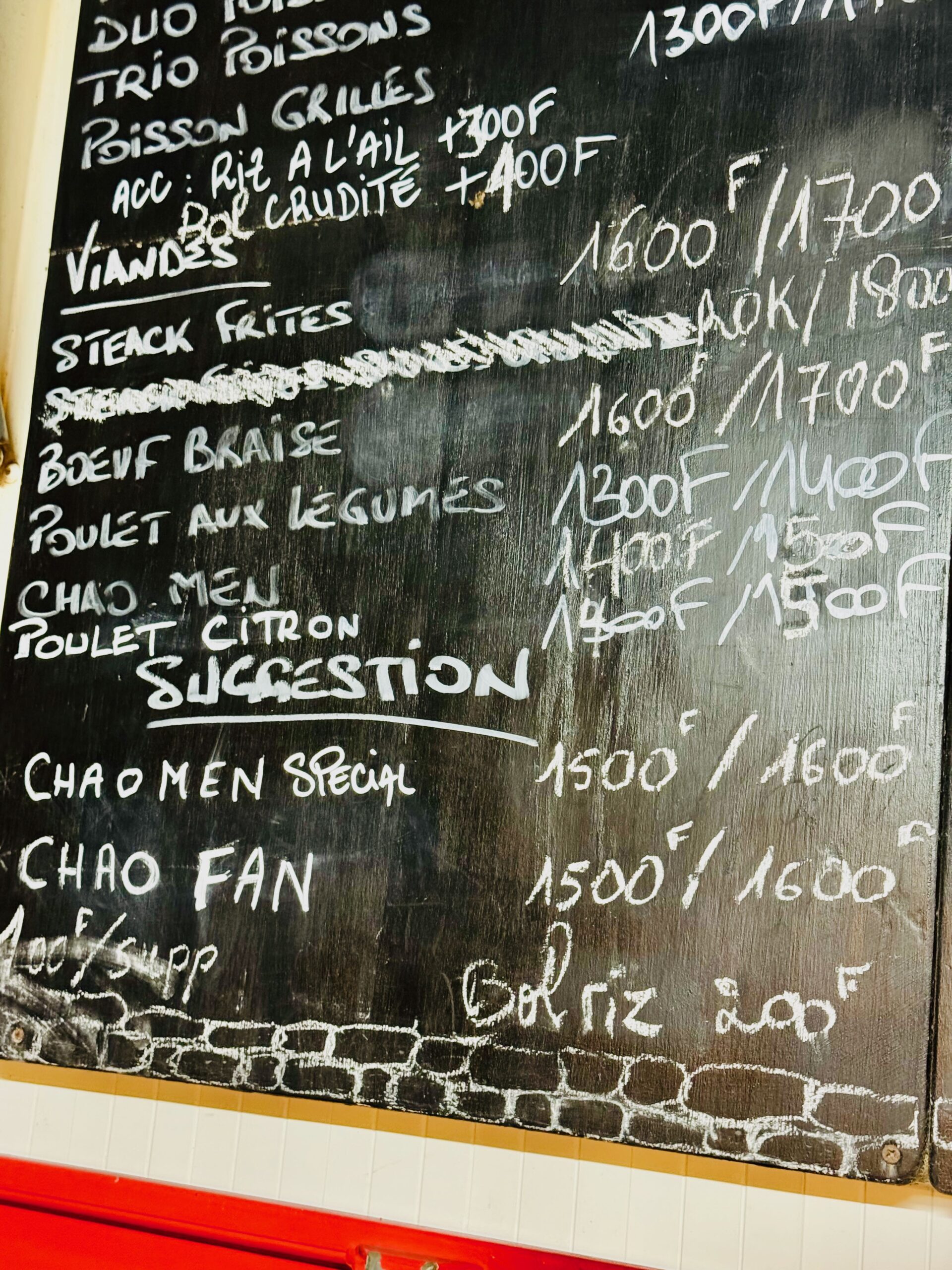
It’s located here:

It’s a food truck. I’m not sure why it has a different name (Roulette Debora) on Google Maps.
What We Didn’t Get To
The other villages
Hakahetau Valley
Hohoi and its Flower Stones
Hiking the Cathedral
The Artisan Center
Five reasons to return!
Accommodations
There are no resorts on Ua Pou. Accommodations are almost exclusively in pensions de famille (guesthouses).
Getting There
There’s a small airport on Ua Pou, and most visitors arrive via Air Tahiti, often connecting through Nuku Hiva or Hiva Oa. The airstrip is located on the north tip of the island, about a 20-minute drive from Hakahau.
Apparently, the flight approach is legendary: the airstrip is tucked into a narrow valley, sloping upwards from the crashing waves, requiring pilots to have special certification.
You can also arrive via a private yacht (which we did) or the Aranui 5 freighter-cruise ship.
Getting Around
4WD vehicles are recommended, as the roads, while increasingly paved, wind through steep valleys and cling to cliff edges. You can rent one through Kylie Location (+689 87 31 10 10) or Hivanui Location. Vehicles can be delivered directly to the airport or pier.
Taxis are limited and must be pre-arranged. Taki-Uta Transport offers this service.
There is no public transportation on the island.
Final Thoughts
Ua Pou is not for the traveler who wants to sit by a pool with a cocktail; it is for the person who wants to feel small against the magnitude of nature.
The pillars of this “cathedral island” are a sight to behold and worth the visit. We would especially love to return during the Marquesas Arts Festival.
Travel Notes
We stayed in this anchorage.
