

If you looked at a map of the Pacific Ocean and placed your finger on the Tuamotu Archipelago, Raroia would appear as just another speck of coral in a sea of blue. But to history buffs and adventurers, this atoll is legendary.
Raroia is the place where, on August 7, 1947, a balsa wood raft named Kon-Tiki crashed into the reef after a 101-day, 4,300-mile journey from Peru. That moment changed our understanding of ancient navigation forever.
Today, Raroia remains much as it was then: wild, remote, and breathtakingly beautiful.
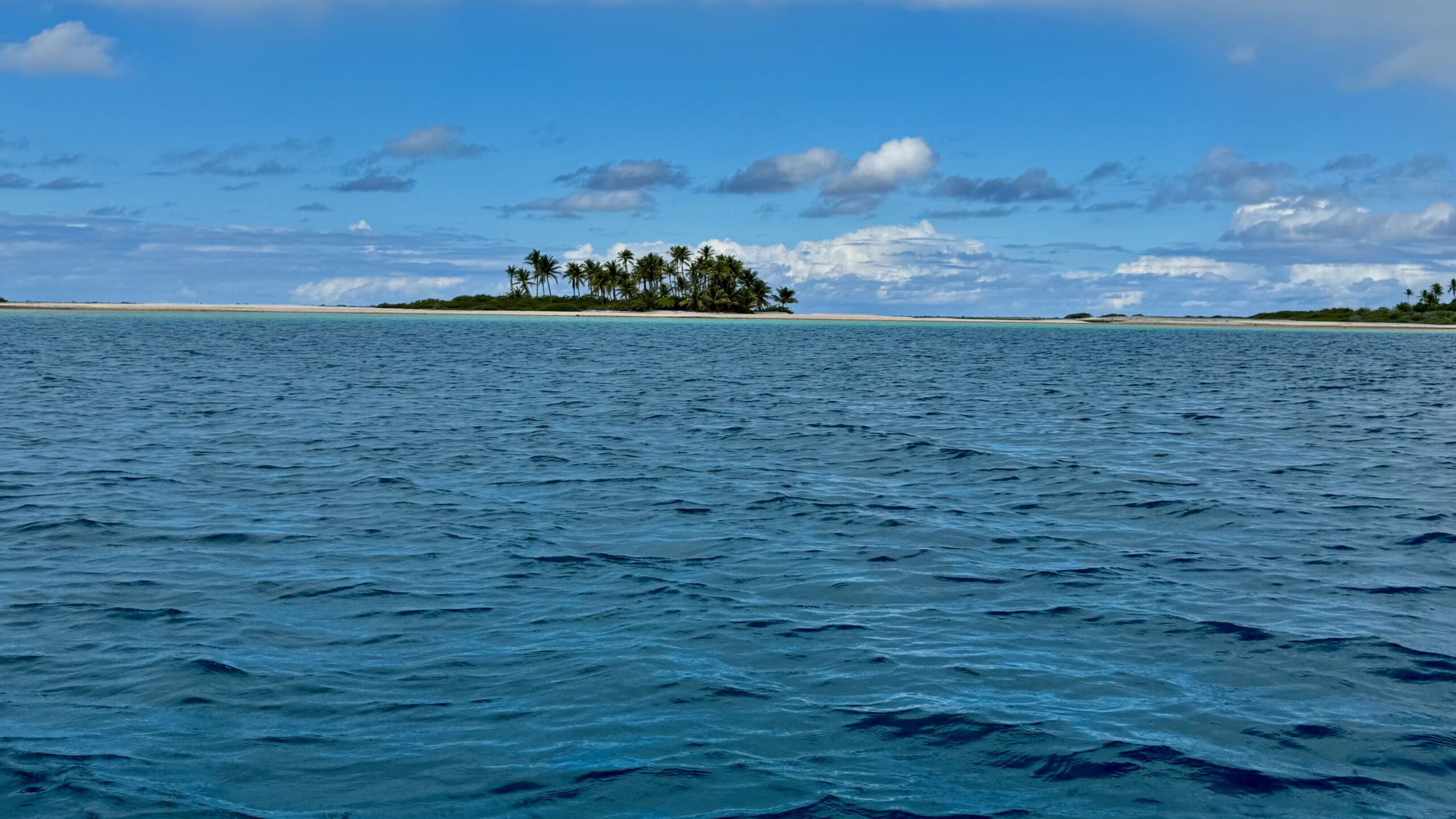
Unlike its neighbors Rangiroa or Fakarava, there are no luxury hotels there. There are no over-the-water bungalows or dive centers. Instead, Raroia offers something rarer: a glimpse into the Tuamotu lifestyle in its purest form. About 250 people live there, mostly in its main village of Garumaoa.
The economy centers around copra (harvesting of coconut meat to produce oil) and pearl farming.
The Ghost of the Kon-Tiki: A Date with History
To understand the soul of Raroia, one must first go back in time. It was August 7, 1947. Six Scandinavian men, bearded and burnt by the sun, had been drifting for 101 days on a raft of balsa logs, held together only by hemp ropes. They had set out from Peru to prove a bold theory: that the ancient peoples of South America could have colonized Polynesia by drifting on the winds and currents.
Their leader was Thor Heyerdahl.
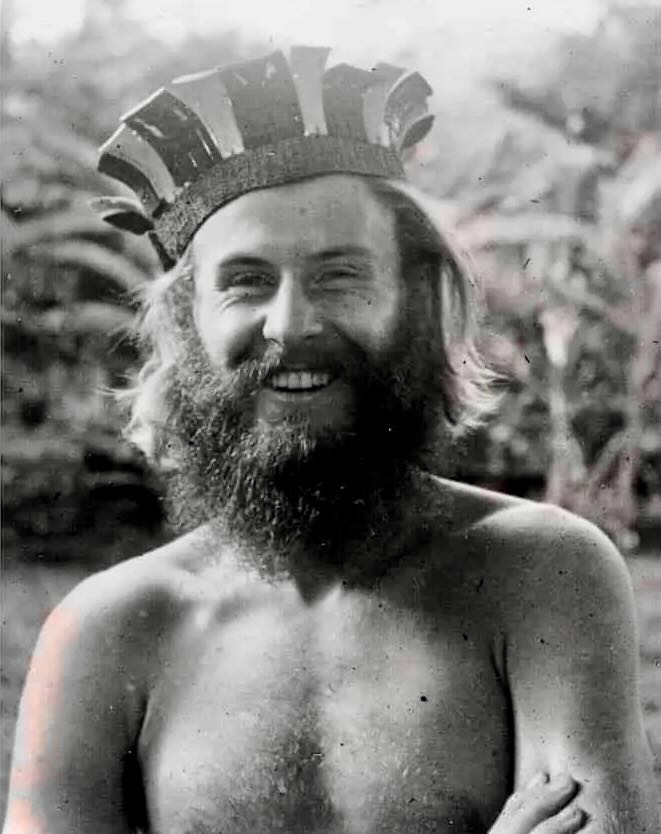
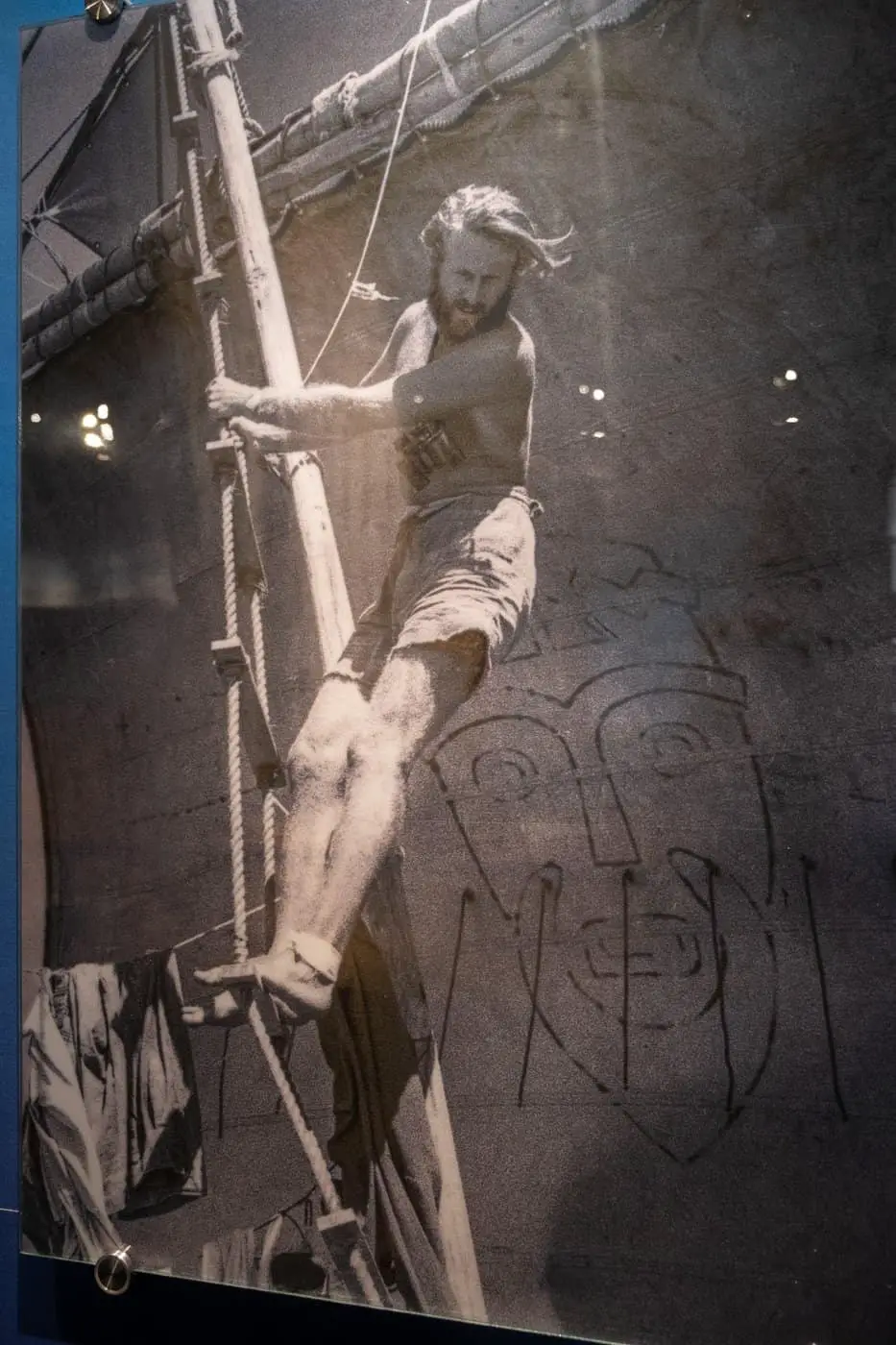
After 8,000 kilometers of ocean, the journey was nearing its end, but danger was imminent. Before them stood the coral barrier of Raroia, a wall of boiling foam. Without an engine to maneuver, the Kon-Tiki was lifted by gigantic waves and violently thrown onto the coral reef.


Miraculously, all the men survived. They crossed the reef on foot to reach a motu (deserted islet).
Today, a plaque stands at the site.

Now, on to our time on Raroia.
This was our first time sailing into an atoll, and due to all the legendary bommies, we were understandably nervous. When we arrived, we were ready to relax and unwind. This was the perfect place to do so.
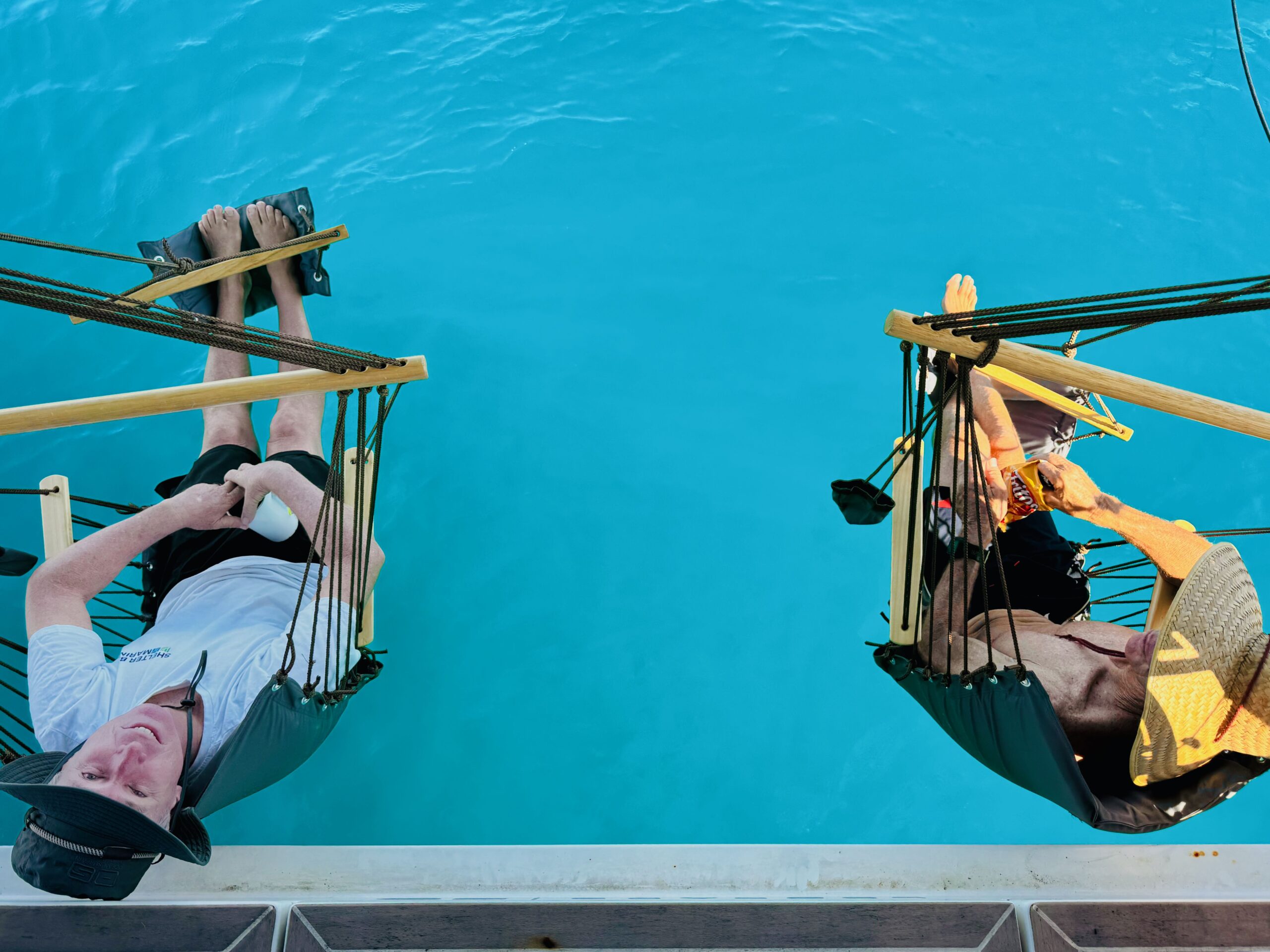
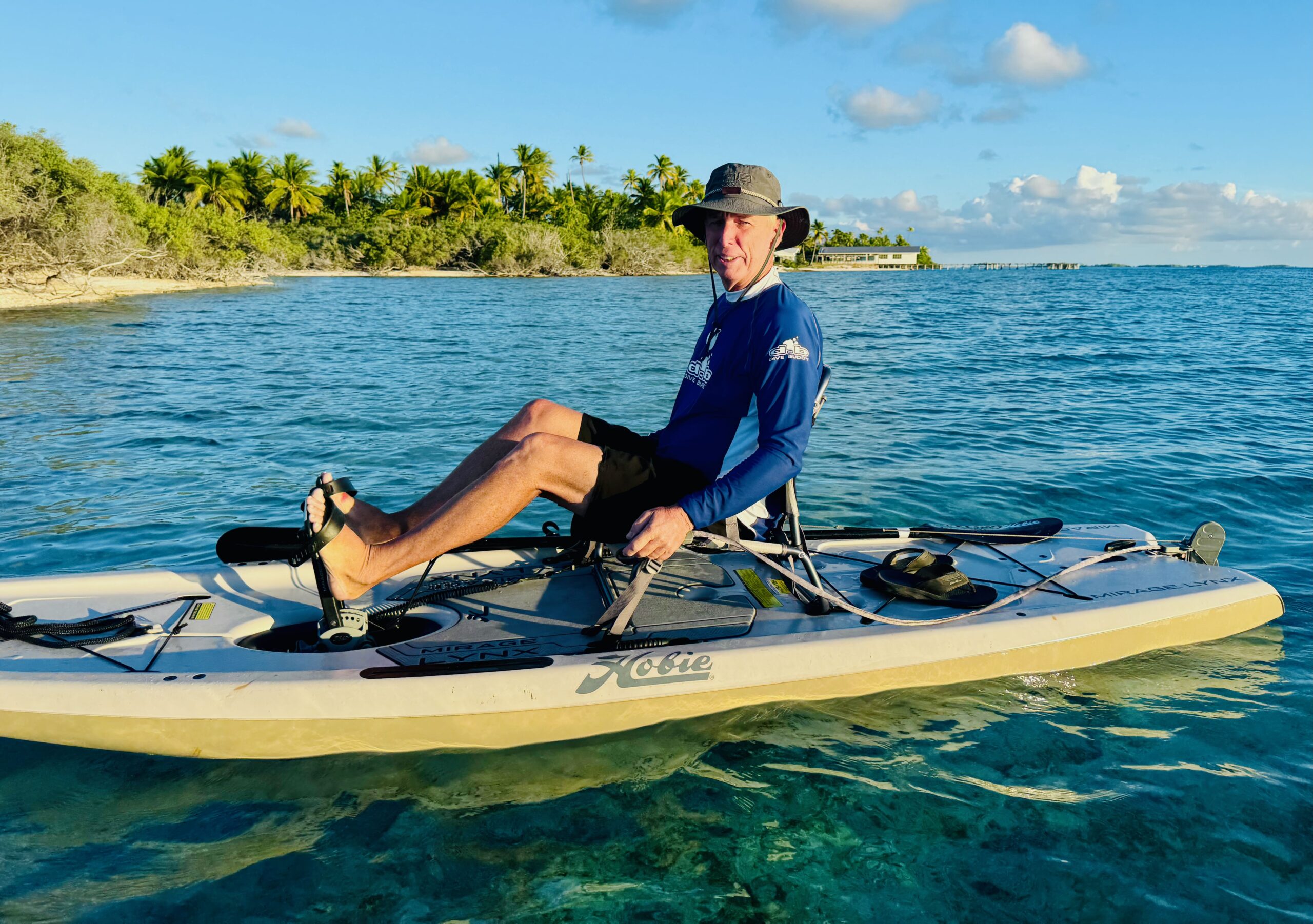
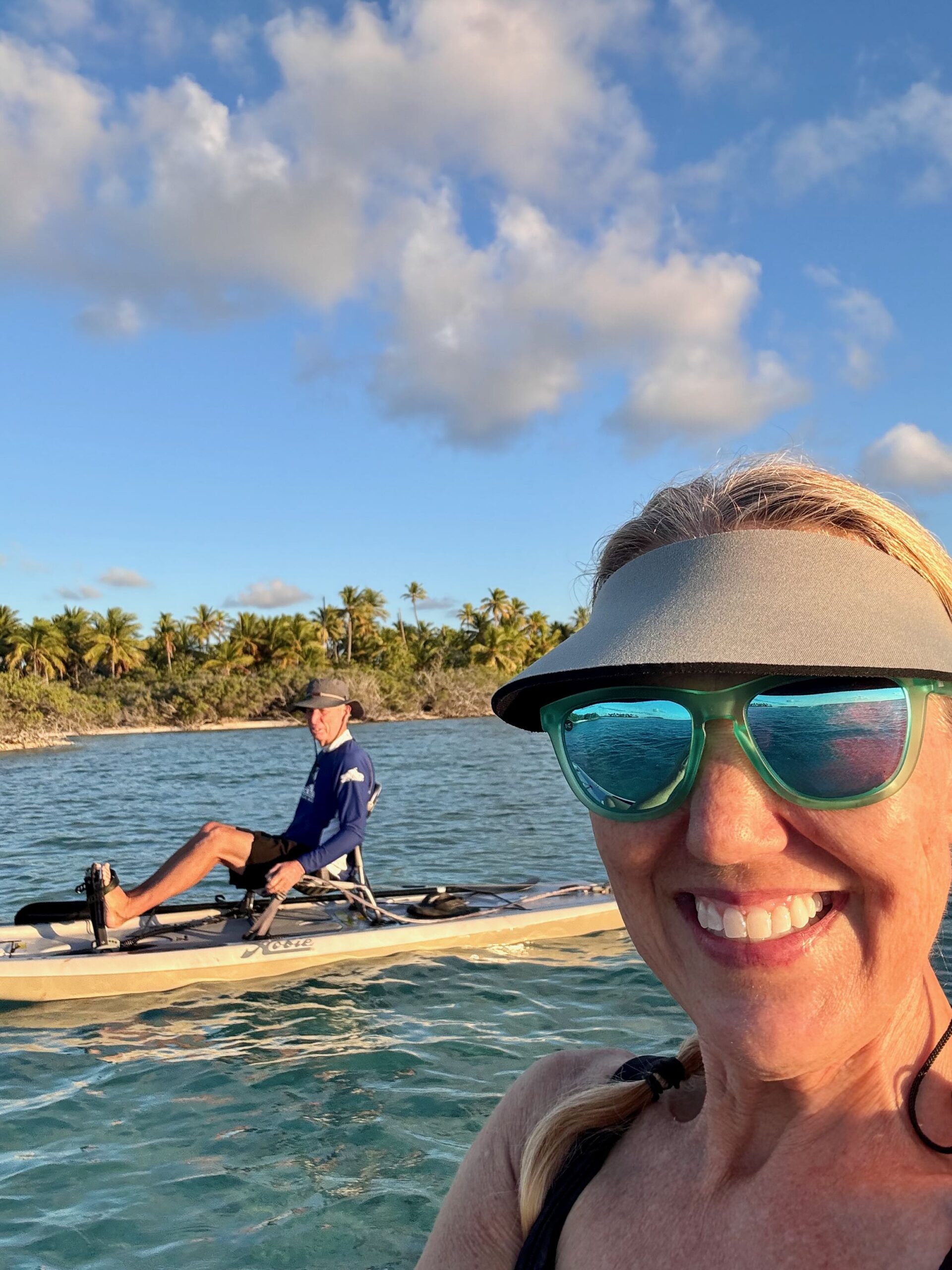
We had fun kayaking to some motus.
The water was impossibly clear.
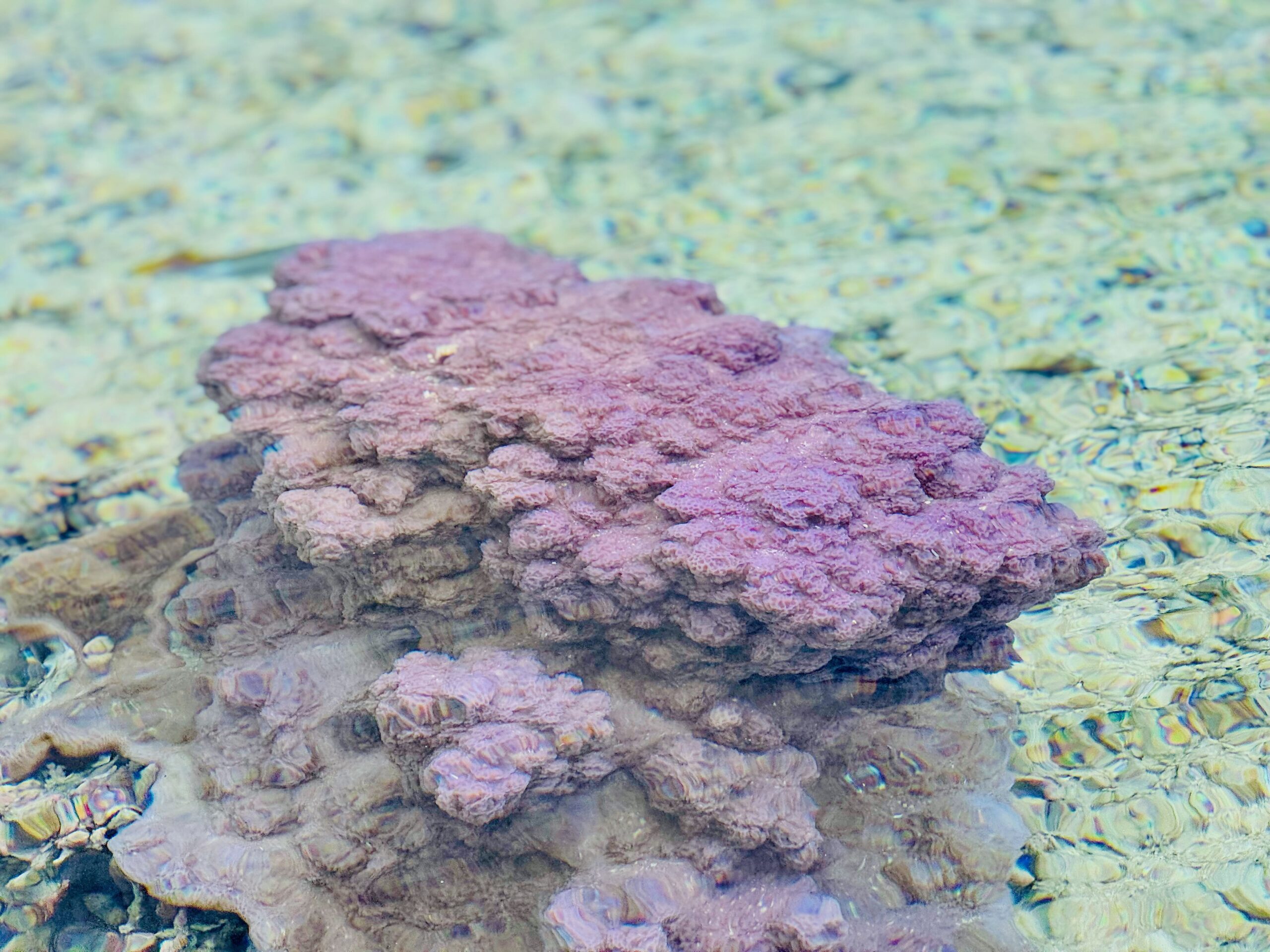
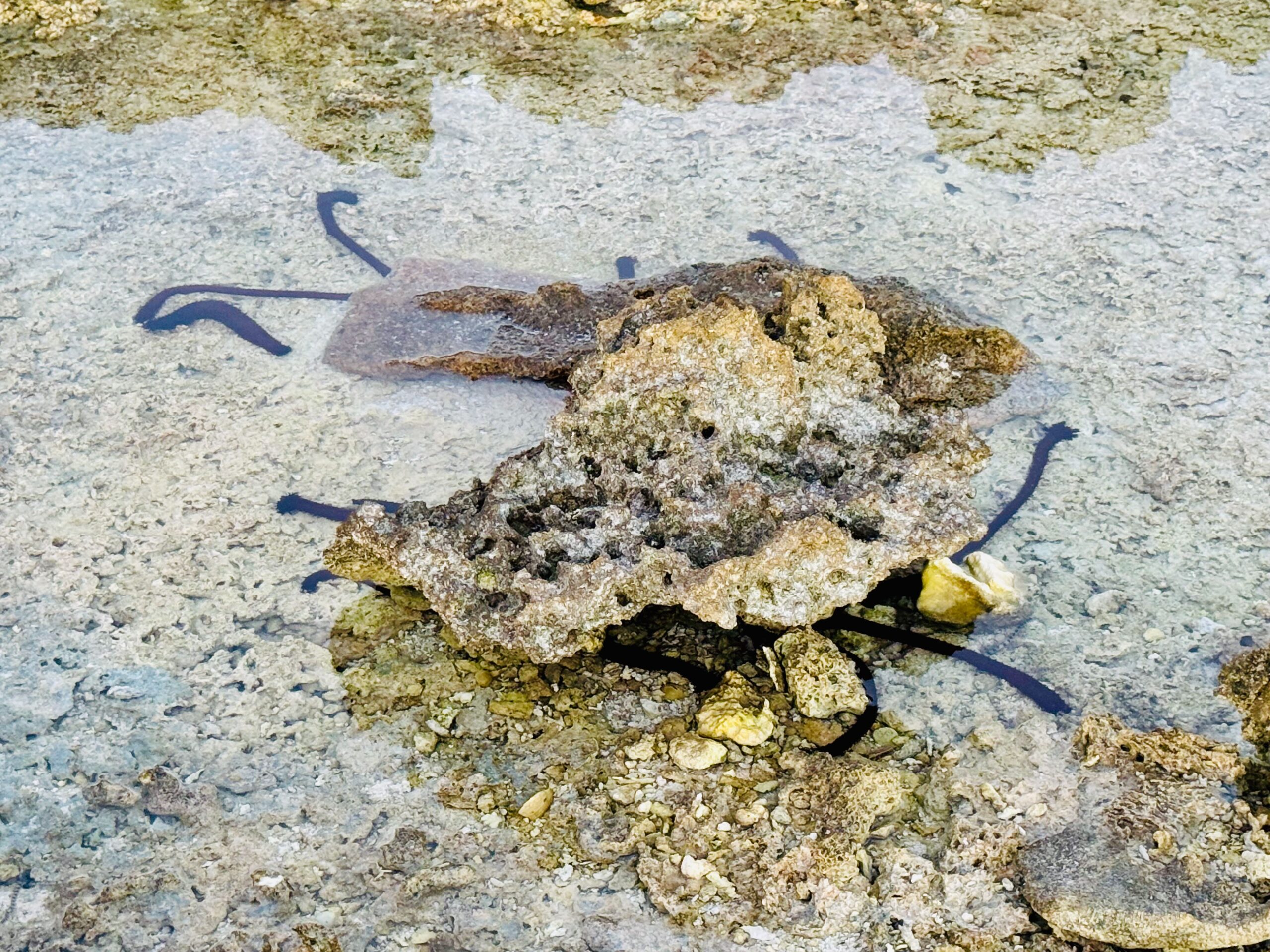
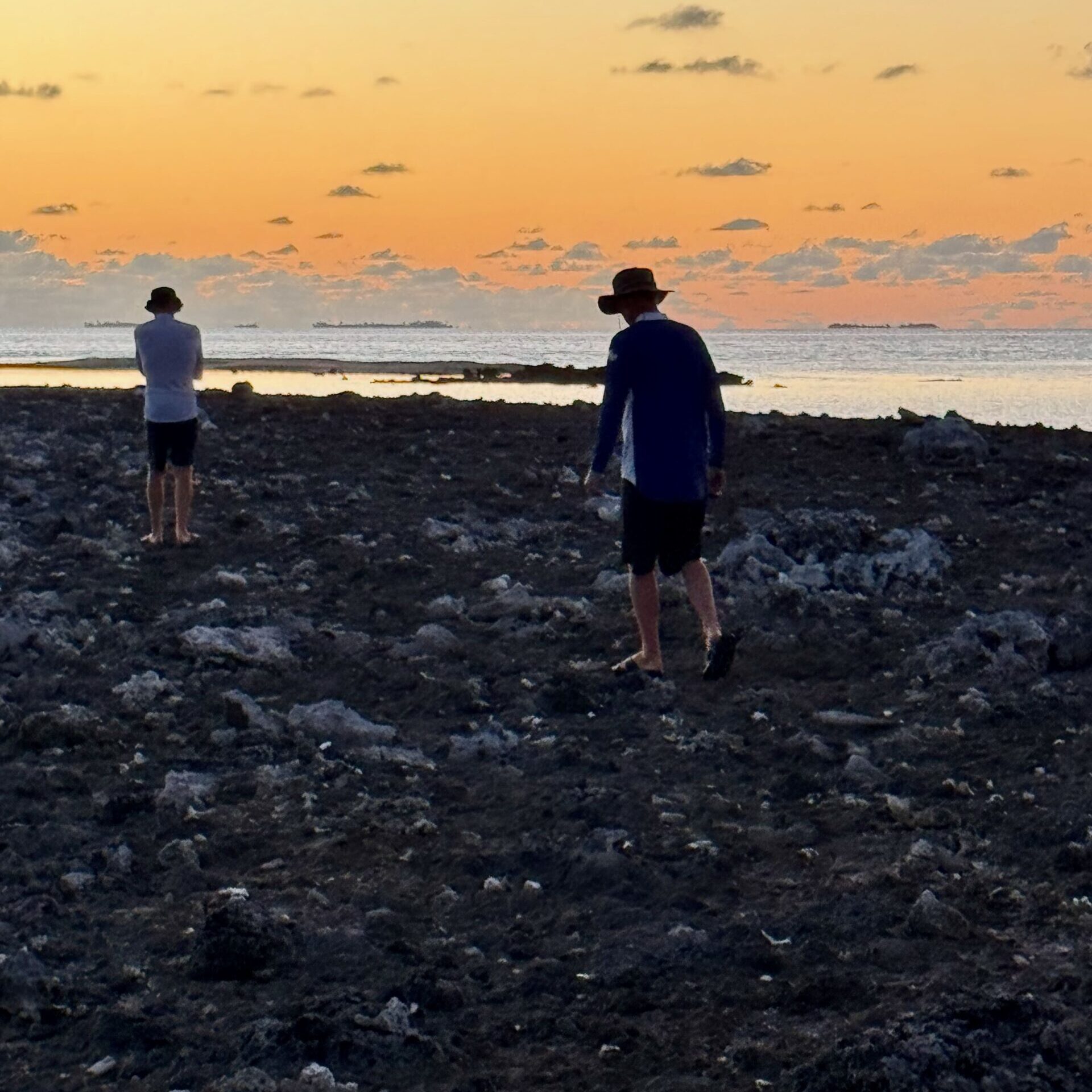
We had the motus all to ourselves.
While there, we saw magnificent marine life nestled among the rocky, often black, coral.
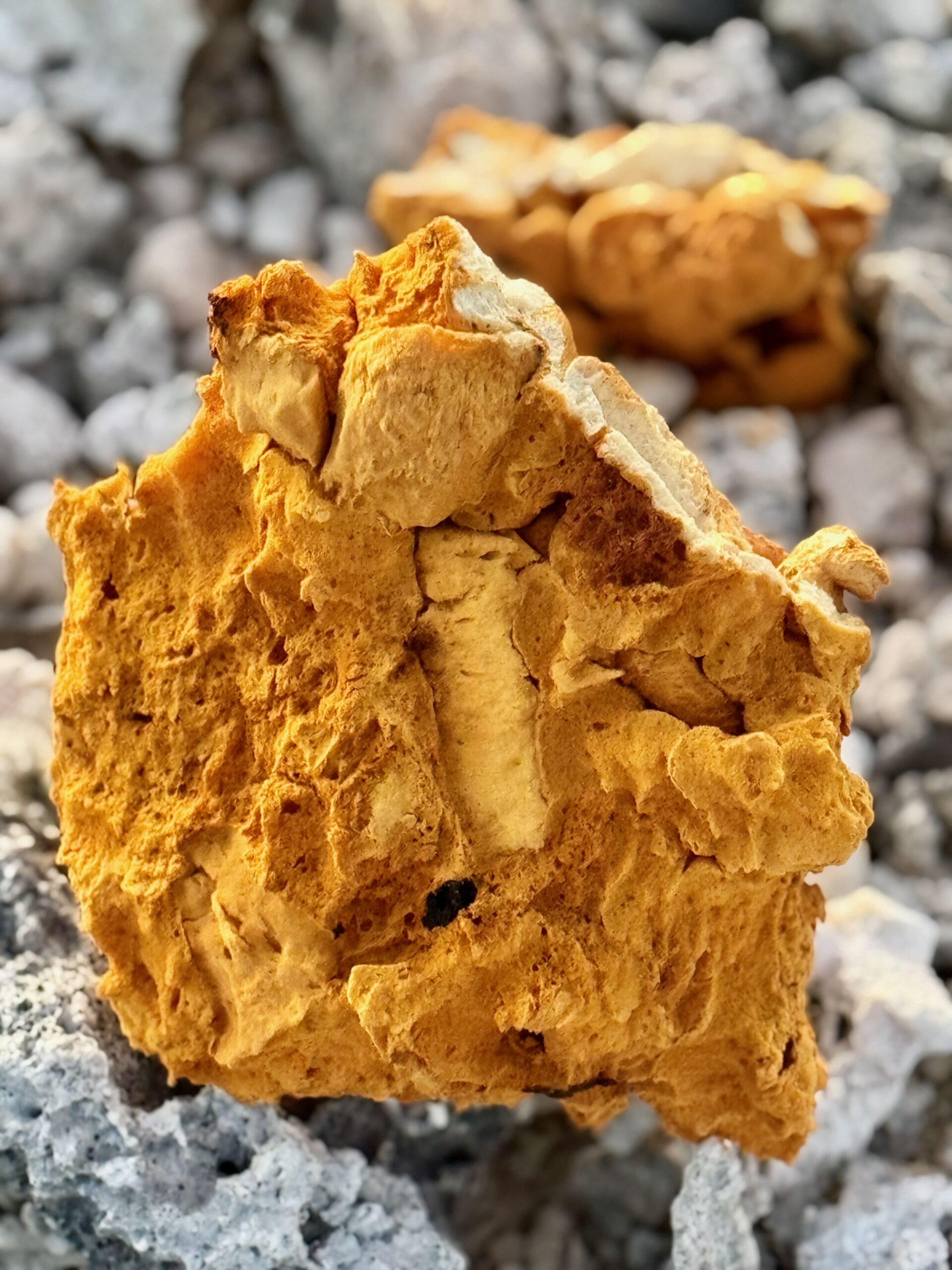
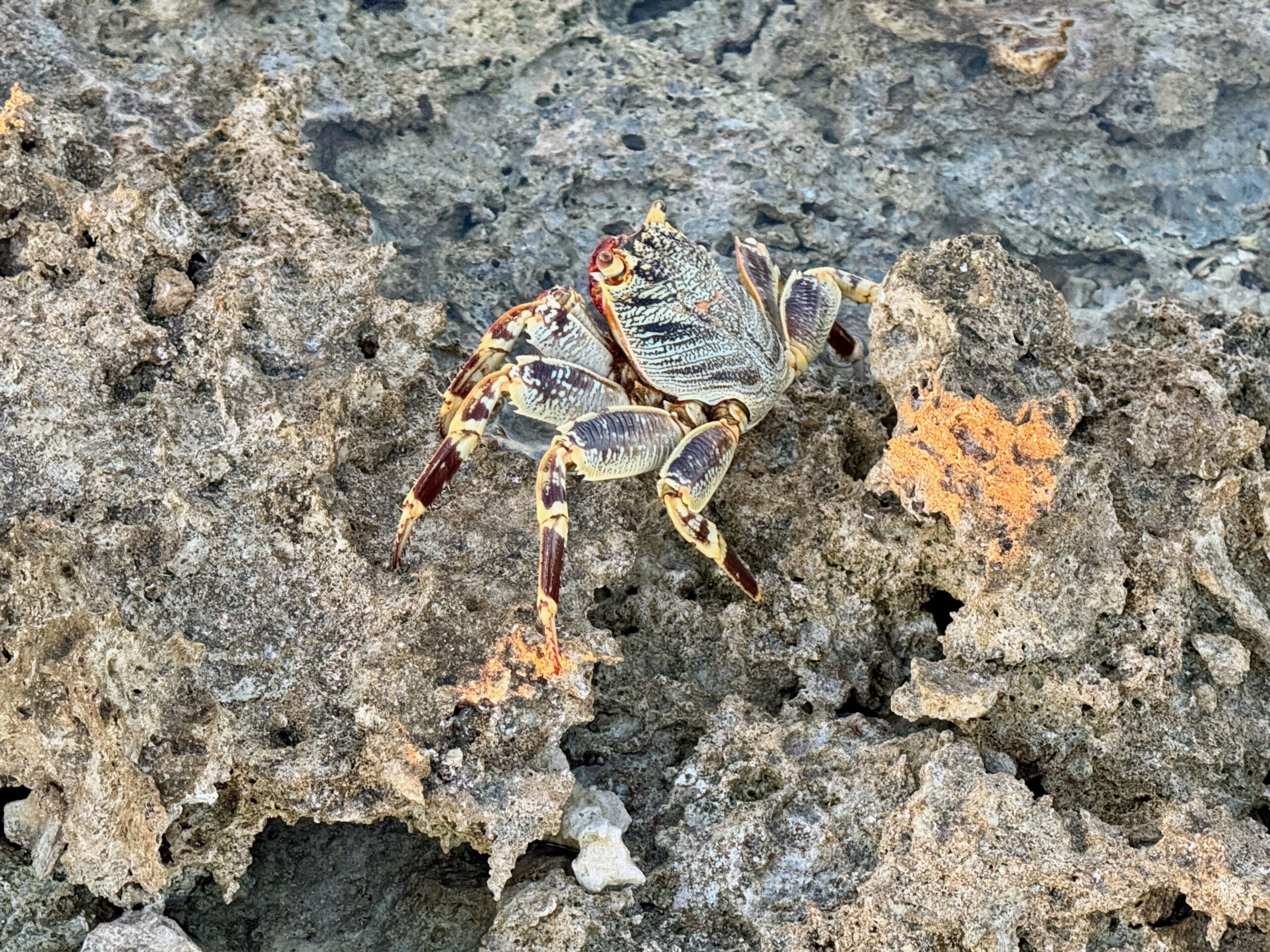
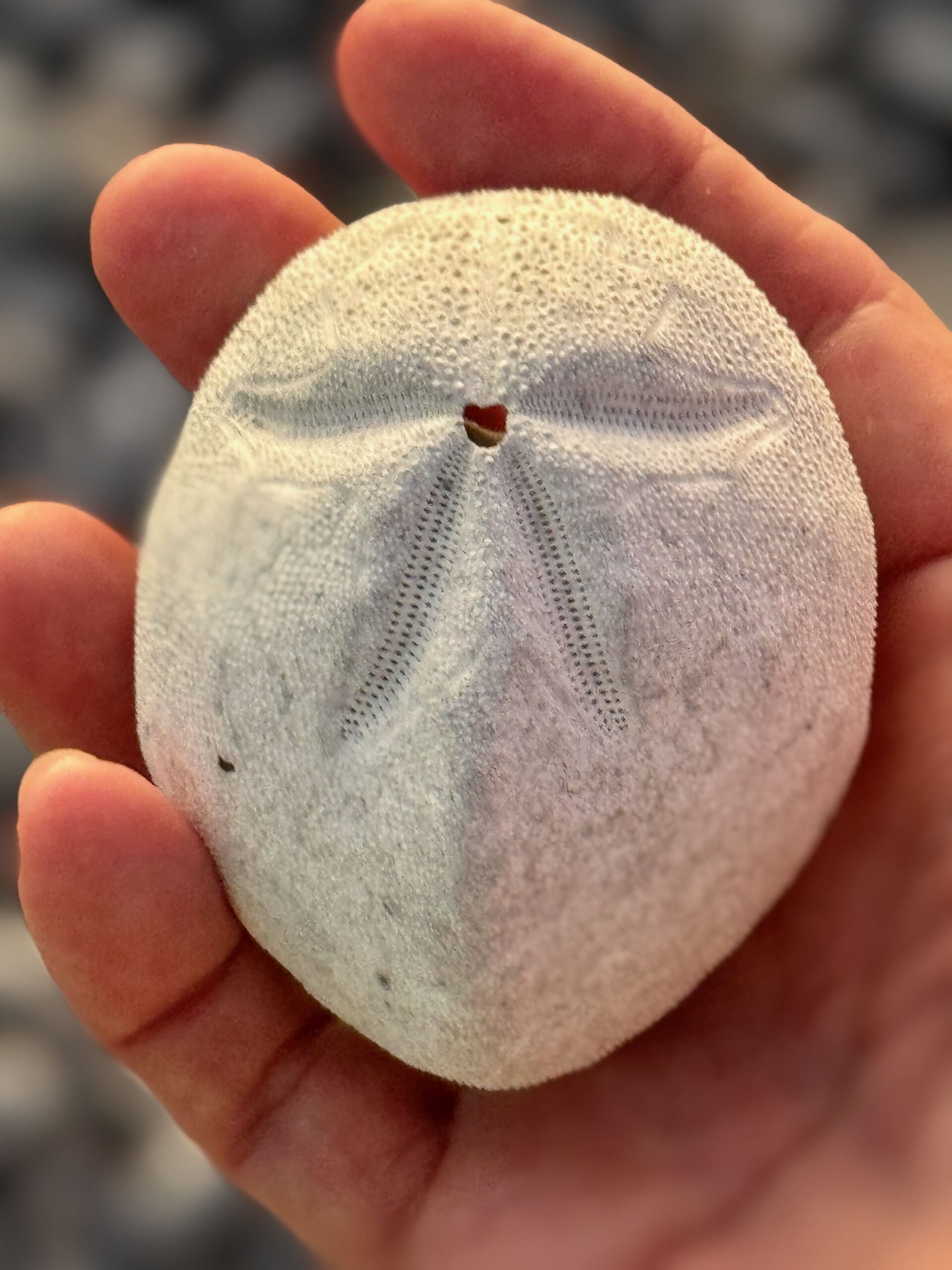
It was spectacular.
Getting There
Reaching Raroia requires patience and planning, but the reward is worth the effort.
- By Air: Air Tahiti operates flights to Raroia, usually once or twice a week from Pape’ete, Tahiti. The flight takes about 1 hour and 20 minutes. The landing strip is located on a motu, requiring a short boat ride to reach the village.
- By Sea: That’s how we arrived.
Accommodations
There are no hotels on Raroia. Accommodations are exclusively in pensions de famille (guesthouses). This is the best way to immerse yourself in local culture, share meals with your hosts, and hear the legends of the atoll told under the stars.
What We Did Not Get To
Snorkel the Pass
Village of Garumoa
Twin Palms Yacht Club
Abandoned Pearl Farms
Four reasons to return!
Final Thoughts
Raroia is not for everyone. If you need room service, air conditioning, and a pool bar, this is not your atoll. But if you want to stand on the beach where Kon-Tiki landed, view sharks in a lagoon that sees fewer than 300 visitors a year, and revel in the raw beauty of its shores, Raroia is a paradise waiting to be found.
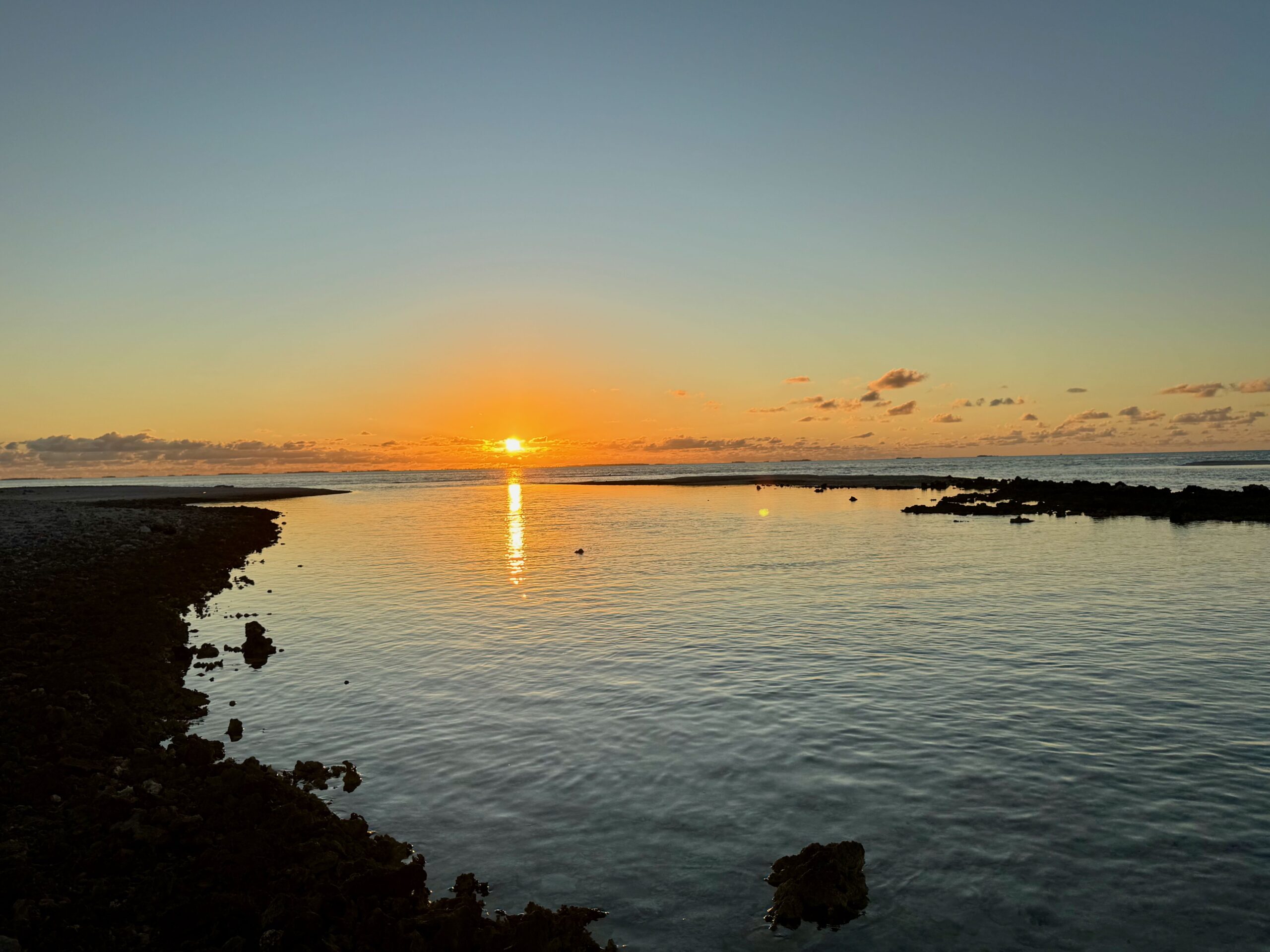
It is a place where you don’t just watch the sunset; you feel it. And in a world that is increasingly loud, the silence of Raroia is the greatest luxury of all.
Travel Notes
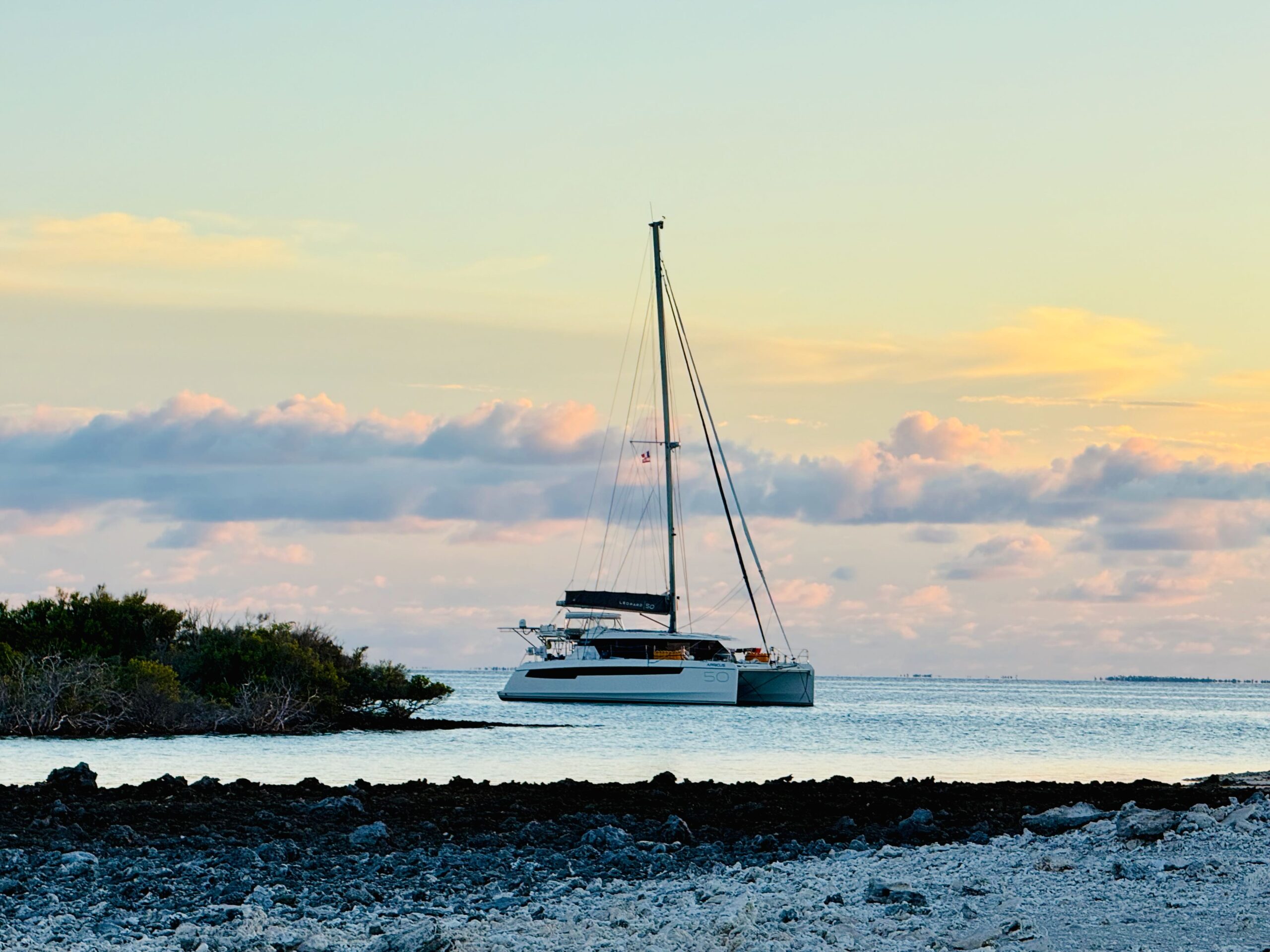
We stayed on our catamaran in this anchorage.
