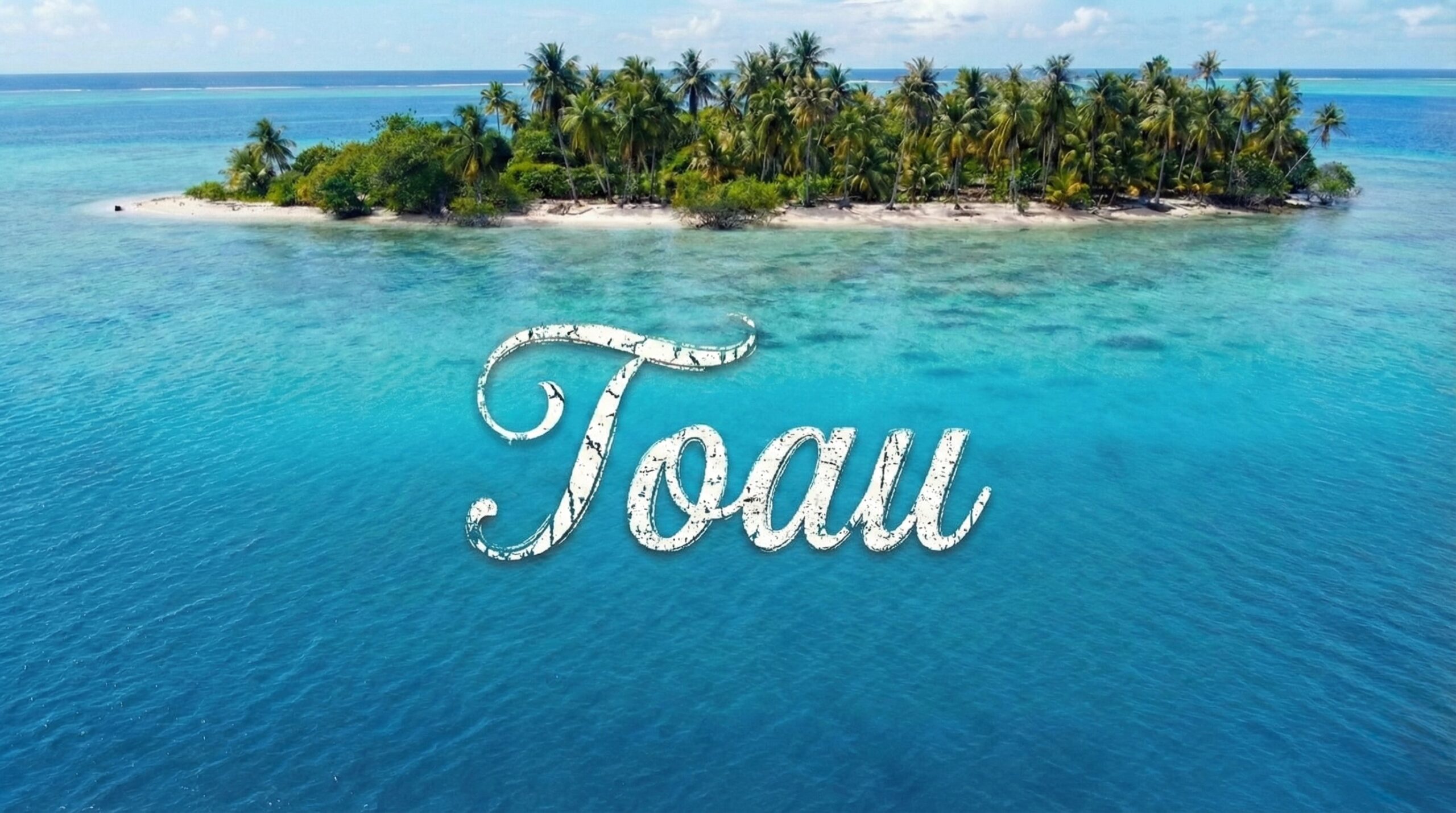
If you close your eyes and picture the ultimate deserted island—complete with swaying palms, neon-blue water, and absolute silence—you are picturing Toau.
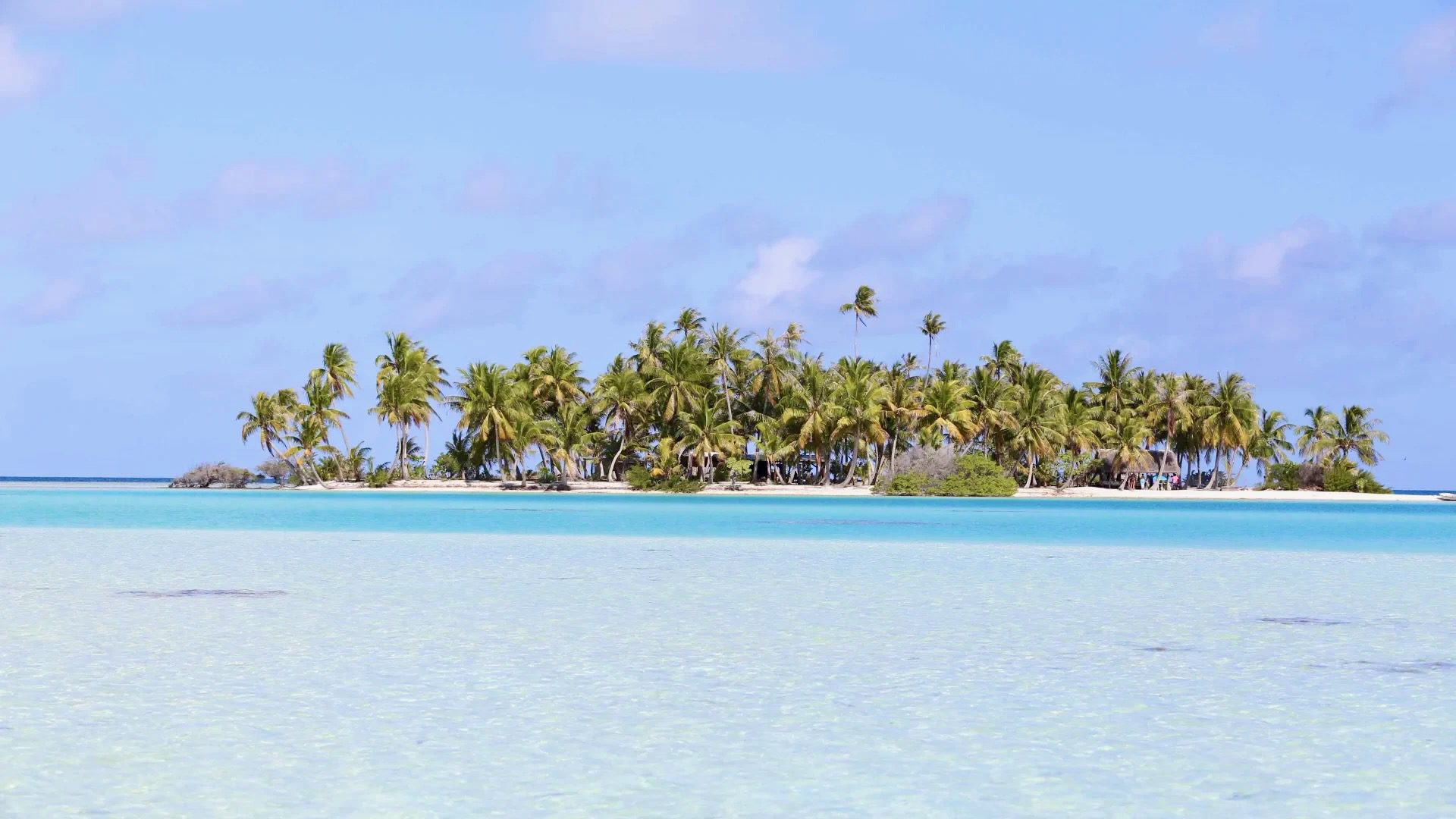
A coral atoll in the Tuamotu Archipelago of French Polynesia, it sits just northwest of its famous big brother, Fakarava. You can only get there by boat.
Unlike the more bustling tourist hubs of Tahiti or Bora Bora, Toau is off the grid in the truest sense. There’s no airport, no paved roads, and no hotels or restaurants. The population of Toau is tiny—often hovering around just 20 people. While we shared the anchorage with a few other cruising boats, we didn’t see any locals during our three days there.
We did, however, see boats from Tahiti Dive Management buzzing around, taking people on snorkeling excursions.

It was pretty magical.
The Two Things We Loved Most About Toau
1. Wind Sports
Our crew spent the entire time wing- and tow-foiling.
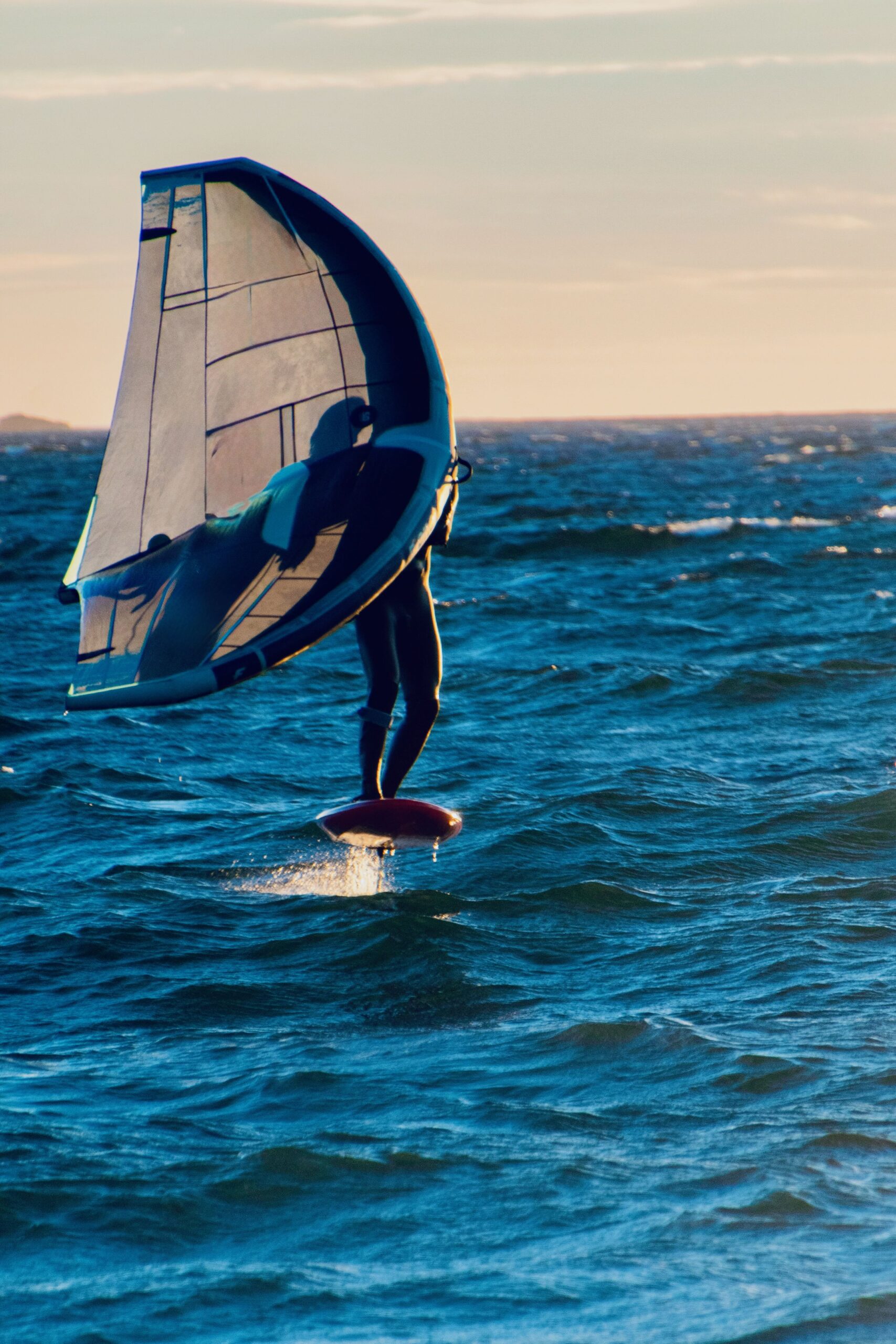
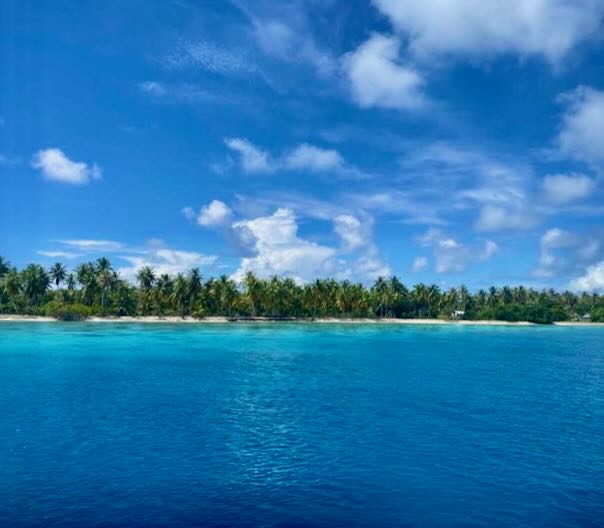
The conditions were great, and the scenery was even better.
2. The Beaches
While the guys foiled, I spent my time exploring the beaches every day. I literally had them all to myself.
It was so private and perfect, I felt like I was on a movie set.
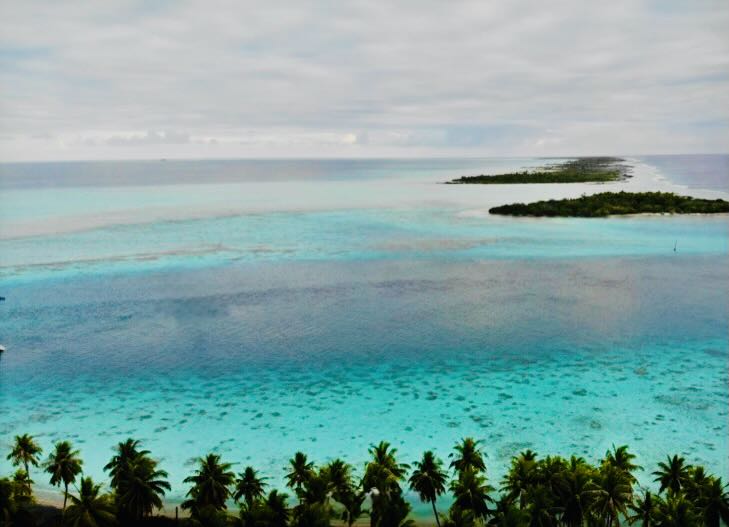
While I explored both the windward and leeward sides of the atoll, I lingered longer on the leeward side.
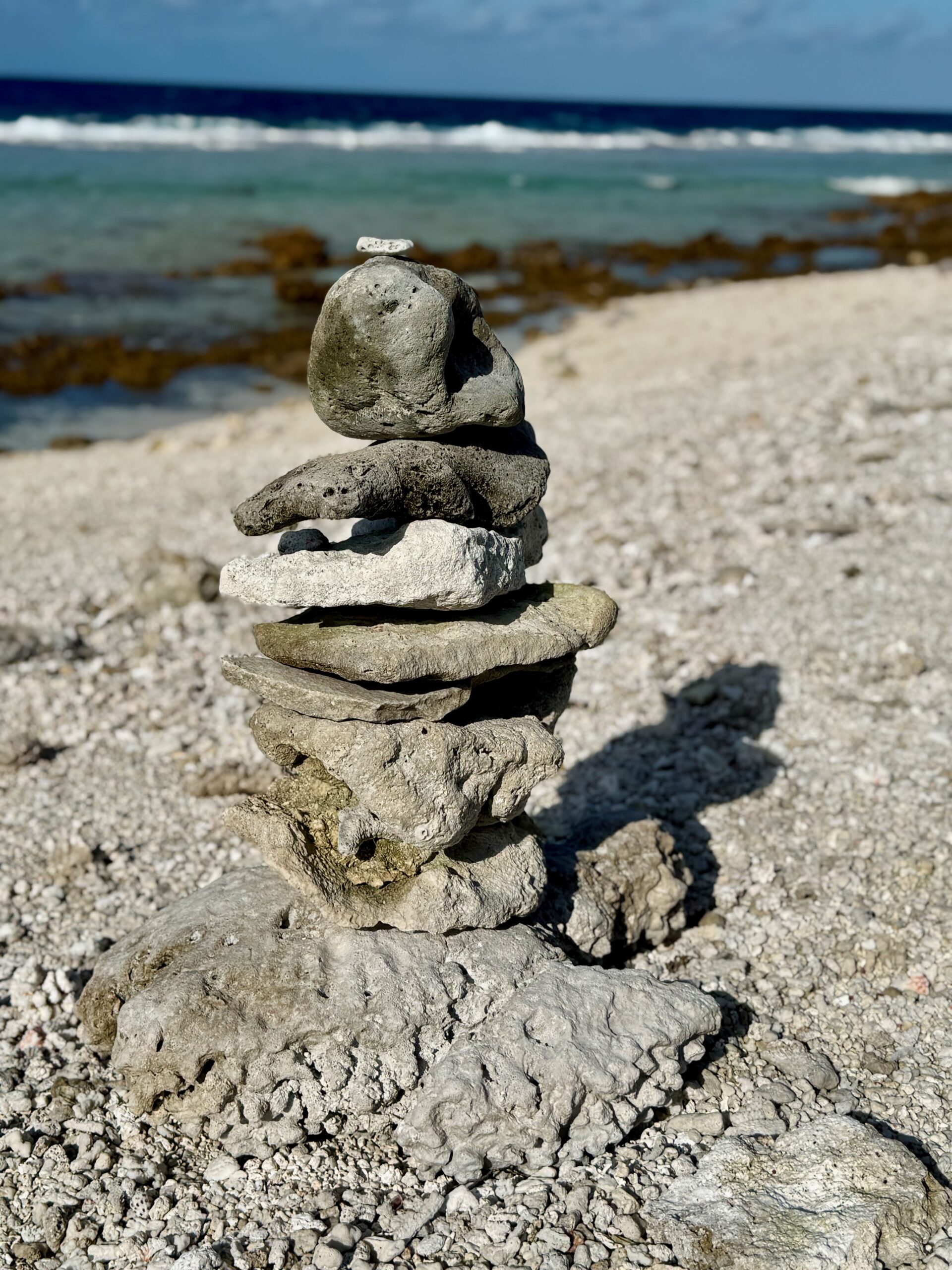
The vegetation of the interior was lush and jungle-like. I was suddenly very grateful that French Polynesia doesn’t have land snakes.
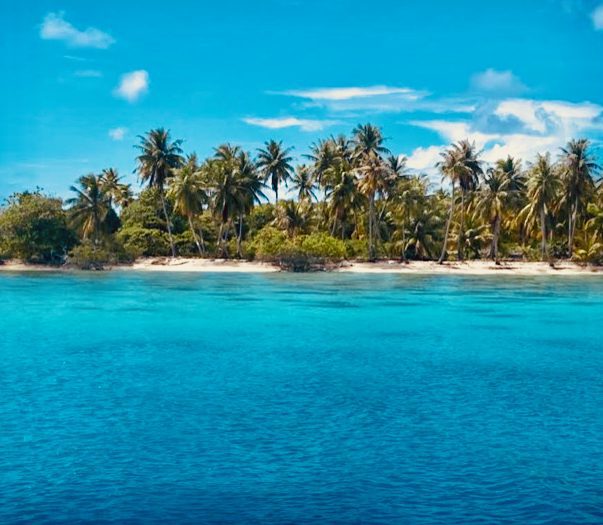
While on land, I gathered any trash that had washed up onto shore, so as to leave the area cleaner than I found it. And while Roy was less than excited about me hauling garbage onto our boat, it made me feel good to give a little something back to the environment.


Now a confession.
One day, I took our kayak to shore. As usual, I gently hauled it up onto the beach, making sure to avoid scratching it on the rocks. There was no tree where I was, so I didn’t tie it up, as I usually did, so I made sure to pull it far enough on shore to keep it safe. Or so I thought.
I then happily went about my day, admiring beautiful seashells and cheerfully gathering trash. I spent the entire day on the leeward side of the atoll.

As the sun started to set, I quickly made my way back to the anchorage.
As I turned the corner, though, I froze in my tracks: the kayak was gone. It was a surreal moment, as I alternated between feelings of confusion and disbelief.
I looked toward the boats in the anchorage and, realizing I had no phone with me, wondered how I might communicate with my crew.
With no other options, I dropped the trash bags and started shouting, “Hey, hey, help! Help, please!” This went on for several minutes.
Eventually, I noticed our dinghy being lowered into the water, and thankfully, Roy was soon on shore to give me a ride. The entire crisis probably lasted only about half an hour, but it felt like an eternity.
Here’s where the story takes a funny turn: we started going from boat to boat on our dinghy, asking if anyone had seen our kayak.
“No, but I did hear some yelling on shore,” several said. I find it amusing (and a bit disturbing) that no one thought to investigate.
We spent the next day searching for the kayak, to no avail. On the plus side, though, we got to see nearly the entire atoll: almost all 21 miles of it!
It was stunning from end to end.
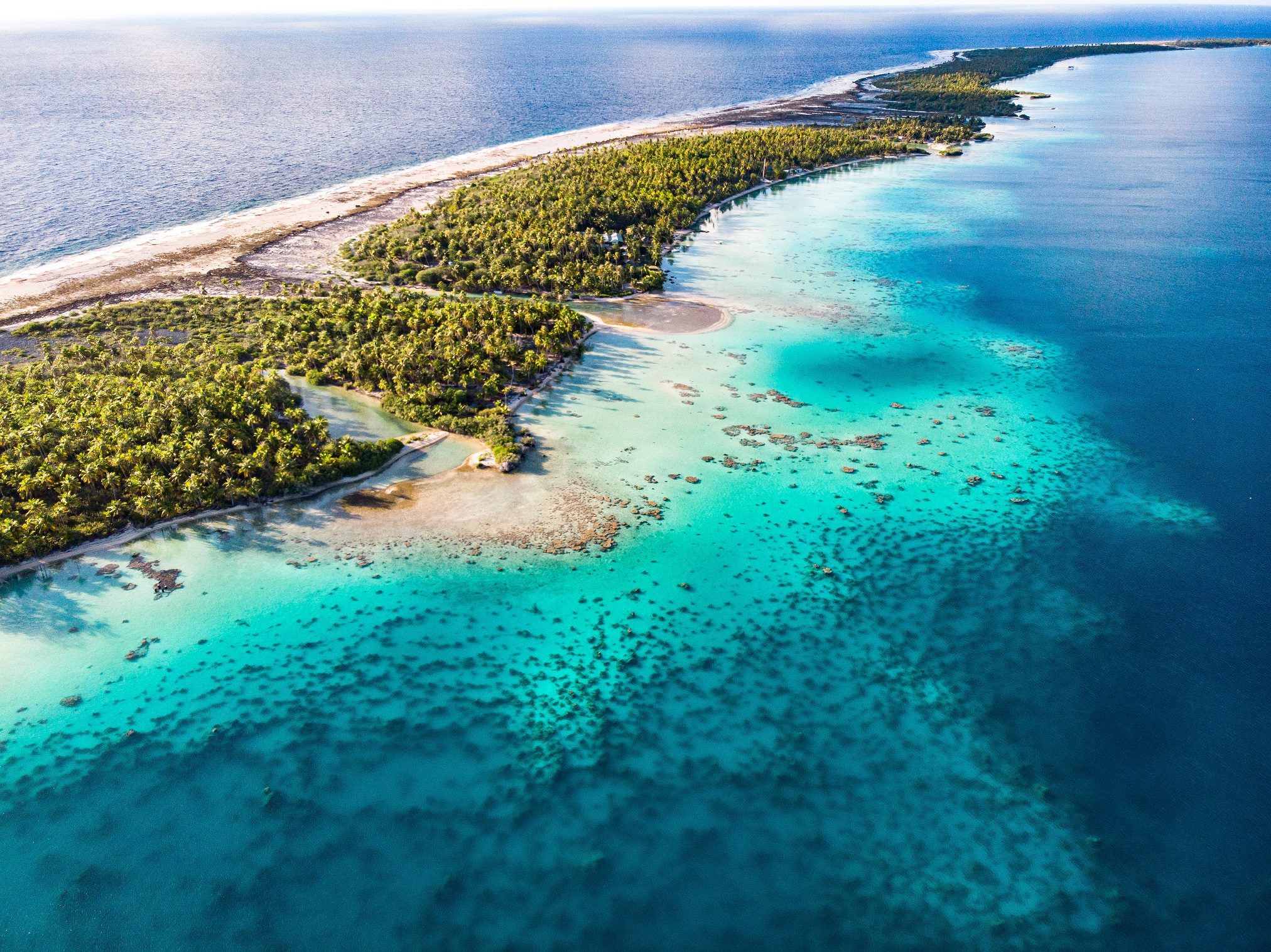

We had planned on heading over to Anse Amyot for some snorkeling, but because of the kayak fiasco, we didn’t have time for it.
This was unfortunate because Anse Amyot is legendary. While most atolls have “passes” that let water (and boats) flow into the central lagoon, Anse Amyot is a “false pass.” It looks like an opening, but it actually leads to a cul-de-sac protected by the reef, rather than opening fully into the lagoon. This creates a perfectly sheltered, natural swimming pool.

Apparently, the marine life there is amazing. The water is so clear it looks like gin. You can expect to see:
- Friendly Reef Sharks: Blacktip and whitetip sharks are everywhere, usually harmless and curious.
- Napoleon Wrasse: These massive, green-hued fish are gentle giants of the reef.
- Live Coral: Unlike many parts of the world, the coral here is vibrant and healthy.
A reason for us to return someday!
How to Visit
Since there is no airport, you can’t fly to Toau. Most visitors arrive in one of two ways:
- By Private Boat or Charter: This is the most common way. Many catamarans chartering out of Fakarava will include a day trip or an overnight stop in Toau.
- Day Trips from Fakarava: It’s about a one- to two-hour boat ride from Fakarava, making it a possible (though long) day excursion if the weather is calm.
Final Thoughts
Toau is not for the traveler who wants room service (or a hotel room, for that matter) or needs reliable Wi-Fi. It is for the person who wants to disconnect completely. It is a place where the only schedule you follow is the rising and setting of the sun.
If you ever find yourself in the Tuamotus, consider setting a course for Toau. It’s as close to a deserted island as you may ever get.
You can see a map of Toau here.